Call Us
+86 136 6007 9809
Call Us
+86 136 6007 9809

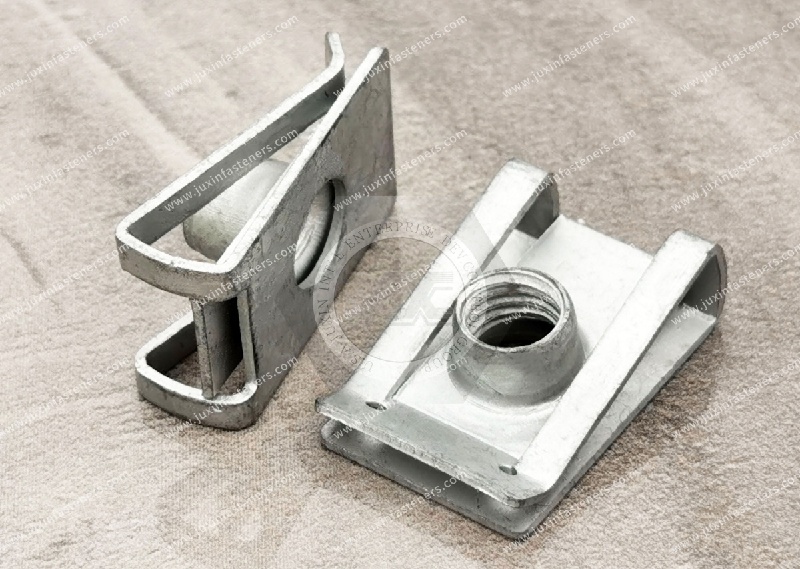
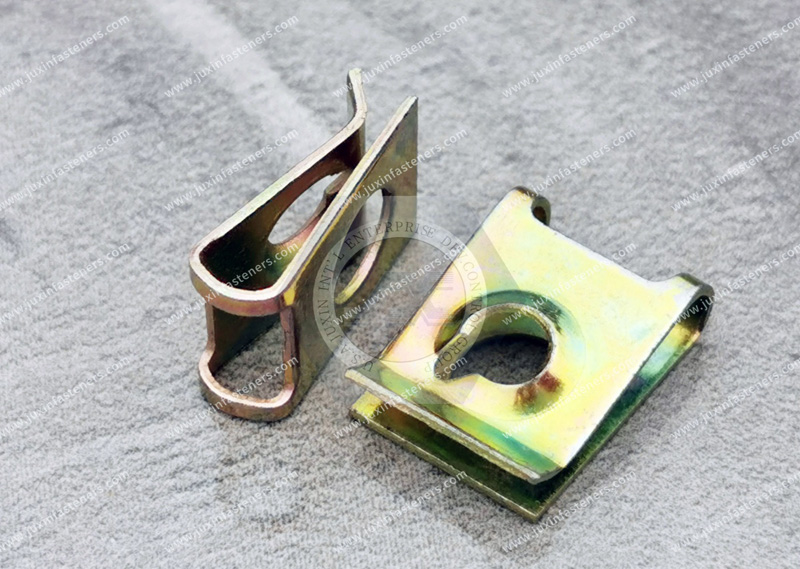
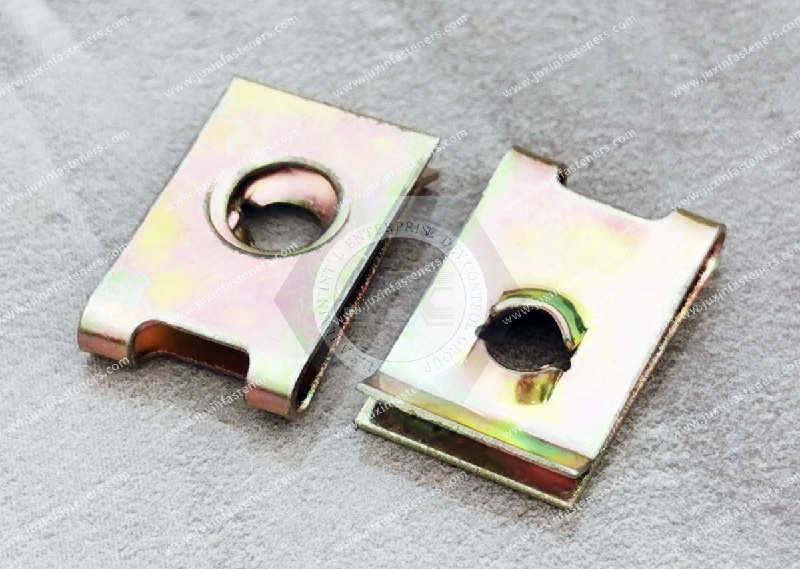
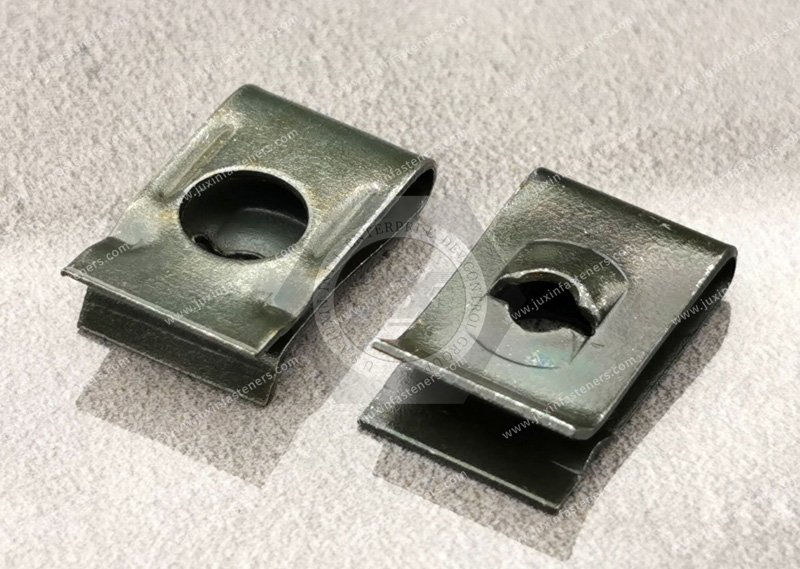
Strong-grip clip-on barrel nuts provide a threaded fastening point for thin-panel assemblies where installation access, panel retention and screw engagement must be considered together.
Also known as U-nuts, U-style clip-on nuts or barrel clip nuts in certain product catalogs,
these fasteners use a spring clip structure and an integrated barrel-style threaded section to attach to a panel edge or prepared panel feature.
Product Specification
Strong-grip clip-on barrel nuts provide a threaded fastening point for thin-panel assemblies where installation access, panel retention and screw engagement must be considered together.
Also known as U-nuts, U-style clip-on nuts or barrel clip nuts in certain product catalogs,
these fasteners use a spring clip structure and an integrated barrel-style threaded section to attach to a panel edge or prepared panel feature.
Compared with simple clip designs, a barrel-style configuration may provide a more defined threaded engagement area for the compatible screw.
However, the actual thread engagement length, panel retention and joint performance depend on the specific product geometry, thread size, panel thickness and installation conditions.
For design engineers and procurement teams, the right selection is not based on the term “strong-grip” alone.
The complete fastening solution should be evaluated according to the panel material, clip fit, screw specification, installation process, environmental exposure and required service performance.
JUXIN FASTENERS supports OEM and industrial sourcing requirements for clip-on nuts and other fastening components.
Product suitability should be confirmed against the applicable drawing, reference sample and customer specification.
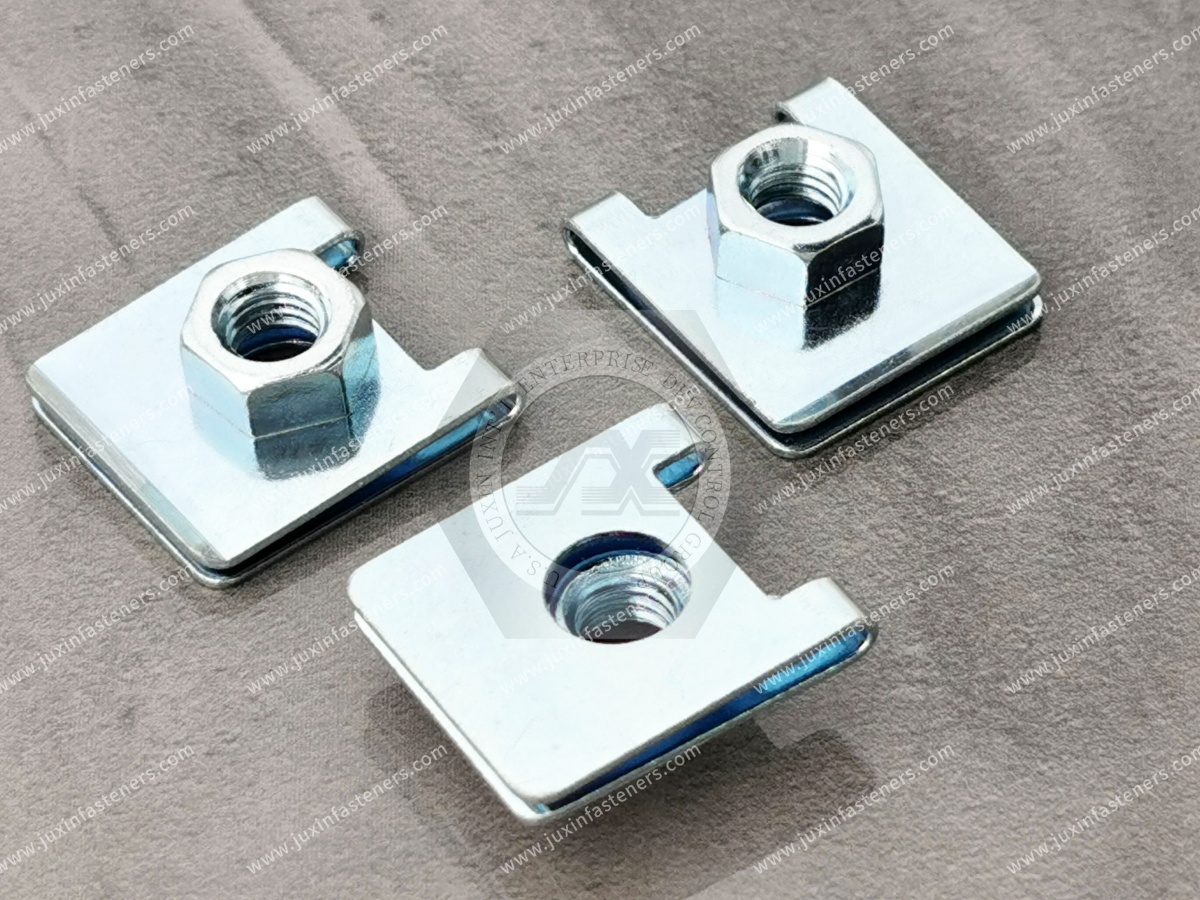
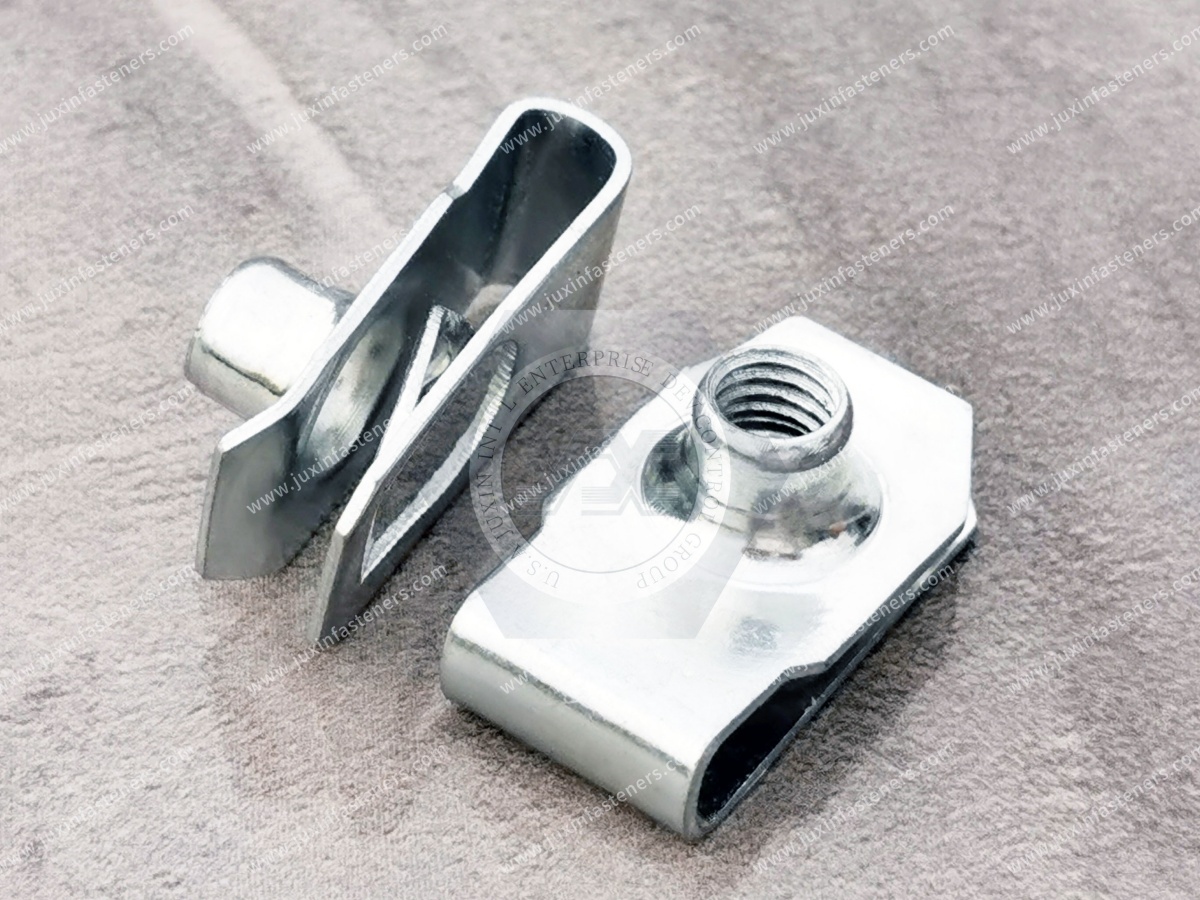
A strong-grip clip-on barrel nut is a spring-style fastening component that clips onto a panel edge or compatible panel feature. Its barrel section contains an internal thread designed to receive a specified screw.
The clip and barrel perform different functions:
The clip helps position and retain the nut on the panel.
The barrel provides the threaded fastening interface.
The panel supports the clip and transfers the applied assembly loads.
The screw creates the threaded connection with the nut.
The term “barrel nut” can refer to different fastening geometries across industrial markets.
For this reason, the supplier should confirm the exact structure rather than assuming that every barrel-style clip nut has the same installation method or performance characteristics.
Typical commercial search terms include:
Strong-grip clip-on barrel nuts
U-nuts
U-style clip-on nuts
Barrel clip nuts
Spring clip nuts
Panel edge nuts
Multi-thread clip-on nuts
Sheet metal clip nuts
These terms can help buyers discover relevant products, but the final selection should always be based on a product drawing and application requirements.
The U-style clip is designed to engage the panel, while the barrel provides the threaded fastening area.
In a configuration that grips both sides of a thin panel, the clip geometry can help maintain the nut’s position during assembly.
The retention mechanism is affected by the relationship between the clip opening and the panel thickness.
The panel edge, coating, surface condition and dimensional tolerance can also influence the installed fit.
A clip-on barrel nut must satisfy two separate design considerations:
Panel retention: The nut should remain positioned as intended during handling and screw installation.
Threaded connection: The screw must engage the internal thread correctly and form a joint suitable for the specified application.
A nut that remains attached to the panel during assembly is not automatically suitable for high-load or high-vibration service.
The complete joint must be evaluated for the intended loads, tightening process, panel stiffness and service environment.
The term “strong-grip” should therefore be treated as a product description rather than a universal quantitative performance classification.
The barrel section of a clip-on nut provides the internal threaded interface. Depending on the product design, the barrel may offer a longer or more defined threaded section than a basic spring clip nut.
Thread engagement should be reviewed in relation to the selected screw and nut geometry.
Important considerations include:
Nominal thread size
Thread pitch or thread series
Effective internal thread length
Screw diameter and thread form
Screw length
Thread engagement available after installation
Screw head clearance
Tightening method
Potential thread damage during assembly
More visible threads do not automatically establish a specific load capacity.
Thread stripping resistance and joint performance depend on the thread geometry, material, engagement, screw properties, installation conditions and loading direction.
For production applications, the buyer should specify the required thread standard and confirm compatibility with the screw used in the assembly.
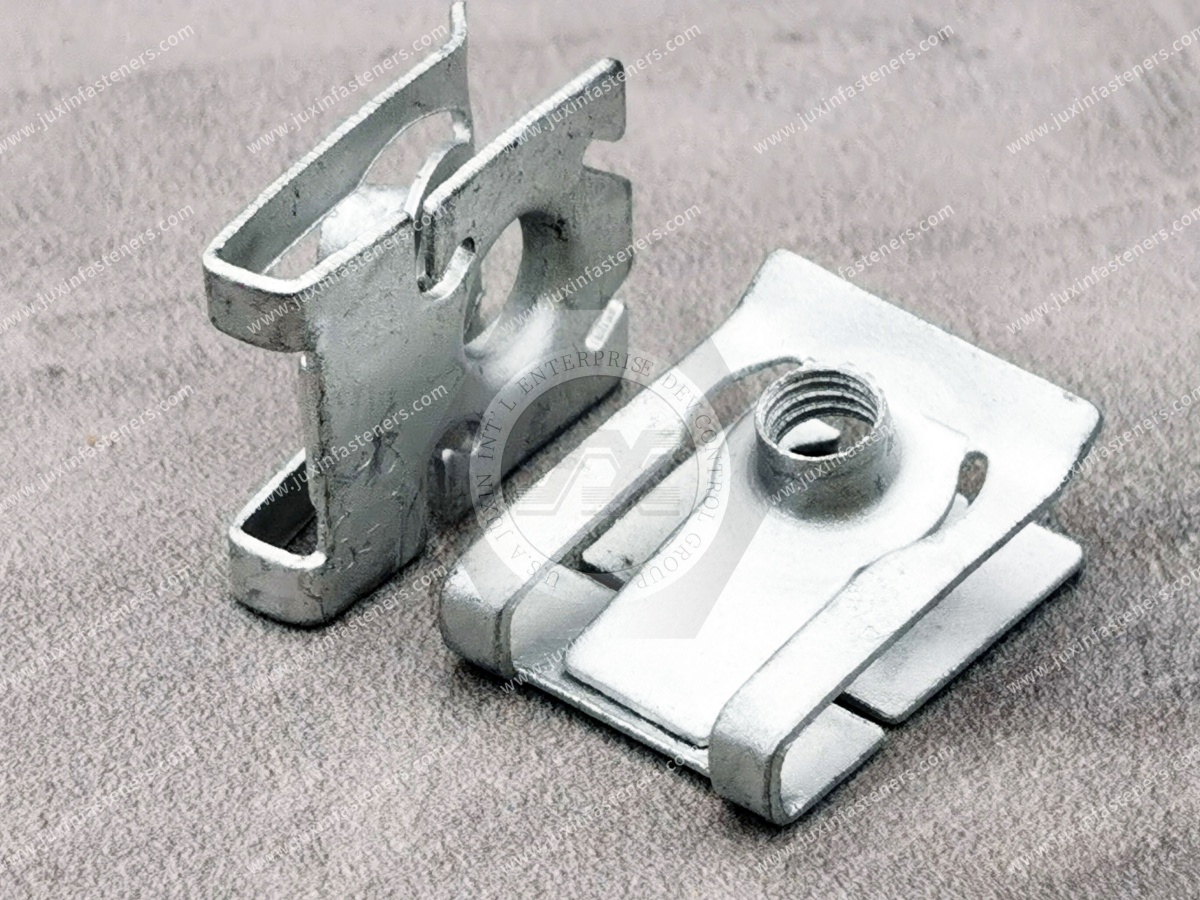
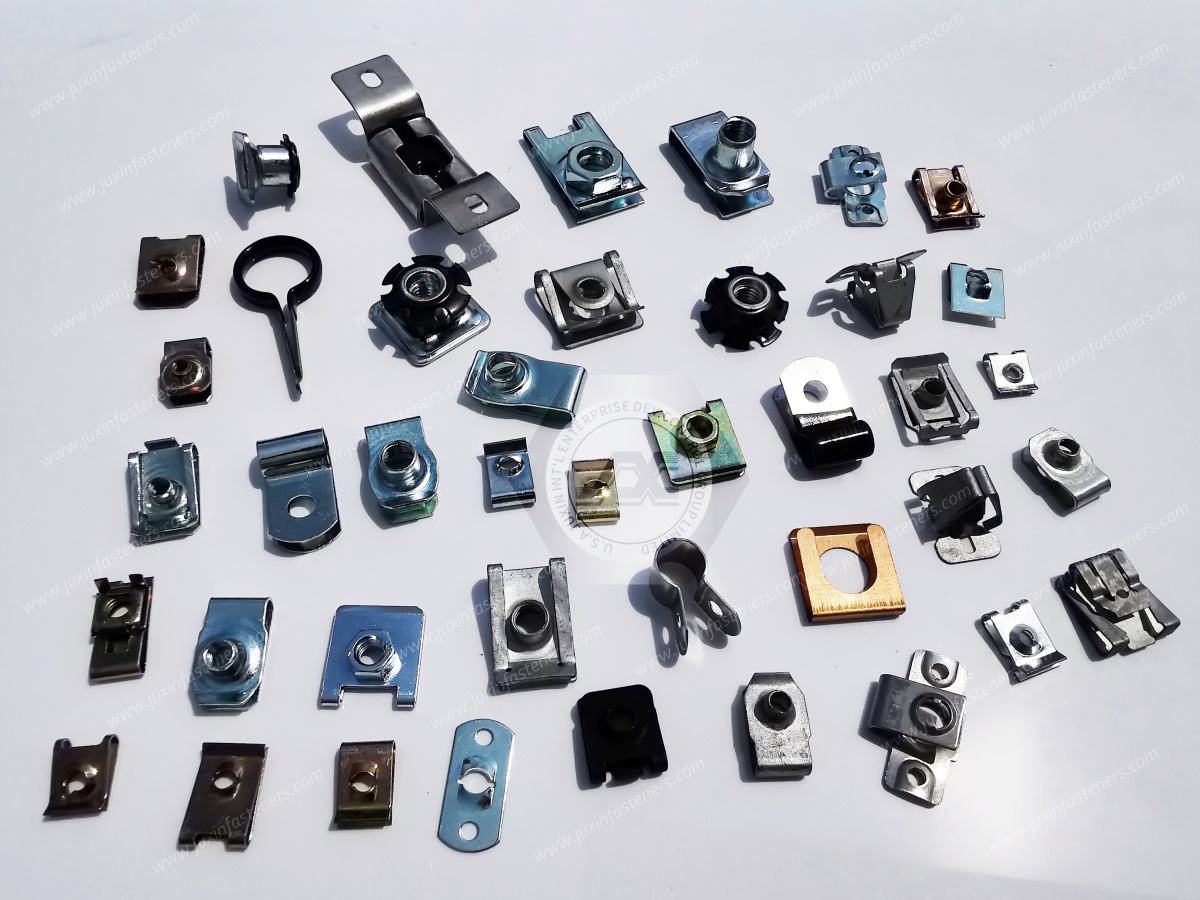
Product naming varies between manufacturers. Some suppliers use “U-nut” as a broad term for clip-on nuts, while others distinguish between U-shaped clips, J-shaped clips and barrel-style configurations.
The geometry should be checked carefully because two products with similar names may have different retention characteristics.
A U-style clip generally engages both sides of a panel or panel edge. This configuration may be selected where a more balanced clip arrangement is needed.
Selection depends on:
Panel thickness
Panel edge accessibility
Clip opening
Required retention during assembly
Clearance around the nut
Screw installation direction
A J-style clip may use a different leg arrangement or panel engagement geometry. It should not automatically be described as weaker than every U-style product.
The actual comparison depends on the specific designs being evaluated.
A buyer should compare drawings, panel fit, installation behavior and application test results rather than relying only on the product name.
A barrel-style clip-on nut incorporates a defined barrel section for the internal thread.
It may be selected where the assembly requires a particular thread arrangement or where the product geometry fits the available space.
The barrel length, clip shape and screw access must be confirmed for the selected part.
The most important engineering step is matching the clip-on barrel nut to the panel.
The nut must be compatible with the actual panel thickness and its permitted variation. Coatings, paint, laminates and surface treatments may affect the effective thickness at the contact area.
The drawing review should identify:
Nominal panel thickness
Thickness tolerance
Panel material
Surface coating or paint
Edge shape
Hole or opening geometry
Installation direction
Required clip retention
A clip that is too loose may move during handling. A clip that is too tight may be difficult to install or could damage the panel edge.
The correct fit should be established using the product drawing and representative panel samples.
A clip-on barrel nut may require a specific panel edge or opening configuration. The screw centerline and panel edge distance also influence the available contact area.
Engineers should check:
Distance from the screw centerline to the panel edge
Panel opening dimensions
Edge accessibility
Clip engagement area
Nearby bends or formed features
Clearance for the screw head
Clearance for installation tools
Risk of interference with adjacent components
A visually similar replacement part may not fit correctly if its clip opening, barrel position or overall envelope differs from the original design.
Paint and coating thickness can change the effective panel fit. Coating buildup may affect installation force, clip seating and contact between the fastener and panel.
For coated panels, the supplier should receive the relevant surface treatment information.
The product should be evaluated in its actual installed condition rather than only on an uncoated test coupon.
Material and finish selection should reflect the application environment, forming requirements, spring behavior and customer specifications.
JUXIN FASTENERS can review the required material and surface finish against the relevant drawing or sourcing requirements.
The exact material grade and coating system should be confirmed for the selected product.
Zinc-plated steel is commonly used to provide a protective zinc-based surface on steel fasteners.
It may be considered for selected indoor, controlled industrial or moderately exposed applications, depending on the coating system and environmental requirements.
The buyer should review:
Zinc plating type
Surface treatment or post-treatment
Coating appearance
Coating damage during installation
Contact with dissimilar metals
Required corrosion test method
Storage and packaging conditions
Zinc-plated steel should not be described as automatically suitable for every wet or outdoor environment.
Corrosion performance depends on the base material, coating system, exposed conditions and acceptance criteria.
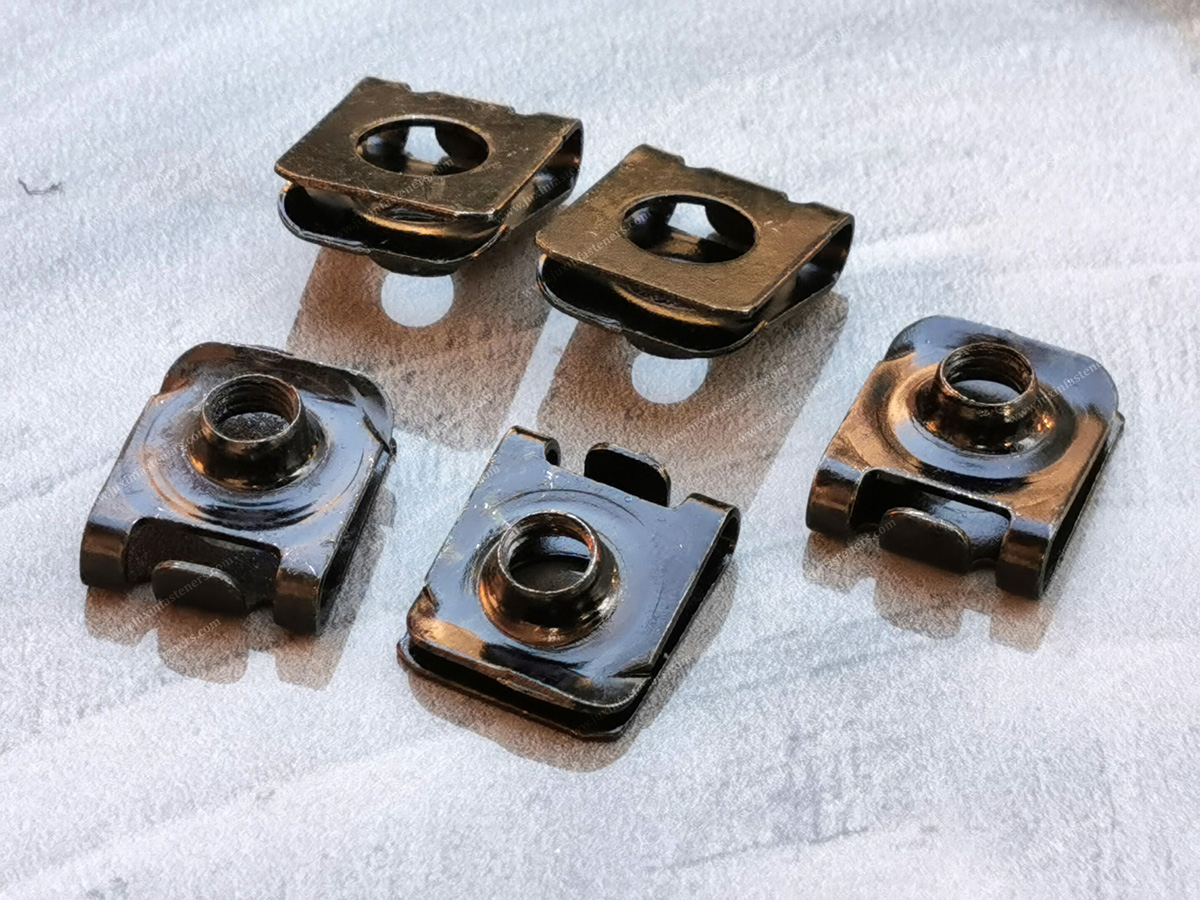
Black phosphate-coated steel may be selected where a dark surface appearance and the characteristics of a phosphate-based finish are required.
The finish is generally not a substitute for a corrosion-resistant coating system intended for severe outdoor or highly corrosive exposure.
Before approving this option, procurement and engineering teams should confirm:
Required environmental exposure
Whether oil or an additional protective treatment is specified
Appearance requirements
Corrosion acceptance criteria
Compatibility with adjacent components
Storage and handling conditions
The phrase “mildly corrosion resistant” is not a complete technical specification. The required performance should be defined by the application and relevant testing requirements.
A corrosion-resistant coating may be considered for applications with increased exposure to moisture, condensation, road contaminants or other corrosive conditions.
The exact coating type is important. Different zinc-based, alloy, organic or proprietary coating systems may have different characteristics, friction behavior, electrical properties and corrosion performance.
For a corrosion-resistant-coated clip-on barrel nut, the RFQ should identify:
Coating system or approved finish
Base material
Required corrosion test method
Exposure duration
Evaluation criteria
Thread friction or torque requirements, if applicable
Environmental and restricted-substance requirements
If a specific product has a confirmed 720-hour salt spray test result, the result should be documented against the actual part, coating system, test method and evaluation criteria.
It should not be generalized to every product or interpreted as a guarantee of outdoor service life.
ASTM B117 provides a controlled salt spray test environment for obtaining relative corrosion resistance information.
ASTM explains that standalone salt spray results do not reliably predict performance in natural environments, and that results depend on specimen preparation, evaluation criteria and test conditions. <Cite refs={["turn0search0","turn0search6"]} />
A “720-hour salt spray” statement is meaningful only when its technical context is clear.
A professional procurement specification should ask:
Which exact product and coating were tested?
Was the test performed on the finished clip-on barrel nut?
Which salt spray method was used?
Was the test neutral salt spray or another method?
What was the test exposure duration?
How was corrosion evaluated?
Were red rust, white corrosion products or other criteria specified?
Were the samples tested before or after forming and installation?
Does the result apply to the production coating and current process?
Salt spray hours should not be used as a direct conversion to months or years of outdoor service.
Natural exposure includes changing humidity, temperature, wet-dry cycles, contaminants, abrasion and galvanic interactions that may not be represented by a continuous laboratory salt spray test.
For this reason, a corrosion requirement should be agreed with the customer based on the actual application, coating system and validation plan.
Strong-grip clip-on barrel nuts are often selected to simplify assembly and provide a stable fastening position. However, several different failure modes must be considered separately.
The nut may move if the clip fit is not suitable for the panel thickness or edge geometry. Screw insertion forces, tool contact and assembly direction may also affect the position of the component.
Application evaluation may include:
Initial clip fit
Retention during handling
Resistance to movement during screw insertion
Correct seating on the panel
Repeatability across panel tolerances
Removal and reinstallation behavior, if required
Thin panels may deform under assembly forces or tightening loads. The effect depends on panel material, thickness, support conditions and the location of the fastening point.
For metal panels, consider local bearing and bending behavior. For plastic panels, also consider creep, stress relaxation, temperature effects and local edge damage.
A clip-on nut should not be selected for a high-load structural application without verifying the panel and joint design.
Incorrect screw selection or excessive tightening can damage the internal thread, deform the clip or damage the panel.
The assembly specification should define the compatible screw and, where necessary, the installation torque or tightening process.
Torque values should not be invented from the product name because friction varies with thread finish, coating, lubrication, screw material and assembly conditions.
The clip’s ability to remain attached to a panel is different from the joint’s ability to retain preload during vibration.
Where vibration is a significant requirement, the complete assembly should be assessed, including:
Screw and nut thread compatibility
Joint stiffness
Preload
Friction conditions
Panel deformation
External loading
Thermal cycling
Service environment
Any specified locking feature
A clip-on barrel nut should not automatically be marketed as vibration-proof or suitable for every dynamic application.

Strong-grip clip-on barrel nuts may be considered for selected thin-panel fastening applications across automotive, electrical equipment and industrial products.
Potential applications include selected trim panels, interior covers, brackets and support components where a compact threaded fastening point is required.
The engineering review should consider:
Panel thickness and material
Edge retention during assembly
Screw access
Clearance around the installed nut
Noise and rattle considerations
Environmental exposure
Service and removal requirements
The product should not be represented as a universal solution for safety-critical or structural vehicle joints without specific design validation.
Selected exterior trim or cover assemblies may require additional consideration of moisture, road contamination, temperature changes and corrosion exposure.
The finish should be selected according to the actual environment. A salt spray test result alone should not be presented as proof of long-term outdoor durability.
Clip-on barrel nuts may be considered for selected covers, brackets, internal panels and equipment housings.
The designer should confirm:
Panel material
Edge geometry
Screw compatibility
Required electrical isolation
Corrosion exposure
Clearance from conductive components
Grounding or bonding requirements, if any
A standard clip-on nut should not be described as a grounding or EMI-shielding component unless that function is specifically designed and validated.
Industrial housings, equipment covers and service panels may use clip-on nuts where a threaded fastening point is needed on a thin panel.
Important selection factors include:
Frequency of panel removal
Panel stiffness
Assembly access
Vibration exposure
Environmental conditions
Required service life
Replacement and maintenance requirements
Clip-on barrel nuts should be compared with alternative fastening technologies according to the actual assembly requirements.
Weld nuts are permanently attached to a suitable substrate through a welding process.
They may be appropriate where a fixed threaded location is required and the panel and production process support welding.
Clip-on barrel nuts may be considered when:
Welding is not preferred
The panel is already finished
A clip-mounted component is required
The assembly sequence favors installation without welding
The two solutions have different process requirements and retention mechanisms.
Self-clinching nuts are installed into a suitable panel through a controlled mechanical installation process. Their performance depends on the panel material, hole design and installation conditions.
Clip-on barrel nuts may be considered where clip-on installation is more appropriate. They should not be treated as direct equivalents because the installation method and retention architecture differ.
For related applications, review the JUXIN FASTENERS self-clinching fastener solutions for telecommunications equipment.
Blind rivet nuts provide an internally threaded fastening point through a blind-side installation process.
They may be useful when backside access is unavailable and the panel design supports the required installation method.
Clip-on barrel nuts may be more appropriate for selected panel-edge applications where a clip-mounted solution is preferred.
The comparison should include:
Installation access
Panel thickness
Hole preparation
Tooling
Retention requirements
Assembly sequence
Joint loading
Serviceability
Production volume
For blind-installed threaded fastening, review the blind rivet nuts engineering and application guide.
A procurement team should not source clip-on barrel nuts using only a general product name.
The product drawing and application details are necessary to avoid receiving a similar-looking part with incompatible dimensions or retention behavior.
A complete sourcing request should include:
Product drawing or reference sample
Thread size and thread specification
Panel material
Panel thickness and tolerance
Panel edge or opening geometry
Nut material
Surface finish
Screw compatibility
Environmental exposure
Inspection requirements
Sample quantity
Production quantity
Packaging and labeling requirements
Where a customer requires a specific coating performance level, the requirement should identify the test method, exposure duration and evaluation criteria.
A statement such as “720-hour salt spray” should not be accepted as a complete specification without those details.
Design engineers may need to confirm the product’s fit, thread position, installed height and compatibility with the surrounding assembly.
Procurement and supplier development teams may need to confirm:
Drawing revision control
Material and finish consistency
Production identification
Sample approval process
Inspection documentation
Change notification requirements
Packaging and traceability requirements
Commercial quantity and delivery expectations
The exact documentation available should be confirmed for the selected product and purchase order. No certification, inspection capability or supply-chain service should be assumed without written confirmation.
To support an accurate product review, send the following information to JUXIN FASTENERS where available.
Product Geometry
Product name or reference number
Drawing or reference sample
Clip shape
Barrel configuration
Required overall dimensions
Installed clearance requirements
Thread and Screw
Metric or inch thread
Thread size and pitch
Thread specification
Compatible screw type
Screw length
Screw head style
Installation torque requirement, if specified
Panel Requirements
Panel material
Nominal thickness
Thickness tolerance
Edge or opening dimensions
Center-to-edge distance
Surface coating or paint
Installation direction
Available tool clearance
Material and Finish
Required base material
Zinc-plated, black phosphate or other coating
Environmental exposure
Corrosion test requirement
Appearance requirements
Restricted-substance or customer compliance requirements
Quality and Supply
Prototype or production quantity
Annual usage estimate
Inspection requirements
Sample approval requirements
Packaging requirements
Delivery schedule
Required documentation
A 2D drawing, reference sample or clear application photograph can help the supplier distinguish between different U-style clip-on nuts, barrel clip nuts, J-style nuts and other spring fastening designs.
JUXIN FASTENERS supplies industrial fastening components for OEM and B2B sourcing applications.
Our product range includes clip-on nuts, spring steel fasteners, self-clinching fasteners, rivet nuts, custom screws and other fastening solutions.
For strong-grip clip-on barrel nuts, product selection should be based on the actual panel geometry, threaded connection, material, surface finish and environmental requirements.
Our team can review your drawing, reference part or application information to support the next step in product evaluation and quotation.
Whether your project involves automotive trim, electrical equipment, industrial enclosures or other thin-panel assemblies, provide the required specifications for a product-specific review.
Request an RFQ from JUXIN FASTENERS
Email: info@juxinfasteners.com
Website: https://www.juxinfasteners.com
Please include your thread specification, panel thickness, panel material, surface finish, estimated quantity and drawing or sample information where available.
This information helps the sourcing team evaluate the application and prepare an appropriate technical and commercial response.
Product Packaging
Packaging Standard
At Juxin Fasteners, we apply standardized export packaging to ensure product protection, traceability, and compliance with international logistics requirements.
1. Standard Export Packaging
Unless otherwise specified, all products will be packed according to our factory standard export packaging, which includes:
Moisture-resistant inner protection
Poly bag or small box packing as required
Reinforced export cartons
Clear labeling with part number, specification, batch number, and quantity
Palletizing for sea or air shipment when necessary
Our standard packaging is designed to ensure safe transportation, efficient warehousing, and long-distance international shipping.
2. Customized Packaging Options
We also provide customized packaging solutions according to customer requirements, including but not limited to:
Private labeling
Customized barcodes
Specific carton dimensions
Retail packaging
Special pallet configuration
Customer-specific marking and identification
So that you know, customized packaging may involve additional costs and extended lead time depending on the complexity of the requirements.
3. Compliance & Quality Assurance
All packaging processes are controlled under our ISO 9001 quality management system to ensure consistency, traceability, and product integrity throughout the supply chain.
Product Pictures
Contact Us
Tel.:
+86 020 8621 0320
+86 020 3121 6067
E-mail:
Technical Support:
Navigation
SEND INQUIREY