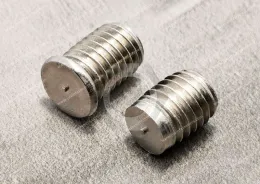
Call Us
+86 136 6007 9809
Call Us
+86 136 6007 9809

What weld fasteners are used in automotive Body-in-White (BIW) manufacturing?
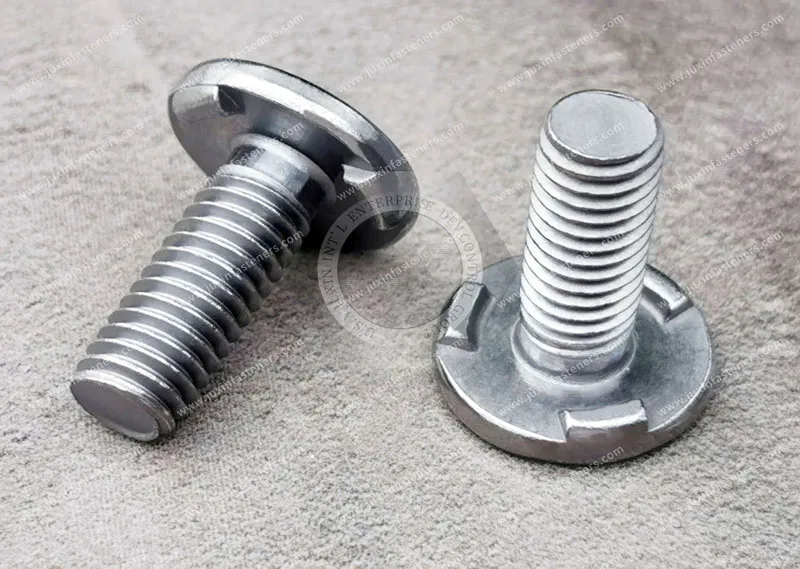
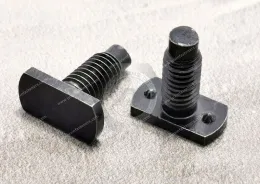
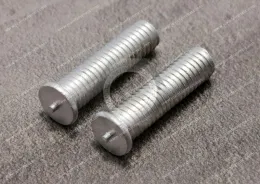
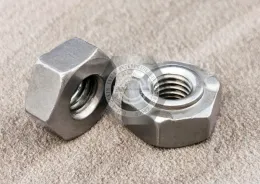
Automotive Body-in-White (BIW) manufacturing commonly uses projection weld nuts, weld studs,
and other weldable fastening components to create permanent threaded attachment points on stamped sheet-metal assemblies.
Product Specification
What weld fasteners are used in automotive Body-in-White (BIW) manufacturing?
Automotive Body-in-White (BIW) manufacturing commonly uses projection weld nuts, weld studs,
and other weldable fastening components to create permanent threaded attachment points on stamped sheet-metal assemblies.
Depending on the vehicle architecture and application, these fasteners can be integrated into body structures, brackets, reinforcement panels,
chassis-related assemblies, seat structures, underbody components, battery-related structures, and interior attachment points.
Projection weld fasteners are installed by resistance welding.
The fastener incorporates designed projections that concentrate electrical current and mechanical force at defined contact locations.
During the welding cycle, localized resistance heating creates a weld bond between the fastener and the substrate.
      [ Robotic Welding Gun ]
                 |
                 v
     +-----------------------+
     | BIW Weld Fastener     |
     | Nut / Stud             |
     +-----------------------+
                 |
================================= ---> Automotive Sheet-Metal Substrate
The engineering objective is not simply to maximize weld strength. The complete fastening system must also provide repeatable weldability,
dimensional consistency, appropriate material compatibility, reliable feeding and positioning, resistance to installation loads, and compatibility with downstream coating and assembly processes.
For high-volume automotive production, fastener geometry must work together with the welding equipment,
electrode configuration, automated feeding system, stamped-panel design, substrate material, coating system, and quality-control process.
JUXIN FASTENERS supplies weld nuts, weld studs, and other industrial fastening components for OEM applications and can support fastener selection according to part drawings,
substrate specifications, assembly requirements, and production conditions.
Automotive BIW applications place different requirements on weld fasteners depending on their location, structural function, assembly sequence,
and exposure conditions. A fastener used for a trim attachment should not automatically be evaluated according to the same criteria as a fastener used for a structural bracket.
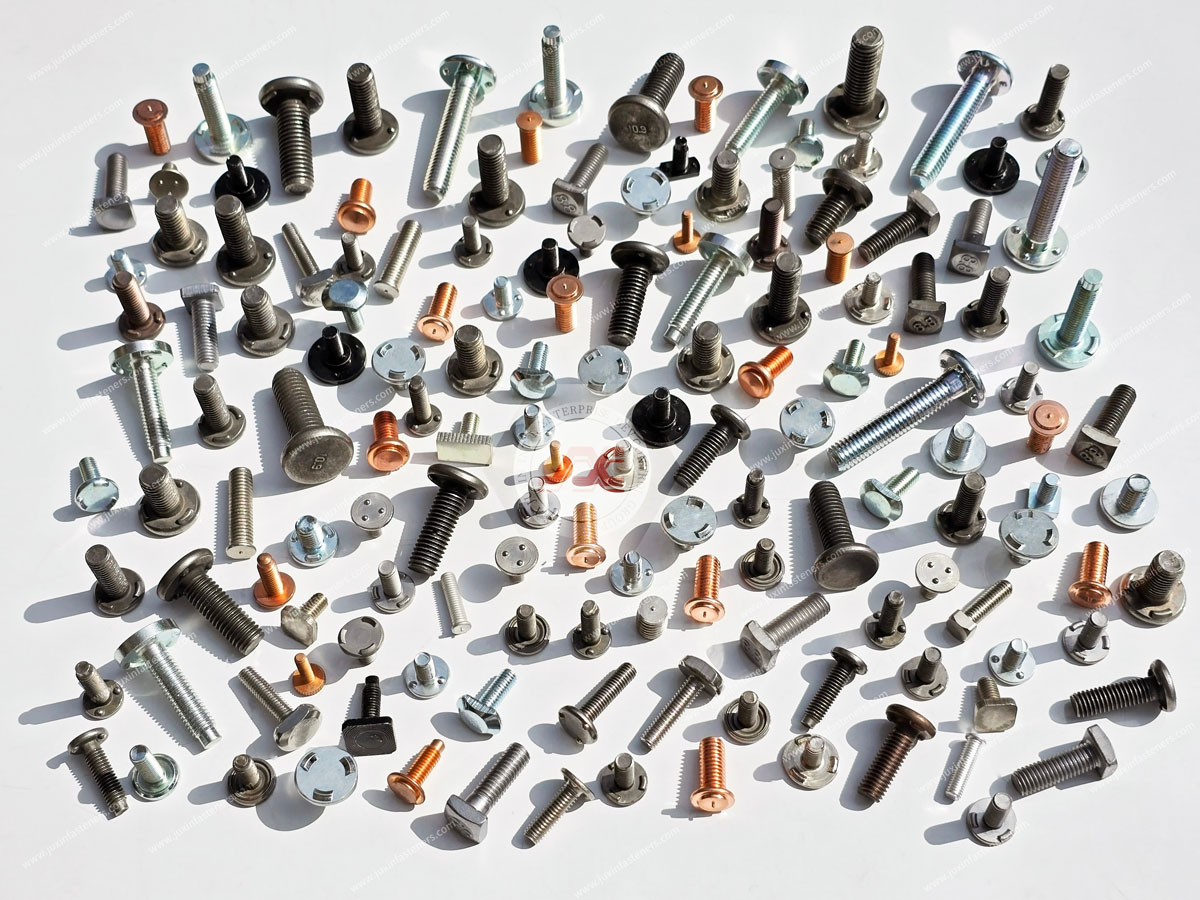
High-volume automotive production frequently uses automated feeding, positioning, and welding equipment.
In these systems, fastener dimensional consistency becomes an important manufacturing consideration.
Burrs, damaged threads, inconsistent flange geometry, projection variation, deformation, or dimensional variation can interfere with:
Bowl-feeder or linear-feeder operation
Escapement and orientation systems
Robotic pickup and positioning
Electrode contact
Fastener seating against the sheet
Welding repeatability
Downstream bolt or component assembly
For this reason, automotive fastener sourcing should evaluate not only the nominal dimensions on the drawing but also manufacturing consistency, inspection controls,
packaging orientation, feeding characteristics, and compatibility with the customer's assembly equipment.
Where required by the customer's quality system, production controls such as statistical process monitoring, dimensional inspection, sampling plans, traceability,
and batch identification can be incorporated into the supply arrangement.
JUXIN FASTENERS can review the fastener geometry and application conditions with the customer to identify dimensional characteristics that may affect automated feeding or welding.
The projections on a weld nut or weld stud are functional welding features rather than decorative geometry.
Their dimensions, shape, number, location, and consistency influence the electrical contact area and the distribution of welding current and electrode force.
For automotive production, the fastener and welding process therefore need to be treated as a combined system.
A suitable design should consider:
Projection geometry
Fastener material
Sheet material
Sheet thickness
Surface condition
Electrode configuration
Welding current
Electrode force
Weld time
Hold conditions
Fastener positioning
Required mechanical performance
Welding parameters should be established and validated for the actual fastener, substrate, equipment, and joint configuration.
There is no single universal current, force, or weld-time setting that applies to every automotive weld-fastener application.
Modern automotive body structures may incorporate conventional low-carbon steels as well as high-strength and advanced high-strength steel grades.
The use of AHSS or other high-strength substrates does not automatically mean that a standard weld fastener and standard welding schedule can be transferred directly from a mild-steel application.
Material grade, thickness, surface condition, electrical resistance, thermal behavior, and joint geometry can influence the welding window and final joint performance.
For demanding applications, the fastener supplier and welding engineer should evaluate:
Substrate grade and thickness
Fastener material and grade
Surface coating
Projection design
Welding equipment capability
Electrode condition
Required mechanical test method
Failure mode acceptance criteria
This approach is particularly important when the weld fastener is being introduced into a new AHSS or mixed-material vehicle platform.
Automotive components may be exposed to moisture, road contaminants, temperature cycling, and corrosion-promoting environments.
However, the required corrosion-protection system depends on the component location and the vehicle manufacturer's specifications.
A key sourcing consideration is the sequence between welding and coating.
In many BIW processes, weld fasteners are attached to unfinished sheet-metal components before subsequent coating operations such as e-coating or painting.
In other assemblies, the fastener may need a particular surface treatment or coating compatible with the welding process.
Therefore, procurement and engineering teams should specify:
Fastener base material
Surface treatment
Coating type and thickness where applicable
Welding compatibility
Post-welding coating sequence
Corrosion requirements
Environmental exposure
Thread protection requirements
A coating that provides corrosion resistance may not automatically be suitable for the welding interface. The welding process and surface-treatment specification must be evaluated together.
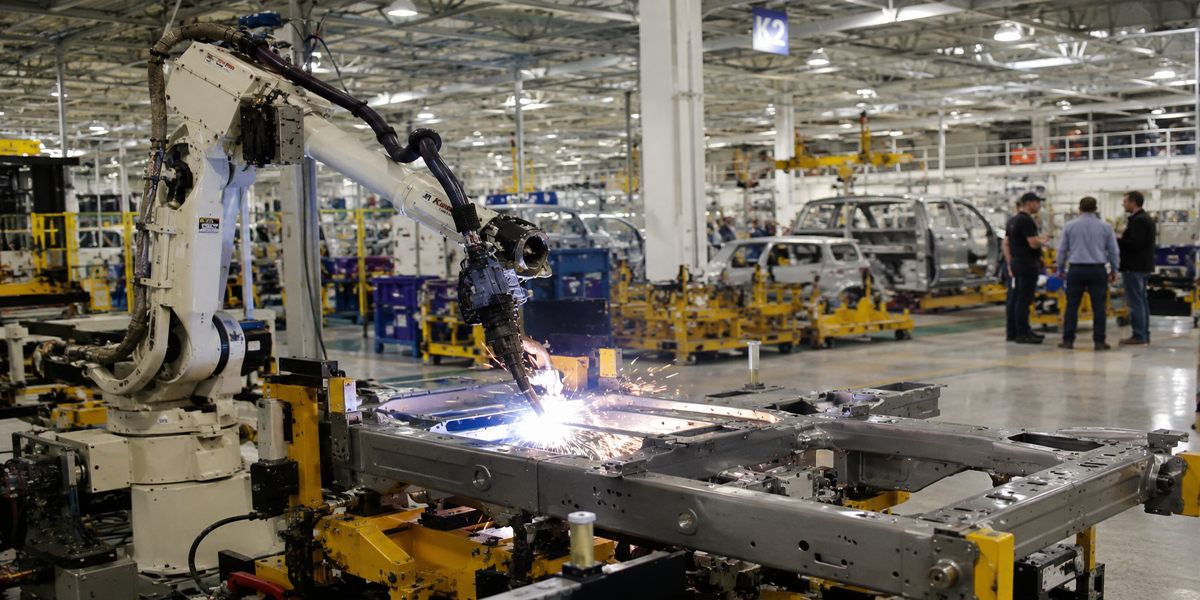
Correct fastener selection begins before production. The fastener should be evaluated together with the stamped panel and welding process during the DFM stage.
The available flat area around the weld location affects electrode access, fastener seating, and the ability to position the welding gun correctly.
Design teams should review:
Local panel curvature
Flanges and formed features
Access for upper and lower electrodes
Fastener orientation
Clearance for welding tooling
Nearby holes and edges
Adjacent components
Bolt-access requirements
A weld nut that is mechanically suitable may still be unsuitable for a specific BIW location if the welding gun cannot establish the required electrode contact.
Weld-fastener placement should maintain adequate surrounding sheet material so that the welding zone is not compromised by nearby free edges, holes, bends, or other discontinuities.
The appropriate distance is application-dependent and should not be treated as one universal ratio for every fastener and sheet configuration.
When a weld fastener is positioned too close to an edge or opening, current distribution, local stiffness, heat flow, and parent-metal deformation can change.
The DFM review should therefore evaluate the fastener geometry, sheet thickness, projection layout, hole location where applicable, edge distance, and expected welding parameters as one joint design.
A weld nut provides a permanent threaded attachment point after welding, but the thread still needs to remain accessible and functional through subsequent manufacturing operations.
Automotive designers should consider:
Bolt approach direction
Tool clearance
Thread engagement requirements for the specific joint
Paint or coating accumulation
Nut distortion during welding
Thread contamination
Access for inspection
Final assembly sequence
Thread protection can become particularly important when components pass through coating processes after welding.
Orientation can influence automated feeding, welding-gun access, bolt installation, and downstream assembly.
For example, a weld stud may need to maintain a specific orientation relative to the stamped panel or bracket.
A weld nut may need to be positioned so that the mating bolt can be installed without interference from surrounding BIW structures.
Therefore, fastener geometry should be reviewed from both the welding side and the final assembly side.
Automotive customers commonly require controlled manufacturing and validation processes for fastening components.
The exact inspection plan should be established according to the customer's drawings, quality requirements, application risk, and relevant standards.
Important characteristics may include:
Overall fastener dimensions
Thread dimensions
Flange dimensions
Projection dimensions
Projection location
Concentricity or positional characteristics
Stud length
Nut height
Surface condition
Critical dimensions should be identified from the customer's drawing and controlled according to the agreed inspection plan.
Weld integrity should be verified using test methods appropriate to the fastener and application.
Potential methods include:
Torque-out testing for weld nuts
Push-out testing
Pull-off or tensile testing for weld studs
Shear testing where applicable
Destructive sectioning
Metallographic examination
Visual inspection
Process monitoring
The objective is not simply to obtain a high numerical test result. The failure mode is also important.
For example, a destructive test may be evaluated to determine whether failure occurs through the parent sheet, weld interface, fastener, or another part of the joint.
Acceptance limits should come from the customer's engineering requirements, drawing, validation specification, or an applicable standard rather than from a universal value assumed for every weld fastener.
The fastener itself is only one part of the weld system.
Production quality can also be influenced by:
Electrode wear
Electrode alignment
Welding-current stability
Electrode force
Welding time
Surface contamination
Panel positioning
Fastener seating
Welding-machine maintenance
A stable production process therefore requires coordination between the fastener supplier and the manufacturing team operating the welding equipment.
For automotive procurement teams, sourcing should go beyond comparing unit prices.
A reliable RFQ package should identify the technical and commercial conditions that determine whether the fastener can actually be integrated into production.
When requesting automotive weld fasteners, provide:
2D engineering drawing
3D CAD model where available
Fastener material requirement
Thread specification
Fastener dimensions
Projection configuration
Substrate material
Sheet thickness
Surface condition
Welding process
Expected annual volume
Packaging requirements
Inspection requirements
Surface-treatment requirements
Application environment
Applicable customer specifications
Providing these details allows the supplier to evaluate the fastener as part of the complete assembly rather than quoting an isolated standard component.
Automotive programs often move through several stages, including prototype evaluation, process validation, production approval, and high-volume manufacturing.
A suitable fastener supplier should be able to support the transition from sample quantities to production quantities while maintaining the required dimensional and material consistency.
The engineering review should also consider whether the same fastener geometry can be manufactured and supplied consistently at the customer's expected production volume.
The lowest unit price does not necessarily produce the lowest manufacturing cost.
Automotive sourcing teams should also consider:
Feeding reliability
Welding cycle efficiency
Fastener rejection rate
Line stoppages
Packaging efficiency
Inspection requirements
Tooling compatibility
Thread defects
Weld failures
Logistics
Traceability
Supplier responsiveness
A small dimensional inconsistency in a high-volume fastening component can create significantly larger costs when it causes repeated production interruptions.
For this reason, automotive weld-fastener sourcing should evaluate quality consistency, process compatibility, supply reliability, and total production cost alongside piece price.
Pillar Solution Page: JUXIN FASTENERS Weld Fasteners Solutions
Industry Application: JUXIN FASTENERS Automotive & EV Fastening Solutions
Product Category Page: JUXIN FASTENERS Heavy-Duty Weld Studs
Product Category Page: JUXIN FASTENERS Projection Weld Nuts
Engineering Guide: Projection Welding Process and DFM Joint Optimization
Engineering Guide: Weld Nut Spin Failure Analysis and Prevention
Commercial Sourcing: Submit Automotive Weld Fastener RFQ to JUXIN FASTENERS
A: Projection weld fasteners provide permanent threaded or stud attachment points directly on sheet-metal components and can be integrated into automated resistance-welding processes.
Their suitability for high-volume automotive production comes from the combination of repeatable fastener geometry,
localized welding, automated feeding possibilities, and compatibility with stamped-metal assembly processes.
However, the final performance depends on the fastener design, substrate, welding parameters, electrode configuration, and production controls.
A: They can be used in applications involving high-strength and advanced high-strength steels, but the combination should be engineered and validated for the actual substrate and welding process.
AHSS does not have one universal welding behavior. Steel grade, sheet thickness, surface treatment, fastener material, projection geometry, electrode conditions, and welding parameters can all affect the resulting joint.
A: Yes, weld nuts and weld studs can be integrated into automated automotive production systems when their geometry, feeding characteristics,
welding access, and process requirements are compatible with the customer's equipment.
Automated production places particular importance on dimensional consistency, fastener orientation, feeding reliability, and stable projection geometry.
A: There is no single answer for every automotive application. The correct sequence depends on the fastener material, coating system, welding process, substrate, and downstream manufacturing process.
Some applications weld the fastener onto unfinished sheet metal and apply subsequent coating operations, while other applications may require a specific weld-compatible surface treatment.
The coating specification should therefore be reviewed together with the welding process rather than selected independently.
A: The most useful RFQ information includes the engineering drawing, fastener material and thread specification, substrate grade and thickness,
welding process, surface-treatment requirements, expected annual volume, inspection requirements, and application conditions.
For new automotive programs, providing this information early allows the fastener supplier to review manufacturability, welding compatibility,
quality requirements, and production-supply considerations before mass production.
If your automotive program requires projection weld nuts, weld studs, or customized weld-fastening components, send your 2D drawings,
CAD files, substrate specifications, annual volume forecasts, and quality requirements to the JUXIN FASTENERS engineering and commercial team.
Email: info@juxinfasteners.com
JUXIN FASTENERS supports global OEM customers with industrial weld fasteners, custom fastening components, DFM evaluation, sample development, and production sourcing support.
The most effective way to evaluate a weld fastener is to review the fastener, sheet material, welding process, assembly environment, and production volume together.
This allows the fastening solution to be optimized for both engineering performance and practical manufacturing requirements.

Product Packaging
Packaging Standard
At Juxin Fasteners, we apply standardized export packaging to ensure product protection, traceability, and compliance with international logistics requirements.
1. Standard Export Packaging
Unless otherwise specified, all products will be packed according to our factory standard export packaging, which includes:
Moisture-resistant inner protection
Poly bag or small box packing as required
Reinforced export cartons
Clear labeling with part number, specification, batch number, and quantity
Palletizing for sea or air shipment when necessary
Our standard packaging is designed to ensure safe transportation, efficient warehousing, and long-distance international shipping.
2. Customized Packaging Options
We also provide customized packaging solutions according to customer requirements, including but not limited to:
Private labeling
Customized barcodes
Specific carton dimensions
Retail packaging
Special pallet configuration
Customer-specific marking and identification
So that you know, customized packaging may involve additional costs and extended lead time depending on the complexity of the requirements.
3. Compliance & Quality Assurance
All packaging processes are controlled under our ISO 9001 quality management system to ensure consistency, traceability, and product integrity throughout the supply chain.
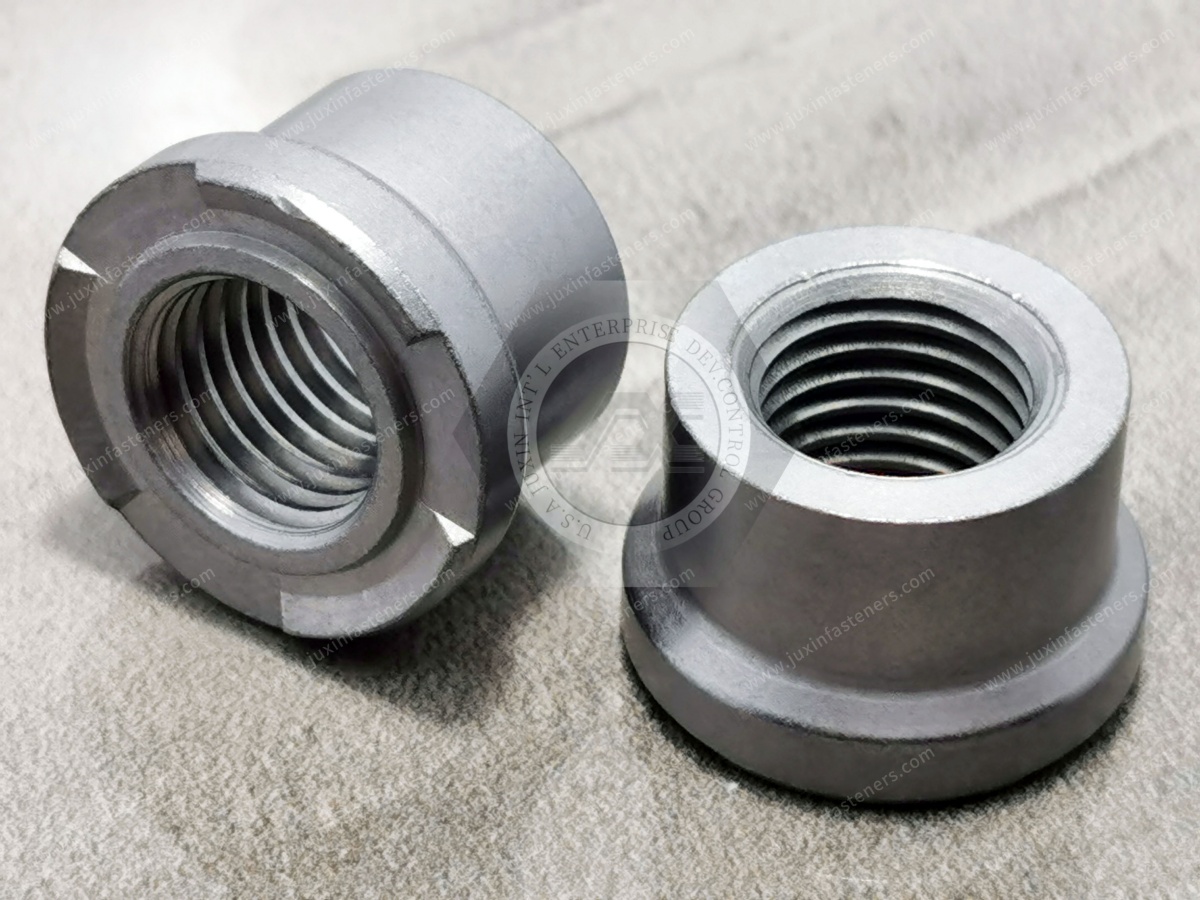
Product Pictures
Contact Us
Tel.:
+86 020 8621 0320
+86 020 3121 6067
E-mail:
Technical Support:
Navigation
SEND INQUIREY