Call Us
+86 136 6007 9809
Call Us
+86 136 6007 9809

DIN34817 Weld Studs for Automotive Manufacturing
High-Strength Stud Welding Fastening Solutions for Modern Automotive Production
In the modern automotive manufacturing industry, reliable fastening systems are critical for ensuring vehicle safety, structural integrity, and production efficiency. DIN34817 weld studs are widely used as permanent fastening elements in vehicle body structures, chassis systems, and interior assemblies.
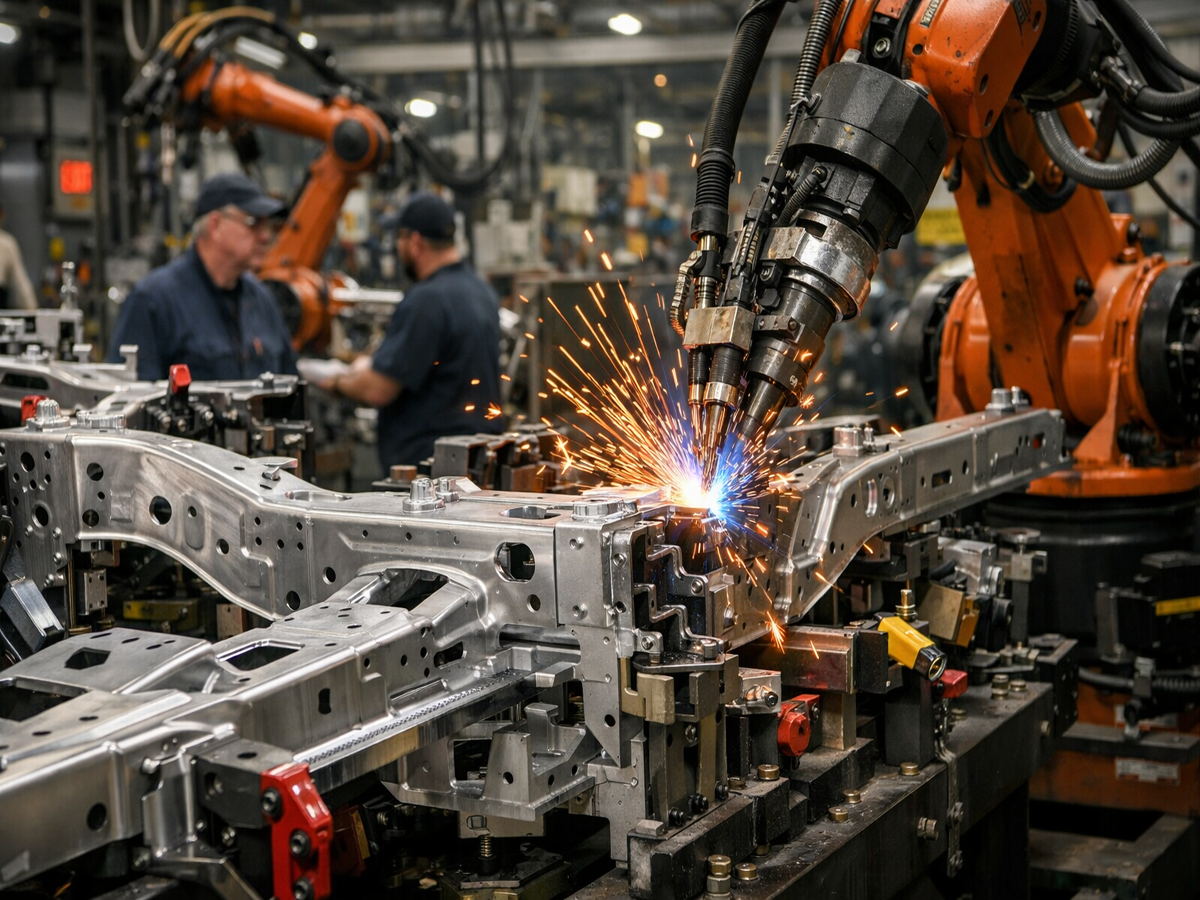
Using advanced stud welding technologies such as arc stud welding, projection welding, and capacitor discharge welding, threaded studs can be welded directly to sheet metal panels and structural components. This process forms strong and permanent mounting points for subsequent assembly operations.
Because of their high connection strength, excellent compatibility with automated production lines, and suitability for lightweight vehicle structures, DIN34817 weld studs have become an essential fastening solution in modern automotive manufacturing.
Product Specification
DIN34817 Weld Studs for Automotive Manufacturing
High-Strength Stud Welding Fastening Solutions for Modern Automotive Production
In the modern automotive manufacturing industry, reliable fastening systems are critical for ensuring vehicle safety, structural integrity, and production efficiency. DIN34817 weld studs are widely used as permanent fastening elements in vehicle body structures, chassis systems, and interior assemblies.
Using advanced stud welding technologies such as arc stud welding, projection welding, and capacitor discharge welding, threaded studs can be welded directly to sheet metal panels and structural components. This process forms strong and permanent mounting points for subsequent assembly operations.
Because of their high connection strength, excellent compatibility with automated production lines, and suitability for lightweight vehicle structures, DIN34817 weld studs have become an essential fastening solution in modern automotive manufacturing.
What Are DIN34817 Weld Studs?
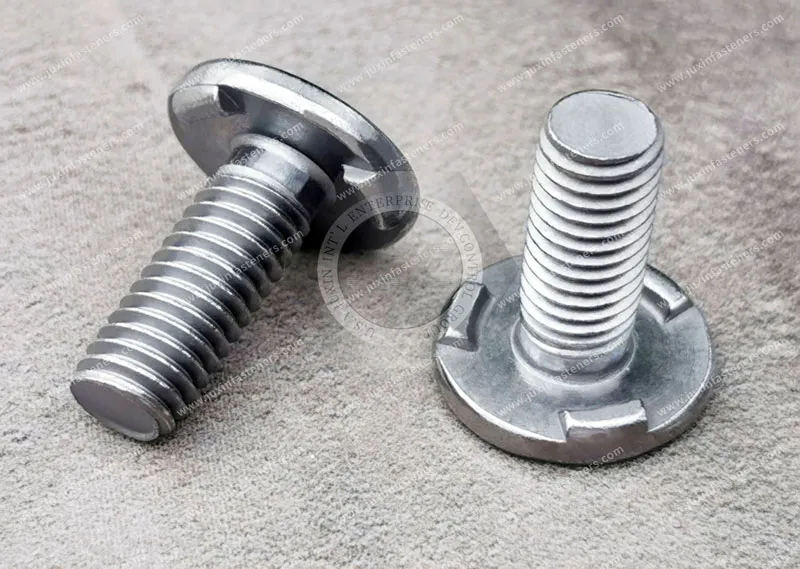
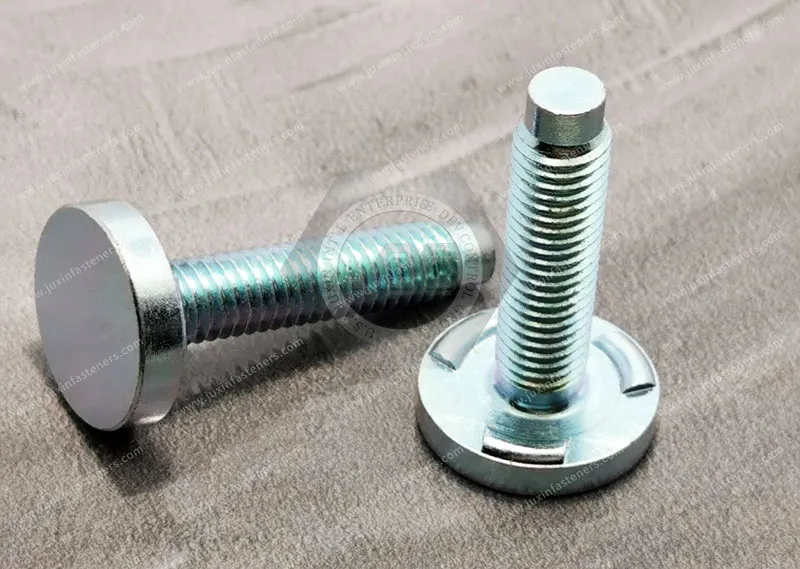
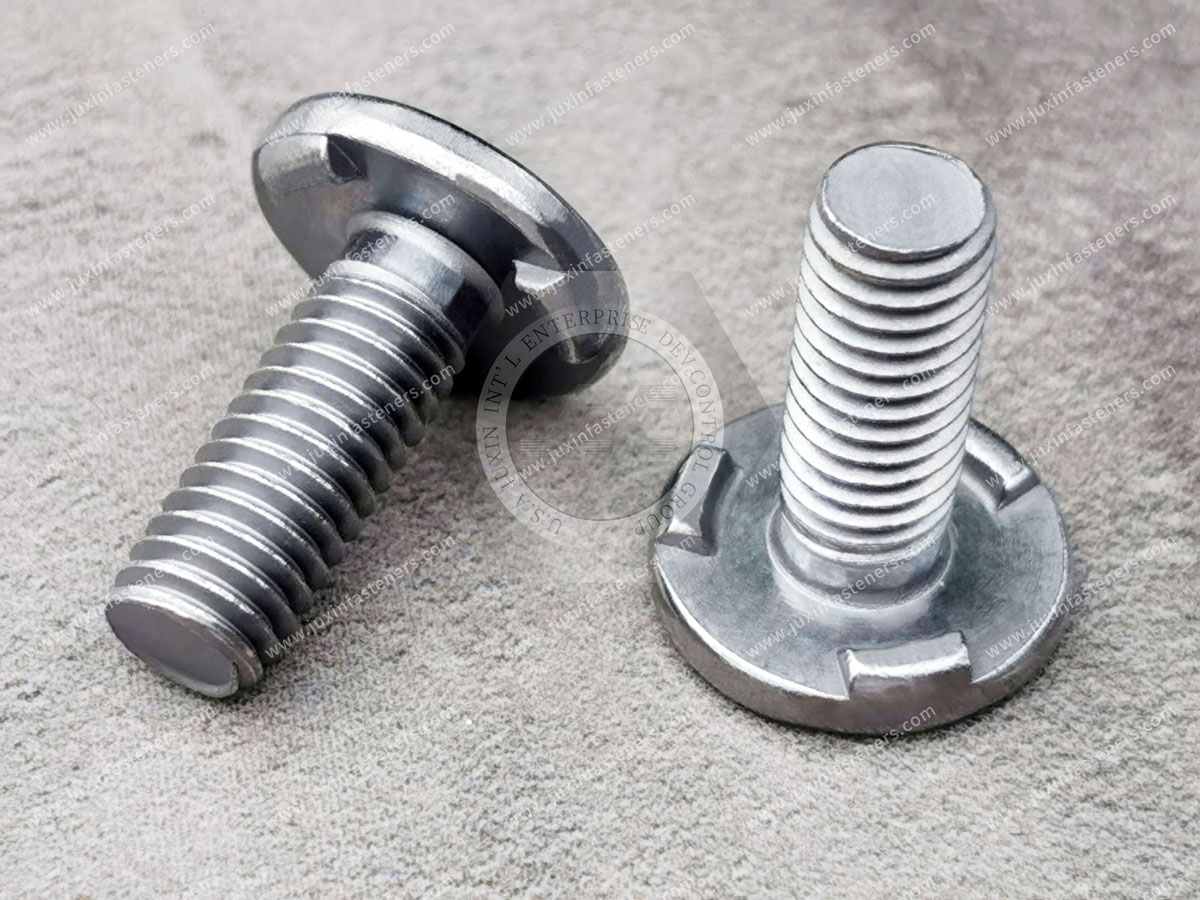
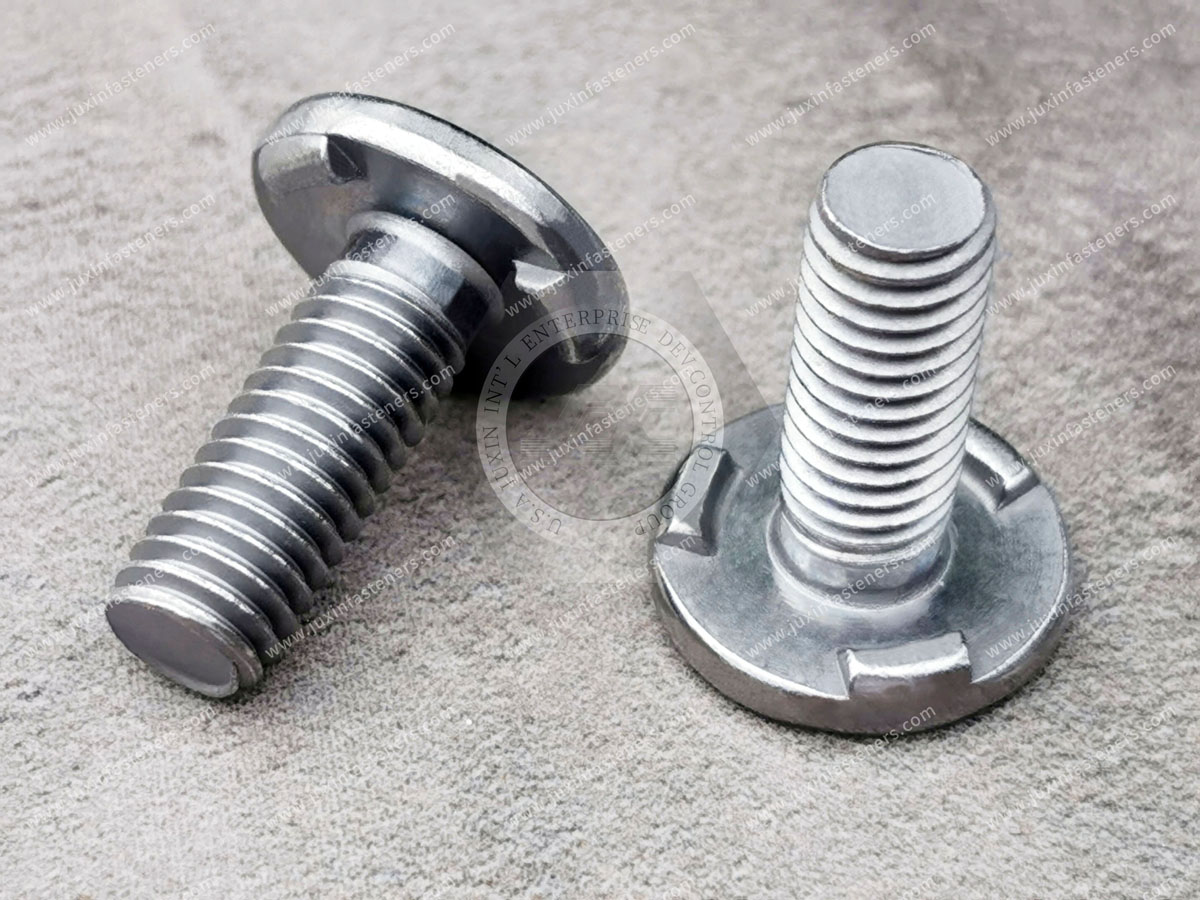
DIN34817 weld studs are standardized threaded studs designed for stud welding applications in sheet metal structures and automotive components. They are typically manufactured from carbon steel, stainless steel, or alloy steel, and are engineered to provide reliable welding performance and strong mechanical connections.
Key characteristics include:
High welding stability
Strong metallurgical bonding with base materials
Compatibility with automated welding systems
Excellent vibration resistance
These features make them particularly suitable for high-volume automotive production environments.
Key Applications of DIN34817 Weld Studs in Automotive Manufacturing
Vehicle Body Structural Fixing
In vehicle body assembly, weld studs are widely used to create high-strength attachment points for structural components.
Typical applications include:
Seatbelt anchor points using M8–M12 weld studs
Door hinge reinforcement structures
Anti-collision beam mounting points
Structural reinforcement plates
These connections must meet strict safety standards, including high tensile strength requirements for crash protection.
Interior Assembly and Wiring Harness Installation
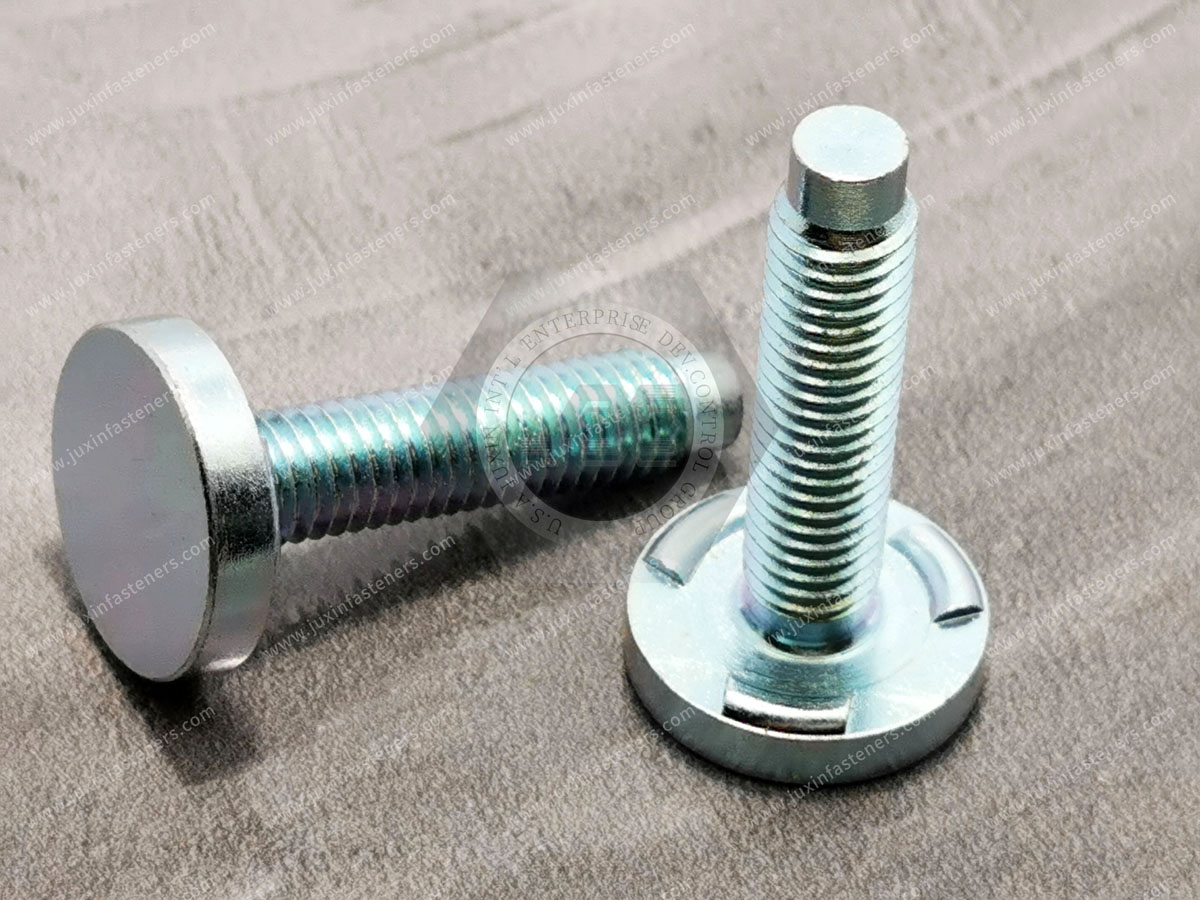
Weld studs are also commonly used to install vehicle interior components and electrical systems.
Typical uses include:
Wiring harness fixing points using M4–M8 weld studs
Mounting bases for cable clips and brackets
Interior trim attachment points for door panels and roof structures
Stud welding allows precise positioning of mounting points while maintaining a smooth external surface on vehicle panels.
Chassis and Powertrain System Connections
In automotive chassis and powertrain systems, weld studs provide reliable fastening for critical mechanical components.
Common applications include:
Suspension component connections
Steering system brackets
Brake line fixing points
Engine compartment heat shield mounting
Oil and fluid line supports
These components operate under high vibration and thermal loads, requiring strong and stable fastening solutions.
New Energy Vehicle Applications
With the rapid growth of the electric vehicle (EV) industry, DIN34817 weld studs are increasingly used in battery systems and electrical components.
Typical EV applications include:
Battery pack mounting brackets
Battery housing structural connections
Electrical conductive studs for power transmission
Structural supports for EV power modules
These applications often require high sealing performance (e.g., IP67) and compatibility with aluminum alloys and dissimilar metals.
Production Tooling and Positioning Systems
Weld studs are also used in automotive production, tooling, and manufacturing fixtures.
Applications include:
Welding fixture positioning pins
Assembly tooling alignment points
Robot welding positioning references
These uses help maintain high assembly accuracy, often achieving repeatability of ±0.2 mm or better in automated production lines.
Common Stud Welding Processes in Automotive Production
Short-Cycle Arc Stud Welding
Short-cycle arc stud welding is the most widely used process in automotive manufacturing, accounting for the majority of stud welding applications.
Key features include:
Welding time: 20–100 ms
Controlled weld penetration
Suitable for carbon steel, stainless steel, and aluminum
Typical process parameters:
Welding current: 400–1000 A
Welding time: 20–100 ms
Lift height: 1.2–1.5 mm
Capacitor Discharge Stud Welding
Capacitor discharge (CD) stud welding is commonly used for thin sheet metal components.
Advantages include:
Extremely short welding cycle (≤5 ms)
Minimal distortion on the reverse side of panels
No shielding gas required
This process is often used for small studs ranging from M3 to M8.
Projection Welding
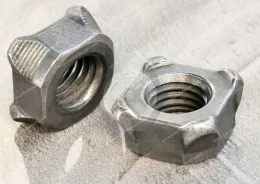
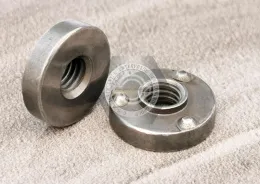
Projection welding is commonly used for batch welding of fasteners with projections, including weld nuts and specialized automotive fasteners.
This process is often applied in components such as:
Battery mounting brackets
Structural reinforcement blocks
Advantages of DIN34817 Weld Studs in Automotive Manufacturing
High Production Efficiency
Automated stud welding systems can achieve 30–50 welds per minute, significantly improving production efficiency.
Improved Vehicle Body Sealing
Stud welding eliminates the need for drilled holes, improving vehicle body sealing performance and NVH (Noise, Vibration, and Harshness) characteristics.
Lightweight Vehicle Design
By eliminating additional brackets and reducing the number of mechanical fasteners, weld studs support lightweight automotive structural design.
Compatibility with Advanced Materials
Modern vehicles use materials such as:
High-strength steel
Aluminum alloys
Composite materials
DIN34817 weld studs are compatible with these materials and support multi-material vehicle structures.
Quality Control for Automotive Stud Welding
To ensure reliable welding performance in automotive production, several quality control measures are essential.
Common Welding Defects and Solutions
Incomplete fusion
Increase welding current or welding time
Ensure proper surface cleaning before welding
Porosity
Remove oil and oxide layers from the workpiece
Optimize welding lift height
Burn-through
Reduce welding energy input
Adjust stud diameter-to-plate thickness ratio
Inspection Methods
Typical quality inspection methods include:
Visual inspection
Hammer testing (non-destructive test)
Torque or tensile testing (sampling inspection)
These tests help ensure consistent welding quality and structural reliability.
Supporting the Future of Automotive Manufacturing
As the automotive industry continues to evolve toward electrification, lightweight structures, and intelligent manufacturing, fastening technologies must meet increasingly demanding performance requirements.
DIN34817 weld studs provide a reliable and efficient fastening solution for modern automotive production, enabling strong structural connections, automated assembly, and improved manufacturing efficiency.
From vehicle body structures to EV battery systems, these stud-welding fasteners play a critical role in advancing the next generation of automotive engineering.
Product Packaging
Packaging Standard
At Juxin Fasteners, we apply standardized export packaging to ensure product protection, traceability, and compliance with international logistics requirements.
1. Standard Export Packaging
Unless otherwise specified, all products will be packed according to our factory standard export packaging, which includes:
Moisture-resistant inner protection
Poly bag or small box packing as required
Reinforced export cartons
Clear labeling with part number, specification, batch number, and quantity
Palletizing for sea or air shipment when necessary
Our standard packaging is designed to ensure safe transportation, efficient warehousing, and long-distance international shipping.
2. Customized Packaging Options
We also provide customized packaging solutions according to customer requirements, including but not limited to:
Private labeling
Customized barcodes
Specific carton dimensions
Retail packaging
Special pallet configuration
Customer-specific marking and identification
So that you know, customized packaging may involve additional costs and extended lead time depending on the complexity of the requirements.
3. Compliance & Quality Assurance
All packaging processes are controlled under our ISO 9001 quality management system to ensure consistency, traceability, and product integrity throughout the supply chain.
Product Pictures
Contact Us
Tel.:
+86 020 8621 0320
+86 020 3121 6067
E-mail:
Technical Support:
Navigation
SEND INQUIREY