Call Us
+86 136 6007 9809
Call Us
+86 136 6007 9809

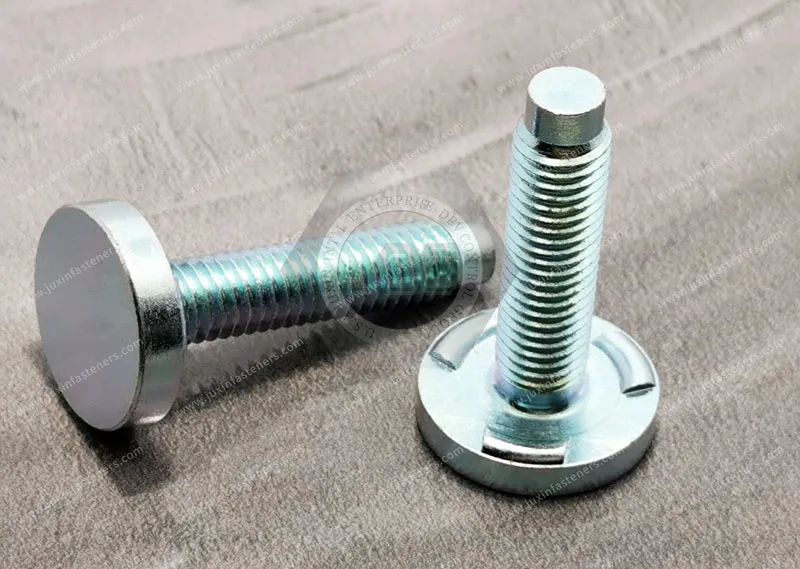
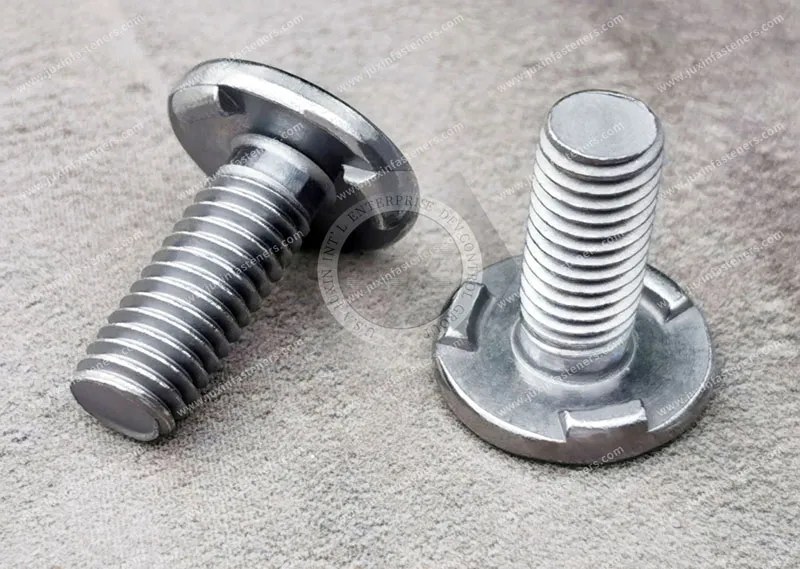
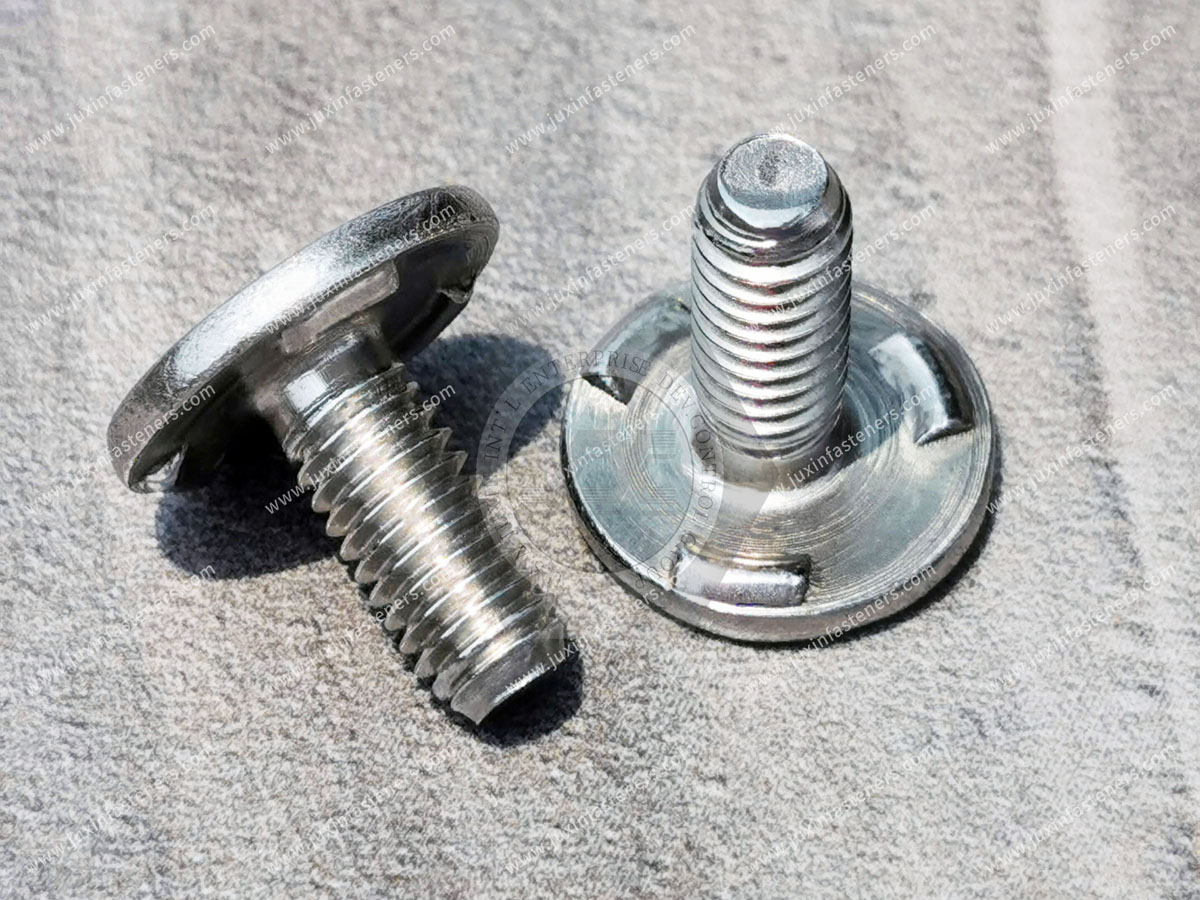
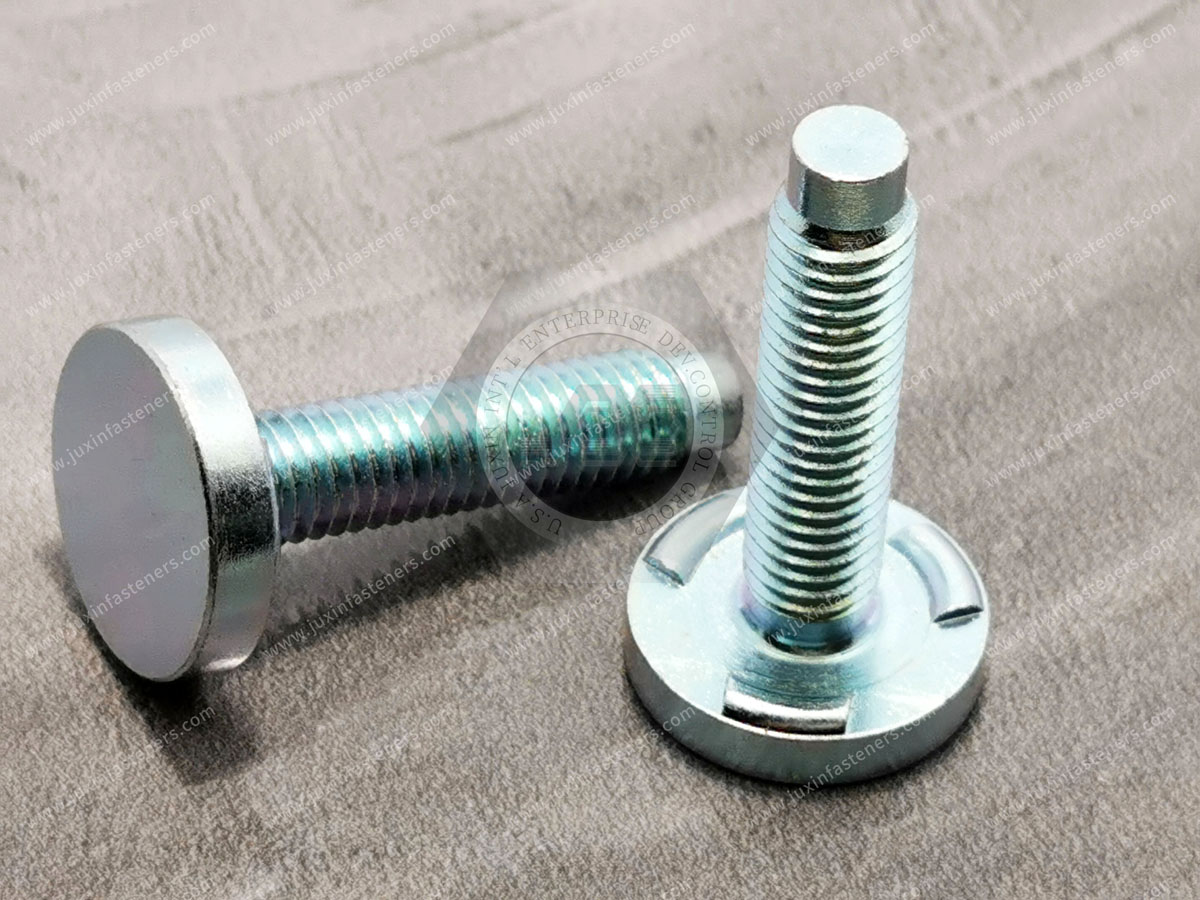
Carbon Steel DIN 34817 Weld Studs 8.8 Class for Automotive Manufacturing Solutions
Introduction
In modern automotive manufacturing, reliable fastening technology is essential to ensure structural integrity, safety performance, and high-speed automated production. Carbon steel DIN 34817 weld studs (8.8 class) are widely used in the automotive industry as high-strength fastening elements that can be permanently welded to metal components using advanced stud welding technology.
Compared with traditional drilling and bolting processes, automotive weld studs enable hole-free fastening, faster assembly, and stronger structural connections. These advantages make DIN 34817 weld studs an indispensable fastening solution in body-in-white production, chassis systems, electrical assemblies, and new energy vehicle components.
For automotive OEMs and Tier-1 suppliers, 8.8 class carbon steel weld studs provide the ideal balance of mechanical strength, production efficiency, and compatibility with automated manufacturing lines.
Product Specification
Carbon Steel DIN 34817 Weld Studs 8.8 Class for Automotive Manufacturing Solutions
Introduction
In modern automotive manufacturing, reliable fastening technology is essential to ensure structural integrity, safety performance, and high-speed automated production. Carbon steel DIN 34817 weld studs (8.8 class) are widely used in the automotive industry as high-strength fastening elements that can be permanently welded to metal components using advanced stud welding technology.
Compared with traditional drilling and bolting processes, automotive weld studs enable hole-free fastening, faster assembly, and stronger structural connections. These advantages make DIN 34817 weld studs an indispensable fastening solution in body-in-white production, chassis systems, electrical assemblies, and new energy vehicle components.
For automotive OEMs and Tier-1 suppliers, 8.8 class carbon steel weld studs provide the ideal balance of mechanical strength, production efficiency, and compatibility with automated manufacturing lines.
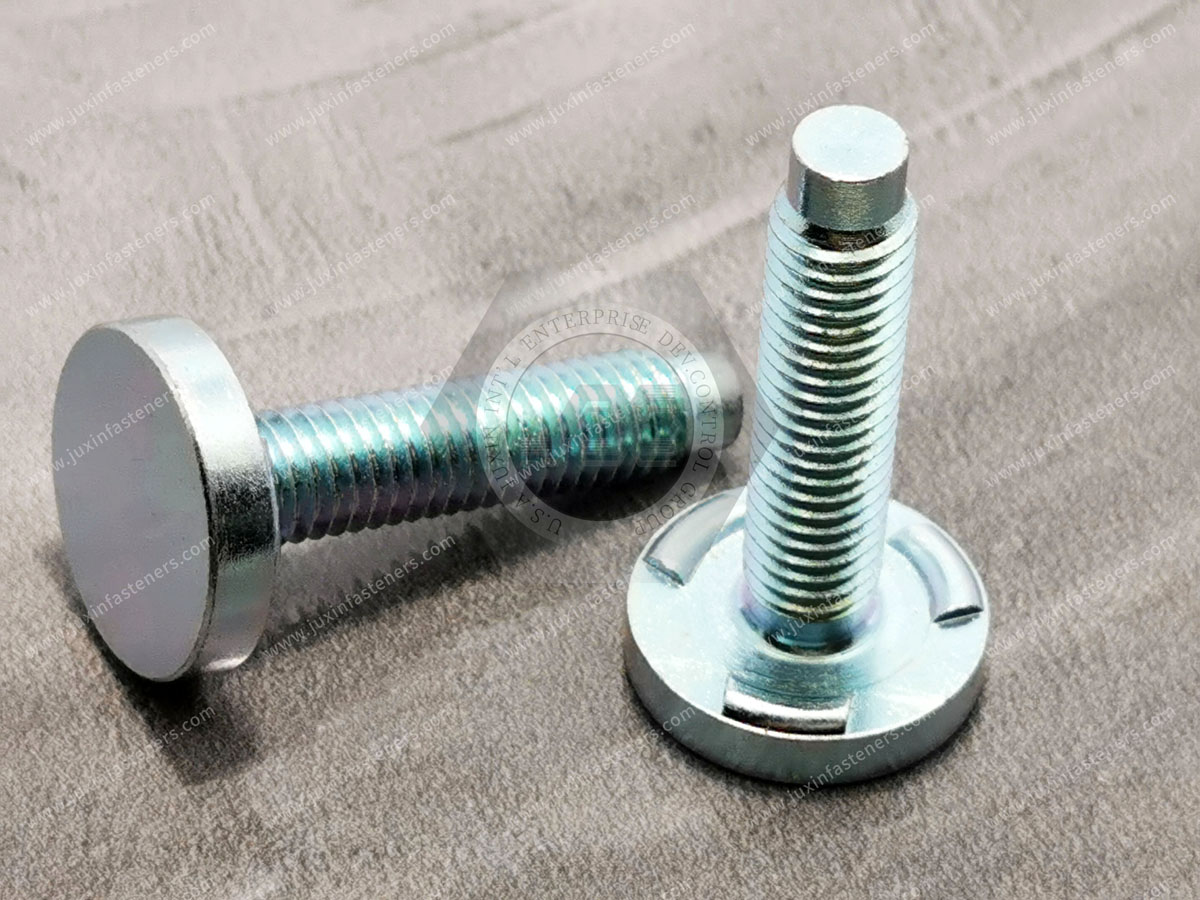
Key Advantages of Carbon Steel DIN 34817 Weld Studs (8.8 Class)
High Strength and Structural Reliability
8.8 class carbon steel weld studs provide excellent tensile and shear strength, making them suitable for safety-critical automotive applications.
Typical example:
M10 weld studs used in seat belt anchor structures can achieve ≥12 kN tensile strength, ensuring passenger safety during collision events.
This high mechanical performance makes DIN 34817 weld studs suitable for load-bearing vehicle structures.
Hole-Free Installation Improves Body Sealing and NVH Performance
Traditional fastening methods require drilling and tapping operations. In contrast, automotive stud welding allows fasteners to be welded directly to sheet metal surfaces.
Benefits include:
No drilling required
Improved body sealing performance
Reduced corrosion risk
Enhanced NVH (Noise, Vibration, Harshness) performance
This hole-free connection technology is widely adopted in body-in-white manufacturing.
Supports Automotive Lightweight Design
Automotive manufacturers are continuously reducing vehicle weight to improve energy efficiency and emissions performance.
DIN 34817 carbon steel weld studs help achieve a lightweight design by:
Eliminating additional brackets or connectors
Reducing the number of fastening components
Enabling direct attachment to thin sheet metal
This contributes to optimized vehicle structures and improved manufacturing efficiency.
Compatibility with Multiple Automotive Materials
Modern vehicles utilize a variety of materials, including:
Low carbon steel
Galvanized steel
High-strength steel
Stainless steel
Aluminum alloys (with adjusted welding parameters)
Carbon steel DIN 34817 weld studs are suitable for sheet metal thicknesses typically ranging from 0.7 mm to 2.0 mm, making them highly adaptable to automotive structural components.
Typical Applications of DIN 34817 Weld Studs in Automotive Manufacturing
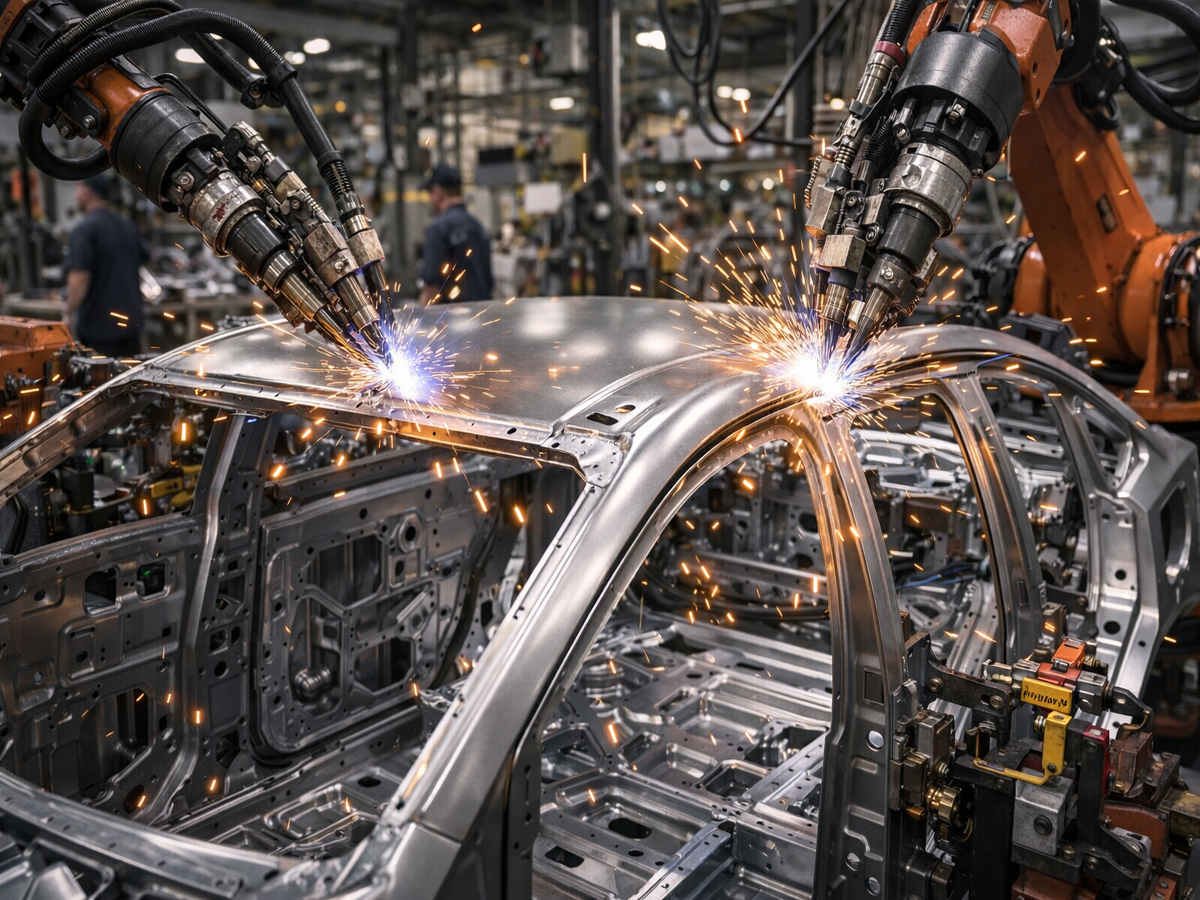
Body-in-White Structural Connections
In automotive body structures, weld studs are used to secure critical components such as:
Anti-collision beams
Door hinge brackets
Structural reinforcement plates
Wiring harness brackets
Interior trim clip mounting points
These applications require high positioning accuracy and reliable welding strength to maintain overall vehicle structural rigidity.
Seat Belt Anchor Points and Safety Structures
One of the most demanding applications for 8.8 class weld studs is seat belt anchoring systems.
Common characteristics:
Stud size: M8 – M12
Extremely high load requirements
Strict safety testing standards
Proper stud welding ensures the anchoring point maintains structural integrity during high-impact situations.
Automotive Wiring Harness Installation
Modern vehicles contain hundreds of electrical cables. M4–M8 weld studs are commonly used to secure wiring harnesses to vehicle body panels.
Advantages include:
Fast installation using cable ties or brackets
Reliable long-term fixation
Elimination of adhesives or additional brackets
This method significantly improves assembly line efficiency.
Chassis and Engine Compartment Components
In the chassis and powertrain areas, weld studs are used for mounting:
Brake lines
Fuel pipes
Heat insulation plates
Suspension component brackets
These environments require high vibration resistance and long-term durability.
Applications in New Energy Vehicles (EVs)
With the rapid development of electric vehicles, stud welding technology is also widely used in EV structures.
Typical applications include:
Battery pack housing installation
Electrical conductive studs for high-current transmission
Battery mounting brackets
In many cases, weld studs used in EV battery systems must meet IP67 sealing requirements to ensure safe operation.
Stud Welding Process Used in Automotive Production
Short-Cycle Arc Stud Welding
The most widely used process for automotive weld studs is short-cycle arc welding.
Typical parameters:
Welding current: 400 – 1000 A
Welding time: 20 – 100 ms
Lift height: 1.2 – 1.5 mm
Advantages:
Extremely fast welding cycle
Strong weld penetration
Suitable for automated production lines
Automotive production lines can reach 30–50 weld studs per minute.
Quality Control in Automotive Stud Welding
Automotive manufacturers implement strict quality control procedures to ensure consistent weld integrity.
Common Welding Defects and Solutions
Incomplete welding/lack of fusion
Increase welding current
Extend welding time
Clean surface contamination before welding
Porosity
Optimize lift height
Remove oil and oxide layers from the workpiece
Burn-through
Reduce welding energy
Use smaller diameter studs when sheet thickness is limited
Role of Weld Studs in Automotive Automated Production
Automotive production lines demand extremely high levels of precision, stability, and compatibility with automation.
DIN 34817 carbon steel weld studs support these requirements through:
Integration with robotic welding systems
Repeatable positioning accuracy up to ±0.2 mm
High-speed automated welding cycles
Consistent fastening quality across mass production
These characteristics make automotive stud welding a core fastening technology in modern vehicle manufacturing.
Conclusion
With their high strength, installation efficiency, and compatibility with automated manufacturing, Carbon Steel DIN 34817 Weld Studs (8.8 Class) have become an essential fastening solution in the automotive industry.
From body-in-white structural reinforcement to wiring harness installation and electric-vehicle battery systems, these weld studs deliver reliable, efficient fastening performance that meets the demanding requirements of modern automotive production.
For OEM manufacturers and Tier-1 suppliers, high-quality DIN 34817 weld studs offer a proven solution for automotive structural fastening, production efficiency, and long-term durability.
Product Pictures
Contact Us
Tel.:
+86 020 8621 0320
+86 020 3121 6067
E-mail:
Technical Support:
Navigation
SEND INQUIREY