Call Us
+86 136 6007 9809
Call Us
+86 136 6007 9809

What is hydrogen embrittlement in high-strength industrial fasteners and how can it be prevented?
Hydrogen embrittlement (HE) is a hydrogen-assisted cracking mechanism that can affect susceptible metallic materials,
particularly certain high-strength steels under tensile stress. Hydrogen can enter the steel during manufacturing or surface-treatment operations such as acid cleaning,
pickling, electroplating, or other processes capable of generating or introducing hydrogen.
Product Specification
What is hydrogen embrittlement in high-strength industrial fasteners and how can it be prevented?
Hydrogen embrittlement (HE) is a hydrogen-assisted cracking mechanism that can affect susceptible metallic materials, particularly certain high-strength steels under tensile stress.
Hydrogen can enter the steel during manufacturing or surface-treatment operations such as acid cleaning, pickling, electroplating, or other processes capable of generating or introducing hydrogen.
Once absorbed, diffusible hydrogen can migrate through the steel microstructure.
Under suitable combinations of material susceptibility, hydrogen concentration, stress, and microstructural condition, hydrogen can contribute to delayed cracking or fracture.
The simplified mechanism can be represented as:
   [ Hydrogen Generation / Entry ]
      Acid Pickling / Electroplating
                 |
                 v
   [ Hydrogen Absorption into Steel ]
                 |
                 v
   [ Diffusion of Hydrogen ]
                 |
                 v
   [ Susceptible Microstructure
        + Tensile Stress ]
                 |
                 v
   [ Hydrogen-Assisted Cracking ]
                 |
                 v
   [ Delayed Fracture / Failure ]
This mechanism is different from a conventional overload failure.
A fastener can pass dimensional inspection and appear visually acceptable, yet still be susceptible to delayed hydrogen-assisted cracking if the relevant material,
processing, and stress conditions are not adequately controlled.
Hydrogen embrittlement risk is particularly important when a steel fastener combines:
High material strength or hardness
A susceptible microstructure
Hydrogen introduced during processing
Significant tensile stress
Stress concentrations
Surface-treatment processes capable of hydrogen generation
The prevention strategy therefore needs to address the entire manufacturing chain, not simply add a baking operation at the end.
Important controls can include:
Material selection
Hardness and strength control
Acid cleaning and pickling control
Electroplating process control
Hydrogen-entry reduction
Appropriate post-treatment hydrogen relief
Coating-system selection
Handling and storage
Mechanical validation
Process documentation
Supplier quality control
The original concept that fasteners in property classes such as 10.9 and 12.9 require particular attention is directionally important, but susceptibility should not be defined solely by a single property-class label.
Different standards and specifications establish different requirements according to material strength, hardness, coating process, product type, and intended application.
Likewise, a particular weld fastener should not automatically be assumed to have negligible hydrogen-embrittlement risk simply because it is a weld nut or another lower-strength component. The actual material and surface-treatment process remain relevant.
JUXIN FASTENERS approaches hydrogen-embrittlement prevention as a combination of material selection, manufacturing-process control,
surface-treatment control, appropriate hydrogen-relief treatment where required, and application-specific quality verification.
The engineering objective is not to claim that a fastener is “immune” to hydrogen embrittlement.
The objective is to control the conditions that create hydrogen-assisted failure and verify the resulting product against the applicable specification.
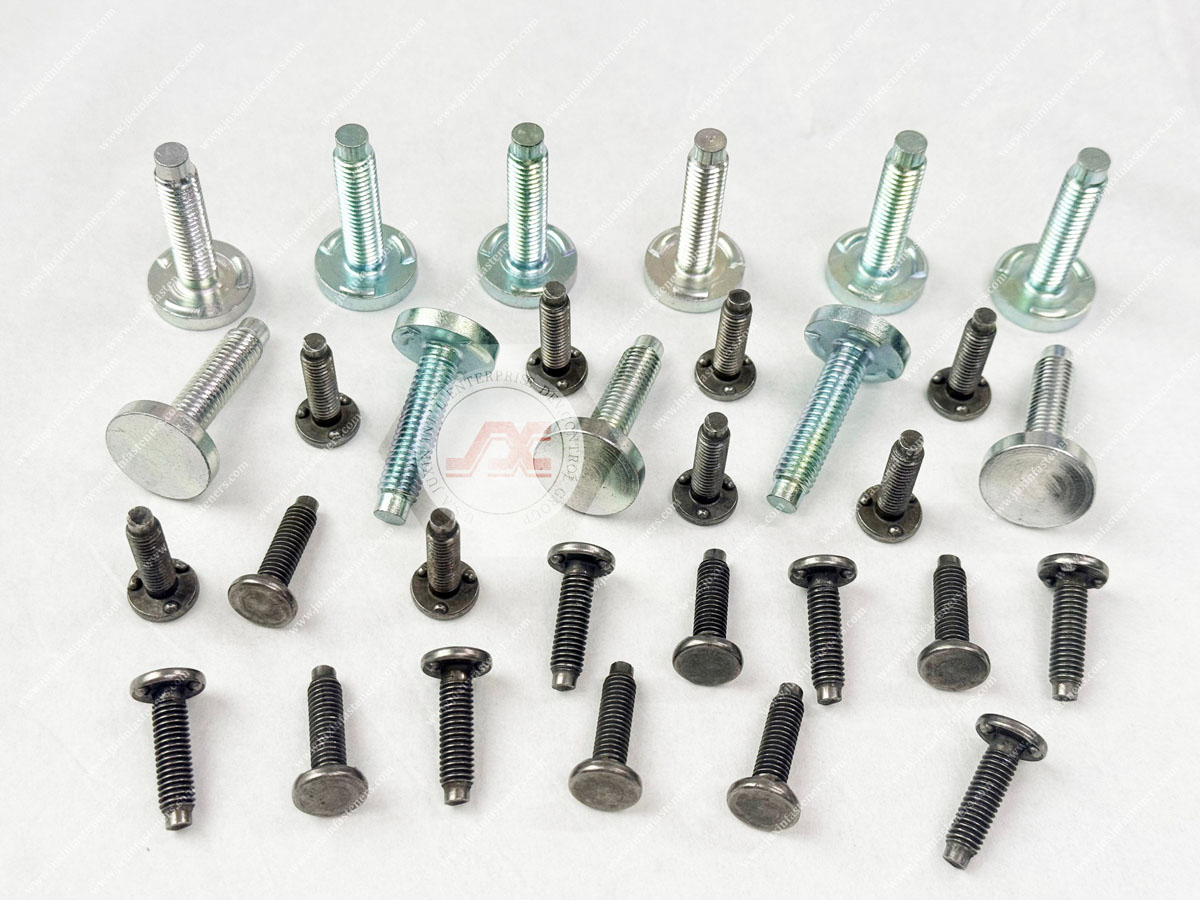
During certain wet chemical processes, hydrogen can be generated at the steel surface.
Potential hydrogen-entry processes include:
Acid cleaning
Acid pickling
Electrolytic cleaning
Electroplating
Cathodic processing
Certain chemical surface treatments
During electrochemical reactions, hydrogen species can form at or near the steel surface. Some hydrogen may recombine into molecular hydrogen and leave the surface, while some atomic or diffusible hydrogen can enter the steel.
The absorbed hydrogen can then move through the steel microstructure.
The simplified sequence is:
Hydrogen generation → surface absorption → diffusion → interaction with susceptible microstructure and stress → possible delayed cracking
This does not mean that every hydrogen atom entering a steel component produces embrittlement.
The actual risk depends on the interaction between:
Hydrogen concentration
Hydrogen diffusibility
Material strength
Microstructure
Residual stress
Applied tensile stress
Stress concentration
Processing history
Environmental conditions
High-strength steels generally require greater attention to hydrogen embrittlement because susceptibility tends to increase as strength and hardness increase.
The original Gemini statement identified property classes 10.9 and 12.9 as examples of high-strength fasteners requiring hydrogen-control attention.
That is a useful practical reference, but the actual susceptibility assessment should be based on the applicable standard and the material's verified mechanical and hardness characteristics.
It is therefore better to avoid treating:
“32 HRC = universal hydrogen-embrittlement threshold.”
A hardness threshold may be specified by a particular standard, coating specification, or customer requirement, but it should not automatically be applied to every fastener type and manufacturing process.
Similarly, lower-strength fasteners generally have lower susceptibility, but “lower risk” should not be confused with “impossible.”
Hydrogen-assisted cracking is influenced by the steel microstructure.
Factors that may affect susceptibility include:
Strength level
Hardness
Heat treatment
Alloy composition
Microstructural condition
Inclusions
Residual stresses
Cold-working history
Surface condition
For this reason, two fasteners with similar nominal dimensions can have different hydrogen-embrittlement risk if their material or heat-treatment conditions differ.
Hydrogen embrittlement does not simply result from “hydrogen being present.”
A susceptible material must also experience appropriate stress conditions for hydrogen-assisted cracking to develop.
Relevant stresses can include:
Installation preload
Service tensile load
Residual manufacturing stress
Thread-root stress concentration
Forming-related stress
Bending stress
Local stress concentrations
This is one reason why fastener geometry matters.
Thread roots, sharp transitions, undercuts, and other geometric discontinuities can act as stress-concentration locations.
A conventional overload may cause a fastener to fail during installation or immediately when the applied load exceeds its mechanical capacity.
Hydrogen-assisted cracking can behave differently.
A fastener may remain apparently intact after:
Manufacturing
Plating
Installation
Initial inspection
and subsequently develop cracking after exposure to sustained or cyclic stress.
The delay depends on the combination of:
Hydrogen availability
Diffusion
Material susceptibility
Stress state
Geometry
Temperature
Environmental conditions
Therefore, a simple visual inspection immediately after plating cannot by itself establish that a susceptible fastener is free from hydrogen-embrittlement risk.
Delayed fracture creates particular supply-chain risk because the failure may occur after the fastener has already passed through:
Manufacturing → Inspection → Packaging → Shipment → Assembly → Vehicle or Equipment Operation
For critical applications, hydrogen control therefore belongs within supplier quality assurance rather than being treated as a cosmetic surface-treatment issue.
Acid pickling can remove:
Oxides
Scale
Rust
Surface contaminants
However, acidic processing can also create conditions under which hydrogen is generated at the steel surface.
Risk can be affected by:
Acid type
Concentration
Temperature
Exposure time
Surface condition
Steel composition
Process sequence
The correct process window should therefore be controlled rather than relying on an informal “short exposure” rule.
Excessive or poorly controlled pickling can increase unwanted material attack and may increase hydrogen-entry risk.
Potential consequences include:
Excessive surface attack
Dimensional changes
Surface roughness
Hydrogen uptake
Reduced process consistency
Process controls should therefore define appropriate treatment conditions and avoid unnecessary exposure.
Where appropriate, mechanical cleaning or alternative surface-preparation methods can reduce dependence on aggressive chemical cleaning.
Potential methods may include:
Controlled mechanical cleaning
Abrasive preparation
Other specified surface-preparation techniques
The appropriate method depends on the fastener material, contamination, coating process, geometry, and customer specification.
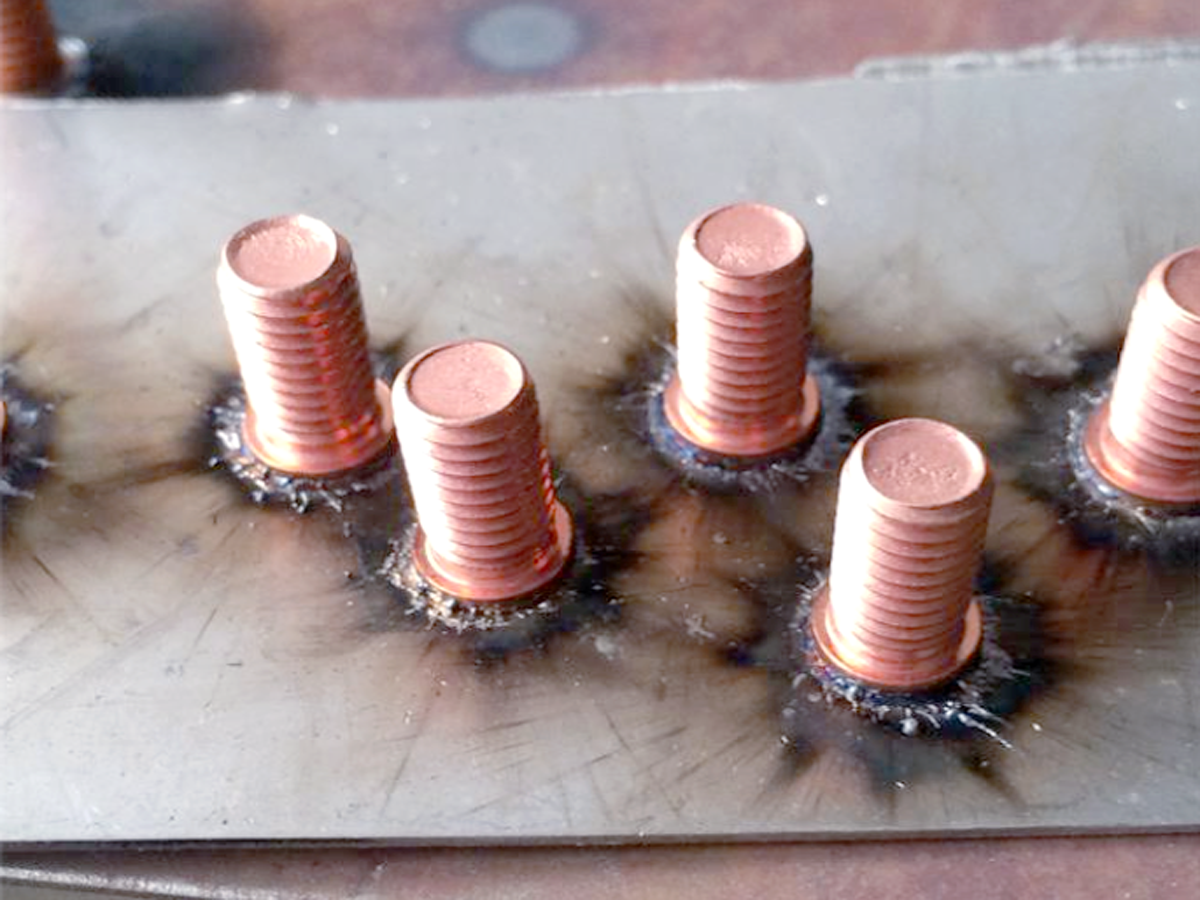
Electroplating is a common route for corrosion protection of steel fasteners.
However, electrochemical processing can introduce hydrogen into susceptible steel.
This is why high-strength steel fasteners receiving electrolytic coatings require particular attention to:
Pre-treatment
Plating chemistry
Process duration
Current conditions
Hydrogen entry
Post-treatment hydrogen relief
Inspection and documentation
Zinc electroplating can provide useful corrosion protection, but the process should be evaluated for hydrogen-entry risk when applied to susceptible high-strength steel.
The correct question is not simply:
“Is zinc plating safe?”
It is:
“Is this specific steel grade, hardness level, plating process, and hydrogen-relief procedure compliant with the applicable requirement?”
Zinc-nickel systems may be considered where higher corrosion performance is required.
However, zinc-nickel should not automatically be described as “hydrogen-embrittlement proof.”
The hydrogen risk depends on the actual deposition process.
Where an electrolytic zinc-nickel process is used, hydrogen-entry considerations remain relevant.
The advantage of a particular coating system must therefore be evaluated according to:
Deposition method
Material susceptibility
Corrosion requirement
Welding requirement
Electrical requirement
Customer specification
Mechanical plating can be considered as an alternative to some electrolytic plating processes.
Because the deposition mechanism differs from conventional electroplating, hydrogen-entry behavior can also differ.
However, mechanical plating should not be selected simply because it is assumed to eliminate every hydrogen-related risk.
The complete process still requires specification and validation.
Hydrogen relief treatment, commonly referred to as post-plating baking or hydrogen relief baking, may be required for susceptible fasteners following certain surface-treatment processes.
The purpose is to encourage diffusible hydrogen to leave the steel before the component is placed into service under significant stress.
The original Gemini article referenced baking within 1 to 4 hours after electroplating.
This can resemble requirements found in particular fastener and coating specifications, but it should not be treated as a universal rule for every product.
The applicable timing should be taken from:
Customer specification
Coating specification
Applicable standard
Fastener material requirement
Plating process
Supplier's validated process
The critical manufacturing principle is that hydrogen relief should occur within the time window required by the applicable specification, rather than being performed according to an arbitrary factory rule.
The original text referenced approximately 190°C to 220°C.
Again, this should be treated as a specification-dependent range rather than a universal hydrogen-relief temperature.
The selected temperature must be compatible with:
Fastener material
Heat treatment
Mechanical properties
Coating system
Customer specification
Applicable standard
Excessive temperature can create its own risks, including unwanted changes to mechanical properties or coating performance.
The original reference to 4 to 24 hours illustrates the fact that hydrogen-relief treatment can involve extended thermal exposure.
However, duration should not be selected solely from fastener size.
It may depend on:
Material
Hardness
Geometry
Coating process
Hydrogen-entry condition
Product specification
Required hydrogen-relief process
Therefore:
Baking time = specification/process requirement
rather than:
Baking time = one universal number for all fasteners.
Hydrogen relief baking is only one control step.
It cannot compensate for:
Excessive acid exposure
Poor plating control
Unsuitable material
Excessive hardness
Uncontrolled residual stress
Incorrect thermal treatment
Inadequate process documentation
The complete process must be controlled.
Hardness is an important indicator when evaluating susceptibility, but it is not the only variable.
Quality inspection may include:
Rockwell hardness
Microhardness where appropriate
Tensile testing
Material certification
Heat-treatment records
The applicable hardness range should be specified by the engineering drawing or relevant standard.
Fastener property classes can provide a useful framework for understanding mechanical strength.
For example:
Class 4.8
Class 8.8
Class 10.9
Class 12.9
should not be treated as interchangeable from a hydrogen-risk perspective.
As strength increases, hydrogen susceptibility generally becomes a more important consideration.
However, the actual risk must still be evaluated using the applicable standard and manufacturing process.
Many weld fasteners are manufactured from relatively weldable steels and may not be in the same susceptibility category as high-strength structural bolts.
However, the final assessment still depends on:
Fastener material
Hardness
Surface treatment
Welding process
Customer requirement
A weld nut or weld stud should therefore not be declared “immune” without a technical basis.
A weld fastener may undergo several manufacturing stages:
Forming → Machining → Cleaning → Welding-Related Preparation → Plating → Baking → Packaging
Each stage can influence the final product.
When a high-strength steel weld fastener is electrolytically plated, hydrogen-control requirements may become relevant even though the product is ultimately used as a welded component.
It would be incorrect to assume that resistance welding automatically eliminates hydrogen absorbed during plating.
The welding process introduces a localized thermal cycle, but this should not be treated as a substitute for a specified hydrogen-relief process.
Hydrogen-control requirements should therefore be addressed before the component enters the customer's production line.
Where weld fasteners are used in a resistance-welding process, the coating must also be evaluated for weldability.
Relevant considerations include:
Electrical resistance
Surface condition
Electrode contamination
Spatter
Fume generation
Coating breakdown
Corrosion protection after welding
Hydrogen embrittlement prevention and welding compatibility are related quality topics, but they are not the same engineering problem.
Fastener geometry can influence hydrogen-assisted cracking susceptibility because local stresses are not uniform throughout the component.
Potential stress-concentration areas include:
Thread roots
Under-head transitions
Sharp corners
Reduced sections
Formed features
Machined notches
Good fastener design therefore considers:
Material + Hydrogen Exposure + Stress + Geometry
rather than treating material strength alone as the complete risk indicator.
Hydrogen-embrittlement evaluation can require specialized testing because conventional tensile testing alone may not reveal delayed cracking behavior under the relevant conditions.
Depending on the applicable specification, evaluation may involve:
Delayed tensile testing
Sustained-load testing
Torque testing
Proof testing
Coating-process validation
Metallurgical examination
The selected test method must match the product and applicable standard.
The important concept is that the test should allow sufficient time under the specified stress condition to reveal delayed failure behavior where the relevant standard requires it.
A fastener that passes an immediate load test is not necessarily proven against every possible hydrogen-assisted delayed failure mechanism.
Both can be important.
Process qualification asks:
Is the manufacturing and coating process capable of controlling hydrogen-related risk?
Product testing asks:
Does the resulting fastener meet the specified performance requirement?
A robust OEM quality system may use both approaches.
Verify:
Material grade
Heat or batch identification
Mechanical properties
Hardness
Heat-treatment condition
Supplier documentation where required
Monitor:
Chemical condition
Treatment time
Temperature
Process sequence
Bath maintenance
Depending on the process, control:
Plating chemistry
Electrical parameters
Treatment time
Coating thickness
Surface condition
Hydrogen-control procedures
Where hydrogen-relief baking is required, records may include:
Batch identification
Start time
Treatment start relative to plating completion
Oven temperature
Duration
Load configuration
Process record
The exact control plan should follow the applicable specification.
Potential final checks include:
Dimensions
Threads
Hardness
Surface condition
Coating
Mechanical performance
Hydrogen-embrittlement test results where required
Traceability
For high-risk fastener applications, procurement teams should ask suppliers to identify the applicable hydrogen-control requirements rather than simply asking:
“Do you bake the parts?”
More useful questions include:
What material grade is used?
What is the verified hardness?
Is the coating electrolytic or non-electrolytic?
What surface-preparation process is used?
Is hydrogen relief required by the applicable specification?
What standard or customer requirement defines the process?
How is the timing between plating and baking controlled?
How are oven temperature and duration recorded?
What traceability is maintained?
Is delayed-failure testing required?
How are process deviations handled?
This creates a much stronger supplier-qualification process.
Hydrogen-embrittlement prevention can sometimes begin with the coating-selection decision itself.
Advantages may include:
Established industrial process
Broad availability
Good corrosion-protection options
Considerations include:
Hydrogen generation
Material susceptibility
Post-treatment requirements
Potentially useful where minimizing hydrogen entry is an important consideration.
However, suitability depends on:
Fastener geometry
Coating requirement
Corrosion environment
Dimensional requirements
Customer specification
Other coating systems may also be available depending on the application.
Selection should consider:
Corrosion
Welding
Electrical contact
Thread function
Temperature
Chemical exposure
Environmental regulations
Hydrogen risk
No coating should be selected solely because it carries a “hydrogen-free” marketing description.
A practical prevention strategy can be organized into six stages.
Control:
Strength
Hardness
Alloy
Heat treatment
Microstructure
Control:
Cleaning
Pickling
Acid exposure
Hydrogen-generating processes
Evaluate:
Electrolytic vs. non-electrolytic deposition
Corrosion requirement
Welding compatibility
Electrical requirements
Where required, perform the specified hydrogen-relief process according to the applicable standard or customer specification.
Use appropriate testing to demonstrate compliance.
Maintain:
Batch traceability
Process records
Inspection records
Change control
Nonconformance control
Hydrogen susceptibility is not limited to one property class.
Hardness thresholds are specification-dependent and should not replace the applicable standard.
Baking requirements depend on the material, coating process, specification, and product.
The actual thermal requirement must be taken from the applicable specification and validated process.
Hydrogen relief is part of a process-control system, not a universal cure.
Hydrogen control begins before plating.
The deposition process matters.
Hydrogen-assisted delayed failure is not necessarily visible before fracture.
Threads and geometric transitions can influence local stress.
Documentation is important, but procurement teams should understand what process and specification the documentation actually represents.
Before approving a supplier for susceptible steel fasteners, procurement and quality teams should confirm:
Material grade defined
Property class defined
Hardness requirement defined
Heat treatment controlled
Surface-preparation process identified
Pickling requirements controlled
Plating process identified
Coating specification defined
Hydrogen-relief requirement identified
Baking timing requirement identified
Baking temperature requirement identified
Baking duration requirement identified
Oven records available where required
Batch traceability maintained
Mechanical testing defined
Delayed-failure testing defined where required
Nonconforming-product process defined
Process-change control defined
Coating supplier/process controlled
Customer-specific requirements reviewed
Hydrogen risk should ideally be discussed during the RFQ stage rather than after the fastener has already been manufactured.
A useful RFQ should identify:
Fastener
Material
Property class
Hardness
Geometry
Thread
Surface Treatment
Coating type
Deposition process
Coating thickness
Corrosion requirement
Manufacturing
Cleaning process
Pickling process
Heat treatment
Hydrogen-relief requirements
Application
Installation preload
Tensile stress
Environmental exposure
Safety-critical function
Quality
Applicable standard
Customer specification
Testing requirement
Documentation
Traceability
This information allows the supplier to identify hydrogen-related risks before production begins.
A low unit price can become expensive if a fastener creates:
Delayed field failures
Warranty exposure
Assembly-line disruption
Product recalls
Sorting costs
Supplier corrective actions
Replacement costs
Hydrogen control should therefore be considered part of total cost of ownership.
The cheapest coating process is not necessarily the lowest-cost solution if it introduces additional quality risk for a high-strength structural fastener.
Likewise, a more controlled coating and validation process may be economically justified when the application has high consequence of failure.
A practical OEM workflow is:
Material Selection
       ↓
Strength / Hardness Review
       ↓
Surface Preparation Review
       ↓
Coating Process Selection
       ↓
Hydrogen-Entry Risk Assessment
       ↓
Hydrogen Relief Requirement
       ↓
Process Qualification
       ↓
Mechanical / Delayed-Failure Validation
       ↓
Production Traceability
       ↓
Ongoing Quality Control
This approach is more robust than simply adding “bake after plating” to a production instruction.
Hydrogen embrittlement crosses multiple manufacturing departments.
It involves:
Materials Engineering
↓
Heat Treatment
↓
Surface Treatment
↓
Quality Assurance
↓
Fastener Manufacturing
↓
OEM Assembly
↓
Field Reliability
That means procurement teams should not evaluate hydrogen risk using the coating name alone.
A technically qualified supplier should be able to explain how:
Material
Hardness
Cleaning
Pickling
Plating
Hydrogen relief
Testing
Traceability
are connected.
For OEM and industrial fastener programs, hydrogen-embrittlement prevention should be discussed before finalizing the material and coating system.
JUXIN FASTENERS can review the requirements around:
Fastener material
Mechanical property class
Hardness
Surface treatment
Corrosion requirements
Welding requirements
Hydrogen-relief requirements
Testing
Documentation
Traceability
Annual production volume
This is especially important for high-strength steel fasteners or components receiving electrolytic surface treatments.
The goal is not simply to add a baking operation after plating.
The goal is to establish a manufacturing route in which material susceptibility, hydrogen entry, hydrogen relief, stress, coating, and validation are considered together.
Fastener Surface Finishes & Coatings Guide
Useful for evaluating plating, coating selection, welding compatibility, corrosion protection, electrical requirements, and downstream coating processes.
Fastener Corrosion Resistance & Salt Spray Testing Guide
Useful when corrosion performance and surface-treatment qualification are part of the fastener specification.
Fastener Supplier Quality Audits & Certifications Guide
Useful for evaluating supplier process control, material traceability, inspection, documentation, and quality-system requirements.
Weld Fastener Procurement & RFQ Best Practices
Useful for defining material, coating, testing, documentation, packaging, and supplier requirements during OEM sourcing.
Hydrogen embrittlement is a hydrogen-assisted cracking mechanism that can affect susceptible materials, particularly certain high-strength steels under tensile stress.
Hydrogen can enter the material during manufacturing or surface treatment and subsequently contribute to delayed cracking under suitable conditions.
Higher-strength and higher-hardness steels generally require greater attention to hydrogen-embrittlement risk.
Property classes such as 10.9 and 12.9 are common examples where hydrogen control is important, but susceptibility should be determined according to the actual material and applicable specification.
No.
A hardness threshold may be specified by a particular standard or coating requirement, but it should not be treated as a universal boundary for every fastener.
No.
The requirement depends on factors such as:
Material susceptibility
Strength/hardness
Coating process
Applicable standard
Customer specification
High-strength steel fasteners subjected to hydrogen-generating electrolytic processes generally require particular attention to hydrogen control.
No.
Hydrogen-relief baking is a mitigation and process-control measure where required. It should not be described as a universal guarantee that a component is immune to hydrogen-assisted cracking.
The effectiveness depends on the complete material and manufacturing process.
The required timing depends on the applicable standard or customer specification.
The original reference of 1–4 hours can represent the type of controlled post-plating window found in certain specifications, but it should not be used as a universal requirement for every fastener.
The applicable temperature depends on the material, coating, heat treatment, and governing specification.
The commonly encountered range of approximately 190°C–220°C should be treated as a specification-dependent reference rather than a universal baking requirement.
Not automatically.
Hydrogen risk depends partly on how the coating is deposited. An electrolytic zinc-nickel process can still involve hydrogen generation.
The coating process, fastener material, and applicable hydrogen-control requirements must therefore be evaluated together.
Potentially, depending on material, hardness, surface treatment, and processing.
Many weld nuts use materials with lower susceptibility than high-strength structural bolts, but the correct assessment should be based on the actual product specification.
Resistance welding should not be treated as a substitute for a specified hydrogen-relief process.
If hydrogen control is required, the applicable hydrogen-relief procedure should be completed according to the relevant specification before the fastener enters the intended service condition.
Procurement and quality teams should review:
Material certificates where required
Hardness records
Plating process
Pickling process
Hydrogen-relief requirements
Baking records
Traceability
Delayed-failure testing where specified
Process-change controls
The supplier should be able to explain which standard or customer specification governs the process.
Fasteners can operate under significant tensile preload and contain geometric stress concentrations at thread roots and other transitions.
If a susceptible steel contains sufficient diffusible hydrogen under the right stress conditions, cracking can occur after installation rather than immediately during manufacturing.
If your project involves high-strength steel fasteners, weld fasteners, electrolytic plating, hydrogen-relief baking, or hydrogen-embrittlement risk control,
provide the engineering and surface-treatment requirements to JUXIN FASTENERS for review.
Recommended RFQ information includes:
2D engineering drawing
3D CAD model where available
Material grade
Property class
Hardness requirement
Heat-treatment condition
Thread specification
Surface-treatment specification
Coating type and deposition process
Corrosion requirement
Hydrogen-relief requirements
Applicable standards
Mechanical testing requirements
Delayed-failure testing requirements where applicable
Annual production volume
Quality documentation requirements
Traceability requirements
Email: info@juxinfasteners.com
Website: www.juxinfasteners.com
JUXIN FASTENERS supports OEM and industrial customers with engineered fasteners and fastening components, connecting material selection, surface treatment,
hydrogen-control requirements, welding considerations, quality validation, and commercial sourcing.
Precision Fastening Solutions Since 2003.
Product Packaging
Packaging Standard
At Juxin Fasteners, we apply standardized export packaging to ensure product protection, traceability, and compliance with international logistics requirements.
1. Standard Export Packaging
Unless otherwise specified, all products will be packed according to our factory standard export packaging, which includes:
Moisture-resistant inner protection
Poly bag or small box packing as required
Reinforced export cartons
Clear labeling with part number, specification, batch number, and quantity
Palletizing for sea or air shipment when necessary
Our standard packaging is designed to ensure safe transportation, efficient warehousing, and long-distance international shipping.
2. Customized Packaging Options
We also provide customized packaging solutions according to customer requirements, including but not limited to:
Private labeling
Customized barcodes
Specific carton dimensions
Retail packaging
Special pallet configuration
Customer-specific marking and identification
So that you know, customized packaging may involve additional costs and extended lead time depending on the complexity of the requirements.
3. Compliance & Quality Assurance
All packaging processes are controlled under our ISO 9001 quality management system to ensure consistency, traceability, and product integrity throughout the supply chain.
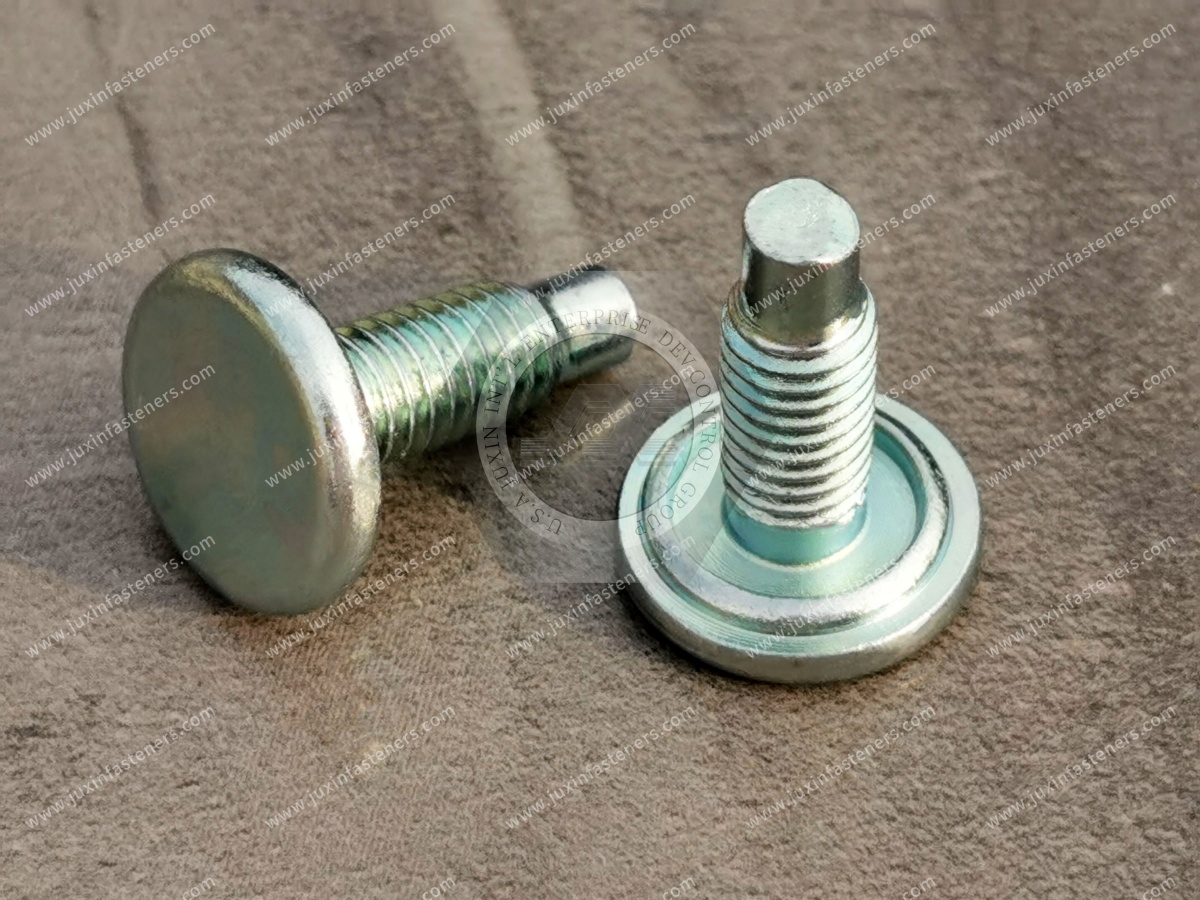
Product Pictures
Contact Us
Tel.:
+86 020 8621 0320
+86 020 3121 6067
E-mail:
Technical Support:
Navigation
SEND INQUIREY