Call Us
+86 136 6007 9809
Call Us
+86 136 6007 9809

Robot Welding Fastener Design in Automotive Sheet Metal Manufacturing
robot welding fasteners, automotive weld nuts, flange projection weld nuts, projection weld nuts, sheet metal fasteners, engine bay fastening solutions, robotic welding nuts, OEM fastening systems, automated welding components
Product Specification
Robot Welding Fastener Design in Automotive Sheet Metal Manufacturing
1. Industry Background: Automation-Driven Automotive Manufacturing
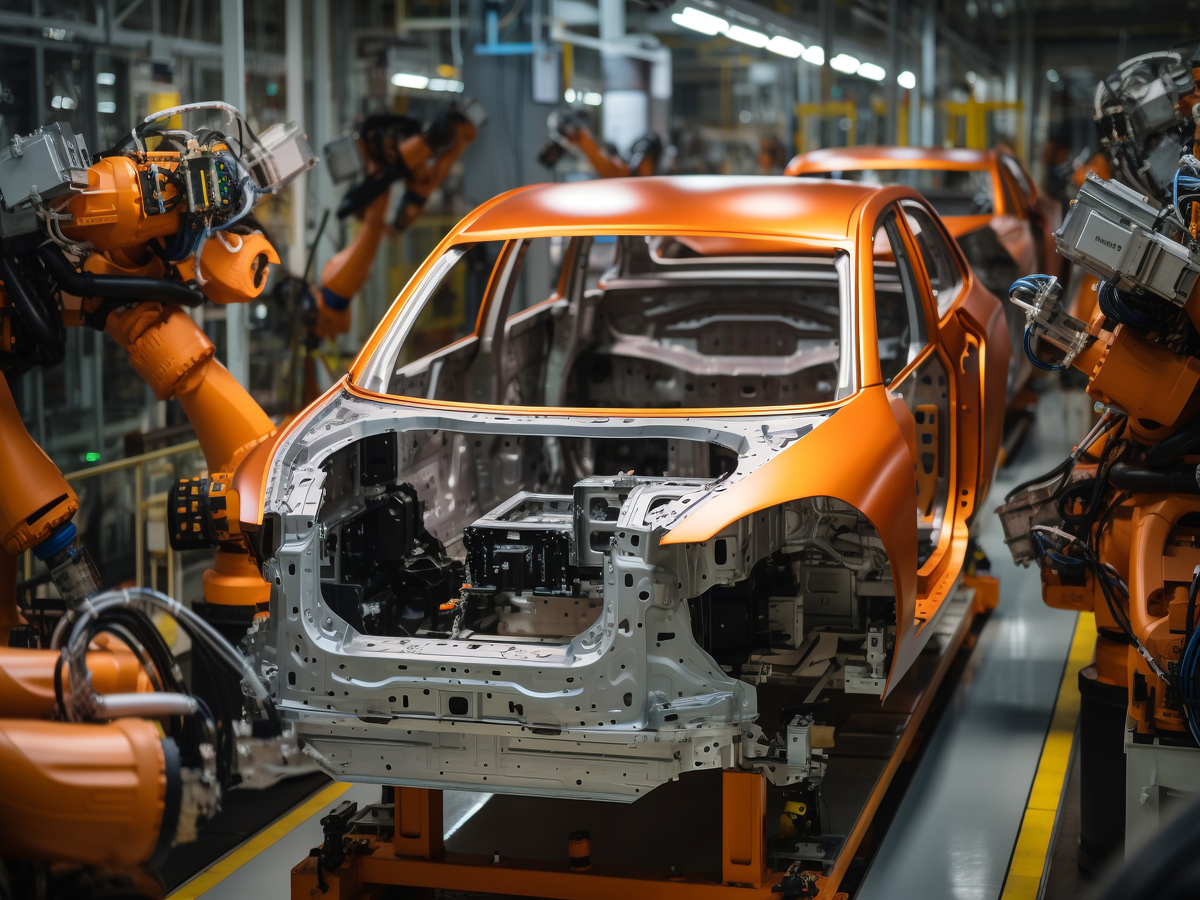
Modern automotive production is undergoing a major transformation driven by the widespread adoption of:
Fully automated robotic welding lines
High-speed pick-and-place assembly systems
Integrated stamping and welding production cells
Reduced manual intervention in body-in-white manufacturing
In this environment, fastening components are no longer passive mechanical parts. Instead, they are critical interfaces within automated production systems.
As a result, the design of robot-welded fasteners must ensure full compatibility with high-speed robotic handling, precision placement, and stable resistance-welding performance.
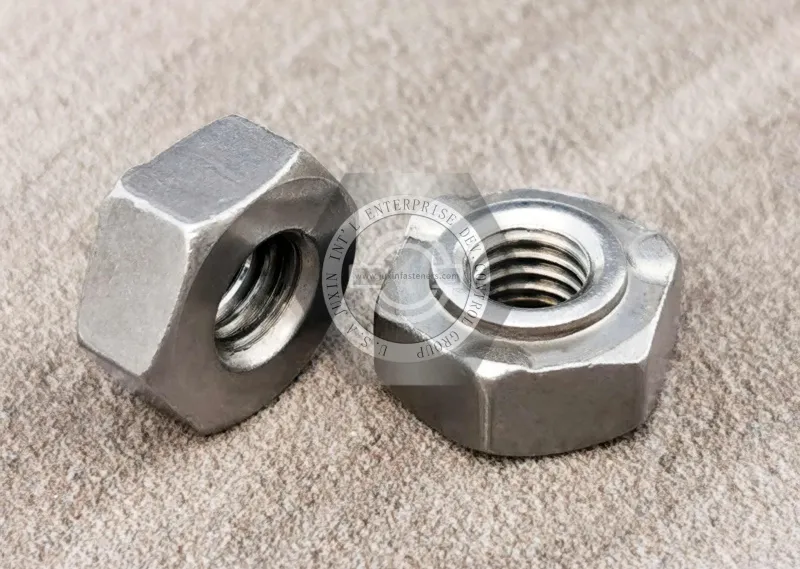
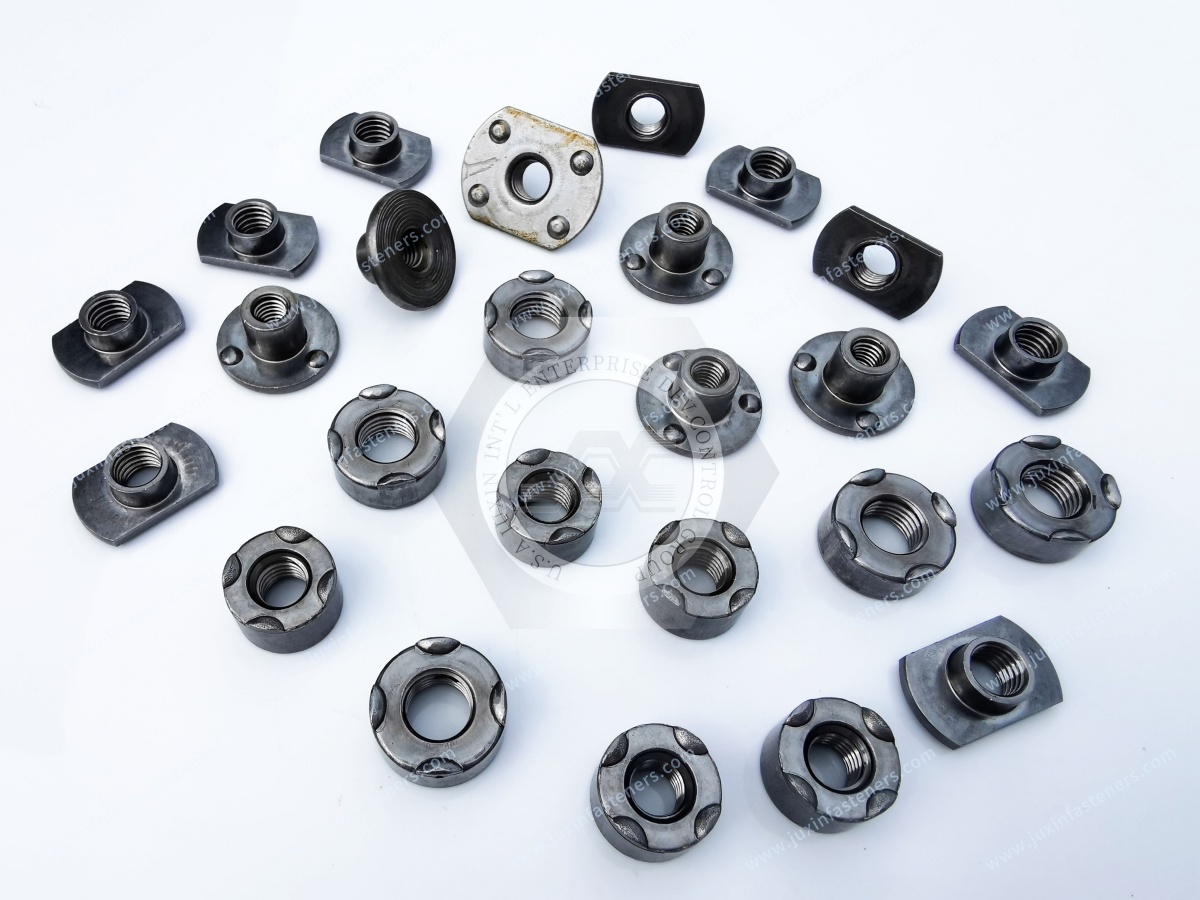
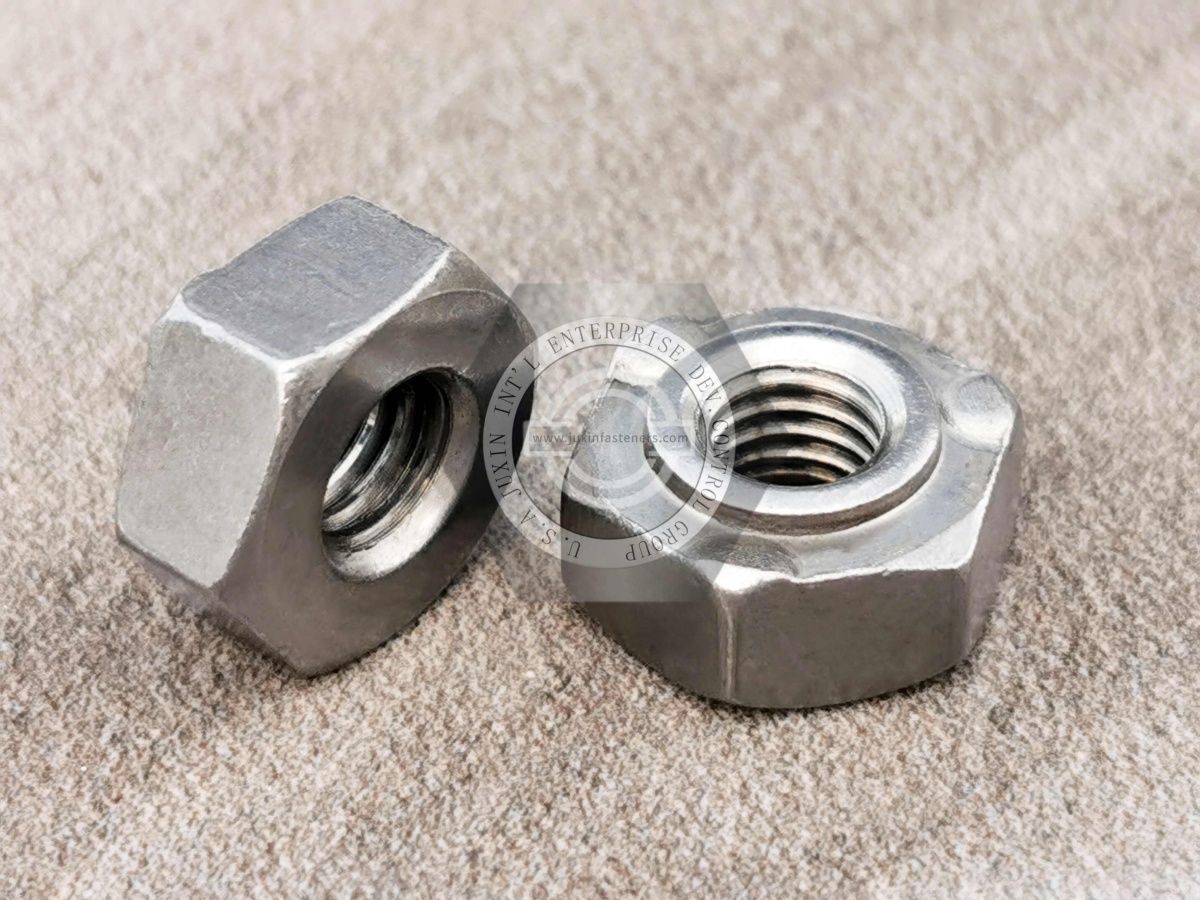
Among the most widely adopted solutions in this field are flange-projection-weld nuts, specifically engineered for automation-driven automotive assembly systems.
2. Requirements for Robot-Compatible Weld Nuts
To perform reliably in automated manufacturing environments, a robot-ready weld nut must meet strict engineering requirements.
✔ Stable Positioning Geometry
A key requirement is consistent and repeatable positioning during robotic handling.
Flange-based geometry provides stable contact surfaces
Pilot structures ensure self-centering alignment
Designed for pick-and-place robotic grippers
This enables precise placement even at high production speeds.
✔ Multi-Projection Welding Structure
Modern projection-weld nuts for automotive applications typically feature multiple weld points.
This design ensures:
Uniform heat distribution during welding
Controlled weld penetration depth
Strong metallurgical bonding with sheet metal
Reduced risk of weak or inconsistent welds
Multi-projection structures are essential for high-volume production stability.
✔ Anti-Misalignment Performance
During robotic handling, fasteners are exposed to:
High-speed movement
Mechanical vibration
Rapid orientation changes
A well-designed robot welding nut must prevent:
Rotation during placement
Off-center positioning
Misalignment during the welding cycle
This ensures consistent weld quality across mass production runs.
3. Why Flange Projection Weld Nuts Are Preferred in Robotic Systems
Among all weld nut designs, flange-projection weld nuts are widely recognized as the most suitable for fully automated production lines.
They are extensively used in:
Engine bay assemblies
Cooling module structures
Structural reinforcement brackets
Chassis mounting points
Front-end carrier systems
Engineering Advantages in Automation Systems
✔ Fast Cycle Time in Robotic Welding
The geometry of automotive flange-projection-weld nuts is optimized for rapid robotic handling, reducing cycle time in high-volume production environments.
✔ High Repeatability
The combination of flange support and pilot alignment ensures consistent positioning accuracy across thousands of welding cycles.
This repeatability is critical for OEM-grade quality standards.
✔ Reduced Fixture Complexity
Compared to traditional fastening methods, flange projection weld nuts:
Reduce dependence on complex fixtures
Simplify robotic welding cell design
Improve production line flexibility
✔ Lower Defect Rate in Mass Production
By minimizing misalignment and ensuring stable weld formation, these fasteners significantly reduce:
Welding defects
Rework rates
Scrap rates in production
This directly improves overall manufacturing efficiency.
4. OEM Supplier Value in Automotive Fastening Systems
For Tier 1 and Tier 2 automotive suppliers, selecting the correct automotive weld nut system directly impacts production competitiveness.
Key benefits include:
✔ Stable Mass Production Quality
Consistent weld performance ensures reliable output across large-scale production programs.
✔ Reduced Rework and Rejection Rates
Improved welding accuracy leads to fewer quality issues and lower production waste.
✔ Compatibility with German OEM Standards
Flange projection weld nuts are widely aligned with German automotive engineering requirements, particularly in:
Mercedes-Benz platforms
BMW structural systems
Volkswagen modular assemblies
✔ High Automation Efficiency
Designed specifically for robotic environments, these fasteners enhance:
Production speed
Process stability
Line automation performance
5. Engineering Conclusion
In modern automotive manufacturing, fasteners are no longer simple mechanical connectors. They are integrated components within automated production ecosystems.
The development of robot-welding fasteners reflects this shift toward:
Fully automated assembly systems
High-precision sheet metal integration
Standardized OEM manufacturing platforms
Among available solutions, flange projection weld nuts represent a core enabling technology for:
Engine bay structural systems
Cooling module assemblies
High-strength sheet metal connections
Robot-driven automotive production lines
Their combination of positioning accuracy, welding stability, and automation compatibility makes them essential in next-generation vehicle manufacturing.
Product Packaging
Packaging Standard
At Juxin Fasteners, we apply standardized export packaging to ensure product protection, traceability, and compliance with international logistics requirements.
1. Standard Export Packaging
Unless otherwise specified, all products will be packed according to our factory standard export packaging, which includes:
Moisture-resistant inner protection
Poly bag or small box packing as required
Reinforced export cartons
Clear labeling with part number, specification, batch number, and quantity
Palletizing for sea or air shipment when necessary
Our standard packaging is designed to ensure safe transportation, efficient warehousing, and long-distance international shipping.
2. Customized Packaging Options
We also provide customized packaging solutions according to customer requirements, including but not limited to:
Private labeling
Customized barcodes
Specific carton dimensions
Retail packaging
Special pallet configuration
Customer-specific marking and identification
So that you know, customized packaging may involve additional costs and extended lead time depending on the complexity of the requirements.
3. Compliance & Quality Assurance
All packaging processes are controlled under our ISO 9001 quality management system to ensure consistency, traceability, and product integrity throughout the supply chain.
Product Pictures
Contact Us
Tel.:
+86 020 8621 0320
+86 020 3121 6067
E-mail:
Technical Support:
Navigation
SEND INQUIREY