Call Us
+86 136 6007 9809
Call Us
+86 136 6007 9809

Automotive fastener sourcing involves far more than matching a catalog part number to a purchasing list. For OEMs, Tier 1 suppliers,
Tier 2 manufacturers, and automotive component producers, the fastener must be evaluated as part of the complete assembly,
including the mating components, mounting interface, material, geometry, installation method, environmental conditions, quality requirements, and production volume.
Product Specification
Automotive fastener sourcing involves far more than matching a catalog part number to a purchasing list.
For OEMs, Tier 1 suppliers, Tier 2 manufacturers, and automotive component producers, the fastener must be evaluated as part of the complete assembly,
including the mating components, mounting interface, material, geometry, installation method, environmental conditions, quality requirements, and production volume.
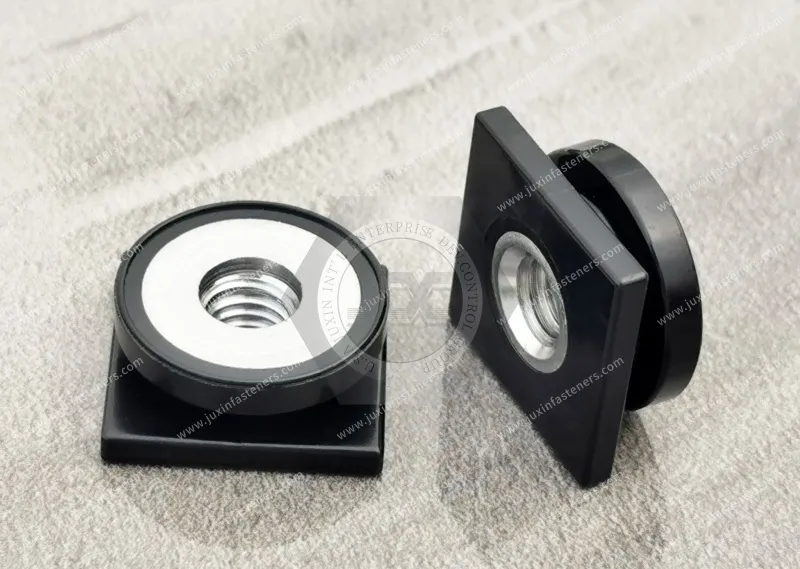
This is particularly important when sourcing customer-specific or non-standard automotive fasteners such as plastic retainers, trim clips, screw-type retainers, rivet nuts, weld nuts,
custom screws, high-strength bolts, precision pins, shafts, wiper linkage components, rear spoiler fastening components, and other application-specific hardware.
For example, an automotive rear spoiler assembly may combine a Nylon Rear Spoiler Clip with an Automotive Spoiler Slide Bolt,
while a chassis application may require rivet nuts or customer-specific metal components. These products cannot be evaluated correctly from nominal size alone.
JUXIN FASTENERS manufactures customer-specific automotive fastening components according to customer drawings, specifications, material requirements,
and application conditions. The appropriate sourcing process therefore begins with a clear technical definition of the component and its intended application.
Fasteners are often purchased in large quantities, which makes unit cost an important procurement consideration.
However, comparing suppliers only by quoted price can create problems when the technical definition of the part is incomplete.
A fastener may have a low unit price but still create additional sourcing risk if:
The material specification is unclear
Critical dimensions are not clearly defined
The mating interface is misunderstood
Surface treatment is not specified correctly
Drawing revisions are not controlled
Packaging does not match the customer's production process
Inspection requirements are not agreed in advance
Production quantities are not aligned with supplier planning
Documentation requirements are incomplete
A customer-specific geometry is treated as a standard catalog item
For this reason, automotive fastener sourcing should connect engineering requirements with procurement requirements before the RFQ is released.
A practical sourcing model is:
Application → Joint / Interface → Fastener Function → Geometry → Material → Property Class → Surface Treatment → Quality Requirements → Quantity → Packaging → Supply Requirements
This approach provides more useful supplier comparisons than comparing price per thousand pieces alone.
A strong automotive fastener RFQ should give the supplier enough information to understand both the component and the application.
The minimum technical package will vary by project, but procurement teams should normally consider the following areas.
The engineering drawing should identify the dimensions that define the component and its mating interface.
Depending on the product, this may include:
Overall length
Thread diameter
Thread pitch
Thread tolerance
Head diameter
Head height
Shank dimensions
Mounting-hole requirements
Slot or channel geometry
Grip range
Critical-to-quality dimensions
Geometric requirements
Special head or retention features
Material thickness where relevant
Customer-defined tolerances
Where available, a 3D CAD model can provide additional information about the component geometry and assembly relationship.
However, the 2D engineering drawing should remain the controlling specification where the customer defines dimensions and tolerances through the drawing.
For plastic automotive components, mounting-hole geometry and panel thickness can be particularly important.
A geometrically similar clip may not be interchangeable if the hole diameter, panel thickness, retention geometry, or installation direction is different.
For a broader overview of automotive polymer fastening components, see Automotive Plastic Fasteners: Types, Applications & OEM Sourcing Guide.
Material should be identified according to the actual engineering requirement rather than simply stating “steel” or “plastic.”
For metal fasteners, the specification may include:
Base material
Applicable material standard
Property class where relevant
Heat-treatment requirement where applicable
Surface treatment
Corrosion requirements
Special mechanical requirements
For polymer components, the specification may include:
Polymer family
Resin grade
Reinforcement where applicable
Color
Conditioning requirements where relevant
Environmental requirements
Dimensional requirements
Common automotive polymer families may include Nylon / PA, POM / Acetal, PP and other specified engineering polymers.
Material selection should consider the complete application because the same nominal polymer family can behave differently
depending on grade, geometry, wall thickness, moisture, temperature, loading and assembly conditions.
For applicable steel fasteners, the customer may specify a property class such as 8.8 or 10.9.
These designations should be treated as property-class requirements rather than simply hardness grades.
The correct property class depends on the component design, joint requirements and applicable engineering specification.
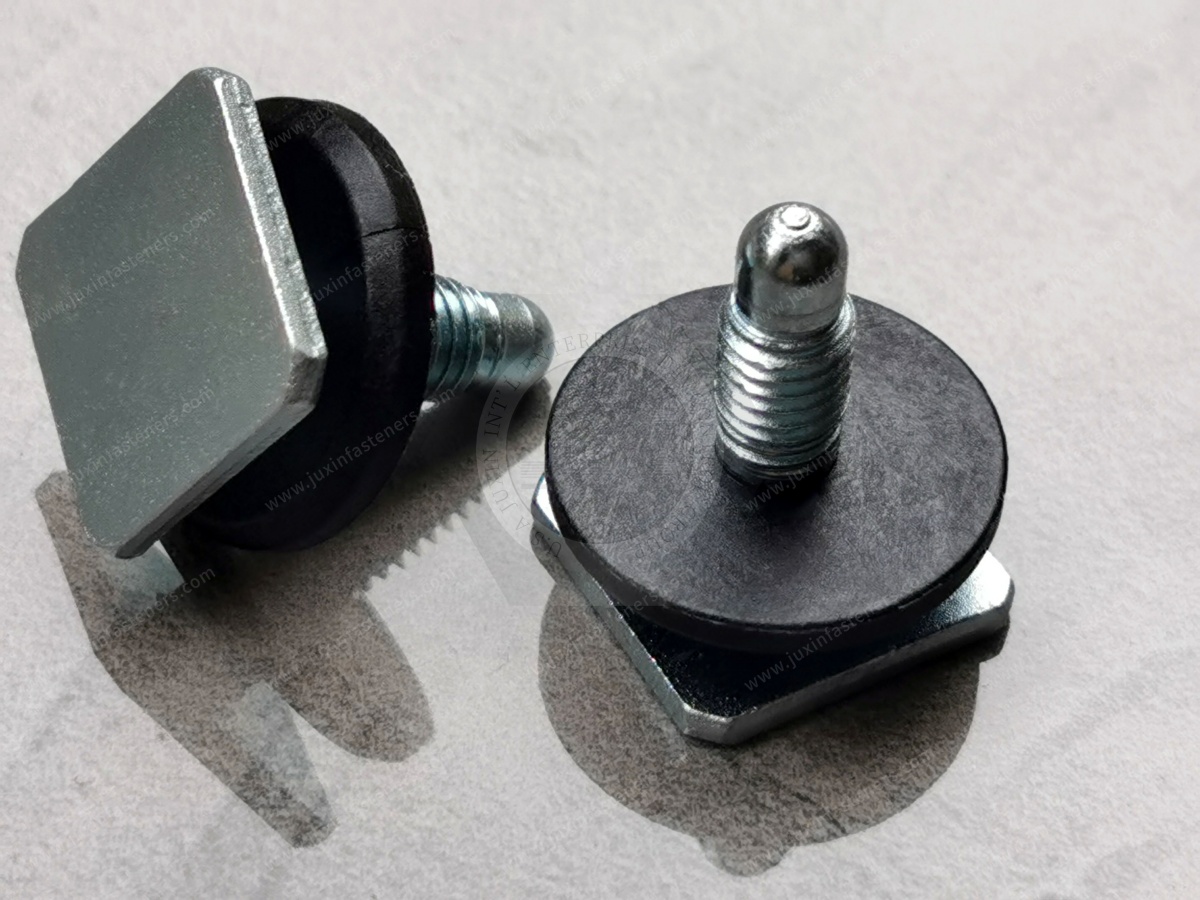
For example, JUXIN FASTENERS supplies applicable Automotive Spoiler Slide Bolt configurations in M5 and M6 sizes, with representative M6 × 14 and M6 × 20 configurations and applicable property classes including 8.8 and 10.9.
The exact requirement should always be confirmed against the customer's drawing and application.
For polymer fasteners, engineers should not attempt to apply metal-fastener property classifications automatically. Polymer components require material- and geometry-specific evaluation.
Surface treatment is part of the fastener specification rather than an afterthought.
Depending on the application and customer requirements, automotive metal fasteners may use finishes such as:
Color Zinc
Black Zinc
Zinc-Nickel Alloy
Other specified zinc-based or application-specific coating systems
Stainless steel surface treatments where applicable
JUXIN FASTENERS can evaluate surface-treatment requirements according to the specified component and application.
For exposed automotive applications, procurement and engineering teams should consider:
Environmental exposure
Humidity
Water exposure
Road salt
Temperature cycling
Mating material
Galvanic compatibility
Required corrosion performance
Surface appearance
Assembly friction and torque requirements where relevant
For high-strength fasteners, the selected coating process should also be evaluated with the substrate and applicable hydrogen-embrittlement considerations.
A coating name by itself does not define the complete performance requirement. The required specification, substrate, coating system, testing requirements,
and application conditions should be clearly documented.
Automotive fasteners often include features that are not obvious from a generic product description.
Examples include:
Special head geometry
Anti-rotation features
Retention features
Flanges
Locating features
Thread-locking patches
Sealing features
Captive elements
Special shank geometry
Application-specific mounting interfaces
For example, an Automotive Spoiler Slide Bolt may use a head geometry that engages with a mounting slot, track, or channel.
The assembly concept can be described as:
Slide → Position → Engage → Tighten
The head geometry may help resist rotation after engagement, but the actual anti-rotation function depends on the mating slot and head geometry.
Some configurations may also include a pre-applied thread-locking patch where specified.
This illustrates why a generic description such as “M6 bolt” may not provide enough information for an OEM sourcing project.
Modern vehicle programs use many different types of fastening components across multiple systems.
A procurement organization may source plastic and metal components for:
Interior trim
Door modules
Instrument panels
Exterior body panels
Rear spoilers
Chassis and undercarriage systems
Seats
Sunroof mechanisms
Wiper systems
Gear-shifting mechanisms
Electrical and electronic systems
HVAC assemblies
EV battery and enclosure systems
Cable management
Structural mounting interfaces
This means an automotive fastener supplier may need to understand more than one fastener category.
The sourcing requirement may involve a combination of:
Plastic Fasteners + Metal Fasteners + Customer-Specific Components + Application-Specific Geometry
The objective is not necessarily to consolidate every component with one supplier.
Instead, procurement teams should evaluate whether a supplier has the appropriate technical understanding, manufacturing route, quality process, communication, and supply capability for the specific product family.
Plastic fasteners have become increasingly relevant in vehicle interiors, trim systems, electrical assemblies, cable management, lightweight components,
and other applications where polymer properties are compatible with the joint.
Common categories include:
Automotive plastic clips
Push-type retainers
Plastic push rivets
Trim and moulding clips
Screw-type retainers
Wire harness clips
Plastic screws
Plastic nuts
Plastic washers
Plastic spacers
Application-specific polymer components
Material selection should not be separated from fastener geometry.
Nylon / PA, POM / Acetal, PP and other engineering polymers can have different moisture sensitivity, dimensional behavior, stiffness, creep characteristics, temperature response, and chemical compatibility.
The correct polymer therefore depends on the actual application.
Engineers selecting automotive plastic fasteners should evaluate the complete joint rather than simply asking for a “plastic clip.”
For a broader engineering selection framework, see How to Select Automotive Plastic Fasteners for Body, Trim and Interior Applications.
Rear spoiler assemblies provide a useful example of why automotive fastener sourcing should consider the complete fastening system.
A spoiler assembly may combine:
Nylon Rear Spoiler Clip
Automotive Spoiler Slide Bolt
Mounting bracket
Spoiler structure
Mounting slot, track, or channel
Customer-defined assembly requirements
The Nylon Rear Spoiler Clip may perform locating, retaining, positioning, spacing, or fastening-interface functions depending on its design.
The Automotive Spoiler Slide Bolt is a metal fastening component with a specialized head geometry intended to engage the mating mounting interface.
Representative JUXIN FASTENERS configurations include:
M5 and M6
M6 × 14
M6 × 20
Applicable property classes 8.8 and 10.9
Color Zinc
Zinc-Nickel Alloy
Black Zinc
Certain configurations with a pre-applied thread-locking patch
The exact configuration should be selected according to the customer's drawing and assembly requirements.
This is an example of a broader sourcing principle:
Do not evaluate the fastener separately from the interface into which it is installed.
Chassis and undercarriage applications can involve different fastening requirements from interior trim.
Potential components include:
Rivet nuts
Customer-specific aluminum alloy fasteners
High-strength fasteners
Non-standard bolts
Nuts
Washers
Other application-specific metal components
Engineering considerations may include:
Corrosion exposure
Road salt
Water and mud
Temperature cycling
Vibration
Thread engagement
Mating materials
Surface treatment
Assembly torque
Joint configuration
Depending on the application, surface treatment families may include Zinc-Nickel Alloy, anodizing or hard anodizing for applicable aluminum components,
zinc-aluminum coating systems, electroless nickel, or other specified treatments.
The correct treatment should be selected according to the actual substrate, environment, joint requirements, and customer specification.
Automotive wiper systems provide another example of application-specific component sourcing.
A wiper mechanism may include:
Stainless steel solid rivets
Stainless steel shoulder rivets
Step rivets
Linkage fastening components
Pivot-related components
The important engineering factors can include:
Mating geometry
Pivot interface
Dimensional consistency
Cyclical movement
Material compatibility
Moisture exposure
Corrosion considerations
Assembly method
A procurement team sourcing a wiper rivet should therefore define the complete component requirement rather than relying only on the nominal rivet diameter.
Automotive gear-shifting mechanisms can require components that do not fit neatly into conventional bolt-and-nut categories.
Potential application-specific components include:
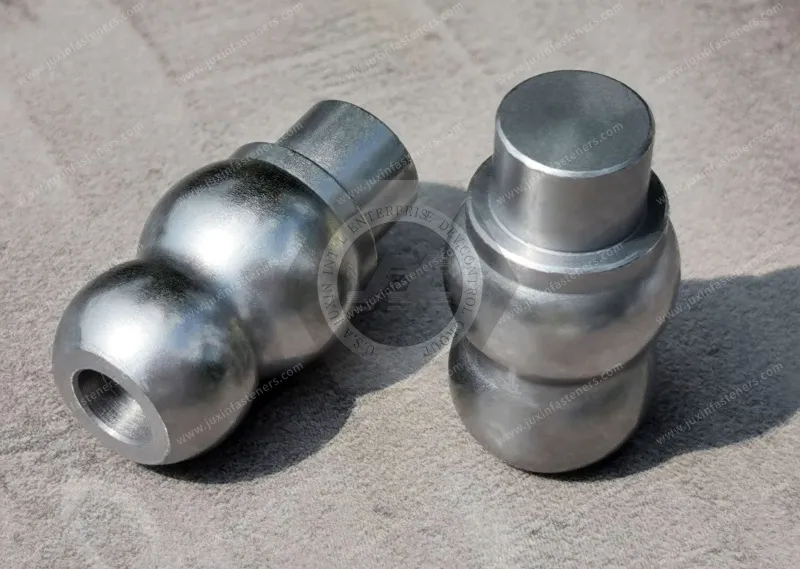
Shift shafts
Shift pins
Rolling shafts
Fixed pivot shafts
Swing or pivot shafts
Shift sliding columns
Rocker pivot shafts
Ball pins
These components may require attention to rotational interfaces, dimensional relationships, mating geometry, surface condition, and assembly requirements.
For sourcing purposes, the correct question may therefore be:
What mechanical component does the mechanism require?
rather than:
Which standard bolt can replace it?
This distinction is particularly important for customer-specific automotive components.
Sunroof and panoramic roof systems can contain sliding, pivoting, guiding, and linkage mechanisms within limited package space.
Depending on the design, sourcing requirements may include:
Precision shafts
Pivot pins
Guide components
Customer-specific fastening components
Bracket hardware
Mechanical interface components
The specification should consider movement type, mating interface, functional dimensions, material, surface condition, environmental exposure, and assembly method.
The same principle applies:
Movement + Interface + Geometry + Material + Assembly Method
should be defined before selecting the component.
Automotive seat systems may combine structural fastening hardware with mechanical adjustment components and trim fastening.
Depending on the specific assembly, procurement may involve:
Seat mounting bolts
High-strength fasteners
Seat track hardware
Pins
Pivot components
Retainers
Customer-specific mechanical components
Structural seat fastening requires application-specific engineering evaluation. Property class, joint geometry, tightening requirements, material, surface treatment,
and customer validation requirements should be established according to the actual design.
A procurement team should not select a structural seat fastener simply because its nominal thread size matches an existing bolt.
A successful automotive sourcing project requires both commercial and engineering perspectives.
Procurement managers and supply chain teams may focus on:
Unit price
Annual volume
Minimum order quantity
Production capacity
Lead time
On-time delivery
Packaging
Labeling
Logistics
Supplier communication
Commercial stability
Documentation
Traceability
Change control
Supply continuity
These factors determine whether a component can fit the customer's broader sourcing strategy.
Design, mechanical, structural, and manufacturing engineers may focus on:
Material
Geometry
Tolerance
Mating interface
Thread specification
Property class
Surface treatment
Installation method
Torque requirements
Environmental exposure
Retention mechanism
Dimensional consistency
Application validation
Neither perspective is sufficient by itself.
The supplier-selection process becomes stronger when the engineering specification and commercial supply requirements are evaluated together.
Supplier qualification should go beyond comparing quotation prices.
A useful evaluation framework is:
Technical Fit → Quality System → Production Feasibility → Documentation → Commercial Basis → Supply Chain Requirements
Can the supplier understand the customer's drawing, application, mating interface, material requirements, and special features?
Can the supplier identify unclear dimensions, missing material information, or special interface requirements before quotation?
Can the supplier work according to the customer's inspection and documentation requirements where applicable?
Depending on the project, this may include:
Dimensional inspection
Mechanical testing
Hardness testing for applicable metal components
Torque and tension testing where required
Corrosion testing where specified
Batch traceability
Material documentation
Production quality records
PPAP support where required by the customer
The exact documentation package should be agreed according to the customer's quality requirements.
The supplier should be able to determine whether the specified geometry, material, tolerance, surface treatment, quantity, and assembly requirements are commercially and technically practical.
OEM programs may require different levels of documentation.
Potential requirements include:
Material certificates
Inspection reports
Certificate of conformity
Batch information
PPAP documentation where applicable
Packaging records
Drawing revision identification
Customer-specific quality documents
Not every project requires every document.
The correct approach is to define the required documentation before production rather than assuming it afterward.
Traceability becomes particularly important when an automotive customer requires documented material or production history.
Depending on the customer specification, traceability may connect:
Raw Material → Production Batch → Inspection → Packaging → Shipment
For metal components, material documentation may be required according to the customer's purchasing specification.
For polymer components, the required traceability may include the specified material grade, production batch, color, or other customer-defined information.
Procurement teams should therefore clarify the required traceability level before the supplier begins production.
A fastener that works correctly during prototype assembly may still require additional production evaluation.
High-volume automotive assembly can involve:
Automated installation
Repeated installation operations
Defined mounting-hole conditions
Assembly tooling
High production quantities
Tight process windows
Specific packaging and presentation requirements
Dimensional consistency therefore becomes an important sourcing consideration.
For plastic clips and retainers, the relevant dimensions may include mounting-hole engagement, panel thickness, grip range, head geometry, retention features, and installation direction.
For metal fasteners, thread dimensions, head geometry, shank dimensions, surface treatment, and applicable tolerances may be important.
The critical dimensions should be identified from the customer's drawing rather than assumed from the generic product category.
One common sourcing mistake is to request a quotation first and define quality requirements later.
A better approach is to identify:
Drawing revision
Inspection requirements
Material requirements
Surface-treatment requirements
Applicable standards
Documentation requirements
Traceability requirements
Packaging requirements
Labeling requirements
Sampling requirements
Customer-specific quality requirements
This allows suppliers to quote on a more comparable basis.
It also reduces the risk of commercial disputes caused by different interpretations of the original RFQ.
Automotive fastener sourcing does not end when the parts pass inspection.
Packaging can influence:
Part protection
Identification
Quantity control
Warehouse handling
Line-side replenishment
Label scanning
Traceability
Logistics efficiency
Depending on the customer's system, packaging requirements may include:
Inner packaging
Outer cartons
Quantity per package
Labels
Part numbers
Lot numbers
Drawing revision
Barcodes
Customer-specific identification
Packaging requirements should therefore be defined together with the commercial sourcing specification.
Annual volume is important when evaluating a custom automotive fastener supplier.
The supplier should understand, where available:
Prototype quantity
Trial quantity
Initial production quantity
Production batch size
Estimated annual volume
Forecast information
Delivery frequency
Target launch date
The difference between a 500-piece prototype order and a recurring production program can significantly change the sourcing and manufacturing requirements.
For this reason, procurement teams should provide the best available volume forecast rather than requesting a quotation without any production information.
Standard catalog fasteners can be appropriate when the required component matches an existing standard specification.
However, automotive assemblies frequently contain components defined by the application itself.
A customer-specific component may be determined by:
Mounting interface
Hole or slot geometry
Panel thickness
Grip range
Thread specification
Head geometry
Material
Surface treatment
Installation method
Functional requirements
Packaging requirements
In such cases, the supplier should evaluate the customer's drawing rather than simply offering a visually similar catalog product.
This distinction is particularly important for:
Automotive plastic clips
Rear spoiler clips
Spoiler slide bolts
Wiper rivets
Shift shafts
Pivot components
Rivet nuts
Weld nuts
Non-standard screws
High-strength application-specific hardware
For procurement and supplier-development teams, the following framework can be used when comparing potential suppliers:
Can the supplier understand the drawing and application?
Can the supplier work with the specified material or evaluate an appropriate material route where the specification is not yet finalized?
Can the supplier manufacture the required geometry, tolerance, thread, interface, or special feature?
Can the supplier work according to the required inspection, testing, documentation, and traceability requirements?
Can the supplier support the required prototype, trial, and production quantities?
Can packaging, labeling, delivery, communication, and documentation align with the customer's purchasing process?
Only after the above requirements are understood should unit price, tooling cost where applicable, MOQ, lead time, payment terms, and other commercial factors be compared.
This creates a more meaningful supplier comparison than price alone.
A practical RFQ package can be summarized as:
Application + Drawing + CAD + Material + Geometry + Thread + Surface Treatment + Environment + Quantity + Quality Requirements + Packaging
Explain where the component is used and what function it performs.
Provide the latest 2D engineering drawing and 3D CAD information where available.
Specify the required material and grade where already defined.
If material selection remains open, provide the operating environment and functional requirements.
Identify critical dimensions, tolerances, mounting interfaces, special head features, retention features, and other application-specific geometry.
Specify:
Metric or inch thread
Nominal diameter
Pitch
Thread tolerance where applicable
Internal or external thread
Mating component
Identify:
Coating or finish
Appearance requirements
Corrosion requirements
Applicable customer specifications
Post-treatment requirements where relevant
Provide relevant information such as:
Temperature
Humidity
Water exposure
Road salt
Chemical exposure
UV exposure where applicable
Vibration
Assembly conditions
Service conditions
Provide:
Prototype quantity
Trial quantity
Production batch quantity
Estimated annual demand
Delivery schedule where available
Specify:
Inspection requirements
Material documentation
Traceability
Testing requirements
PPAP requirements where applicable
Customer-specific quality documents
Specify:
Quantity per package
Labels
Barcodes
Lot identification
Part number
Drawing revision
Customer packaging requirements
This information gives the supplier a practical technical and commercial basis for quotation.
“Automotive clip,” “M6 bolt,” or “plastic retainer” may describe a category, but not the complete component requirement.
The fastener should be evaluated together with the hole, slot, panel, bracket, nut, insert, housing, or other mating component.
Two clips or bolts can have similar external appearances but different mounting interfaces, materials, tolerances, or functional requirements.
Changing material after tooling, sampling, or production planning can affect the sourcing basis.
Surface treatment can influence corrosion behavior, appearance, friction, assembly, and compatibility with the application.
Production should be based on a clearly identified and controlled drawing revision.
If each supplier interprets the RFQ differently, the quoted prices may not represent equivalent products.
A meaningful supplier comparison should also consider quality requirements, documentation, packaging, delivery, communication, production consistency, and supply-chain requirements.
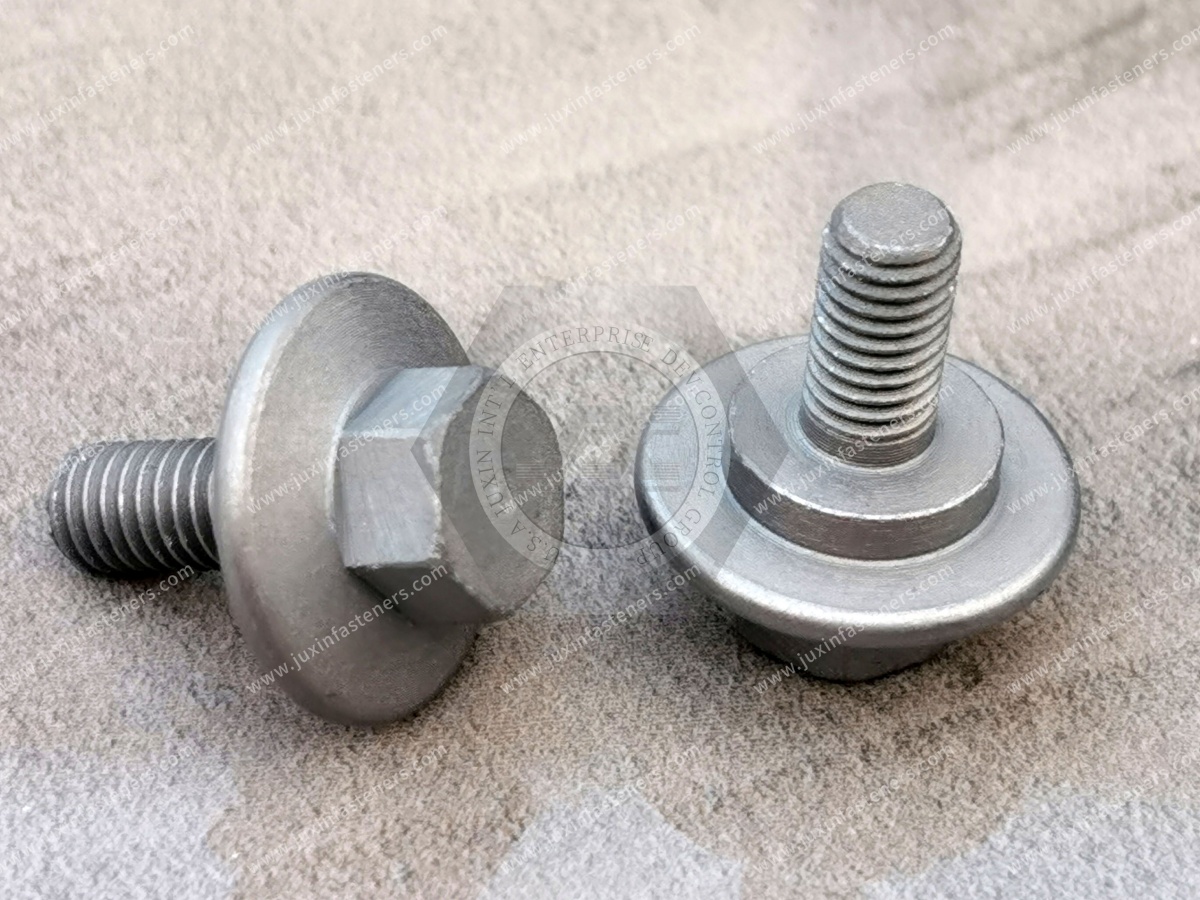
JUXIN FASTENERS is an OEM-oriented supplier of customer-specific and application-specific automotive fastening components.
Our automotive product scope includes both polymer and metal fastening components, including:
Automotive plastic clips
Plastic retainers
Push-type retainers
Plastic push rivets
Screw-type retainers
Plastic screws and bolts
Plastic nuts, washers, and spacers
Rear Spoiler Clips
Automotive Spoiler Slide Bolts
Custom screws and bolts
High-strength fasteners
Rivet nuts
Weld nuts
Stainless steel rivets
Shoulder and step rivets
Precision shafts and pins
Other non-standard automotive fastening components
The appropriate product is determined by the customer's drawing, material requirement, application, mating interface, environmental conditions, assembly method, and commercial requirements.
For OEM sourcing, JUXIN FASTENERS can evaluate customer-specific requirements from the available technical information and establish the appropriate RFQ basis.
The goal is not simply to quote a fastener.
The goal is to define the correct component and sourcing basis for the customer's application.
For an OEM procurement project, the sourcing journey can be structured as:
Automotive Application
↓
Engineering Requirement
↓
Mating Interface
↓
Fastener Function
↓
Geometry & Dimensions
↓
Material / Property Class
↓
Surface Treatment
↓
Quality & Documentation
↓
Quantity & Packaging
↓
Supplier Evaluation
↓
RFQ
↓
Sample / Approval
↓
Production Supply
This structure connects engineering requirements with procurement requirements and gives both teams a common sourcing language.
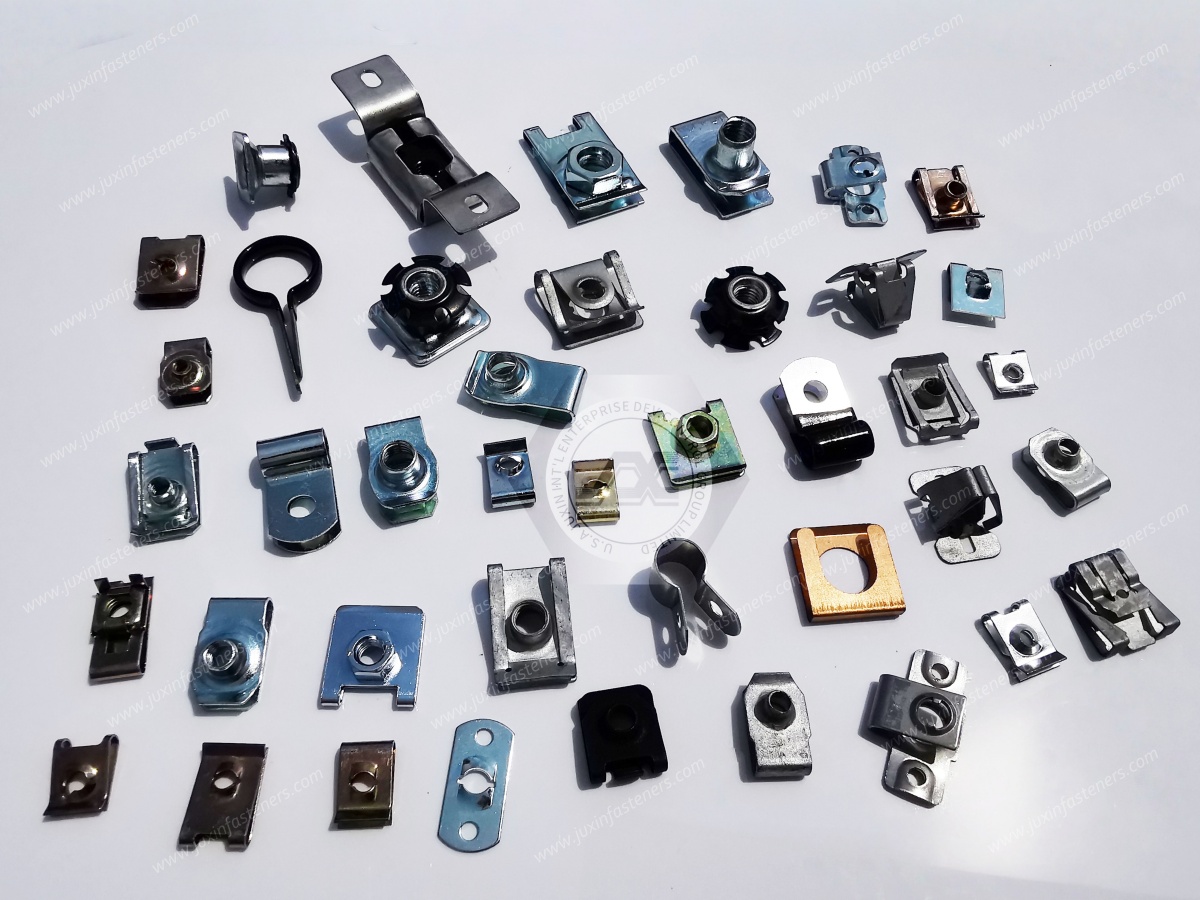
A complete RFQ should normally include the engineering drawing, critical dimensions and tolerances, material, thread specification,
property class where applicable, surface treatment, application environment, quantity, quality requirements, documentation, packaging, and drawing revision.
The mating interface determines how the fastener interacts with the surrounding components. Hole diameter, panel thickness, slot geometry,
thread engagement, grip range, bracket geometry, and installation direction can all affect component selection.
No. Thread size is only one part of the specification. The complete requirement may also include head geometry, length, material, property class,
surface treatment, mating component, installation method, environmental conditions, and customer-specific features.
A standard fastener is defined by an established specification or commonly available configuration.
A customer-specific fastener is defined by the customer's drawing, application, mating interface, material, geometry, or other project-specific requirements.
Depending on the customer and project, documentation may include material certificates, inspection reports, conformity documentation, batch traceability, testing records, and PPAP documentation where applicable.
The required documentation should be agreed before production.
Traceability can help connect the supplied components with the relevant production batch and material information where required by the customer.
The exact level of traceability should be defined according to the customer's quality requirements.
Depending on the component and application, finishes may include Color Zinc, Black Zinc, Zinc-Nickel Alloy, and other specified surface-treatment systems.
The correct finish depends on the substrate, environment, corrosion requirements, assembly conditions, and customer specification.
Supplier comparison should include technical fit, material understanding, dimensional capability, quality requirements,
documentation, production feasibility, packaging, delivery, communication, commercial terms, and supply-chain requirements rather than unit price alone.
JUXIN FASTENERS manufactures customer-specific automotive fastening components according to customer drawings, specifications, material requirements, and application conditions.
The specific manufacturing route, inspection requirements, documentation, and production basis depend on the component and project requirements.
For OEM buyers, procurement managers, supplier-development teams, supply chain managers, and automotive engineers, a successful fastener sourcing project begins with a complete definition of the component.
A practical starting package is:
Application + Drawing + CAD + Material + Geometry + Thread + Surface Treatment + Environment + Quantity + Quality Requirements + Packaging
JUXIN FASTENERS can evaluate the available technical information and establish the appropriate sourcing and RFQ basis for customer-specific automotive fastening components.
For an OEM sourcing project, please provide the latest 2D drawing, 3D CAD data where available, material requirements, application information, quantity forecast, and quality requirements.
Email: info@juxinfasteners.com
Website: www.juxinfasteners.com
Application → Engineering Specification → Supplier Evaluation → RFQ → Sample / Approval → Production Supply → JUXIN FASTENERS
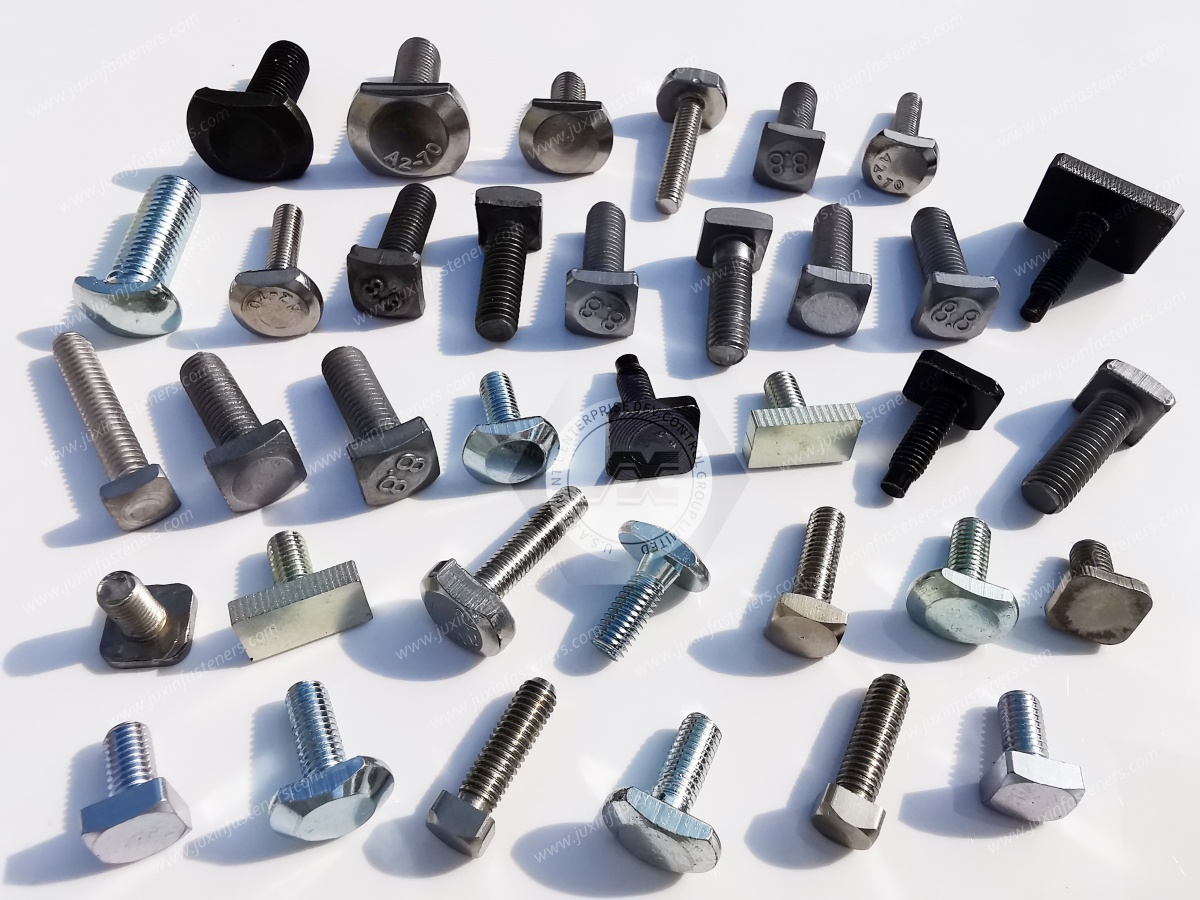
Product Packaging
Packaging Standard
At Juxin Fasteners, we apply standardized export packaging to ensure product protection, traceability, and compliance with international logistics requirements.
1. Standard Export Packaging
Unless otherwise specified, all products will be packed according to our factory standard export packaging, which includes:
Moisture-resistant inner protection
Poly bag or small box packing as required
Reinforced export cartons
Clear labeling with part number, specification, batch number, and quantity
Palletizing for sea or air shipment when necessary
Our standard packaging is designed to ensure safe transportation, efficient warehousing, and long-distance international shipping.
2. Customized Packaging Options
We also provide customized packaging solutions according to customer requirements, including but not limited to:
Private labeling
Customized barcodes
Specific carton dimensions
Retail packaging
Special pallet configuration
Customer-specific marking and identification
So that you know, customized packaging may involve additional costs and extended lead time depending on the complexity of the requirements.
3. Compliance & Quality Assurance
All packaging processes are controlled under our ISO 9001 quality management system to ensure consistency, traceability, and product integrity throughout the supply chain.
Product Pictures
Contact Us
Tel.:
+86 020 8621 0320
+86 020 3121 6067
E-mail:
Technical Support:
Navigation
SEND INQUIREY