Call Us
+86 136 6007 9809
Call Us
+86 136 6007 9809

Electric vehicle (EV) battery packs and stationary energy storage systems (ESS) require reliable fastening solutions for battery enclosures, module supports, mounting brackets, electrical equipment cabinets and serviceable assemblies.
These systems combine metal structures, engineering plastics, electrical conductors, protective coatings and sealing components. Their fastening requirements vary according to mechanical loading, electrical function, environmental exposure and manufacturing processes.
Product Specification
EV Battery Pack & Energy Storage Fastening Solutions for OEM Assemblies
Electric vehicle (EV) battery packs and stationary energy storage systems (ESS) require reliable fastening solutions for battery enclosures, module supports,
mounting brackets, electrical equipment cabinets and serviceable assemblies.
These systems combine metal structures, engineering plastics, electrical conductors, protective coatings and sealing components.
Their fastening requirements vary according to mechanical loading, electrical function, environmental exposure and manufacturing processes.
For OEM manufacturers, selecting the correct battery pack fasteners involves more than matching thread size and strength class.
Joint design, material compatibility, installation access, vibration resistance, corrosion protection and assembly efficiency must also be considered.
JUXIN FASTENERS supplies industrial fastening products including all-metal prevailing-torque lock nuts, self-clinching fasteners, blind rivet nuts, threaded inserts for plastics and drawing-based custom fasteners.
This guide explains how these product families may be evaluated for EV battery enclosures, battery module assemblies and stationary energy storage equipment.
Fastening Requirements in EV Battery Packs and Energy Storage Systems
EV battery packs and stationary ESS share some fastening challenges, but their operating conditions differ.
Vehicle battery packs may experience road vibration, shock loading, changing temperatures and packaging constraints.
Stationary energy storage cabinets may prioritize service access, enclosure protection, installation efficiency and long-term environmental exposure.
Typical fastening applications include:
Battery tray and enclosure brackets
Battery module support structures
Electrical equipment mounting panels
Busbar support and terminal assemblies
Battery management system (BMS) housings
Plastic sensor and control enclosures
Serviceable ESS cabinet panels
Auxiliary structural and equipment connections
Not every fastening product is appropriate for every location.
High-voltage connections, crash-related structures and other safety-critical interfaces require application-specific engineering approval and validation.
EV Battery and ESS Fastener Product Selection
| Fastener Family | Potential Application | Main Engineering Consideration |
|---|---|---|
| All-metal prevailing-torque lock nuts | Battery mounting brackets and vibration-sensitive threaded joints | Locking behavior, preload and service temperature |
| Self-clinching nuts and studs | Compatible sheet metal covers, mounting panels and brackets | Sheet hardness, thickness and installation geometry |
| Blind rivet nuts | Hollow sections, profiles and one-sided enclosure assembly | Grip range, hole preparation and spin-out resistance |
| Threaded inserts for plastics | BMS housings, sensor brackets and thermoplastic components | Polymer grade, boss geometry and retention |
| Custom cold-headed or machined fasteners | Drawing-specific mounting and connection hardware | Geometry, material, tolerances and manufacturing feasibility |
| Nylon and plastic fasteners | Selected insulation, positioning and nonstructural applications | Electrical properties, temperature and mechanical loading |
Product selection should follow the actual OEM drawing and assembly requirements.
Vibration Resistance and Joint Preload
EV battery enclosures and module support structures may experience repeated vibration and mechanical loading.
Potential joint problems include:
Loss of preload
Rotational loosening
Fatigue damage
Joint separation
Fretting at contacting surfaces
All-metal prevailing-torque lock nuts can provide rotational resistance through a mechanical locking feature without relying on a polymer insert.
Applicable product configurations may reference ISO 7042 or other relevant prevailing-torque nut specifications, subject to the actual product design.
However, a prevailing-torque lock nut does not guarantee that the assembled joint will retain its original clamp load.
Engineering insight: Locking torque and clamp-load retention are different performance characteristics.
A lock nut can resist rotation while the joint still experiences preload loss caused by embedment, settlement, thermal effects or deformation of clamped materials.
For critical battery mounting connections, engineers should evaluate the complete joint, including bolt properties, friction conditions, tightening method, clamped materials and dynamic loading.
Where specified, transverse vibration testing may be used to evaluate loosening behavior. The applicable method and acceptance criteria must be agreed for the actual assembly.
Aluminum Battery Trays and Mixed-Material Joints
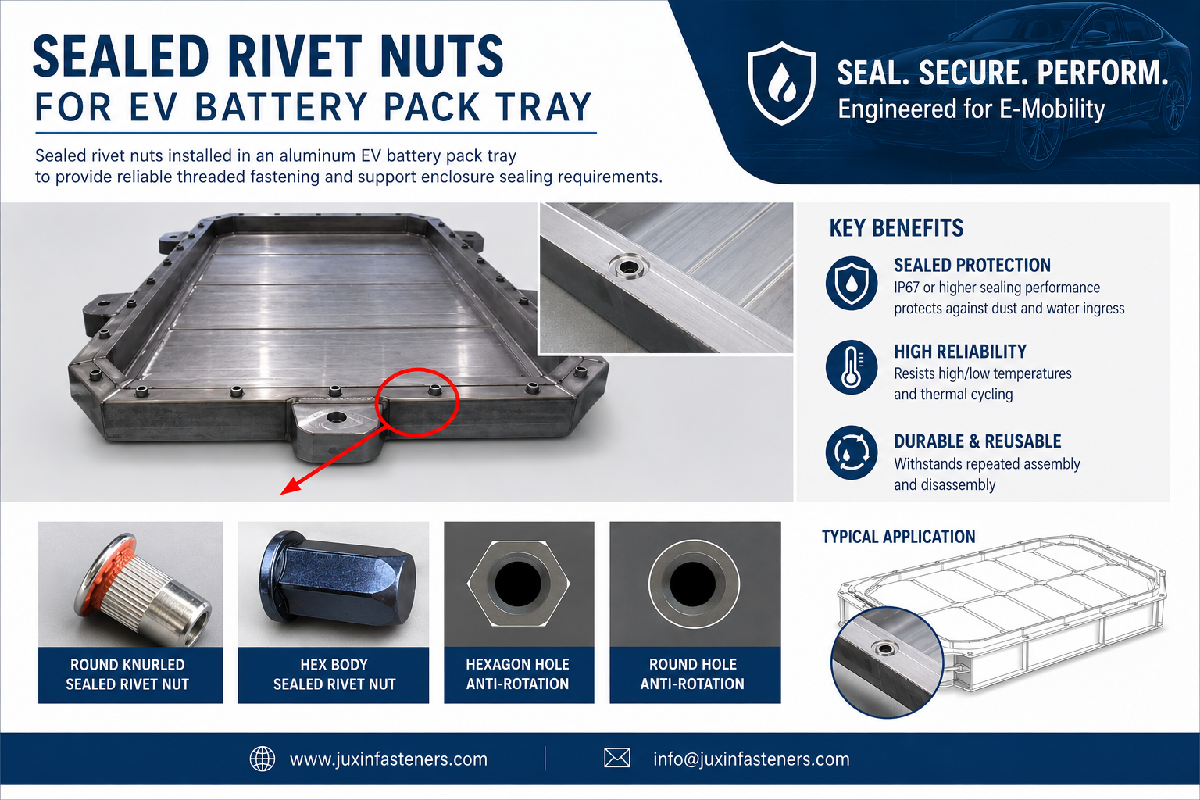
Lightweight battery enclosures may incorporate cast aluminum, extruded aluminum profiles, sheet aluminum or mixed-material structures.
These materials introduce important fastening considerations.
Thread Strength and Installation Method
Threaded holes in aluminum components may require evaluation of thread engagement, local material strength and repeated assembly requirements.
Blind rivet nuts, self-clinching fasteners or other threaded attachment methods may be considered where the parent material and installation geometry are suitable.
A self-clinching fastener must not be selected solely because the sheet is aluminum. The actual sheet hardness, thickness and fastener installation specification determine compatibility.
Differential Thermal Expansion
Aluminum, steel, copper and engineering plastics expand differently as temperature changes.
In constrained assemblies, these differences can influence joint loading and dimensional alignment.
Designers should evaluate the full joint stack rather than assuming a particular fastener material eliminates thermal expansion effects.
Galvanic Corrosion
Dissimilar metals may create galvanic corrosion risks when an electrolyte is present.
Relevant factors include:
Material pairing
Coating system
Moisture exposure
Electrical contact
Joint geometry
Service environment
Surface treatments and isolation strategies should be selected according to the actual application.
A zinc-nickel coating or stainless steel fastener is not a universal solution for every aluminum battery enclosure.
Busbar Connection Fasteners: Mechanical Retention and Electrical Performance
Battery packs and energy storage equipment may contain copper or aluminum busbars for electrical power distribution.
These connections require particular attention because mechanical fastening can influence electrical contact performance.
The primary electrical current path is generally intended to pass through the designed conductor-to-conductor contact interface, rather than relying on the fastening bolt as the principal conductor.
Fastener preload can influence contact pressure and therefore electrical contact resistance.
Potential engineering concerns include:
Insufficient contact pressure
Excessive local deformation
Surface oxidation
Differential thermal expansion
Joint relaxation
Incorrect tightening torque
Engineering insight: A high-strength bolt does not automatically produce a low-resistance electrical joint.
Electrical performance depends on the busbar materials, contact geometry, surface preparation, contact pressure and thermal behavior.
For high-voltage terminal connections, the OEM should define mechanical and electrical validation requirements, including contact resistance and temperature-rise testing where applicable.
JUXIN FASTENERS can review drawing-based fastening hardware requirements, but electrical terminal system performance must be validated by the responsible equipment manufacturer.
Enclosure Sealing and IP Protection
EV battery enclosures and ESS cabinets may require protection against water and dust ingress.
Depending on the application, enclosure protection may be specified using IEC 60529 ingress protection classifications.
Fastener locations can influence enclosure sealing when they create:
Through-holes
Gasket compression interfaces
Serviceable panel joints
Potential leakage paths
Possible design approaches include suitable gasketed joints, sealing washers, blind threaded features or other validated sealing arrangements.
Engineering insight: An IP67 or IP68 enclosure rating cannot be established from the fastener specification alone.
The rating applies to the tested enclosure configuration under defined conditions.
A sealed fastener or blind insert may reduce a particular leakage path, but the complete enclosure still requires appropriate verification.
For liquid-cooled battery systems, coolant containment requirements must also be evaluated separately from external ingress protection.
Threaded Inserts for Battery Electronics and Plastic Housings
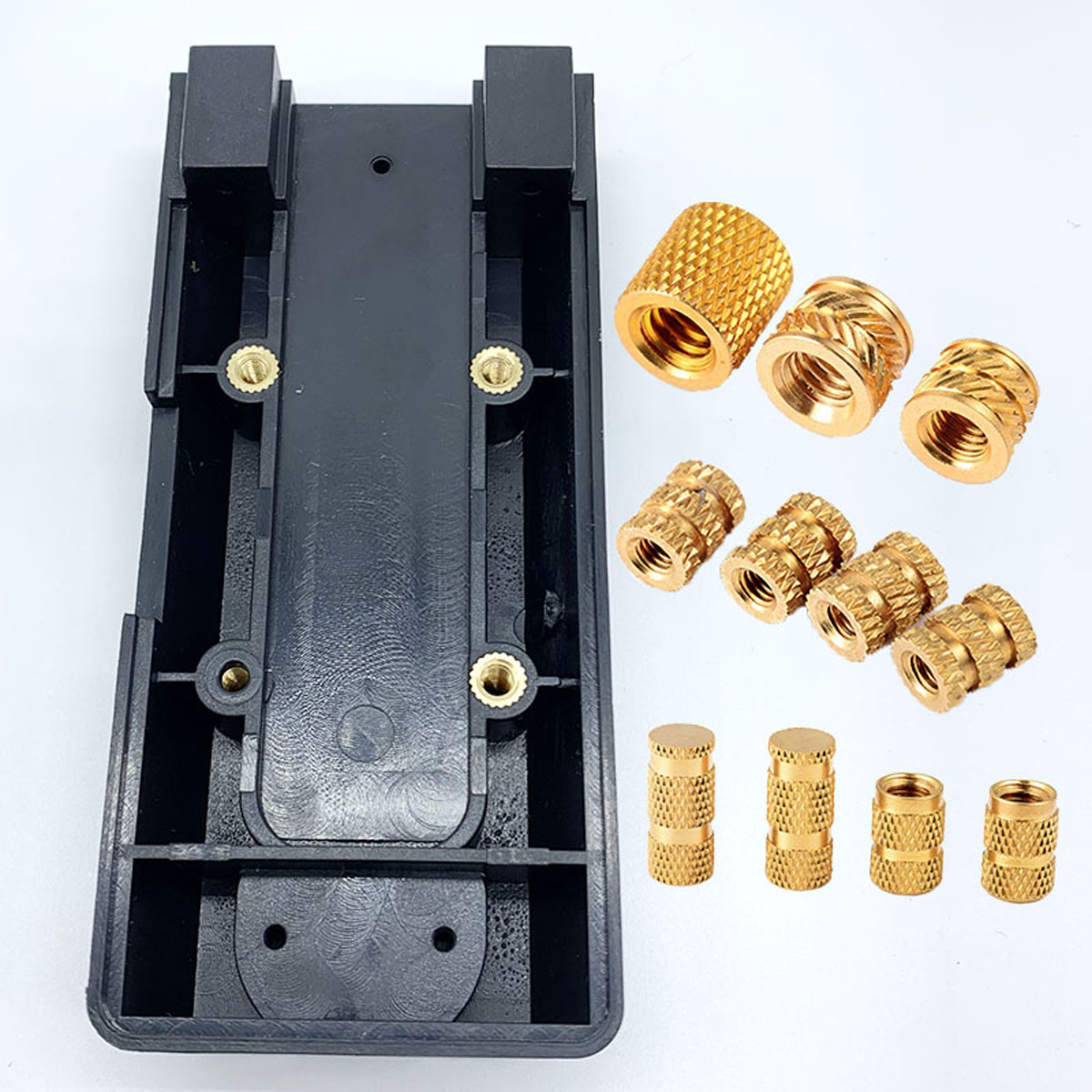
Engineering thermoplastics may be used in battery management electronics, sensors, electrical enclosures and auxiliary components.
Suitable threaded insert configurations may include:
Heat-set brass threaded inserts
Ultrasonic threaded inserts
Mold-in inserts
Flanged or knurled insert designs
Selection depends on the actual polymer, component geometry and installation method.
Important considerations include:
Boss diameter and wall thickness
Insert length and outside diameter
Pull-out resistance
Torque-out resistance
Temperature exposure
Plastic creep and stress relaxation
Assembly and maintenance requirements
For example, an insert validated in an unfilled thermoplastic should not automatically be treated as equivalent in a glass-fiber-reinforced grade.
The molded component and installation process should be tested together.
For detailed polymer and insert selection, see the related JUXIN FASTENERS solution, Threaded Inserts for Automotive Plastic Housings & Lightweight Assemblies.
Manufacturing and Production-Line Considerations
Fastener selection affects more than the finished assembly. It also influences installation equipment, production cycle time, rework and quality control.
Production managers and manufacturing engineers should consider the following.
Installation Access
A battery tray, extruded profile or enclosed cabinet may restrict access to the back of a mounting surface.
Blind rivet nuts can be considered where one-sided installation is required and the substrate is compatible.
Self-clinching fasteners generally require suitable press installation access before the final assembly is closed.
Automated Assembly
Automated screwdriving and feeding processes depend on consistent fastener geometry, orientation and installation conditions.
Relevant requirements may include:
Head and drive geometry
Thread consistency
Feeding compatibility
Tightening method
Coating-related friction variation
Installation tooling
Production Consistency
A fastener that meets its dimensional drawing may still create assembly problems if the installation process is unsuitable.
For example, an alternative rivet nut may match the thread and overall length but require a different setting stroke or force.
Engineering insight: Supplier substitution should verify installation compatibility, not only dimensional interchangeability.
For automated battery assembly, a replacement fastener may require a production trial before approval.
Materials, Coatings and International Standards
The correct specification depends on the fastener type, application and customer drawing.
| Requirement | Relevant Reference or Consideration |
|---|---|
| Carbon steel bolts and screws | ISO 898-1 where applicable |
| Carbon steel nuts | ISO 898-2 where applicable |
| Stainless steel fasteners | Applicable ISO 3506 parts |
| Metric threads | Applicable ISO metric thread specifications |
| Inch-series threads | Applicable ASME/ANSI thread specifications |
| Prevailing-torque nuts | Applicable product standards, including ISO 7042 where relevant |
| Corrosion testing | ASTM B117 where specified |
| Inspection documentation | EN 10204 where contractually applicable |
| Enclosure ingress protection | IEC 60529 for the complete enclosure |
Metric and UNC/UNF threaded components are not directly interchangeable merely because their nominal diameters are similar.
Surface finishes should be selected according to corrosion exposure, mating materials, dimensional requirements and assembly friction.
Salt spray testing under ASTM B117 does not directly establish a component's actual service life.
For automotive and electrical applications, restricted-substance declarations,
RoHS or REACH requirements, and material reporting obligations should be evaluated according to the applicable product, market and customer specifications.
Documentation availability and compliance requirements should be confirmed during quotation and supplier qualification.
OEM Fastener Qualification and Alternate Supplier Development
For EV battery and energy storage projects, purchasing teams may need to qualify a new supplier, develop a drawing-based component or evaluate an alternative to an existing fastener.
A practical evaluation process is:
Drawing Review → Material and Finish Review → Sample Evaluation → Installation Trial → Functional Validation → Quality Approval → Production Supply
The precise approval process depends on the customer's requirements.
Key questions include:
Does the replacement match the drawing and functional requirements?
Is the material and coating suitable for the assembly?
Does it work with existing installation equipment?
Are the required mechanical tests defined?
Are electrical or sealing tests required at assembly level?
What documentation and traceability are needed?
What are the forecast volume, MOQ and delivery requirements?
For safety-critical or high-voltage applications, the responsible OEM must define and approve the relevant validation plan.
Selecting Fasteners by Application
| Assembly Requirement | Fastening Option to Evaluate | Qualification Priority |
|---|---|---|
| Vibration-sensitive bracket | All-metal prevailing-torque lock nut | Joint preload and loosening behavior |
| Thin sheet metal mounting point | Self-clinching nut or stud | Sheet compatibility and retention |
| One-sided aluminum profile installation | Blind rivet nut | Grip range, spin-out and installation process |
| Plastic electronic housing | Heat-set or mold-in threaded insert | Polymer compatibility and retention |
| Electrical busbar connection | Drawing-specified bolt, nut or special fastener | Contact pressure and electrical joint validation |
| Serviceable ESS cabinet panel | Suitable panel fastener or captive design | Access, retention and enclosure sealing |
| Nonstandard battery mounting component | Custom formed or machined fastener | Drawing feasibility and assembly testing |
This approach helps engineering and procurement teams narrow their selection before requesting quotations.
Request EV Battery Pack and ESS Fastener Quotations
JUXIN FASTENERS supports technical and commercial review of standard and drawing-based industrial fasteners for EV battery enclosures, battery module supports and energy storage equipment.
For efficient OEM quotation and supplier evaluation, please provide:
2D drawing and available 3D model
Fastener type, dimensions and thread specification
Material and surface finish requirements
Parent material and installation conditions
Mechanical, electrical or sealing requirements where applicable
Required inspection and quality documentation
Prototype quantity, annual forecast and packaging requirements
For custom fasteners or alternate sourcing projects, manufacturing feasibility, applicable testing and documentation can be reviewed against the submitted requirements.
Website: www.juxinfasteners.com
Engineering & RFQ: info@juxinfasteners.com
Send your drawings and purchasing requirements to discuss suitable fastener options and quotation.
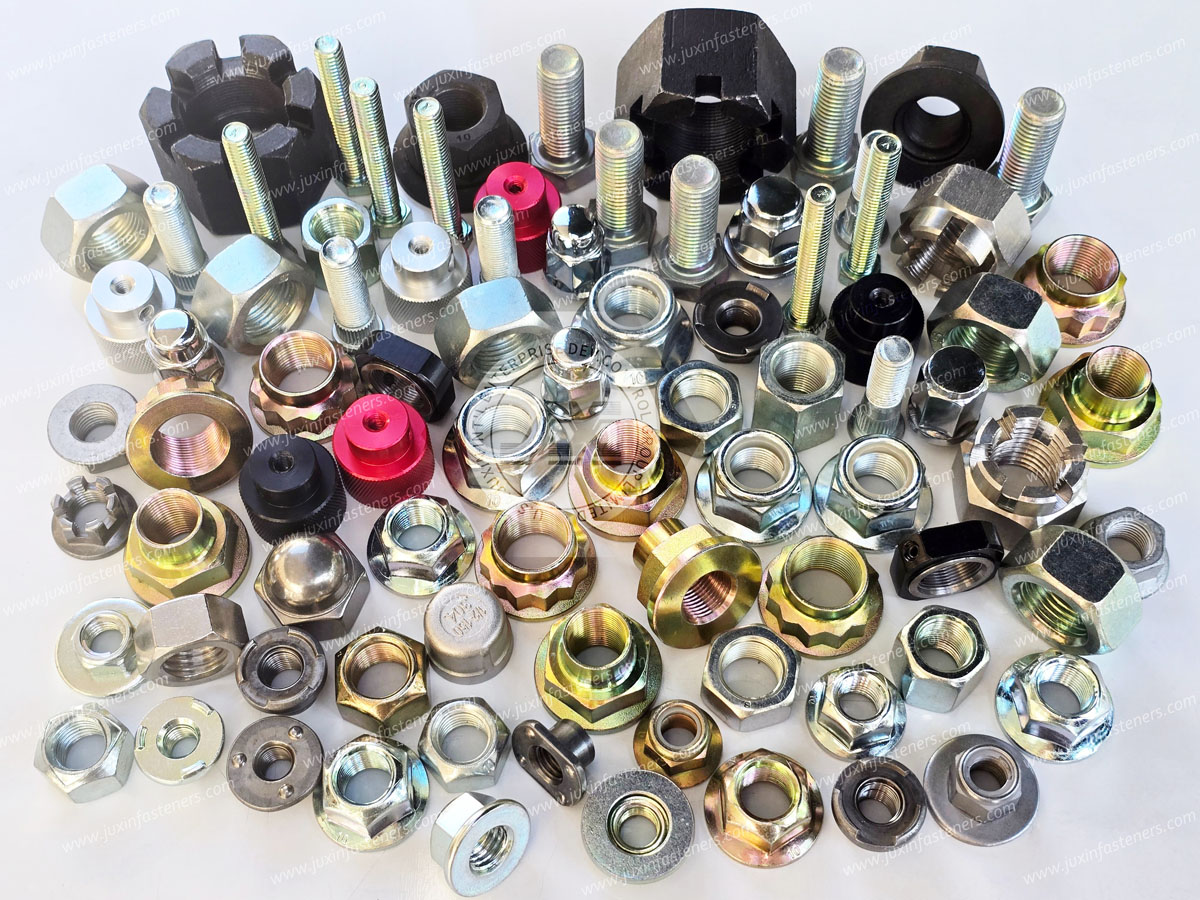
Related JUXIN FASTENERS Engineering Solutions
All-Metal Prevailing-Torque Lock Nuts for High-Vibration Industrial Assemblies — locking solutions for vibration-sensitive threaded joints.
Self-Clinching Studs for Thin Sheet Metal & Equipment Enclosures — threaded attachment points in compatible sheet metal.
Blind Rivet Nuts for Sheet Metal Enclosures & One-Sided Assembly — threaded fastening where rear access is limited.
Threaded Inserts for Automotive Plastic Housings & Lightweight Assemblies — metal threads in engineering thermoplastics.
Custom Cold-Headed Fasteners & Special Formed Parts for Industrial OEMs — drawing-based fastener development and sourcing.
These related solutions provide additional product-specific selection guidance for OEM engineering, manufacturing and procurement teams.
Product Packaging
Packaging Standard
At Juxin Fasteners, we apply standardized export packaging to ensure product protection, traceability, and compliance with international logistics requirements.
1. Standard Export Packaging
Unless otherwise specified, all products will be packed according to our factory standard export packaging, which includes:
Moisture-resistant inner protection
Poly bag or small box packing as required
Reinforced export cartons
Clear labeling with part number, specification, batch number, and quantity
Palletizing for sea or air shipment when necessary
Our standard packaging is designed to ensure safe transportation, efficient warehousing, and long-distance international shipping.
2. Customized Packaging Options
We also provide customized packaging solutions according to customer requirements, including but not limited to:
Private labeling
Customized barcodes
Specific carton dimensions
Retail packaging
Special pallet configuration
Customer-specific marking and identification
So that you know, customized packaging may involve additional costs and extended lead time depending on the complexity of the requirements.
3. Compliance & Quality Assurance
All packaging processes are controlled under our ISO 9001 quality management system to ensure consistency, traceability, and product integrity throughout the supply chain.
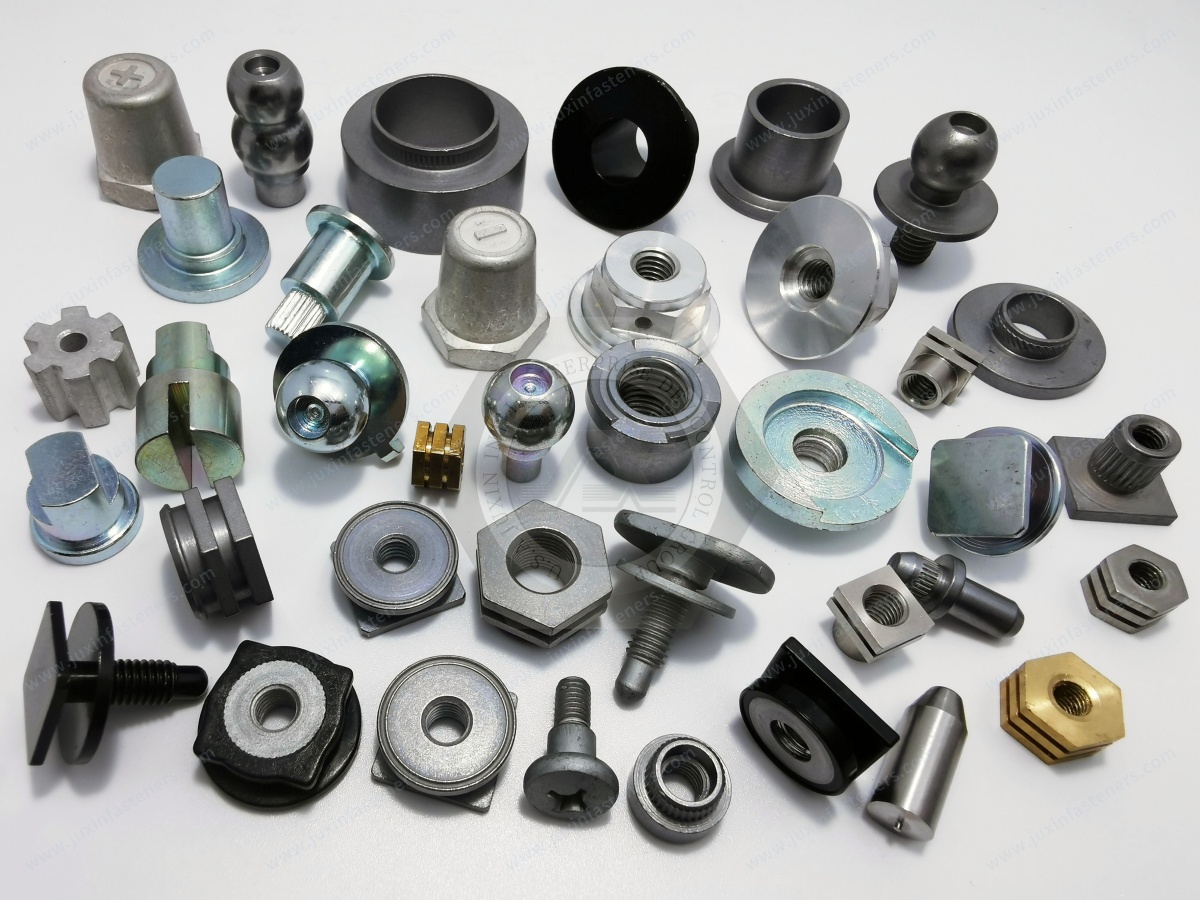
Product Pictures
Hot Products
EV Fastening System Solutions: High-Strength Fasteners for Aluminum Lightweight Structures
Custom Automotive Screws and Bolts: Design, Specification & OEM Sourcing Guide
Automotive Shift Systems: Fastening Engineering, Precision Shafts & OEM Sourcing Guide
Custom Automotive Nuts and Washers: Design, Selection & OEM Sourcing
Contact Us
Tel.:
+86 020 8621 0320
+86 020 3121 6067
E-mail:
Technical Support:
Navigation
SEND INQUIREY