
Call Us
+86 136 6007 9809
Call Us
+86 136 6007 9809

Aug. 22, 2026
Medical equipment, laboratory systems, and diagnostic instruments often require customized mechanical components with controlled dimensions,
consistent assembly interfaces, and application-specific materials.
CNC machining for medical equipment provides a flexible manufacturing method for producing precision components directly from engineering drawings and 3D CAD models.
Depending on the application, CNC machining can support components manufactured from stainless steel, aluminum, titanium, engineering plastics, and other specified materials.
Juxin Fasteners supports OEM and engineering teams with custom CNC machined parts for medical equipment and laboratory applications,
with production requirements defined according to the customer's drawings, specifications, inspection requirements, and application needs.
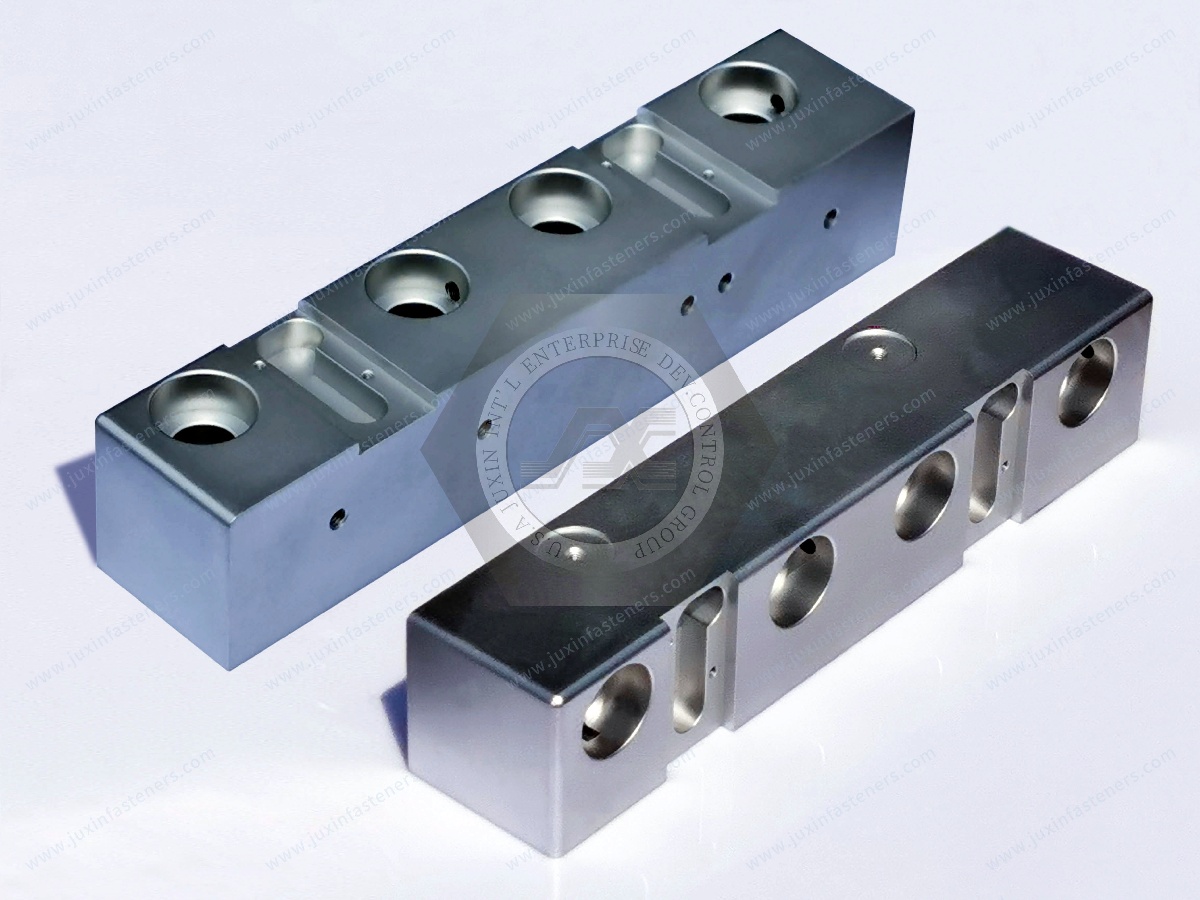
Medical equipment can contain numerous mechanical components that must integrate accurately with other parts of the system.
Depending on the equipment design, CNC machining can support:
Medical equipment housings
Instrument components
Mounting brackets
Surgical equipment components
Laboratory equipment components
Diagnostic equipment components
Precision mechanical components
Mechanical adapters
Custom mounting interfaces
Prototype components
Each component should be evaluated according to its actual function, material, dimensional requirements, production quantity, surface requirements, and applicable customer specifications.
Medical equipment manufacturers frequently require customized parts rather than standard catalog components.
Custom medical CNC machining can manufacture components according to:
2D engineering drawings
3D CAD models
STEP files
Material specifications
Dimensional tolerances
Surface finish requirements
Thread specifications
Inspection requirements
Packaging requirements
Traceability requirements
This drawing-based manufacturing approach allows the production process to be aligned with the actual engineering requirements of the component.
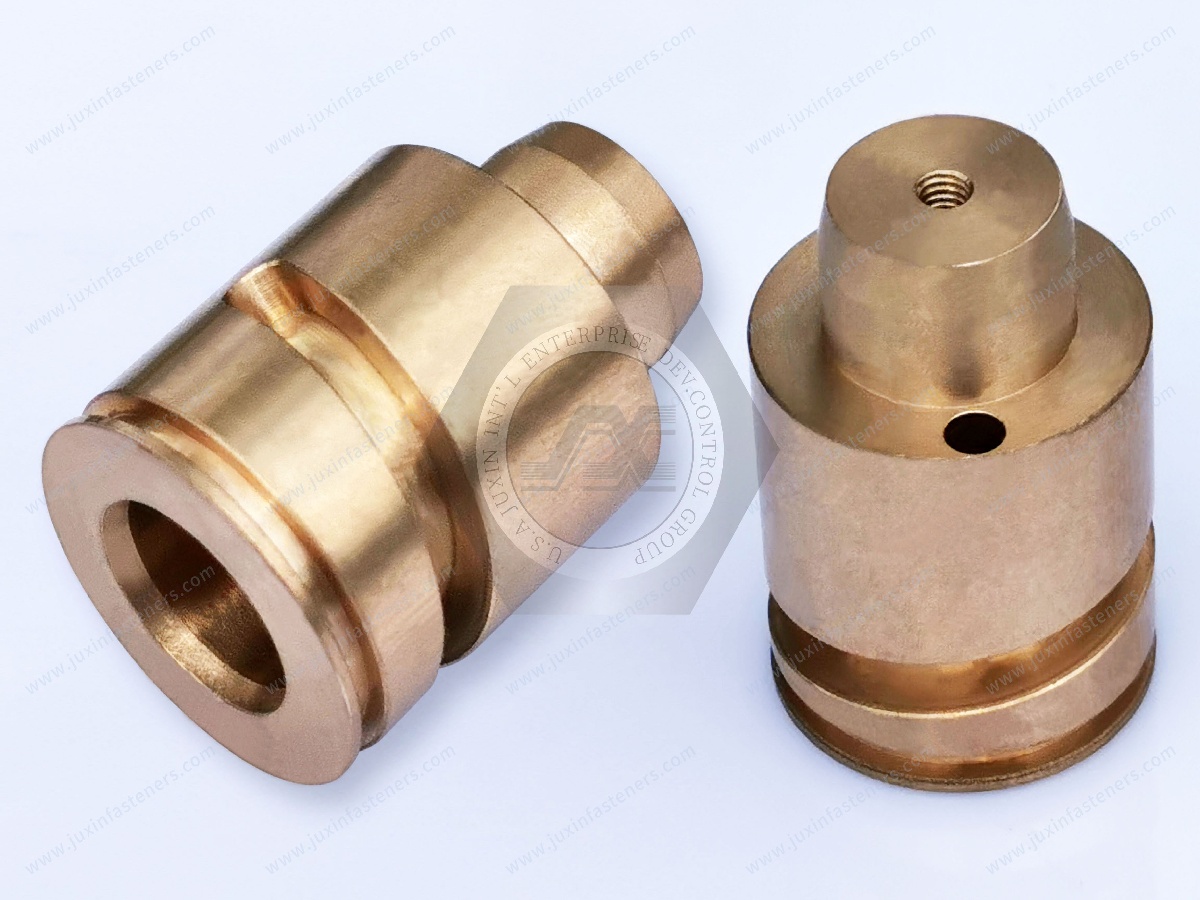
Equipment housings provide mechanical protection and mounting interfaces for internal components.
CNC machining for medical equipment housings can produce components with:
Precision mounting surfaces
Threaded holes
Connector interfaces
Internal cavities
Locating features
Multiple mounting points
Complex profiles
Depending on the equipment design, aluminum, stainless steel, engineering plastics, or other materials may be considered.
Material selection should be based on the equipment's operating environment, mechanical requirements, weight, surface requirements, and applicable specifications.
Medical and laboratory instruments may require compact mechanical components with controlled dimensions.
Potential CNC machined components include:
Instrument brackets
Mounting components
Mechanical interfaces
Precision adapters
Housings
Shafts
Bushings
Custom mechanical components
For components used in precision assemblies, the relationship between mounting features, locating surfaces, holes, and other interfaces may be important for consistent assembly.
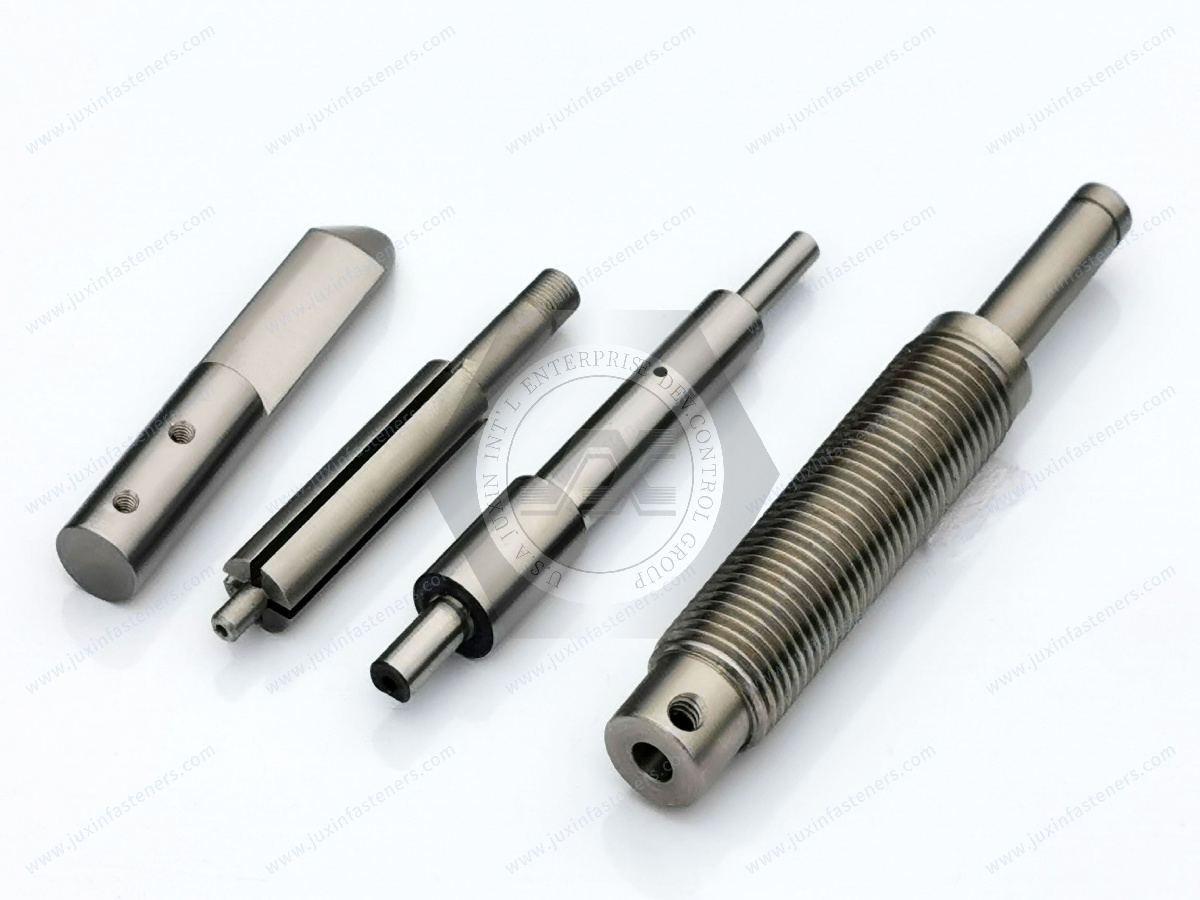
Surgical and specialized medical equipment can contain customized mechanical components designed around specific instruments or equipment architectures.
CNC machining may support suitable:
Instrument components
Mounting components
Mechanical interfaces
Precision housings
Custom adapters
Equipment brackets
Prototype components
For medical applications, material, surface, dimensional, cleaning, packaging, and documentation requirements should be established according to the customer's product specifications.
Laboratory systems often require custom mechanical components for equipment structures, instruments, sample-handling systems, and testing equipment.
Applications can include:
Laboratory equipment housings
Mounting brackets
Instrument components
Precision mechanical parts
Mechanical adapters
Equipment interfaces
Custom fixtures
CNC machining provides flexibility for producing prototypes, low-volume components, and repeat production parts.
Diagnostic equipment may combine mechanical, electronic, optical, and sensing systems.
CNC machined components can support:
Sensor mounting
Instrument housings
Equipment brackets
Mechanical positioning components
Connector interfaces
Precision mounting components
Custom mechanical adapters
For these applications, controlled dimensions and repeatable interfaces can help support consistent assembly of mechanical and electronic subsystems.
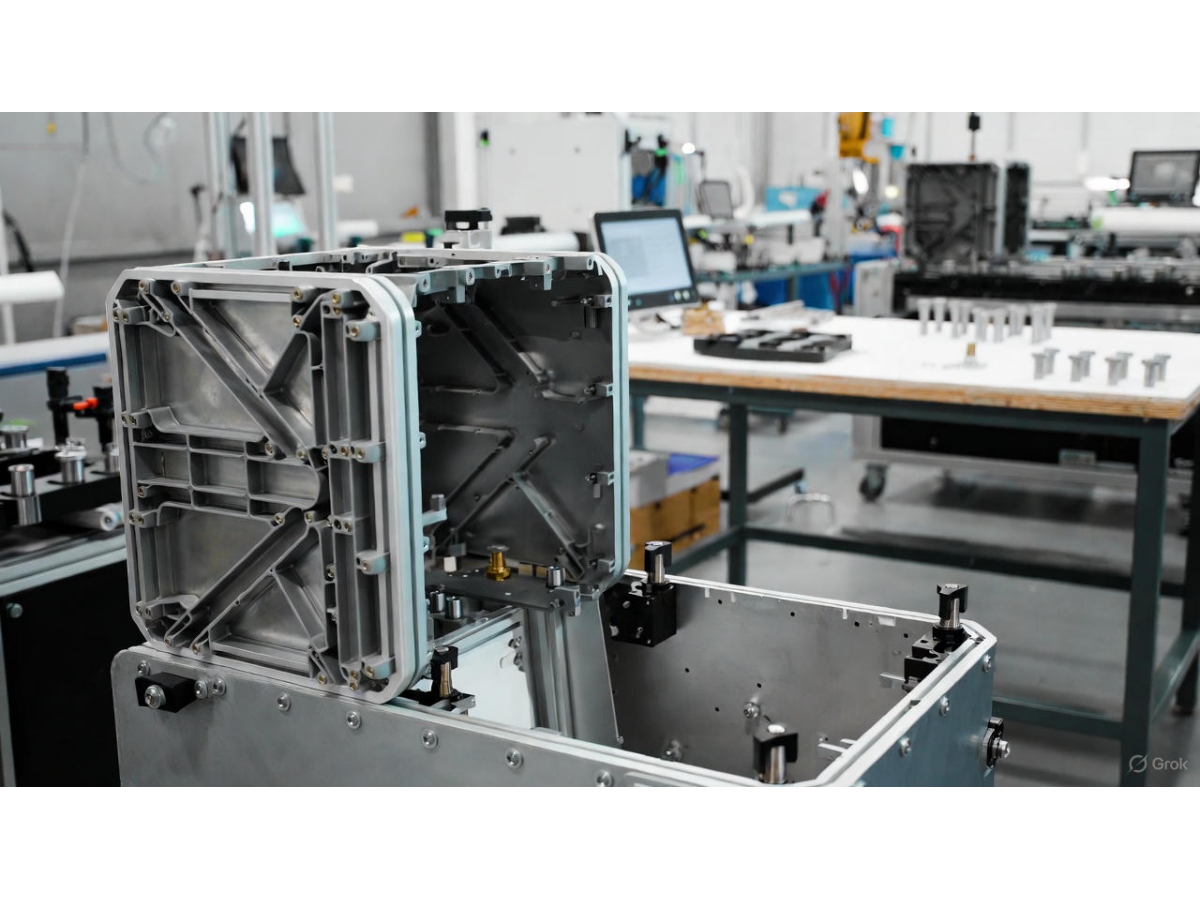
Material selection should be based on the component's intended use and applicable customer requirements.
Common material considerations include:
Stainless steel CNC machining may be considered where corrosion resistance, mechanical durability, and suitable surface characteristics are required.
Potential applications include:
Instrument components
Mounting components
Mechanical interfaces
Equipment brackets
Precision components
The appropriate stainless steel grade should be selected according to the engineering specification and operating environment.
Aluminum can be considered where low weight, machinability, and application-specific mechanical properties are important.
Potential applications include:
Equipment housings
Mounting brackets
Structural components
Instrument housings
Mechanical adapters
Titanium may be considered for applications where specific combinations of strength, weight, and corrosion resistance are required.
The specific titanium grade and manufacturing requirements should be established according to the customer's engineering specifications.
Engineering plastics can be considered for components where electrical insulation, low weight, chemical resistance, or other application-specific properties are required.
Material selection should be based on the actual operating environment and functional requirements.
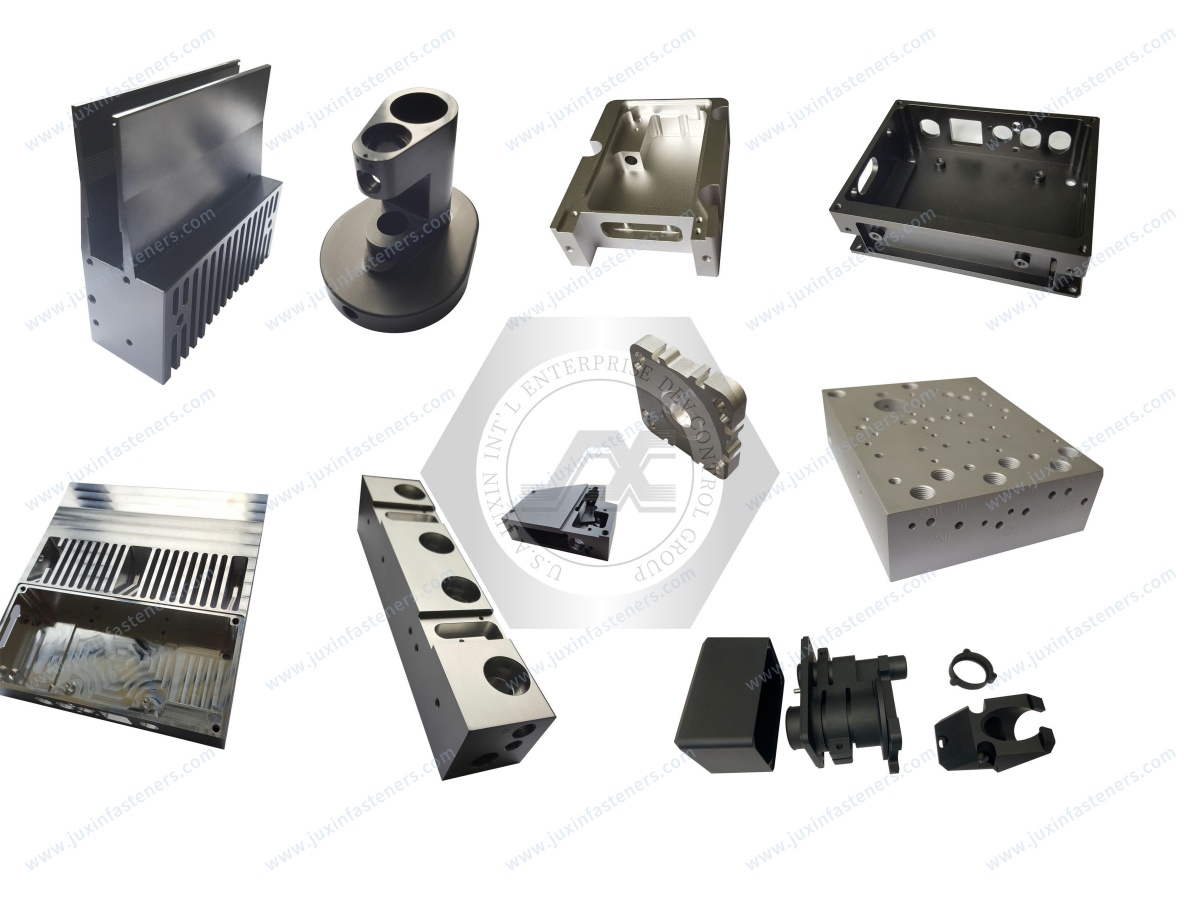
Medical equipment may contain components requiring controlled dimensional relationships.
Depending on the design, CNC machining can produce:
Precision bores
Small holes
Threaded holes
Mounting interfaces
Locating features
Close-fitting components
Complex profiles
Custom mechanical interfaces
Tolerance requirements should be established according to the function of each feature.
At Juxin Fasteners, we evaluate CNC machining tolerances according to the customer's engineering drawings rather than applying a universal tolerance claim to every component.
Quality requirements should be defined before production for medical-related OEM projects.
Depending on the customer's specifications, quality control may include:
First-piece inspection
Critical dimensional inspection
Hole and thread inspection
Material verification
Surface finish inspection
Visual inspection
Functional fit verification
Batch consistency inspection
Inspection documentation
The inspection method should be selected according to the required tolerance and functional importance of each feature.
For medical-related components, material requirements should be clearly defined before manufacturing.
Depending on the project, documentation may include:
Material specifications
Material certificates
Inspection reports
Dimensional inspection records
Surface treatment information
Production records
Traceability information
Documentation requirements should be agreed with the customer before production to ensure that the manufacturing and quality teams understand the required records.
Packaging can be an important part of the supply process for medical equipment components.
Depending on customer requirements, packaging specifications may address:
Individual part protection
Surface protection
Part identification
Batch identification
Quantity control
Packaging materials
Labeling
Traceability
The packaging method should be established according to the component, handling requirements, customer specifications, and applicable supply-chain requirements.
Medical equipment manufacturers may require physical prototypes during product development.
Medical CNC prototyping can help engineering teams evaluate:
Component dimensions
Assembly fit
Mounting interfaces
Mechanical function
Equipment integration
Clearance
Design changes
Manufacturing feasibility
A typical development process may be:
CAD Model → CNC Prototype → Dimensional Inspection → Assembly Evaluation → Design Optimization → Process Validation → Production
This allows engineering teams to identify potential mechanical issues before larger production quantities are manufactured.
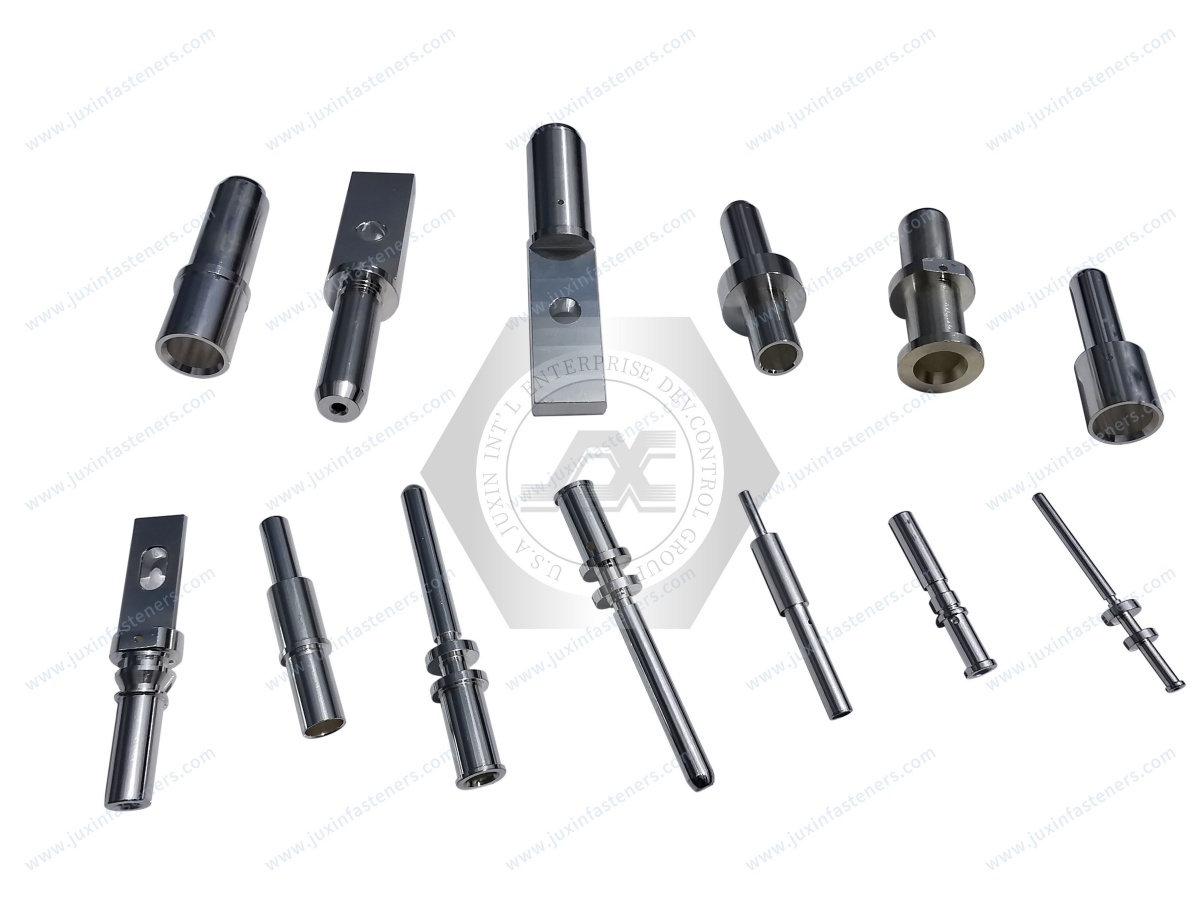
Once a medical equipment component has been validated, the same CNC machining process may be used for low-volume or batch production where appropriate.
Batch CNC machining for medical equipment can provide:
Repeatable production
Consistent dimensions
Controlled machining processes
Reduced manual intervention
Batch inspection
Repeat OEM supply
The appropriate production process depends on component geometry, material, tolerances, quantity, machining time, and customer requirements.
Medical equipment manufacturers and OEM suppliers may require different types of production support.
CNC machining can support:
Engineering prototypes
Functional prototypes
Low-volume production
Batch production
Custom mechanical components
Replacement components
Repeat OEM orders
For each project, the manufacturing process should be established according to the customer's drawings, specifications, quality requirements, and production quantity.
A DFM review can help identify potential manufacturing considerations before production.
Relevant factors may include:
Part geometry
Material selection
Tool accessibility
Internal corner radii
Hole depth
Thread design
Tolerance allocation
Surface finish
Workholding
Inspection requirements
Production quantity
Not every dimension needs the same level of precision.
Where the design permits, functional tolerance allocation can help achieve the required product performance without introducing unnecessary manufacturing complexity.
A continuous manufacturing process can help simplify the transition from product development to production.
A typical workflow can include:
Engineering Drawing → Prototype CNC Machining → Quality Inspection → Assembly Validation → DFM Review → Process Validation → Batch Production → Repeat OEM Supply
Working with one manufacturing partner across these stages can help maintain continuity in drawings, materials, inspection requirements, and manufacturing information.
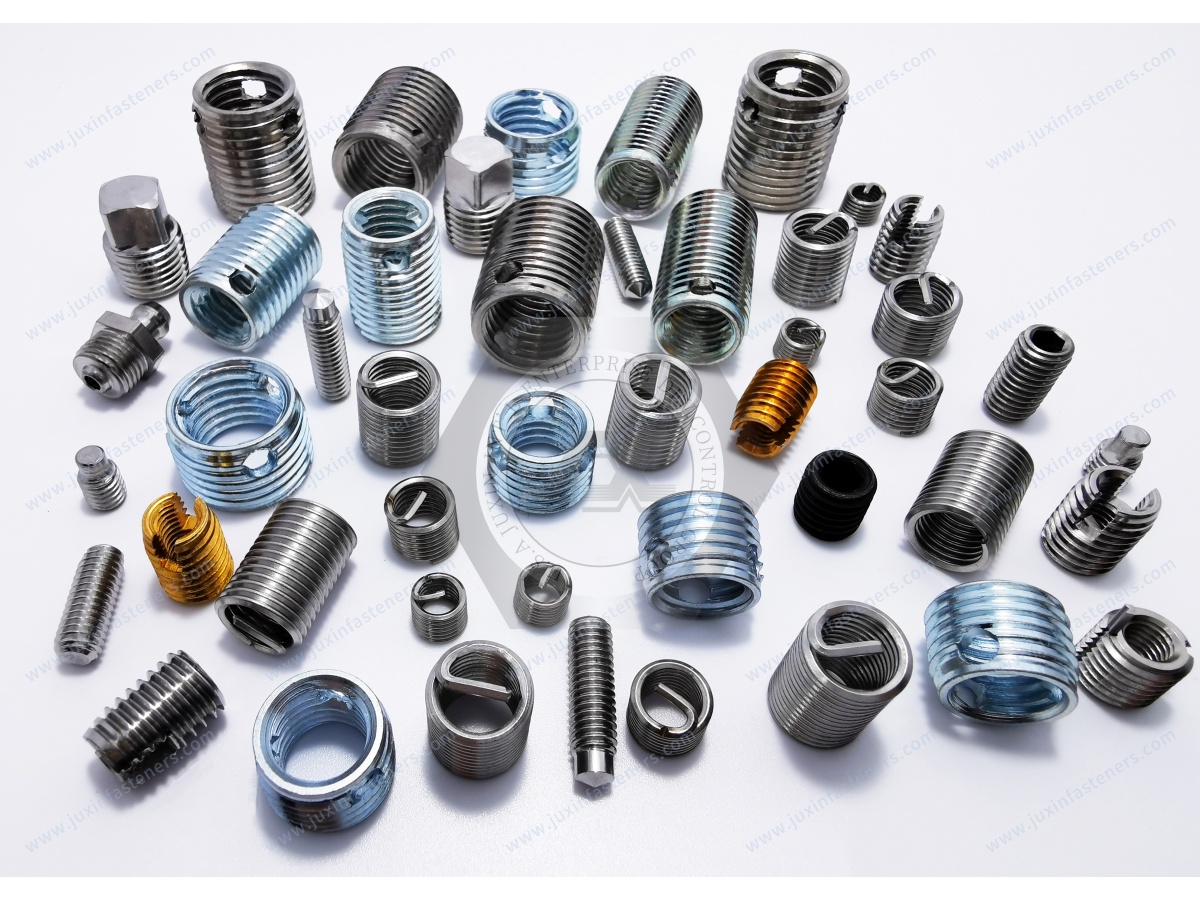
Juxin Fasteners has more than 20 years of experience supporting OEM customers with industrial fasteners and engineered components.
We provide drawing-based manufacturing support for engineering-driven applications, including medical equipment, laboratory systems, electronics, automotive, EV, machinery, and other industrial products.
Our capabilities include:
Medical CNC machining
Precision CNC machining
Custom CNC machined parts
CNC prototype machining
Batch CNC production
Multi-axis CNC machining
Stainless steel CNC machining
Aluminum CNC machining
Titanium CNC machining
Engineering plastic machining
Dimensional inspection
OEM manufacturing support
We evaluate each project according to the customer's actual engineering and quality requirements rather than applying generic specifications to every component.
If you are sourcing CNC machined parts for medical equipment, send us your engineering drawing or 3D CAD model together with the material, quantity,
dimensional tolerances, surface finish, documentation, packaging, and traceability requirements.
Our engineering and manufacturing team can review your requirements and provide a quotation for medical CNC machining, precision components,
prototype parts, laboratory equipment components, or repeat OEM production.
Email: info@juxinfasteners.com
Juxin Fasteners — CNC Machined Parts for Medical Equipment, Laboratory Systems, and OEM Product Development.
 MORE NEWS
Aug. 22, 2026
Aug. 22, 2026
Aug. 22, 2026
Contact Us
Tel.:
+86 020 8621 0320
+86 020 3121 6067
E-mail:
Technical Support:
Navigation
SEND INQUIREY