
Call Us
+86 136 6007 9809
Call Us
+86 136 6007 9809

Aug. 15, 2026
Automotive Insert Nut Solutions for Reliable Plastic Threaded Connections
The automotive industry continues to adopt lightweight plastic components for interior systems, electronic modules, sensor housings, battery-related components, and vehicle structures.
However, plastic components still require reliable threaded connections for screws, brackets, electronic modules, covers, and other assemblies.
Automotive insert nuts and threaded inserts for plastic provide a practical solution by integrating a durable metal thread into an engineered plastic component.
Compared with directly tapping plastic, a metal insert can provide improved thread durability, torque resistance, pull-out performance,
and repeatable assembly for applications that require repeated fastening and service access.
JUXIN FASTENERS provides automotive insert nuts, brass threaded inserts, heat-set inserts, press-fit inserts, injection molding inserts,
and customized threaded inserts for automotive plastic components and industrial assemblies.
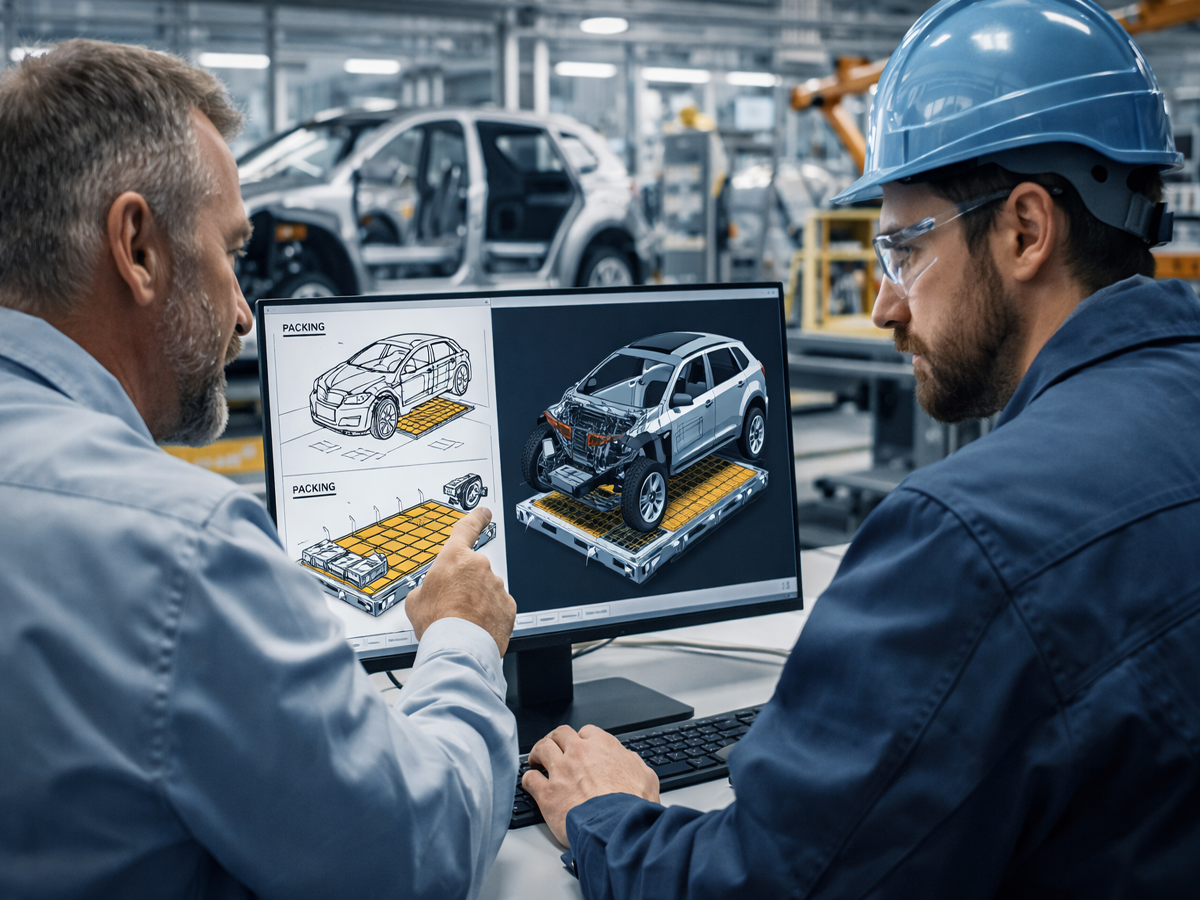
Automotive Applications for Insert Nuts
Automotive insert nuts may be used in:
Interior trim components
Instrument panels
Door components
Console assemblies
Sensor housings
Electronic control modules
Plastic brackets
HVAC components
Battery-related housings
Charging system components
Electrical enclosures
Lightweight plastic structures
The insert design should be matched to the plastic material, wall thickness, installation method, required torque, and expected service conditions.
Insert Nuts for Automotive Interior Components
Automotive interior systems increasingly use engineered plastics to reduce weight and simplify component design.
Typical applications include:
Instrument panels
Center consoles
Door panels
Seat components
Trim assemblies
Storage compartments
Interior brackets
Electronic modules
These components may require repeated assembly during vehicle production, maintenance, or service.
A brass insert nut for plastic provides a durable metal thread while allowing the surrounding component to remain lightweight.
This can reduce the risk of thread stripping compared with repeatedly fastening directly into plastic.
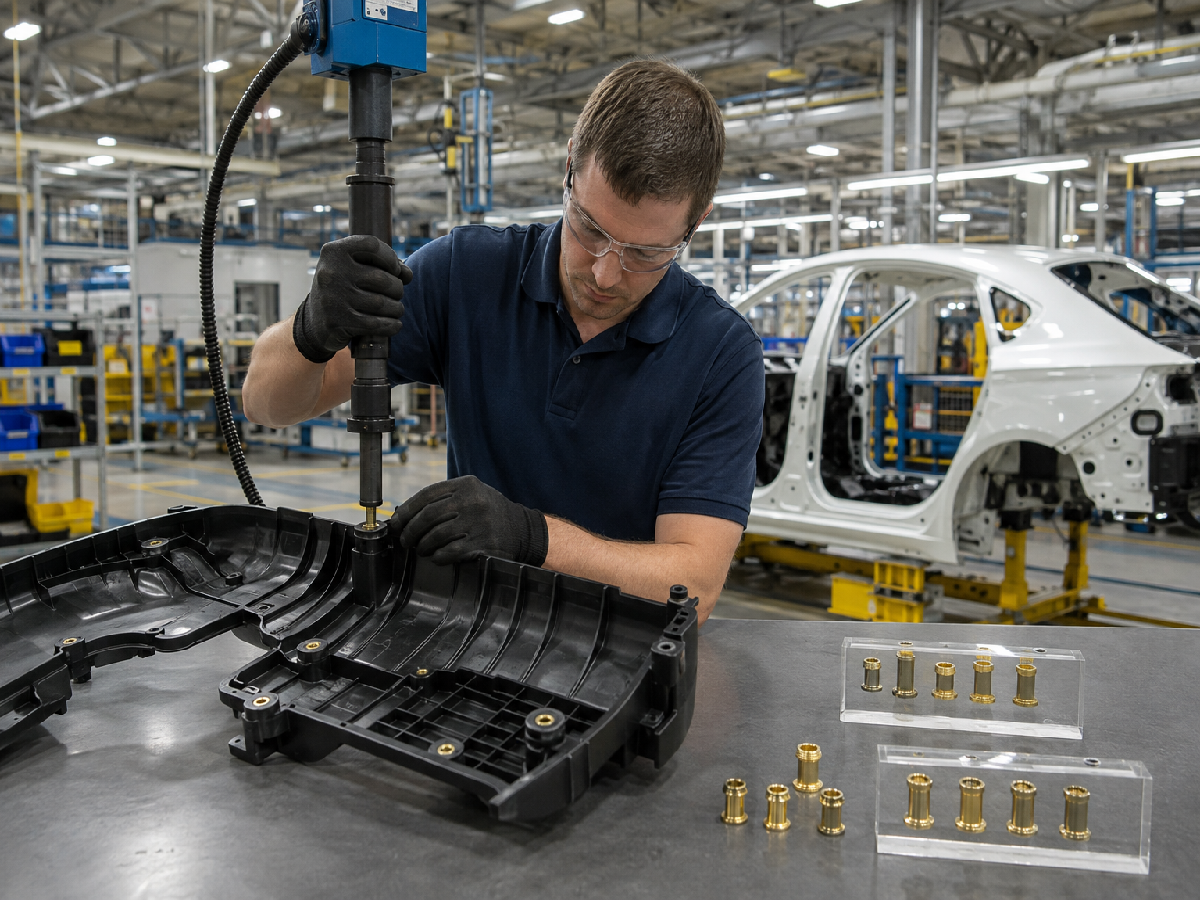
Automotive Sensor Housing Threaded Inserts
Modern vehicles contain a growing number of sensors and electronic modules.
Sensor housings may require threaded connections for:
Covers
Mounting brackets
Electrical components
Protective components
Vehicle control modules
Automotive sensor applications can involve vibration, temperature changes, moisture, and exposure to automotive fluids.
Therefore, engineers should evaluate:
Pull-out resistance
Torque resistance
Temperature capability
Corrosion resistance
Dimensional consistency
Plastic compatibility
Installation process
Insert Nuts for EV and Battery-Related Components
Electric vehicle architectures have increased the use of engineered plastic components around electrical and battery systems.
Potential applications include:
Battery housing components
Electrical control modules
Sensor housings
Charging components
Thermal management systems
High-voltage electrical enclosures
Lightweight structural components
For these applications, the insert must be selected together with the plastic material.
Temperature cycling, vibration, electrical requirements, corrosion exposure, and assembly torque should all be considered.
Automotive Insert Nut Performance Requirements
Automotive fastening applications commonly require strong resistance to:
Pull-Out
The insert should remain securely embedded in the plastic under the expected axial load.
Torque
The insert should resist rotation during screw tightening and removal.
Vibration
The threaded connection must maintain its integrity under repeated vehicle vibration.
Temperature Cycling
Automotive components may experience significant temperature changes during operation.
Corrosion
Depending on location, the insert may be exposed to humidity, condensation, chemicals, or other corrosive conditions.
Insert Nut Installation Processes for Automotive Production
Automotive production may use different insert installation methods.
In-Mold Installation
The insert is positioned in the mold before injection.
The plastic is molded around the insert, creating mechanical retention.
This process can be highly efficient for high-volume automotive components.
Heat-Set Installation
The insert is installed after molding using controlled heat.
The softened plastic flows around the external knurl of the insert and forms a secure connection after cooling.
Ultrasonic Installation
Ultrasonic energy can be used for rapid insertion into compatible thermoplastics.
This process can be attractive for automated automotive production lines requiring short cycle times.
Press-Fit Installation
Mechanical pressing can be used for suitable plastic materials and component designs.
The hole and insert dimensions must be carefully controlled to achieve consistent retention.
Automotive Insert Nut Materials
Common material options include:
Brass
Brass is widely used because of its machinability, thread performance, corrosion resistance, and electrical conductivity.
Stainless Steel
Stainless steel may be selected for applications requiring increased corrosion resistance or higher mechanical performance.
Aluminum
Aluminum can be considered when weight reduction is a major design objective.
Surface Treatments
Nickel plating and other surface treatments may be specified for selected applications requiring additional corrosion or wear protection.
Automotive Quality and Traceability
Automotive manufacturers and Tier suppliers typically require controlled production processes and detailed quality documentation.
Depending on the customer's requirements, procurement specifications may include:
Material requirements
Dimensional inspection
Thread inspection
Pull-out testing
Torque testing
Surface treatment requirements
Batch identification
Inspection records
PPAP-related documentation
Traceability requirements
Supplier quality requirements should be agreed during the project development stage.
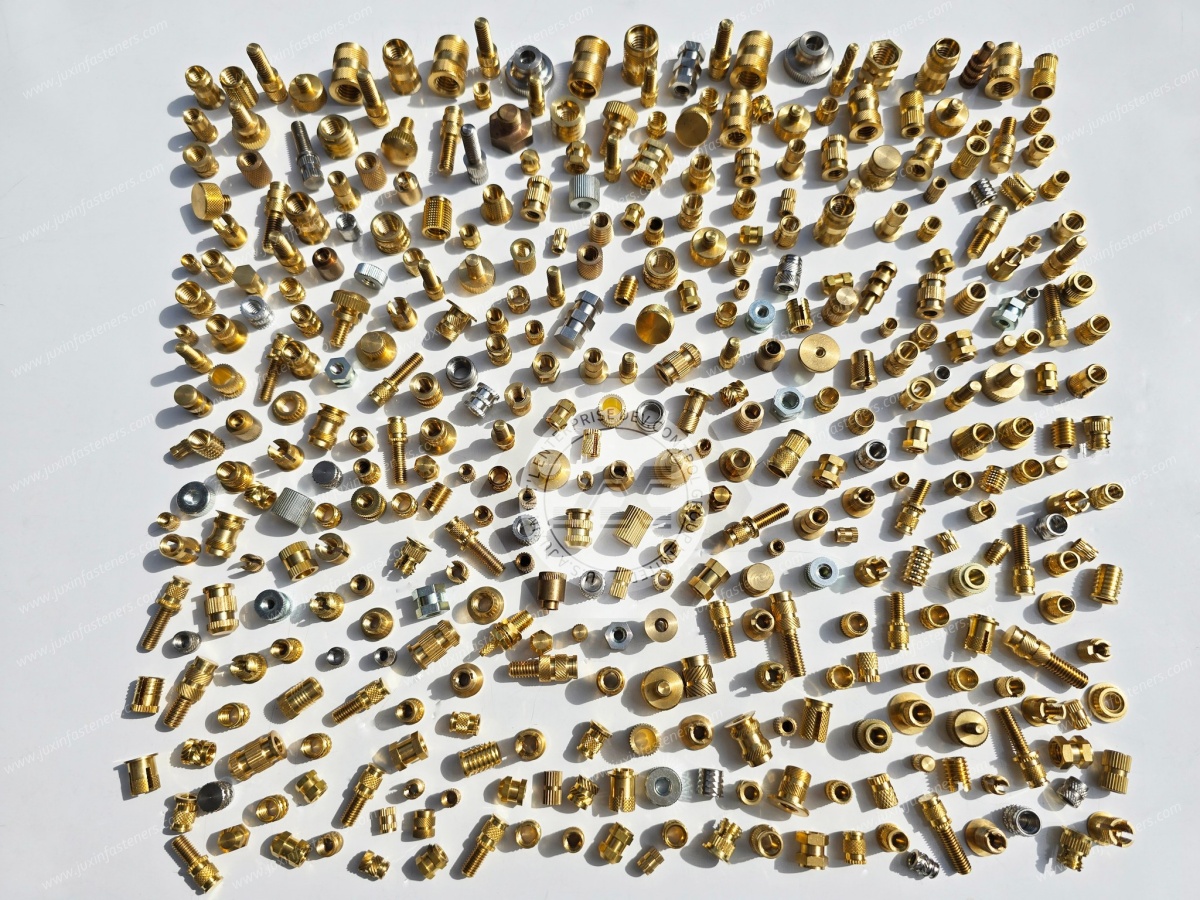
Why Choose JUXIN FASTENERS?
JUXIN FASTENERS provides automotive insert nut and threaded insert solutions for plastic components and engineered assemblies.
Our capabilities include:
Brass insert nuts
Heat-set inserts
Press-fit inserts
Injection molding inserts
Knurled inserts
Anti-rotation inserts
Stainless steel inserts
Nickel-plated inserts
Customized dimensions
Metric and inch threads
We support automotive engineers, OEMs, Tier suppliers, and procurement teams with application-specific fastening solutions.
Frequently Asked Questions
Why are insert nuts used in automotive plastic parts?
They provide a durable metal thread inside plastic components and can improve resistance to thread stripping and repeated assembly.
Are brass insert nuts suitable for automotive applications?
Brass inserts are widely used in engineered plastic components where thread durability, machinability, corrosion resistance, and electrical conductivity are required.
Can insert nuts be used in EV components?
Yes. They can be used in suitable plastic housings and electrical components, provided the insert material, plastic, temperature range, vibration, and other application requirements are correctly evaluated.
Can automotive insert nuts be customized?
Yes. Thread size, length, outside diameter, knurl profile, material, surface finish, and other dimensions can be customized according to engineering requirements.
Automotive Insert Nut Solutions
From automotive interior components and sensor housings to electronic modules and EV-related plastic assemblies, insert nuts provide reliable metal threads within lightweight plastic components.
JUXIN FASTENERS supports automotive manufacturers, engineers, Tier suppliers, and procurement teams with application-specific threaded insert solutions.
Email: info@juxinfasteners.com
Website: www.juxinfasteners.com
JUXIN FASTENERS — Precision Fastening Solutions for Automotive Plastic Components.
 MORE NEWS
Aug. 16, 2026
Aug. 16, 2026
Aug. 16, 2026
Contact Us
Tel.:
+86 020 8621 0320
+86 020 3121 6067
E-mail:
Technical Support:
Navigation
SEND INQUIREY