
Call Us
+86 136 6007 9809
Call Us
+86 136 6007 9809

Sep. 01, 2026
Captive Screws for Electrical Enclosures and EV Charging Equipment
In many industrial assemblies, a screw is not supposed to become a loose part after the panel has been opened.
This is particularly important for electrical equipment, electronic enclosures, power systems and EV charging equipment,
where a dropped or misplaced fastener can create assembly problems or, in certain designs, introduce a risk of contact with sensitive components.
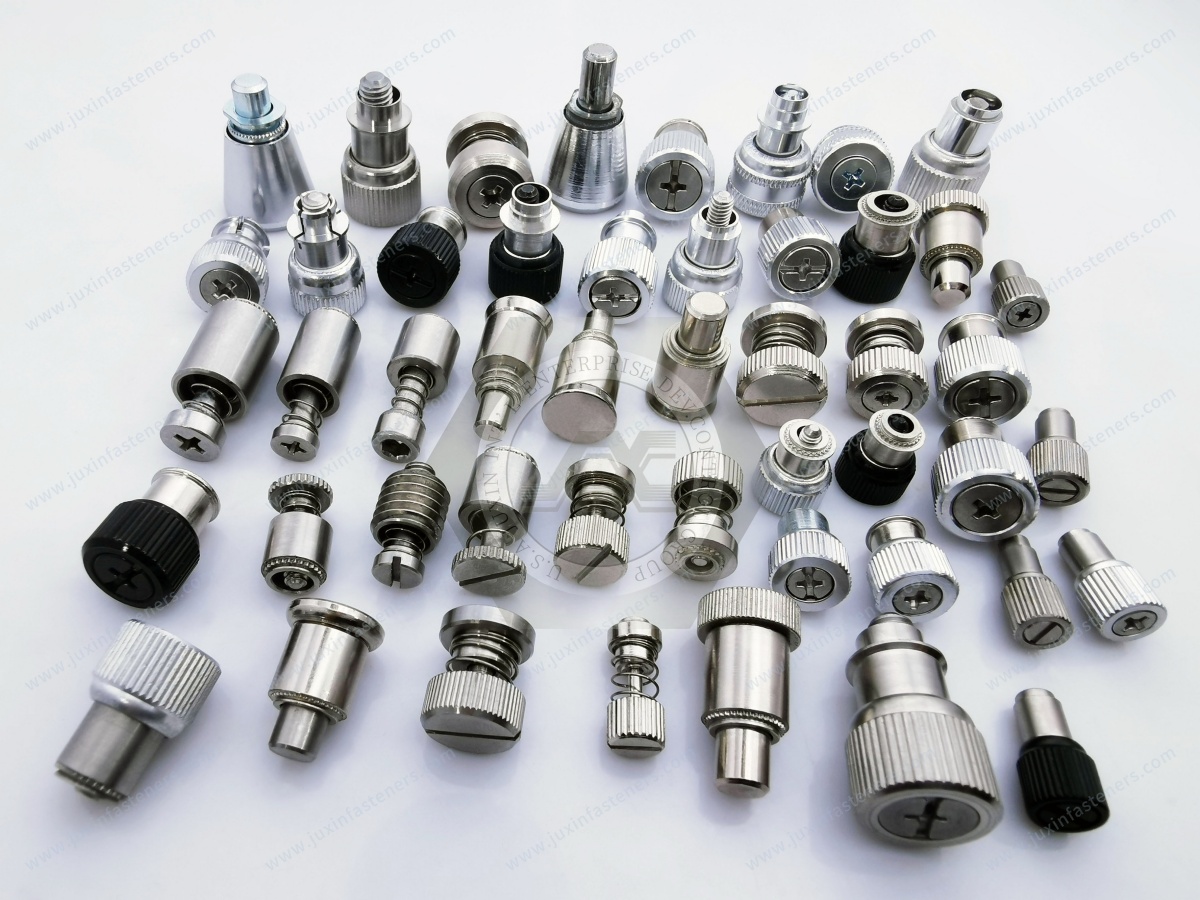
Captive screws, also known as captive fasteners or captive panel screws, are designed to remain attached to the panel while still allowing the screw to rotate and engage with the mating thread.
JUXIN manufactures custom captive screws, captive fasteners and panel fastening components for industrial OEM applications.
What Are Captive Screws?
A captive screw is a fastening component designed to remain permanently retained in a panel, cover or housing.
Unlike a conventional loose screw, the screw does not separate completely from the panel during service.
Depending on the design, the screw may be retained:
Directly by the panel
Through a self-clinching retainer
Through a spring-loaded retainer
Through another mechanical retention feature
The screw can remain attached to the panel while being loosened and tightened during equipment assembly or maintenance.
Why Use Captive Screws?
The main purpose of a captive screw is to reduce loose hardware.
This can provide practical benefits during:
Equipment assembly
Field service
Maintenance
Transportation
Repeated panel removal
Consumer operation
A technician can remove an enclosure panel without having to completely remove and store multiple loose screws.
This is particularly useful when equipment must be serviced in confined or difficult-to-access locations.
Captive Screws for Electrical Enclosures
Electrical cabinets and electronic enclosures frequently contain sensitive components.
A loose screw inside an enclosure can potentially:
Be lost
Be installed in the wrong location
Interfere with moving components
Damage internal components
Contact conductive parts
The actual risk depends on the equipment design and electrical architecture, but controlling loose hardware is an important consideration in many industrial assemblies.
Captive screws keep the fastening hardware associated with the correct panel.
Potential applications include:
Electrical cabinets
Control panels
Electronic enclosures
Power equipment
Industrial automation systems
Battery equipment
Telecom equipment
Network equipment

Captive Screws for EV Charging Equipment
EV charging equipment combines electrical power, electronics and mechanical enclosures.
Charging stations may contain:
High-voltage electrical components
Power electronics
Control boards
Contactors
Cable systems
Protective housings
Service panels may need to be removed during maintenance while the fastening hardware should remain associated with the panel.
A captive screw can provide a controlled fastening solution that reduces the number of loose components handled during service.
For equipment containing high-voltage systems, the complete product must of course be designed and validated according to applicable electrical and safety requirements.
A captive screw is a mechanical fastening solution, not a substitute for electrical protection.
Captive Screws for Sheet Metal Panels
Many industrial enclosures are manufactured from sheet metal.
A captive screw can be integrated into a sheet-metal cover or panel using an appropriate retention method.
Potential benefits include:
Reduced loose hardware
Faster panel assembly
Easier maintenance
Controlled screw positioning
Repeatable installation
Improved serviceability
The attachment method should be selected according to the panel material, thickness and manufacturing process.
How Self-Clinching Captive Screws Work
One common approach uses a self-clinching retention feature.
The screw is inserted into a prepared panel hole.
Controlled installation force causes the sheet material to engage with the retaining geometry.
The screw becomes mechanically retained while remaining free to rotate.
Depending on the design, controlled axial movement can also be maintained.
This allows the screw to:
Remain attached to the panel
Rotate during tightening
Engage with a mating thread
Move within a defined range where required
The result is a reusable panel fastening point without a completely loose screw.
Controlling Cross-Threading
Captive screw assemblies may also be designed to improve screw alignment during installation.
A suitable lead-in geometry or radius at the beginning of the thread can help guide the screw toward the mating thread.
This can be particularly useful when:
Panels are frequently removed
Technicians work in restricted access areas
Assembly must be completed quickly
Repeated service cycles are expected
Correct thread design and mating component alignment remain essential.
Different Captive Screw Configurations
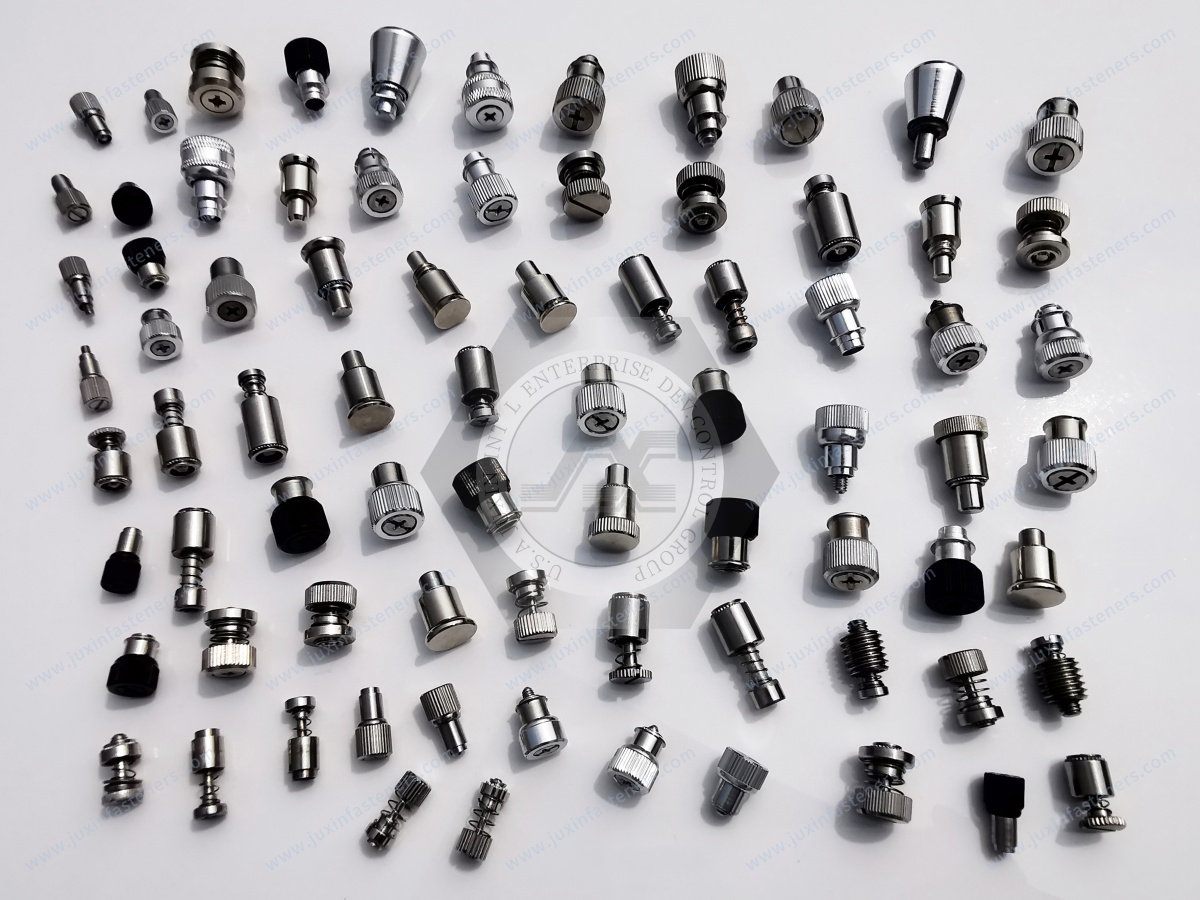
Captive fastening systems can be configured for different assembly requirements.
Potential designs include:
Standard Captive Screws
A conventional drive head is retained within the panel.
These are suitable where a screwdriver or other tool is used during assembly.
Thumb or Knob Captive Screws
A larger head allows tool-less or hand-assisted installation.
These can be useful for equipment requiring frequent access.
Spring-Loaded Captive Screws
A spring can maintain the screw in a controlled position while allowing the panel to be opened.
This can simplify repeated service operations.
Recessed Captive Screws
The screw head can be positioned within a recessed feature.
This can reduce the possibility of accidental manual removal and protect the head from surrounding contact.
The appropriate configuration depends on the equipment design.
Captive Screws and Serviceability
Serviceability is one of the strongest reasons to use captive screws.
Consider an equipment cover secured with six conventional screws.
When the cover is removed, the technician must manage six loose components.
With captive screws, the hardware remains attached to the cover.
This can:
Reduce lost parts
Simplify reassembly
Reduce handling
Improve service efficiency
Maintain hardware location
For equipment requiring frequent maintenance, these small improvements can become significant over the product's operating life.
Captive Screws vs. Loose Screws
A conventional loose screw is generally simpler and less expensive.
For low-cost products or assemblies that are rarely serviced, this may be the appropriate solution.
However, loose screws can introduce additional handling requirements.
Consideration | Loose Screw | Captive Screw |
Component cost | Usually lower | Usually higher |
Loose hardware | Yes | Minimized |
Panel service | Requires screw handling | Screw remains attached |
Lost hardware risk | Higher | Lower |
Installation complexity | Simple | More specialized |
Repeat service | Less convenient | More convenient |
Customization | Standard options widely available | More application-specific |
The decision should therefore consider the total assembly and service cost, rather than fastener price alone.
When Are Captive Screws Worth the Additional Cost?
Captive screws can be attractive when:
Panels are frequently removed
Equipment is serviced in the field
Loose parts create operational problems
Internal electronics are sensitive
The assembly contains high-value components
Maintenance time is important
Hardware loss must be minimized
Equipment is installed in difficult environments
For a simple disposable enclosure, a conventional screw may be more economical.
For serviceable industrial equipment, the additional cost of captive hardware can be justified by easier maintenance and reduced loose-part risk.
Attachment Technologies for Captive Fasteners
Captive screws and their retainers can use different attachment technologies.
Self-Clinching
Self-clinching can provide permanent mechanical attachment to suitable sheet metal.
It is particularly suitable for controlled OEM production.
Broached Attachment
Broached features can mechanically retain fasteners in suitable panels.
The suitability depends on the panel material and design.
Surface-Mounted Attachment
Surface-mounted retention can be considered where a through-hole installation is undesirable.
This can be relevant to certain electronic assemblies.
Floating Retainers
Some captive fastening systems allow controlled movement of the retainer.
This can help compensate for assembly tolerances and alignment variation.
Flare-Mounted Designs
Flare-mounted retention can be used in applications where conventional clinching or broaching is not appropriate.
The retainer is mechanically deformed to secure the assembly.
The correct technology depends on the material, panel geometry and production process.
Captive Screws for Waterproof and Dust-Resistant Enclosures
Captive screws can also be considered in enclosure designs where environmental protection is required.
Reducing unnecessary through-holes can help engineers manage the enclosure interface.
However, the captive screw itself should not be treated as a sealing system.
For applications requiring protection against water or dust, engineers should evaluate the complete assembly, including:
Gaskets
Sealing surfaces
Screw locations
Panel interfaces
Enclosure geometry
Drainage
Environmental validation
The final enclosure should be tested according to the applicable requirements.
Engineering Considerations
Before selecting a captive screw, engineers should define:
Panel Material
Potential materials include:
Carbon steel
Stainless steel
Aluminum
Other suitable sheet metals
Panel Thickness
The attachment method must be compatible with the actual panel thickness.
Screw Thread
Specify:
Metric thread
Unified inch thread
Thread size
Thread length
Drive Type
Potential drive configurations can include:
Phillips
Slotted
Hex
Torx-type configurations
Customer-specified drives
The appropriate drive depends on the assembly environment.
Captive Length
The retained screw should provide sufficient movement for engagement without creating interference inside the equipment.
Head Style
Head selection can depend on:
Available space
Appearance
Tool access
Service requirements
Tamper resistance
Captive Screws for Industrial Equipment
Captive fastening is not limited to electrical cabinets.
Potential industrial applications include:
Industrial machinery
Automation equipment
Robotics
HVAC equipment
Power electronics
Telecom equipment
Network equipment
Railway equipment
Battery systems
Test equipment
Medical equipment
Any equipment requiring repeated panel access may benefit from captive fastening.
Procurement Considerations
For procurement managers and supply-chain teams, captive screws require a slightly different sourcing approach than standard screws.
The supplier should be able to control the complete assembly, including:
Screw dimensions
Retainer geometry
Retention method
Thread quality
Panel compatibility
Surface treatment
Spring characteristics where applicable
Assembly consistency
Because captive fasteners can involve multiple components, supplier capability and quality control are important.
Custom Captive Fasteners from JUXIN
JUXIN supports OEM manufacturing of customized captive screws and captive fastening assemblies.
Customers can provide:
Engineering drawings
CAD files
Samples
Panel material
Panel thickness
Thread requirements
Head configuration
Surface treatment
Installation requirements
Production quantities
JUXIN can manufacture according to the customer's specified dimensions and application requirements.
Material and Surface Treatment
Depending on the application, captive screw components may be manufactured using:
Carbon steel
Stainless steel
Alloy steel
Aluminum
Other customer-specified materials
Surface treatment can be selected according to:
Corrosion resistance
Environmental exposure
Appearance
Dimensional requirements
Customer specifications
For electrical and electronic equipment, the complete material and surface treatment combination should be evaluated against the application.
OEM Production Process
A typical custom captive screw project can follow:
Engineering Drawing → Technical Review → Material Confirmation → Prototype / Sample → Inspection → Customer Approval → Production → Packaging
This process helps ensure that the captive fastening assembly is compatible with the customer's panel and mating components.
Why OEMs Use Captive Fasteners
For procurement and engineering teams, the value of captive fastening is often found beyond the component itself.
A captive screw can help address:
Loose Hardware → Assembly Handling → Serviceability → Hardware Retention → Equipment Maintenance
This makes captive fastening particularly relevant for equipment that must be assembled, serviced and reassembled repeatedly.
JUXIN Custom Captive Screw Manufacturing
JUXIN has more than 23 years of fastener industry experience and supports international OEM customers with custom fastening solutions.
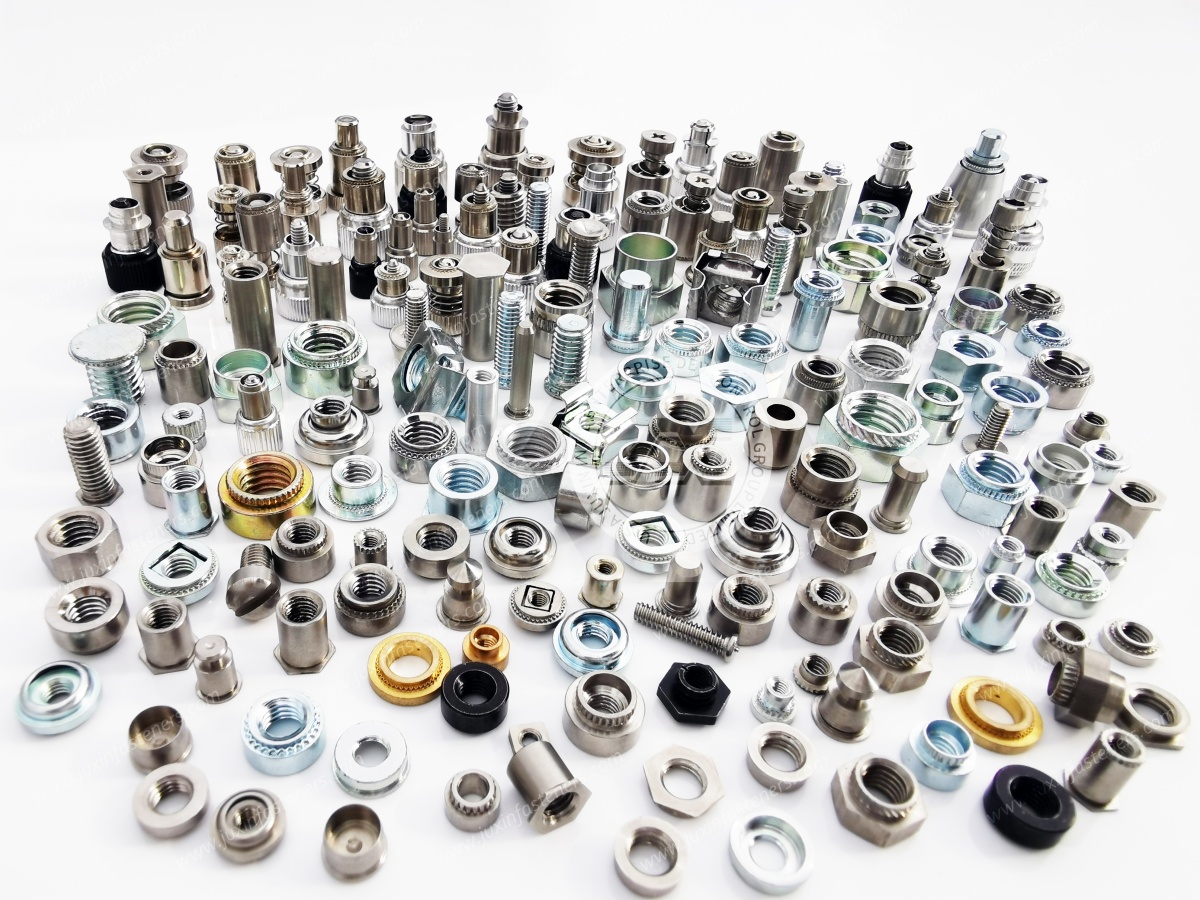
Our product capabilities include:
Captive screws
Captive fasteners
Captive bolts
Self-clinching fasteners
Self-clinching nuts
Self-clinching studs
Threaded standoffs
Rivet nuts
Custom screws and bolts
CNC machined components
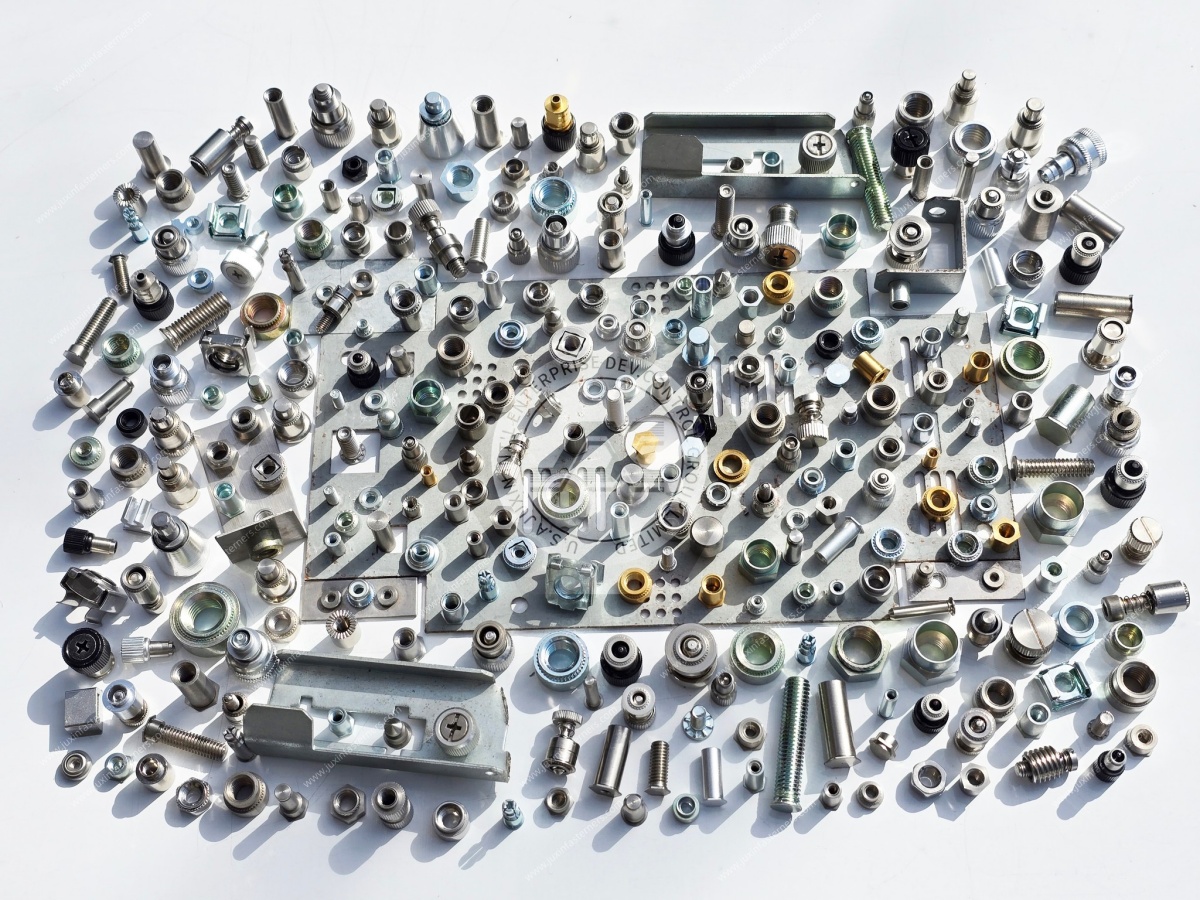
This combination allows OEM customers to source multiple mechanical fastening requirements through one manufacturing partner.
Request a Custom Captive Screw Quote
If your company needs captive screws for electrical enclosures, EV charging equipment, electronic housings, industrial machinery or other serviceable equipment, send your engineering drawing, sample or specification to JUXIN for evaluation.
Email: info@juxinfasteners.com
Website: www.juxinfasteners.com
JUXIN Fasteners — Custom Captive Screws and Fastening Solutions for Industrial OEM Applications.
 MORE NEWS
Sep. 22, 2026
Sep. 22, 2026
Sep. 22, 2026
Contact Us
Tel.:
+86 020 8621 0320
+86 020 3121 6067
E-mail:
Technical Support:
Navigation
SEND INQUIREY