
Call Us
+86 136 6007 9809
Call Us
+86 136 6007 9809

Aug. 31, 2026
Printed circuit boards require secure mechanical mounting while remaining electrically isolated from the surrounding enclosure.
In computers, industrial control equipment, telecom cabinets, power electronics, medical equipment and other electronic systems, the PCB is often installed inside a sheet-metal housing.
A suitable standoff creates a controlled distance between the circuit board and the conductive enclosure while providing a stable mounting point.
JUXIN manufactures self-clinching standoffs, threaded standoffs and custom PCB mounting fasteners for electronic equipment and sheet-metal enclosures.

A PCB should normally be positioned at a defined distance from the equipment housing or another structural component.
A standoff can provide three important functions:
Maintain a controlled spacing between the PCB and enclosure
Provide a threaded mounting point for PCB screws
Support mechanical stability during assembly and service
Without an appropriate spacing solution, components or solder joints on the underside of a PCB may come into contact with the conductive housing.
For this reason, PCB standoffs are not simply spacing components. They are part of the mechanical and electrical design of the equipment.
Self-clinching standoffs are designed to become permanently attached to suitable sheet metal through a controlled installation process.
The fastener is installed into a prepared hole, and press force causes the sheet material to engage with the fastener's clinching feature.
Once properly installed, the standoff becomes an integrated mounting point in the enclosure.
This can eliminate the need to handle a separate nut during PCB assembly.
Potential applications include:
Computer chassis
Industrial computers
Control cabinets
Telecom equipment
Network equipment
Electronic enclosures
Power electronics
Industrial automation
Medical electronics
Test and measurement equipment
The correct standoff depends on the PCB, enclosure and assembly process.
Design engineers should evaluate several factors before selecting a component.
The required height determines the clearance between the PCB and the enclosure.
The correct height should account for:
PCB thickness
Component height
Solder-side clearance
Cable routing
Airflow
Adjacent components
Assembly access
A standoff that is too short may create interference, while an unnecessarily tall standoff can increase overall equipment dimensions.
The internal thread should match the selected PCB mounting screw.
Common requirements may include metric or inch threads depending on the customer's equipment design.
Thread selection should also consider the expected assembly torque and available space.
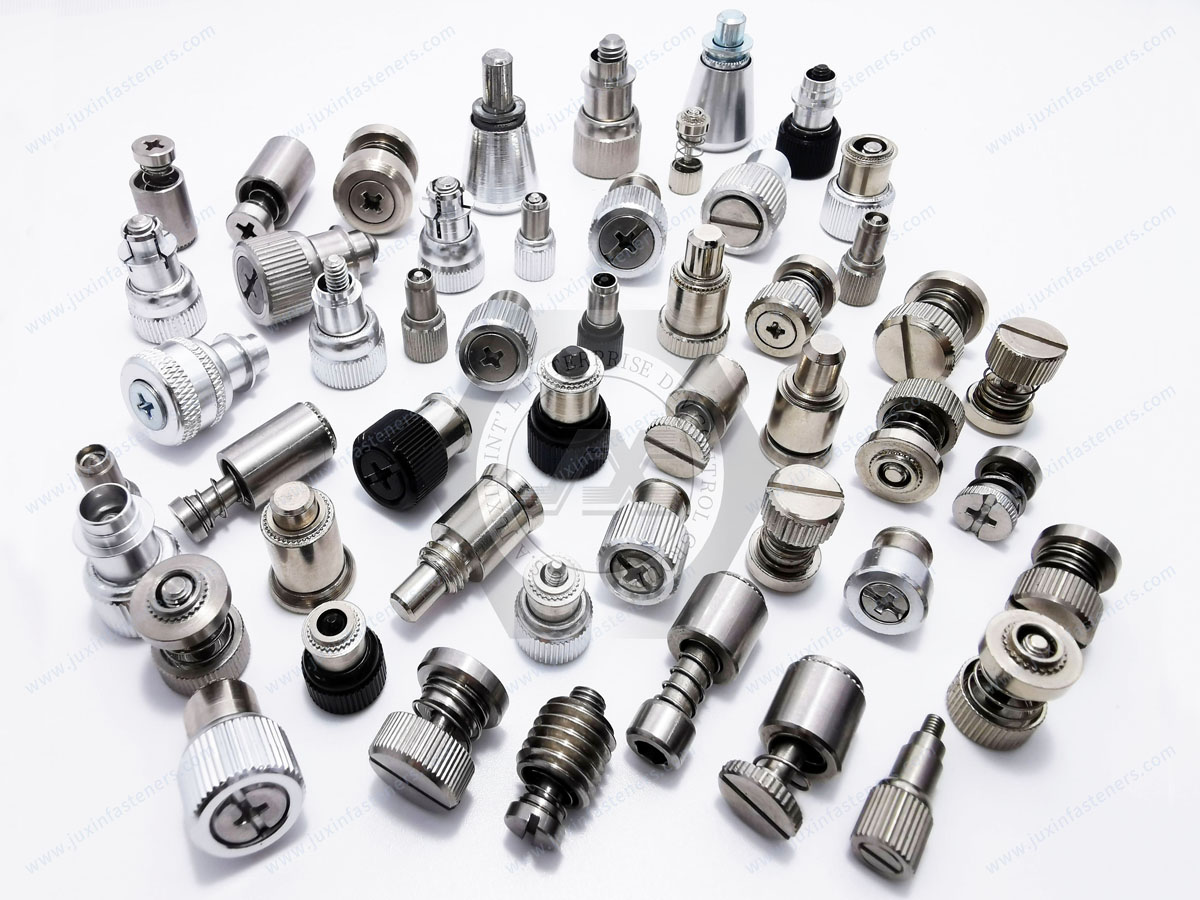
Different equipment designs may require different standoff configurations.
Potential options include:
Threaded standoffs
Blind threaded standoffs
Through-thread standoffs
Snap-top standoffs
Custom standoffs
Special mounting geometries
The appropriate configuration depends on the PCB and enclosure design.
A blind standoff provides a threaded hole that does not pass completely through the component.
This can be useful when the fastener is installed close to sensitive internal components.
A blind configuration can help prevent a mounting screw from extending into an area where it could interfere with:
Circuit components
Wiring
Conductors
Other PCBs
Internal mechanical structures
For compact electronic equipment, controlling screw penetration can therefore be an important part of mechanical design.
Some high-volume electronic products can incorporate raised mounting points directly into the enclosure.
This approach can reduce the number of separate components.
However, integrated mounting points also reduce flexibility.
When the PCB layout changes, the enclosure tooling may need to change as well.
Self-clinching standoffs provide another approach.
A manufacturer can place threaded mounting points at specific locations in the sheet-metal panel without creating a new integrated enclosure geometry for every PCB configuration.
This can be particularly useful for:
Multiple equipment models
Product revisions
Customized equipment
Low-to-medium production volumes
Modular electronic systems

Electronic equipment is rarely identical across every product family.
A manufacturer may have different:
PCB dimensions
Mounting-hole patterns
Board heights
Component layouts
Enclosure sizes
Service requirements
Self-clinching standoffs can provide greater flexibility in locating PCB mounting points.
The fastener position can be defined by the sheet-metal design and engineering drawing.
The mechanical distance between a PCB and a conductive enclosure can be important for electrical safety.
A suitable standoff can help maintain the designed clearance between the board and housing.
However, standoffs alone should not be treated as a complete electrical safety solution.
Engineers should evaluate the complete assembly, including:
PCB design
Insulation
Grounding
Creepage and clearance
Enclosure design
Component location
Mounting hardware
The final design should follow the applicable electrical and equipment requirements.
Standoff height can also influence thermal management.
Electronic equipment may require sufficient space beneath a PCB for:
Air movement
Heat dissipation
Component clearance
Cable routing
Mechanical structures
For systems with significant thermal loads, such as power electronics, industrial computers and data infrastructure equipment, mechanical spacing should be considered together with the overall thermal design.
PCB mounting hardware must provide sufficient mechanical support during:
Equipment assembly
Transportation
Equipment installation
Maintenance
Repeated service access
The fastener should remain securely attached to the sheet-metal enclosure while the PCB is being installed or removed.
This is particularly important when the equipment contains multiple PCBs or heavy electronic modules.
Several technologies can be used to create PCB mounting points.
The enclosure itself can be formed with raised mounting features.
This can reduce loose components but may require dedicated tooling and provides less flexibility for future layout changes.
Broached attachment methods can provide mounting points in suitable sheet-metal applications.
The appropriate technology depends on panel material, thickness and manufacturing process.
Surface-mounted attachment methods can be considered where a mounting point needs to be attached to a panel without a conventional through-hole installation.
These may be relevant to specialized electronic assemblies.
Some applications use solder attachment for PCB-related mounting components.
This can be appropriate where the manufacturing process and board design support soldered attachment.
Self-clinching standoffs are particularly attractive when a permanent mechanical mounting point is required directly in suitable sheet metal.
They can support repeatable production and allow mounting locations to be defined by the enclosure design.
Computer chassis provide a straightforward example of the value of PCB standoffs.
A motherboard must be positioned above the conductive metal chassis.
The mounting points need to:
Maintain board clearance
Support the motherboard
Provide appropriate screw threads
Remain fixed during assembly
Avoid interference with PCB components
For custom computer equipment and industrial computing systems, self-clinching standoffs can provide greater flexibility than permanently formed mounting points.
The same design principle applies to many industrial electronic systems.
Control boards and electronic modules can be mounted inside sheet-metal control cabinets using threaded standoffs.
Network equipment and communication cabinets frequently contain multiple electronic boards and modules that require controlled mechanical spacing.
Server and network hardware can use PCB mounting hardware within compact sheet-metal chassis and electronic enclosures.
Diagnostic and laboratory equipment may contain sensitive electronic assemblies requiring controlled mechanical mounting.
Power conversion equipment can require carefully controlled PCB spacing, component clearance and thermal management.
Electronic control units and other vehicle-related electronic assemblies may use PCB mounting components within metal or engineered housings.
For custom PCB standoffs, JUXIN can manufacture according to customer drawings and specifications.
Useful information includes:
Standoff height
Thread specification
Overall dimensions
Mounting-hole diameter
Sheet thickness
Sheet material
Standoff material
Surface treatment
Blind or through-thread configuration
Required quantity
Application requirements
A complete drawing allows the manufacturing specification to be evaluated before production.
Depending on the application, potential materials may include:
Carbon steel
Stainless steel
Aluminum
Brass
Other customer-specified materials
Material selection should consider mechanical requirements, electrical considerations, corrosion exposure, weight and compatibility with the enclosure.
For specialized applications, JUXIN can evaluate customer-specified materials and finishes according to the drawing.
Surface treatment may be required depending on the enclosure environment.
Potential requirements can include:
Zinc plating
Passivation
Other specified finishes
For electronic equipment, surface treatment should be considered together with dimensional tolerances and the final assembly requirements.
For OEM customers, a PCB standoff is a small component, but its dimensions directly affect the position of the PCB.
A variation in:
Standoff height
Thread quality
Mounting position
Fastener geometry
can affect the assembly process.
Consistent manufacturing and inspection are therefore important for repeat production.
Procurement managers and supply-chain teams should evaluate more than the unit price.
Important sourcing factors can include:
Drawing capability
Material control
Dimensional consistency
Thread quality
Surface treatment
Production capacity
Quality inspection
Packaging
Repeat-order capability
For OEM programs, maintaining the same approved specification across repeat orders is particularly important.
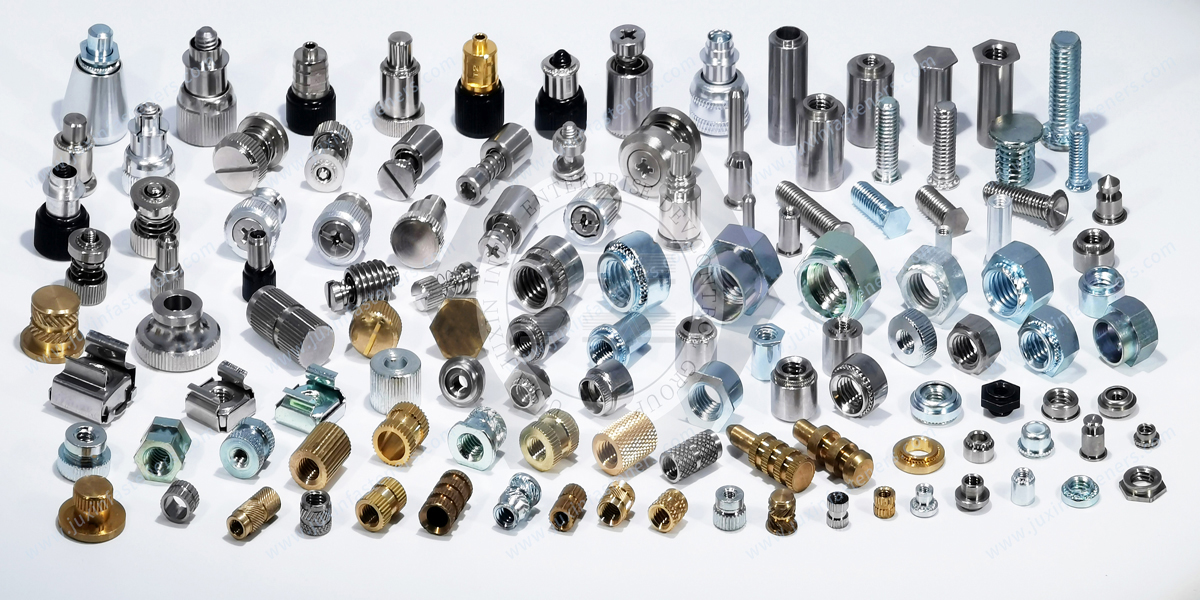
JUXIN manufactures self-clinching standoffs and custom threaded components for electronic equipment manufacturers.
Our capabilities support drawing-based production for:
PCB standoffs
Threaded standoffs
Blind standoffs
Self-clinching nuts
Self-clinching studs
Custom screws
CNC machined spacers
Precision pins
Other custom fastening components
This allows customers to source related fastening and precision mechanical components through one manufacturing partner.
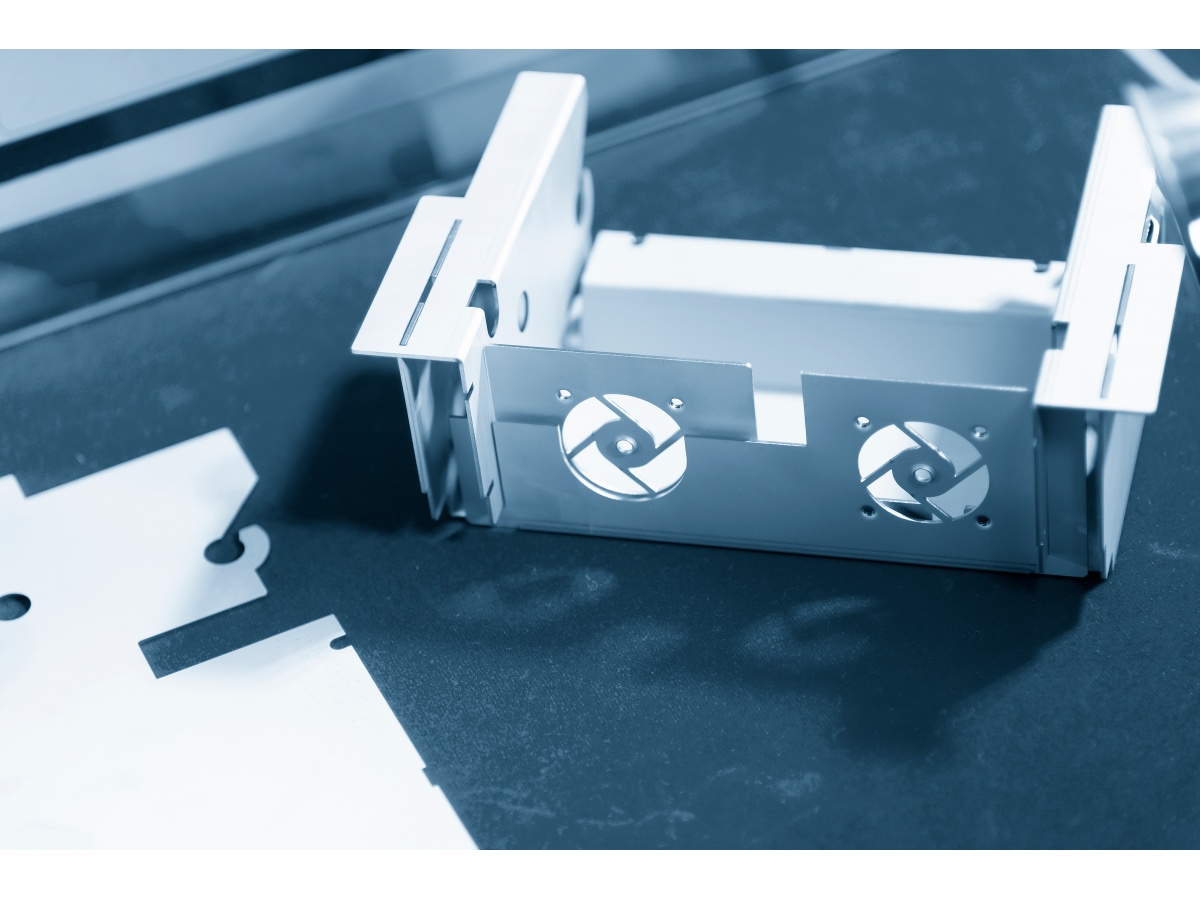
A typical OEM project can follow:
Engineering Drawing → Technical Review → Material Confirmation → Sample Production → Inspection → Customer Approval → Mass Production
This process helps align the manufactured component with the customer's mechanical design before production quantities are released.
JUXIN has more than 23 years of fastener industry experience and supports international OEM customers with custom fastening and precision component manufacturing.
Our approach is based on the customer's actual application rather than simply supplying a standard catalog component.
Whether the requirement is a standard self-clinching standoff, a blind threaded standoff or a completely customized PCB mounting component, the component can be developed according to the customer's drawing and production requirements.
If you are developing a computer chassis, electronic enclosure, telecom system, industrial control cabinet, power electronics assembly or other equipment requiring PCB mounting hardware, send your engineering drawing or sample to JUXIN for evaluation.
Email: info@juxinfasteners.com
Website: www.juxinfasteners.com
JUXIN Fasteners — Custom Self-Clinching Standoffs and Precision Fastening Components for Industrial OEMs.
 MORE NEWS
Contact Us
Tel.:
+86 020 8621 0320
+86 020 3121 6067
E-mail:
Technical Support:
Navigation
SEND INQUIREY