
Call Us
+86 136 6007 9809
Call Us
+86 136 6007 9809

Aug. 29, 2026
Corrosion-Resistant Fasteners for Semiconductor Wet Process Equipment
Custom Fastening Solutions for Wet Benches, Wafer Cleaning and Chemical Processing Systems
Semiconductor wet-process equipment operates in environments where mechanical components may encounter moisture, cleaning solutions, process chemicals,
chemical vapors, temperature variation, and repeated maintenance.
These conditions create fastening challenges that differ from those of conventional industrial machinery.
In wafer cleaning systems, wet benches, chemical delivery equipment, and auxiliary processing assemblies,
the wrong fastener material or joint design can contribute to corrosion, contamination, thread damage, maintenance difficulties, and equipment downtime.
Selecting corrosion-resistant fasteners therefore requires more than choosing a stainless steel grade.
Engineers must evaluate the actual chemical environment, exposure conditions, operating temperature, mechanical loads, surface treatment, and installation requirements.
JUXIN FASTENERS supplies custom industrial fasteners and precision CNC machined components for drawing-based OEM applications, including stainless steel screws,
bolts, nuts, studs, washers, threaded inserts, spacers, pins, bushings, and non-standard mechanical components.
For semiconductor wet-process projects, material suitability and any specialized chemical compatibility, cleanliness, testing, or packaging requirements must be evaluated according to the customer's application specifications.
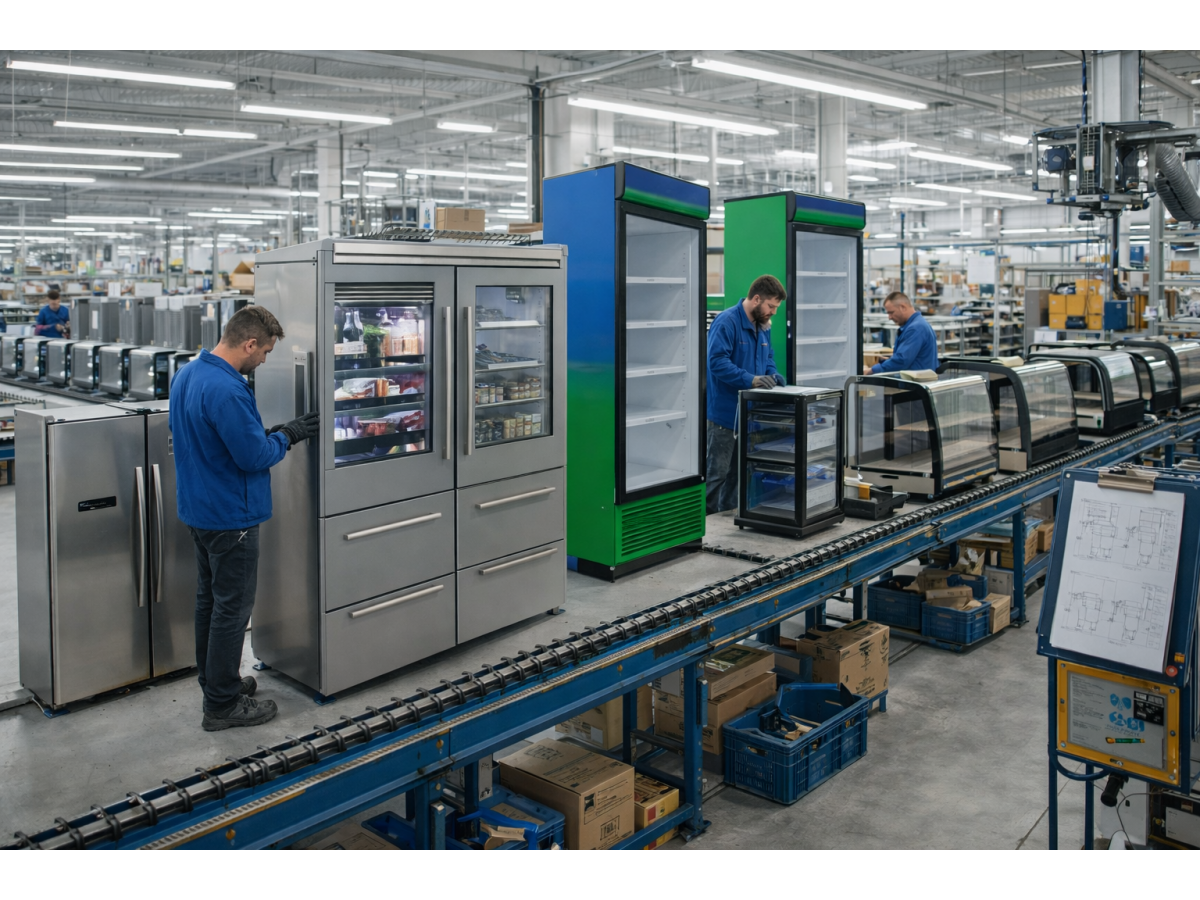
Why Fastener Selection Matters in Semiconductor Wet Processing
Wet-process semiconductor equipment may contain tanks, chambers, fluid-control assemblies, piping interfaces, equipment frames, protective covers, brackets, and mechanical mounting systems.
Fasteners used in these assemblies may experience different combinations of chemical exposure, moisture, vibration, temperature changes, and maintenance cycles.
However, not every fastener in a wet-process machine is exposed to the same conditions.
A screw installed inside a chemical process zone has different requirements from a bolt used on an external equipment frame.
Similarly, a fastener exposed to occasional cleaning spray may require a different material strategy from a component continuously immersed in a process chemical.
A practical fastener selection process should distinguish between direct chemical contact, vapor exposure, incidental splash exposure, and protected mechanical installation locations.
This distinction helps prevent unnecessary material costs while avoiding unsuitable substitutions in demanding environments.
Understanding Chemical Exposure Zones
One of the most important design decisions is identifying where a fastener is installed relative to the process chemicals.
Direct Chemical Contact
Fasteners in direct contact with process liquids require material compatibility with the actual chemical composition, concentration, temperature, and exposure duration.
In some semiconductor wet-processing environments, conventional metallic fasteners may be unsuitable.
Alternative materials or fastening arrangements may be necessary, subject to the equipment design.
Chemical Vapor Exposure
Fasteners positioned near chemical tanks, exhaust systems, or processing chambers may encounter vapors or condensates.
These conditions can cause corrosion even when the component is not directly immersed in liquid.
Material selection should account for the possibility of localized chemical accumulation and condensation.
Splash and Cleaning Exposure
Fasteners used on covers, guards, mounting brackets, and nearby structures may experience intermittent chemical splashes or cleaning procedures.
The required corrosion resistance depends on the chemicals involved, frequency of exposure, and ability of the joint to drain and dry.
Protected Equipment Frames
Fasteners installed in protected external structures may not require the same material as components located inside the chemical process area.
However, ambient humidity, cleaning methods, and potential accidental exposure should still be considered.
Separating these exposure zones can help engineering and procurement teams select materials more effectively.
316L Stainless Steel Fasteners for Wet Process Equipment
316L stainless steel is commonly considered for industrial applications requiring corrosion resistance and suitable mechanical properties.
For semiconductor equipment, 316L may be specified for certain screws, bolts, nuts, studs, washers, threaded components, and precision machined parts.
Its suitability depends on the actual chemical environment.
316L should not be described as universally resistant to semiconductor wet-process chemicals.
316L Versus 304 Stainless Steel
304 and 316L stainless steels differ in composition and corrosion behavior.
316L contains molybdenum, which can improve resistance to certain forms of localized corrosion in some environments.
However, this does not establish compatibility with every acid, alkaline solution, oxidizing chemical, or cleaning agent.
Material selection should be based on chemical compatibility data and the equipment manufacturer's established requirements.
Limitations of 316L Stainless Steel
Certain aggressive chemical environments can attack stainless steel despite its general corrosion resistance.
For example, hydrofluoric acid and some chloride-containing environments can present serious compatibility concerns for stainless steel, depending on concentration, temperature, and exposure conditions.
Strongly oxidizing or otherwise aggressive chemical mixtures may also require separate evaluation.
A material suitable for a water-based cleaning environment may be unsuitable for direct contact with semiconductor etching or cleaning chemicals.
Where metallic components cannot satisfy the chemical requirements, engineers may need to consider alternative materials or designs.
Alternative Materials for Chemical Exposure
Depending on the application, specialized alloys or engineering polymers may be considered.
Materials such as PTFE, PFA, PVDF, or PEEK are used in selected chemical-processing equipment applications,
but their suitability depends on the exact grade, chemical environment, temperature, mechanical loading, and manufacturing requirements.
Polymer fasteners can have different creep, stiffness, thermal expansion, and load-retention characteristics from metal fasteners.
They should not be substituted for stainless steel solely on the basis of chemical resistance.
Where a customer requires a specialized alloy or polymer, manufacturing feasibility and material availability must be confirmed for the specific component.
Common Corrosion Mechanisms Affecting Fasteners
Understanding how corrosion develops helps engineers identify appropriate material and joint-design requirements.
Pitting Corrosion
Pitting is a localized form of corrosion that can produce small cavities in a metal surface.
Depending on the environment, pits may develop at locations where protective surface films become unstable.
Pitting can be difficult to detect during routine visual inspection and may reduce the effective cross-section of a component.
Crevice Corrosion
Crevice corrosion can occur in narrow gaps where the local chemical environment differs from the surrounding exposed surface.
Potential locations include:
Under screw heads
Between washers and mounting surfaces
Inside threaded interfaces
Between overlapping brackets
Around poorly drained joints
For wet-process equipment, joint geometry should consider whether chemicals or moisture can remain trapped in these areas.
Where appropriate, improved drainage, material selection, or alternative connection designs may reduce the risk.
Galvanic Corrosion
Galvanic corrosion can occur when dissimilar metals are electrically connected in the presence of a conductive electrolyte.
For example, stainless steel fasteners installed in aluminum components may create galvanic corrosion concerns under certain wet conditions.
The severity depends on the material combination, exposed surface areas, electrolyte, and environmental conditions.
Potential design measures include suitable isolation materials, protective finishes, drainage, and appropriate material pairing.
Stress Corrosion Cracking
Certain materials can be susceptible to stress corrosion cracking under specific combinations of tensile stress, temperature, and corrosive environment.
The risk depends on the material condition and chemical exposure.
Where the application presents relevant conditions, material selection and joint stresses should be evaluated according to the customer's engineering requirements.
Corrosion-Related Particle Contamination
Corrosion products, damaged coatings, and deteriorating surfaces can become contamination sources.
In semiconductor manufacturing, this concern may extend beyond the mechanical strength of the fastener.
The potential for particle generation should be evaluated according to the fastener's proximity to sensitive equipment and the applicable contamination-control requirements.
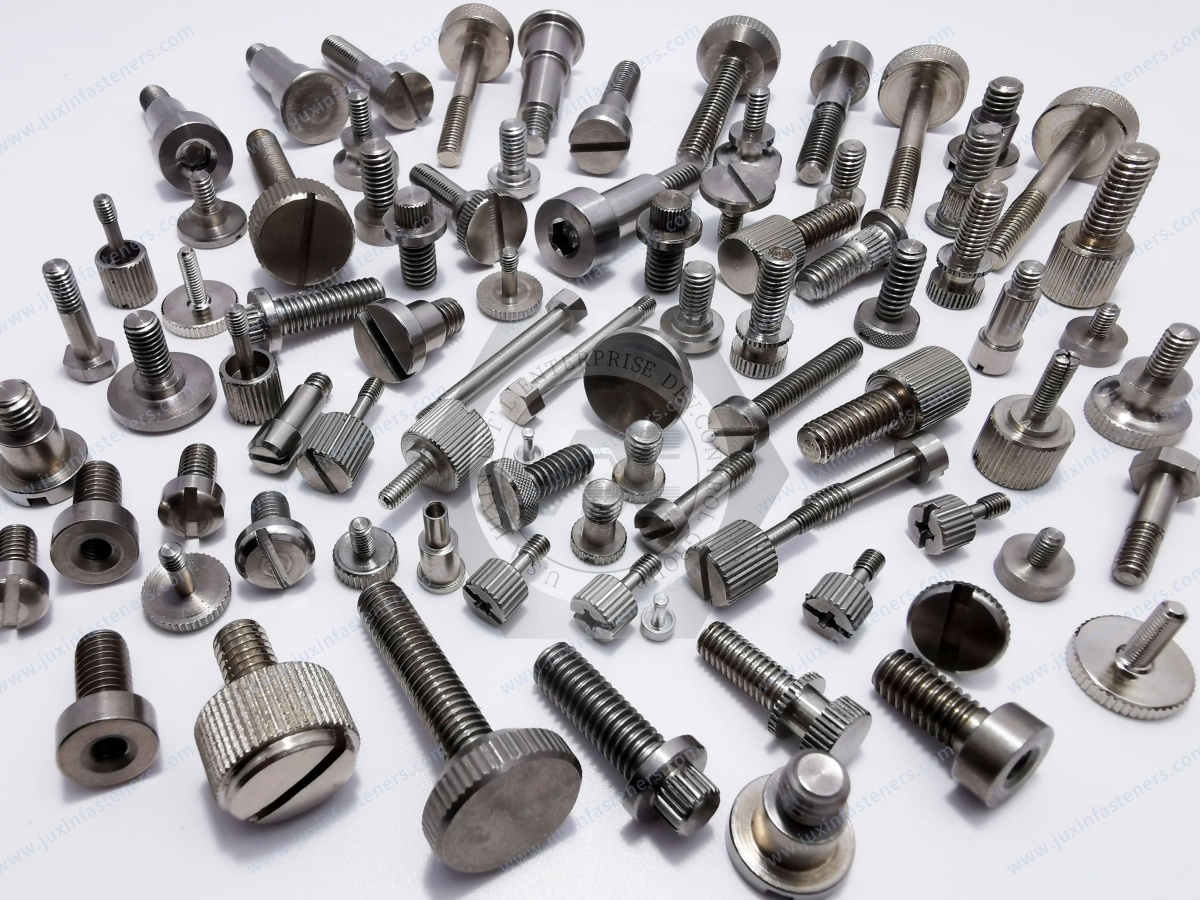
Custom Screws, Bolts, Nuts and Studs for Wet Process Equipment
Standard catalog fasteners may not always satisfy the geometry, material, or installation requirements of semiconductor processing equipment.
Custom components can provide specific dimensions, thread configurations, head styles, and mounting interfaces according to customer drawings.
Custom Stainless Steel Screws
Custom screws may require special head geometry, non-standard lengths, reduced head dimensions, specific drive configurations, or controlled thread engagement.
Where the fastener is installed in a corrosive environment, material and surface requirements should be reviewed together with the mating component.
316L Stainless Steel Bolts
Custom stainless steel bolts may be suitable for selected structural and mechanical assemblies where the material meets the corrosion and loading requirements.
The design should consider tensile loading, shear, preload, vibration, and the mechanical properties of the connected components.
Special Nuts and Threaded Studs
Custom nuts and studs can support equipment mounting, positioning, and maintenance requirements.
Studs may be useful where repeated disassembly would otherwise cause wear in a tapped base material.
However, material pairing and thread condition should be evaluated to reduce the risk of galling.
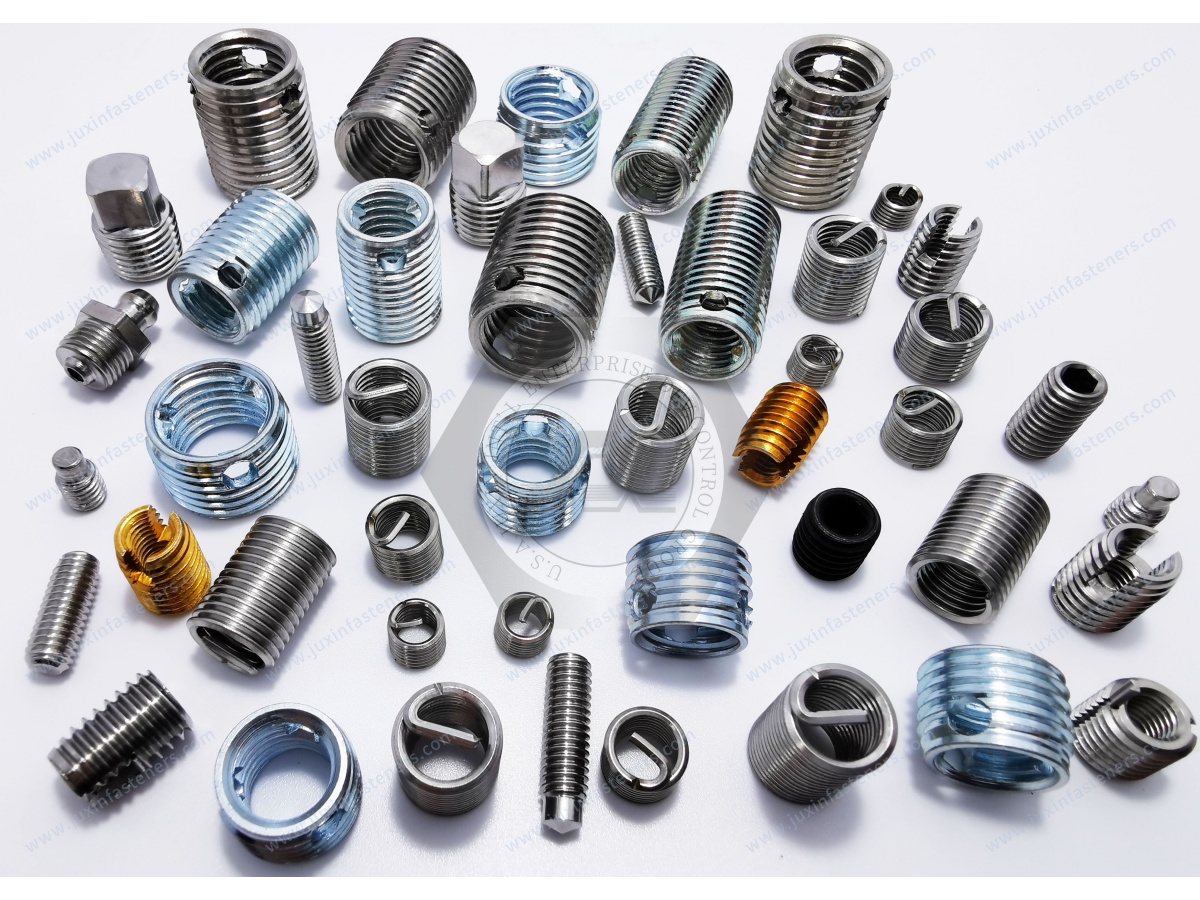
Washers and Threaded Inserts
Washers can influence bearing pressure, contact geometry, and assembly height.
Threaded inserts may provide durable fastening interfaces in suitable base materials.
For wet-process equipment, engineers should consider whether the washer or insert creates additional crevices where moisture or chemicals can accumulate.
Precision Spacers and Standoffs
Custom spacers and standoffs can maintain controlled distances between equipment components.
Critical dimensions may include length, parallelism, contact-face flatness, and internal diameter.
Where chemical exposure is possible, material selection and surface condition should be evaluated for the entire component.
CNC Machined Pins, Bushings and Mechanical Interfaces
Precision CNC machining can produce custom pins, bushings, sleeves, shafts, mounting blocks, and threaded mechanical components.
The appropriate material depends on mechanical loading, corrosion exposure, wear conditions, and the intended function.
Combining related fastening hardware and precision machined components within the same sourcing program can help OEM customers coordinate drawings, material requirements, and inspection specifications.
Thread Design and Fastening Reliability in Wet Environments
A corrosion-resistant material alone does not guarantee a reliable threaded connection.
The complete joint must be evaluated for mechanical loading, installation method, corrosion exposure, and maintenance requirements.
Thread Engagement and Joint Strength
Thread engagement should be selected according to the fastener material, mating material, thread geometry, and applied loads.
Where stainless steel fasteners are installed into aluminum or other relatively soft materials, internal thread strength may be a limiting factor.
Threaded inserts or alternative fastening arrangements may be appropriate for certain applications.
Thread Galling
Stainless steel threaded assemblies can be susceptible to galling under certain conditions.
Galling may cause thread damage, increased installation resistance, or seizure.
Engineers should consider material pairing, surface condition, installation speed, and the permitted use of lubricants or anti-seize compounds.
For contamination-sensitive equipment, lubricants and thread-locking materials must also be evaluated for chemical compatibility and cleanliness requirements.
Preload and Installation Torque
Fastener preload influences joint stability and resistance to movement.
Installation torque should be established according to the complete joint design, including material, thread geometry, friction, surface treatment, and lubrication.
A universal torque value should not be applied to all stainless steel fasteners of the same nominal size.
Vibration and Maintenance
Wet-process equipment may include pumps, fluid-control devices, automation modules, and other mechanical systems that introduce vibration.
Where vibration is relevant, appropriate fastening retention methods should be evaluated.
Maintenance requirements should also be considered because repeated disassembly can affect thread condition and component cleanliness.
Metric and Inch Thread Specifications
Semiconductor equipment manufacturers may use different thread systems depending on the equipment platform.
ISO metric threads may be specified according to relevant ISO thread standards, including ISO 261 and ISO 965.
Unified UNC/UNF threads may be specified according to ASME B1.1.
Metric, UNC/UNF, and British Whitworth thread systems are not directly interchangeable.
The drawing should identify the exact thread system, nominal size, pitch or threads per inch, and applicable tolerance class.
Surface Treatment, Cleaning and Material Compatibility
Surface treatment can influence corrosion resistance, friction, appearance, and contamination behavior.
For suitable stainless steel components, chemical passivation may be specified.
ASTM A967/A967M may be relevant where passivation of stainless steel parts is required.
However, passivation does not make stainless steel universally resistant to aggressive semiconductor process chemicals.
Similarly, coatings should not be assumed compatible with chemical exposure without appropriate evaluation.
Cleaning Procedures
Wet-process equipment components may require cleaning before installation or during maintenance.
The cleaning procedure should be compatible with the base material, surface treatment, and intended environment.
Cleaning chemicals can influence corrosion behavior, especially where residues remain in threaded interfaces or crevices.
Surface Condition and Burr Control
Machined components should be evaluated for burrs, damaged threads, sharp edges, and surface defects that could interfere with assembly.
For contamination-sensitive applications, the customer may specify additional surface or cleanliness acceptance criteria.
Packaging and Handling
Packaging requirements may be important where components are intended for controlled manufacturing environments.
Specialized cleaning, handling, and packaging procedures should be defined and confirmed according to the customer's project requirements.
Engineering Design Considerations for Semiconductor Wet Process Equipment
Fastener selection should be evaluated within the complete equipment assembly.
A component may satisfy its individual drawing dimensions but still create problems if its material, installation location, or joint geometry is unsuitable.
Avoiding Chemical Traps
Joint designs should consider whether liquid can accumulate beneath screw heads, inside threaded holes, or between overlapping components.
Where practical, drainage and accessibility for cleaning may help reduce chemical retention.
Separating Process-Exposed and Protected Fasteners
Not every fastener requires the same corrosion-resistant material.
Separating direct chemical-contact components from protected structural fasteners can help avoid unnecessary cost while maintaining appropriate performance.
Considering Maintenance Access
Wet-process equipment may require periodic inspection, cleaning, or component replacement.
Fastener head geometry, drive access, and installation method should support the intended maintenance procedure.
Evaluating Mixed-Material Assemblies
Where stainless steel fasteners are used with aluminum, polymers, or other materials, engineers should consider thermal expansion, joint stiffness, galvanic corrosion, and long-term preload retention.
Avoiding Unnecessary Customization
Custom fasteners are appropriate where standard hardware cannot meet the application requirements.
However, standard dimensions and established thread systems may offer advantages in replacement availability and procurement efficiency where they satisfy the engineering specification.
Applications for Corrosion-Resistant Semiconductor Fasteners
Corrosion-resistant fasteners and precision machined components may support multiple types of semiconductor wet-process equipment.
Semiconductor Wet Benches
Custom screws, bolts, studs, spacers, and mounting components may be used in suitable wet bench structures and auxiliary assemblies.
The required material depends on whether the component is directly exposed to chemicals or located in a protected area.
Wafer Cleaning Equipment
Precision fastening components may support equipment frames, covers, mounting brackets, and auxiliary mechanical systems.
Components exposed to cleaning chemicals require application-specific material compatibility evaluation.
Chemical Delivery Systems
Custom fastening hardware may support selected mounting and mechanical interfaces associated with chemical delivery equipment.
Components forming part of a pressure-containing or wetted fluid boundary require separate material, sealing, pressure, and qualification assessment.
Fluid-Control Assemblies
Precision screws, studs, washers, and machined interfaces may be used in suitable fluid-control equipment.
The fastening design should consider corrosion exposure, mechanical loading, and maintenance access.
Semiconductor Process Chambers
Fasteners may be used in selected chamber structures and auxiliary mechanical assemblies.
Direct process exposure, vacuum requirements, and contamination-control conditions must be evaluated separately.
Industrial Cleaning and Chemical Processing Equipment
Custom corrosion-resistant fastening components may also be used in suitable industrial washing, laboratory, and chemical-processing equipment.
The final specification should reflect the actual chemical environment and operating conditions.
Manufacturing Repeatability and Quality Control
For semiconductor equipment OEM production, manufacturing consistency is important because dimensional variation can affect assembly fit, installation time, and mechanical reliability.
Quality planning should begin with the approved engineering drawing and the component's intended function.
Depending on customer requirements, inspection may include:
Thread dimensions and functional gauge verification
Overall dimensional measurement
Hole diameter and positional inspection
Geometric tolerance verification
Surface condition and burr inspection
Material identification and documentation review
Hardness verification when specified
Functional fit or assembly inspection
Project-specific surface or cleanliness verification
Critical characteristics should receive inspection methods appropriate to their function.
Where chemical compatibility testing, specialized cleanliness verification, or additional documentation is required, the scope and acceptance criteria must be separately agreed.
Production Assembly Efficiency and Maintenance Cost
Manufacturing engineers and production managers may evaluate fasteners according to installation efficiency, tool access, assembly consistency, and maintenance requirements.
A technically suitable fastener may still increase production costs if it is difficult to install, prone to galling, or incompatible with the assembly process.
Early consideration of fastener head geometry, thread engagement, installation torque, and maintenance access can help reduce rework.
For equipment requiring repeated maintenance, the fastening system should also support reliable disassembly and replacement.
OEM Procurement and Supplier Development Considerations
For purchasing managers, supplier development teams, and supply chain professionals, sourcing corrosion-resistant fasteners involves more than comparing unit prices.
Supplier evaluation should consider material suitability, manufacturing feasibility, dimensional consistency, inspection requirements, packaging, and repeat-order control.
Material Specification Accuracy
The RFQ should identify the required material grade and applicable specification.
Where chemical compatibility is critical, the customer should provide sufficient application information to support technical review.
Standard Versus Custom Components
Standard fasteners may offer advantages in availability and cost.
Custom components are appropriate where special dimensions, materials, or assembly interfaces are required.
MOQ and Production Planning
Minimum order quantities depend on component geometry, material availability, manufacturing process, finishing, inspection, and order volume.
Accurate forecasts can support production planning and purchasing arrangements.
Drawing Revision Control
For repeat OEM orders, drawing revisions should clearly identify changes to material, geometry, thread dimensions, or surface requirements.
Total Procurement Cost
The lowest unit price does not necessarily represent the lowest total cost.
Premature corrosion, difficult maintenance, assembly rework, or additional inspection can increase equipment manufacturing and operating costs.
How to Prepare an RFQ for Wet Process Fasteners
A complete RFQ helps engineering and procurement teams evaluate the appropriate manufacturing route and commercial quotation.
Recommended information includes:
Engineering drawing or 3D CAD model
Fastener type and required dimensions
Material grade and applicable specification
Thread system, size, and tolerance
Critical dimensions and geometric requirements
Chemical exposure information
Operating and cleaning temperature
Mechanical loading and installation requirements
Surface finish or treatment specification
Cleaning and packaging requirements
Inspection and traceability requirements
Prototype quantity and expected production volume
Delivery destination and project schedule
For chemical exposure, customers should identify the relevant substances, concentrations, exposure frequency, and contact conditions wherever possible.
This information is important because a general description such as "chemical-resistant stainless steel" may be insufficient for reliable material selection.
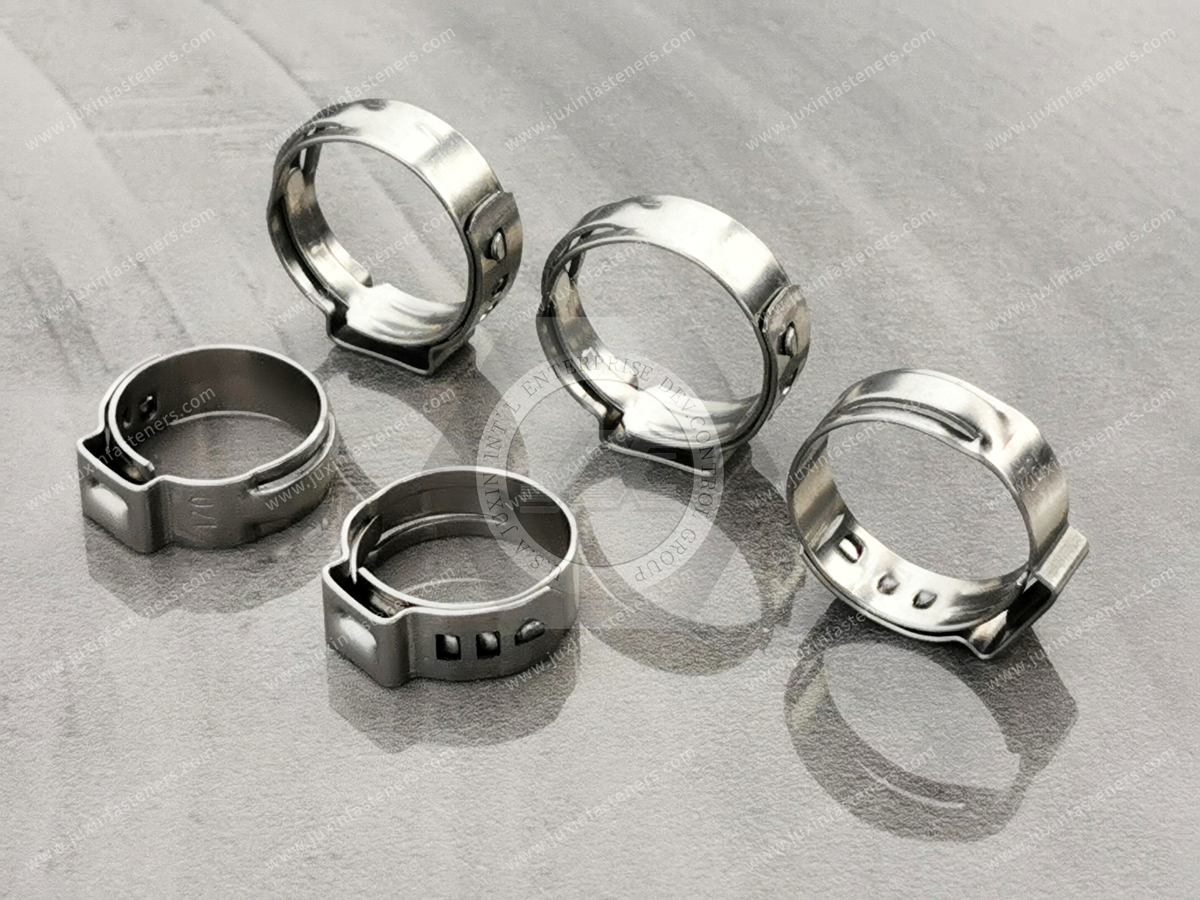
Custom Semiconductor Wet Process Fasteners from JUXIN FASTENERS
JUXIN FASTENERS supplies custom industrial fasteners and precision CNC machined components for international OEM applications.
Our drawing-based product scope includes stainless steel screws, bolts, nuts, studs, washers, threaded inserts, spacers, pins, bushings, and other custom mechanical components.
For semiconductor wet-process equipment, the appropriate manufacturing approach depends on material, geometry, thread specification, dimensional tolerances, chemical exposure, and surface requirements.
Specialized chemical compatibility, cleanliness, testing, and packaging requirements must be reviewed and confirmed for the specific application.
JUXIN FASTENERS does not claim that every supplied stainless steel fastener is automatically compatible with semiconductor process chemicals or suitable for direct wetted contact.
The intended installation environment and customer-defined acceptance criteria determine the final component specification.
Request a Quote for Corrosion-Resistant Semiconductor Fasteners
If your company is sourcing custom corrosion-resistant screws, stainless steel bolts and nuts, 316L threaded components, studs, washers, spacers,
or precision CNC machined parts for semiconductor wet-process equipment, contact JUXIN FASTENERS for technical evaluation and quotation.
Please send your engineering drawings, material specifications, thread requirements, expected quantities, and inspection criteria.
Where applicable, please also identify the chemicals involved, concentrations, operating temperatures, exposure conditions, cleaning procedures, and packaging requirements.
Our team can review the manufacturing requirements and discuss suitable component specifications, production considerations, and commercial quotation details.
JUXIN FASTENERS
Website: https://www.juxinfasteners.com/
Email: info@juxinfasteners.com
Corrosion-Resistant Semiconductor Fasteners | Wet Bench Screws | 316L Stainless Steel Hardware | Custom CNC Components | Drawing-Based OEM RFQ Support
Contact Us
Tel.:
+86 020 8621 0320
+86 020 3121 6067
E-mail:
Technical Support:
Navigation
SEND INQUIREY



