
Call Us
+86 136 6007 9809
Call Us
+86 136 6007 9809

Sep. 25, 2026
Selecting the base material is only part of fastener engineering.
The surface condition of a screw, nut, stud, standoff, captive fastener, self-clinching component, or custom threaded part can influence corrosion resistance, thread fit,
assembly friction, electrical contact, appearance, wear, and long-term joint performance.
This becomes particularly important when fasteners are used in:
electric vehicle systems
AI server infrastructure
electrical cabinets
power electronics
telecommunications equipment
energy storage systems
industrial automation
HVAC equipment
outdoor enclosures
marine and coastal equipment
A surface finish should therefore not be selected only by asking:
“How many hours of salt spray do we need?”
A better engineering question is:
“What combination of base material, environment, joint design, coating system, thread requirements, assembly conditions,
electrical function, corrosion target, and compliance requirements must this fastener satisfy?”
Also searched as fastener plating specifications, OEM fastener coatings, corrosion resistant fastener plating,
zinc nickel fastener plating, black zinc fasteners, passivated stainless steel fasteners, custom plated fasteners,
and fastener coating suppliers, surface-finish selection should be treated as part of the complete fastener specification.
A practical selection path is:
Application environment → base material → mating materials → corrosion requirement → coating system → thickness
→ thread fit → friction requirement → hydrogen embrittlement risk → validation → production control
An unsuitable or poorly controlled finish can contribute to:
premature corrosion
cosmetic discoloration
thread interference
inconsistent tightening
galling
electrical-contact problems
coating damage during installation
galvanic corrosion
delayed brittle failure in susceptible high-strength steel components
The finish should therefore be defined together with the fastener's mechanical and assembly requirements.
Surface finishing is sometimes treated as the last manufacturing operation.
From a design perspective, that is misleading.
A coating can change:
dimensions
thread fit
surface friction
electrical conductivity
appearance
corrosion behavior
interaction with mating materials
For precision or performance-critical hardware, the coating specification should be established before the final drawing and manufacturing process are released.
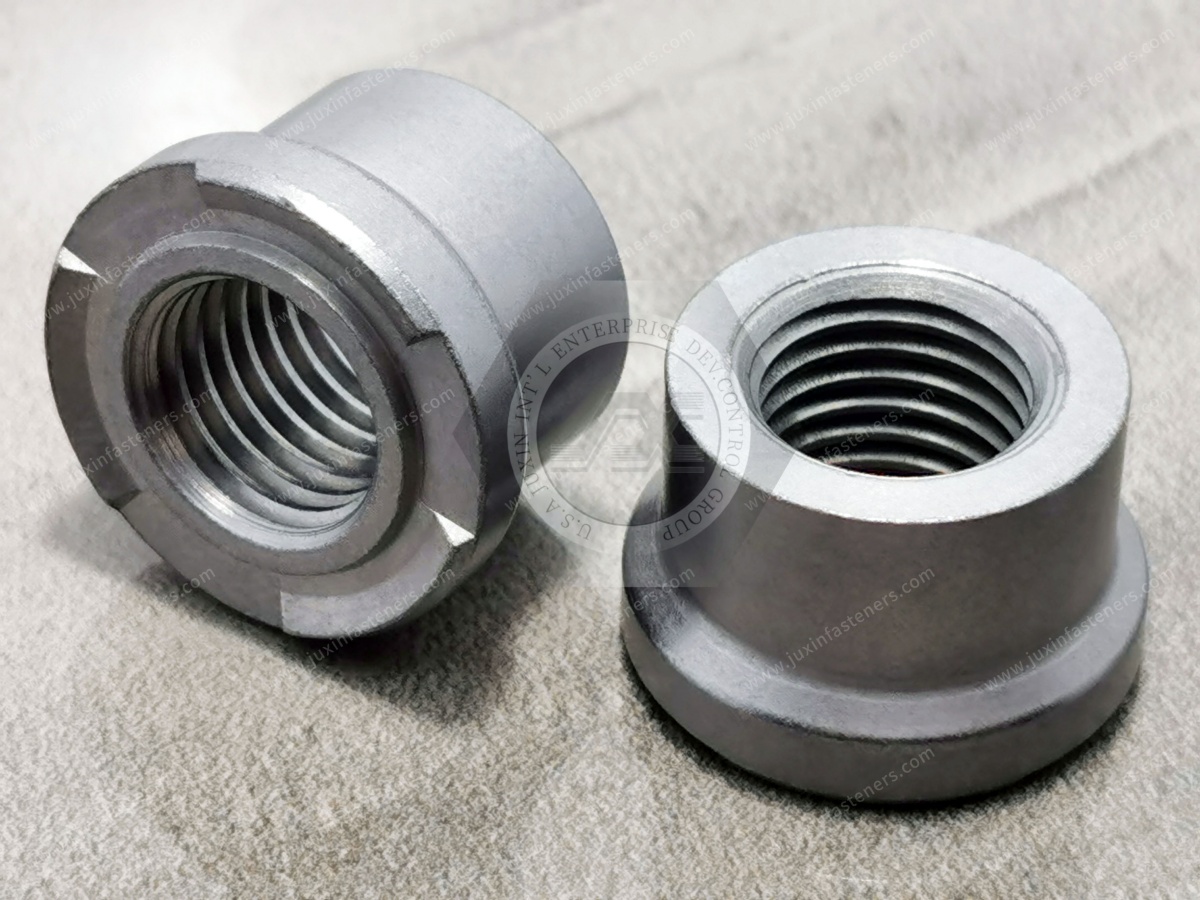
Before choosing a finish, identify where the fastener will operate.
Relevant environmental factors can include:
indoor or outdoor exposure
humidity
condensation
de-icing salts
coastal salt
industrial atmosphere
cleaning chemicals
temperature
thermal cycling
immersion
enclosed or ventilated assembly conditions
A coating suitable for an indoor electronics enclosure may not be appropriate for an underbody automotive component or coastal telecommunications cabinet.
Corrosion performance is not determined by coating chemistry alone.
It can depend on:
substrate material
surface preparation
coating chemistry
coating thickness
passivation
sealer or topcoat
geometry
recesses and edges
handling
installation damage
mating material
actual environment
Therefore, published coating performance should not automatically be converted into a guaranteed fastener performance claim.
Different coating systems solve different engineering problems.
| Surface Finish | Common Engineering Reasons for Selection | Important Design Considerations |
|---|---|---|
| Zinc plating with trivalent passivation | General corrosion protection for steel fasteners | Thickness, passivation, sealer, thread fit, friction |
| Black zinc / black passivated zinc | Dark appearance plus corrosion protection | Cosmetic consistency, corrosion target, handling |
| Zinc-nickel | Higher corrosion-performance applications | Alloy composition, thickness, topcoat, friction, thread fit |
| Zinc-flake systems | Corrosion protection, including applications where electroplating-related hydrogen risk is a concern | Thickness, friction, recess fill, thread fit, application method |
| Electroless nickel | Uniform coating, wear and chemical-resistance applications | Phosphorus content, thickness, hardness, dimensional impact |
| Nickel-based decorative or functional finishes | Appearance, wear, or application-specific performance | Substrate, undercoat, corrosion system, dimensional impact |
| Stainless steel passivation | Removal of surface contamination and support of the stainless passive condition | Stainless grade, surface condition, applicable passivation specification |
| Anodizing for aluminum components | Surface protection and functional or cosmetic requirements | Alloy, anodize type, dimensional buildup, electrical requirements |
This table is a selection framework rather than a universal performance ranking.
Zinc electroplating remains widely used on carbon-steel fasteners because it can provide corrosion protection at relatively low coating thickness.
A complete zinc finish specification may need to identify:
zinc coating
coating thickness
trivalent passivation
clear, black, or other appearance
sealer or topcoat
corrosion requirement
friction requirement
The word “zinc plated” alone may not sufficiently define the required system.
Clear or blue-white trivalent-passivated zinc can be appropriate for many industrial applications where the required corrosion performance,
appearance, and assembly conditions are compatible with the selected system.
The actual performance depends on the complete coating stack and process control.
Black zinc or related dark zinc-based finishes can be selected where a dark appearance is required.
Potential applications include:
equipment faceplates
black enclosures
access hardware
server chassis
optical equipment
industrial control equipment
However, color alone does not define corrosion performance.
A black finish specification should separately establish:
coating chemistry
passivation
topcoat
corrosion requirement
appearance acceptance criteria
This distinction is particularly important during sourcing.
A customer asking for a black fastener may be referring to:
black zinc
zinc-nickel with black passivation
black oxide
black topcoat
black nickel-related finish
another engineered coating
These systems are not automatically equivalent.
The RFQ should define the required function in addition to color.
Zinc-nickel coatings are commonly considered for demanding corrosion environments, including certain automotive, outdoor, electrical, and industrial applications.
Selection should consider:
specified alloy composition
coating thickness
passivation
sealer or topcoat
corrosion requirement
friction requirement
thread fit
mating materials
Zinc-nickel should not be selected only because a project requires a large salt-spray-hour number.
The complete joint environment matters.
Zinc-flake coatings are used in many industrial and automotive fastening applications.
Depending on the system, potential advantages can include:
corrosion protection
controlled friction options
suitability for certain high-strength fastener applications
avoidance of some electroplating-related hydrogen introduction routes
However, coating thickness and geometry still matter.
Potential concerns include:
recess fill
thread fit
coating damage
assembly friction
appearance
The specific coating system should be qualified against the application.
Electroless nickel deposits chemically rather than through conventional electrolytic current distribution.
This can make it useful for components where relatively uniform coverage is important.
Potential applications can include:
precision components
machined fasteners
semiconductor equipment
medical equipment
industrial instrumentation
Important variables include:
substrate
phosphorus content
deposit thickness
heat treatment where applicable
dimensional tolerance
wear requirement
corrosion environment
Electroless nickel should not be specified solely from a generic salt-spray value.
Passivation is fundamentally different from applying a zinc or nickel coating.
For stainless steel, passivation processes are used to remove surface contamination and support formation or restoration of the chromium-rich passive surface condition.
Applicable specifications may include requirements such as ASTM A967/A967M or other customer-defined standards.
Passivation does not convert an unsuitable stainless alloy into a universally corrosion-proof material.
Performance still depends on:
stainless grade
environment
surface condition
contamination
chloride exposure
crevices
joint design
Stainless steel and coated carbon steel use different corrosion-control strategies.
A designer choosing between them should consider:
mechanical properties
corrosion mechanism
cost
magnetic requirements
temperature
galvanic interaction
galling
appearance
maintenance
The correct material-and-finish combination depends on the application rather than a simple corrosion ranking.
Neutral salt-spray testing is widely used to evaluate coating systems under controlled laboratory conditions.
Common test methods include:
ASTM B117
ISO 9227
These standards describe test methods.
They do not independently define the required exposure duration for every fastener.
A useful corrosion requirement should identify, where applicable:
test method
exposure duration
white corrosion criterion
red rust criterion
evaluation area
edge or contact-point exclusions
post-test evaluation requirements
A statement such as:
“ASTM B117 compliant”
is incomplete if no acceptance criterion is provided.
A component that passes a specified number of laboratory salt-spray hours should not automatically be described as having an equivalent number of hours, months, or years of real-world service life.
Laboratory salt spray and actual field exposure involve different conditions.
Real environments can include:
wet/dry cycles
temperature changes
chemicals
road salts
abrasion
UV exposure
trapped moisture
installation damage
Salt-spray results are useful for specification and comparative quality control when interpreted within the applicable test program.
Coating thickness influences:
corrosion protection
dimensional fit
thread fit
recess geometry
appearance
cost
More coating is not automatically better.
Excessive thickness can create problems in:
threads
tight holes
drive recesses
precision shoulders
mating features
The required coating thickness should therefore be coordinated with the component tolerances.
Depending on coating and substrate, methods can include:
X-ray fluorescence
magnetic methods
eddy-current methods
microscopic cross-section
other applicable methods
The correct measurement method depends on:
coating
substrate
geometry
required accuracy
specification
Measurement location also matters because coating thickness may vary across complex geometry.
Threads are particularly sensitive to coating buildup.
A coating applied to thread flanks changes the effective pitch diameter.
If this effect is not considered, the finished fastener may experience:
tight assembly
thread binding
increased driving torque
damaged coating
rejected GO/NO-GO gauge inspection
For conventional 60-degree thread geometry, coating thickness can have a magnified effect on pitch diameter because material is deposited on both thread flanks.
Engineering references may use geometric approximations when evaluating this relationship.
However, the final pre-coating thread allowance should not be determined from a simplified rule alone.
It should account for:
thread standard
external or internal thread
tolerance class
coating specification
deposit distribution
required finished fit
For ISO metric threads, pre-coating thread dimensions may require an appropriate allowance so the finished coated thread remains within the required fit.
Possible tolerance positions depend on the specific thread and coating system.
Do not automatically change every coated thread from one tolerance class to another without dimensional review.
For Unified inch threads, the same engineering principle applies:
the coating must fit within the finished thread requirement.
The applicable ASME/ANSI thread specification and coating allowance should be reviewed during design.
This prevents a common supplier-quality dispute.
If the drawing states only a thread size and coating thickness, the supplier may still need to know:
is the thread tolerance specified on the bare part?
or must the coated finished part meet the thread gauge requirement?
For production fasteners, this should be explicit wherever coating buildup could affect acceptance.
Where required, final thread inspection should represent the delivered condition.
Inspection can include:
GO/NO-GO gauges
ring gauges
plug gauges
dimensional thread measurement
functional mating checks
The method should follow the applicable drawing and specification.
Fastener tightening is strongly influenced by friction.
Applied torque is distributed across:
thread friction
under-head or bearing-surface friction
useful bolt tension
Changes in coating and lubricant can therefore change clamp load even when the installer uses the same torque.
Two visually similar fasteners can produce different tightening behavior if they have different:
coating
passivation
sealer
lubricant
surface roughness
This becomes especially important in:
automotive assembly
automated screwdriving
electrical equipment
structural joints
high-volume production
A fixed friction coefficient should not be assumed for every plated fastener.
Required friction behavior depends on:
coating system
lubricant
joint design
tightening method
customer specification
applicable test method
If friction is a controlled characteristic, the required range and test method should be specified.
Procurement may view a switch from one finish to another as a cosmetic or sourcing change.
Engineering should evaluate whether it changes:
friction
clamp load
tightening torque
electrical contact
corrosion behavior
thread fit
For torque-sensitive assemblies, a finish change may therefore require revalidation.
Topcoats can be used for different reasons, including:
corrosion performance
friction control
appearance
handling
A lubricated topcoat can be useful where controlled tightening behavior is required.
However, the required friction range should come from the joint design or customer specification.
Hydrogen embrittlement is a critical consideration for susceptible high-strength steel components exposed to processes that can introduce hydrogen.
Hydrogen can be introduced during operations such as:
acid cleaning
pickling
electroplating
Under certain material and stress conditions, this can contribute to delayed brittle failure.
Hydrogen embrittlement susceptibility can depend on:
material
hardness
tensile strength
residual stress
component geometry
cleaning process
plating process
applied stress
service environment
Therefore, a single hardness or tensile-strength threshold should not be presented as a universal dividing line for all fasteners.
Applicable control strategies can include:
process selection
surface preparation control
minimizing hydrogen-generating operations
appropriate post-process baking where required
alternative coating systems
verification testing
Relevant standards may include requirements within ISO 4042 and applicable ASTM or customer specifications, depending on the product and process.
ASTM B849 and ASTM B850 address aspects of hydrogen embrittlement risk reduction and post-coating treatment for applicable steel components.
The correct baking:
start time
temperature
duration
depends on the applicable specification and component condition.
Do not apply one fixed bake cycle to every high-strength fastener.
Post-plating baking can be an important hydrogen-embrittlement control for applicable parts.
However, baking should not be described as automatically removing all hydrogen or guaranteeing that delayed fracture cannot occur.
Good engineering control begins earlier with:
material selection
manufacturing process
cleaning
coating-process design
and may include appropriate verification.
Where required, hydrogen-embrittlement testing should follow the applicable component, coating, industry, or customer specification.
Possible standards and methods can vary according to:
component type
strength
coating
application
Do not automatically assign a fixed percentage of tensile strength and fixed test duration to every plated fastener.
When dissimilar metals are electrically connected in the presence of an electrolyte, galvanic corrosion can occur.
Fastener assemblies can involve combinations such as:
steel fastener + aluminum panel
stainless fastener + aluminum panel
plated steel + aluminum
copper-containing component + aluminum structure
The risk depends on the complete joint system.
Relevant factors include:
electrochemical potential difference
surface-area ratio
electrolyte
coating condition
joint geometry
drainage
sealing
electrical isolation
Therefore, a zinc-nickel coating should not automatically be claimed to “prevent galvanic corrosion” in every aluminum assembly.
A small anodic area connected to a much larger cathodic area can create a particularly unfavorable galvanic condition.
This means engineers should evaluate:
fastener material + coating + panel material + exposed area + environment
rather than relying only on a galvanic-series chart.
Some fasteners provide an electrical function in addition to mechanical retention.
Applications can include:
server chassis
electrical cabinets
telecom enclosures
power electronics
grounding studs
In these applications, the surface finish may influence:
contact resistance
electrical continuity
oxide formation
interface durability
A coating selected for maximum corrosion resistance may not automatically provide the desired electrical contact behavior.
An electrically insulating or high-resistance coating may protect the substrate while interfering with a grounding interface.
Engineering may need to define:
masked areas
conductive contact zones
serrated interfaces
controlled coating systems
dedicated grounding hardware
The complete electrical joint should be validated.
Stainless steel threaded fasteners can experience galling under certain assembly conditions.
Risk can be influenced by:
material pairing
thread condition
surface finish
lubrication
installation speed
tightening load
Where galling is a concern, the mitigation strategy should be evaluated as part of the joint design.
Some fasteners have visible cosmetic requirements in addition to corrosion requirements.
Examples include:
black server hardware
appliance hardware
medical equipment
commercial electronics
architectural equipment
The specification may need to define:
color
gloss
acceptable variation
staining
rack marks
contact marks
handling damage
A corrosion test does not automatically define cosmetic quality.
High-density compute infrastructure uses fasteners in:
GPU server chassis
rack systems
power shelves
storage equipment
liquid-cooling distribution units
network hardware
Potential surface-finish requirements can include:
corrosion resistance
cosmetic appearance
grounding
low-profile packaging
assembly friction
Black captive panel screws, plated standoffs, grounding studs, and self-clinching hardware should be specified according to their actual mechanical and electrical functions.
Dark-colored hardware may be selected to match:
black chassis
rack faceplates
service panels
The engineering team should distinguish:
appearance requirement
from
corrosion-performance requirement
because multiple finish systems can produce similar colors but different functional behavior.
Liquid-cooling systems can contain:
pumps
manifolds
cooling distribution units
heat exchangers
piping interfaces
electrical control enclosures
Fastener selection should consider the actual environment, including possible:
humidity
condensation
coolant exposure
dissimilar metals
The coating should not be assumed to provide fluid-system sealing.
Automotive fasteners can experience demanding combinations of:
road salt
moisture
thermal cycling
vibration
dissimilar materials
automated installation
Applications include:
EV battery packs
BMS enclosures
high-voltage junction boxes
traction inverters
underbody systems
thermal-management equipment
Finish selection should follow the applicable OEM or Tier supplier specification.
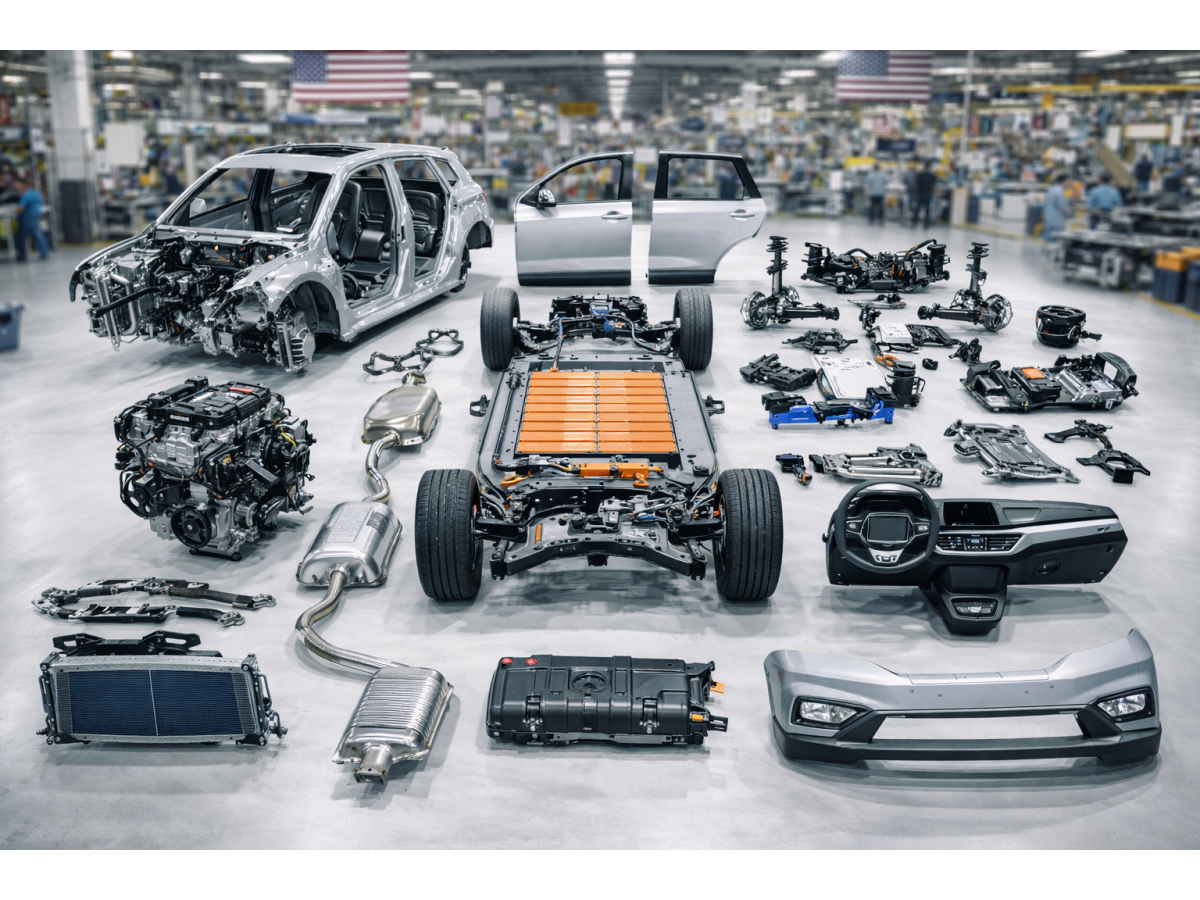
Potential fasteners include:
self-clinching studs
nuts
standoffs
cover fasteners
busbar-related threaded components
Engineering considerations may include:
corrosion
aluminum compatibility
electrical function
coating thickness
thread fit
friction
installation damage
Do not assign a universal zinc-nickel coating or salt-spray requirement to every EV battery component.
Power equipment can use fasteners in:
inverters
UPS systems
switchgear
power distribution units
busbar assemblies
electrical cabinets
The finish may need to support:
corrosion resistance
grounding
low contact resistance
automated assembly
appearance
Where a fastener is part of an electrical current path or grounding path, electrical performance should be validated separately.
BESS equipment may be installed indoors or outdoors.
Potential environments include:
controlled rooms
outdoor containers
coastal sites
industrial locations
Fastener surface requirements should therefore be based on the actual installation environment rather than the phrase “energy storage.”
Telecommunications equipment can be exposed to:
rain
humidity
condensation
industrial atmosphere
coastal salt
Applications include:
5G radio equipment
outdoor cabinets
fiber enclosures
power modules
Possible materials and finishes include coated carbon steel, stainless steel, and other engineered systems depending on the application.
No metallic finish should be described as universally immune to marine or industrial corrosion.
Semiconductor manufacturing equipment may use precision fasteners requiring controlled:
material
surface chemistry
cleanliness
dimensional tolerance
wear
Electroless nickel, stainless steel, or other finishes may be considered depending on the equipment specification.
The customer's cleanliness and process-compatibility requirements should control selection.
Medical diagnostic and laboratory equipment may use fasteners with requirements involving:
corrosion resistance
appearance
cleaning
material traceability
surface cleanliness
Medical suitability should not be inferred from finish type alone.
Automation equipment can use:
shoulder fasteners
locating studs
panel hardware
precision screws
standoffs
Finish selection may consider:
wear
corrosion
friction
appearance
moving interfaces
HVAC and thermal-management equipment can expose hardware to:
condensation
temperature cycling
outdoor atmosphere
cleaning chemicals
Applications include:
air handlers
chillers
cooling units
heat exchangers
thermal enclosures
The coating system should be selected according to the actual service environment.
Coastal environments can create demanding chloride exposure.
Fastener selection should consider:
substrate
coating
stainless grade
crevice geometry
dissimilar metals
maintenance
direct seawater exposure versus atmospheric exposure
A laboratory salt-spray result alone should not be used to claim universal marine suitability.
A new or changed finish should be validated against the applicable drawing and specification.
Depending on the project, qualification may include:
visual inspection
coating thickness
thread fit
corrosion testing
adhesion testing
friction testing
electrical testing
assembly trials
hydrogen embrittlement controls
The required package depends on the application.
For custom or critical finishes, a sample finishing run can be useful before production release.
This can verify:
appearance
coating thickness
thread fit
assembly behavior
corrosion requirement
friction requirement
Samples should represent the intended production process where required.
Measurement locations should be defined where geometry can produce meaningful variation.
A reading on an easily accessible head surface may not represent:
thread root
recess
under-head area
internal feature
The drawing or coating specification should define critical measurement requirements where necessary.
Where ASTM B117 or ISO 9227 testing is required, specify:
sample preparation
exposure duration
evaluation criteria
white corrosion requirement
red-rust requirement
Testing should be performed according to the applicable program requirement.
For torque-sensitive assemblies, the customer may specify a friction range and test method.
This can help maintain a controlled torque-tension relationship across production lots.
Do not use a generic friction coefficient without the customer's joint requirement.
OEM finish specifications may include requirements related to:
RoHS
REACH
restricted substances
hexavalent chromium restrictions
customer-specific substance requirements
Compliance should be verified against the current applicable regulatory and customer requirements.
These requirements address different regulatory obligations.
A finish specification should identify which compliance documentation is actually required rather than treating all environmental declarations as interchangeable.
For critical coating systems, supplier qualification may include review of:
approved process source
bath or process control
thickness control
traceability
inspection
test capability
change control
subcontractor management
Where surface finishing is performed by a qualified external specialist, the fastener supplier should maintain appropriate control of the process and production lots.
When qualifying a second-source fastener supplier, a visually similar finish should not automatically be considered technically equivalent.
Compare:
coating chemistry
thickness
passivation
topcoat
corrosion requirement
friction
thread fit
appearance
electrical behavior where applicable
This is particularly important when the incumbent finish specification is incomplete.
Legacy drawings may contain finish callouts that were sufficient for the original supplier but are not detailed enough for competitive sourcing.
A second-source project provides an opportunity to convert tribal knowledge into a controlled specification.
That can reduce future supplier dependence.
For custom surface finishes for fasteners, fastener plating specifications, zinc-nickel fasteners, black plated fasteners, corrosion-resistant fastener coatings, or OEM fastener surface finish qualification, provide as much of the following information as possible:
2D engineering drawing
drawing revision
3D model where available
fastener type
base material
material grade
strength class
hardness where relevant
heat treatment
thread specification
finished thread requirement
preferred coating system
coating specification
coating thickness
passivation
sealer or topcoat
required color
cosmetic requirements
corrosion test method
salt-spray exposure duration
white corrosion criterion
red-rust criterion
friction requirement
tightening method
installation torque where relevant
mating material
host panel material
electrical grounding requirement
hydrogen embrittlement control requirement
RoHS requirement
REACH requirement
customer-specific restricted-substance requirements
required certificates
sample quantity
required testing
Estimated Annual Usage
production batch size
target production date
If the finish is not yet fully defined, provide the service environment and assembly requirements so the available options can be reviewed.
Useful questions include:
What is the base material?
What environment will the fastener see?
What corrosion requirement applies?
Which test method applies?
What are the acceptance criteria?
What coating thickness is required?
Does coating thickness affect thread fit?
Must the finished thread pass a specific gauge?
Is friction controlled?
Does the finish change the torque-tension relationship?
Is the fastener electrically conductive or part of a grounding path?
What is the mating material?
Is galvanic corrosion a concern?
Is the steel susceptible to hydrogen embrittlement?
What process controls are required?
Is post-coating treatment specified?
Is cosmetic appearance controlled?
Are RoHS, REACH, or customer-specific substance declarations required?
Is a sample finishing trial required?
Is corrosion testing required?
Is lot traceability required?
Does changing the finishing source require customer approval?
These questions connect surface engineering with procurement and supplier qualification.
Identify moisture, salt, chemical, temperature, cosmetic, and electrical conditions.
Determine the substrate and its mechanical and corrosion characteristics.
Evaluate dissimilar-metal and electrical-contact conditions.
Specify the test method and acceptance criteria where laboratory testing is required.
Evaluate zinc, zinc alloy, zinc flake, nickel-based, passivation, or other suitable systems.
Ensure the coating can coexist with dimensional and thread tolerances.
Where tightening performance matters, specify the required friction behavior and test method.
For susceptible steel components, define appropriate process controls and applicable standards.
Use sample coating, dimensional inspection, thread inspection, corrosion testing, friction testing, or assembly trials as required.
Ensure production and procurement use the approved coating callout and change-control requirements.
A robust surface-finish program connects materials engineering, fastener design, assembly engineering, supplier quality, and procurement.
The complete path is:
Service environment → material → coating selection → dimensional review → thread-fit review → friction review → corrosion requirement → process qualification → sample validation → production control
This avoids treating plating as a decorative afterthought.
For engineers, it helps ensure the finished fastener still fits and functions.
For SQEs, it creates measurable acceptance criteria.
For procurement, it creates a specification that can be sourced and compared across suppliers.
For supply-chain teams, it reduces dependence on vague finish descriptions that are difficult to qualify or second-source.
JUXIN FASTENERS supplies standard and custom fasteners, engineered panel hardware, captive panel screws, self-clinching nuts, studs, standoffs, threaded inserts, cold-formed components, precision CNC machined parts, stainless steel fasteners, and drawing-based components for industrial OEM applications.
For projects involving custom fastener surface finishes, fastener plating specifications, zinc plating, zinc-nickel coatings, black finishes, stainless steel passivation, corrosion-resistant fasteners, custom plated fasteners, or surface-finish qualification, our team can review the drawing, base material, application, assembly conditions, and finish requirements as part of the fastener sourcing process.
Depending on the project requirements, the manufacturing and finishing path can include coordination of:
material selection
fastener manufacturing
heat treatment
custom surface finishing
coating thickness requirements
thread-fit requirements
corrosion-testing requirements
friction requirements
hydrogen embrittlement controls
sample finishing trials
dimensional inspection
customer-required documentation
lot traceability
The exact coating chemistry, processing route, testing, certification, and acceptance criteria should be defined according to the customer's drawing,
applicable international standards, service environment, and OEM quality requirements.
For custom fastener coating requirements, drawing reviews, plating specification reviews, sample finishing trials, corrosion-performance requirements,
second-source finish qualification, or production-volume RFQs, send your technical requirements to JUXIN FASTENERS.
Email: info@juxinfasteners.com
Website: www.juxinfasteners.com
 MORE NEWS
Sep. 25, 2026
Sep. 25, 2026
Sep. 25, 2026
Contact Us
Tel.:
+86 020 8621 0320
+86 020 3121 6067
E-mail:
Technical Support:
Navigation
SEND INQUIREY