
Call Us
+86 136 6007 9809
Call Us
+86 136 6007 9809

Mar. 09, 2026
Industrial Fasteners for Electrification, Power Systems and Automation
Custom Screws, Bolts, Nuts, Studs and Precision Machined Components for Electrical Equipment and Industrial OEMs
Electrification is transforming the design and manufacturing of power distribution equipment, renewable energy systems, electric vehicle charging infrastructure,
data center electrical systems and industrial automation equipment.
Across these industries, mechanical fastening components perform essential functions in structural mounting, equipment assembly,
electrical enclosure construction, precision positioning and maintenance.
Although screws, bolts, nuts and studs are relatively small components, their selection can influence joint reliability, production efficiency, serviceability and long-term equipment performance.
For electrical and industrial automation OEMs, fastener engineering involves more than selecting a nominal diameter or material grade.
The correct fastening solution must consider the mechanical load, operating environment, mating materials, thread engagement,
installation process and the functional requirements of the complete equipment assembly.
JUXIN FASTENERS supplies industrial fastening products and drawing-based custom components for international OEM applications.
Our product scope includes standard and custom screws, bolts, nuts, threaded studs, washers, spacers, standoffs, precision pins, bushings and CNC machined mechanical components.
These products can support suitable applications in electrical equipment, power systems, industrial automation and robotics, according to the approved engineering specifications.
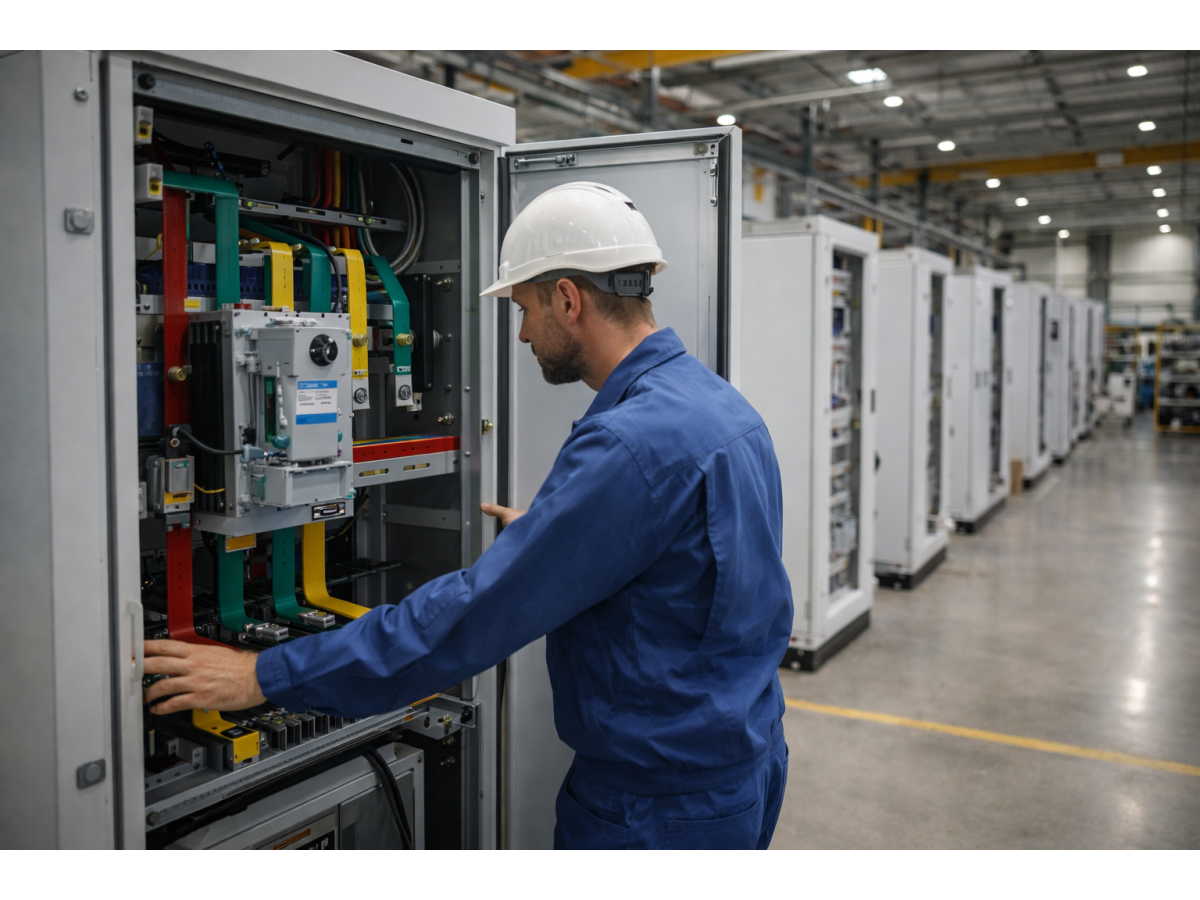
Fastening Requirements Across Electrification and Power Systems
Electrical equipment contains many types of mechanical connections, each serving a different function.
Some fasteners secure structural frames and enclosures.
Others retain mounting brackets, support electrical assemblies, position internal components or provide access for maintenance.
Certain fasteners may form part of an electrical bonding or current-carrying connection, but these applications require additional engineering evaluation.
The fastening arrangement should therefore be selected according to its actual function.
Typical design considerations include:
Mechanical load and joint stiffness
Thread specification and engagement
Mating material and panel thickness
Vibration and thermal cycling
Corrosion resistance
Electrical insulation or bonding requirements
Installation accessibility
Assembly torque and preload
Maintenance frequency
Production volume and inspection requirements
A structural bolt used on an electrical equipment frame may require a different material and tightening method from a screw used to mount a printed circuit board.
Likewise, an enclosure fastener designed for frequent service may require different retention and accessibility features from a permanent structural connection.
Understanding these differences helps engineers specify fastening hardware that matches the equipment's actual operating conditions.
Electrical Equipment Fasteners: Structural Connections and Mounting Hardware
Electrical equipment manufacturers use a wide range of threaded and non-threaded components to assemble power distribution systems, control equipment, protective housings and internal mechanical structures.
Typical products may include:
Hex head bolts
Socket head cap screws
Machine screws
Threaded studs
Hex nuts and locking nuts
Washers
Panel screws
Spacers and standoffs
Custom mounting hardware
CNC machined threaded components
Structural Mounting
Bolts and screws may connect equipment frames, mounting rails, brackets and support structures.
The required fastener strength depends on the load, joint configuration and mating materials.
Panel and Cover Fastening
Machine screws and other panel fasteners may secure access covers and enclosure panels.
Where frequent maintenance is required, captive screw arrangements or other service-oriented fastening designs may be considered.
Internal Equipment Mounting
Threaded studs, spacers and standoffs may position internal assemblies and maintain controlled separation distances.
Custom Interfaces
Non-standard screws, shoulder bolts, threaded blocks and CNC machined components may be required where equipment geometry does not accommodate conventional catalog hardware.
The correct solution should be established through the approved mechanical design.
Fasteners for Busbar Trunking and Power Distribution Assemblies
Busbar trunking systems and electrical distribution assemblies use conductive components to transfer electrical power.
Fastening hardware may be involved in supporting, locating, enclosing or connecting these assemblies.
However, mechanical mounting and electrical current-carrying connections must be distinguished.
Busbar Support Hardware
Fasteners may secure brackets, insulating supports, covers and mechanical mounting structures.
Where insulation is required, the complete insulating system must be evaluated.
A metallic screw or stud is electrically conductive and cannot be assumed to provide electrical isolation.
Busbar Joint Connections
Fasteners used in current-carrying busbar joints may influence contact pressure.
Contact resistance, temperature rise, conductor material, surface condition and thermal cycling are relevant considerations.
A general-purpose structural bolt should not be substituted into an electrical busbar joint without verifying the approved electrical and mechanical design.
Thermal Expansion
Busbar assemblies may combine copper or aluminum conductors with steel fastening hardware.
Differential thermal expansion can influence joint loading.
The resulting behavior depends on the complete assembly geometry and material properties.
Installation Control
Electrical contact joints may require defined tightening procedures, approved washers or other joint-specific components.
The equipment manufacturer's requirements should govern assembly.
Electrical Safety
For applicable low-voltage switchgear and controlgear assemblies, IEC 61439 may be relevant at the equipment level.
Fastener selection alone does not establish compliance with the complete standard.
Electrical Cabinets and Industrial Enclosures
Electrical cabinets are used to house and protect electrical and electronic components in industrial machinery, renewable energy systems, data centers and power distribution equipment.
Fasteners may secure the cabinet structure, doors, covers, mounting plates, internal brackets and supporting components.
The selection should consider mechanical strength, corrosion exposure, service access and enclosure requirements.
Structural Stability
Cabinet frames and internal supports may require bolts, screws and nuts capable of maintaining the intended connection under mechanical loading.
Door and Cover Fastening
Access panels may require removable or captive fastening solutions.
The choice depends on maintenance frequency, accessibility and the enclosure design.
Mounting Plates
Threaded studs, screws, spacers and standoffs may secure internal components or support mounting structures.
Sealing Interfaces
Where a cabinet requires protection against dust or water ingress, fastener locations and tightening procedures can affect the enclosure sealing system.
However, an ordinary fastener does not independently establish an IP rating.
Grounding and Protective Bonding
Certain cabinet connections may form part of the protective bonding arrangement.
Electrical continuity depends on the complete connection design, including surface treatments, contact interfaces and approved bonding methods.
Mechanical tightness alone does not guarantee adequate grounding continuity.
Explosion-Protected Enclosures
Equipment intended for potentially explosive atmospheres may require specialized fastening arrangements.
Where applicable, IEC 60079-series requirements and the equipment's certification conditions must be considered.
A standard industrial screw should not be represented as independently explosion-proof.
Engineering Considerations for Electrical Cabinet Fasteners
The performance of a cabinet fastening system depends on the interaction between the fastener and the enclosure materials.
Thin Sheet Metal
Thin steel or aluminum panels may have limited thread engagement.
Depending on the design, engineers may evaluate threaded inserts, clinch fasteners, weld nuts, rivet nuts or other suitable fastening arrangements.
Panel Thickness
The panel thickness influences the available thread engagement and the feasibility of certain installation methods.
Surface Coatings
Painted, powder-coated or plated surfaces may affect friction, electrical contact and corrosion behavior.
Where a connection requires electrical bonding, the approved design must account for the coating system.
Corrosion Exposure
Outdoor electrical cabinets and equipment installed in industrial environments may require appropriate corrosion protection.
The coating or material should be selected for the actual exposure conditions.
Maintenance
Repeated removal of covers or access panels can influence thread wear and fastener selection.
Assembly Efficiency
A suitable fastening arrangement should provide adequate tool access and support consistent installation during production.
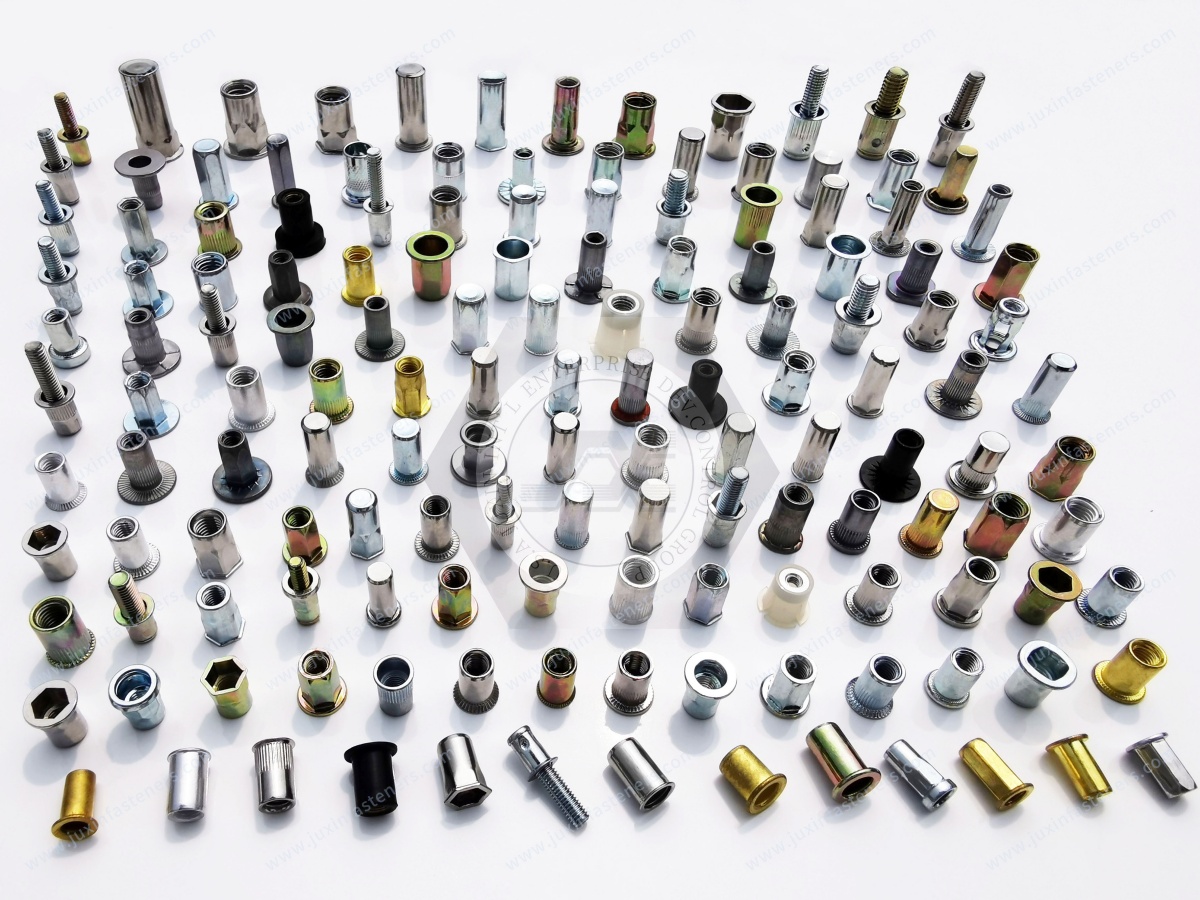
Industrial Automation Fasteners: Precision, Stability and Repeatability
Industrial automation systems contain moving mechanisms, positioning equipment, sensors, actuators and structural assemblies.
Fasteners used in these systems may experience vibration, repeated motion, mechanical loading and changing environmental conditions.
For automation equipment manufacturers, the fastening system must support the intended mechanical function without introducing unnecessary assembly variation.
Structural Connections
Bolts and screws may secure machine frames, brackets, equipment supports and actuator mounting components.
Joint stiffness and preload may influence the mechanical behavior of these connections.
Precision Positioning
Locating pins, precision bushings and machined interfaces may help establish repeatable component positioning.
A threaded fastener primarily provides clamping force and should not automatically be relied upon as the sole precision locating feature.
Vibration Resistance
Where equipment experiences vibration, the joint design should consider preload retention, relative movement and potential loosening.
Modular Equipment
Industrial automation systems may require components that can be removed and replaced during maintenance.
The fastening arrangement should balance secure retention with serviceability.
Compact Assemblies
Where installation space is limited, socket head screws, low-profile fasteners or custom components may be considered, subject to the approved design.
Production Repeatability
Dimensional consistency, thread quality and suitable assembly methods can help reduce variation during equipment manufacturing.
Fasteners for AI Robotics and Robotic Automation Systems
Robotic equipment requires precise mechanical assembly, controlled motion and reliable connections between structural and moving components.
Fasteners may be used in robotic arms, end effectors, actuator mounts, sensor brackets, mobile robot frames and automation modules.
However, robot accuracy is determined by the complete mechanical and control system.
Fasteners contribute to joint integrity, but they do not independently determine robotic positioning accuracy.
Robotic Arm Mounting
Bolts and screws may secure structural joints and mounting interfaces.
The design must account for mechanical loading, vibration and required stiffness.
Actuator and Motor Mounting
Custom screws, studs and machined brackets may support actuator assemblies.
Critical features may include mounting-hole position, surface flatness and installation access.
Sensor Mounting
Precision machined blocks, brackets and small fasteners may support sensors and electronic modules.
Where alignment is important, locating features and geometric tolerances should be defined appropriately.
End Effectors
Robotic grippers and end effectors may require compact fasteners, shoulder screws, precision pins and custom mechanical components.
The appropriate design depends on payload, motion and maintenance requirements.
Autonomous Mobile Robots
Mobile robotic systems may require fastening hardware for frames, wheel modules, battery enclosures and protective covers.
Vibration, weight and maintenance accessibility may be important considerations.
Collaborative Robotics
Where robotic equipment operates near people, the fastening arrangement must support the approved equipment design and applicable safety requirements.
Fastener selection alone does not establish robotic system safety.
Precision CNC Machined Components for Robotics
Robotic assemblies often require components that combine threaded interfaces with accurate locating features.
These may include:
Precision shafts
Shoulder bolts
Locating pins
Bushings
Spacers
Standoffs
Custom mounting blocks
CNC machined brackets
Threaded sleeves
The manufacturing process should reflect the component's geometry, tolerance requirements and mechanical function.
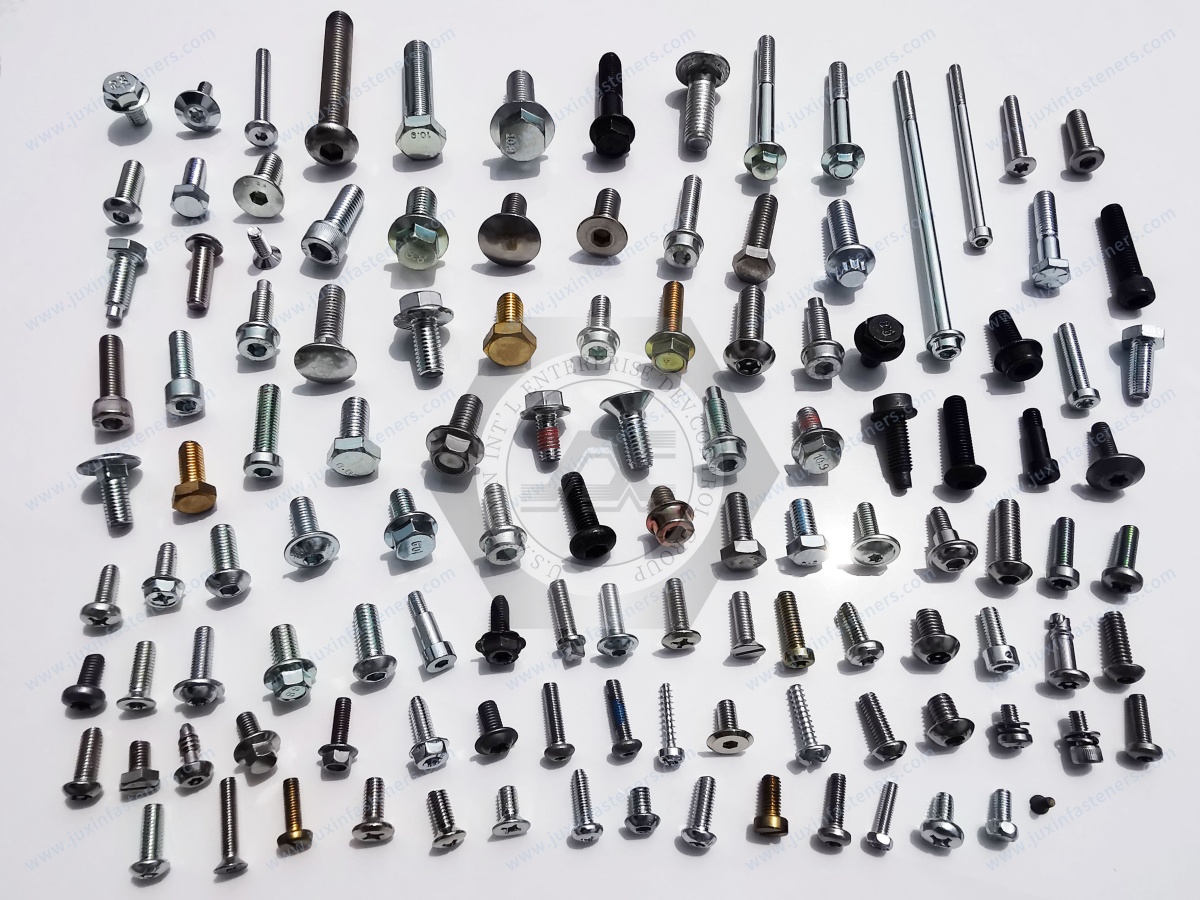
Engineering Information Gain: Clamping and Locating Are Different Functions
A common design issue in industrial automation is expecting a threaded fastener to perform both precise location and mechanical clamping without an appropriate locating strategy.
In many assemblies, the primary function of a bolt is to generate clamping force.
Accurate positioning may instead depend on dowel pins, precision shoulders, machined reference surfaces or other locating features.
For example, a robotic sensor bracket may be attached with two screws.
If the mounting holes provide clearance for the screws, the bracket may shift within that clearance during assembly.
Tightening the screws can secure the bracket, but it does not necessarily establish a repeatable sensor position.
Where repeatable location is required, engineers may introduce suitable locating features and define their geometric relationships.
This approach can improve assembly consistency and reduce the need for manual adjustment.
Vibration, Preload and Joint Reliability
Industrial equipment and robotic systems may experience vibration from motors, moving mechanisms, transportation or operating loads.
A bolted joint must maintain sufficient integrity under the expected conditions.
Joint Preload
Preload helps clamp the connected components together.
The appropriate preload depends on the fastener, joint materials and external loads.
Self-Loosening
Under certain conditions, transverse movement between clamped surfaces can contribute to rotational self-loosening.
Locking Nuts
Prevailing-torque nuts or other approved locking components may be considered where appropriate.
Mechanical Locking Features
Certain applications may use specialized locking washers, retainers or other mechanical features.
Their suitability depends on the joint design.
Thread-Locking Compounds
Thread-locking compounds may be appropriate for selected assemblies, subject to temperature, chemical compatibility and maintenance requirements.
Installation Torque
Torque is a common assembly control method, but the relationship between torque and preload is influenced by friction.
Material, surface treatment and lubrication can affect the resulting preload.
Engineering Validation
For critical joints, the fastening system should be evaluated according to the expected mechanical loading and assembly requirements.
A product described as vibration-resistant should not be assumed suitable for every dynamic application.
Material Selection for Electrification and Automation Fasteners
Fastener materials should be selected according to mechanical loading, environmental exposure, temperature and the mating assembly.
Carbon Steel
Carbon steel fasteners may be suitable for structural and general-purpose equipment connections.
Where applicable, ISO 898-1 provides mechanical property requirements for specified carbon steel and alloy steel bolts, screws and studs.
Alloy Steel
Alloy steel may be selected where particular strength or mechanical properties are required.
Surface protection and environmental compatibility should be considered.
Stainless Steel
Stainless steel fasteners may be appropriate for selected applications requiring corrosion resistance.
ISO 3506-1 may be relevant for applicable corrosion-resistant stainless steel bolts, screws and studs.
The actual grade should be selected according to the application.
Aluminum
Aluminum may be used for selected lightweight mechanical components.
However, aluminum fasteners should not be assumed to provide the same strength or fatigue performance as steel fasteners.
Copper and Copper Alloys
Copper-based components may be appropriate where electrical or thermal conductivity is required.
Their use in electrical connections requires evaluation of contact resistance, mechanical properties and temperature effects.
Engineering Plastics
Plastic fastening components may be considered where electrical insulation, low weight or other polymer-specific properties are required.
Their mechanical behavior, temperature limits and long-term creep characteristics should be evaluated.
Material Compatibility
Dissimilar metals may create galvanic corrosion concerns in certain environments.
The complete material combination should be reviewed where moisture or conductive contaminants may be present.
Surface Treatment and Corrosion Protection
Surface treatment can influence corrosion resistance, friction, appearance and dimensional fit.
Depending on the application, relevant options may include zinc-based coatings, other protective finishes or stainless steel passivation.
The selected treatment should be compatible with the material and operating environment.
Electrical Contact Requirements
A corrosion-resistant coating may not provide the desired electrical contact properties.
For grounding or current-carrying connections, the approved electrical design must account for the surface condition.
Thread Fit
Coating thickness may affect thread fit.
Where necessary, the finished thread condition should be defined.
Installation Consistency
Changes in coating or lubrication can influence tightening friction and resulting preload.
Hydrogen Embrittlement
Certain high-strength steel fasteners may be susceptible to hydrogen embrittlement associated with particular manufacturing or coating processes.
Where applicable, this risk should be considered during material and process selection.
Environmental Exposure
Outdoor installations, humid industrial environments and chemically exposed equipment may require different material or coating systems.
Thread Specifications and International Standards
International OEM equipment may use different thread systems.
ISO metric threads may be specified according to ISO 261 and ISO 965.
Unified UNC and UNF threads may be specified according to ASME B1.1.
British Whitworth thread systems, including BSW and BSF, use different thread geometry and specifications.
These thread systems are not directly interchangeable.
The engineering drawing should clearly identify the required thread system, nominal diameter, pitch or threads per inch, tolerance class and relevant mating requirements.
For applicable socket head cap screws, ISO 4762 or ASME B18.3 may be relevant depending on the specified product.
For applicable hexagon head bolts and screws, ISO 4014 and ISO 4017 may be relevant.
Standards should be selected according to the actual fastener type rather than included solely for search visibility.
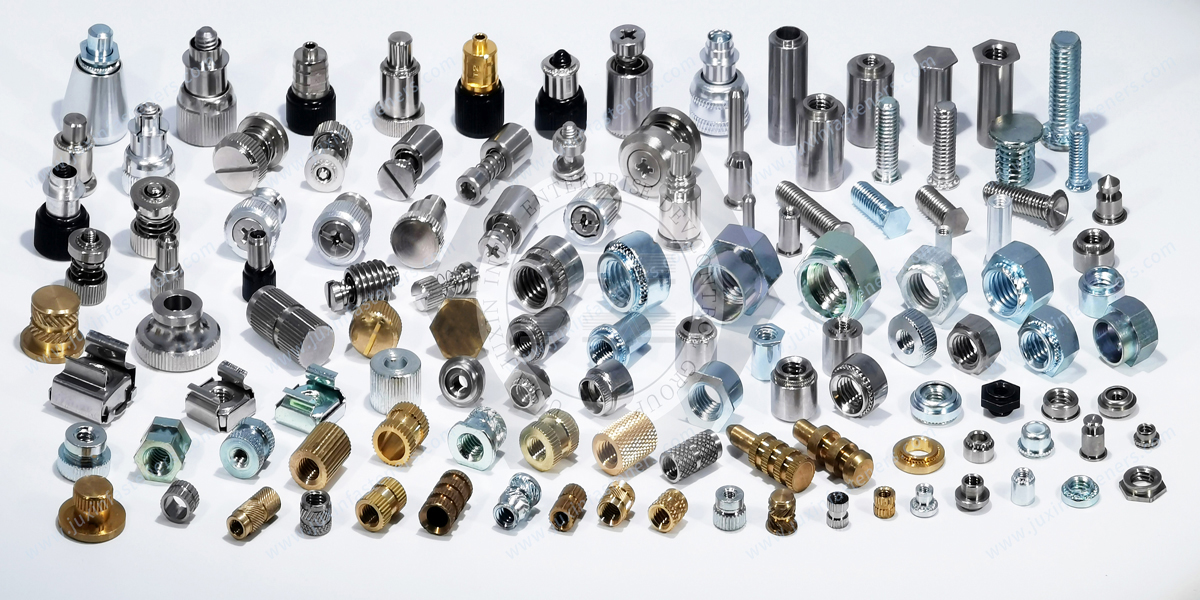
Fasteners for EV Charging and Renewable-Energy Equipment
Electrification infrastructure requires fastening components for structural mounting, electrical equipment housings, mechanical supports and maintenance access.
EV Charging Stations
Screws, bolts, nuts and custom threaded components may support charger enclosures, mounting brackets and internal mechanical assemblies.
Outdoor installations may require suitable corrosion resistance and sealing arrangements.
Solar Power Equipment
Fasteners may be used in suitable equipment mounting structures, inverter housings and electrical assemblies.
Where fasteners are part of structural solar mounting systems, applicable structural and environmental requirements must be established.
Energy Storage Systems
Mechanical fasteners may support battery energy storage enclosures, equipment frames, cooling structures and internal mounting arrangements.
Electrical isolation and battery-system safety requirements must be evaluated separately.
Power Conversion Equipment
Inverters and converters may require mounting screws, studs, spacers and precision machined components.
Thermal cycling and electrical interfaces may influence the design.
Data Center Electrical Infrastructure
Fasteners may support electrical cabinets, power distribution equipment, equipment racks and associated mechanical structures.
The appropriate product depends on the specific assembly and installation requirements.
Custom Fasteners and CNC Machined Components for OEM Projects
Not every industrial assembly can be manufactured using standard catalog fasteners.
OEM engineers may require custom dimensions, non-standard head geometries, precision shoulders, special threads or integrated mechanical features.
JUXIN FASTENERS supports drawing-based custom fastening and precision machining requirements.
Potential product categories include:
Custom bolts and screws
Special threaded studs
Non-standard nuts
Shoulder screws
Precision spacers
Threaded standoffs
Locating pins
Bushings and sleeves
CNC machined brackets
Custom mounting blocks
Other drawing-based mechanical components
Manufacturing feasibility depends on the geometry, material, tolerances, quantity and inspection requirements.
For some components, cold forming may be appropriate.
Other designs may require CNC turning, milling or secondary machining.
The manufacturing method should be selected according to the actual product requirements.
Manufacturing Engineering and Assembly Efficiency
For production managers, a fastening system should support repeatable assembly and stable manufacturing operations.
Fastener Accessibility
Adequate tool access can reduce installation difficulties.
Part Standardization
Where technically appropriate, standardizing fastener sizes and drive types may simplify inventory and assembly.
Thread Engagement
The required engagement depends on the materials, loads and joint geometry.
Captive Fastening
Captive fastening arrangements may reduce the risk of losing removable hardware during service.
Automated Installation
Fastener geometry and feeding characteristics may influence suitability for automated assembly.
Torque Control
Where specified, tightening processes should use appropriate tools and approved procedures.
Inspection
Critical fastener characteristics should be identified from the engineering drawing.
Maintenance
Equipment designed for repeated servicing may benefit from fastening arrangements that permit controlled disassembly and reassembly.
These considerations can influence total assembly cost and long-term equipment serviceability.
Quality Control and Repeat Production
For OEM fastener procurement, quality requirements should reflect the component's function and the approved specification.
Depending on the product, inspection may include:
Material identification
Thread dimensions
Overall dimensions
Head geometry
Mechanical property requirements
Surface treatment
Dimensional tolerances
Visual condition
Functional fit
Customer-defined documentation
For precision machined components, geometric characteristics such as position, flatness, perpendicularity or concentricity-related requirements may be relevant where properly specified.
Repeat production should follow the approved drawing revision and agreed inspection requirements.
OEM Supplier Development and Procurement Considerations
Purchasing managers, procurement specialists and supply chain teams should evaluate fastening suppliers according to both technical and commercial requirements.
Product Compatibility
The supplied component must match the approved drawing, material and thread specifications.
Standard and Custom Options
Standard fasteners may offer cost and lead-time advantages where they satisfy the design.
Custom components may be necessary for specialized mechanical interfaces.
Manufacturing Feasibility
Custom geometry, material and tolerance requirements should be reviewed before quotation.
MOQ
Minimum order quantities depend on the product, material, manufacturing process and order volume.
Lead Time
Lead time depends on material availability, tooling, production complexity, finishing and inspection requirements.
Supply Continuity
Repeat orders benefit from controlled specifications, drawing revisions and clear purchasing information.
Total Procurement Cost
Unit price should be evaluated alongside assembly efficiency, quality consistency, inspection requirements and supply reliability.
Preparing an RFQ for Electrical and Automation Fasteners
To support technical evaluation and accurate quotation, OEM customers should provide:
Product drawing or reference sample
Fastener type
Material grade
Thread specification
Required dimensions
Mechanical property requirements
Surface treatment
Mating material and panel thickness
Expected mechanical loads
Vibration or temperature requirements
Electrical insulation or bonding requirements where applicable
Inspection and documentation requirements
Prototype and production quantities
Delivery destination and required schedule
For custom machined components, 2D drawings and 3D CAD models can help clarify geometry and functional requirements.
For electrical contact joints, grounding interfaces or explosion-protected equipment, the relevant equipment-level requirements should also be identified.
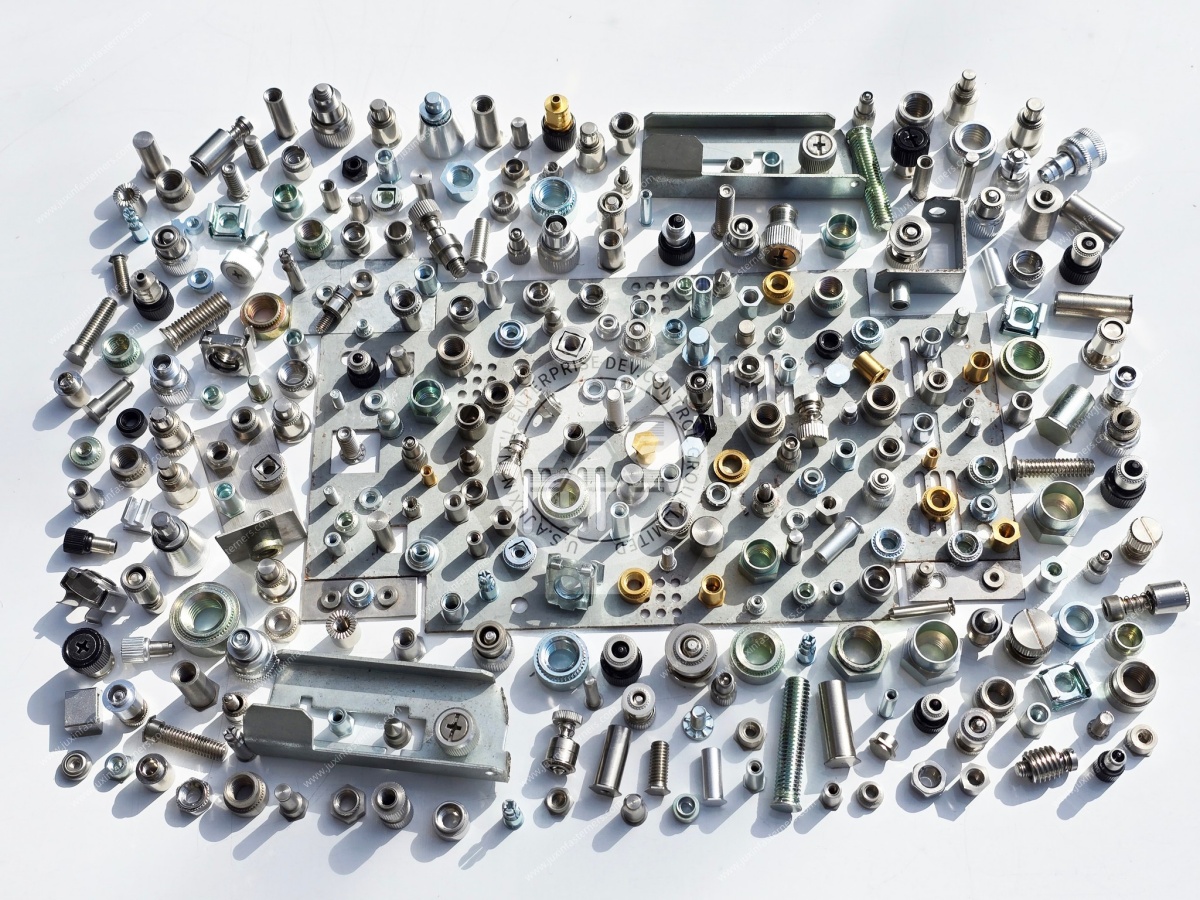
JUXIN FASTENERS for Electrification and Industrial Automation OEMs
JUXIN FASTENERS supplies industrial fastening products and custom mechanical components for international OEM applications.
Our product scope includes screws, bolts, nuts, threaded studs, washers, spacers, standoffs, precision pins, bushings and drawing-based CNC machined components.
These products may support suitable applications in electrical equipment, power distribution systems, industrial cabinets, EV charging infrastructure, renewable energy equipment, industrial automation and robotics.
Product selection and manufacturing feasibility depend on the actual drawing, material, tolerances, quantity and application requirements.
Specialized electrical contact performance, protective bonding, enclosure IP protection, explosion protection and equipment-level safety compliance must be evaluated according to the relevant system design.
Standard mechanical fasteners should not be represented as independently certified electrical safety or intelligent monitoring components without supporting evidence.
Request a Custom Fastener Quote for Electrification and Power Systems
If your company is sourcing industrial fasteners for electrical cabinets, power distribution equipment, industrial automation, robotics,
EV charging systems or renewable-energy equipment, contact JUXIN FASTENERS for technical review and quotation.
We welcome inquiries for custom screws, bolts, nuts, studs, spacers, standoffs and precision CNC machined components.
Please send your drawings, material specifications, thread requirements, expected quantities and relevant inspection criteria.
Our team can review the product requirements and discuss suitable manufacturing approaches and commercial quotation details.
JUXIN FASTENERS
Website: https://www.juxinfasteners.com/
Email: info@juxinfasteners.com
Electrification Fasteners | Electrical Cabinet Hardware | Power Distribution Fasteners | Industrial Automation Components | Robotics Fasteners | Custom OEM RFQ Support
Contact Us
Tel.:
+86 020 8621 0320
+86 020 3121 6067
E-mail:
Technical Support:
Navigation
SEND INQUIREY



