
Call Us
+86 136 6007 9809
Call Us
+86 136 6007 9809

Aug. 27, 2026
Energy storage systems (ESS) are becoming an important part of modern electrical infrastructure, supporting renewable energy integration, grid stabilization, backup power and high-power energy management.
A typical energy storage system combines battery cells and modules, battery enclosures, power conversion systems, thermal management, electrical protection, control equipment and structural components.
These assemblies require reliable mechanical fastening to maintain structural integrity throughout long operating periods and changing environmental conditions.
For ESS manufacturers and engineering teams, fastener selection is not simply a matter of choosing a standard bolt or nut.
The fastening system must be compatible with the enclosure material, component thickness, assembly process, environmental conditions, vibration requirements and expected service life.
JUXIN Fasteners supplies industrial fasteners and precision-machined components for energy storage systems, battery enclosures, ESS cabinets, power conversion equipment and electrical infrastructure.
Our product range includes thread inserts, rivet nuts, self-clinching nuts, screws, bolts, stainless steel fasteners, locking nuts and CNC machined components.
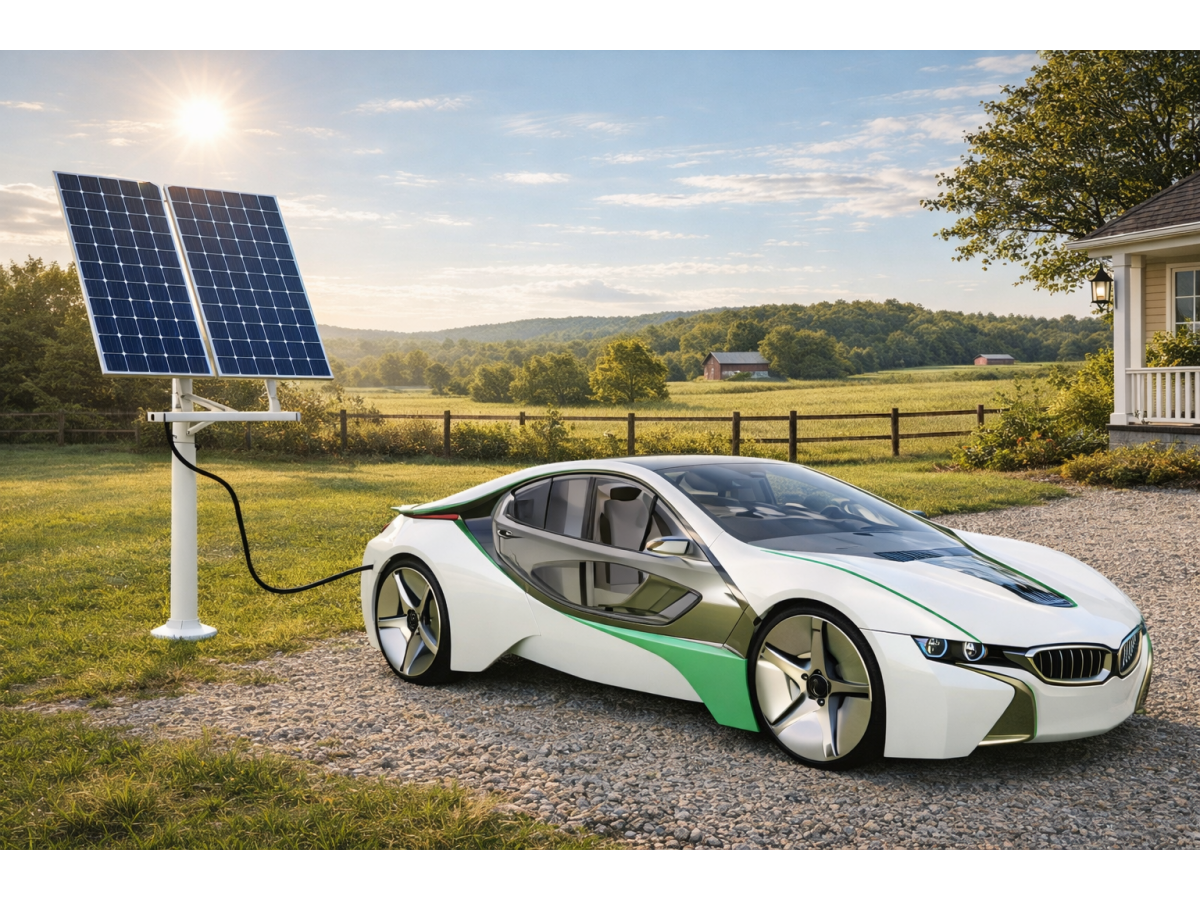
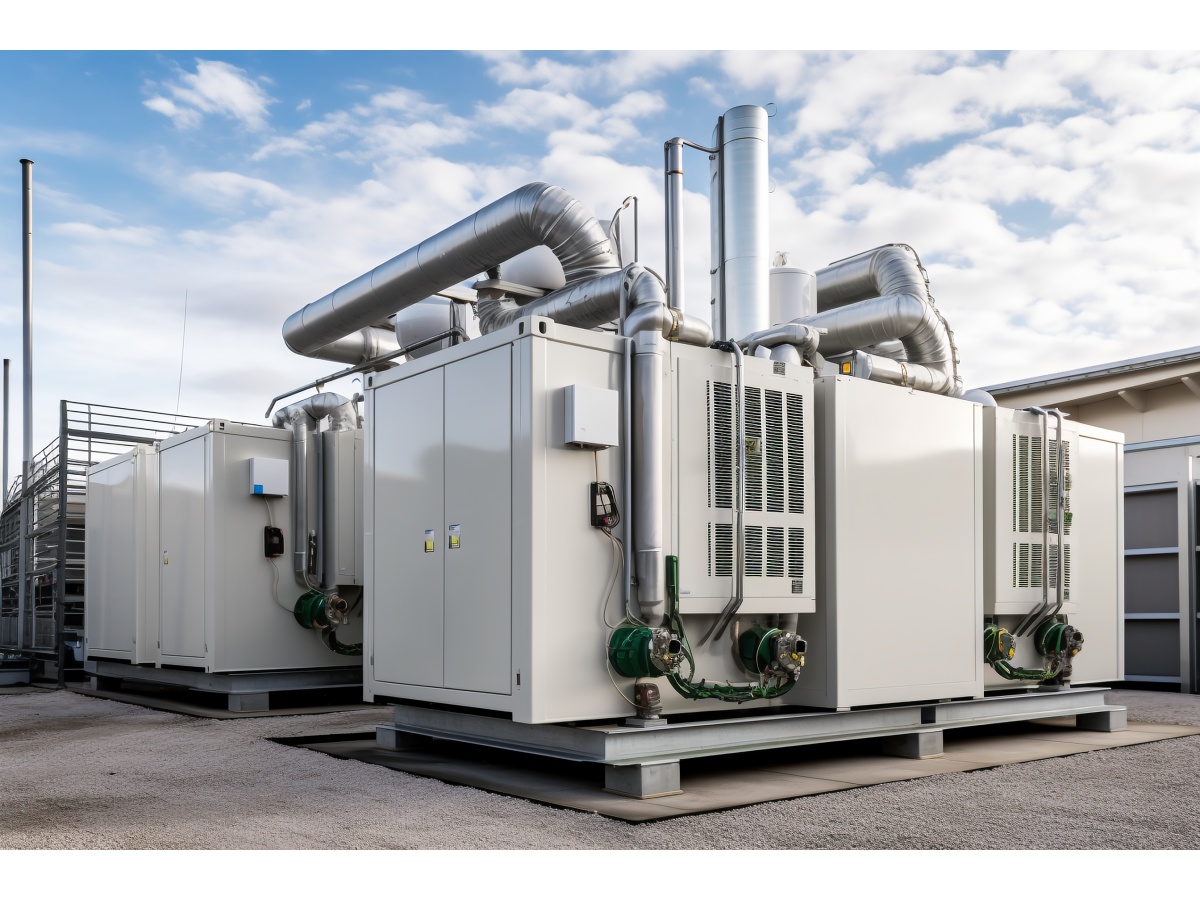
ESS equipment can range from compact battery systems to large containerized energy storage installations.
Mechanical fastening is required throughout the system, from the battery enclosure to electrical cabinets and thermal-management assemblies.
JUXIN fasteners can support applications including:
Battery enclosures and battery housings
Battery modules and module supports
ESS cabinets
Containerized energy storage systems
Power conversion systems (PCS)
Electrical cabinets
Control panels
Battery management system enclosures
Cooling systems and thermal-management assemblies
Busbar structures and electrical supports
Inverter equipment
Internal mounting brackets
Protective covers and access panels
Structural supports and equipment mounting components
These applications can involve aluminum, carbon steel, stainless steel, sheet metal, engineering plastics and other engineered materials.
The appropriate fastening technology should therefore be selected according to the complete joint design.
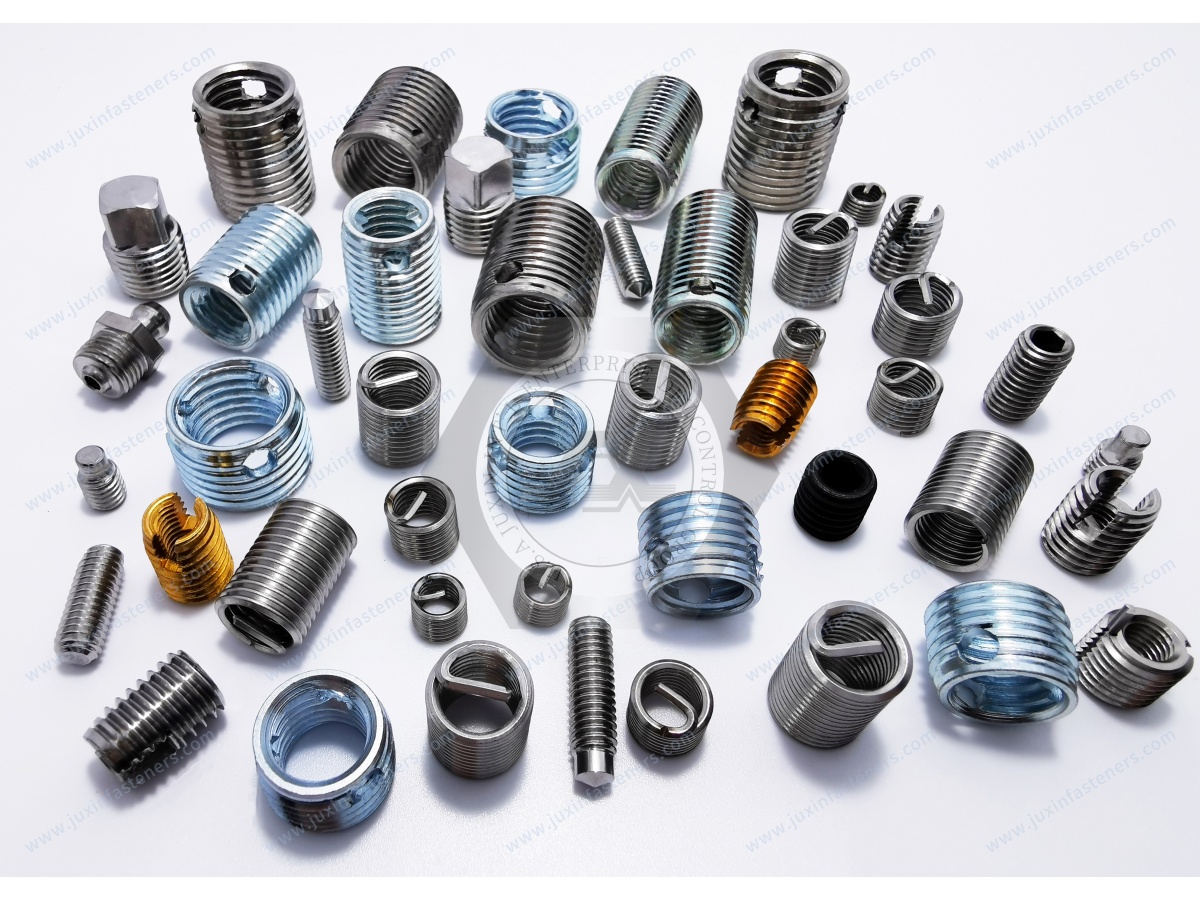
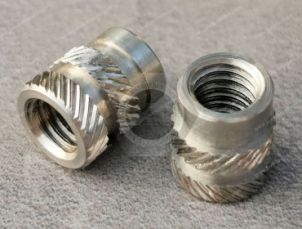
Thread inserts are useful when engineers need a durable internal thread in aluminum, plastic, composite or other materials where directly tapping the base material may not provide the required performance.
In ESS equipment, thread inserts can create reusable threaded mounting points for battery covers, electrical housings, brackets and serviceable components.
They are particularly useful where:
Lightweight materials are used
Repeated assembly and disassembly is required
The base material has limited thread strength
A durable metal thread is required
Components require service access
Space limitations affect conventional nut installation
For battery enclosure and ESS cabinet designs, engineers should consider substrate material, wall thickness, hole size, thread specification and installation method when selecting a thread insert.
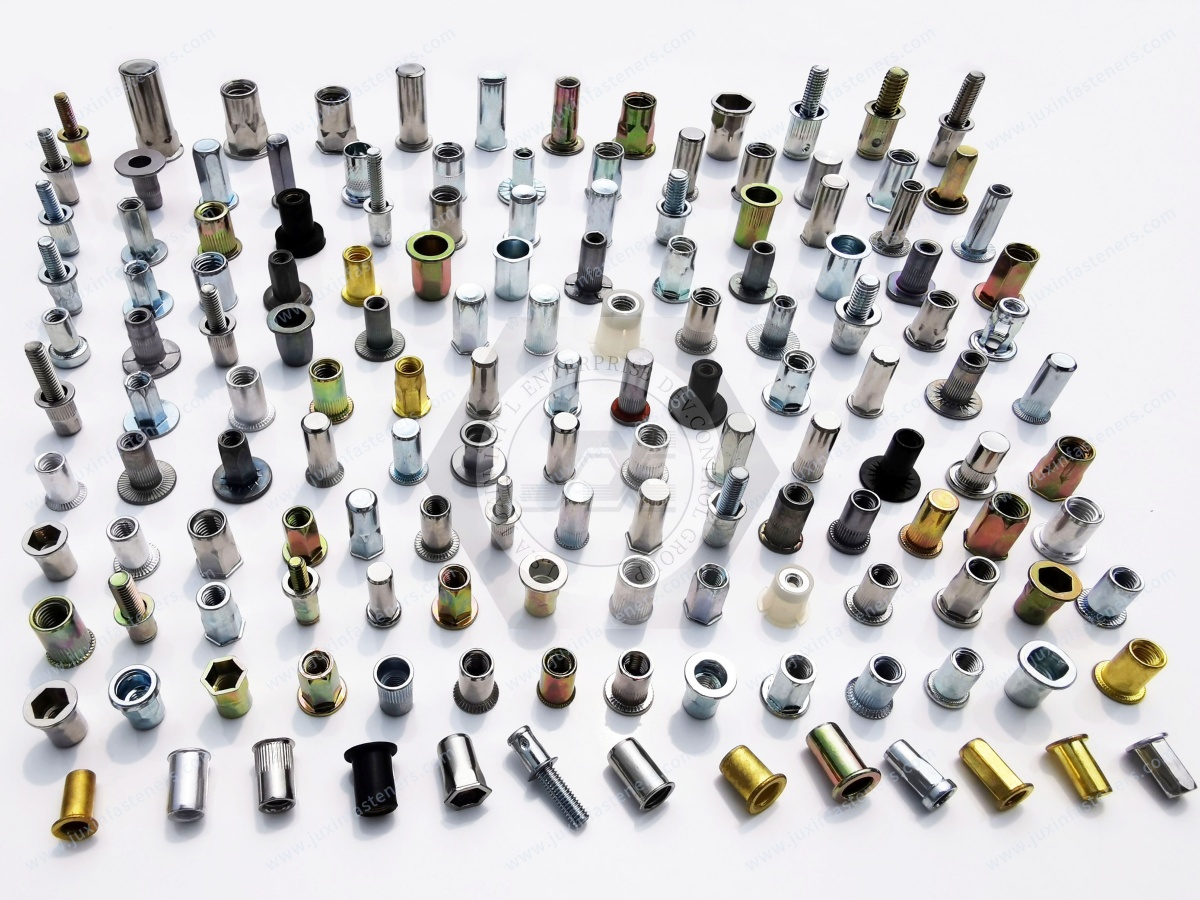
Rivet nuts, also called blind rivet nuts or threaded rivet nuts, provide a threaded fastening point in thin sheet materials while allowing installation from one accessible side.
This makes them particularly useful for battery enclosures, ESS cabinets, electrical cabinets and sheet-metal structures where access to the rear side of a panel is restricted.
Rivet nuts can be used for mounting:
Battery enclosure covers
Electrical panels
Control equipment
Cooling-system brackets
Cable-management components
Internal supports
Service panels
Protective covers
For ESS manufacturers, one-sided installation can simplify assembly where the enclosure geometry makes conventional nuts difficult or impossible to install.
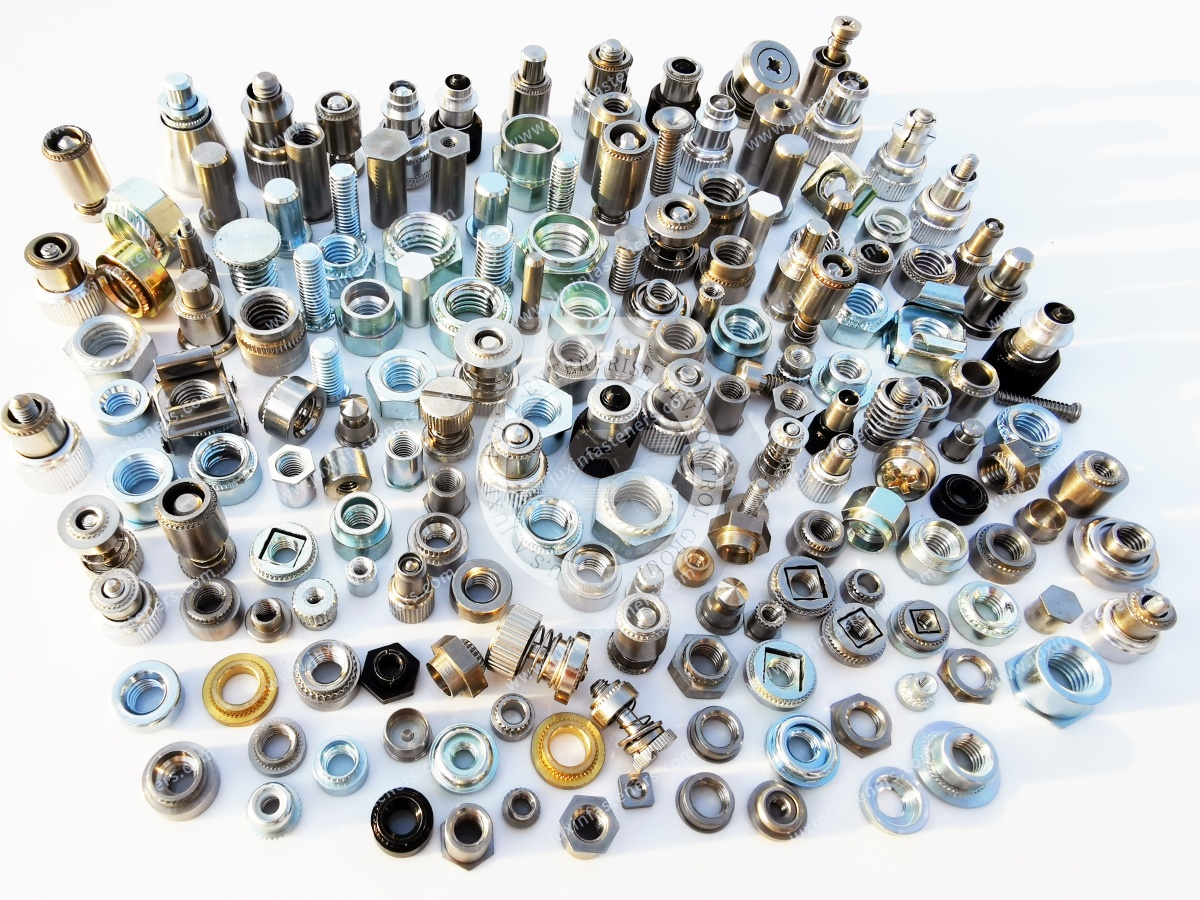
Self-clinching nuts provide permanent threaded attachment points in sheet-metal components.
They are installed into properly prepared holes and mechanically secured within the panel.
This fastening method can eliminate the need for loose nuts during final assembly and can help simplify the manufacturing process for electrical cabinets and battery enclosures.
Self-clinching nuts can be considered for:
ESS cabinet panels
Battery enclosure structures
Control panels
Electrical equipment housings
Internal brackets
Power conversion equipment
Sheet-metal supports
The appropriate product should be selected according to sheet thickness, material hardness, hole dimensions, thread requirements and installation force.
The battery enclosure is a critical mechanical structure within an energy storage system.
It may need to protect internal battery modules and electrical components while supporting covers, brackets, cooling equipment and serviceable components.
Battery enclosure fasteners may include screws, bolts, rivet nuts, self-clinching nuts, thread inserts and locking nuts depending on the enclosure construction.
For aluminum battery housings and lightweight sheet-metal structures, fastening solutions should provide adequate mechanical performance without unnecessarily increasing system weight.
Serviceable enclosure designs may also benefit from reusable threaded connections, allowing authorized personnel to access internal components without damaging the fastening structure.
Thermal management is another important part of an energy storage system.
Battery modules and power electronics generate heat during operation, while environmental conditions can also influence system temperature.
Mechanical fastening is used to secure:
Cooling plates
Heat sinks
Cooling channels
Thermal brackets
Fans and cooling assemblies
Pump assemblies
Thermal-management housings
Internal cooling supports
Fastener selection for these components should consider temperature cycling, vibration, corrosion exposure, material compatibility and installation requirements.
For systems combining aluminum cooling components with steel or stainless steel fasteners, engineers should also evaluate potential galvanic compatibility issues and select suitable materials or surface treatments where required.
Many energy storage systems are installed outdoors or in semi-exposed environments.
These applications can involve humidity, condensation, temperature changes and other environmental conditions.
Stainless steel fasteners can provide a corrosion-resistant option for selected ESS applications, particularly where environmental exposure is a significant design consideration.
They may be used for:
Outdoor battery enclosures
ESS cabinet assemblies
Cooling-system components
Electrical equipment
Access panels
Mounting brackets
Structural components
Material selection should be based on the actual operating environment, mechanical requirements and compatibility with the materials being joined.
Large energy storage equipment can experience vibration from cooling fans, pumps, power-conversion equipment, transportation and other operating conditions.
Where resistance to unintended loosening is required, locking nuts can be incorporated into the joint design.
Potential applications include:
Battery module supports
Cooling-system brackets
Electrical equipment mounting
ESS cabinet structures
Power conversion equipment
Internal equipment supports
The appropriate locking nut depends on thread size, joint design, temperature, vibration conditions and assembly requirements.
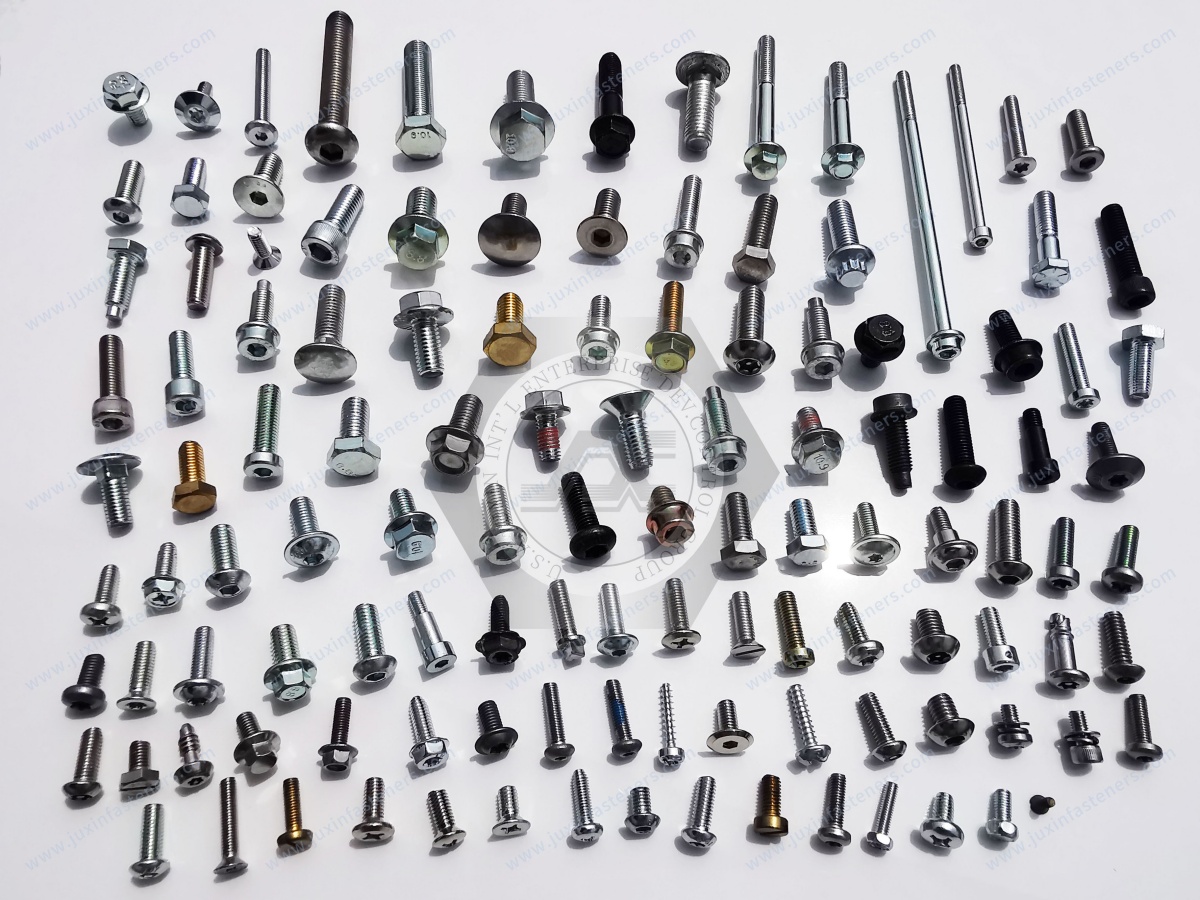
Industrial screws and bolts remain essential fastening components throughout ESS equipment.
They can be used to assemble:
Battery enclosure structures
Structural brackets
Electrical cabinets
Mounting plates
Cooling-system components
Power conversion equipment
Internal supports
Protective covers
Depending on the application, engineers may specify carbon steel, stainless steel or other materials and surface treatments to achieve the required combination of mechanical performance and environmental resistance.
For OEM procurement, dimensions, thread standard, material grade, coating, mechanical properties and packaging requirements should be clearly defined before production.
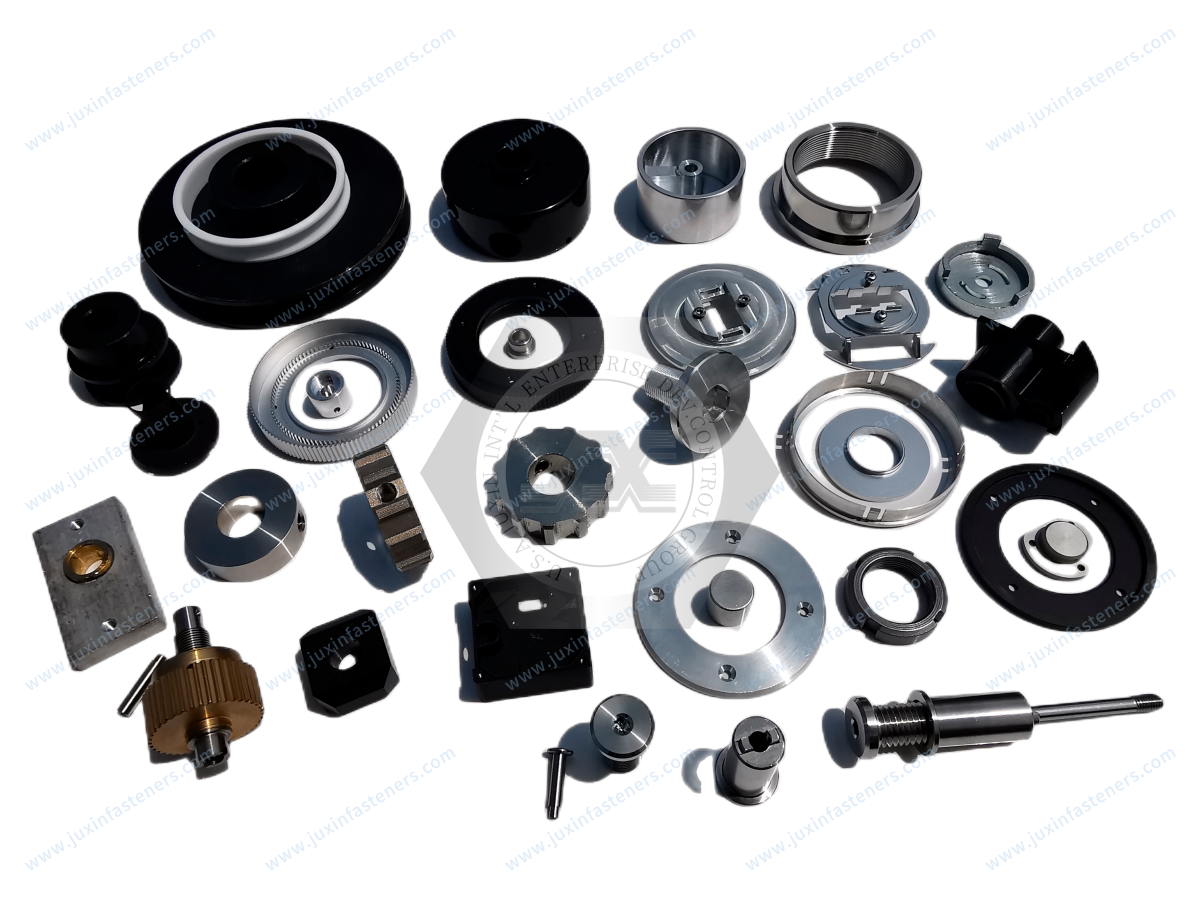
Energy storage equipment often contains customized mechanical components that cannot be fully addressed with standard catalog fasteners.
CNC machined components can be manufactured according to customer drawings for applications such as:
Precision spacers
Pins
Bushings
Standoffs
Shafts
Customized mounting components
Brackets
Electrical equipment hardware
Battery assembly components
CNC machining can complement standard fasteners when an ESS manufacturer requires precise dimensional control or a component designed specifically around a particular enclosure or battery architecture.
Choosing the right fastener for an ESS application requires evaluation of both the joint and the operating environment.
Determine whether the fastener will be installed into aluminum, steel, stainless steel, plastic, composite material or another substrate.
Thin sheet-metal panels may require rivet nuts or self-clinching nuts, while thicker structural components may use conventional bolts and nuts.
Consider thread size, engagement length, installation method and the number of expected assembly cycles.
Outdoor ESS equipment may experience humidity, condensation, temperature cycling and corrosion exposure. Material and surface treatment should be selected accordingly.
Cooling systems, pumps, fans and power-conversion equipment can introduce vibration. Where necessary, suitable locking solutions should be incorporated into the joint design.
Battery systems and electrical equipment may require inspection or maintenance. Reusable threaded fastening can provide an advantage for serviceable covers and components.
For high-volume OEM production, installation consistency, tooling compatibility, dimensional control and supply reliability are important factors in fastener selection.
Energy storage systems are increasingly deployed alongside solar power, wind power, grid infrastructure, backup power systems and distributed energy resources.
This creates fastening requirements across a wide range of equipment, including:
Battery energy storage systems (BESS)
Solar-plus-storage systems
Grid-scale energy storage
Commercial and industrial energy storage
Renewable energy equipment
Power conversion systems
Electrical distribution equipment
Backup power systems
Containerized battery storage
JUXIN fastening solutions can support the mechanical assembly requirements of these systems, from individual enclosure panels to customized precision components.
JUXIN supplies fastening and precision component solutions for OEM and industrial customers requiring reliable components for energy storage and electrical equipment.
Our product range includes:
Thread insert nuts
Rivet nuts
Self-clinching nuts
Industrial screws
Bolts
Stainless steel fasteners
Locking nuts
CNC machined components
Customized fasteners
We support applications across energy storage, battery systems, electrical equipment, power electronics, renewable energy, solar, wind power, industrial machinery and thermal-management systems.
For custom projects, procurement and engineering teams can provide drawings, specifications, material requirements, surface-treatment requirements and estimated annual quantities for technical review and quotation.
For energy storage manufacturers, fasteners are small components but can have a significant impact on assembly efficiency, joint reliability and long-term equipment performance.
JUXIN works with OEMs, manufacturers, engineering companies and industrial procurement teams requiring standard and customized fastening components for demanding applications.
If you are developing a battery energy storage system, ESS cabinet, battery enclosure, power conversion system or thermal-management assembly, send us your drawing or fastener specification.
Our team can review the requirements and provide a suitable manufacturing and supply solution.
Email: info@juxinfasteners.com
JUXIN Fasteners — Industrial Fasteners and Custom Components for Energy Storage and Power Infrastructure.
 MORE NEWS
Aug. 27, 2026
Aug. 25, 2026
Contact Us
Tel.:
+86 020 8621 0320
+86 020 3121 6067
E-mail:
Technical Support:
Navigation
SEND INQUIREY