
Call Us
+86 136 6007 9809
Call Us
+86 136 6007 9809

Oct. 07, 2026
Medical diagnostic equipment, laboratory instruments, mobile medical equipment and electronic healthcare systems combine mechanical structures,
electronics, plastic housings, sheet-metal enclosures and serviceable internal assemblies within increasingly compact packages.
That creates a fastening problem that cannot be solved by specifying “stainless steel screws” alone.
A medical equipment designer may need to answer several very different questions:
How should reusable threads be created in a thin stainless or aluminum enclosure?
How should PCBs and sensors be mounted inside a compact electronic housing?
Which fastener material is appropriate when equipment is repeatedly cleaned?
How can service panels be designed to reduce the risk of loose hardware?
How should stainless-to-stainless threaded joints be managed when galling is a concern?
JUXIN FASTENERS supplies multiple fastening technologies that can be evaluated for medical and laboratory equipment, including:
304 stainless steel fasteners
316L stainless steel fasteners
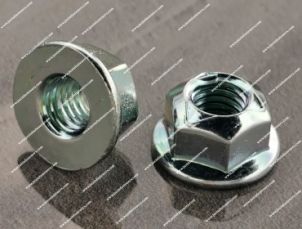
Self-clinching nuts
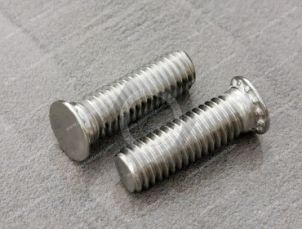
Self-clinching studs
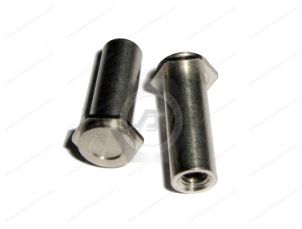
Self-clinching standoffs
Miniature self-clinching fasteners
Threaded standoffs
PCB supports and PCB mounting hardware
Nylon and engineering-plastic fasteners
Threaded inserts for plastic
Custom CNC-machined components
Drawing-based custom fasteners
The correct solution depends on the actual equipment architecture, material, cleaning environment, service requirements and regulatory requirements of the finished device.
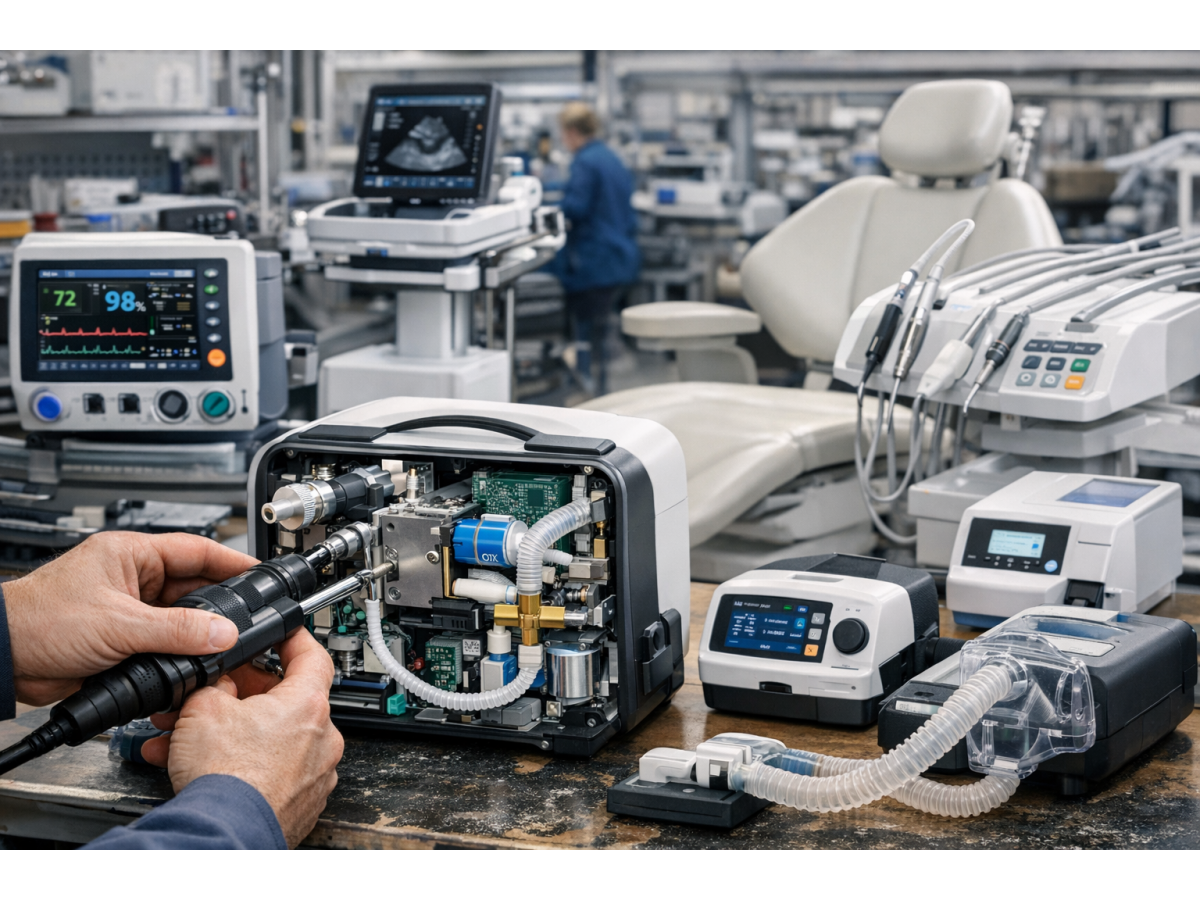
Fastening requirements vary significantly across different types of medical equipment.
Potential fastening locations include:
External housings
Internal chassis
Electronic modules
Sensor brackets
PCB assemblies
Service panels
Display mounting
Power supply assemblies
Internal equipment frames
Applications can include:
Analytical equipment
Test instruments
Measurement systems
Laboratory automation
Electronic enclosures
Internal mechanical assemblies
PCB mounting
Service covers
Fasteners may be used in:
Sheet-metal frames
Equipment mounting brackets
Electronic enclosures
Display supports
Internal control systems
Access panels
Storage assemblies
Compact electronic equipment can require:
Miniature threaded hardware
PCB standoffs
Insulating spacers
Self-clinching fasteners
Threaded inserts for plastic housings
Custom machined components
These applications demonstrate why “medical fastener” is not one product category.
It is a fastening system selected around the equipment architecture.
The phrase medical-grade fastener is frequently used commercially, but by itself it does not define:
Material grade
Mechanical properties
Surface condition
Corrosion resistance
Cleanliness
Sterilization compatibility
Biocompatibility
Traceability
Regulatory compliance
A stainless steel screw used inside a diagnostic equipment cabinet and a fastener used in direct patient contact are not equivalent applications.
For OEM sourcing, the correct approach is to specify the actual requirement rather than relying on the phrase “medical grade.”
JUXIN FASTENERS should therefore evaluate medical equipment fasteners according to the customer's drawing, material specification,
equipment environment and required documentation.
Fastener selection begins with the material being joined.
Medical and laboratory equipment can include:
Stainless steel sheet
Aluminum sheet
Aluminum profiles
Carbon-steel internal frames
ABS housings
Polycarbonate housings
PA6 or PA66 components
POM components
PEEK components
PCB materials
Mixed metal-plastic structures
Each substrate creates a different fastening problem.
For example:
Thin metal sheet may require self-clinching fasteners or rivet nuts.
Plastic housings may require threaded inserts.
PCB assemblies may require standoffs or insulating supports.
Machined structures may use conventional threaded fasteners or custom machined components.
This substrate-first decision process is more useful than selecting one fastener family for the entire device.
Stainless steel is frequently considered for medical and laboratory equipment because corrosion resistance, appearance and cleanability can be important.
JUXIN FASTENERS works with stainless steel materials including:
304 stainless steel
316L stainless steel
A2 stainless fastener configurations
Other drawing-specified stainless materials where appropriate
However, stainless steel grade should be selected according to the actual application.
The word “stainless” does not mean that every grade performs identically in every chemical environment.
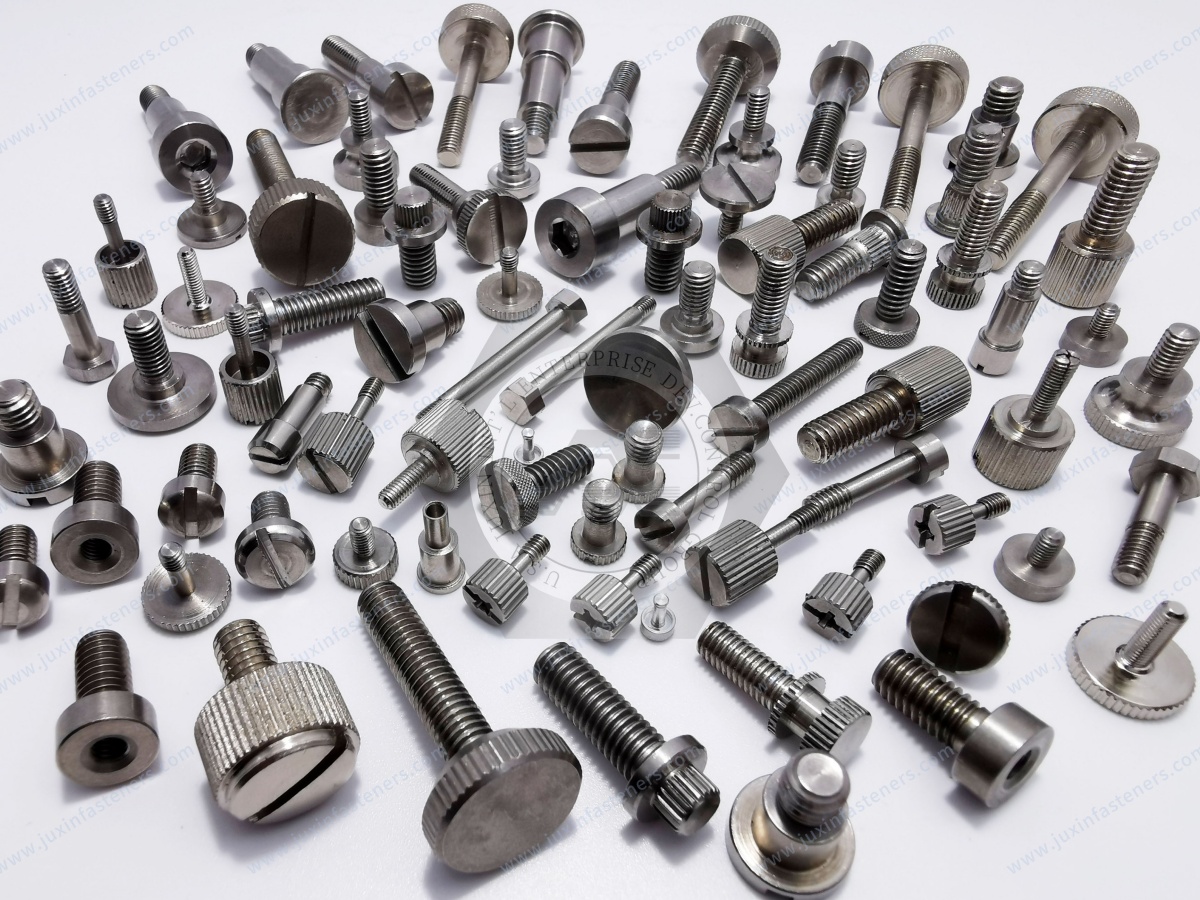
The answer depends on the equipment environment.
304 stainless steel is widely used for industrial and equipment fasteners where general corrosion resistance is required.
Potential applications include:
Internal equipment assemblies
Electronic enclosures
Laboratory instruments
Equipment brackets
General service hardware
316L may be considered where the application requires a different corrosion-resistance profile or where the OEM drawing specifically requires 316L.
Potential considerations include:
Cleaning environment
Chloride exposure
Equipment location
Material compatibility
Customer specification
However:
316L should not automatically be specified simply because the product is medical equipment.
If 304 meets the actual engineering requirement, changing every fastener to 316L may increase cost without creating useful performance.
Material selection should follow the environment and specification.
Medical and laboratory equipment may be cleaned using different chemical systems.
Depending on the facility and equipment, these can include formulations containing:
Alcohols
Quaternary ammonium compounds
Peroxide-based cleaners
Chlorine-containing chemicals
Other disinfectants and cleaning agents
Material compatibility depends on:
Chemical concentration
Exposure duration
Temperature
Frequency
Surface condition
Stainless grade
Joint geometry
A statement such as “316 stainless is resistant to all hospital disinfectants” would therefore be technically inappropriate.
Where chemical exposure is important, the OEM should identify the actual cleaning chemistry and required validation method.
This distinction is especially important for medical equipment.
Routine surface cleaning or disinfection of an equipment housing is not equivalent to a component undergoing:
Autoclave sterilization
Steam exposure
Chemical sterilization
Repeated high-temperature sterilization
Other validated sterilization processes
A fastener suitable for the exterior housing of diagnostic equipment should not automatically be described as suitable for sterilization.
If the equipment component must undergo a defined sterilization process, that condition should be included in the engineering specification and validated accordingly.
Thin sheet-metal housings are common in electronic medical equipment because they allow compact and relatively lightweight structures.
But direct tapping can become unsuitable when the sheet does not provide sufficient thread engagement.
Possible fastening technologies include:
Self-clinching nuts
Self-clinching studs
Self-clinching standoffs
Blind rivet nuts
Weld nuts
Separate conventional nuts
The correct solution depends on:
Sheet material
Sheet thickness
Sheet hardness
Access
Manufacturing process
Service requirements
Required thread
Load
For medical electronics and laboratory instruments, self-clinching hardware can be particularly useful where the manufacturing process provides press access to the sheet.
Self-clinching nuts create reusable machine threads in thin sheet.
Potential applications include:
Equipment chassis
Internal mounting plates
Electronic enclosures
Equipment brackets
Service panels
Control assemblies
The correct fastener must be matched to the sheet material and thickness.
A self-clinching nut designed for one substrate should not automatically be assumed suitable for another.
A self-clinching stud creates a fixed male threaded mounting point in sheet metal.
This can simplify assembly where a component must be positioned over a permanent threaded post.
Potential uses include:
Electronic modules
Internal brackets
Cable-management components
Control equipment
Equipment supports
The designer should confirm installation direction, press access and available clearance before finalizing the panel.
Self-clinching standoffs can integrate both fastening and spacing into the sheet-metal chassis.
They can be used for:
PCB mounting
Control boards
Sensor electronics
Interface modules
Display electronics
Internal electronic assemblies
Important selection parameters include:
Standoff height
Thread
Sheet thickness
Sheet material
PCB clearance
Installation access
Electrical requirements
For compact equipment, miniature self-clinching standoffs can also be evaluated where appropriate.
A PCB standoff does more than hold a circuit board.
Its height can influence:
Clearance beneath the PCB
Connector alignment
Airflow
Cable routing
Component clearance
Assembly stack-up
Electrical spacing
Changing a standoff from 6 mm to 8 mm may appear minor from a procurement perspective but can affect the entire enclosure layout.
For this reason, standoff height should be treated as a functional dimension rather than simply a catalog option.
Medical electronics can require both metallic and non-metallic mounting hardware.
JUXIN FASTENERS supplies components such as:
Threaded standoffs
PCB supports
PCB spacers
Nylon screws
Nylon nuts
Nylon washers
Snap-in PCB supports
Plastic mounting hardware
The appropriate material depends on whether the mounting point requires:
Electrical insulation
Mechanical strength
Controlled spacing
Removability
Low mass
Chemical compatibility
Temperature resistance
Metal hardware and plastic hardware therefore should not be treated as direct substitutes.
Medical and laboratory equipment may require periodic access for:
Calibration
Filter replacement
Electronics service
Sensor replacement
Cleaning
Inspection
Repair
Loose screws can create maintenance inconvenience and, in some equipment architectures, can become undesirable foreign objects inside the enclosure.
One design approach is to use captive fastening architecture, where the fastener remains associated with the panel or assembly during servicing.
However, captive hardware is not one universal product.
Possible designs include:
Captive panel screw systems
Retained screws
Captive nuts
Self-clinching captive hardware
Custom retention features
Where a project requires a captive fastener, JUXIN FASTENERS can review the customer drawing and required retention concept
to determine whether an existing fastening solution or drawing-based custom component is appropriate.
The requirement should be defined before claiming that a standard screw is “captive.”
The engineering purpose of captive hardware is to retain the fastener within its intended panel or assembly during normal servicing.
That can reduce the handling of loose hardware.
However, the final retention performance depends on:
Retainer design
Panel geometry
Screw geometry
Assembly process
Service procedure
Captive hardware should therefore be validated as part of the finished assembly.
It should not be described as making loose-hardware risk mathematically impossible.
Stainless steel threaded fasteners can experience galling.
Galling is adhesive wear that can occur when mating metallic surfaces slide under pressure.
It can lead to:
Increased tightening resistance
Thread damage
Seizure
Difficulty during disassembly
Risk can increase under certain combinations of:
Similar stainless materials
High installation speed
High contact pressure
Dry threads
Surface roughness
Tight thread fit
This matters in medical and laboratory equipment because service panels and internal assemblies may be opened repeatedly.
Potential engineering approaches can include:
Appropriate mating-material selection
Controlled surface condition
Suitable lubrication where permitted
Appropriate thread fit
Reduced installation speed
Avoiding unnecessary over-tightening
Alternative material combinations
The correct strategy depends on the equipment requirements.
A surface treatment or lubricant should not be introduced without considering cleanliness, chemical compatibility and the customer's assembly specification.
Galling is sometimes blamed entirely on poor thread tolerance.
Thread quality matters, but galling is a tribological problem involving material, pressure, friction, speed and surface interaction.
A dimensionally correct stainless screw and nut can still gall under unfavorable assembly conditions.
This means quality teams investigating stainless fastener seizure should examine the complete assembly process, not just the thread gauge result.
Passivation can be used as a surface treatment for stainless steel components.
Standards such as ASTM A967/A967M may be referenced when the customer specifically requires a defined passivation process.
However, JUXIN FASTENERS should not describe every stainless fastener as ASTM A967 passivated unless that process has actually been specified and supplied for the order.
For an RFQ requiring passivation, procurement teams should identify:
Stainless grade
Required passivation specification
Acceptance requirements
Documentation requirements
Cleaning requirements
This avoids turning a general stainless-steel material description into an unsupported compliance claim.
ASTM B117 salt-spray testing is commonly referenced in corrosion evaluation.
But salt-spray hours should not be interpreted directly as years of real medical equipment service.
Real equipment exposure can involve:
Cleaning chemicals
Dry/wet cycles
Crevices
Dissimilar metals
Indoor environments
Temperature changes
If corrosion testing is required, the OEM should define the relevant test method and acceptance criteria.
The test should match the actual sourcing requirement rather than being added simply because the product is stainless steel.
Medical equipment may combine:
Stainless steel fasteners
Aluminum panels
Carbon-steel frames
Copper electrical components
Coated sheet metal
Where dissimilar metals are electrically connected and exposed to moisture, galvanic corrosion can become a design consideration.
Risk depends on:
Material combination
Surface-area relationship
Coatings
Moisture exposure
Joint geometry
Environmental conditions
For stainless fasteners installed into aluminum equipment, engineers should therefore evaluate the complete joint rather than assuming that
the more corrosion-resistant fastener automatically creates the best system.
Not every medical device enclosure is metallic.
Diagnostic equipment and laboratory instruments can also use:
ABS
Polycarbonate
PA6
PA66
POM
PEEK
Other engineering polymers
For serviceable plastic housings, fastening options can include:
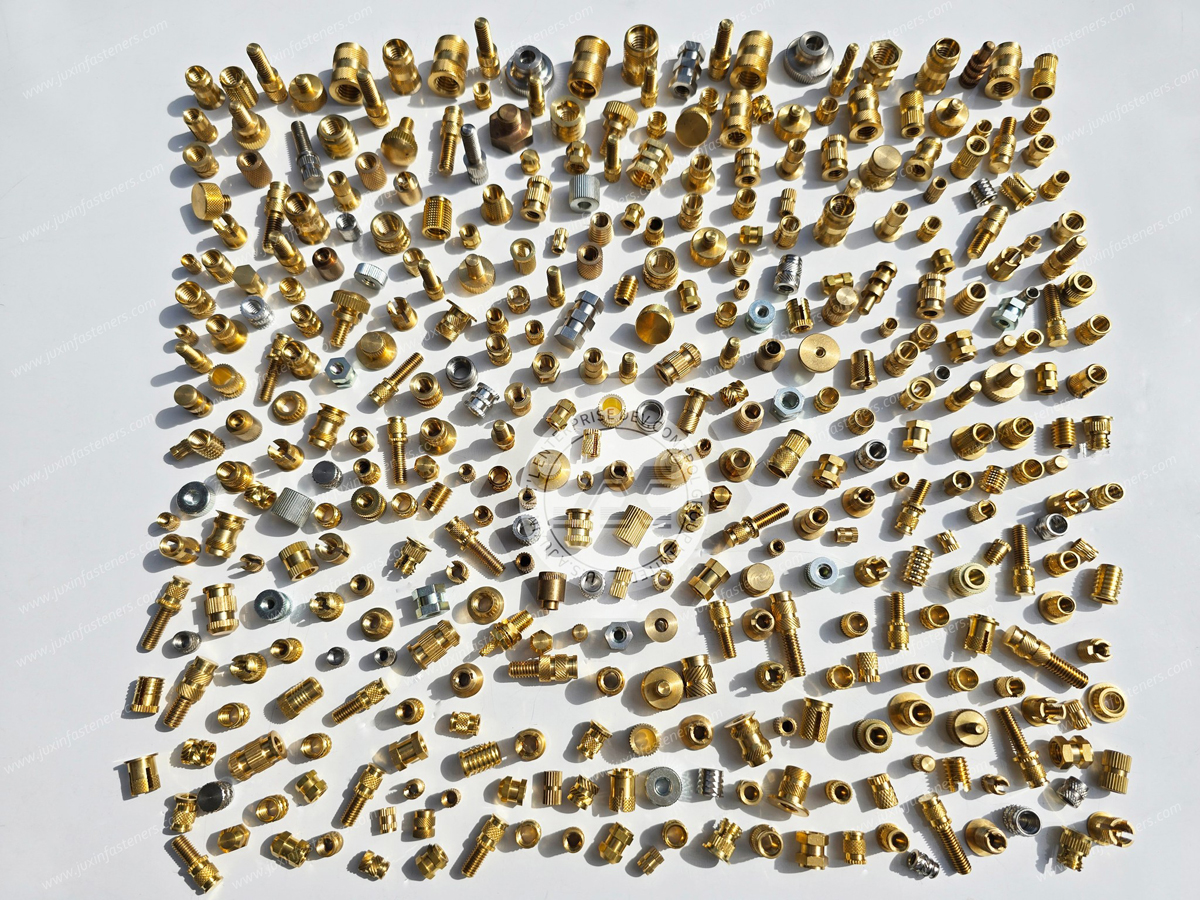
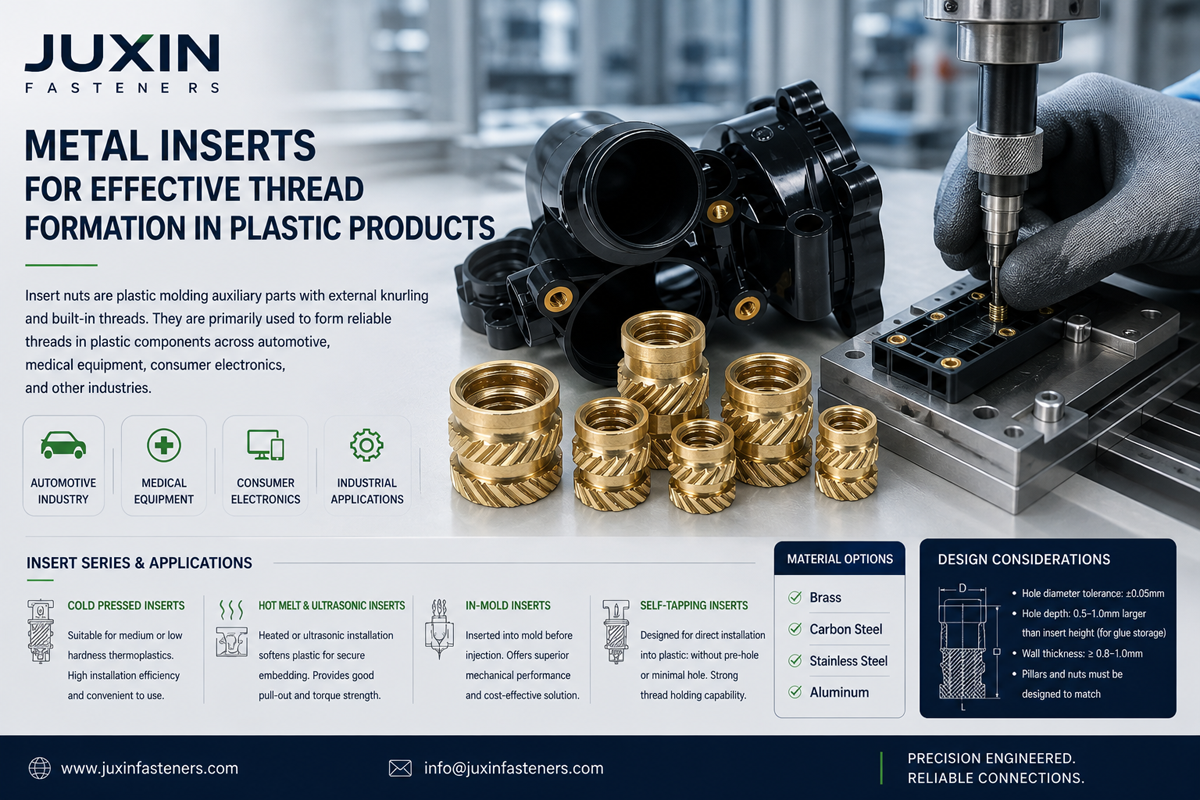
Heat-set threaded inserts
Ultrasonic threaded inserts
Stainless steel threaded inserts
Brass threaded inserts
Screws designed for plastic
Custom insert systems
The correct solution depends on the polymer, boss geometry, service cycles and required load.
This creates a direct internal-link relationship with JUXIN's Heat-Set Threaded Inserts for Plastic Housings & Thermoplastic Assemblies engineering guide.
Non-metallic hardware can be useful where the design requires:
Electrical insulation
Lightweight mounting
PCB spacing
Non-conductive hardware
Component separation
JUXIN FASTENERS supplies engineering-plastic fastening components including:
Nylon screws
Nylon nuts
Nylon washers
Nylon spacers
PCB supports
Standoffs
Snap rivets
Plastic clips
Available engineering polymers for suitable applications can include materials such as PA6, PA66, POM, PEEK and other specified plastics.
Material should be selected according to the actual mechanical, electrical, thermal and chemical requirements.
PEEK is often associated with demanding medical and technical applications.
But it is also substantially more specialized than general-purpose nylon or acetal hardware.
PEEK should be considered where its actual material characteristics are required.
Using PEEK simply because a product is medical equipment can create unnecessary cost.
The material decision should be driven by:
Temperature
Chemical exposure
Mechanical requirement
Electrical requirement
Equipment specification
This principle applies to stainless steel as well:
Use the material the joint requires, not the most expensive material available.
Compact diagnostic equipment and portable instruments can require smaller fastening components because internal packaging space is limited.
Potential solutions include:
Miniature self-clinching nuts
Miniature self-clinching studs
Miniature standoffs
Small threaded inserts
PCB supports
Small custom machined components
For miniature fastening systems, manufacturing tolerances and assembly access can become increasingly important because there is less geometric margin available.
Engineers should therefore evaluate the fastener before finalizing PCB and enclosure geometry.
For serviceable medical equipment, a useful design question is:
What will the technician need to remove first?
This can influence the entire fastening architecture.
For example:
Frequently opened external cover
Consider service-friendly fastening and retained/captive concepts where required.
Occasionally serviced internal chassis
Reusable machine threads may be sufficient.
PCB replaced as a module
Standoff geometry and connector alignment become important.
Permanent internal assembly
The lowest-complexity fastening method may be preferable.
Designing around the service sequence can reduce unnecessary hardware complexity.
Fasteners for medical equipment housings, diagnostic instruments and laboratory devices should not be confused with implantable medical fasteners.
Implant fasteners can involve fundamentally different requirements relating to:
Biocompatibility
Implant materials
Sterilization
Regulatory approval
Surface condition
Clinical use
This page addresses equipment and enclosure fastening, not implantable medical hardware.
This distinction is important for both engineers and search engines because the two sourcing categories should not be mixed.
Begin with the equipment architecture.
What is the substrate?
Stainless sheet, aluminum, plastic or another material?
Is the joint permanent or serviceable?
This affects the fastening method.
How often will the assembly be opened?
Repeated service can change thread and retention requirements.
Is electrical insulation required?
Consider polymer hardware or insulating components where appropriate.
Does the enclosure require reusable threads in thin sheet?
Consider self-clinching nuts or rivet nuts depending on access.
Does the PCB require controlled spacing?
Evaluate standoffs and PCB supports.
Will the equipment be exposed to cleaning chemicals?
Define the actual chemical environment before choosing material.
Does the project require specific documentation or testing?
Include it in the drawing and RFQ.
This is a more reliable selection path than simply specifying “medical-grade stainless steel.”
For accurate technical review, procurement and supplier-development teams should provide:
2D drawing
3D model where available
Fastener type
Thread specification
Material
Stainless grade where applicable
Surface treatment
Mating material
Sheet thickness where applicable
Plastic material where applicable
Required service cycles
Cleaning or chemical exposure where relevant
Electrical insulation requirement
Corrosion requirement
Required standards
Required testing
Documentation requirements
Prototype quantity
Annual production quantity
Packaging requirements
If the project has medical-device-specific supplier documentation requirements, identify them explicitly during sourcing.
For medical equipment fasteners, compare more than unit price and stainless grade.
Important sourcing characteristics can include:
Drawing conformity
Material
Thread quality
Critical dimensions
Surface condition
Fastener retention method
Corrosion requirement
Lot identification requirements
Inspection requirements
Drawing revision control
Packaging
Sample approval
Production repeatability
Different components within the same medical device may require different levels of control.
The sourcing strategy should reflect component criticality rather than applying the same requirements mechanically to every screw, standoff and plastic spacer.
Standard fasteners are appropriate for many assemblies.
Custom components may be required where the OEM needs:
Restricted installation space
Special head geometry
Custom thread
Integrated spacing
Captive retention
Special stainless material
Miniature dimensions
Custom CNC-machined geometry
Special plastic component
Drawing-specific features
JUXIN FASTENERS supports drawing-based custom fastening components for equipment manufacturers.
The drawing and actual application requirements should be reviewed before material or manufacturing processes are finalized.
A practical development path can follow:
Equipment Requirement → Joint & Substrate Review → Fastening Technology Selection → Drawing Confirmation
→ Sample Evaluation → Assembly / Service Validation → Golden Sample Approval → Production
Additional testing or documentation should be agreed according to the OEM specification and equipment requirements.
JUXIN FASTENERS supports medical equipment manufacturers, diagnostic equipment developers, laboratory instrument manufacturers,
contract manufacturers and supplier-development teams with standard and drawing-based fastening solutions.
This page serves as an industry-level engineering guide for medical and laboratory equipment.
Relevant product-specific pages include:
Self-Clinching Fasteners — reusable threaded attachment in suitable thin-sheet metal structures
Miniature Self-Clinching Fasteners — compact fastening for electronic equipment
Stainless Steel Fasteners — 304, 316L and drawing-specified stainless hardware
PCB Standoffs and Supports — mounting and spacing for electronic assemblies
Heat-Set Threaded Inserts for Plastic Housings & Thermoplastic Assemblies — reusable metal threads in molded plastic components
Blind Rivet Nuts for Sheet Metal Enclosures & One-Sided Assembly — threaded installation where rear-side access is restricted
Nylon and Engineering-Plastic Fasteners — insulating screws, nuts, washers, spacers and PCB hardware
Custom CNC-Machined Components — drawing-based components for non-standard equipment requirements
Each product-specific page should own its own fastener search intent while linking back to this medical equipment solution page for industry context.
If you are designing or sourcing fastening components for:
Diagnostic equipment
Laboratory instruments
Medical electronics
Mobile medical equipment
Medical carts
Monitoring equipment
Analytical instruments
Serviceable medical device housings
Electronic medical equipment
Laboratory automation
send us your 2D drawing, 3D model where available, fastener requirement, substrate material, service conditions,
required material, cleaning environment where relevant and estimated quantity.
For new equipment, involving the fastener supplier before the enclosure, PCB mounting points or plastic bosses are completely frozen can help identify more practical fastening options.
JUXIN FASTENERS can evaluate stainless steel fasteners, self-clinching nuts, studs and standoffs, miniature hardware,
PCB mounting components, threaded inserts, engineering-plastic fasteners and drawing-based custom components according to the application.
JUXIN FASTENERS
Website: www.juxinfasteners.com
Engineering & RFQ: info@juxinfasteners.com
 MORE NEWS
Contact Us
Tel.:
+86 020 8621 0320
+86 020 3121 6067
E-mail:
Technical Support:
Navigation
SEND INQUIREY