
Call Us
+86 136 6007 9809
Call Us
+86 136 6007 9809

Aug. 14, 2026
Wedge Anchors for Concrete
Heavy-Duty Concrete Expansion Anchors for Construction, Curtain Wall, MEP, Infrastructure and Industrial Applications
When engineers, contractors and purchasing teams need to securely attach steel components, equipment, brackets, safety systems or building services to concrete,
selecting the correct concrete anchor is critical to connection performance and long-term reliability.
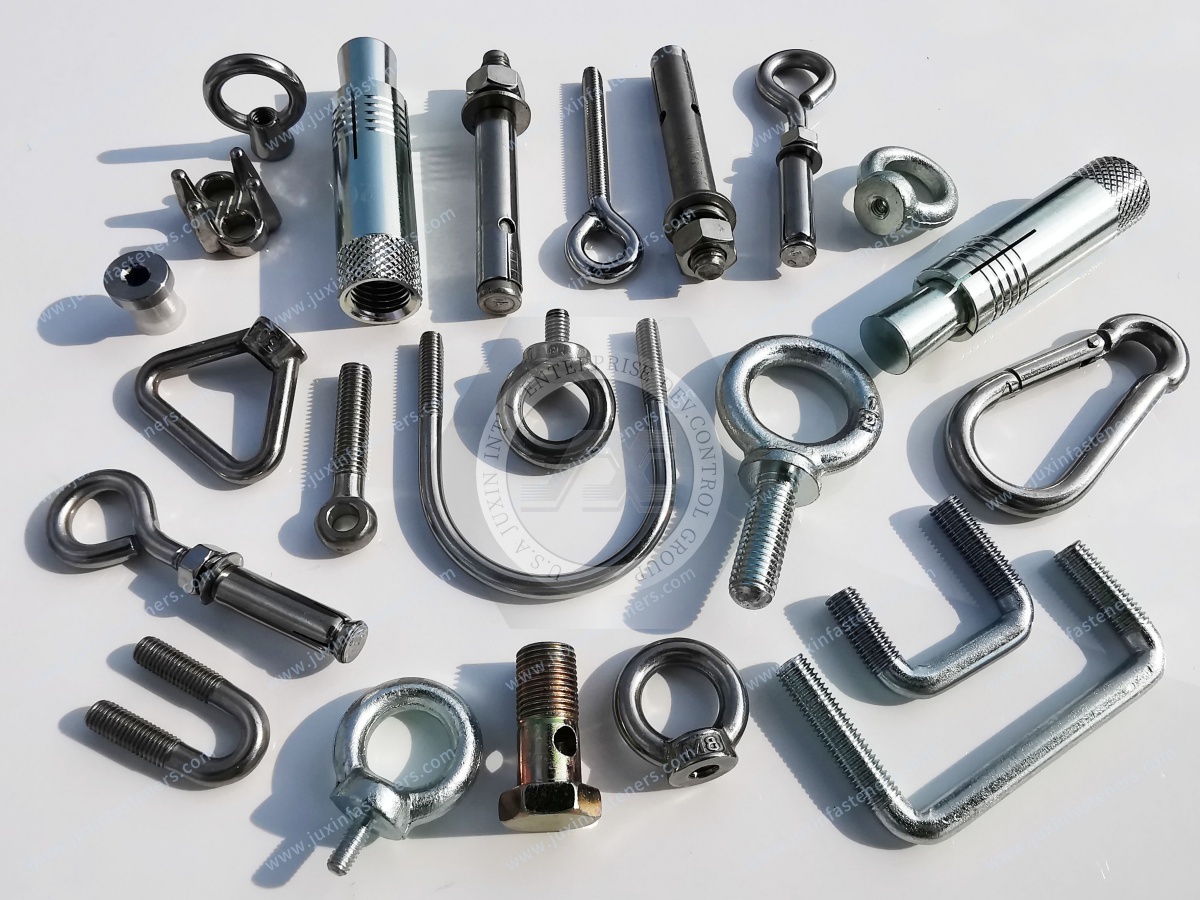
JUXIN FASTENERS Wedge Anchors for Concrete are mechanical expansion anchors designed for fastening suitable fixtures and components to solid concrete substrates.
During installation, the anchor's expansion mechanism develops mechanical contact with the surrounding concrete, creating resistance against applied tensile and shear loads.
Commonly referred to as concrete wedge anchors, wedge anchor bolts, heavy-duty concrete anchors, concrete expansion anchors and mechanical expansion anchors,
wedge anchors are widely used across construction, industrial manufacturing, MEP installation, infrastructure and equipment-support applications.
Engineering Note: Anchor performance depends on the complete fastening system, including concrete strength, anchor diameter, effective embedment, edge distance,
spacing, fixture geometry, installation torque and applied loading. For structural, safety-critical or seismic applications,
the specific anchor system should be selected and verified according to the applicable engineering requirements.
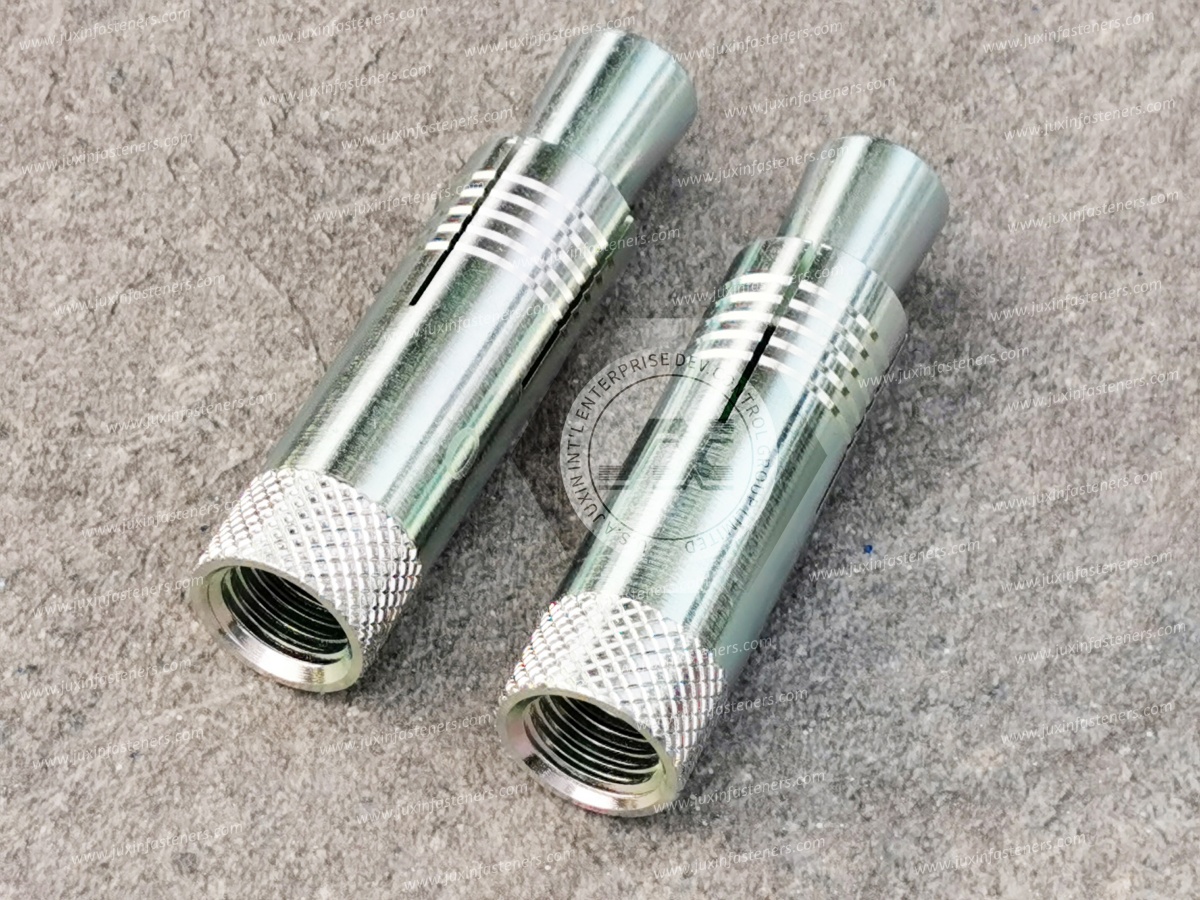
What Is a Wedge Anchor?
A wedge anchor is a mechanical concrete fastening system that uses an expansion wedge to develop mechanical engagement inside a drilled hole.
A typical wedge anchor consists of:
Threaded anchor body
Expansion wedge
Washer
Nut
During installation, the anchor is inserted into a correctly drilled hole. When the nut is tightened, the threaded stud pulls the expansion wedge into the expansion section.
This causes the wedge to expand against the surrounding concrete and creates the mechanical anchoring action.
The basic installation principle is:
Drill → Clean → Insert → Position Fixture → Tighten → Expand → Inspect
This differs from a concrete tapping screw, which develops its primary engagement by forming or cutting threads directly into the substrate.
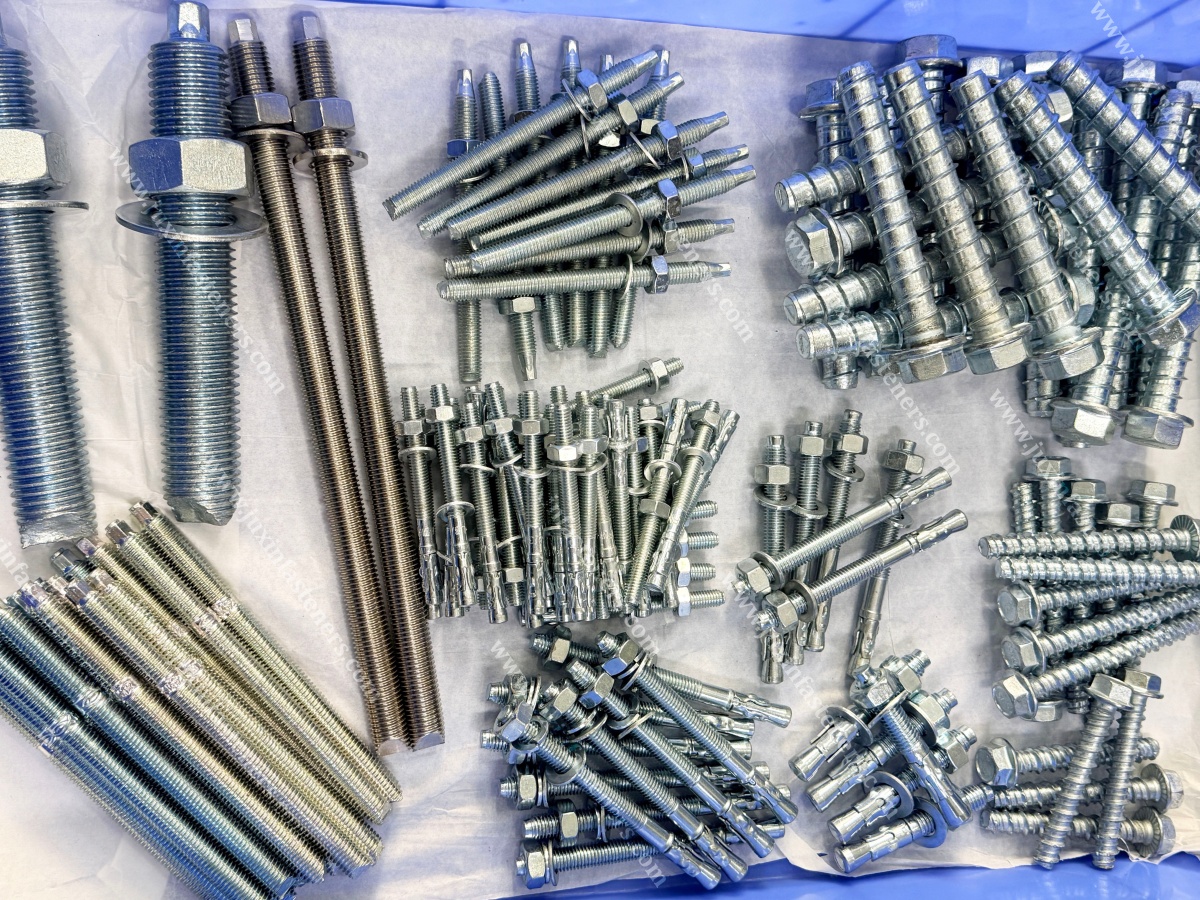
How Wedge Anchors Work in Concrete
The performance of a concrete wedge anchor is based on controlled mechanical expansion.
1. Drilled Hole
A hole is prepared in the concrete using the specified drill diameter and depth.
The hole dimensions must match the manufacturer's installation requirements.
2. Anchor Insertion
The wedge anchor is inserted through the fixture and into the prepared hole.
3. Mechanical Expansion
As the nut is tightened, the stud moves relative to the expansion wedge.
The wedge expands against the concrete.
4. Radial Contact
The expansion mechanism creates contact pressure against the internal surface of the hole.
This mechanical engagement allows the anchoring system to resist movement under applied loading.
5. Load Transfer
Applied tensile and shear forces are transferred through the anchor and into the surrounding concrete.
Actual capacity depends on the anchor design and the concrete failure modes that govern the connection.
Why Choose Wedge Anchors for Concrete?
Heavy-Duty Mechanical Connection
Heavy-duty concrete anchors are designed for applications requiring a stronger mechanical connection than light-duty plastic plugs or general-purpose fastening systems.
Potential applications include:
Steel brackets
Safety railings
Equipment supports
Machinery bases
MEP supports
Electrical equipment
Industrial fixtures
Infrastructure components
No Chemical Curing
Standard wedge anchors do not require chemical resin or curing time.
This can simplify installation schedules and allow mechanical installation immediately after correct tightening and inspection.
High Installation Efficiency
The installation process is straightforward:
Drill → Clean → Insert → Tighten
This can be advantageous for repetitive construction and industrial fastening operations.
Suitable for Permanent Attachments
The fixture can generally be removed by loosening the nut.
However, the installed wedge anchor itself should normally be treated as a permanent anchor and should not be assumed to be reusable.
Wedge Anchors for Construction Applications
The construction industry requires reliable mechanical fastening for a wide range of concrete attachments.
Concrete wedge anchors can be considered for suitable applications involving:
Handrails
Guardrails
Safety barriers
Steel brackets
Metal framing
Equipment supports
Architectural components
Building-service systems
The anchor must be selected according to the actual concrete condition and required loading.
Curtain Wall and Facade Applications
Curtain wall systems often require mechanical connections between brackets and concrete structural elements.
Potential applications for appropriately engineered concrete anchors include:
Curtain wall brackets
Facade support components
Metal support brackets
Architectural attachments
Building-envelope accessories
However, curtain wall connections are safety-critical systems.
The anchor should not be selected solely based on nominal tensile strength. Engineers should evaluate wind loads, dead loads, seismic requirements where applicable,
concrete condition, edge distance, embedment and the complete bracket-to-substrate connection.
For critical curtain wall applications, use an anchor system specifically qualified for the project requirements.

Elevator and Vertical Transportation Applications
Elevator projects involve highly engineered connections and strict safety requirements.
Concrete anchors may be used for approved secondary attachments and support components, depending on the system design.
Potential applications can include:
Equipment supports
Service brackets
Electrical fixtures
Secondary support components
Building-service attachments
For elevator guide rails, primary structural attachments or other safety-critical connections, the anchor must be specifically designed,
approved and verified for the elevator system.
A standard commercial wedge anchor should not automatically be specified for a critical elevator connection.
Bridge and Infrastructure Applications
Infrastructure projects require fastening systems capable of operating under demanding environmental and loading conditions.
Potential heavy-duty concrete anchor applications include:
Safety barriers
Utility supports
Service brackets
Infrastructure equipment
Maintenance fixtures
Cable support systems
Secondary steel components
For bridge applications, engineers should consider:
Static loading
Dynamic loading
Vibration
Seismic effects
Concrete strength
Fatigue
Corrosion exposure
Edge distance
Anchor spacing
The complete connection should be designed according to the applicable project requirements.

Tunnel Construction Applications
Tunnels contain extensive mechanical, electrical and utility systems that require secure attachments to concrete.
Potential applications include:
Cable tray supports
Electrical equipment
Ventilation components
Pipe supports
MEP brackets
Service fixtures
Utility systems
Tunnel accessories
Tunnel environments can involve moisture, vibration and difficult installation access.
Anchor selection should therefore consider both mechanical performance and environmental durability.
Water Infrastructure and Utility Projects
Concrete anchors may also be used for suitable components in:
Water treatment facilities
Utility plants
Pump stations
Infrastructure facilities
Industrial water systems
Service structures
Where the anchor is exposed to continuous moisture, chemicals or aggressive environments, material and surface-finish selection becomes particularly important.
MEP Concrete Anchoring Solutions
Mechanical and electrical contractors frequently require reliable fastening systems for concrete floors, walls and ceilings.
HVAC
Potential applications include:
HVAC support brackets
Mechanical equipment
Service platforms
Equipment frames
Plumbing
Potential applications include:
Pipe support systems
Utility brackets
Mechanical fixtures
Equipment supports
Electrical
Potential applications include:
Junction boxes
Electrical cabinets
Cable tray supports
Conduit brackets
Electrical equipment
For overhead applications, engineers should evaluate the complete load path and installation conditions.

Industrial Equipment and Manufacturing
Manufacturing facilities frequently install equipment on concrete floors and foundations.
Concrete expansion anchors can be considered for suitable applications involving:
Machine bases
Equipment brackets
Conveyor systems
Machine guarding
Safety barriers
Industrial cabinets
Maintenance platforms
Production equipment accessories
Where machinery creates continuous vibration or dynamic loading, the anchor system should be evaluated for the actual operating environment.
Automotive Manufacturing Applications
Automotive production facilities use extensive equipment, guarding and support infrastructure.
Potential applications for heavy-duty concrete anchors include:
Machine guarding
Safety barriers
Equipment supports
Cable management
Utility supports
Production-line accessories
Maintenance fixtures
The fastening system should be selected according to equipment loads, vibration, environmental exposure and maintenance requirements.
Energy and Industrial Facilities
Concrete anchoring systems can be used for suitable secondary attachments in:
Power plants
Energy facilities
Utility installations
Electrical substations
Industrial plants
Mechanical equipment areas
Applications may include:
Equipment brackets
Cable supports
Service fixtures
Pipe supports
Secondary steel components
Corrosion protection should be selected according to the actual operating environment.
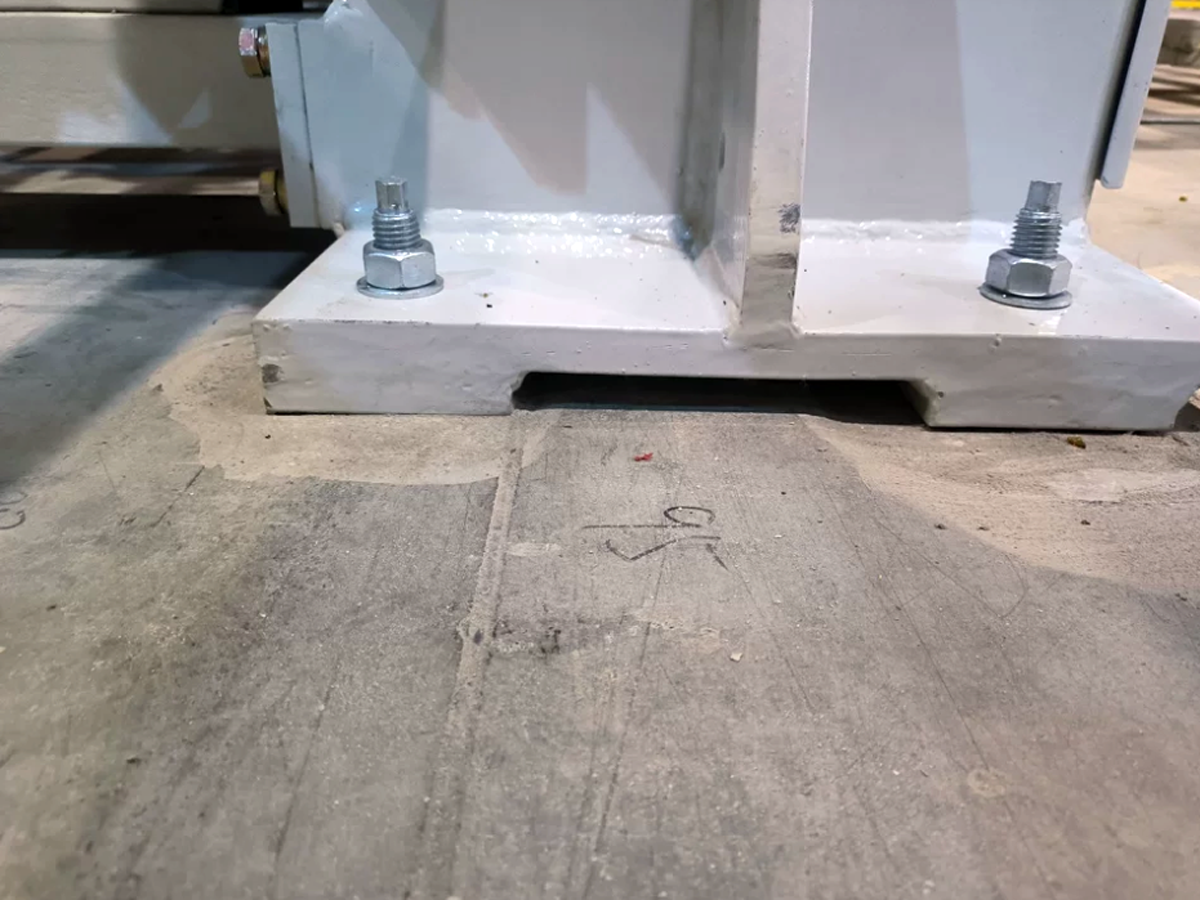
Concrete Wedge Anchor Material Options
Material selection is an important part of concrete anchor specification.
Zinc-Plated Steel
Zinc-plated steel wedge anchors are a common economical choice for indoor applications and environments with limited or occasional moisture exposure.
They provide basic corrosion protection while offering the mechanical strength required for many general-purpose applications.
Zinc-Yellow-Chromate-Plated Steel
Yellow zinc or zinc-yellow-chromate finishes can be used where a zinc-based protective coating is specified.
The actual corrosion performance depends on the coating system and environmental conditions.
Galvanized Steel
Galvanized wedge anchors provide greater corrosion resistance than standard zinc plating and can be considered for many outdoor and humid environments.
They can offer an economical alternative to stainless steel where exposure is moderate.
However, galvanized steel should not automatically be considered suitable for prolonged exposure to seawater or aggressive chemicals.
18-8 Stainless Steel
18-8 stainless steel wedge anchors can provide improved corrosion resistance for many wet and outdoor applications.
Potential applications include:
Outdoor construction
Building services
Architectural components
General wet environments
The exact stainless steel grade should be confirmed against the product specification.
316 Stainless Steel
316 stainless steel wedge anchors provide higher corrosion resistance than common 18-8 stainless steel and may be considered for more demanding environments.
Potential applications include:
Coastal construction
Marine-adjacent facilities
Outdoor infrastructure
High-humidity environments
Selected chemical-exposure applications
No stainless steel grade should be considered universally corrosion-proof. Material selection should match the actual environment.
Wedge Anchors vs. Other Concrete Anchors
Different anchoring technologies use different mechanisms.
Anchor Type | Primary Mechanism | Typical Application |
Wedge Anchor | Mechanical wedge expansion | Heavy-duty concrete fastening |
Sleeve Anchor | Expanding sleeve | General concrete and masonry fastening |
Drop-In Anchor | Internal expansion | Threaded rod and overhead applications |
Concrete Screw | Direct thread engagement | Fast mechanical concrete fastening |
Chemical Anchor | Adhesive bonding | Engineered anchoring applications |
Plastic Expansion Plug | Plastic expansion | Light-duty fastening |
These products are not automatically interchangeable.
The correct system depends on the substrate, loading, installation conditions, environmental exposure and applicable engineering requirements.
Wedge Anchor vs. Concrete Screw
A wedge anchor and a concrete screw are different types of mechanical concrete fasteners.
Wedge Anchor
Uses a mechanical expansion wedge to develop contact pressure against the concrete.
Concrete Screw
Uses a hardened thread to create direct mechanical engagement in a prepared hole.
Concrete screws may be advantageous where low expansion stress, close spacing or rapid installation is important.
Wedge anchors may be selected where a conventional mechanical expansion anchor is appropriate.
Engineers should compare the actual tested performance rather than assuming one anchor type is universally stronger.
Wedge Anchor vs. Chemical Anchor
A chemical anchor relies on adhesive bonding between the anchor element and substrate.
Chemical anchors may be appropriate for certain engineered applications involving specific load, embedment or edge-distance requirements.
Wedge anchors offer a mechanical alternative without adhesive curing.
Wedge Anchor
Mechanical expansion
No resin
No curing time
Simple installation
Nut-and-washer configuration
Chemical Anchor
Adhesive bonding
Resin injection
Curing time
More controlled installation process
Suitable for specific engineered applications
Neither system is universally superior. Selection should be application-specific.
Wedge Anchor Installation Procedure
Correct installation is essential for reliable anchoring performance.
Step 1 — Check the Installation Position
Before drilling, verify:
Anchor spacing
Edge distance
Concrete thickness
Reinforcement location
Fixture position
Step 2 — Drill the Hole
Use the specified drill diameter and drilling method.
The hole diameter must match the anchor manufacturer's requirements.
Drill to the required depth for the specified embedment.
Step 3 — Clean the Hole
Remove dust and loose drilling debris.
Proper hole cleaning is essential for consistent anchor installation.
Step 4 — Insert the Anchor
Insert the wedge anchor bolt through the fixture and into the prepared hole.
Step 5 — Install Washer and Nut
Position the washer and nut against the fixture.
Step 6 — Apply Specified Torque
Tighten the nut using the manufacturer's specified installation torque.
This activates the expansion mechanism.
Step 7 — Inspect the Connection
Check:
Anchor position
Embedment
Fixture contact
Nut seating
Installation torque
Concrete condition
Critical Installation Considerations
Drill Diameter
The drill diameter must correspond to the specified anchor diameter.
An oversized hole can reduce anchoring performance.
An undersized hole can make installation difficult and may cause excessive installation force.
Hole Depth
Insufficient depth can prevent the anchor from achieving the required embedment.
Hole Cleaning
Dust and debris should be removed according to the specified installation procedure.
Installation Torque
Both insufficient and excessive torque can affect performance.
Always use the manufacturer's specified torque rather than a generic torque value.
Edge Distance
Anchors installed too close to concrete edges can increase the risk of concrete breakout.
Anchor Spacing
Multiple anchors installed too closely together can affect load distribution and concrete performance.
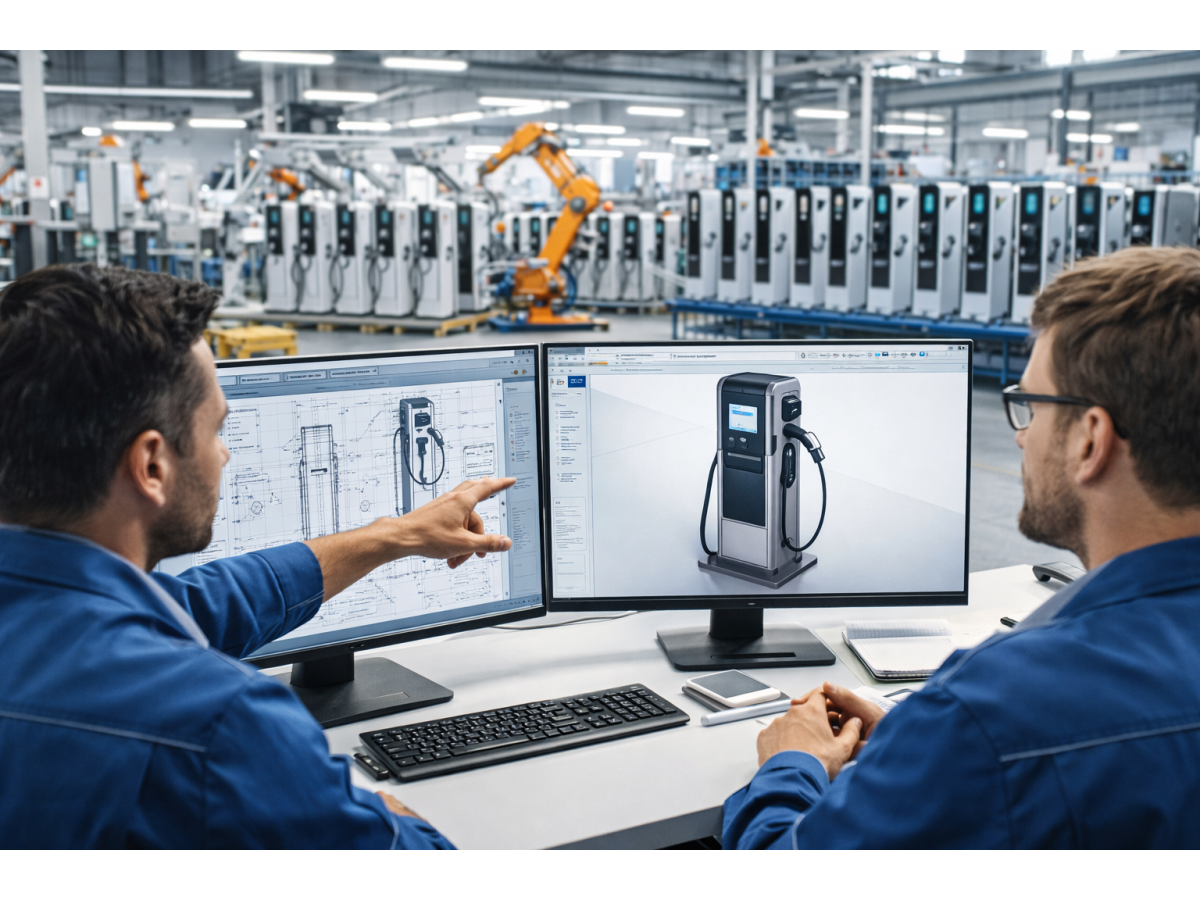
Anchor Load Capacity and Engineering Design
It is not technically appropriate to assign one universal load rating or safety factor to every wedge anchor.
The actual design capacity can be governed by several failure modes, including:
Steel tensile failure
Steel shear failure
Concrete breakout
Pull-out
Concrete pry-out
Splitting
Combined tension and shear
Engineers should evaluate:
Anchor + Concrete + Fixture + Installation + Load + Environment
For safety-critical applications, use tested product data and the applicable design methodology.
Do not convert a manufacturer's ultimate tensile value directly into a universal allowable working load without considering the appropriate safety or resistance factors.
Substrates Suitable for Wedge Anchors
Solid Concrete
Solid concrete is the primary substrate for many wedge anchor applications.
Reinforced Concrete
Wedge anchors may be used for approved attachments where the drilling location and reinforcement conditions are suitable.
Precast Concrete
Suitable wedge anchors can be specified for approved precast applications when the concrete thickness and strength meet the requirements.
Masonry
Standard wedge anchors should not automatically be used in brick or hollow block.
Masonry applications require an anchor specifically designed and qualified for the actual substrate.
Applications Requiring Additional Engineering Review
Some applications require significantly more than a standard fastening selection.
These include:
Primary structural connections
Curtain wall primary support systems
Elevator guide rail connections
Seismic applications
Safety-critical barriers
Heavy machinery with significant vibration
Cracked concrete applications
Very close edge installations
Highly corrosive environments
For these applications, the anchor should be selected as part of a complete engineered connection.
Industry Application Guide
Industry | Typical Application | Key Considerations |
Construction | Handrails, brackets, barriers | Concrete strength, embedment |
Curtain Wall | Secondary brackets and attachments | Wind, seismic, edge distance |
Elevator | Approved secondary attachments | System-specific engineering |
Bridge & Infrastructure | Safety and service components | Dynamic load, corrosion |
Tunnel | MEP and utility supports | Moisture, vibration, access |
HVAC | Equipment and brackets | Weight, vibration |
Electrical | Cabinets, junction boxes | Load and installation position |
Plumbing | Pipe supports | Static and dynamic loading |
Automotive | Factory equipment and guarding | Vibration and environment |
Manufacturing | Machine supports and fixtures | Equipment loads |
Energy | Utility and equipment supports | Corrosion and service life |
Precast Concrete | Building-service attachments | Concrete thickness and strength |
Why Choose JUXIN FASTENERS?
JUXIN FASTENERS provides industrial fastening solutions for professional engineering, construction, infrastructure, manufacturing, MEP and OEM applications.
Our Wedge Anchors for Concrete are designed for customers seeking dependable mechanical anchoring solutions for suitable concrete substrates.
We support professional purchasing teams with product configurations covering:
Anchor diameter
Anchor length
Thread configuration
Material
Surface finish
Washer and nut configuration
Corrosion requirements
Packaging
OEM requirements
Bulk purchasing
For project-specific requirements, provide your substrate, anchor size, fixture thickness, application, load conditions, environmental exposure and required quantity.
Email: info@juxinfasteners.com
Website: www.juxinfasteners.com
Frequently Asked Questions
What are wedge anchors used for?
Wedge anchors are mechanical concrete anchors used to secure suitable brackets, equipment supports, railings, barriers, steel components and building-service systems to solid concrete.
How does a wedge anchor work?
When the nut is tightened, the threaded stud pulls the expansion wedge into the anchor body. The wedge expands against the concrete surrounding the hole, creating mechanical engagement.
Are wedge anchors suitable for heavy-duty applications?
They can be suitable for heavy-duty concrete fastening when the anchor, concrete, embedment, edge distance, spacing and loading conditions are appropriately engineered.
"Heavier duty" does not mean that every wedge anchor has the same load capacity.
Can wedge anchors be used in brick?
Standard wedge anchors are primarily intended for suitable concrete. Hollow brick, lightweight block and weak masonry may not provide sufficient resistance to the expansion mechanism.
A masonry-specific anchor should be considered for those substrates.
Can wedge anchors be used outdoors?
Yes, when the material and surface finish are appropriate for the environment.
Zinc-plated, galvanized, 18-8 stainless steel and 316 stainless steel options provide different levels of corrosion resistance.
What is the difference between a wedge anchor and an expansion anchor?
"Wedge anchor" is a specific type of mechanical expansion anchor. The broader term "expansion anchor" can refer to several designs,
including wedge anchors, sleeve anchors and internally expanding anchors.
Can wedge anchors be removed?
The attached fixture can normally be removed by loosening the nut. The installed wedge anchor itself is generally treated as a permanent anchor.
Do wedge anchors require chemical adhesive?
No. Standard wedge anchors use mechanical expansion and do not require chemical adhesive or curing.
What information is required to select a concrete wedge anchor?
Engineers and purchasing teams should provide concrete strength, anchor diameter, length, required embedment, fixture thickness, tensile and shear loads,
edge distance, spacing, environment and quantity.
Request a Concrete Anchoring Solution
Looking for Wedge Anchors for Concrete, Concrete Wedge Anchors, Heavy-Duty Concrete Anchors, Concrete Expansion Anchors or Wedge Anchor Bolts?
JUXIN FASTENERS works with engineers, contractors, distributors and purchasing teams to provide industrial concrete anchoring solutions for construction, infrastructure,
MEP, manufacturing and OEM applications.
Send us your:
Substrate + Anchor Diameter + Anchor Length + Fixture Thickness + Application + Load Requirement + Surface Finish + Quantity
JUXIN FASTENERS
Industrial Fastening Solutions
Email: info@juxinfasteners.com
Website: www.juxinfasteners.com
 MORE NEWS
Sep. 27, 2026
Sep. 27, 2026
Sep. 27, 2026
Contact Us
Tel.:
+86 020 8621 0320
+86 020 3121 6067
E-mail:
Technical Support:
Navigation
SEND INQUIREY