
Call Us
+86 136 6007 9809
Call Us
+86 136 6007 9809

Aug. 14, 2026
Mechanical Anchors vs Chemical Anchors: Which Anchoring System Is Right for Your Project?
Selecting the correct anchoring system is one of the most important decisions in concrete fastening and structural attachment projects. Whether you are installing curtain walls, industrial equipment, steel structures, HVAC systems, bridge components, or infrastructure supports, choosing between mechanical anchors and chemical anchors directly affects installation efficiency, long-term performance, safety, and project compliance.
At JUXIN FASTENERS, we provide professional anchoring solutions for construction contractors, structural engineers, OEM manufacturers, infrastructure developers, and industrial maintenance teams worldwide.This guide explains the differences between mechanical concrete anchors and chemical anchoring systems, helping engineers and procurement professionals select the most appropriate fastening solution for specific working conditions.
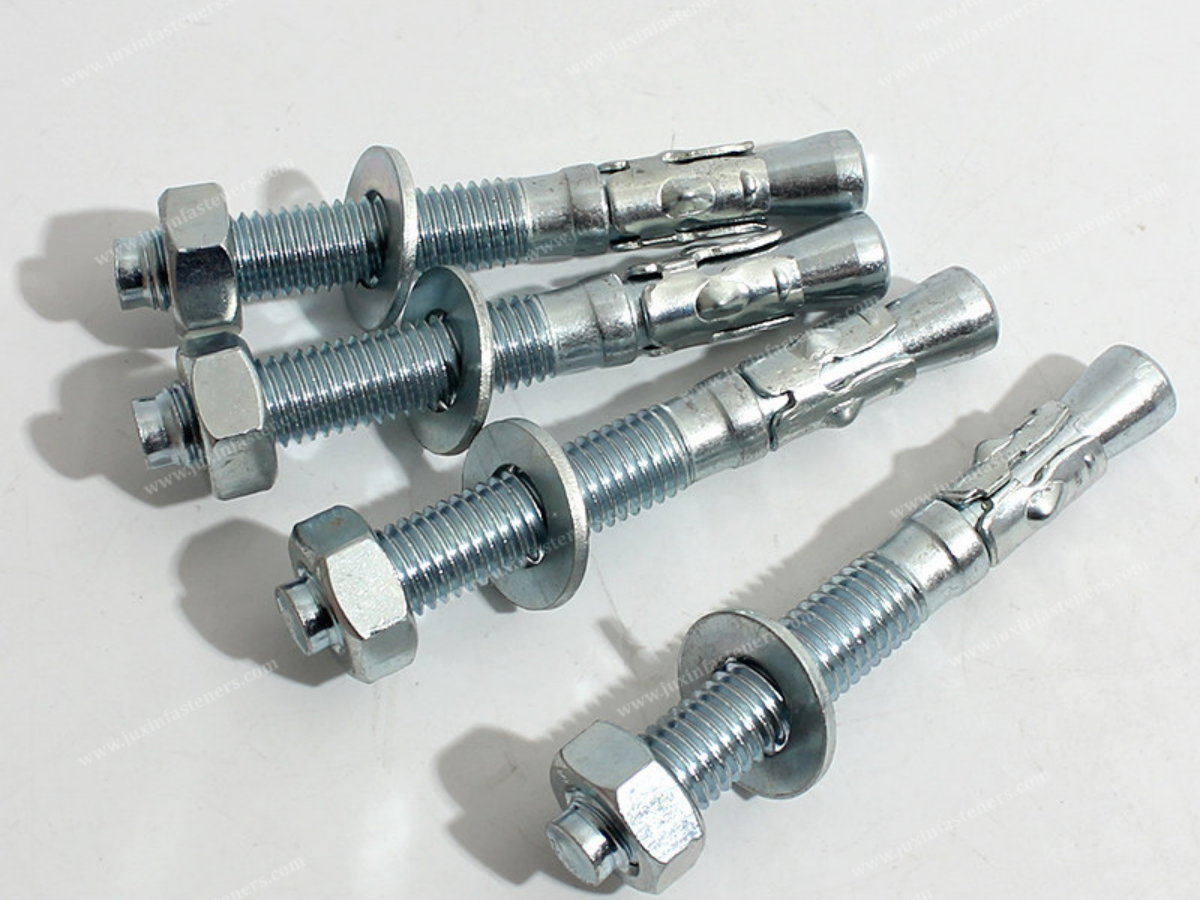
What Is a Mechanical Anchor?
A mechanical anchor transfers load through mechanical interaction with the concrete substrate.
The anchoring force is generated through:
Mechanical expansion
Undercut locking
Thread engagement
Frictional resistance
Mechanical interlock
Common mechanical anchors include:
Wedge Anchors
Sleeve Anchors
Drop-In Anchors
Concrete Screw Anchors
Undercut Anchors
Expansion Anchors
Mechanical anchors provide immediate load transfer after installation and are widely used in commercial construction, industrial facilities, and infrastructure projects.
What Is a Chemical Anchor?
A chemical anchor uses high-performance adhesive resin to bond a threaded rod, rebar, or anchor element into concrete, masonry, or other substrates.
The anchoring force is achieved through:
Adhesive bonding
Surface adhesion
Mechanical bonding within substrate pores
Load transfer through cured resin
Common chemical anchoring systems include:
Epoxy Anchors
Vinylester Anchors
Hybrid Mortar Anchors
Injection Resin Systems
Chemical Stud Anchors
Chemical anchors are frequently used in structural retrofitting, seismic reinforcement, curtain wall systems, and demanding engineering applications.
Mechanical Anchor vs Chemical Anchor: Core Difference
The fundamental difference lies in how the load is transferred into the concrete.
Feature | Mechanical Anchor | Chemical Anchor |
Load Transfer Method | Mechanical Expansion or Interlock | Adhesive Bonding |
Installation Speed | Fast | Slower |
Curing Time | None | Required |
Immediate Loading | Yes | No |
Expansion Stress | Present in Expansion Types | None |
Suitable Near Concrete Edge | Limited | Excellent |
Cracked Concrete Applications | Depends on Type | Often Suitable |
Vibration Resistance | Depends on Design | Excellent |
Seismic Applications | Specialized Models Available | Commonly Used |
High Temperature Resistance | Generally Better | Resin Dependent |
Installation Complexity | Simple | More Complex |
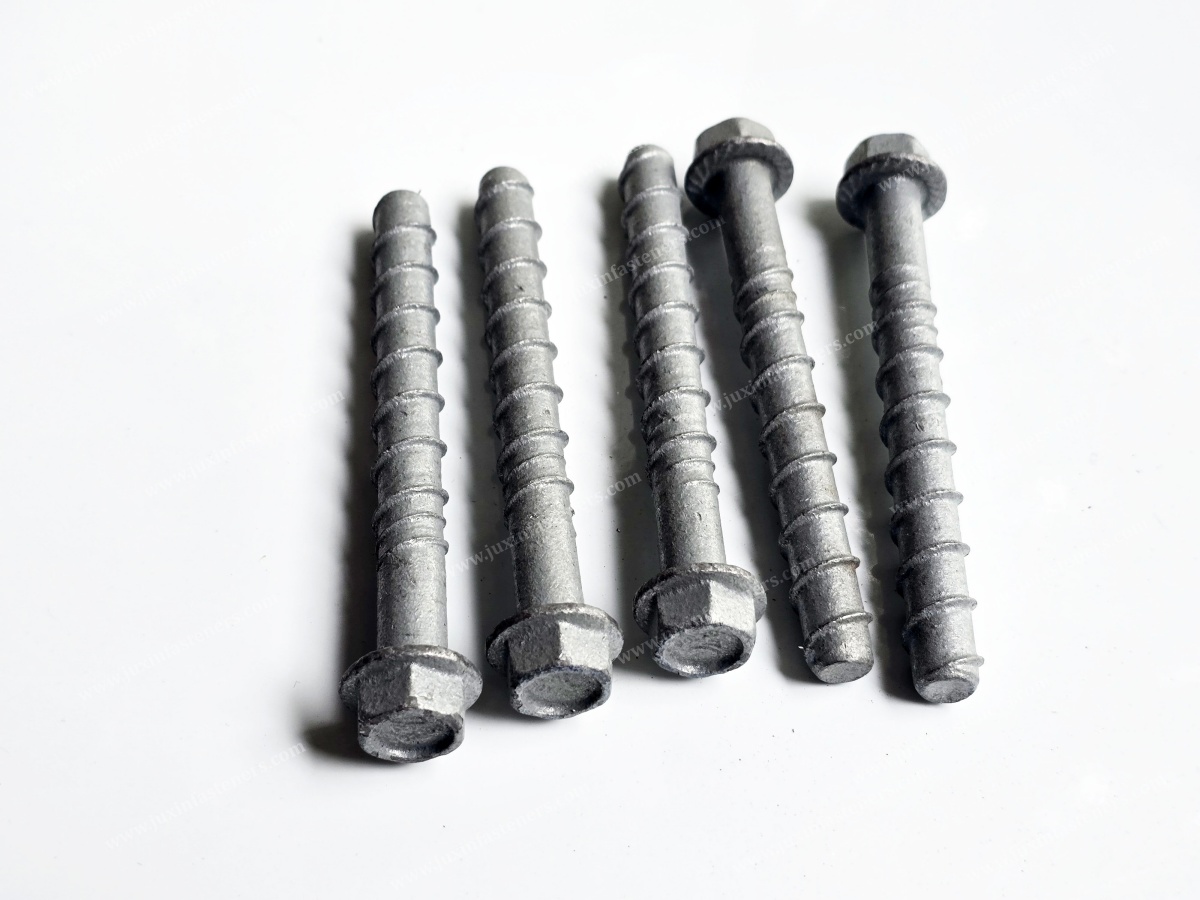
When Should Mechanical Anchors Be Selected?
1. High-Temperature Industrial Environments
Mechanical anchors are often preferred for:
Steel mills
Foundries
Power plants
Furnace systems
Heat treatment facilities
Industrial process equipment
Because no adhesive is involved, mechanical anchors are generally less affected by elevated temperatures than resin-based anchoring systems.
Typical Applications
Industrial equipment foundations
Furnace support frames
Pipe support systems
Structural steel attachments
SEO Keywords
High temperature concrete anchors
Industrial mechanical anchors
Heavy duty concrete anchors
Mechanical anchor bolts
2. Fast-Track Construction Projects
Mechanical anchors provide immediate installation capability.
This makes them suitable for:
Emergency repairs
Shutdown maintenance
Industrial retrofits
Fast-track commercial construction
Unlike chemical anchors, no curing time is required before applying service loads according to installation requirements.
Typical Applications
Equipment relocation
Machinery installation
Temporary structural supports
Construction schedules with tight deadlines
3. Cold Weather Installation
In cold climates, adhesive curing can become significantly slower.
Mechanical anchors are commonly selected for:
Winter construction
Emergency infrastructure repair
Cold-storage facilities
Outdoor installations in freezing conditions
Typical Industries
Infrastructure
Utilities
Transportation
Energy
4. Heavy Equipment Foundations
Mechanical anchors are widely used for:
Manufacturing machinery
Production equipment
Storage systems
Steel platforms
Industrial supports
Where immediate loading is required, mechanical anchoring systems often provide installation advantages.
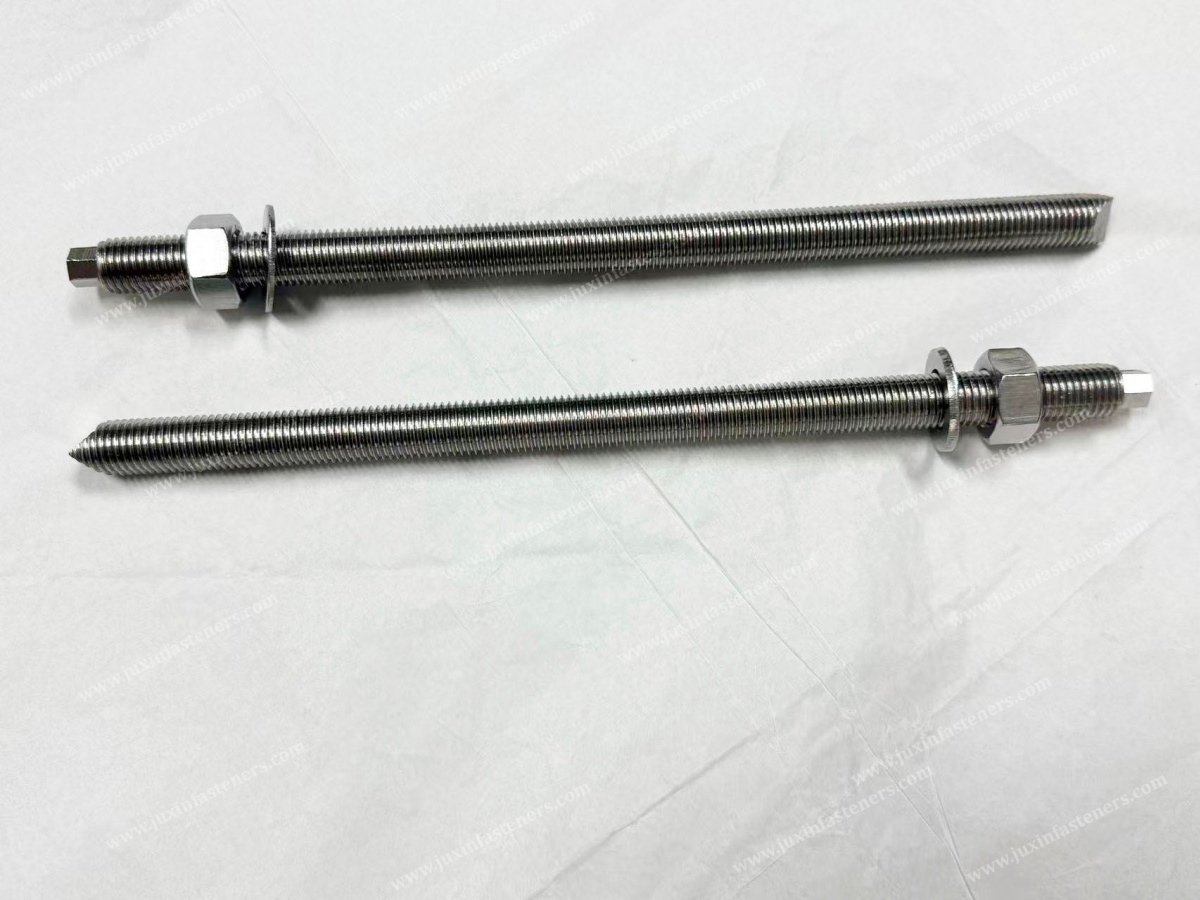
When Should Chemical Anchors Be Selected?
1. Cracked Concrete Applications
Chemical anchors do not rely on expansion pressure.
This makes them suitable for many applications involving cracked concrete when properly designed and approved.
Common Applications
Structural retrofits
Infrastructure rehabilitation
Building strengthening
Seismic upgrades
2. Close Edge Distance Installations
Expansion forces can affect concrete edges.
Chemical anchors may be selected where:
Anchor spacing is limited
Edge distance is restricted
Concrete thickness is limited
Typical Applications
Curtain wall brackets
Architectural facades
Balcony supports
Steel connection retrofits
3. Seismic Anchoring Systems
Many engineered seismic anchoring systems use chemical anchoring technology because of their load distribution characteristics and design flexibility.
Applications
Seismic strengthening
Structural reinforcement
Infrastructure retrofitting
Critical safety systems
4. Damp or Water-Exposed Concrete
Certain approved chemical anchoring systems are specifically designed for:
Wet concrete
Water treatment facilities
Basements
Underground structures
Utility tunnels
The selected adhesive system must be approved for the actual installation environment.
Industry Applications
Construction Industry
Mechanical Anchors
Used for:
Safety railings
Steel brackets
Equipment supports
Structural attachments
Chemical Anchors
Used for:
Structural strengthening
Curtain wall systems
Building retrofits
Reinforcement applications
Infrastructure Projects
Applications include:
Bridges
Tunnels
Water treatment plants
Transportation facilities
Both anchor types may be specified depending on design requirements.
Manufacturing Facilities
Mechanical Anchors
Ideal for:
Machine foundations
Conveyor systems
Equipment supports
Production lines
Chemical Anchors
Ideal for:
Equipment retrofits
Structural modifications
Facility expansion projects
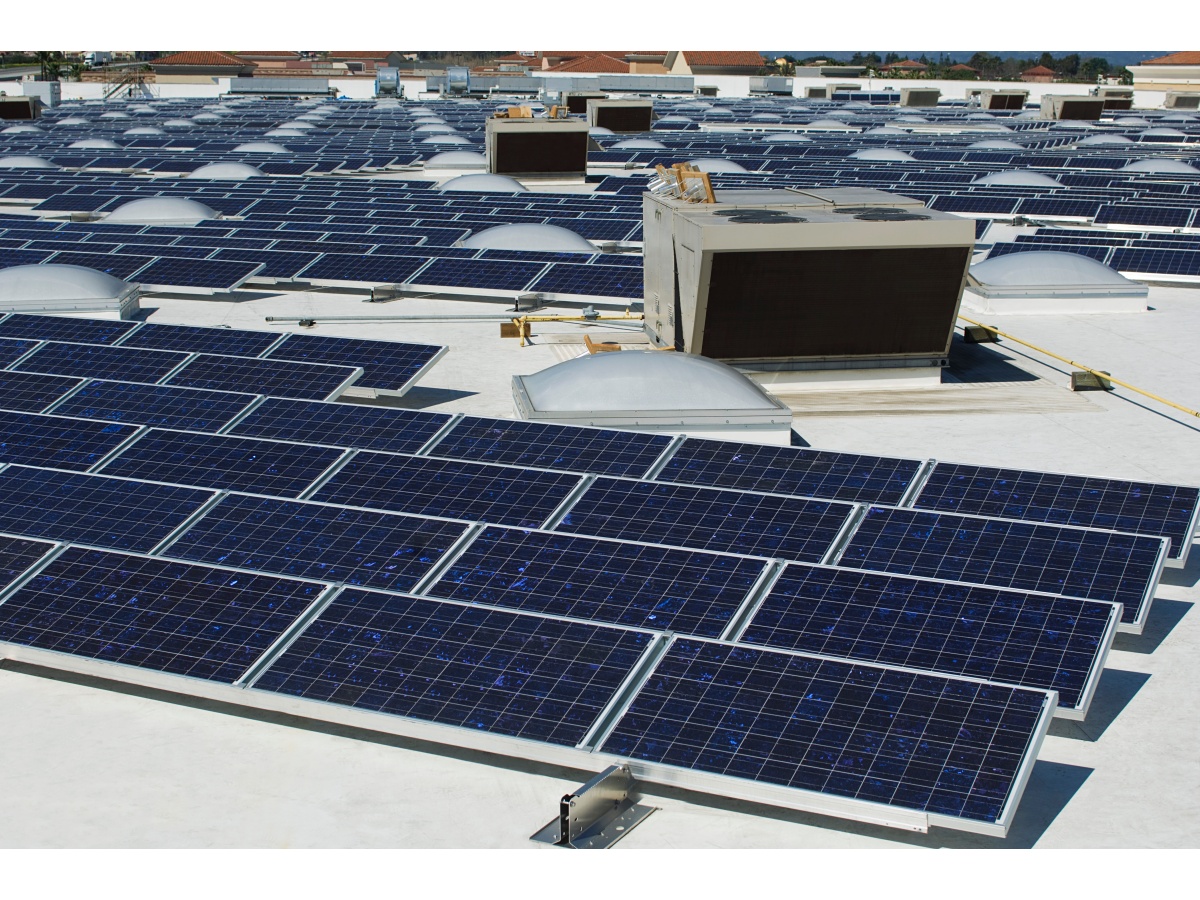
Energy Industry
Applications include:
Power plants
Renewable energy facilities
Utility infrastructure
Industrial process systems
Selection depends on environmental conditions and engineering requirements.
Conditions Where Mixing Anchor Types Requires Careful Engineering Review
Engineers frequently ask whether mechanical anchors and chemical anchors can be used within the same project.
The answer depends on the application.
Independent Systems
Generally acceptable when:
Separate components are involved
Different load paths exist
Independent anchor groups are used
Example:
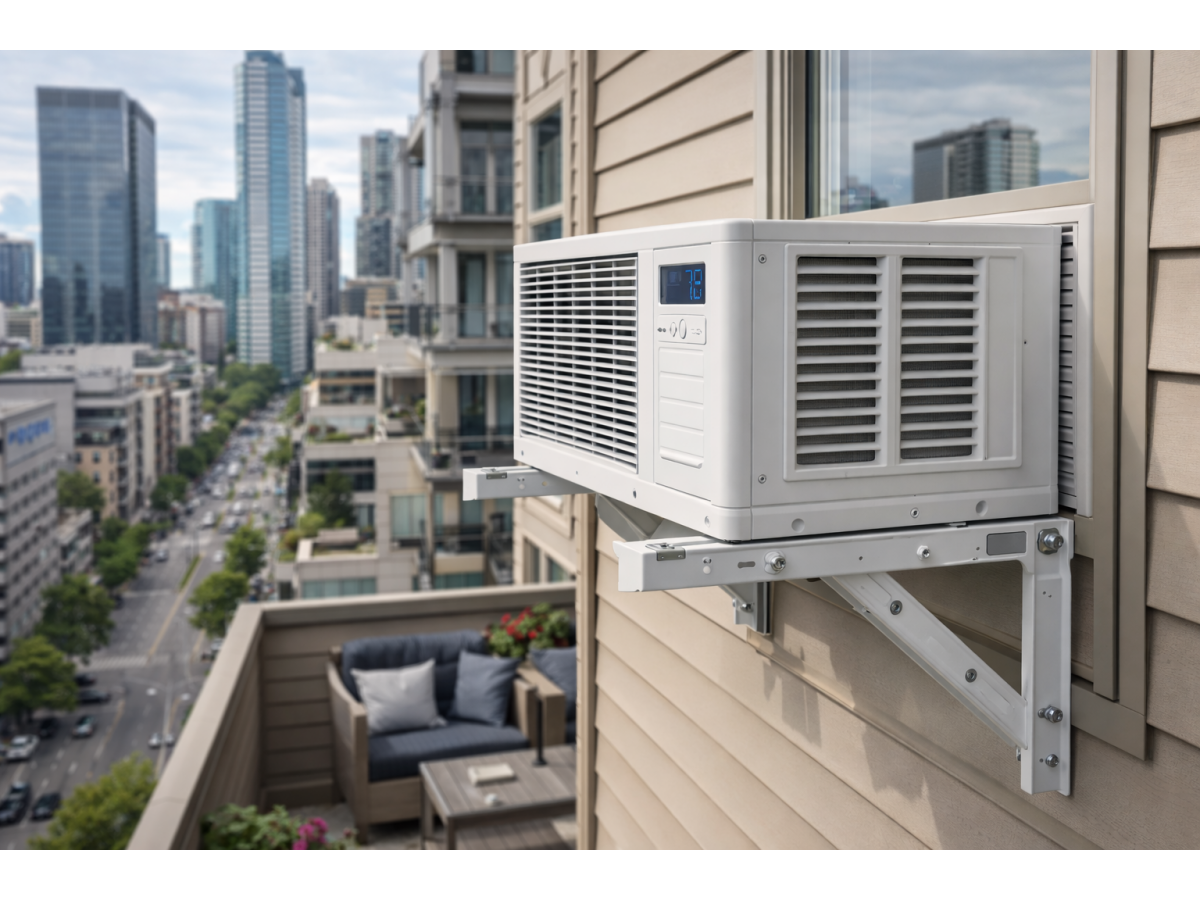
HVAC supports use mechanical anchors
Curtain wall brackets use chemical anchors
Both systems remain independent.
Shared Load-Bearing Connections
Where multiple anchors share the same load path, connection behavior becomes more complex.
Design considerations may include:
Stiffness differences
Load redistribution
Installation tolerances
Structural behavior
Dynamic loading effects
For safety-critical applications, engineers should follow the applicable design standards and project specifications rather than combining anchor types without engineering evaluation.
Mechanical Anchors and Chemical Anchors in Seismic Applications
For seismic projects, anchoring systems are usually designed as complete engineered systems.
Key considerations include:
Ductility
Energy dissipation
Crack movement
Dynamic loading
Long-term performance
Anchor systems should be selected according to the applicable seismic design requirements and tested product approvals.
Installation Best Practices
Mechanical Anchors
Step 1
Drill hole to specified diameter and depth.
Step 2
Remove dust and debris.
Step 3
Insert anchor.
Step 4
Apply installation torque.
Step 5
Inspect installation.
Chemical Anchors
Step 1
Drill hole.
Step 2
Thoroughly clean hole.
Step 3
Inject approved adhesive.
Step 4
Insert threaded rod.
Step 5
Allow full curing.
Step 6
Apply load only after required curing time.
Common Selection Mistakes
Avoid selecting anchors based solely on:
Ultimate tensile strength
Product price
Installation speed
Corrosion resistance alone
A proper selection should consider:
Concrete condition
Load type
Dynamic effects
Temperature
Moisture
Corrosion exposure
Installation access
Project codes
Safety requirements
Why Engineers and Contractors Choose JUXIN FASTENERS
JUXIN FASTENERS supplies professional fastening and anchoring solutions for:
Construction Projects
Infrastructure Development
Industrial Manufacturing
Energy Facilities
Curtain Wall Systems
OEM Applications
Maintenance and Retrofit Projects
Our anchoring solutions include:
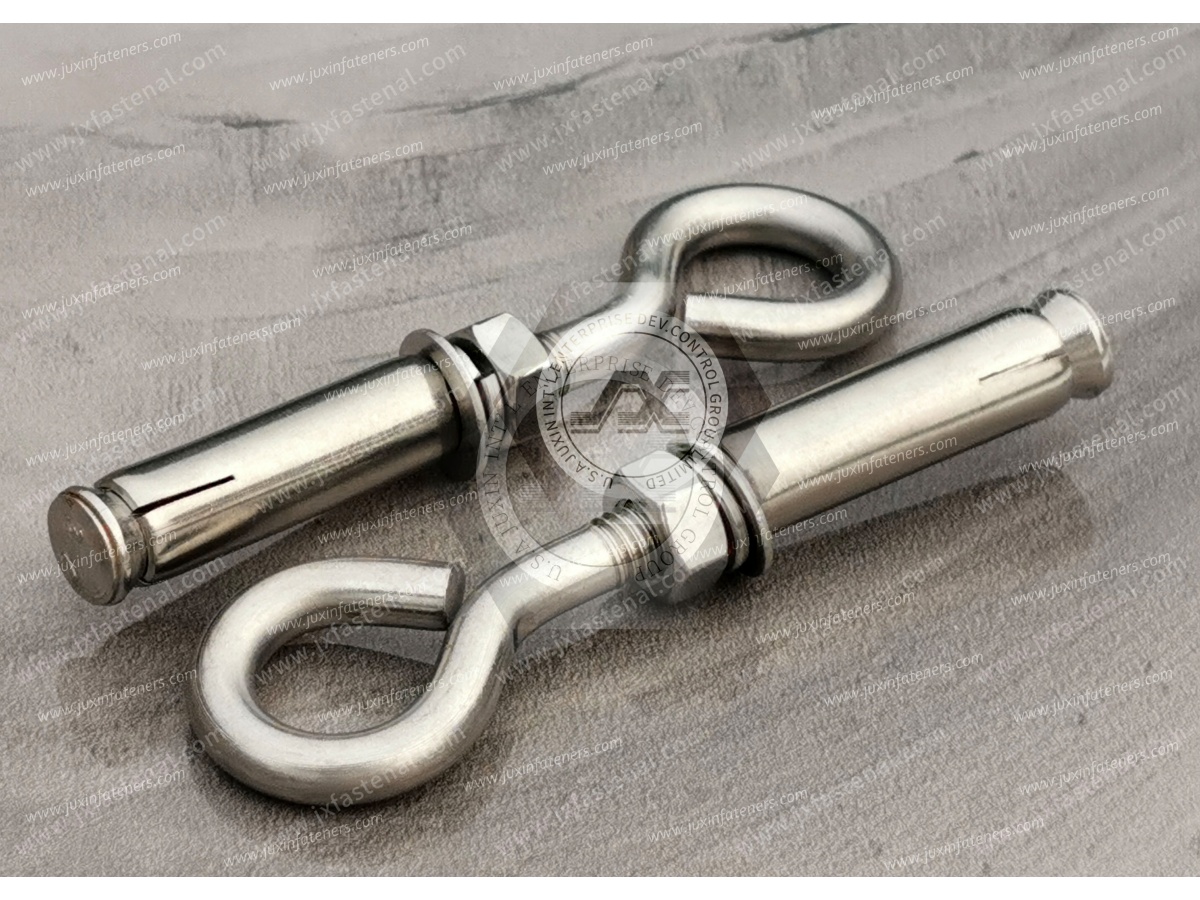
Wedge Anchors
Sleeve Anchors
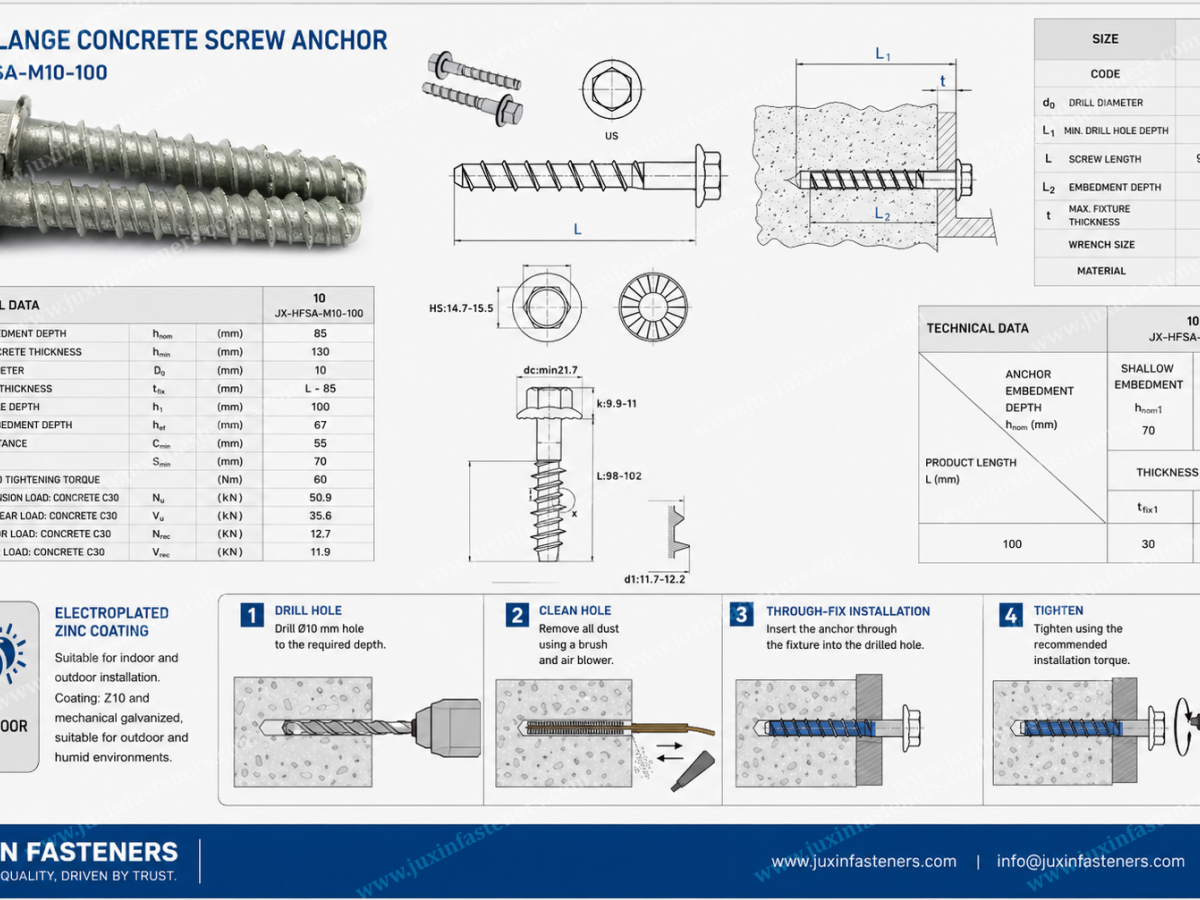
Concrete Screw Anchors
Chemical Anchoring Systems
Stainless Steel Anchors
Galvanized Anchors
Heavy-Duty Concrete Fasteners
We support engineers, distributors, contractors, and procurement teams with customized anchoring solutions for demanding applications.
Frequently Asked Questions
Which is stronger, a mechanical anchor or a chemical anchor?
Neither is universally stronger. Performance depends on anchor type, concrete condition, embedment depth, loading, installation quality, and design requirements.
Are chemical anchors better for seismic applications?
Many seismic systems utilize approved chemical anchoring solutions, but mechanical anchors specifically designed for seismic applications are also widely used.
Can mechanical anchors be used in cracked concrete?
Certain heavy-duty mechanical anchor systems are specifically designed and approved for cracked concrete applications.
Are chemical anchors suitable for high temperatures?
Performance depends on resin type and environmental conditions. Temperature limitations should always be verified against the product specification.
Can mechanical and chemical anchors be used in the same project?
Yes, when they are part of separate systems. For shared load-bearing connections, engineering evaluation is required.
Contact JUXIN FASTENERS
Looking for Mechanical Anchors, Chemical Anchors, Concrete Anchors, Wedge Anchors, Sleeve Anchors, Expansion Anchors, or Heavy-Duty Concrete Fastening Solutions?
Our engineering and sales team can help you select the right anchoring system for your project.
JUXIN FASTENERS
Website: www.juxinfasteners.com
Email: info@juxinfasteners.com
Send us your application details, substrate type, load requirements, environmental conditions, and quantity requirements for a professional anchoring recommendation.
 MORE NEWS
Sep. 27, 2026
Sep. 27, 2026
Sep. 27, 2026
Contact Us
Tel.:
+86 020 8621 0320
+86 020 3121 6067
E-mail:
Technical Support:
Navigation
SEND INQUIREY