
Call Us
+86 136 6007 9809
Call Us
+86 136 6007 9809

Aug. 30, 2026
High-Strength Bolts for Wind Turbines and Renewable Energy Equipment
Wind turbines and renewable energy equipment operate under demanding mechanical and environmental conditions.
Structural and mechanical assemblies may experience cyclic loading, vibration, fluctuating temperatures, moisture, corrosion exposure and long maintenance intervals.
Under these conditions, reliable fastening depends on more than selecting a high-strength bolt.
Engineers must evaluate the complete bolted joint, including bolt and nut compatibility, clamping force, joint stiffness, fatigue resistance, surface treatment, installation method and inspection requirements.
JUXIN FASTENERS supplies high-strength industrial bolts, nuts, washers, threaded studs and customer-specific fastening components for OEM equipment manufacturers and industrial supply chains.
Our product scope includes metric fasteners in property classes 8.8, 10.9 and 12.9, subject to the applicable product specification, material requirements and manufacturing feasibility.
This guide explains how to select and source fastening components for wind power equipment, renewable energy machinery, industrial generators, solar structures and related mechanical assemblies.
It also identifies the engineering information that purchasing teams should provide when requesting quotations for critical industrial fastening applications.
High-Strength Bolts in Wind Power Equipment
Wind turbines contain numerous mechanical and structural connections that must remain reliable throughout their intended service life.
Depending on the equipment design, bolted joints may be exposed to axial tension, transverse loading, bending effects, vibration and repeated changes in operating load.
Wind-induced loading and mechanical operation can create fluctuating stresses in connected components.
Where a bolted joint experiences cyclic loading, fatigue performance becomes an important engineering consideration.
The bolt must also retain sufficient clamping force to prevent unwanted joint separation or movement.
High-strength bolts can provide significant mechanical capacity, but their suitability depends on the complete joint design.
A higher bolt property class does not automatically produce a more reliable connection.
Incorrect preload, unsuitable coating, poor thread engagement or incompatible mating components can undermine the performance of an otherwise correctly specified bolt.
For wind power OEMs, the correct fastening solution begins with engineering validation of the joint rather than a simple comparison of nominal bolt strength.
High-Strength Bolt Options for Renewable Energy Equipment
JUXIN FASTENERS supplies industrial fastening products that may be evaluated for renewable energy equipment applications.
Relevant product families include:
High-strength metric hex bolts
Property class 8.8 bolts
Property class 10.9 bolts
Property class 12.9 bolts
High-strength nuts
Industrial washers
Custom threaded studs
Special threaded components
Customer-specific fasteners manufactured to approved drawings
Product selection depends on the required dimensions, mechanical properties, material specifications, surface treatment and installation conditions.
Not every property class is appropriate for every wind turbine connection.
Safety-critical joints require application-specific engineering approval, documented performance requirements and suitable quality controls.
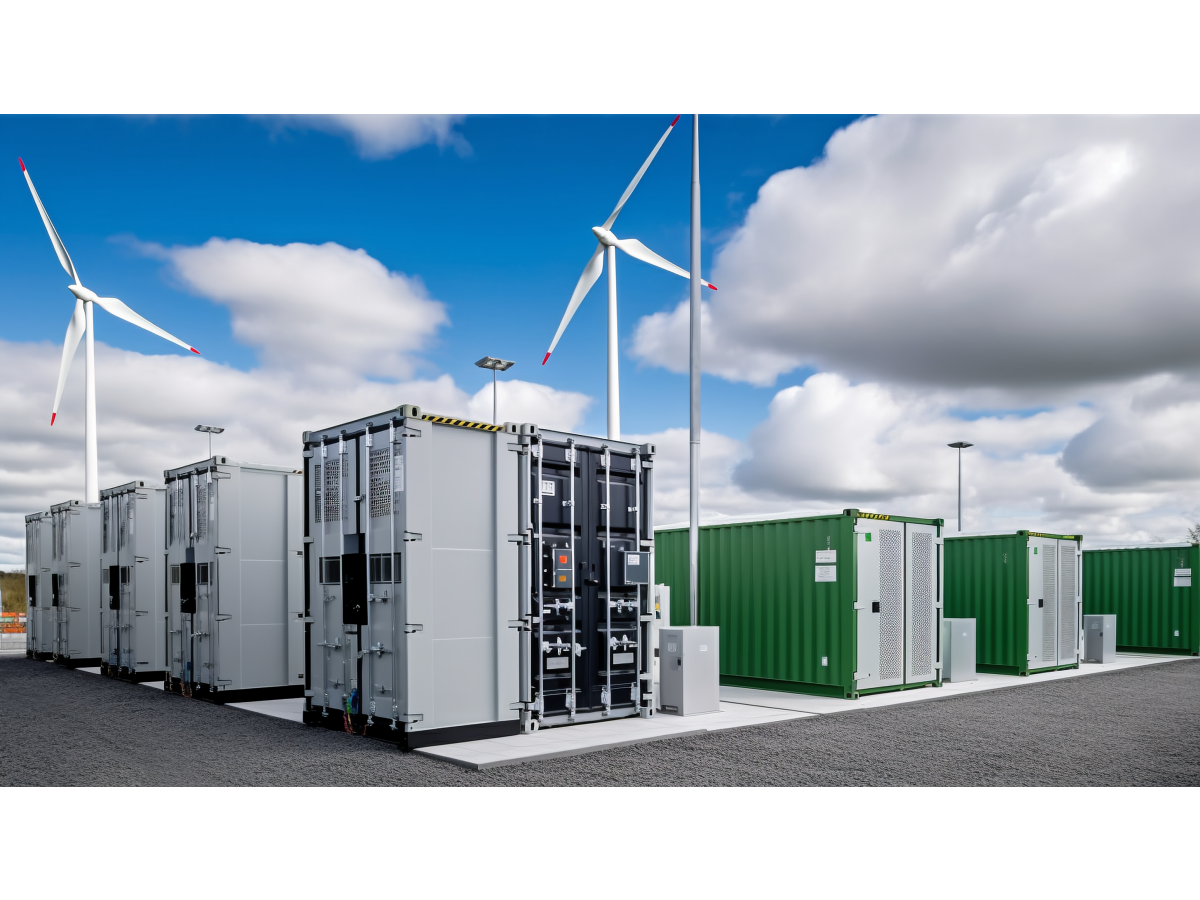
Understanding Bolt Property Classes 8.8, 10.9 and 12.9
For carbon steel and alloy steel bolts, ISO 898-1 establishes mechanical and physical property requirements for applicable fastener property classes.
The property class designation provides a standardized indication of specified mechanical strength characteristics.
However, bolt selection must also consider proof load, ductility, fatigue behavior, thread geometry, coating condition and joint requirements.
Property Class 8.8 Bolts
Property class 8.8 bolts are widely used in industrial machinery and structural or mechanical equipment assemblies where their specified mechanical properties meet the engineering requirements.
They may be considered for selected renewable energy equipment connections after evaluation of the actual loading conditions.
Their suitability should be assessed according to the approved joint design and applicable standards.
Property Class 10.9 Bolts
Property class 10.9 bolts provide higher specified strength than property class 8.8 bolts.
They may be considered for more demanding mechanical joints where higher strength is required.
However, higher strength does not eliminate the need to evaluate fatigue, preload, surface treatment and assembly procedures.
Property Class 12.9 Bolts
Property class 12.9 bolts provide higher specified strength than property classes 8.8 and 10.9.
They require particular attention to application suitability, manufacturing quality, environmental exposure and surface treatment.
High-strength fasteners can be sensitive to hydrogen-related cracking under certain material, processing and service conditions.
Property class 12.9 should therefore not be treated as a universal upgrade for wind turbine or outdoor energy applications.
Its use must be justified by the applicable engineering specification.
Selecting the Correct Property Class
The appropriate bolt grade depends on the required joint performance.
Design engineers should evaluate:
Maximum and minimum service loads
Cyclic loading conditions
Required clamping force
Joint stiffness
Fatigue requirements
Temperature exposure
Corrosion environment
Mating nut and washer specifications
Installation method
Applicable product and assembly standards
Where fatigue performance or structural integrity is critical, engineering validation and any required testing must be established before the fastening system is approved.
Bolt Preload and Joint Reliability
Preload is one of the most important factors in a highly loaded bolted joint.
When a bolt is tightened, it stretches elastically and generates a clamping force between the connected components.
This clamping force helps maintain joint contact and can reduce unwanted relative movement under service loading.
In a properly designed preloaded joint, the relationship between bolt stiffness, joint stiffness and external loading influences how the bolt experiences changing stress.
Insufficient preload may allow joint separation, movement or loosening.
Excessive preload may cause yielding, thread damage or other mechanical failure.
For renewable energy equipment, engineers should define the required preload according to the joint design.
The installation procedure must then be capable of achieving the specified clamping force with acceptable consistency.
Why Tightening Torque Alone Does Not Guarantee Bolt Preload
One common purchasing and assembly mistake is assuming that the same tightening torque always produces the same bolt preload.
In reality, tightening torque is affected by friction in the threads and under the bearing surface.
A simplified relationship is often expressed as:
T = K × F × d
Where:
T = applied tightening torque
K = torque coefficient
F = target bolt preload
d = nominal bolt diameter
This relationship is an approximation.
The torque coefficient is influenced by thread condition, coating, lubrication, bearing surface characteristics and assembly conditions.
Consequently, two bolts of the same size and strength grade can produce different clamping forces when tightened to the same torque.
For critical joints, the tightening method and friction characteristics should be established through an appropriate engineering process.
Depending on the application, assembly methods may include controlled torque, torque-angle tightening, direct tension measurement or other validated procedures.
ISO 16047 provides a relevant reference for torque/clamp force testing of threaded fasteners.
For OEM procurement, this creates an important specification requirement: a coating or lubricant change should not be approved solely because the bolt dimensions and property class remain unchanged.
The change may affect the tightening process and resulting preload.
Fatigue Loading in Wind Turbine Fasteners
Wind turbines experience repeated changes in operating load.
A bolted connection may therefore be exposed to cyclic stress throughout its service life.
Fatigue failure can occur under repeated loading even when individual load cycles remain below the fastener's static tensile capacity.
Factors influencing fatigue performance include:
Bolt geometry
Thread root geometry
Material condition
Manufacturing process
Residual stresses
Joint stiffness
Preload
External load distribution
Surface condition
Corrosion exposure
Installation consistency
Fatigue resistance should not be inferred from property class alone.
For example, replacing a property class 8.8 bolt with a 10.9 or 12.9 bolt does not automatically improve the fatigue life of the joint.
If the joint design allows separation or excessive cyclic bolt loading, the higher-strength replacement may not solve the underlying problem.
The correct engineering approach is to evaluate the complete load path and the specified preload condition.
Where fatigue performance is critical, appropriate engineering analysis and qualification requirements must be defined by the equipment manufacturer.
Bolt Loosening Under Vibration
Vibration is another important consideration for renewable energy equipment.
However, vibration does not automatically cause every properly designed bolted joint to loosen.
Self-loosening is strongly influenced by joint design, clamping force and relative movement between connected components.
If transverse loading causes repeated slip at the joint interface, the risk of rotational loosening can increase.
Possible preventive measures depend on the application and may include:
Appropriate preload
Suitable joint stiffness
Correct bearing surfaces
Validated locking features
Specified locking nuts
Mechanical retention devices
Controlled installation procedures
Regular inspection where required
No single locking method is appropriate for every application.
A nylon-insert locknut, all-metal prevailing-torque locknut, lock washer or other locking component should be selected according to the actual temperature, loading and service conditions.
For safety-critical wind power connections, the approved fastening design and installation specification must govern the selection.
High-Strength Nuts and Bolt Compatibility
A bolted joint must be evaluated as a complete fastening system.
The nut must be compatible with the bolt's thread specification and required mechanical performance.
ISO 898-2 provides mechanical property requirements for applicable carbon steel and alloy steel nuts.
However, the correct nut property class must be selected according to the applicable standard and joint requirements.
Using an unsuitable nut can introduce the risk of thread stripping or other connection failures.
For OEM purchasing, the bolt and nut should not be sourced independently without confirming their compatibility.
The purchasing specification should define:
Bolt property class
Nut property class
Thread diameter
Thread pitch
Thread tolerance
Nut dimensions
Surface treatment
Lubrication requirements
Required inspection
The nut must also provide the required thread engagement and fit the available assembly space.
Washer Selection and Bearing Surface Performance
Washers can influence the behavior of a bolted joint.
Depending on the design, they may help distribute bearing pressure, protect a connected surface or provide a specified bearing interface.
The correct washer specification depends on the fastener size, mechanical load, surface condition and joint design.
For highly loaded bolted connections, washer hardness and dimensional compatibility are important.
A washer that is unsuitable for the applied bearing pressure may deform during tightening or service.
This can contribute to a loss of clamping force.
Washer selection should therefore be included in the engineering specification rather than treated as a minor purchasing detail.
Where applicable, ISO 7089, ISO 7090 and ISO 7093 series dimensional references may be considered for washers, while the relevant mechanical requirements must also be specified.
Not every washer standard or configuration is suitable for a high-preload joint.
Surface Treatment and Corrosion Protection
Renewable energy equipment may operate outdoors for extended periods.
Fasteners can be exposed to humidity, rain, condensation, industrial pollution and, in some locations, salt-containing atmospheres.
Corrosion protection must therefore be selected according to the actual service environment.
Relevant coating considerations include:
Corrosion resistance
Coating thickness
Thread fit
Friction characteristics
Installation method
Hydrogen embrittlement risk
Temperature exposure
Contact with dissimilar metals
Required inspection
Zinc Electroplating
Zinc electroplating is used for corrosion protection in many industrial fastener applications.
However, the suitability of an electroplated coating depends on the fastener strength, environmental exposure and required performance.
For high-strength fasteners, hydrogen embrittlement risks associated with processing must be evaluated.
Zinc-Nickel Coatings
Zinc-nickel coatings may be specified for industrial fastening applications requiring particular corrosion protection characteristics.
JUXIN FASTENERS can review zinc-nickel coating requirements against the applicable product specification.
Any stated corrosion performance must be supported by the actual coating specification and applicable test evidence.
A particular salt-spray duration should not be assumed to establish the service life of a fastener in a wind turbine environment.
Hot-Dip Galvanizing
Hot-dip galvanizing is used in selected outdoor structural fastening systems.
However, it changes coating thickness and may affect thread fit.
High-strength fastener suitability, material condition and applicable coating restrictions must be reviewed.
A standard electroplated bolt should not automatically be replaced with a hot-dip galvanized version without evaluating thread compatibility and the relevant fastener standards.
Stainless Steel
Stainless steel may be appropriate for certain corrosion-exposed renewable energy equipment components.
However, stainless steel fasteners are not automatically equivalent in strength to carbon steel property class 10.9 or 12.9 fasteners.
The selected stainless steel grade and property class must be evaluated against the mechanical requirements.
Material selection should consider both corrosion resistance and structural performance.
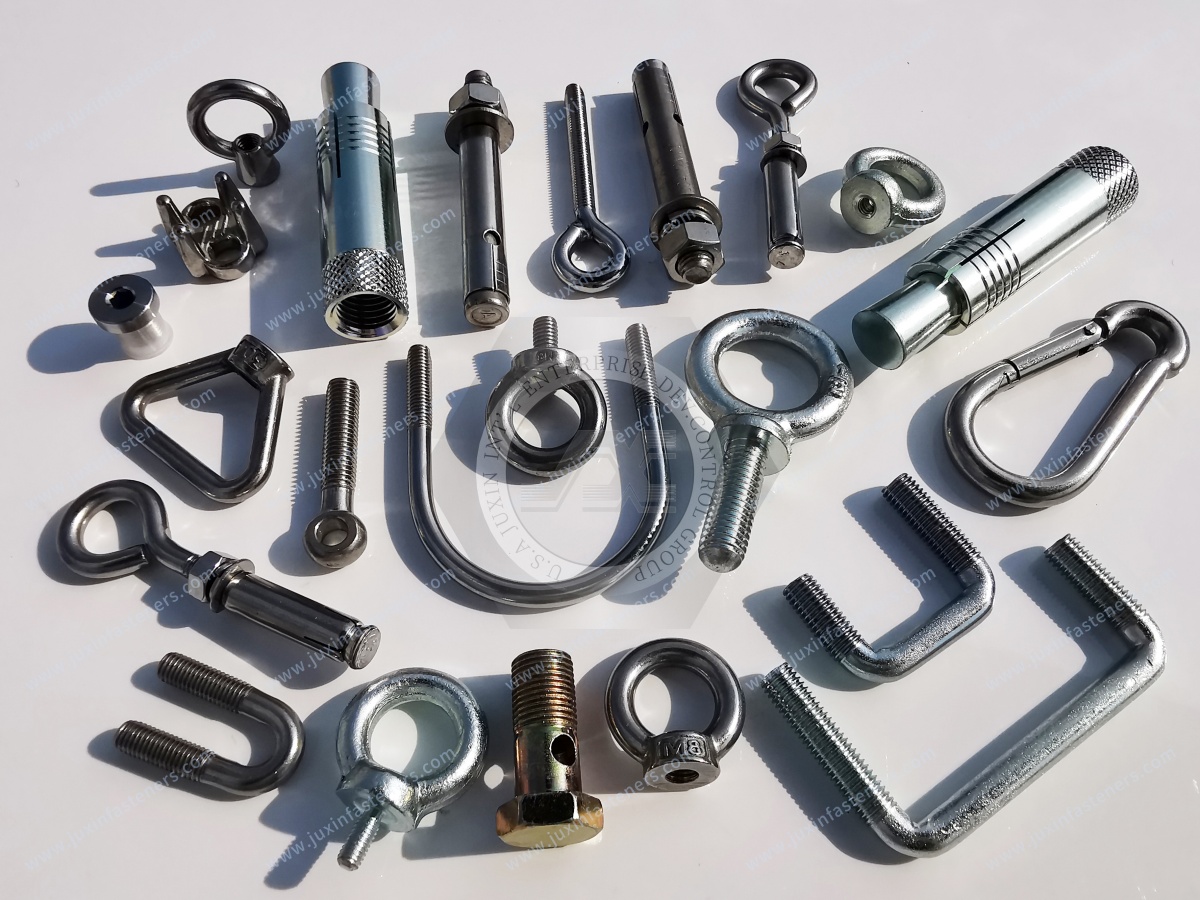
Hydrogen Embrittlement and High-Strength Fasteners
Hydrogen embrittlement is a significant technical consideration for certain high-strength steel fasteners.
Hydrogen can be introduced during some manufacturing, surface treatment or service processes.
Under susceptible material and stress conditions, hydrogen-related cracking may occur.
This risk is influenced by factors such as:
Material strength and hardness
Heat treatment
Surface preparation
Electroplating processes
Hydrogen exposure
Applied tensile stress
Service environment
Appropriate process controls and risk assessment are therefore important when specifying coated high-strength fasteners.
For procurement teams, coating approval should include consideration of the relevant hydrogen embrittlement requirements.
The applicable standards and testing requirements must be selected according to the product, process and customer specification.
No general coating description can guarantee freedom from hydrogen-related failure.
Thread Geometry and International Standards
Wind power equipment manufacturers frequently use metric threaded fasteners.
Relevant international references may include:
ISO 68-1 for basic metric thread profiles
ISO 261 for general-purpose metric thread combinations
ISO 724 for basic metric thread dimensions
ISO 965 for metric thread tolerances
ISO 898-1 for mechanical properties of applicable bolts, screws and studs
ISO 898-2 for mechanical properties of applicable nuts
ISO 16047 for torque/clamp force testing
ISO 4042 for electroplated coating systems for threaded fasteners
Additional standards may apply depending on the fastener design, coating system, manufacturing process and intended application.
Some projects may also specify ASME, ASTM, EN or other international requirements.
The relevant standards must be identified by the approved engineering documentation.
For projects involving UNC or UNF threads, the thread system must be specified separately.
Metric, UNC, UNF, BSW and BSF threads are not directly interchangeable.
Approximate diameter conversions must not be used to establish thread compatibility.
Wind Turbine Fastener Applications
Wind Turbine Mechanical Assemblies
Wind turbines contain mechanical equipment, mounting structures, support components and auxiliary systems.
High-strength bolts and custom threaded components may be considered for selected assemblies according to the equipment design.
Engineering requirements vary substantially between different connection types.
A fastener suitable for an auxiliary equipment bracket may not be suitable for a highly loaded structural joint.
Tower and Structural Connections
Wind turbine towers and other structural assemblies may contain highly loaded bolted connections.
These applications can require specific preload procedures, fatigue assessment, dimensional controls and qualification requirements.
Such connections must be governed by the applicable structural design and approved fastening specification.
JUXIN FASTENERS should be considered for these applications only after the required technical qualification and supply requirements have been established.
Nacelle and Auxiliary Equipment
Wind turbine nacelles contain mechanical, electrical and auxiliary equipment.
Potential fastening applications include equipment brackets, protective housings, mechanical supports and serviceable assemblies.
The appropriate fastener must be selected according to the specific joint design.
Generator and Power Equipment Assemblies
Industrial generators and related power equipment may require high-strength bolts, nuts, washers and special threaded components.
Important selection factors include vibration, thermal exposure, mechanical loading and maintenance requirements.
The engineer should evaluate the connection according to the equipment manufacturer's specification.
Maintenance and Replacement Fasteners
Wind power maintenance programs may require replacement bolts, nuts and washers.
Replacement hardware must match the approved specifications for dimensions, material, mechanical properties, coating and installation requirements.
A visually similar fastener is not necessarily an acceptable replacement.
Purchasing teams should avoid approving substitutions based only on nominal diameter and property class.
Fasteners for Solar Energy Equipment
Renewable energy fastening requirements extend beyond wind turbines.
Solar mounting structures, support frames, electrical equipment housings and mechanical assemblies also require reliable fastening systems.
Depending on the application, relevant products may include:
Hex bolts
Nuts
Washers
Threaded studs
Custom brackets and fastening components
Corrosion-resistant fasteners
Material and coating selection should consider outdoor exposure, structural requirements and contact with dissimilar metals.
For aluminum solar mounting structures, galvanic corrosion compatibility may require particular attention.
The correct fastener must also match the mounting system's approved design and installation specification.
Fasteners for Energy Storage and Power Distribution Equipment
Battery energy storage systems and electrical power infrastructure contain numerous mechanical assemblies.
Potential applications include equipment enclosures, mounting frames, support brackets and auxiliary mechanical connections.
These assemblies may require carbon steel, stainless steel or coated fasteners according to the environmental and mechanical requirements.
Fastener selection should consider installation accessibility, vibration, temperature exposure and maintenance needs.
Electrical bonding and grounding functions require separate engineering verification.
A general industrial fastener should not automatically be described as an approved electrical connection component.
Engineering Selection: A Practical Joint-Level Approach
A useful way to select high-strength fasteners is to evaluate the complete joint in a defined sequence.
Establish the Connection Function
Determine whether the fastener provides structural retention, mechanical support, equipment mounting or another function.
Define the Loading Conditions
Identify static loads, cyclic loads, vibration, temperature effects and possible joint separation.
Establish the Required Fastener Properties
Select the appropriate bolt property class, geometry, thread system and material according to the engineering design.
Evaluate Mating Components
Confirm nut compatibility, washer requirements, bearing surfaces and thread engagement.
Specify the Required Surface Treatment
Consider corrosion exposure, coating thickness, friction characteristics and processing risks.
Define the Installation Procedure
Establish the required preload, tightening method and applicable inspection requirements.
Evaluate Production Consistency
Confirm that the selected fastening system can be installed and inspected reliably under actual production conditions.
Document the Approved Configuration
The purchasing specification should clearly identify the fastener drawing, material requirements, coating specification, applicable standards and inspection criteria.
This approach reduces the risk of treating a fastener as an isolated commodity rather than an engineered component.
Production Efficiency and Assembly Reliability
For production managers, a high-strength fastening system must be suitable for consistent installation.
The total assembly cost includes more than the purchase price of the bolt.
Important production considerations include:
Fastener handling
Installation tool compatibility
Tightening cycle time
Required preload verification
Thread cleanliness
Coating consistency
Rework risk
Assembly accessibility
Inspection requirements
Traceability
A lower-priced bolt may create additional production cost if its dimensional or friction characteristics vary excessively.
For example, inconsistent surface conditions can influence the relationship between applied tightening torque and achieved preload.
This may increase process variation during assembly.
Manufacturing engineers should therefore evaluate the fastener and installation process together.
Where the application requires controlled tightening, the approved process should define the necessary tooling, settings, inspection methods and acceptance criteria.
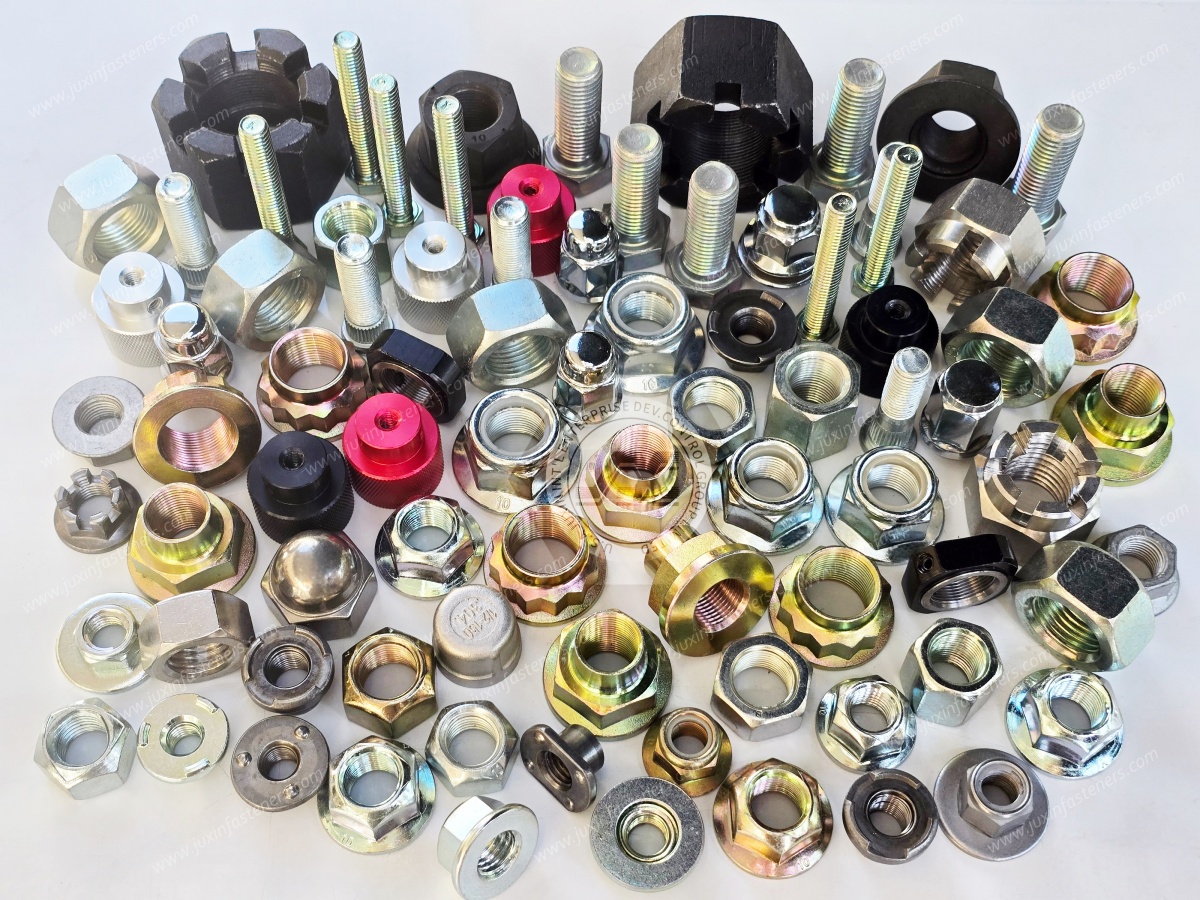
OEM Procurement and Supplier Development
Purchasing high-strength fasteners for renewable energy equipment involves technical and commercial considerations.
Procurement teams must establish whether the proposed supplier can meet the approved engineering requirements.
Important evaluation areas include:
Correct product identification
Drawing compliance
Material specification
Mechanical property requirements
Coating specification
Dimensional consistency
Required inspection documentation
Lot identification and traceability
Packaging requirements
Minimum order quantity
Production lead time
Annual demand
Delivery scheduling
Change control requirements
A supplier quotation should identify any technical deviations or assumptions.
For repeat purchasing programs, the customer and supplier should agree on the approved product configuration before routine deliveries begin.
Material, coating, thread or manufacturing changes should be reviewed according to the customer's applicable change-control requirements.
Avoiding Common Fastener Procurement Errors
Selecting Bolts by Property Class Alone
Property class does not define the complete joint performance.
The engineer must also consider geometry, preload, fatigue, coating and mating components.
Ignoring Coating Effects on Tightening
A coating change can affect friction and the resulting clamp load.
The installation procedure may need to be reviewed.
Using Incompatible Nuts
An unsuitable nut can create a risk of thread stripping or joint failure.
Nut selection must match the applicable bolt specification.
Assuming All Washers Are Equivalent
Washer hardness, dimensions and bearing behavior can influence joint performance.
Appropriate washers must be specified.
Overlooking Hydrogen Embrittlement Risk
Certain high-strength fasteners require careful assessment of surface treatment and processing conditions.
Substituting Metric and Inch Threads
Nominally similar dimensions do not establish thread compatibility.
Metric and inch-thread fasteners must be specified separately.
Accepting Unverified Replacement Parts
Replacement hardware should meet the approved product and installation specifications.
Visual similarity alone is insufficient.
Omitting Inspection Requirements from the RFQ
Without clear acceptance criteria, suppliers may interpret the same product request differently.
Inspection and documentation requirements should be defined before quotation.
Custom Bolts, Studs and Special Threaded Components
Standard bolts are not suitable for every industrial assembly.
Some renewable energy equipment manufacturers require special dimensions, thread configurations, material specifications or coating systems.
JUXIN FASTENERS welcomes inquiries for customer-specific industrial fasteners based on engineering drawings and purchasing requirements.
Potential customization requirements include:
Nonstandard bolt lengths
Special thread lengths
Custom threaded studs
Special head geometries
Customer-defined material grades
Specified coating systems
Special dimensional tolerances
Customer-specific inspection requirements
Custom packaging
Project-based production quantities
Annual supply programs
Manufacturing feasibility and the final supply specification must be confirmed before quotation or production release.
For custom parts, customers should provide 2D drawings, available 3D models, material specifications, coating requirements and expected purchasing quantities.
What to Include in a Renewable Energy Fastener RFQ
A technically complete RFQ can reduce clarification time and improve quotation accuracy.
Recommended information includes:
Product description and drawing number
Drawing revision
Fastener type
Nominal diameter
Thread pitch
Fastener length
Property class
Material specification
Nut and washer requirements
Coating specification
Applicable international standards
Required preload or installation conditions, where relevant
Inspection requirements
Documentation and traceability requirements
Annual demand
Order quantity
Delivery destination
Requested lead time
Packaging requirements
Any customer-specific qualification requirements should also be identified.
For safety-critical connections, the customer should provide the applicable engineering and approval requirements before supplier evaluation.
Frequently Asked Questions
What bolt grades are commonly considered for renewable energy equipment?
Property classes 8.8, 10.9 and 12.9 may be considered for different industrial applications.
The appropriate class depends on the approved joint design and required mechanical performance.
Are grade 12.9 bolts always better than grade 10.9 bolts?
No. Higher specified strength does not automatically improve fatigue performance, corrosion resistance or overall joint reliability.
Why is bolt preload important in wind turbines?
Preload creates clamping force between connected components. Correct preload helps maintain joint integrity under service loading.
Can tightening torque be used to determine bolt preload?
Torque can be used as part of a controlled tightening method, but the relationship between torque and preload depends strongly on friction and assembly conditions.
Are zinc-nickel coatings suitable for wind power fasteners?
They may be suitable for selected applications when the coating specification, corrosion requirements, friction characteristics and high-strength fastener processing risks are appropriately evaluated.
Can stainless steel replace grade 10.9 carbon steel bolts?
Not automatically. The mechanical properties, corrosion requirements and joint design must be evaluated before substitution.
Why are matching nuts and washers important?
The nut and washer affect the performance of the complete joint. Incorrect mating components can create mechanical or installation problems.
Can standard industrial bolts be used in wind turbine structural joints?
Only where the approved engineering specification and applicable qualification requirements permit their use.
What information is needed for a custom wind turbine bolt quotation?
Customers should provide drawings, dimensions, material and property class requirements, coating specifications, inspection requirements, purchasing quantities and delivery expectations.
Can JUXIN FASTENERS review OEM fastener drawings?
JUXIN FASTENERS welcomes technical inquiries for standard and custom industrial fastening components.
Manufacturing feasibility, applicable requirements and commercial terms must be confirmed through the quotation process.
Related Industrial Fastening Solutions
For related engineering and purchasing requirements, consider the following JUXIN FASTENERS product families:
High-Strength Hex Bolts
High-Strength Nuts
All-Metal Lock Nuts
Nylon-Insert Lock Nuts
Custom Threaded Studs
Stainless Steel Fasteners
Custom CNC Machined Components
Industrial Sheet Metal Fasteners
Engineered Fastening Solutions for Electrical Equipment
These product categories address different mechanical, installation and material requirements.
The appropriate fastener should be selected according to the approved application design.
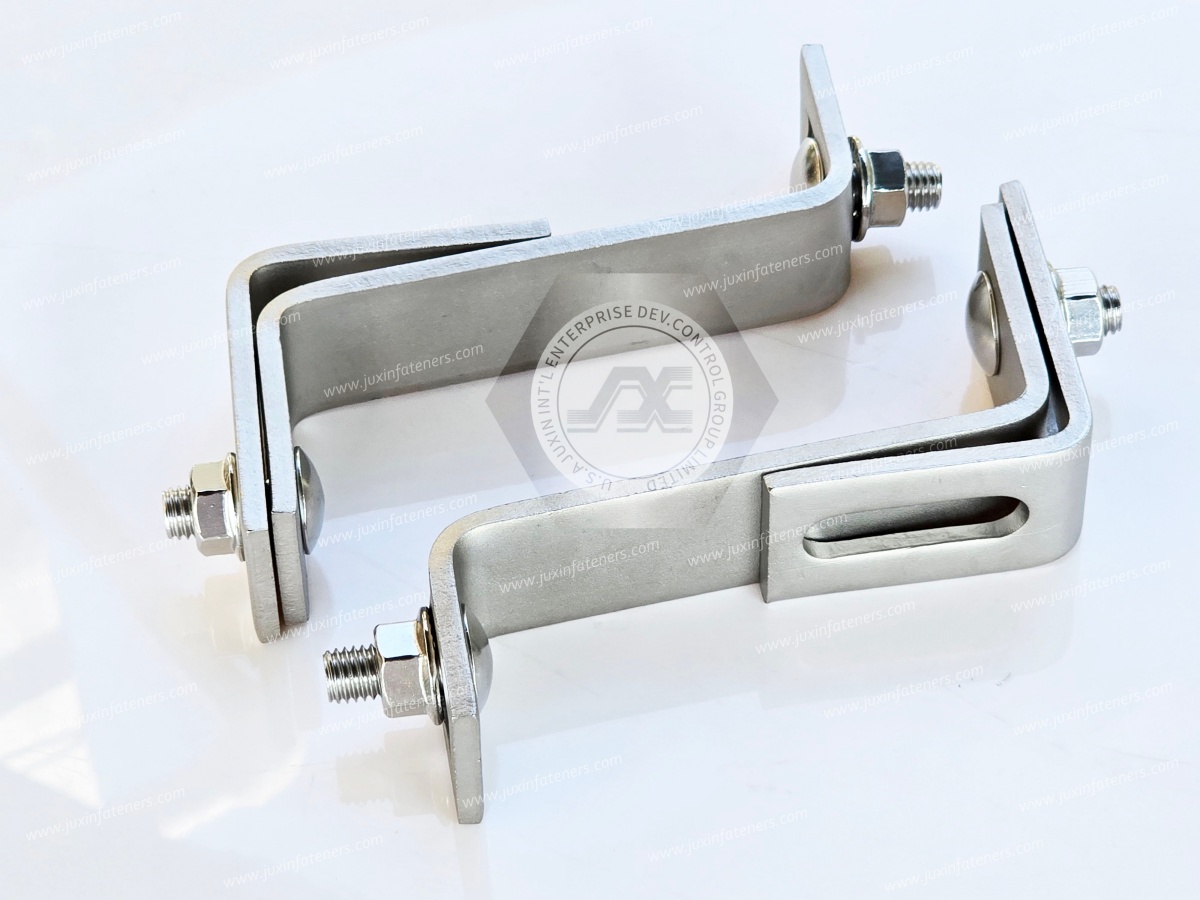
Request a Quote for Wind Turbine and Renewable Energy Fasteners
JUXIN FASTENERS supplies high-strength industrial bolts, nuts, washers, custom studs and special threaded components for OEM manufacturers and international industrial supply chains.
We welcome inquiries from renewable energy equipment manufacturers, mechanical engineers, manufacturing engineers, production managers,
procurement specialists, purchasing managers and supplier development teams.
For an efficient technical review, please provide your engineering drawings, bolt specifications, material requirements, coating details, expected order quantities and delivery requirements.
For applications involving fatigue loading, controlled preload or safety-critical connections, include the applicable engineering and qualification specifications.
Our team can review the requested fastening configuration and discuss suitable product options, customization requirements and quotation details.
Company: JUXIN FASTENERS
Website: www.juxinfasteners.com
Email: info@juxinfasteners.com
Send your drawings, BOM or RFQ to JUXIN FASTENERS to discuss high-strength bolts and custom fastening components for renewable energy equipment.
Contact Us
Tel.:
+86 020 8621 0320
+86 020 3121 6067
E-mail:
Technical Support:
Navigation
SEND INQUIREY



