
Call Us
+86 136 6007 9809
Call Us
+86 136 6007 9809

Aug. 30, 2026
Fasteners for Solar Mounting Systems and Photovoltaic Equipment
Solar mounting systems and photovoltaic equipment require reliable mechanical connections capable of maintaining their intended performance throughout years of outdoor exposure,
temperature variation and operating loads.
Solar installations may include aluminum mounting rails, steel support structures, stainless steel fasteners, electrical enclosures,
tracking mechanisms and custom mounting interfaces. Each assembly introduces different requirements for mechanical strength, corrosion protection, material compatibility and installation.
A fastener that performs well in an indoor electrical cabinet may not be suitable for a rooftop solar mounting structure or a moving solar tracker assembly.
For solar equipment manufacturers, selecting the correct fastener is therefore an engineering decision that affects structural reliability, assembly efficiency, maintenance requirements and total lifecycle cost.
JUXIN FASTENERS supplies stainless steel fasteners, industrial bolts, nuts, washers, threaded inserts, sheet metal fastening components and custom CNC machined parts for OEM industrial applications.
Our fastening solutions can be evaluated for photovoltaic mounting systems, solar tracking equipment, inverter enclosures, electrical cabinets, structural brackets and renewable energy mechanical assemblies.
This guide explains how engineers, production managers and procurement teams can evaluate solar mounting fasteners according to application requirements, international standards,
material compatibility, installation conditions and long-term sourcing needs.
Solar Mounting Systems: Why Fastener Selection Matters
A solar mounting system supports photovoltaic modules and transfers mechanical loads through rails, clamps, brackets, support members and structural connections.
The fastening system forms part of this load path.
Depending on the installation, mechanical connections may experience:
Wind uplift and lateral loading
Dead loads from modules and supporting structures
Thermal expansion and contraction
Repeated temperature changes
Vibration
Moisture and condensation
Atmospheric corrosion
Installation and maintenance loads
Differential movement between connected materials
The significance of each condition depends on the mounting system design, geographical environment and installation configuration.
For example, rooftop solar mounting assemblies may experience thermal movement between aluminum rails and steel support components.
Ground-mounted solar systems may have different structural loading, foundation interfaces and environmental exposure.
Solar trackers introduce additional mechanical movement and repeated loading.
Consequently, the same bolt, nut or washer should not automatically be specified for every connection within a photovoltaic installation.
Engineers should evaluate the complete joint rather than relying only on nominal fastener dimensions.
Solar and Photovoltaic Fastener Applications
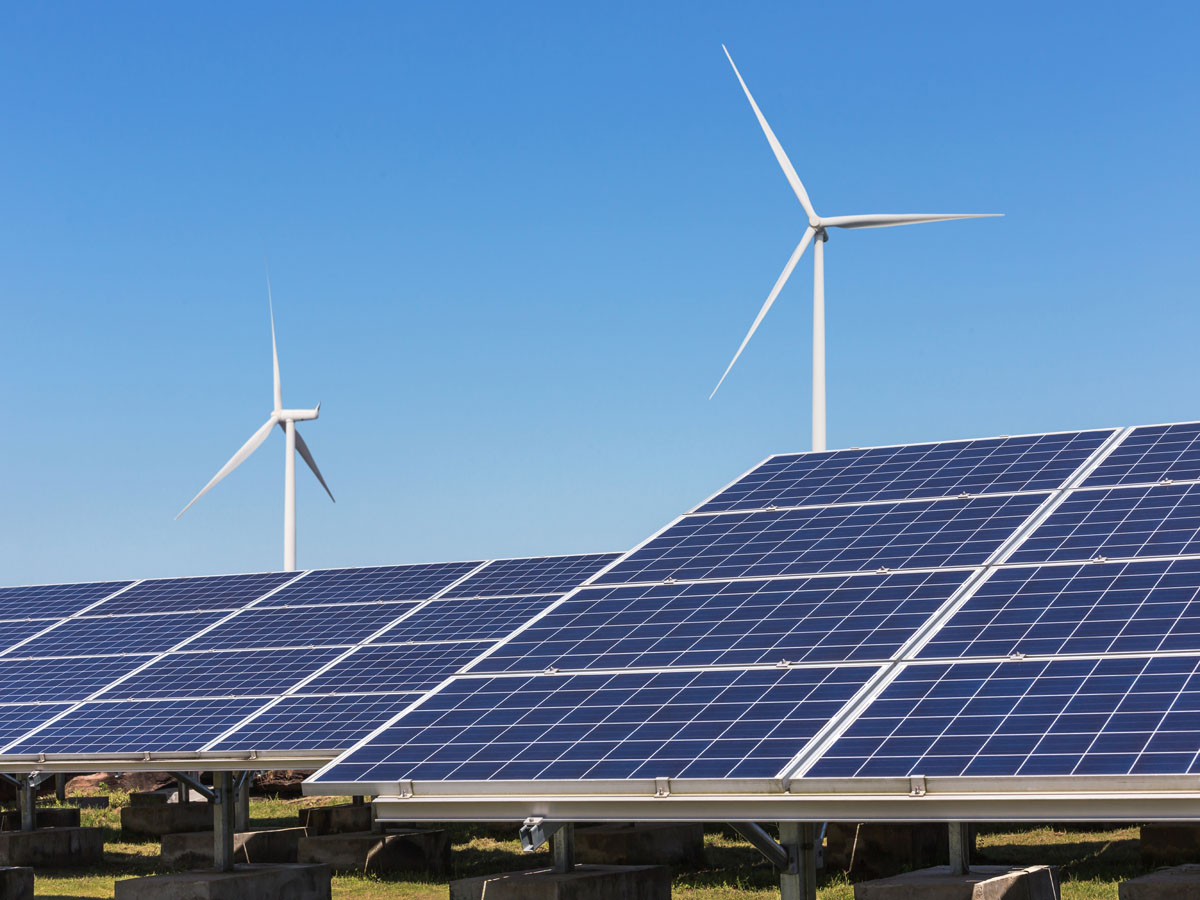
JUXIN FASTENERS supplies industrial fastening components that may be considered for a range of solar equipment applications.
Solar Panel Mounting Structures
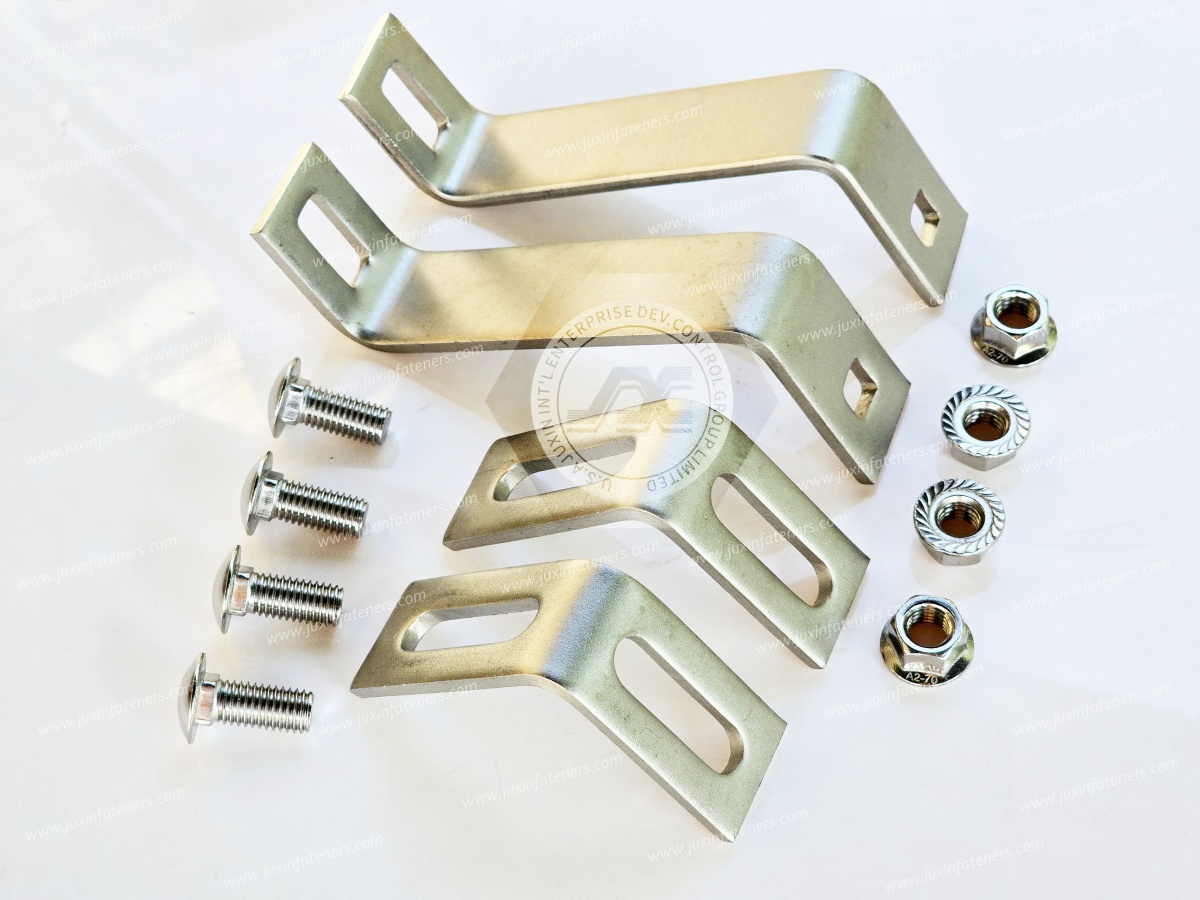
Solar mounting structures use mechanical connections to secure rails, brackets, clamps and supporting members.
Depending on the approved design, relevant fastening components may include:
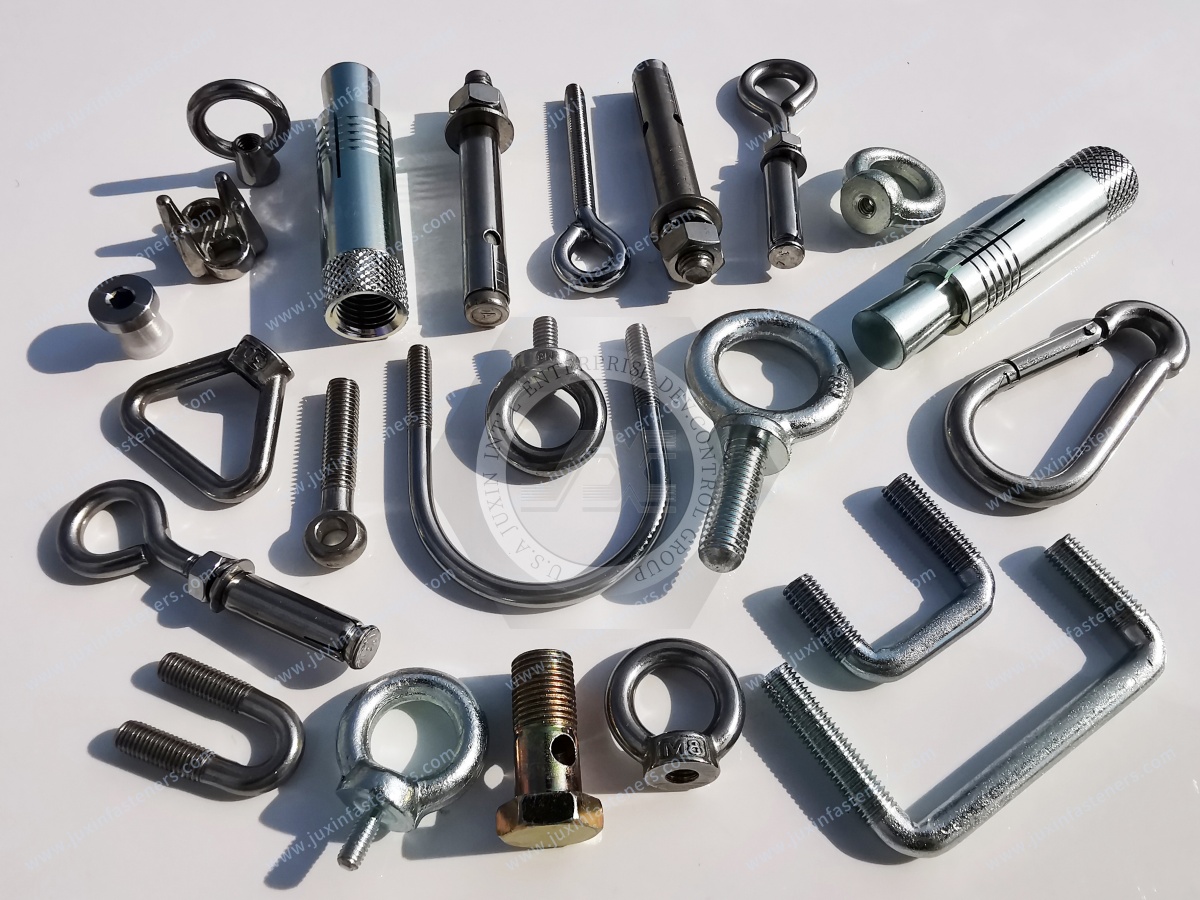
Stainless steel hex bolts
Carbon steel structural bolts
Hex nuts
Lock nuts
Flat washers
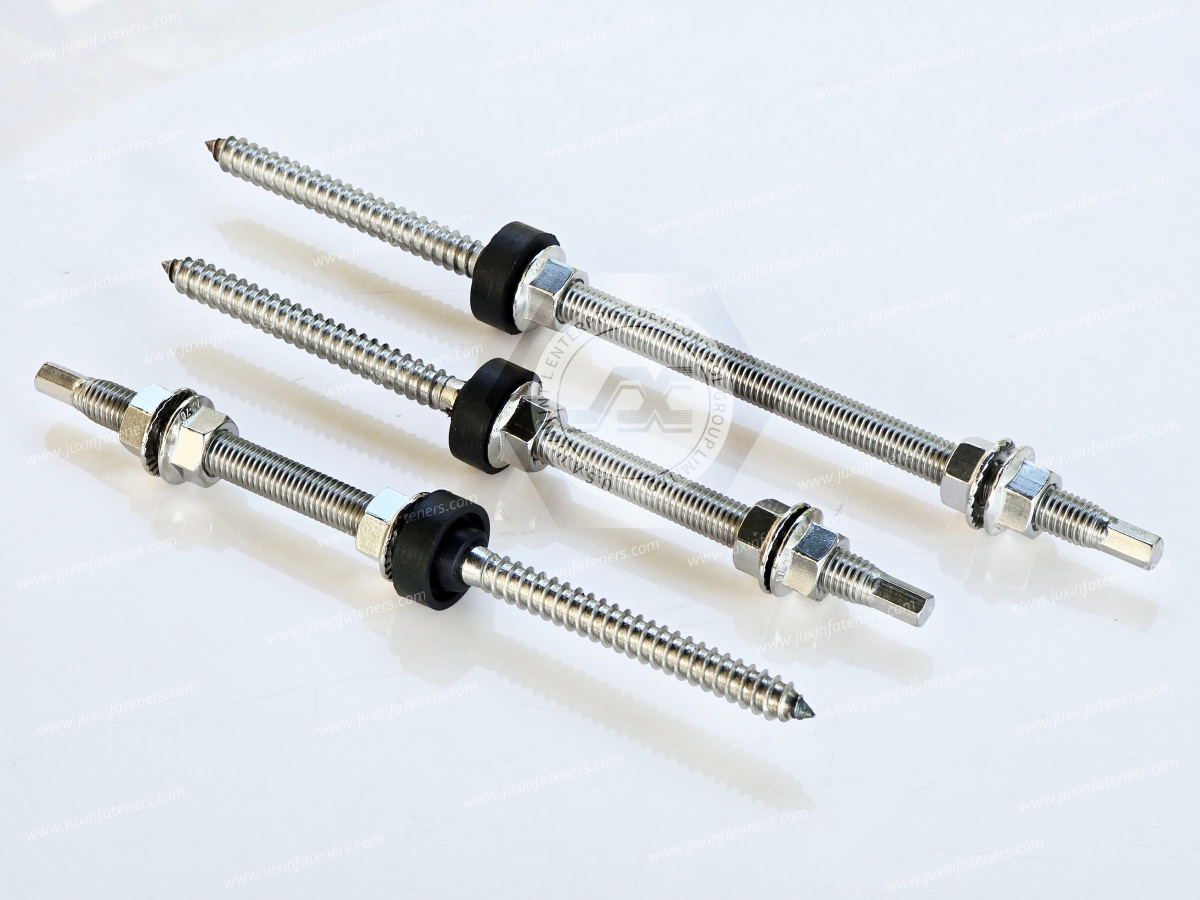
Custom threaded studs
Special mounting bolts
Customer-specific fastening components
The correct combination depends on structural loads, mounting geometry, material compatibility and installation requirements.
Photovoltaic Module Frames
PV module frames and related mounting interfaces may require screws, bolts, nuts or other mechanical fastening components.
Where fasteners form part of a certified or approved module assembly, substitutions must follow the module manufacturer's engineering and qualification requirements.
Fastener selection should account for the frame material, joint geometry, required clamping force and corrosion environment.
Solar Inverter Enclosures
Solar inverters contain electrical and electronic components that require protective housings and serviceable mechanical connections.
Potential fastening applications include:
Enclosure panel screws
Captive screws
Self-clinching nuts
Self-clinching standoffs
Rivet nuts
Threaded inserts
Stainless steel screws
Custom mounting hardware
These products can support enclosure assembly, internal equipment mounting and maintenance access when appropriately specified.
The required enclosure sealing, electrical safety and environmental protection must be validated separately.
Electrical Cabinets and Power Distribution Equipment
Solar power installations often include electrical cabinets, control panels, junction boxes and power distribution assemblies.
Sheet metal fasteners may provide reusable threads in thin panels where conventional tapped holes are impractical.
Suitable solutions depend on panel thickness, material hardness, installation access and mechanical loading.
Solar Tracking Systems
Solar tracking equipment uses mechanical systems to adjust the orientation of photovoltaic modules.
Tracking assemblies may contain brackets, pivot interfaces, drive-related mounting components and other mechanical connections.
Fasteners in moving assemblies may experience cyclic loading, vibration and changing joint forces.
The engineering specification should address fatigue, preload retention, mechanical clearance and maintenance requirements.
Solar Thermal Equipment
Solar thermal systems may include piping supports, equipment housings, brackets and mechanical mounting assemblies.
Fastener selection should consider operating temperature, environmental exposure, thermal expansion and compatibility with adjacent components.
Structural Brackets and Custom Mounting Interfaces
Standard catalog fasteners do not always match the geometry of a particular solar mounting assembly.
Custom bolts, studs, spacers and CNC machined components may be considered when the design requires special dimensions or connection features.
Manufacturing feasibility must be confirmed against the approved drawing and purchasing requirements.
Choosing Materials for Solar Mounting Fasteners
Material selection is one of the most important decisions in outdoor photovoltaic fastening.
The correct material must provide the required mechanical properties while remaining compatible with the operating environment and adjacent components.
Stainless Steel Fasteners
Stainless steel is widely considered for outdoor equipment because of its corrosion resistance.
Common industrial stainless steel grades include A2-type and A4-type materials, subject to the applicable fastener specification.
A2 stainless steel fasteners are commonly associated with corrosion-resistant applications in many atmospheric environments.
A4 stainless steel fasteners are often considered where greater resistance to certain corrosive environments is required.
However, stainless steel selection must be based on actual environmental exposure.
Coastal installations, chloride-containing environments and industrial atmospheres can create conditions where localized corrosion remains possible.
The use of stainless steel does not eliminate the need to assess crevice corrosion, galvanic interaction or mechanical strength.
Carbon Steel Fasteners
Carbon steel bolts may be selected where the approved engineering design requires particular strength characteristics.
Property classes such as 8.8 and 10.9 may be relevant for selected structural or mechanical assemblies.
The applicable mechanical requirements should be established using the appropriate international fastener standards, including ISO 898-1 where relevant.
Carbon steel fasteners used outdoors generally require suitable corrosion protection.
The selected coating must be compatible with the fastener strength, thread geometry, installation procedure and service environment.
Stainless Steel Versus High-Strength Carbon Steel
Stainless steel and high-strength carbon steel should not be treated as direct substitutes.
They can differ in:
Mechanical strength
Ductility
Corrosion resistance
Surface hardness
Thread friction
Galling behavior
Magnetic characteristics
Temperature response
Cost
For example, a stainless steel bolt should not automatically replace a property class 10.9 carbon steel bolt solely because the stainless steel option offers improved corrosion resistance.
The complete mechanical and environmental requirements must be reviewed.
Galvanic Corrosion Between Aluminum and Stainless Steel
Many photovoltaic mounting systems use aluminum rails, frames or brackets together with stainless steel fasteners.
This material combination is common in industrial equipment, but it requires attention to galvanic corrosion.
Galvanic corrosion can occur when dissimilar metals are electrically connected in the presence of a conductive electrolyte, such as rainwater or salt-containing moisture.
The corrosion risk depends on several factors:
Electrochemical difference between the metals
Relative exposed surface areas
Moisture exposure
Electrolyte conductivity
Protective coatings
Joint geometry
Drainage conditions
Environmental contamination
In an aluminum and stainless steel connection, aluminum may be the more vulnerable material under certain wet exposure conditions.
The severity cannot be determined from the material names alone.
Engineering Considerations for Aluminum-to-Stainless Connections
Engineers should evaluate whether the connection requires:
Compatible surface treatments
Suitable isolation washers or barriers
Protective coatings
Controlled drainage
Reduced moisture retention
Appropriate sealing
Periodic inspection
Any isolation component must also be compatible with the mechanical requirements of the joint.
For example, adding a soft insulating washer to a highly preloaded connection may introduce compression or relaxation concerns.
A corrosion-control measure should therefore be assessed together with bolt preload and joint stiffness.
Why Contact Area Matters
The exposed surface area ratio between dissimilar metals can influence galvanic corrosion behavior.
A small anodic area coupled to a large cathodic area can create unfavorable conditions for the anodic material.
This is particularly important when selecting fasteners, brackets and mounting hardware for outdoor aluminum structures.
Designers should consider the actual exposed geometry rather than assuming that every stainless steel-to-aluminum connection will behave identically.
Solar Mounting Bolt Preload and Joint Reliability
A bolted connection must maintain sufficient clamping force to perform its intended function.
When a bolt is tightened, elastic elongation creates preload.
This preload clamps the connected components together.
The required preload depends on the joint design and service loading.
Insufficient preload may contribute to:
Joint movement
Loss of alignment
Relative slip
Rotational loosening
Increased fatigue loading
Loss of structural performance
Excessive preload may cause:
Bolt yielding
Thread stripping
Local deformation
Damage to aluminum components
Excessive bearing pressure
Installation failure
The correct preload must therefore be established through engineering analysis and the approved installation specification.
Why Torque Values Must Match the Actual Fastener Condition
Tightening torque is frequently used to control bolted assembly.
However, torque does not directly measure the clamping force produced in the joint.
The relationship between torque and preload depends strongly on friction.
Thread coatings, lubricants, surface roughness and washer conditions can change the achieved preload.
For this reason, a torque specification developed for one bolt coating should not automatically be applied to a different coating.
The simplified relationship:
T = K × F × d
illustrates the dependence of tightening torque on the torque coefficient, target preload and nominal bolt diameter.
In this relationship:
T = tightening torque
K = torque coefficient
F = target preload
d = nominal bolt diameter
The equation is an approximation and does not replace a validated tightening procedure.
ISO 16047 provides a relevant reference for torque/clamp force testing of threaded fasteners.
For solar mounting OEMs, coating selection and tightening requirements should be coordinated before production release.
Thermal Expansion and Temperature Cycling in Solar Installations
Solar mounting structures can experience substantial temperature variation between daytime and nighttime conditions.
Connected materials may expand and contract at different rates.
Aluminum and steel, for example, have different coefficients of thermal expansion.
Where long rails, brackets or structural members are constrained, differential movement can introduce additional stresses or joint displacement.
The impact depends on:
Material combination
Component length
Joint geometry
Installation temperature
Temperature range
Mounting configuration
Structural restraint
Fastener preload
Engineering Design Considerations
Engineers should evaluate whether the assembly requires controlled movement, expansion allowances or special joint geometry.
Slot dimensions, washers, brackets and other connection features must be assessed according to the approved mounting system design.
A slotted hole should not be introduced without evaluating its effects on load transfer, clamping force and connection stability.
Similarly, increasing tightening torque is not a universal solution for differential thermal movement.
The correct approach is to design the joint to accommodate its intended service conditions.
Corrosion Protection for Outdoor Solar Fasteners
Photovoltaic installations may operate for extended periods in outdoor environments.
The corrosion protection system must therefore be appropriate for the actual exposure conditions.
Zinc-Plated Steel Fasteners
Zinc plating provides sacrificial corrosion protection for steel fasteners.
Its suitability depends on coating specification, thickness, passivation, service environment and expected exposure.
A general zinc-plated fastener should not automatically be considered suitable for severe coastal or highly corrosive installations.
Zinc-Nickel Coatings
Zinc-nickel coatings may be considered for selected industrial fastener applications requiring specified corrosion performance.
JUXIN FASTENERS can review customer-defined zinc-nickel coating requirements as part of an OEM quotation.
The required coating thickness, corrosion test method and acceptance criteria should be identified in the drawing or technical specification.
Salt-spray test results should not be interpreted as a direct prediction of outdoor service life.
Hot-Dip Galvanized Fasteners
Hot-dip galvanized fasteners may be used in certain outdoor structural applications.
However, coating thickness can affect thread fit and dimensional compatibility.
The applicable coating requirements and suitability for the selected fastener strength must be reviewed.
Stainless Steel Surface Condition
Stainless steel corrosion resistance is influenced by alloy composition, surface condition, fabrication processes and environmental exposure.
Contamination by carbon steel particles or unsuitable handling can reduce the corrosion performance of a finished component.
Surface condition and handling requirements should therefore be considered when specified by the customer.
Hydrogen Embrittlement Considerations
Certain high-strength steel fasteners may be susceptible to hydrogen-related cracking under particular manufacturing, coating and service conditions.
Surface treatment selection should therefore consider fastener strength, processing conditions and applicable hydrogen embrittlement controls.
A coating should not be approved solely on the basis of corrosion resistance.
Solar Tracker Fasteners: Dynamic Loading and Fatigue
Solar tracking systems introduce additional engineering requirements compared with fixed mounting structures.
Trackers use mechanical assemblies to change the orientation of photovoltaic modules.
Depending on the design, the system may include moving supports, pivot connections, drive interfaces and structural fasteners.
These components may experience repeated changes in loading.
Fatigue Considerations
A fastener subjected to cyclic loading may experience fatigue damage over time.
Fatigue performance depends on more than static tensile strength.
Relevant factors include:
Bolt geometry
Thread profile
Joint stiffness
Preload
Load direction
Stress concentration
Surface condition
Material properties
Installation consistency
Corrosion exposure
A higher bolt property class does not automatically provide better fatigue performance.
The engineer must evaluate the complete joint and expected load cycles.
Vibration and Loosening
Some tracking mechanisms may experience vibration or repeated transverse loading.
If relative movement occurs between connected components, rotational loosening can become a concern.
The appropriate prevention method depends on the approved design.
Potential solutions may include suitable preload, locking nuts, mechanical retention features or other validated locking arrangements.
Custom Components for Tracker Assemblies
Tracker manufacturers may require custom threaded studs, spacers, mounting hardware or CNC machined components.
The manufacturing specification should define the required geometry, material, tolerances and inspection requirements.
Where components serve as pivots, bearing interfaces or other moving elements, surface finish and dimensional accuracy may be especially important.
Sheet Metal Fasteners for Solar Inverter and Electrical Enclosures
Not all photovoltaic fastening requirements involve large structural bolts.
Solar inverters, electrical cabinets, control panels and battery-related equipment frequently contain sheet metal assemblies.
Thin panels may not provide sufficient material thickness for conventional tapped threads.
Specialized sheet metal fasteners can provide reusable threaded attachment points.
Self-Clinching Nuts
Self-clinching nuts create captive internal threads in suitable ductile sheet materials.
They are installed by applying controlled press force, causing sheet material to flow into the fastener's retention features.
Correct installation depends on sheet thickness, material hardness, hole dimensions and press conditions.
Self-clinching fasteners should not be specified without confirming the compatibility of the panel material and installation requirements.
Self-Clinching Standoffs
Self-clinching standoffs can provide threaded spacing or mounting points for internal equipment assemblies.
Potential applications include mounting plates, control components and enclosure hardware.
The required standoff height, thread specification and panel compatibility must be established from the drawing.
Rivet Nuts
Rivet nuts can provide threaded attachment points in thin materials and hollow sections.
Depending on the design, installation may be possible where access is available from only one side.
They may be considered for enclosure panels, brackets and other serviceable assemblies.
Selection should consider grip range, hole geometry, installation force and resistance to rotation or pull-out.
Captive Screws
Captive screws can be useful for frequently serviced access panels.
They help retain the screw within the panel when the connection is released, depending on the selected captive screw design.
This may reduce the risk of losing loose hardware during maintenance.
Threaded Inserts
Threaded inserts may be considered for suitable metal or plastic components where the design requires durable internal threads.
The insert type must be matched to the base material, installation method and expected loading.
These product families address different fastening functions and should not be treated as interchangeable.
Custom CNC Machined Components for Photovoltaic Equipment
Standard fasteners cannot satisfy every solar equipment design.
Some OEM assemblies require special mounting interfaces, spacers, bushings, threaded components or precision-machined parts.
JUXIN FASTENERS welcomes inquiries for custom CNC machined components based on customer drawings and technical requirements.
Potential component types include:
Custom threaded spacers
Precision standoffs
Special mounting bushings
Custom threaded sleeves
Machined brackets
Special nuts
Custom studs
Mechanical mounting interfaces
The applicable material, geometry, tolerance and surface finish requirements should be defined in the engineering drawing.
Design for Manufacturing
For custom CNC components, design engineers should consider:
Material machinability
Feature accessibility
Thread depth
Tool clearance
Wall thickness
Tolerance requirements
Surface finish
Burr removal
Inspection accessibility
Production quantity
Overly restrictive tolerances can increase manufacturing cost without improving functional performance.
Where appropriate, tolerances should be assigned according to the actual fit, load path and assembly function.
Metric and Inch Thread Compatibility
International solar equipment manufacturers may use different thread systems.
Metric fasteners are widely used in photovoltaic mounting equipment.
Relevant metric thread references include:
ISO 68-1 for the basic metric thread profile
ISO 261 for general-purpose metric thread combinations
ISO 724 for basic metric thread dimensions
ISO 965 for metric thread tolerances
Projects using inch threads may specify UNC or UNF thread systems under applicable ASME requirements.
Metric and inch threads must be identified separately.
For reference:
M6 has a nominal diameter of approximately 0.236 in.
M8 has a nominal diameter of approximately 0.315 in.
M10 has a nominal diameter of approximately 0.394 in.
M12 has a nominal diameter of approximately 0.472 in.
These values are dimensional conversions only.
They do not indicate compatibility with nominally similar UNC, UNF, BSW or BSF threaded components.
Thread pitch, profile, tolerance and engagement requirements must match the approved design.
JUXIN FASTENERS can review customer drawings for specified metric or inch-thread components, subject to manufacturing feasibility.
International Standards for Solar Mounting Fasteners
Fastener requirements should be established according to the product type and engineering application.
Relevant standards may include:
ISO 898-1 for mechanical properties of applicable carbon steel and alloy steel bolts, screws and studs.
ISO 898-2 for mechanical properties of applicable carbon steel and alloy steel nuts.
ISO 3506-1 for mechanical properties of applicable corrosion-resistant stainless steel bolts, screws and studs.
ISO 3506-2 for mechanical properties of applicable corrosion-resistant stainless steel nuts.
ISO 965 for metric thread tolerances.
ISO 16047 for torque/clamp force testing.
ISO 4042 for electroplated coating systems for threaded fasteners.
ISO 10684 for hot-dip galvanized coatings on applicable fasteners.
Additional EN, ASTM, ASME, JIS or other international requirements may apply according to the actual product and project specification.
These standards address different technical aspects and should not be treated as interchangeable.
For complete photovoltaic mounting systems, structural design, installation approval and relevant system-level requirements must also be considered.
Fastener compliance with a product standard does not establish certification of the complete solar mounting system.
Engineering Selection: Matching Fasteners to Solar Applications
A practical fastener selection process should begin with the connection function.
Identify the Application
Determine whether the fastener is used in:
Structural mounting
Module retention
Electrical enclosure assembly
Internal equipment mounting
Tracker mechanisms
Maintenance access
Custom mechanical interfaces
Define the Loading Conditions
Identify static loads, wind-related loads, vibration, thermal movement and any cyclic loading requirements.
Confirm the Connected Materials
Determine whether the assembly uses aluminum, carbon steel, stainless steel or other materials.
Evaluate galvanic corrosion and bearing surface compatibility where relevant.
Select the Fastener Type
Choose the bolt, nut, washer, threaded insert or other fastening component according to the joint geometry and installation method.
Specify the Material and Surface Treatment
Select the appropriate material and coating based on mechanical performance and environmental exposure.
Define the Thread and Dimensions
Specify the nominal diameter, thread pitch, length, tolerance and required thread engagement.
Establish Installation Requirements
Define the tightening method, target preload where applicable and installation inspection requirements.
Confirm Production Feasibility
Verify that the fastener can be installed consistently with the intended equipment, tooling and production process.
Document the Approved Configuration
Ensure that the engineering drawing and purchasing specification identify the approved dimensions, material, finish and inspection requirements.
This process helps connect engineering decisions with purchasing and manufacturing requirements.
Installation Efficiency for Solar Mounting Production
For solar mounting manufacturers and production managers, installation efficiency can have a significant influence on total assembly cost.
A fastener's unit price represents only one part of the overall cost.
Other factors include:
Installation cycle time
Tool compatibility
Fastener accessibility
Part orientation
Thread engagement
Rework requirements
Tightening consistency
Inspection time
Packaging and handling
Assembly line reliability
Reducing Assembly Variation
Consistent fastener dimensions and surface conditions help support repeatable assembly.
For example, variation in coating friction can influence the relationship between tightening torque and bolt preload.
In a production environment, this may contribute to differences in assembly results.
Where controlled tightening is required, the OEM should establish suitable process settings and acceptance criteria.
Fastener Accessibility
The available installation space can influence the selection of head style, tool engagement and fastening method.
Design engineers should consider whether installation tools can reach the fastener without interfering with adjacent structures.
This is particularly relevant for compact inverter enclosures, mounting brackets and equipment frames.
Standardization Across Product Families
Where technically appropriate, using common fastener dimensions or specifications across multiple assemblies can simplify purchasing and inventory management.
However, standardization must not override the mechanical or environmental requirements of individual connections.
Common Solar Fastener Failure Risks
Galvanic Corrosion
Dissimilar metals exposed to moisture can create galvanic corrosion risks.
Material compatibility and joint protection should be evaluated.
Loss of Bolt Preload
Insufficient tightening, joint settlement or unsuitable assembly conditions can reduce clamping force.
The approved installation procedure should address the required preload.
Thread Galling
Certain stainless steel threaded connections may experience galling during assembly.
Material combinations, surface conditions, lubrication requirements and tightening practices should be considered.
Coating Damage
Improper handling or installation can damage protective coatings.
Coating integrity should be considered where corrosion resistance is important.
Incorrect Thread Engagement
Insufficient thread engagement can increase the risk of stripping or connection failure.
The required engagement must be established by the engineering design.
Fastener Substitution Without Technical Review
Replacing a specified bolt with a visually similar alternative can introduce differences in strength, coating, thread tolerance or tightening behavior.
Substitutions should be reviewed and approved according to the customer's engineering requirements.
Fatigue in Moving Assemblies
Solar trackers and other moving mechanisms may introduce cyclic loading.
Fatigue performance should be evaluated at the joint level.
Inappropriate Sheet Metal Fastener Installation
Incorrect hole dimensions, panel hardness or installation force can compromise the retention of self-clinching fasteners and rivet nuts.
The installation process must match the selected fastener design.
OEM Procurement and Solar Fastener Supplier Development
For purchasing managers and supply chain teams, selecting a solar fastener supplier requires more than comparing prices.
A reliable sourcing process should establish whether the supplier can meet the required technical specifications and purchasing conditions.
Important supplier evaluation factors include:
Product drawing compliance
Material specification
Mechanical property requirements
Thread accuracy
Surface treatment requirements
Dimensional consistency
Inspection requirements
Lot traceability where specified
Customization feasibility
Minimum order quantity
Production lead time
Packaging requirements
Annual demand
Delivery scheduling
Engineering change control
Why Drawing-Based Procurement Matters
Product names such as stainless steel bolt, solar mounting nut or PV bracket screw do not fully define the required component.
Two fasteners with the same nominal dimensions may differ in material, mechanical properties, coating, tolerance or installation characteristics.
For OEM purchasing, the engineering drawing should serve as the primary technical reference.
Managing Alternative Suppliers
When evaluating alternative fastener suppliers, procurement teams should compare the complete approved specification.
A proposed substitute should not be accepted solely because it has the same nominal diameter, length and thread pitch.
Material, mechanical performance, coating, dimensions and required qualification must also be considered.
Managing Long-Term Supply Programs
For recurring solar equipment production, procurement teams should establish clear purchasing specifications and delivery expectations.
Consistent product identification and controlled revisions can reduce confusion during repeat orders.
Where required, customers should define lot identification, inspection documentation and change notification procedures.
Custom Solar Fasteners and OEM Manufacturing Requirements
JUXIN FASTENERS supports inquiries for standard and customer-specific industrial fastening components.
Customization requests may involve:
Special bolt lengths
Nonstandard thread lengths
Custom threaded studs
Special nut configurations
Stainless steel fasteners
Carbon steel fasteners
Customer-specified coatings
Custom threaded inserts
Sheet metal fastening components
CNC machined spacers
Precision mounting components
Custom packaging requirements
All custom product requests require technical review.
Manufacturing feasibility, material selection, inspection requirements, MOQ, pricing and lead time must be confirmed through the quotation process.
What to Include in a Solar Fastener RFQ
A complete RFQ helps engineers and procurement teams obtain more accurate technical and commercial responses.
Recommended information includes:
Product name and application
2D engineering drawing
Available 3D CAD model
Drawing number and revision
Material grade
Nominal dimensions
Thread specification
Required tolerances
Surface treatment
Corrosion protection requirements
Mechanical property requirements
Applicable international standards
Installation requirements
Inspection and documentation requirements
Order quantity
Estimated annual demand
Packaging requirements
Delivery destination
Requested delivery schedule
For fasteners used in structural or safety-critical assemblies, include the applicable qualification and approval requirements.
For custom CNC components, provide the required material, dimensions, tolerances and surface finish.
Clear technical information allows the supplier to evaluate manufacturing feasibility and identify any required clarification before quotation.
Frequently Asked Questions
What fasteners are commonly used in solar mounting systems?
Solar mounting systems may use stainless steel bolts, carbon steel structural bolts, nuts, washers, threaded studs and special mounting hardware.
The correct products depend on the approved structural and mechanical design.
Is stainless steel suitable for outdoor photovoltaic equipment?
Stainless steel is often considered for outdoor applications because of its corrosion resistance. However, the selected grade must match the actual environmental and mechanical requirements.
Can stainless steel bolts be used with aluminum solar mounting rails?
They may be used where the connection design permits, but galvanic corrosion and joint compatibility should be evaluated, particularly in wet or chloride-containing environments.
What is the difference between A2 and A4 stainless steel fasteners?
A2 and A4 are stainless steel grade designations used in relevant fastener standards. They differ in alloy characteristics and corrosion behavior. The appropriate grade depends on the application.
Are property class 10.9 bolts suitable for solar structures?
They may be suitable for selected connections where the engineering specification requires their mechanical properties.
Their use must also account for coating, preload, corrosion and joint design.
Why is bolt preload important in solar mounting systems?
Preload creates clamping force between connected components. The required clamping force helps maintain joint performance under the intended service conditions.
Can solar tracker fasteners experience fatigue?
Yes. Moving tracker assemblies may experience cyclic loading. Fatigue performance depends on the complete joint design, preload, geometry and operating conditions.
What fasteners are suitable for thin solar inverter enclosure panels?
Depending on the panel material and installation requirements, options may include self-clinching nuts, standoffs, rivet nuts, captive screws and threaded inserts.
Can metric fasteners be replaced with UNC or UNF fasteners?
Not directly. Metric and inch thread systems have different specifications and are not interchangeable merely because their nominal diameters are similar.
Can JUXIN FASTENERS supply custom solar mounting components?
JUXIN FASTENERS welcomes inquiries for custom industrial fasteners and CNC machined components based on customer drawings.
Material, dimensions, manufacturing feasibility and commercial requirements must be confirmed.
What information should be included in a solar fastener quotation request?
Provide the drawing, material, dimensions, thread specification, coating, required standards, purchasing quantity and delivery requirements.
Related Industrial Fastening Solutions
For related photovoltaic and renewable energy equipment requirements, consider the following JUXIN FASTENERS product families:
Stainless Steel Bolts and Screws
High-Strength Hex Bolts
Stainless Steel Nuts
All-Metal Lock Nuts
Nylon-Insert Lock Nuts
Self-Clinching Nuts
Self-Clinching Standoffs
Rivet Nuts
Captive Panel Screws
Threaded Inserts
Custom Threaded Studs
Custom CNC Machined Components
Sheet Metal Fastening Solutions
Electrical Equipment Fastening Solutions
Wind Turbine and Renewable Energy Fasteners
These related product families provide different mechanical and installation functions.
The appropriate solution should be selected according to the application drawing and approved engineering requirements.
Request a Quote for Solar Mounting Fasteners and Photovoltaic Equipment Components
JUXIN FASTENERS supplies industrial bolts, stainless steel screws, nuts, washers, threaded inserts, sheet metal fasteners and custom CNC machined components for OEM and industrial applications.
We welcome inquiries from solar mounting system manufacturers, photovoltaic equipment suppliers, solar tracker OEMs,
inverter enclosure manufacturers, mechanical engineers, structural engineers, manufacturing engineers, production managers, procurement specialists and global supply chain teams.
For standard or custom solar fastening requirements, please send your engineering drawings, material specifications, thread details, surface treatment requirements, expected order quantities and delivery information.
For structural or safety-critical connections, include the applicable engineering approval and qualification requirements.
Our team can review your requested fastening configuration, discuss available product options and evaluate customization requirements before quotation.
Company: JUXIN FASTENERS
Website: www.juxinfasteners.com
Email: info@juxinfasteners.com
Send your 2D/3D drawings, BOM or RFQ to JUXIN FASTENERS to discuss solar mounting fasteners, photovoltaic equipment hardware and custom industrial fastening solutions for your next OEM project.
Contact Us
Tel.:
+86 020 8621 0320
+86 020 3121 6067
E-mail:
Technical Support:
Navigation
SEND INQUIREY



