
Call Us
+86 136 6007 9809
Call Us
+86 136 6007 9809

Jan. 17, 2024
Solar photovoltaic systems depend on thousands of mechanical connections that must remain functional through years of outdoor exposure.
PV modules may receive most of the attention, but the mounting system also depends on correctly selected:
Solar mounting screws
T-bolts
T-nuts
Hex bolts
Flange bolts
Lock nuts
Washers
Self-drilling screws
Blind rivets
Rivet nuts
Stainless steel fasteners
Corrosion-resistant coated fasteners
Custom mounting hardware
These components connect combinations of:
PV modules
Aluminum mounting rails
Module clamps
Steel brackets
Ground-mount structures
Rooftop mounting components
Equipment enclosures
Inverter cabinets
Energy-storage equipment
For engineers and procurement teams, the real question is not simply:
“Which stainless steel screw should we use for solar panels?”
The better question is:
“What fastening system will maintain the required joint function under structural loading, outdoor corrosion,
thermal cycling, mixed materials, installation variation and long-term service conditions?”
A practical PV fastener selection framework is:
Joint Function + Structural Load + Parent Material + Fastener Material + Geometry + Preload + Friction
+ Locking Strategy + Corrosion + Galvanic Compatibility + Thermal Cycling + Installation + Validation
JUXIN FASTENERS supplies standard and drawing-based fastening components for solar mounting systems,
PV electrical equipment and renewable-energy OEM assemblies.
| PV Application | Typical Fastening Need | Fasteners to Evaluate |
|---|---|---|
| Aluminum mounting rail | Adjustable profile connection | T-bolt / T-nut |
| Module clamp | Controlled clamping connection | Bolt / screw / nut system |
| Steel mounting bracket | Structural mechanical connection | Bolt / nut / washer system |
| Metal roofing attachment | Efficient field installation | Application-specific self-drilling screw |
| Thin-sheet equipment enclosure | Reusable internal thread | Rivet nut / self-clinching fastener |
| Inverter cabinet | Panel and internal component assembly | Machine screws / captive fasteners / clinching hardware |
| Ground-mount structure | Outdoor structural connection | Engineered bolt / nut / washer system |
| Coastal PV equipment | Corrosion-sensitive connection | Suitable stainless or engineered coated fastener |
| Serviceable electrical equipment | Repeated access | Captive fastener / durable threaded attachment |
This is a starting point rather than a universal specification.
The final fastener must match the mounting-system design and project requirements.
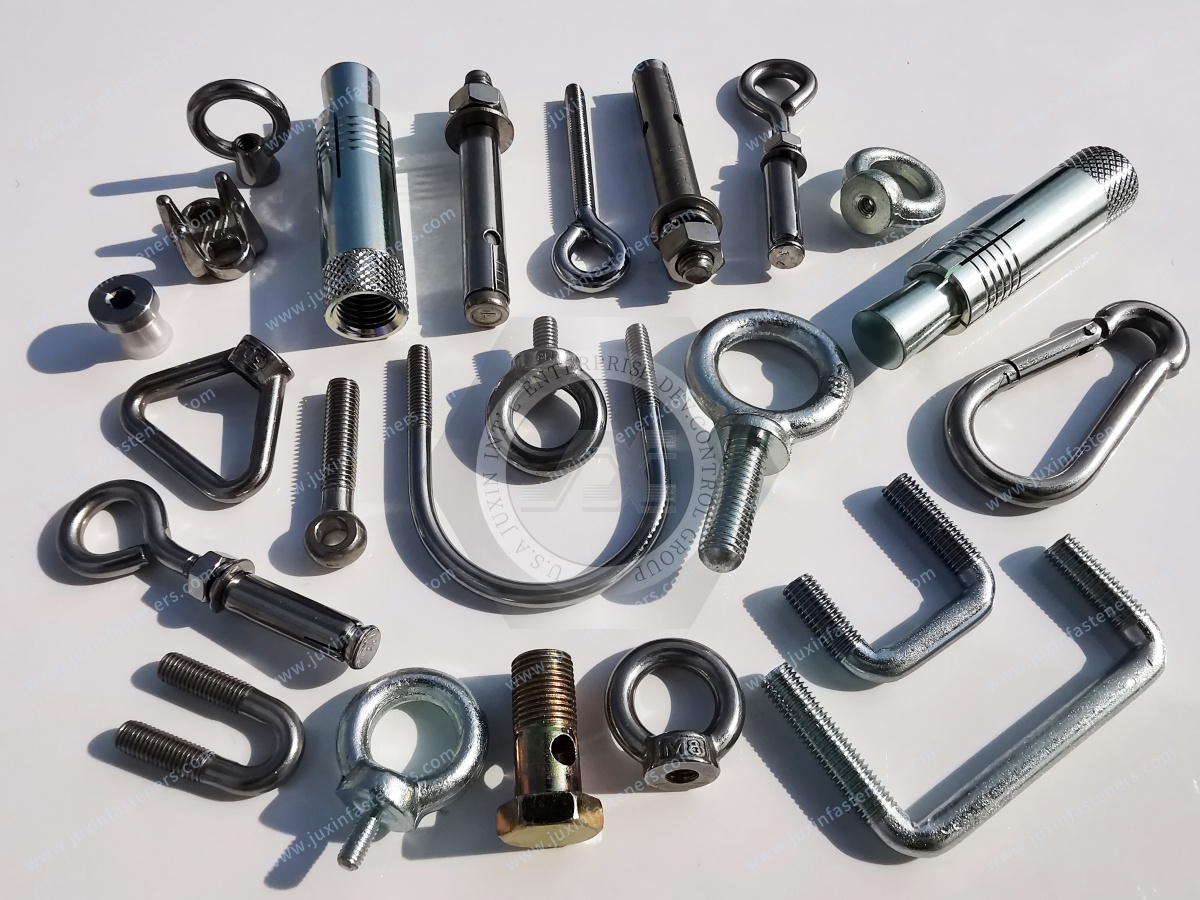
Fastener performance cannot be evaluated independently from:
Rail geometry
Bracket geometry
Parent material
Hole or slot geometry
Clamp design
Structural load
Installation method
Environmental exposure
A high-strength bolt cannot compensate for an inadequate rail interface.
A corrosion-resistant screw cannot prevent galvanic attack elsewhere in the assembly.
A locking washer cannot correct insufficient preload.
Therefore:
Strong Fastener ≠ Strong PV Mounting Joint.
Depending on the mounting architecture, PV fasteners may experience combinations of:
Tension
Shear
Clamp load
Wind-induced loading
Snow-related structural loading
Thermal expansion and contraction
Cyclic loading
Installation loads
The magnitude and direction of these loads are project- and system-specific.
Fasteners should therefore be selected from the structural requirements of the mounting system rather than from generic statements such as “high-strength solar bolt.”
Solar arrays can experience significant wind effects.
However, a fastener should not be assigned a generic “wind resistance” value independently of the structure.
Performance depends on:
Array geometry
Mounting architecture
Rail spacing
Clamp position
Fastener pattern
Substrate
Edge conditions
Local project loads
Therefore:
Fastener Strength ≠ PV System Wind Rating.
The complete mounting system requires structural validation.
Snow can create additional structural loading on PV installations.
Again, the fastener is only one component in the load path.
Engineering evaluation may need to consider:
Module → Clamp → Rail → Bracket → Support Structure → Building / Foundation
A stronger fastener does not automatically increase the allowable load of the entire system.
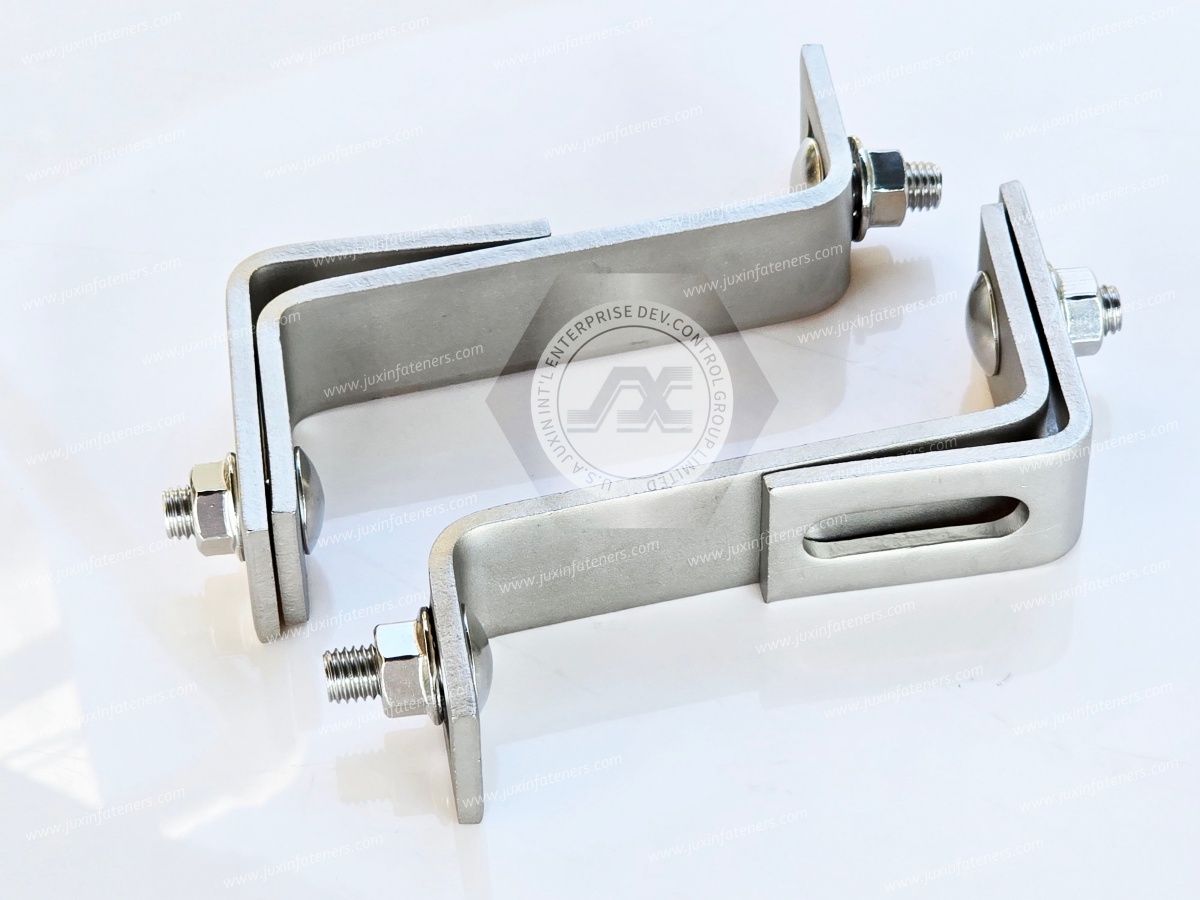
T-bolts are widely used in profile-based PV mounting systems because the head can engage with a rail or profile slot.
They can support:
Adjustable positioning
Efficient assembly
Captive profile engagement
Module-clamp connections
Bracket connections
Potential materials include:
Stainless steel
Carbon steel with engineered surface treatment
Other customer-specified materials
But specifying only:
“M8 solar T-bolt”
does not fully define the component.
The performance of a solar T-bolt can depend on:
Head width
Head thickness
Head shape
Neck geometry
Rail-slot dimensions
Rotation behavior
Thread length
Material
Surface condition
The head must engage correctly with the mating profile.
Therefore:
Correct Thread ≠ Correct T-Bolt.
Two M8 T-bolts can have the same thread while interacting very differently with the rail.
A T-bolt may fail functionally through:
Rotation in the slot
Poor seating
Insufficient engagement
Local rail deformation
Pull-through
Thread failure
Installation error
This leads to an important sourcing principle:
Same M8 Thread ≠ Same PV Rail Compatibility.
For OEM projects, the rail or mating-profile drawing should be included in the technical review.
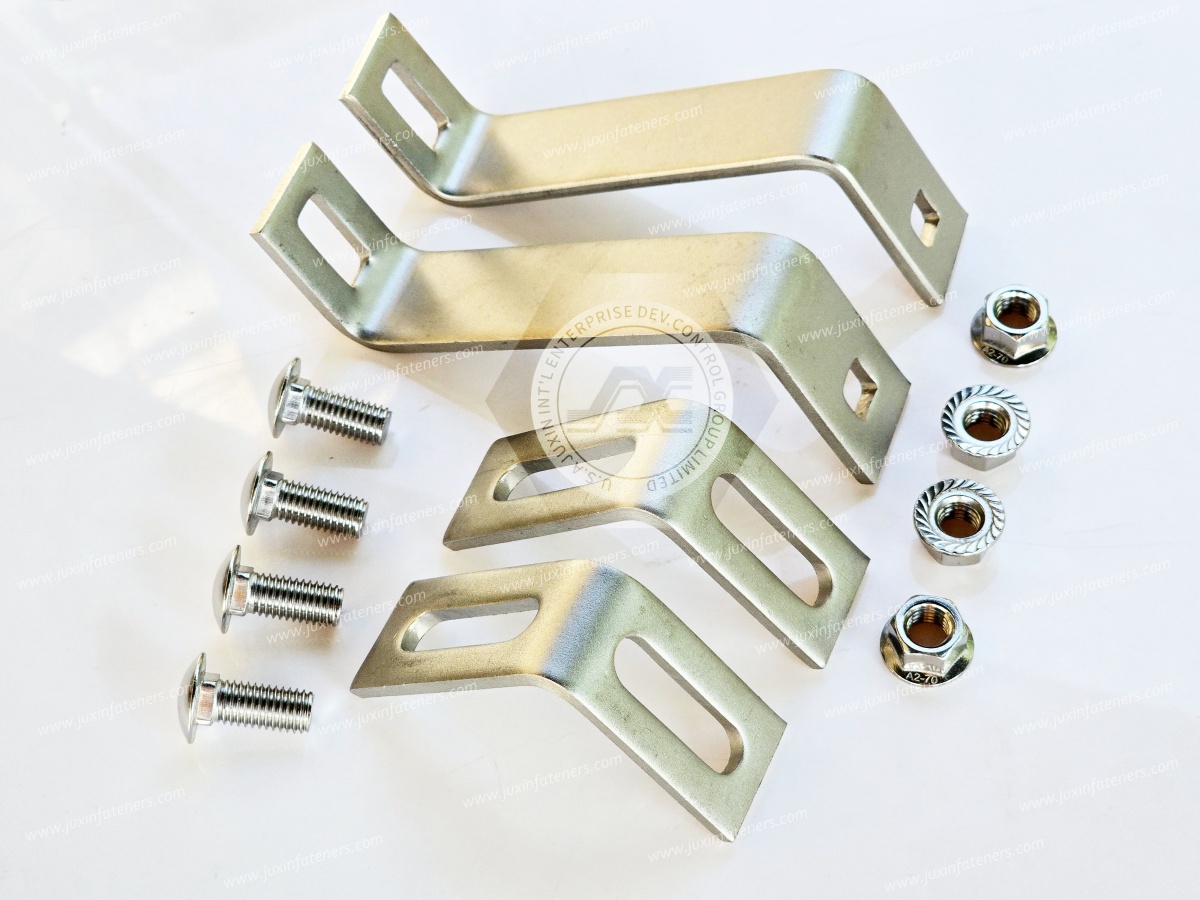
T-nuts and profile nuts can create adjustable threaded attachment points inside aluminum rail systems.
Selection may depend on:
Profile geometry
Slot width
Nut dimensions
Thread size
Anti-rotation geometry
Material
Installation direction
A catalog T-nut that fits one extrusion profile may not fit another.
Therefore:
T-Nut Selection Is Profile-Specific.
Module clamps transfer clamping force between the module frame and mounting rail.
Fastener selection should consider:
Clamp geometry
Bolt or screw geometry
Rail interface
Required preload
Module-frame material
Installation torque
Surface condition
Thermal cycling
The objective is not maximum tightening torque.
It is controlled clamping.
A simplified relationship can be expressed as:
T = K × F × d
where:
T = tightening torque
K = friction-related torque coefficient
F = preload
d = nominal fastener diameter
This relationship illustrates an important principle:
Torque ≠ Preload.
Torque is an installation input.
Preload is the resulting tension in the fastener.
Friction strongly affects the relationship between them.
Changing any of the following can change assembly behavior:
Fastener material
Coating
Topcoat
Lubrication
Washer
Surface condition
Therefore:
Same Torque + Different Friction ≠ Same Preload.
This matters when a solar mounting manufacturer changes:
Zinc-plated fastener to Zn-Ni
Coated steel to stainless steel
Dry fastener to lubricated fastener
One supplier's coating system to another
A surface-treatment change may require assembly review.
Over-tightening can cause:
Thread damage
Rail deformation
Clamp deformation
Surface damage
Fastener yielding
Reduced service reliability
Therefore:
Higher Torque ≠ Better Joint.
The tightening specification should come from the validated joint design.
PV structures experience environmental and mechanical changes throughout service.
Potential contributors to joint movement can include:
Wind-induced cyclic loading
Thermal expansion
Vibration
Embedment
Interface settlement
The first engineering objective is to create and maintain appropriate clamp load.
A plain washer can:
Distribute load
Protect a surface
Provide spacing
But:
Washer ≠ Automatic Anti-Loosening Device.
Likewise, a conventional spring washer should not automatically be assumed to solve every vibration-related loosening problem.
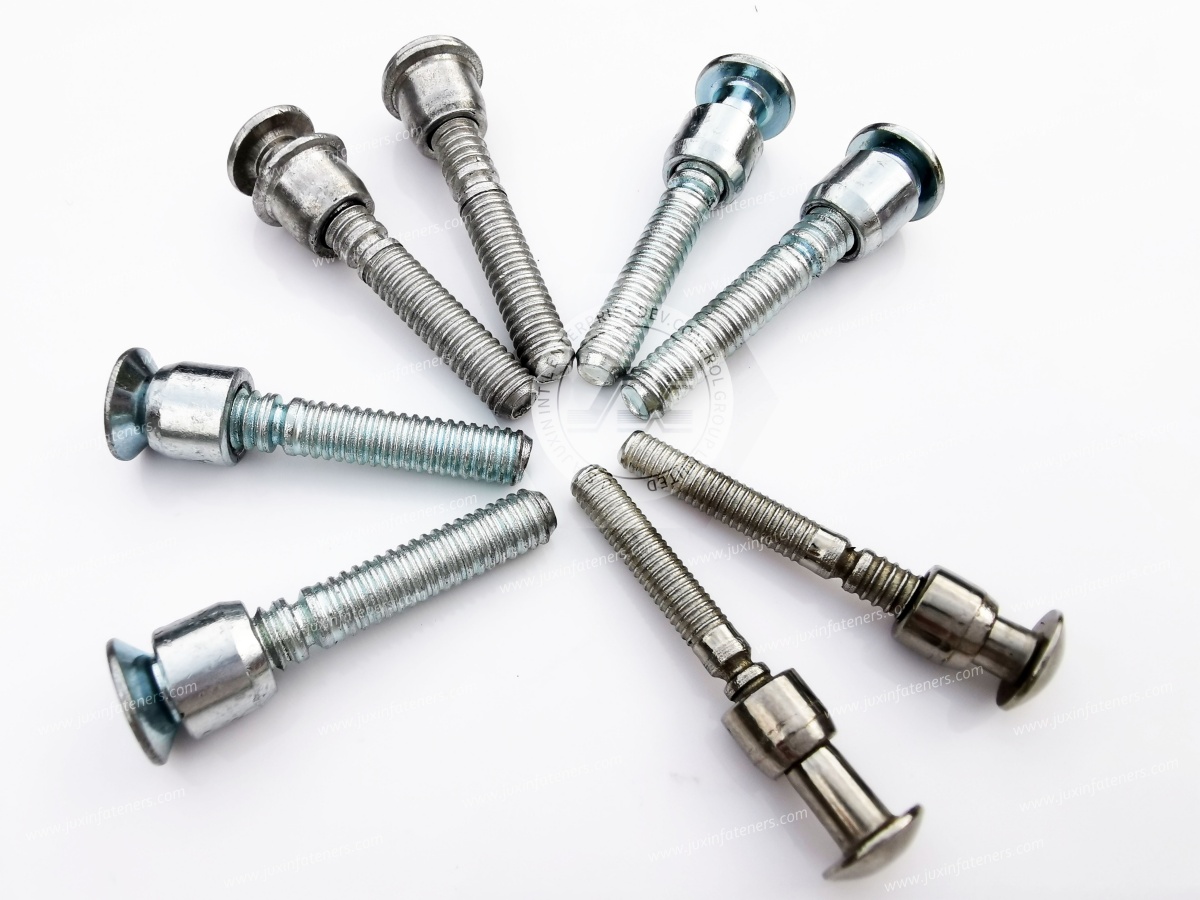
Depending on the joint, engineers may evaluate:
Prevailing-torque nuts
Serrated interfaces
Wedge-locking systems
Thread-locking features
Other engineered locking methods
But:
Locking Feature ≠ Correct Preload.
Locking strategy should complement correct joint design rather than compensate for an improperly tightened connection.
Stainless steel fasteners are widely considered for outdoor PV equipment because they can provide useful corrosion resistance without relying on a sacrificial metallic coating.
Commonly evaluated stainless families include:
304-type stainless steel
316-type stainless steel
A2 stainless fasteners
A4 stainless fasteners
Potential products include:
Stainless solar screws
Stainless T-bolts
Stainless nuts
Stainless washers
Stainless self-drilling screws
Stainless rivet nuts
Custom stainless mounting hardware
However:
Stainless Steel ≠ Corrosion-Proof.
304-type stainless steel can be suitable for many general outdoor industrial environments.
316-type stainless steel provides improved resistance to certain chloride-related corrosion mechanisms and may be
evaluated for more demanding coastal or chloride-containing environments.
But:
316 ≠ Automatically Required for Every Solar Installation.
Selection should consider:
Chloride exposure
Humidity
Temperature
Crevices
Mating materials
Project requirements
Cost
It is tempting to specify:
“Coastal project = 316 stainless steel.”
But coastal corrosion engineering should also consider:
Aluminum rail alloy
Steel structure
Module-frame material
Electrical contact between dissimilar metals
Water retention
Crevices
Drainage
Salt deposition
Cleaning
Therefore:
316 Fastener ≠ Corrosion-Proof Coastal PV Assembly.
PV mounting systems frequently combine:
Aluminum rails
Aluminum module frames
Stainless steel fasteners
Coated carbon steel
Structural steel
When dissimilar metals are electrically connected in the presence of an electrolyte, galvanic corrosion may become a concern.
This is particularly important for stainless-steel fasteners installed into aluminum structures.
A stainless fastener may remain in excellent condition while the adjacent aluminum experiences galvanic attack.
Risk depends on:
Material pairing
Exposed area ratio
Moisture
Chlorides
Electrical contact
Coatings
Joint geometry
Possible mitigation strategies may involve:
Material selection
Barrier coatings
Isolation
Sealants
Compatible washers
Drainage
Joint design
The appropriate strategy depends on the actual PV assembly.
Carbon and alloy steel fasteners can be used with engineered surface treatments where the application requires an appropriate combination of:
Mechanical properties
Corrosion resistance
Friction behavior
Cost
Potential systems may include:
Zinc plating
Zinc-nickel
Zinc-flake systems
Customer-specified protective coatings
The coating should be specified by performance and assembly requirements rather than by color alone.
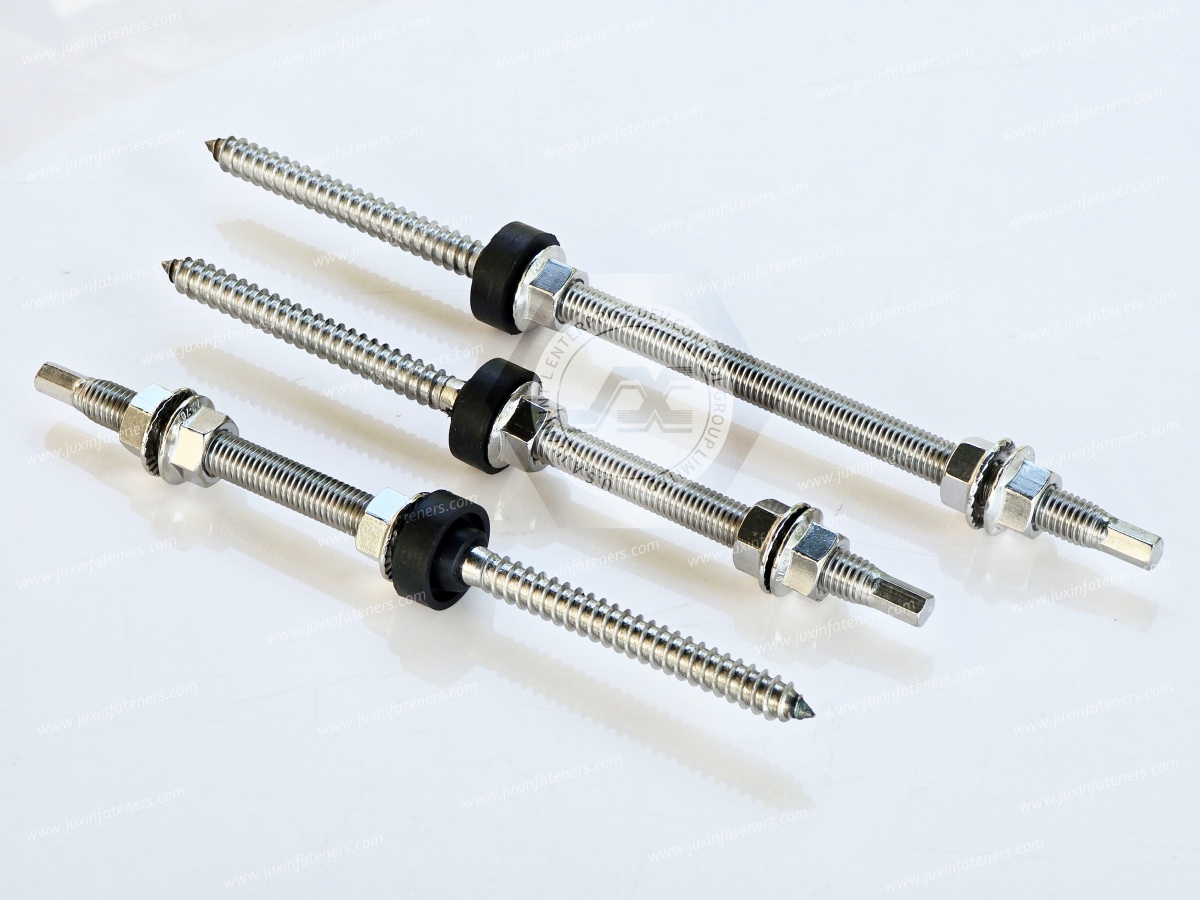
For example:
“Zinc-nickel”
does not necessarily define:
Coating thickness
Passivation
Topcoat
Friction
Color
Corrosion requirement
Therefore:
Coating Name ≠ Complete Coating Specification.
PV projects are designed for long-term outdoor operation.
However, laboratory salt-spray hours should not be directly converted into years of field service.
Real solar installations experience:
Wet/dry cycles
UV exposure
Temperature cycling
Dust
Chlorides
Pollution
Mechanical damage
Dissimilar-metal contact
Therefore:
Salt Spray Hours ≠ Field Service Life.
Changing a fastener from:
Zinc to zinc-nickel
Zinc-nickel to zinc-flake
Coated steel to stainless steel
can affect more than corrosion.
It may also change:
Friction
Tightening behavior
Thread fit
Electrical interaction
Galvanic behavior
Appearance
Cost
Therefore:
Coating Substitution Can Be an Engineering Change.
Self-drilling screws can combine drilling and fastening into one installation operation in compatible sheet-metal applications.
Potential uses include selected:
Metal roofing
Brackets
Sheet-metal structures
Equipment enclosures
Selection should consider:
Parent material
Parent thickness
Drill-point geometry
Thread geometry
Fastener material
Coating
Installation speed
Required clamp load
The same self-drilling screw should not automatically be used across:
Thin steel sheet
Thick steel
Aluminum
Different roofing profiles
The drilling point and thread must match the parent material.
Stainless steel provides useful corrosion resistance, but drill-point performance must also be considered.
In some designs, different material or tip strategies may be used to achieve drilling capability and corrosion performance.
The correct solution depends on the substrate and project requirement.
Self-drilling screws may be specified using applicable DIN or ISO dimensional references where appropriate.
However, a dimensional standard does not automatically define:
Substrate suitability
Installation parameters
Corrosion performance
Roof sealing performance
Structural capacity
The project specification must define these separately.
A screw installed through roofing material does not automatically create a watertight connection.
Water sealing may depend on:
Washer
Gasket
Compression
Hole condition
Roof profile
Installation angle
Fastener seating
Seal material
Therefore:
Fastener ≠ Waterproofing System.
Pre-assembled screw-and-washer systems can simplify high-volume equipment assembly.
Potential applications include:
Inverter cabinets
Control boxes
Power-electronics enclosures
Energy-storage equipment
Potential advantages include:
Fewer loose components
Simplified assembly
Reduced handling
Easier inventory management
However, washer function should still be defined.
A pre-assembled washer does not automatically create an anti-loosening joint.
PV systems contain more than structural mounting hardware.
Inverters, control cabinets and battery-related enclosures may require reusable threads in thin sheet.
Rivet nuts can be useful when:
Backside access is unavailable
Welding is undesirable
Sheet is too thin for a durable tapped thread
Selection should consider:
Grip range
Hole size
Body geometry
Parent material
Installation tooling
Pull-out
Spin-out
A rivet nut can fail through different mechanisms.
Pull-out concerns axial extraction.
Spin-out concerns rotation in the parent sheet.
Therefore:
Pull-Out ≠ Spin-Out.
For serviceable inverter cabinets, spin-out performance can be particularly important because screws may be removed repeatedly.
A closed-end rivet nut may help close one potential path through the fastener body.
But it does not by itself establish enclosure sealing.
Closed-End Rivet Nut ≠ IP-Rated Joint.
The complete interface must be validated.
Self-clinching nuts, studs and standoffs may be useful in compatible sheet-metal inverter and electrical enclosures.
Installed performance depends on:
Sheet material
Sheet hardness
Thickness
Hole geometry
Edge distance
Tooling
Installation force
Therefore:
Same Sheet Thickness ≠ Same Clinching Behavior.
Rooftop PV installations can involve multiple fastening interfaces:
Module → Clamp → Rail → Roof Attachment → Building Structure
Different interfaces can require different fastener technologies.
Important engineering considerations include:
Structural load
Roof material
Corrosion
Sealing
Thermal movement
Installation access
Fastener selection should follow the specific mounting architecture.
Ground-mount PV systems can use:
Steel support structures
Aluminum rails
Brackets
Bolted structural connections
Fastener selection may require evaluation of:
Structural loads
Outdoor corrosion
Soil/environmental exposure
Dissimilar metals
Installation process
Maintenance
For structural connections, project-specific engineering requirements should control the specification.
Utility-scale projects multiply small fastener decisions across large numbers of mounting points.
This makes the following commercially important:
Installation speed
Tool compatibility
Consistent friction
Packaging
Traceability
Replacement availability
Supplier capacity
Change control
A small difference in installation time per connection can become significant at project scale.
The lowest-price bolt is not always the lowest-cost solution.
A fastener that:
Aligns more easily
Reduces loose parts
Works with standard tooling
Has consistent drive engagement
Reduces installation errors
may lower total installation cost.
Procurement can evaluate:
Total Installed Cost = Part Price + Installation Labor + Tooling + Inspection + Rework + Scrap + Downtime + Logistics + Maintenance + Supply Risk
For high-volume PV mounting systems, installation efficiency can be commercially significant.
Solar inverters contain:
Sheet-metal enclosures
Power electronics
Heat sinks
Control electronics
Internal brackets
Service panels
Potential fastener products include:
Machine screws
Self-clinching nuts
Self-clinching studs
Rivet nuts
Captive panel fasteners
Standoffs
SEMS screws
Insulating components
The fastening architecture should distinguish mechanical, thermal and electrical functions.
A metal fastener is electrically conductive.
That does not automatically qualify it as:
Grounding connection
Bonding connection
Current-carrying connection
Electrical performance may depend on:
Contact resistance
Surface condition
Contact pressure
Coating
Oxide layers
Temperature
Corrosion
Therefore:
Conductive Material ≠ Qualified Electrical Connection.
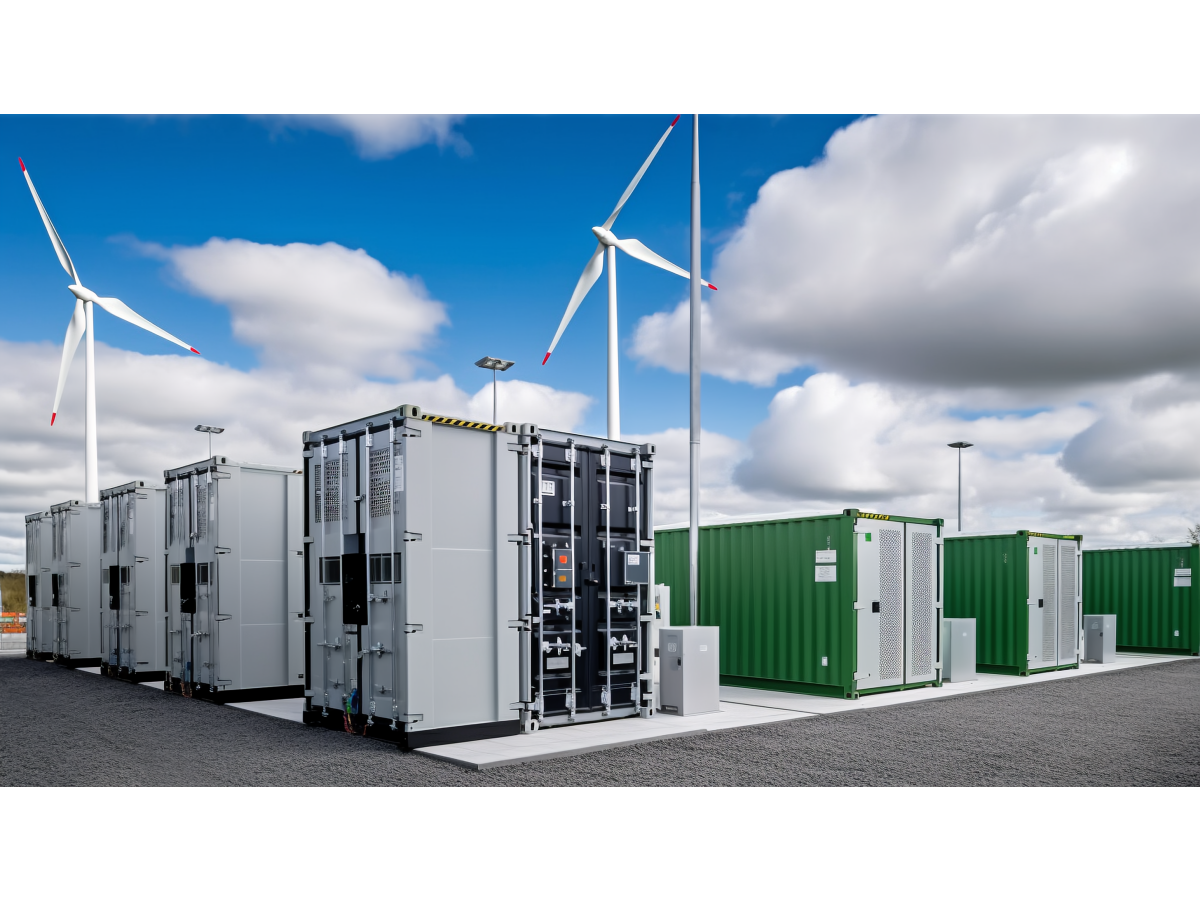
Solar installations increasingly integrate energy storage.
BESS equipment may require fastening for:
Electrical cabinets
Battery-related enclosures
Power conversion equipment
Cooling systems
Monitoring systems
Potential solutions include:
Rivet nuts
Self-clinching fasteners
Machine screws
Stainless fasteners
Coated fasteners
Captive hardware
Insulating components
However:
Fastener ≠ Battery-System Qualification.
Mechanical, electrical, thermal, fire and enclosure requirements must be validated at system level.
PV equipment experiences repeated temperature changes between:
Day and night
Seasons
Sun-exposed and shaded conditions
Materials such as:
Aluminum
Carbon steel
Stainless steel
have different thermal expansion behavior.
This can influence:
Joint movement
Interface pressure
Preload
Long-term stability
Therefore:
Room-Temperature Assembly ≠ Constant Field Joint Condition.
This is one of the most common material combinations in PV mounting systems.
It can provide useful mechanical and corrosion performance, but engineers should evaluate:
Galvanic compatibility
Clamp pressure
Rail deformation
Thread or slot engagement
Thermal expansion
Water retention
The combination should be engineered rather than assumed safe because both materials individually have good corrosion resistance.
Using aluminum fasteners may reduce galvanic potential in some material combinations, but aluminum has different:
Strength
Thread capability
Preload behavior
Wear characteristics
Therefore:
Same Material ≠ Automatically Better Joint.
Material selection must still follow the mechanical requirement.
Desert PV installations can experience:
High daytime temperature
Large temperature cycling
Dust
Abrasive contamination
Intense outdoor exposure
Fastener engineering should consider the complete service environment.
UV resistance is especially relevant to exposed polymer components, but not a primary material-selection parameter for metallic fasteners.
Coastal systems may experience:
Chlorides
High humidity
Salt deposition
Wet/dry cycling
Material selection may involve:
Appropriate stainless grades
Engineered coated fasteners
Isolation strategies
Compatible mounting materials
The correct solution depends on the joint rather than a single “marine-grade” label.
PV equipment installed near industrial facilities may experience:
Process chemicals
Pollution
Corrosive atmosphere
Cleaning agents
Material and coating compatibility should be evaluated against the actual exposure.
Standard catalog hardware does not fit every mounting system.
Custom fasteners may be required for:
Proprietary rail profiles
Special T-bolt heads
Anti-rotation geometry
Integrated washer features
Special thread lengths
Automated assembly
Reduced part count
JUXIN FASTENERS can review customer drawings for:
Geometry
Material
Thread
Tolerance
Surface treatment
Manufacturing route
Production volume
Different manufacturing routes can support different project stages and volumes.
Can be suitable for scalable production of appropriate:
Bolts
Screws
Special-head fasteners
Can be useful for:
Complex geometry
Prototype components
Low-volume special fasteners
Precision features
However:
CNC Machining ≠ Automatically Better Fastener.
The manufacturing route should match geometry, tolerance and volume.
A custom T-bolt may initially be machined for prototype validation.
If annual demand becomes significant, a cold-forming or hybrid process may be more economical.
Therefore:
Prototype Process ≠ Final Production Process.
Inspection should follow the product and project requirement.
Depending on the component, control may include:
Material verification
Dimensional inspection
Thread inspection
Mechanical testing
Surface-treatment inspection
Functional installation testing
Corrosion testing where specified
Traceability
For custom T-bolts or profile hardware, functional fit with the mating rail can be particularly important.
A fastener can meet its drawing and still perform poorly in the assembly if:
Rail geometry is incompatible
Tightening is incorrect
Coating friction differs
Parent material deforms
Galvanic corrosion occurs
Therefore:
Drawing Compliance ≠ Installed Joint Validation.
PV manufacturers often need second sources for:
Supply continuity
Cost control
Capacity
Regional sourcing
Risk management
But second-source qualification should not rely only on dimensions.
Compare:
Drawing revision
Material
Mechanical properties
Thread
Geometry
Surface treatment
Friction where relevant
Installation behavior
Functional fit
Testing
Documentation
Therefore:
Same Dimensions ≠ Functional Equivalence.
For T-bolts, compare:
Head geometry
Rail engagement
Anti-rotation behavior
Thread
Material
Coating
Tightening behavior
A supplier may reproduce the M8 thread correctly while producing a head that interacts differently with the rail.
When comparing coated fasteners, verify:
Base material
Mechanical property requirement
Coating system
Thickness
Friction
Corrosion requirement
Thread fit
Appearance alone is insufficient.
For efficient technical and commercial review, provide:
2D drawing
3D model where available
Part number
Drawing revision
PV application
Joint function
Fastener material
Parent material
Mating component
Thread
Mechanical requirement
Surface treatment
Corrosion environment
Installation method
Tightening requirement
Annual volume
Sample quantity
Validation requirements
Applicable ISO, DIN, EN, ASTM, ASME/ANSI, SAE or customer specification
Provide:
Rail/profile drawing
Slot dimensions
T-bolt or T-nut geometry
Anti-rotation requirement
Thread
Material
Surface treatment
Installation torque requirement where defined
Required functional test
The mating profile is particularly valuable during engineering review.
Provide:
Roof substrate
Material thickness
Bracket geometry
Hole condition
Sealing requirement
Fastener material
Coating
Installation method
If water sealing is required, define it separately from the mechanical fastener specification.
Provide:
Distance/exposure to marine atmosphere where known
Chloride environment
Mating metals
Surface treatments
Expected exposure
Corrosion test requirement
Project material specification
Do not specify only:
“marine fastener.”
A capable PV fastener supplier should be evaluated on more than price.
Supplier-development teams may review:
Drawing control
Material control
Manufacturing process
Thread control
Surface-treatment control
Functional testing
Inspection
Traceability
Packaging
Change control
Production capacity
The importance of each factor depends on the fastener and project.
Solar programs may remain in production for many years.
Changes to:
Material
Coating
Supplier
Tooling
Geometry
Manufacturing process
can affect installed behavior.
Therefore, controlled engineering review of relevant changes is important.
A controlled development path can follow:
PV Application → Joint Function → Load & Environment → Parent Material → Fastener Technology → Material / Coating → Drawing Review
→ Manufacturing Review → Sample → Installation Trial → Functional Validation → Approval → Production
For custom profile fasteners:
Rail Drawing → T-Bolt / T-Nut Geometry → Prototype → Rail Fit Test → Tightening / Functional Validation → Production Process → Approval
This page should function as the dedicated Solar PV Fasteners / Photovoltaic Mounting Fasteners resource.
Recommended internal links include:
Stainless Steel Fasteners → corrosion-resistant outdoor fastening
Aluminum Fasteners → lightweight aluminum fastening components
Fasteners for Aluminum → aluminum rail and mixed-material joint engineering
Fastener Surface Treatment & Coating Selection → outdoor corrosion protection
Zinc-Nickel Coated Fasteners → Zn-Ni corrosion and friction control
Zinc vs Zinc-Nickel Plating → coating selection
Electrical Equipment Fasteners → inverter and control-cabinet fastening
Rivet Nuts → inverter and enclosure threaded attachment
Self-Clinching Fasteners → electrical cabinet sheet-metal attachment
Automotive Threaded Fasteners → preload, friction and locking principles
Custom Fastener Manufacturing → cold heading, CNC machining and DFM
Fastener Failure Modes → corrosion, loosening and joint failure
Use the existing indexed JUXIN FASTENERS URL when implementing these internal links.
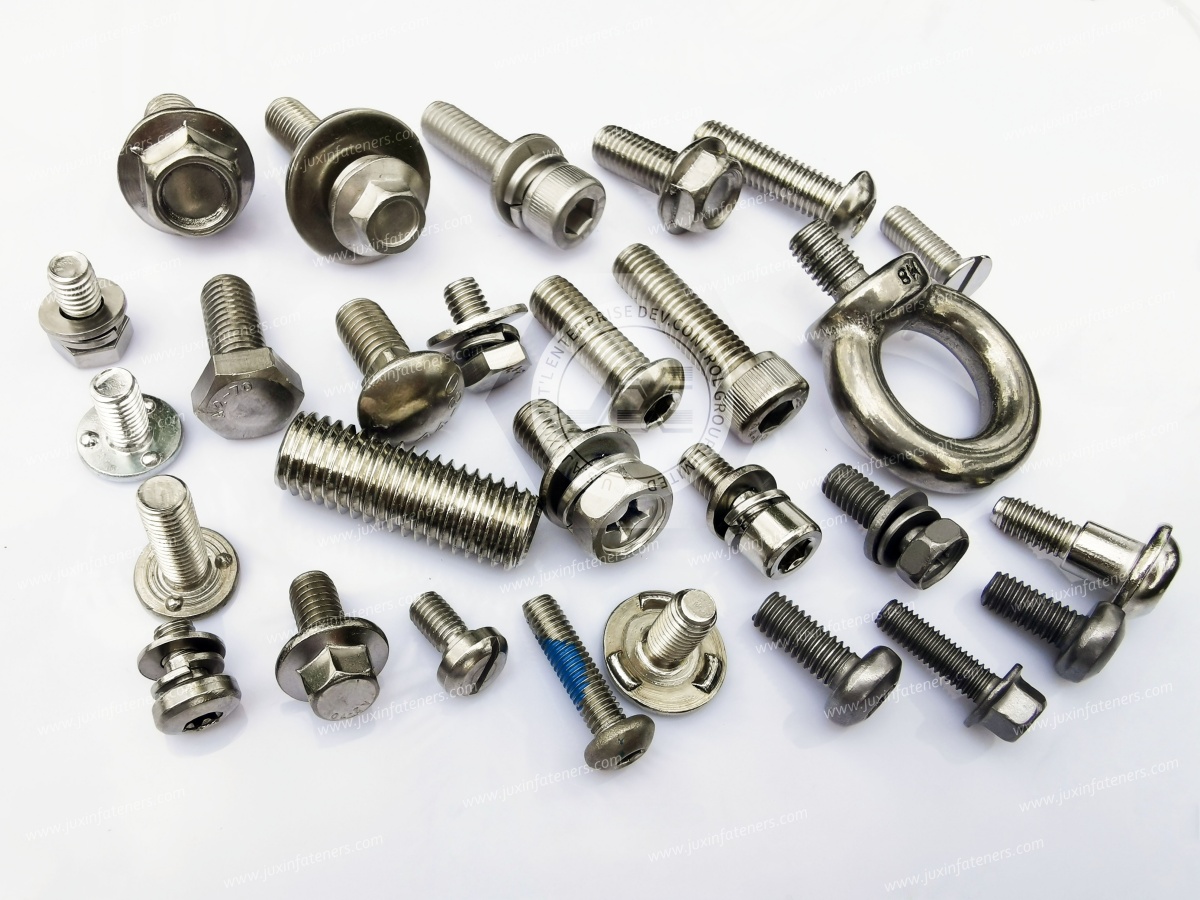
Depending on the mounting design, common products can include T-bolts, T-nuts, stainless screws, bolts, nuts, washers,
self-drilling screws and custom profile fasteners.
There is no universal best material. Selection depends on structural load, environment, parent material, corrosion, galvanic compatibility, installation and cost.
304 can be suitable for many general environments, while 316 may be evaluated for more demanding chloride exposure.
The actual environment and mating materials should determine the choice.
Not automatically. 316 provides improved resistance to certain chloride-related corrosion mechanisms, but joint geometry,
aluminum interfaces, crevices, exposure and project specifications also matter.
Yes, this is a common material combination, but galvanic corrosion, rail deformation, preload, slot engagement and environmental exposure should be evaluated.
T-bolts can engage profile slots and provide adjustable attachment points. Their head geometry must match the rail profile.
No. Two T-bolts with the same M8 thread can have different head and neck geometries. Compatibility with the rail slot must be verified.
A spring washer should not automatically be treated as a universal anti-loosening solution. Joint preload, interface movement and the actual loosening mechanism should be evaluated.
No. Excessive torque can damage the fastener, thread, rail or clamp. The correct tightening condition should come from the validated joint design.
No. Zn-Ni can provide useful corrosion protection, but coating specification, friction, base material, mating materials and actual environment must be considered.
There is no reliable universal conversion. Salt spray testing and real outdoor service involve different exposure mechanisms.
They can be suitable in correctly designed applications, but drill-point geometry, substrate material, thickness, corrosion protection, sealing and installation must match the roofing system.
Not by itself. Sealing also depends on washer or gasket design, compression, hole condition, roof profile and installation.
JUXIN FASTENERS can review drawing-based T-bolts and other custom profile fasteners for suitable manufacturing processes based on geometry, material, tolerance and volume.
Send the 2D drawing, 3D model where available, mating rail or bracket information, material, thread, surface treatment, environment, annual volume and functional requirements.
Reliable photovoltaic fastening begins with the complete mechanical connection.
The most useful engineering principle is:
Solar Fastener Performance = Fastener + Mating Component + Preload + Environment + Installation
Not merely:
Fastener Material + Thread Size.
For a reliable PV mounting system, engineers should consider:
Joint Function + Structural Load + Parent Material + Fastener Material + Rail / Bracket Geometry + Preload + Friction + Locking Strategy
+ Corrosion + Galvanic Compatibility + Thermal Cycling + Installation + Validation
That means:
Strong Fastener ≠ Strong PV Mounting Joint
Stainless Steel ≠ Corrosion-Proof
Washer ≠ Automatic Anti-Loosening Device
Salt Spray Hours ≠ Field Service Life
Same M8 Thread ≠ Same T-Bolt Compatibility
Same Dimensions ≠ Functional Equivalence
JUXIN FASTENERS supports OEM manufacturers and renewable-energy equipment suppliers with:
Solar T-bolts
T-nuts and profile nuts
Stainless steel solar screws
Solar mounting bolts and nuts
Self-drilling screws
SEMS and combination screws
Rivet nuts
Self-clinching fasteners
Captive panel hardware
Stainless steel fasteners
Zinc-nickel and other specified coated fasteners
Custom drawing-based PV fasteners
If you are developing a solar mounting rail, module-clamp system, rooftop mounting assembly, ground-mount structure,
inverter enclosure or energy-storage equipment, send your technical package for engineering and commercial review.
For an effective RFQ, provide:
2D Drawing + 3D Model + Part / Revision + PV Application + Joint Function + Mating Rail / Bracket + Parent Material +
Thread + Load Requirement + Fastener Material + Surface Treatment + Environment + Installation Method + Annual Volume
Where relevant, also provide:
Rail Slot Geometry + Tightening Requirement + Friction Requirement + Locking Requirement + Corrosion Requirement
+ Coastal / Chemical Exposure + Functional Testing + Second-Source Requirement
JUXIN FASTENERS
Solar Fasteners | Photovoltaic Fasteners | PV Mounting Fasteners | Solar T-Bolts | T-Nuts | Stainless Solar Fasteners | Custom OEM Fasteners
Email: info@juxinfasteners.com
Website: www.juxinfasteners.com
Contact Us
Tel.:
+86 020 8621 0320
+86 020 3121 6067
E-mail:
Technical Support:
Navigation
SEND INQUIREY



