
Call Us
+86 136 6007 9809
Call Us
+86 136 6007 9809

Aug. 29, 2026
Semiconductor metrology and inspection equipment requires more than a fastening component that simply holds two parts together.
These systems may incorporate precision mechanical structures, positioning mechanisms, optical assemblies, inspection fixtures, automated stages and measurement components where alignment, repeatability and mechanical stability are important.
Fasteners and small mechanical components can form part of these interfaces.
Thread fit, dimensional consistency, concentricity, flatness, surface finish, clamping force and thermal conditions may all need to be considered when selecting components for precision equipment.
JUXIN manufactures precision fasteners and CNC machined components for semiconductor metrology, inspection and other precision equipment OEM applications.
Our capabilities include precision screws, fine-thread fasteners, alignment pins, standoffs, spacers, bushings, shafts, custom brackets and CNC machined fixtures manufactured according to customer drawings and specifications.
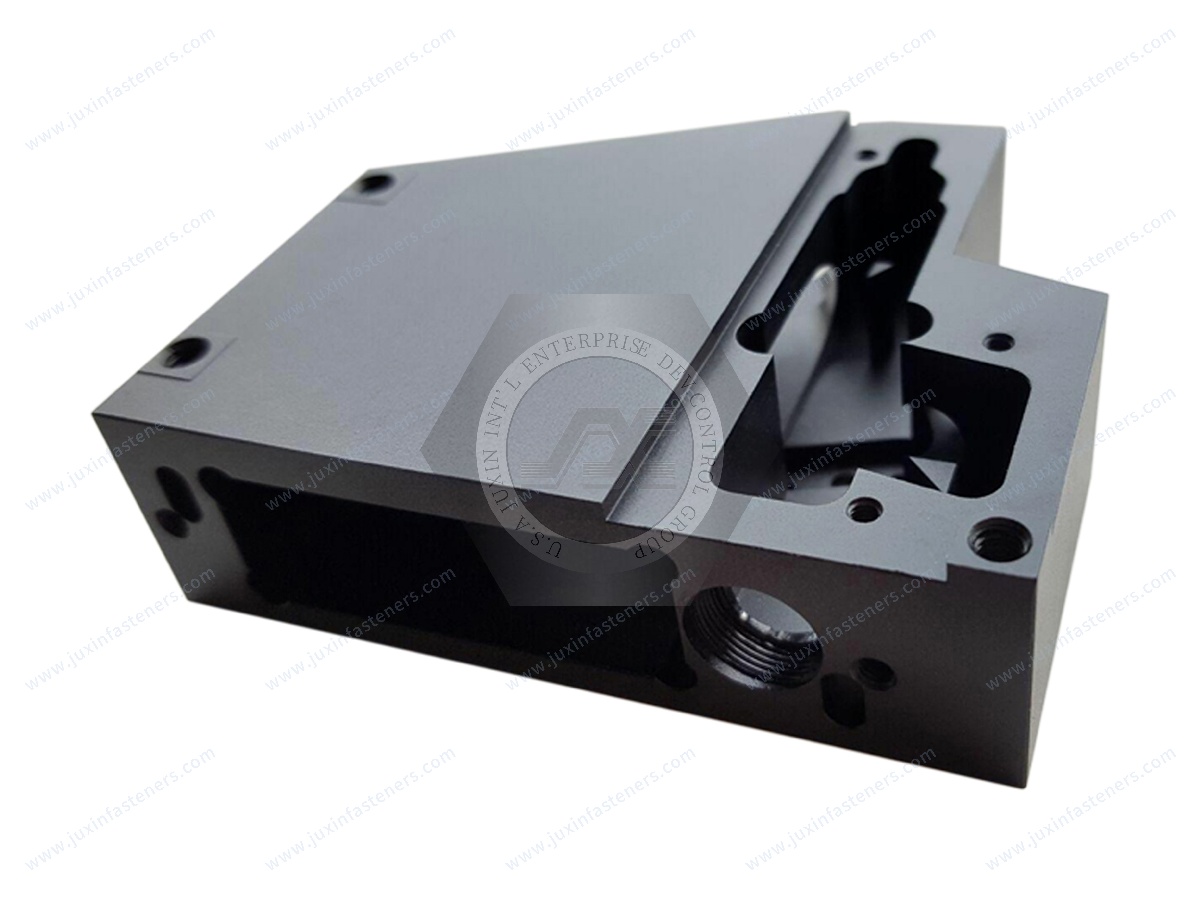
Metrology and inspection systems are designed to measure, inspect or position components with a high degree of repeatability.
The mechanical structure supporting these systems therefore needs to maintain the intended relationship between components.
A fastener does not operate independently.
It interacts with:
Fastener + Mating Thread + Component Surface + Clamping Force + Mechanical Structure
If one part of this interface is inconsistent, the resulting assembly may not behave as intended.
For design engineers and mechanical engineers, this means fastener selection should consider the complete mechanical interface rather than focusing only on nominal screw diameter or thread size.
Important factors may include:
Thread fit
Dimensional tolerance
Concentricity
Flatness
Surface finish
Material properties
Clamping force
Thermal conditions
Assembly method
Component geometry
The specific requirements depend on the design and function of the equipment.
Semiconductor inspection systems can contain numerous small mechanical components used to mount, align, position and support assemblies.
JUXIN can manufacture custom components such as:
Precision screws can be manufactured according to specified dimensions, thread configurations, head geometry and material requirements.
They can support equipment structures, fixtures, covers, positioning mechanisms and other mechanical assemblies.
Fine-thread fasteners may be selected when an application requires a specific thread configuration, controlled adjustment or a particular mechanical interface.
Thread size, pitch, tolerance and mating components should be evaluated together.
Alignment pins can support repeatable positioning between mating components.
For precision equipment, critical pin diameter, length, concentricity and fit requirements should be clearly defined on the engineering drawing.
Standoffs and spacers can establish controlled distances between components and support mechanical positioning within an assembly.
CNC machined bushings can be manufactured for controlled interfaces, positioning or mechanical support.
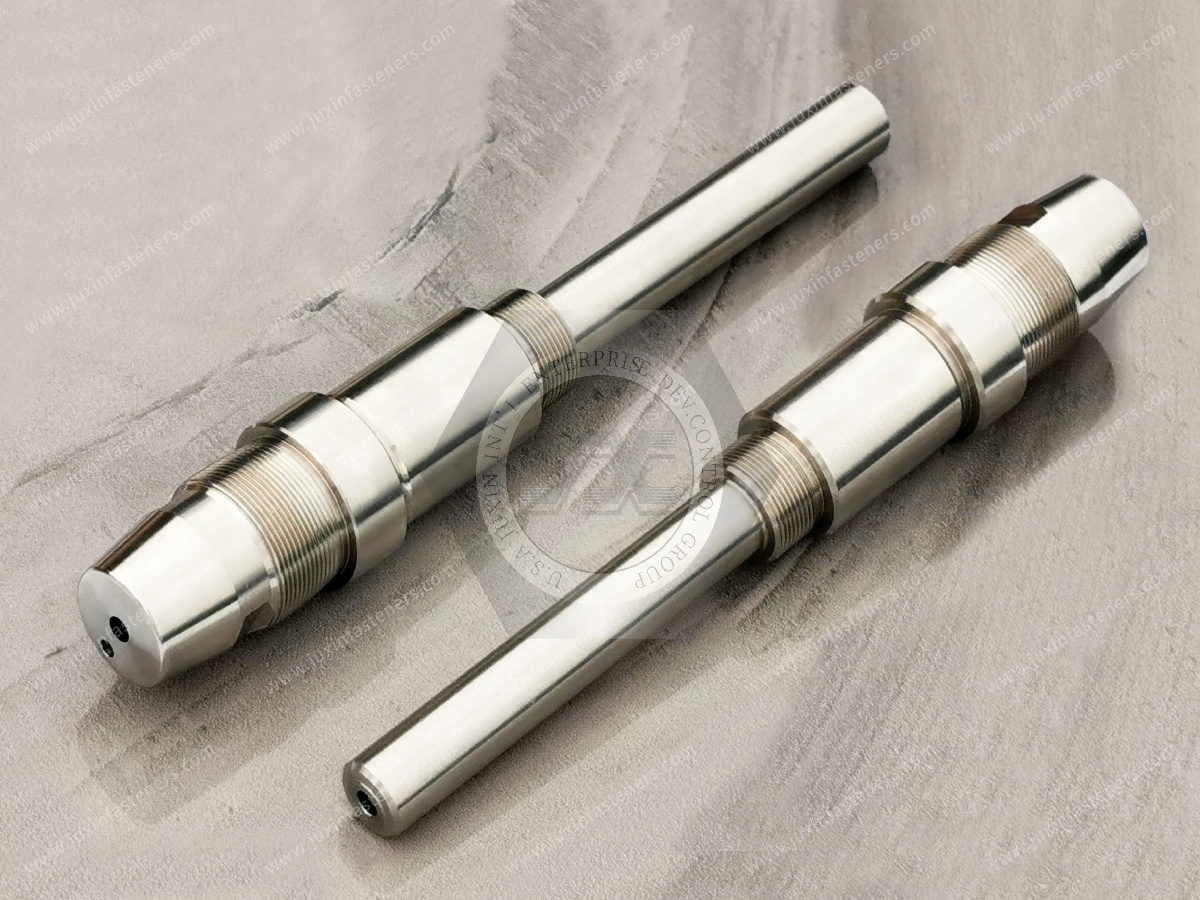
Precision shafts can be produced for mechanical positioning systems, rotating mechanisms and other equipment assemblies where the required geometry is defined by the customer's drawing.
JUXIN can also manufacture custom brackets, fixtures and other small mechanical components based on drawings and samples.
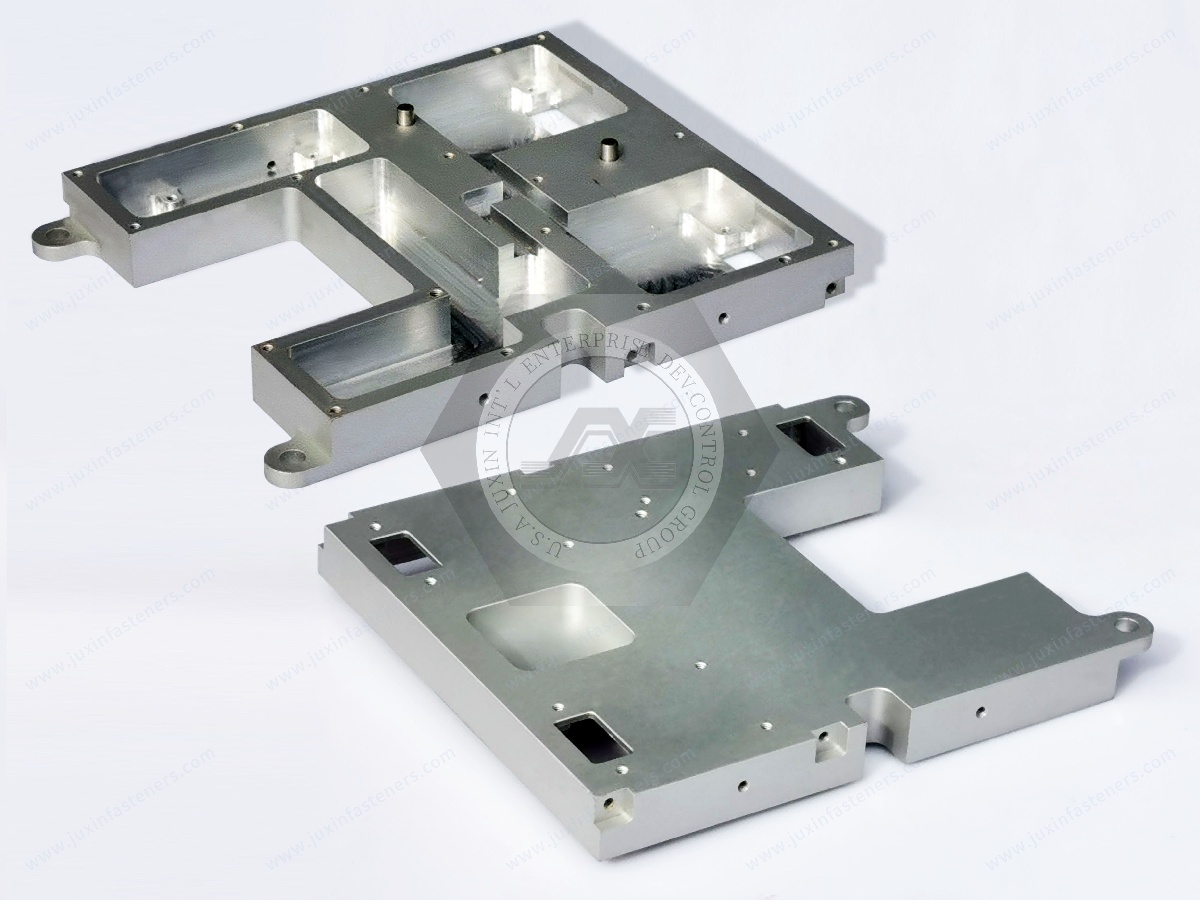
Not every component in a precision inspection system is a conventional fastener.
OEM equipment manufacturers may require a combination of fastening hardware and custom CNC machined components.
JUXIN supports drawing-based production of components such as:
Precision pins
Alignment pins
Bushings
Spacers
Standoffs
Shafts
Threaded pins
Custom brackets
CNC machined fixtures
Small precision turned components
Combining fastener manufacturing with CNC machining can provide procurement teams with a single sourcing channel for multiple small mechanical components.
This can simplify communication between purchasing, engineering, quality and production teams.
For metrology and inspection equipment, the nominal dimension is only one part of the engineering requirement.
The relationship between mating components can be equally important.
Thread dimensions and tolerance affect how a fastener interacts with the mating component.
Consistent thread quality can help maintain predictable assembly behavior across production batches.
For pins, shafts, bushings and other rotational or positioning components, concentricity may be a critical drawing requirement.
The appropriate tolerance depends on the function of the component.
The contact surface between components can influence how an assembly seats and aligns.
Where flatness is functionally important, it should be defined as a drawing requirement and verified during inspection.
Surface finish may influence friction, contact behavior, wear and the interaction between mating components.
The required finish should therefore be specified according to the actual application.
Material selection can affect mechanical properties, thermal behavior and long-term dimensional performance.
Depending on the application, materials may include:
Stainless steel
Alloy steel
Aluminum
Titanium
Engineering plastics
The appropriate material should be selected according to the equipment design and operating environment.
A fastener is not simply a threaded metal component.
During assembly, tightening creates preload and clamping force between mating parts.
For precision mechanical systems, engineers may need to consider the relationship between:
Fastener Geometry → Friction → Torque → Preload → Component Interface
Actual torque and preload relationships depend on the fastener, materials, lubrication, surface treatment, thread condition and assembly method.
For this reason, precision equipment manufacturers may specify particular installation procedures, torque requirements or assembly controls.
JUXIN can manufacture components according to customer-defined dimensional, material and surface-treatment specifications.
Where assembly performance is critical, the engineering specification should define the applicable requirements before production.
Metrology and inspection equipment can contain assemblies exposed to temperature changes or controlled thermal environments.
Different materials can respond differently to temperature variation.
For precision assemblies, engineers may therefore consider:
Material selection
Coefficient of thermal expansion
Component geometry
Operating temperature
Temperature variation
Interface design
Required positioning accuracy
The appropriate material combination depends on the actual equipment architecture and operating conditions.
JUXIN can manufacture components from different specified materials to support customer-defined engineering requirements.
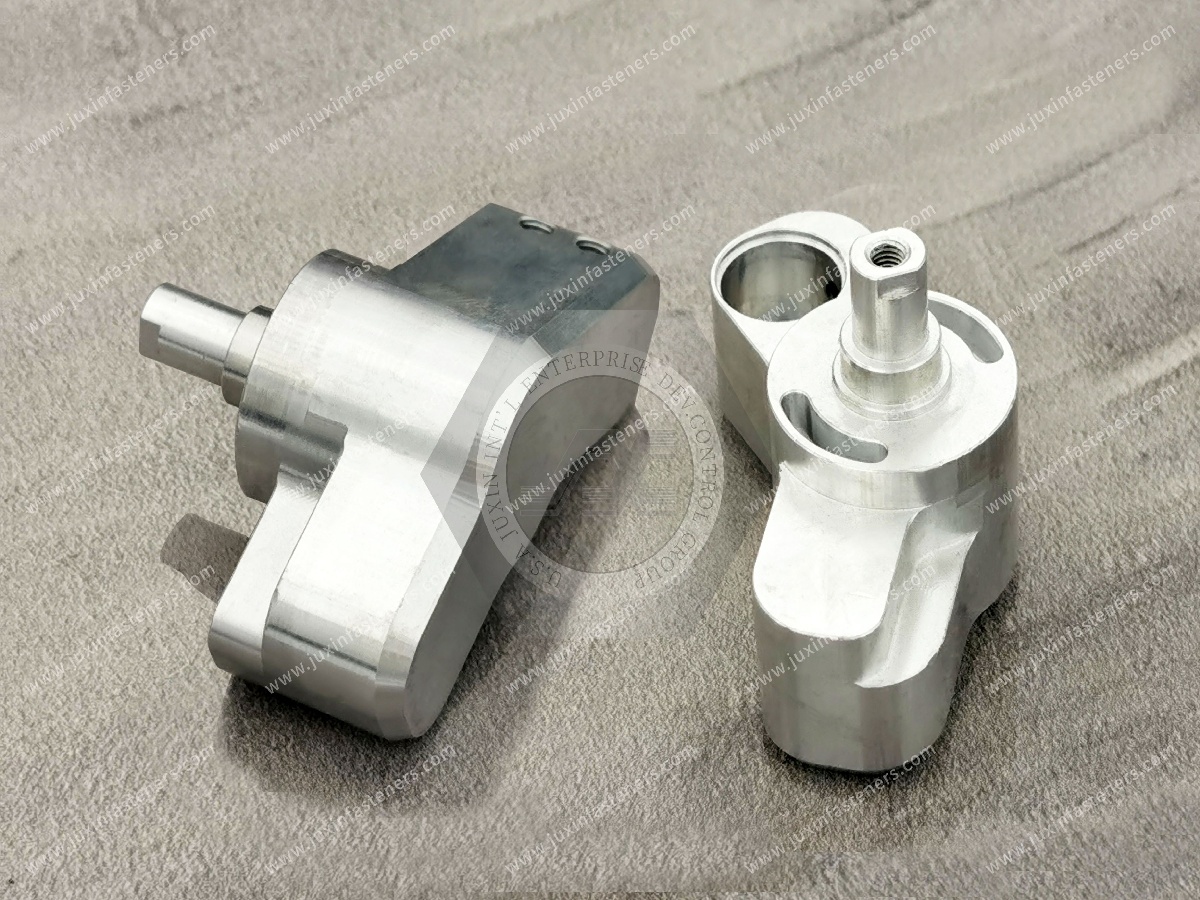
Precision equipment manufacturers often develop proprietary mechanical structures that cannot be fully supported by standard catalog hardware.
Custom manufacturing allows the fastener or component geometry to be matched directly to the equipment design.
JUXIN supports production from:
Engineering drawings
CAD files
Technical specifications
Physical samples
Customer-approved designs
Depending on the component, production may involve CNC machining, cold forming, stamping or other suitable manufacturing processes.
The manufacturing method is selected according to the component geometry, material, tolerance, volume and production requirements.
JUXIN's precision fasteners and CNC machined components can support a variety of semiconductor equipment applications.
Custom screws, pins, spacers, bushings and fixtures for inspection-system mechanical assemblies.
Precision mechanical components for measurement equipment, positioning structures and supporting assemblies.
Fasteners and CNC components used in equipment structures and precision mounting assemblies.
Precision screws, alignment pins, shafts and bushings for automated positioning and motion mechanisms.
Custom CNC machined fixtures and alignment components for equipment assembly, testing and inspection.
Fasteners, brackets, standoffs and other components for equipment structures and protective enclosures.
Precision components for mechanisms involved in wafer transfer, positioning and automated material handling.
For design engineers, a fastener specification should communicate more than the basic product name.
A useful engineering specification may define:
Material
Mechanical grade
Nominal dimensions
Thread specification
Tolerance
Critical dimensions
Surface treatment
Surface finish
Concentricity
Flatness
Packaging
Inspection requirements
This helps reduce ambiguity between engineering, procurement and manufacturing.
For custom components, JUXIN reviews the customer's drawing before production to identify the applicable manufacturing process and critical requirements.
For procurement managers and supply-chain teams, precision components create a different sourcing challenge from ordinary commodity fasteners.
The supplier must be able to maintain consistent specifications across repeated orders.
Important supplier considerations may include:
Drawing Control → Manufacturing Capability → Dimensional Consistency → Inspection → Packaging → Repeatability
A supplier that can manufacture multiple related components can also simplify procurement management.
Instead of sourcing screws, alignment pins, bushings, spacers and CNC components from several unrelated suppliers, OEM customers can consolidate selected component requirements with one manufacturing partner.
This can reduce communication points and simplify RFQ and quality coordination.
A typical JUXIN custom component project follows a drawing-based manufacturing approach.
The customer provides drawings, samples or technical specifications.
JUXIN reviews material, dimensions, tolerances, thread requirements and component geometry.
An appropriate manufacturing process is selected based on geometry, material, tolerance and expected production volume.
Components are manufactured according to the approved technical requirements.
Critical dimensions and customer-specified requirements are checked according to the agreed inspection process.
Components are packaged according to customer requirements.
The approved specification can then support future production and repeat purchasing.
This process is particularly valuable for OEM equipment manufacturers developing long-term production programs.
Semiconductor equipment manufacturers often require many small mechanical components across a single machine platform.
JUXIN can support sourcing requirements for:
Precision screws
Fine-thread screws
Bolts
Nuts
Studs
Threaded pins
Alignment pins
Standoffs
Spacers
Bushings
Shafts
Custom brackets
CNC machined fixtures
Custom precision components
This combination of fastener manufacturing and CNC machining allows procurement teams to consolidate selected small-component requirements while maintaining drawing-based specifications.
Material selection should always be based on the actual application.
Depending on customer requirements, JUXIN can manufacture components using materials such as:
Suitable for applications requiring corrosion resistance and specific mechanical properties.
Used where higher mechanical strength or specific mechanical characteristics are required.
Useful where low weight and specific mechanical or thermal characteristics are important.
May be selected for applications requiring specific combinations of strength, weight and corrosion resistance.
Certain precision components may be manufactured from engineering plastics where the application requires a non-metallic material.
The final material specification should be confirmed by the equipment designer according to the operating environment and mechanical requirements.
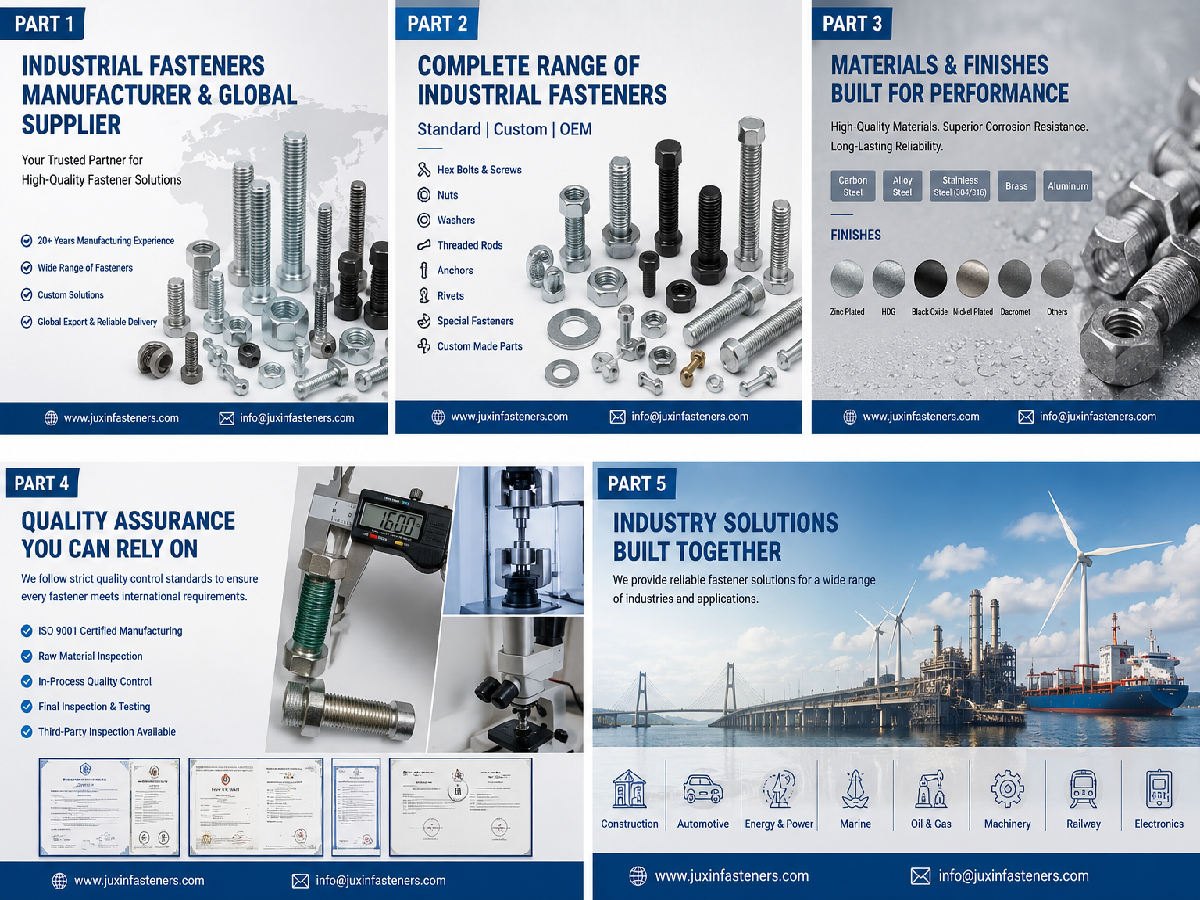
A semiconductor inspection system may contain hundreds or thousands of individual mechanical components.
Even small components can affect:
Assembly repeatability
Component alignment
Mechanical stability
Positioning
Maintenance
Production consistency
For OEM manufacturers, the objective is therefore not simply to find the lowest-cost fastener.
It is to establish a reliable supply chain capable of repeatedly producing components to the approved engineering specification.
That means balancing:
Engineering Requirements + Manufacturing Capability + Quality + Repeatability + Cost + Supply Reliability
JUXIN has more than 23 years of fastener industry experience and supports international OEM customers with custom fastening and precision CNC component requirements.
Our capabilities include:
Custom precision screws
Fine-thread fasteners
Stainless steel fasteners
Custom bolts and nuts
Threaded pins
Alignment pins
Standoffs
Spacers
Bushings
Shafts
Custom brackets
CNC machined fixtures
Drawing-based precision components
For semiconductor metrology and inspection equipment, we focus on understanding the customer's engineering requirements before production.
The objective is not simply to manufacture a fastener that fits.
It is to manufacture a component that consistently meets the approved specification and supports the mechanical requirements of the equipment.
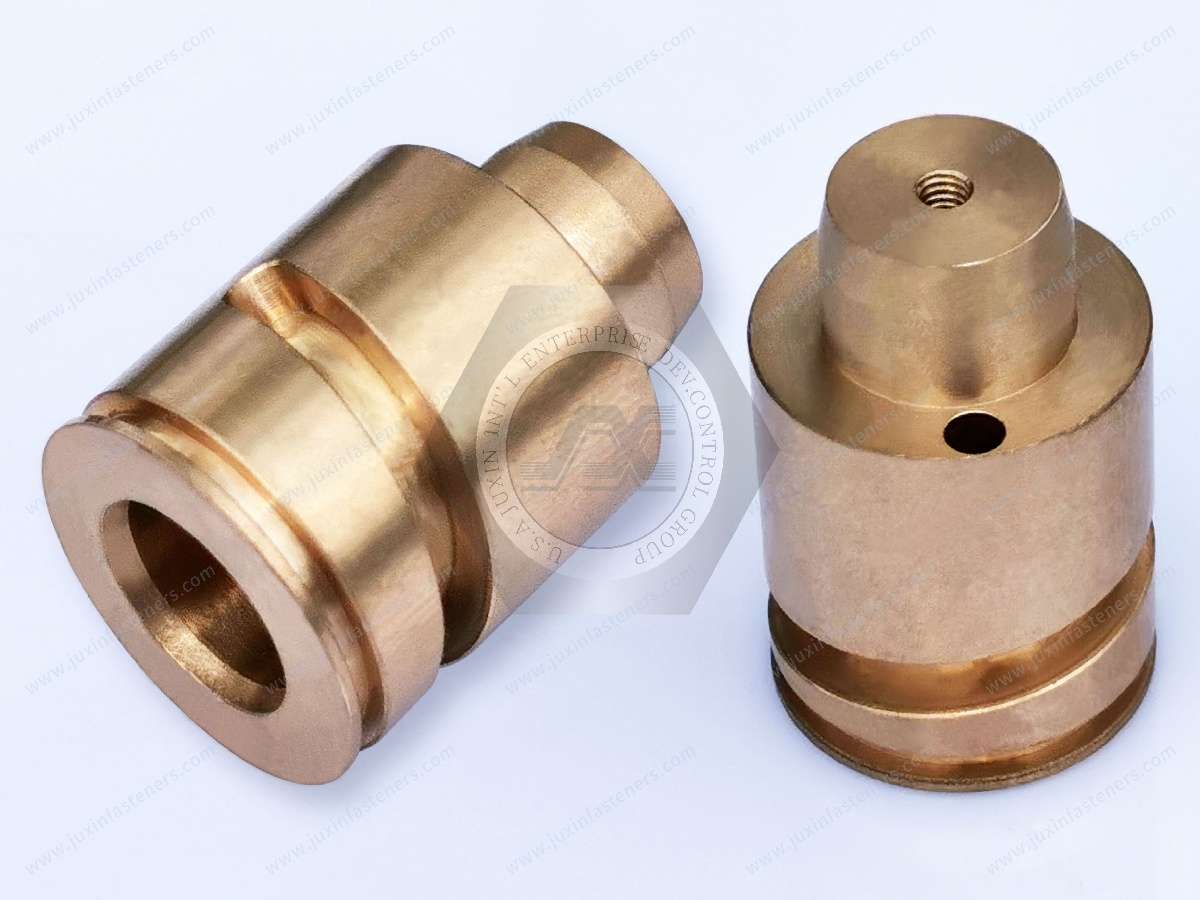
If you are sourcing semiconductor metrology fasteners, inspection equipment fasteners or custom CNC machined components, JUXIN can review your drawings and application requirements.
Please provide:
Engineering drawings
CAD files, if available
Material requirements
Fastener standards
Thread specifications
Dimensional tolerances
Critical dimensions
Surface-treatment requirements
Surface-finish requirements
Inspection specifications
Annual or project quantities
Packaging requirements
Our team can review the requirements and recommend an appropriate manufacturing process for your application.
Contact JUXIN FASTENERS
Email: info@juxinfasteners.com
Website: www.juxinfasteners.com
JUXIN FASTENERS — Precision Fasteners and CNC Components for Semiconductor Equipment OEMs.
Semiconductor metrology and inspection applications may have highly specific engineering, cleanliness, material and dimensional requirements. Final component specifications should be established and approved by the equipment manufacturer before production.
 MORE NEWS
Sep. 25, 2026
Sep. 25, 2026
Sep. 25, 2026
Contact Us
Tel.:
+86 020 8621 0320
+86 020 3121 6067
E-mail:
Technical Support:
Navigation
SEND INQUIREY