
Call Us
+86 136 6007 9809
Call Us
+86 136 6007 9809

Aug. 30, 2026
Fasteners for SiC Power Modules and High-Temperature Power Electronics
Custom Mounting Screws, Bolts, Studs, Spacers and CNC Machined Components for Power Electronics OEMs
Silicon carbide (SiC) power electronics are increasingly used in electric vehicles, industrial inverters, power converters, renewable-energy systems,
EV charging equipment and other applications requiring efficient power conversion.
Compared with conventional silicon-based power devices, SiC technology can support higher switching frequencies and operation under demanding electrical and thermal conditions,
depending on the device and system design.
However, these advantages also create important mechanical integration challenges.
Power semiconductor modules must be securely mounted, electrically connected, thermally managed and protected against mechanical loading during equipment operation.
Fasteners used in these assemblies may need to maintain clamping force through temperature changes, accommodate different material expansion rates,
resist vibration and support repeatable production assembly.
For power electronics OEMs, selecting a suitable screw, bolt, stud or spacer is therefore not simply a matter of choosing the correct thread diameter.
The fastening system must be evaluated as part of the complete mechanical and thermal assembly.
JUXIN FASTENERS supplies custom industrial fasteners and precision CNC machined components for drawing-based OEM applications.
Our product scope includes custom screws, bolts, nuts, threaded studs, washers, spacers, standoffs, threaded components and precision machined mechanical parts.
These products can support suitable power electronics mounting and equipment assembly applications according to customer drawings, material specifications and functional requirements.
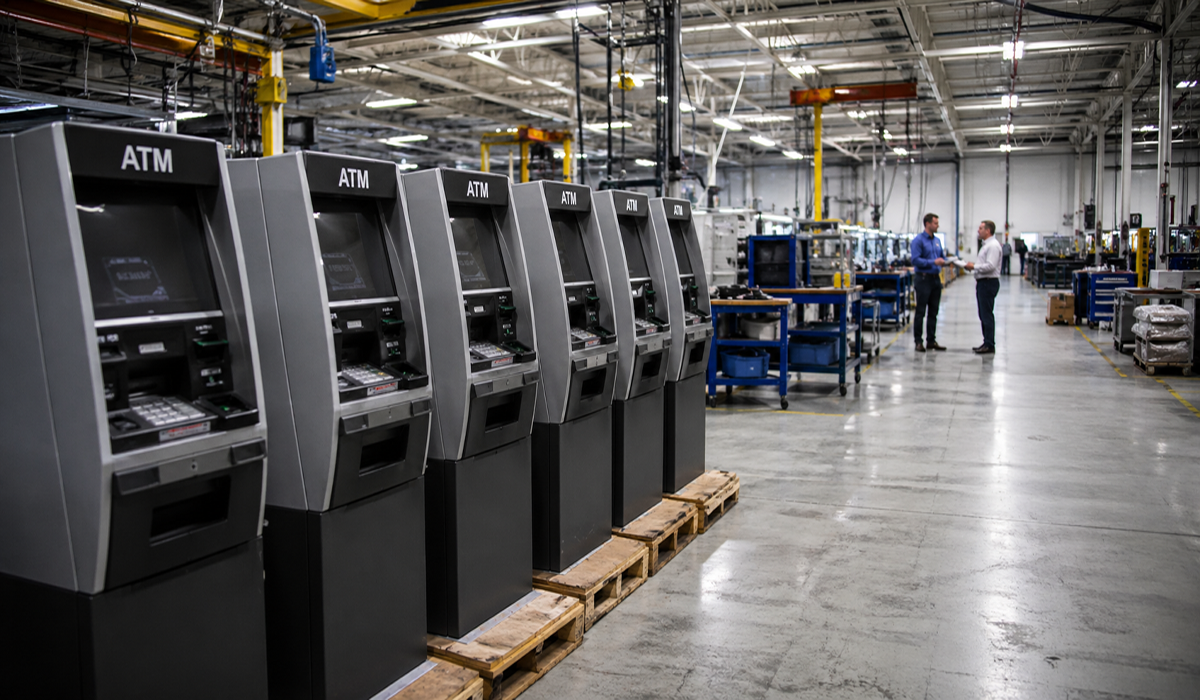
Why Fastener Selection Matters in SiC Power Electronics
SiC power modules operate within systems where electrical performance, heat dissipation and mechanical reliability are closely connected.
The fastening arrangement may influence how the module interfaces with a heat sink, cooling plate, structural frame or supporting assembly.
Depending on the design, the connection may experience:
Repeated temperature changes
Differential thermal expansion
Vibration and mechanical shock
Changes in joint preload
Mechanical stress at mounting points
Electrical insulation requirements
Corrosion or environmental exposure
Repeated assembly or maintenance
The appropriate fastener design depends on the actual mounting configuration and operating conditions.
A screw used to secure a power module to a cooling plate may have different requirements from a bolt used to assemble an inverter enclosure.
Similarly, a threaded stud supporting an electrical terminal requires a different engineering assessment from a spacer used to maintain separation between mechanical components.
These applications should not be treated as interchangeable.
Understanding Fastener Locations in Power Electronics Assemblies
A useful starting point is to distinguish the different mechanical functions within a power electronics system.
Power Module-to-Heat Sink Mounting
Mounting screws or bolts may secure a power semiconductor module to a heat sink or cooling plate.
The joint must satisfy the module manufacturer's mounting requirements.
Fastener size, tightening sequence, torque, surface flatness and thermal interface material can all influence the assembly.
Inverter and Converter Structural Mounting
Bolts, nuts, studs and threaded components may connect structural brackets, cooling assemblies, equipment frames and enclosures.
These joints may experience vibration, mechanical loading and temperature changes.
Electrical Terminal Connections
Certain fasteners are used in electrical connection assemblies.
These applications require consideration of contact resistance, terminal geometry, conductor material, contact pressure and temperature rise.
A fastener suitable for structural mounting is not automatically qualified for an electrical terminal connection.
Spacers and Standoffs
Precision spacers and standoffs can establish controlled distances between components.
Depending on the application, they may support mechanical alignment, mounting clearance or electrical separation.
However, a metallic spacer is electrically conductive and should not be described as an insulating component.
Custom Mechanical Interfaces
CNC machined blocks, bushings, sleeves, pins and threaded components may support equipment-specific mounting arrangements.
The appropriate material and tolerance depend on the mechanical and electrical function of the component.
Power Module Mounting and Clamping Force
One of the most important considerations in power semiconductor assembly is maintaining an appropriate mechanical connection between the module and its mounting surface.
For modules designed to be mechanically fastened to a heat sink, the mounting arrangement should follow the module manufacturer's instructions.
The required clamping force is influenced by the module construction, fastener arrangement, contact surfaces and thermal interface.
Insufficient Clamping Force
If the joint does not provide the required clamping condition, the mechanical interface may be less stable than intended.
Depending on the module design, inadequate mounting can also affect thermal contact.
Excessive Clamping Force
Excessive tightening can damage threads, distort mounting structures or place unnecessary stress on the module housing.
Power semiconductor modules may contain mechanically sensitive materials and interfaces.
Higher tightening torque should never be assumed to produce a better thermal or mechanical result.
Uneven Clamping
Where a module uses multiple mounting screws, uneven tightening can create nonuniform loading.
The manufacturer's recommended tightening sequence and torque requirements should be followed.
Mounting Surface Quality
The flatness, cleanliness and condition of the mating surfaces can influence the mechanical and thermal interface.
A correctly specified fastener cannot compensate for an unsuitable mounting surface.
Thermal Interface Materials
Thermal grease, pads or other thermal interface materials may be used according to the module design.
Their thickness, application method and mechanical behavior can affect the assembly.
Fastener selection must therefore be considered together with the complete thermal management system.
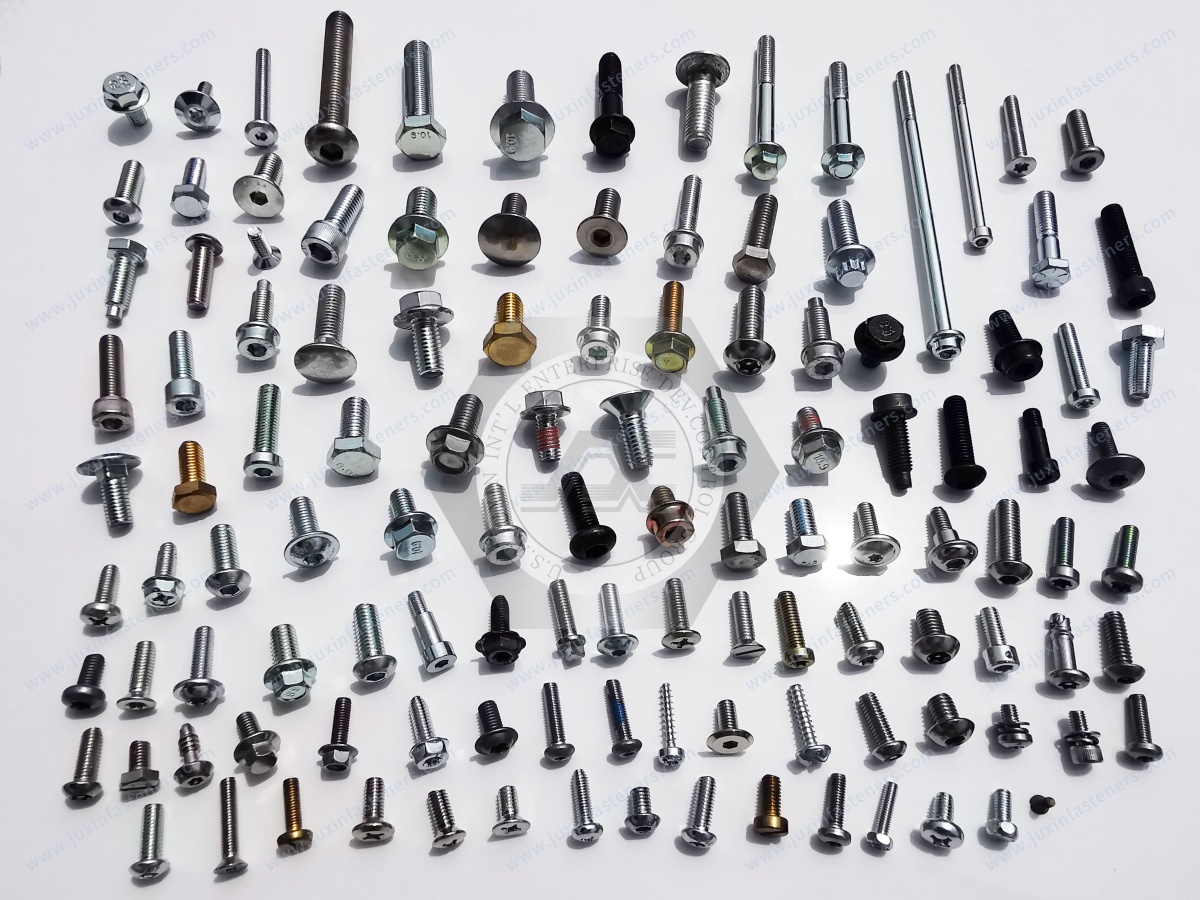
Engineering Note: Fastener Torque Is Not the Same as Clamping Force
Tightening torque is commonly used as an assembly control method, but it does not directly measure the actual fastener preload.
A significant portion of applied torque is consumed by friction in the threads and beneath the fastener head.
Changes in material, coating, lubrication or surface condition can therefore change the resulting preload at the same nominal torque.
For power module mounting, the specified tightening method should follow the module manufacturer's validated procedure.
Where preload is critical, engineering evaluation may require additional control of friction conditions, joint stiffness and assembly processes.
Thermal Cycling and Fastener Preload Retention
Power electronics equipment can experience repeated heating and cooling during operation.
Thermal cycling may occur during startup, shutdown, changing electrical loads and environmental temperature variation.
These temperature changes can affect the mechanical connection.
Differential Thermal Expansion
Different materials expand and contract at different rates.
A power electronics assembly may combine steel fasteners, aluminum heat sinks, copper conductors, ceramic substrates, polymer housings and other materials.
Their different coefficients of thermal expansion can influence joint loading.
For example, an aluminum mounting structure and a steel fastener do not expand by the same amount for a given temperature change.
The resulting preload change depends on the complete joint geometry, grip length, material properties and temperature distribution.
It cannot be predicted from the fastener material alone.
Embedment and Joint Relaxation
Surface irregularities at contacting interfaces may settle after assembly.
This can reduce the initial preload.
Additional relaxation may occur where polymer components, gaskets or other time-dependent materials are included in the load path.
Thermal Fatigue
Repeated thermal expansion and contraction can contribute to cyclic stress in mechanical components.
Where relevant, engineers should evaluate the potential for fatigue and changes in joint performance.
Preload Retention
Maintaining adequate preload depends on the joint design, material properties, installation method and operating conditions.
A fastener described as high-temperature-resistant is not automatically suitable for every thermally cycled assembly.
The complete joint must be evaluated.
A Practical Thermal Expansion Review
For preliminary design assessment, the free thermal expansion of an unconstrained component can be estimated using:
ΔL = α × L × ΔT
Where:
ΔL is the change in length.
α is the material's coefficient of linear thermal expansion.
L is the original length.
ΔT is the temperature change.
This relationship helps illustrate why material combinations matter.
However, it does not calculate the final preload of a bolted joint.
Actual preload changes depend on the relative expansion of the fastener and clamped components, their stiffness, contact behavior and operating temperature distribution.
For critical applications, the complete joint should be evaluated using an appropriate engineering method.
Custom Fasteners for SiC Power Module Assemblies
JUXIN FASTENERS supplies drawing-based fastening products for industrial OEM applications.
Depending on the design, relevant products may include the following.
Custom Mounting Screws
Custom screws can be specified with particular head geometries, thread lengths, diameters and material requirements.
For power module mounting, the screw must be compatible with the approved module and heat sink interface.
The module manufacturer's requirements take precedence over general-purpose screw selection.
High-Strength Bolts
Bolts may be used in structural assemblies, mounting brackets, cooling structures and equipment frames.
The required strength class, material and surface treatment depend on mechanical loading and environmental conditions.
A higher-strength bolt is not necessarily the best choice for every joint.
Threaded Studs
Custom threaded studs may support equipment mounting, structural connections or selected terminal-related mechanical assemblies.
For electrical terminal applications, contact design and electrical qualification must be evaluated separately.
Nuts and Special Threaded Components
Custom nuts may be specified for particular mounting configurations, installation clearances or retention requirements.
Thread compatibility and assembly access should be confirmed before production.
Precision Washers
Washers may influence bearing pressure, surface contact and joint geometry.
However, adding a washer to a module mounting arrangement without approval can alter the effective grip length or load distribution.
Spacers and Standoffs
Custom spacers and standoffs can maintain controlled distances between components.
Critical characteristics may include length, parallelism, material and mounting configuration.
CNC Machined Components
Precision machined sleeves, bushings, pins, mounting blocks and other components may support specialized power electronics assemblies.
The manufacturing method should be selected according to geometry, tolerances, material and production quantity.
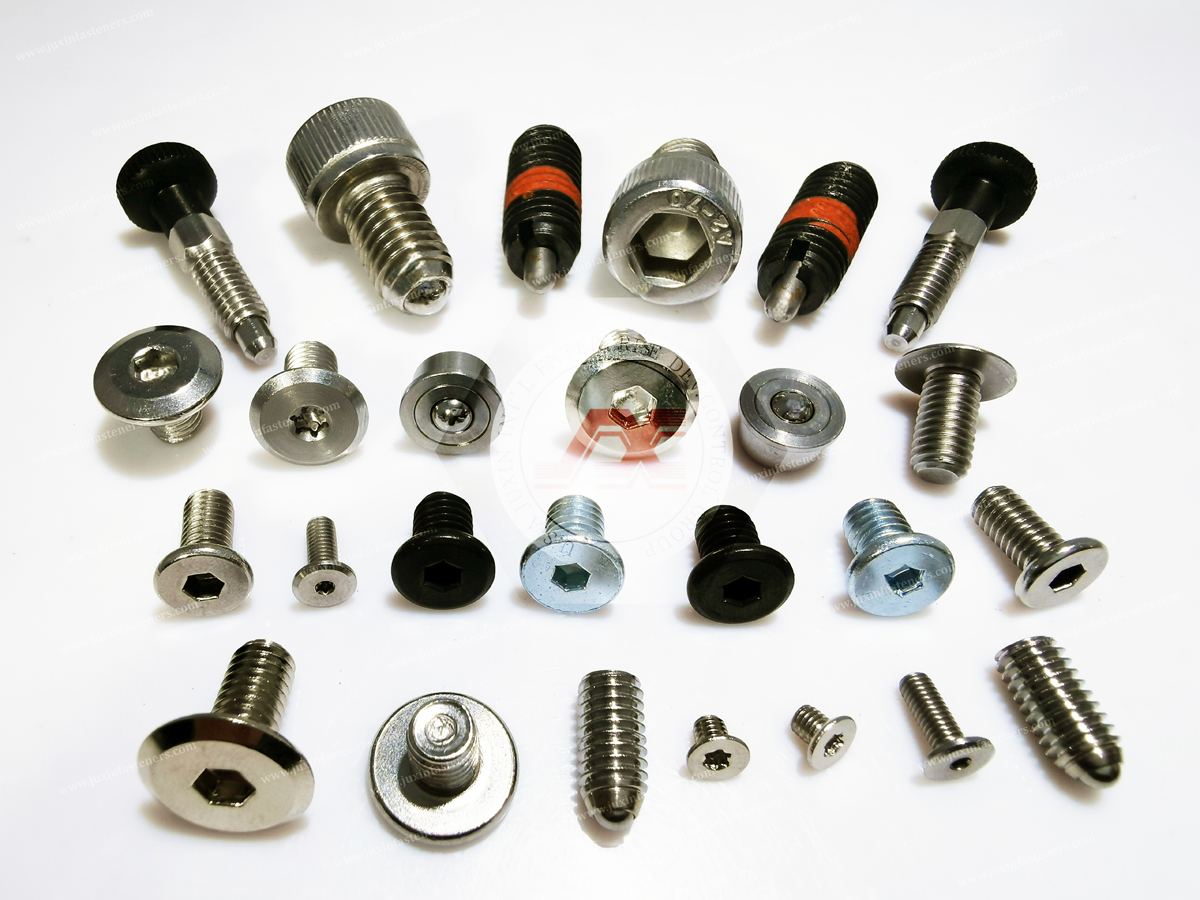
Material Selection for High-Temperature Power Electronics Fasteners
Material selection should reflect the actual temperature, mechanical loading, electrical requirements and environmental conditions.
Carbon Steel and Alloy Steel
Carbon steel and alloy steel fasteners may be suitable for structural and mounting applications where the specified mechanical properties and corrosion protection meet the design requirements.
Relevant metric fastener property classes may be specified according to ISO 898-1 for applicable carbon steel and alloy steel bolts, screws and studs.
However, mechanical properties at elevated temperatures must not be assumed identical to room-temperature values.
Material suitability should be evaluated for the actual operating temperature.
Stainless Steel
Stainless steel fasteners may be considered where corrosion resistance and suitable mechanical properties are required.
ISO 3506-1 may be relevant for applicable corrosion-resistant stainless steel bolts, screws and studs.
Stainless steel grades differ in strength, corrosion behavior, thermal expansion and magnetic characteristics.
Stainless steel should not automatically be described as superior to alloy steel for every high-temperature application.
Aluminum
Aluminum may be used for selected lightweight machined components, mounting blocks and spacers.
However, aluminum's mechanical properties, thread strength and thermal expansion must be considered.
For aluminum heat sinks, threaded hole design is especially important where steel screws are used.
Copper and Copper Alloys
Copper and copper alloys may be used in electrical or thermal interfaces where conductivity is important.
However, mechanical strength, creep behavior, contact resistance and environmental compatibility require application-specific evaluation.
A copper component should not be substituted for a steel structural fastener solely because it offers better electrical conductivity.
Engineering Plastics and Insulating Materials
Certain assemblies may require electrically insulating components.
Suitable engineering polymers or other insulating materials may be considered where their electrical, mechanical and thermal properties satisfy the application.
However, polymers can experience creep, relaxation or changes in mechanical properties at elevated temperatures.
Their suitability must be established for the intended operating conditions.
Specialized High-Temperature Alloys
Certain applications may require specialized materials.
The selection depends on temperature, mechanical load, corrosion exposure and manufacturing requirements.
Availability and manufacturing feasibility should be confirmed for each project.
Surface Treatment and Coating Considerations
Surface treatment may influence corrosion resistance, friction, electrical behavior and dimensional fit.
For power electronics fasteners, the appropriate coating depends on the function of the joint.
Corrosion Protection
Zinc-based coatings or other protective finishes may be suitable for selected industrial environments.
However, their suitability must be evaluated against operating temperature and environmental exposure.
Electrical Contact Interfaces
A coating that provides corrosion protection may not provide the desired electrical contact characteristics.
For current-carrying connections, contact resistance and long-term electrical behavior must be evaluated according to the approved design.
Friction and Installation Torque
Surface treatments can change thread and under-head friction.
This may affect the relationship between tightening torque and preload.
Substituting a different coating without reviewing the assembly specification can change the mechanical behavior of the joint.
Coating Thickness
Coating thickness can influence thread fit and dimensional requirements.
For tightly controlled components, the drawing should define the required finished condition.
Hydrogen Embrittlement
Certain high-strength steel fasteners may be susceptible to hydrogen embrittlement associated with particular manufacturing or coating processes.
Where applicable, material strength, process selection and risk mitigation should be evaluated according to relevant requirements.
High-Temperature Exposure
Coatings and lubricants should not be assumed suitable at elevated temperatures without confirming their operating limits.
Electrical Insulation and Fastener Design
Electrical insulation is a fundamental consideration in power electronics.
However, the mechanical fastening system must not be confused with the complete electrical insulation system.
A metallic screw or stud is electrically conductive.
Even when used with an insulating washer or sleeve, the complete assembly must be evaluated to determine whether the required electrical separation is maintained.
Insulating Washers and Sleeves
Insulating components may be used in certain designs to separate conductive hardware from surrounding structures.
Their material, dimensions, compression behavior and temperature capability must be appropriate for the application.
Creepage and Clearance
Electrical safety design may require minimum creepage and clearance distances.
These depend on the applicable equipment standard, working voltage, pollution degree, insulation system and other design conditions.
Adding a metallic fastener can affect these distances.
The relevant equipment-level insulation requirements should be established by the OEM.
Thermal and Mechanical Effects
An insulating component may also influence the mechanical stiffness and preload retention of the joint.
Therefore, electrical insulation and mechanical fastening requirements should be evaluated together.
Electrical Terminal Fastening
Fasteners used in electrical terminal connections may require consideration of contact pressure, conductor material, contact surface, electrical resistance and thermal cycling.
Ordinary structural fastening specifications alone are insufficient to qualify a current-carrying terminal connection.
Thread Engagement and Mounting Into Aluminum Heat Sinks
Aluminum heat sinks and cooling plates are common in power electronics equipment.
Where steel or stainless steel screws engage aluminum threads, the internal thread strength may become a limiting factor.
Thread Engagement Length
The required engagement length depends on the materials, thread size, thread tolerance, load and joint design.
There is no universal engagement length suitable for every aluminum mounting interface.
Blind Hole Depth
Blind threaded holes must provide adequate usable thread depth.
A screw that bottoms out before clamping the assembly can create a misleading tightening condition.
Threaded Inserts
Threaded inserts may be considered where repeated assembly or improved thread durability is required.
However, the insert geometry and installation method must be compatible with the mounting structure.
Thread Damage During Assembly
Cross-threading, incorrect screw length or excessive tightening can damage aluminum threads.
Suitable lead-in geometry, controlled assembly methods and correct part identification can help reduce these risks.
Galvanic Corrosion
Dissimilar metals may create galvanic corrosion concerns where moisture or conductive contaminants are present.
The severity depends on the material combination and environmental conditions.
Vibration Resistance and Joint Stability
Power electronics equipment used in vehicles, industrial machinery and other dynamic environments may experience vibration.
A fastening system must maintain the required joint integrity under the specified mechanical conditions.
Preload and Joint Separation
Adequate preload can help prevent relative movement between clamped components.
However, the required preload depends on the joint design and applied loads.
Locking Features
Depending on the application, engineers may evaluate prevailing-torque nuts, mechanical locking features or other approved retention methods.
These solutions are not interchangeable and must be selected according to the joint requirements.
Thread-Locking Compounds
Thread-locking compounds may be appropriate for selected applications.
However, their temperature capability, chemical compatibility, electrical environment and maintenance requirements should be evaluated.
Repeated Maintenance
Where components require periodic disassembly, thread durability and service procedures should be considered.
A fastening solution suitable for permanent assembly may not be ideal for frequent maintenance.
Metric and Inch Thread Systems
Power electronics equipment may use different thread systems depending on the equipment platform and market.
ISO metric threads may be specified according to ISO 261 and ISO 965.
Unified UNC/UNF threads may be specified according to ASME B1.1.
These systems are not directly interchangeable.
A drawing should identify the exact thread specification, nominal diameter, pitch or threads per inch, tolerance class and mating requirements.
Applications Across SiC Power Electronics
Custom industrial fasteners and precision machined components may support several types of power electronics equipment.
SiC Power Modules
Mounting screws and related hardware may support approved module-to-heat sink or module-to-cooling plate arrangements.
The module manufacturer's mechanical and thermal installation instructions should govern the assembly.
EV Traction Inverters
Bolts, studs, nuts, spacers and custom machined components may support inverter housings, cooling structures and mechanical mounting systems.
Vibration, thermal cycling and assembly consistency may be important considerations.
Onboard Chargers and DC-DC Converters
Custom fastening hardware may support converter enclosures, cooling assemblies and mounting interfaces.
Electrical insulation and thermal conditions must be evaluated according to the specific design.
Industrial Inverters and Motor Drives
Fasteners may be used in structural assemblies, power electronics mounting systems and supporting equipment components.
EV Charging Equipment
Custom screws, bolts, studs, spacers and CNC machined parts may support charging equipment structures and power conversion assemblies.
Renewable-Energy Power Converters
Solar and energy-storage power conversion systems may require fastening hardware for inverter structures, cooling systems and supporting mechanical assemblies.
Industrial Power Supplies
Precision mechanical components may support mounting, alignment and enclosure assembly.
The correct material and fastening configuration depend on the actual application.
Manufacturing and Assembly Considerations
For power electronics production, component quality must support consistent installation.
A fastener that meets its dimensional specification but creates assembly problems can increase production cost.
Fastener Length Control
Incorrect screw length may cause bottoming, insufficient engagement or interference with surrounding components.
Head Geometry
The fastener head should be compatible with the mounting interface and installation tooling.
Tool Access
Assembly design should provide sufficient access for the required installation tools.
Torque Control
Where torque-controlled assembly is specified, the process should follow the approved tightening procedure.
Part Identification
Similar fasteners with different lengths, materials or coatings should be clearly identified to reduce assembly errors.
Batch Consistency
Dimensional and surface-condition consistency can support repeatable assembly.
Inspection Planning
Critical characteristics should be identified from the approved engineering drawing.
These considerations are particularly relevant for production managers and manufacturing engineers seeking to reduce rework, assembly variation and equipment manufacturing costs.
Engineering Information Gain: Evaluating the Complete Joint
A practical method for evaluating a power electronics fastening application is to separate the design into five connected engineering questions.
What Is Being Clamped?
Identify the materials, thicknesses and mechanical properties of the connected components.
What Is the Functional Requirement?
Determine whether the joint provides structural support, thermal interface pressure, electrical terminal contact or component positioning.
What Loads and Temperatures Will It Experience?
Consider assembly preload, external loads, vibration, thermal cycling and environmental conditions.
What Can Change Over Time?
Evaluate potential relaxation, differential thermal expansion, corrosion, wear and maintenance effects.
How Will Assembly Quality Be Controlled?
Define the fastener specification, installation method, inspection criteria and drawing revision.
This approach helps avoid selecting a fastener solely by nominal diameter or strength class.
It also connects the engineering design with production assembly and procurement requirements.
Quality Control for Custom Power Electronics Fasteners
For drawing-based OEM components, quality requirements should reflect the component's function.
Depending on the specification, inspection may include:
Thread dimensions and functional fit
Overall length and diameter
Head dimensions
Material verification
Surface condition
Coating requirements
Dimensional tolerances
Geometric requirements
Hardness where specified
Functional assembly characteristics
Customer-defined documentation
For specialized electrical or thermal applications, additional validation may be necessary.
These requirements should be agreed before production.
Dimensional inspection alone does not establish electrical safety, thermal performance or power module qualification.
OEM Procurement and Supplier Development
Purchasing managers, procurement specialists and supplier development teams evaluating power electronics fasteners should consider more than unit price.
Material Specification
The required material grade, strength class and surface treatment should be clearly identified.
Drawing-Based Customization
Custom components may require non-standard lengths, special heads, shoulders, threads or precision machining.
Manufacturing Process
The appropriate process may involve cold forming, CNC machining or other manufacturing methods depending on geometry and volume.
MOQ and Production Quantity
Minimum order quantities depend on component design, material, tooling, finishing and order volume.
Lead Time
Lead time depends on material availability, manufacturing complexity, inspection requirements and production planning.
Repeat-Order Consistency
Drawing revision control and approved specifications are important for long-term OEM programs.
Supplier Consolidation
Sourcing related screws, studs, nuts, spacers and machined components through one supplier may simplify purchasing coordination.
Total Cost
Assembly efficiency, quality consistency, rework and maintenance requirements can influence total procurement cost.
Preparing an RFQ for SiC Power Module Fasteners
For accurate technical review and quotation, OEM customers should provide:
2D engineering drawings or 3D CAD models
Fastener type and required dimensions
Material grade and mechanical property requirements
Thread specification
Surface treatment or coating requirements
Operating temperature range
Thermal cycling conditions where relevant
Mechanical loading and vibration requirements
Electrical insulation requirements where applicable
Mating material and thread engagement details
Assembly torque or installation specification if established
Inspection and documentation requirements
Prototype and expected production quantities
Delivery destination and project schedule
Where the fastener is intended for direct power module mounting, the relevant module manufacturer's mounting instructions should also be provided.
This information helps distinguish between ordinary industrial fastening hardware and components requiring specialized thermal, electrical or mechanical qualification.
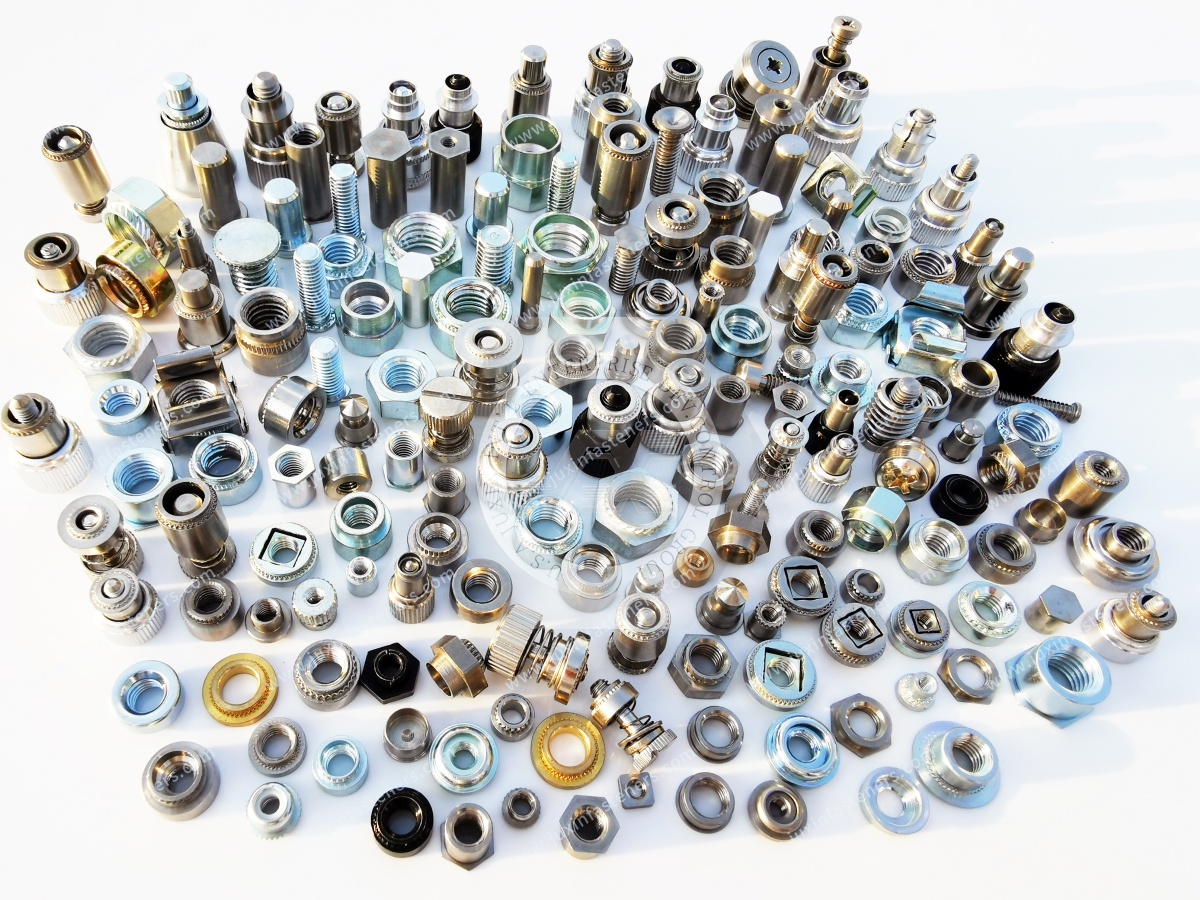
JUXIN FASTENERS for Power Electronics OEM Applications
JUXIN FASTENERS supplies custom industrial fasteners and precision CNC machined components for international OEM applications.
Our drawing-based product scope includes:
Custom screws and bolts
Nuts and threaded studs
Precision washers
Spacers and standoffs
Non-standard threaded components
CNC machined sleeves and bushings
Custom pins and mounting components
Other customer-designed mechanical parts
These components may support suitable mechanical assemblies used in SiC power electronics, industrial inverters, EV equipment, converters and other power conversion systems.
Manufacturing feasibility depends on the component geometry, material, tolerances, quantity and inspection requirements.
Specialized electrical insulation, thermal interface performance, current-carrying connection qualification and equipment-level safety requirements must be evaluated according to the customer's application.
JUXIN FASTENERS does not represent ordinary industrial fasteners as automatically qualified semiconductor packaging components or certified electrical terminal assemblies.
The final component specification must be established through the OEM's approved engineering design and applicable qualification requirements.
Request a Custom SiC Power Electronics Fastener Quote
If your company is developing SiC power modules, EV traction inverters, industrial converters, power supplies or other high-temperature power electronics equipment,
contact JUXIN FASTENERS for drawing review and quotation.
We welcome inquiries for custom mounting screws, bolts, threaded studs, nuts, precision spacers, standoffs and CNC machined mechanical components.
Please send your engineering drawings, material requirements, thread specifications, expected quantities and relevant installation or inspection criteria.
Where applicable, include the module manufacturer's mounting requirements and the intended operating temperature range.
Our team can review the component specifications and discuss suitable manufacturing approaches and commercial quotation requirements.
JUXIN FASTENERS
Website: https://www.juxinfasteners.com/
Email: info@juxinfasteners.com
SiC Power Module Fasteners | Inverter Mounting Screws | Heat Sink Fastening Hardware | Custom Studs and Spacers | Power Electronics OEM RFQ Support
Contact Us
Tel.:
+86 020 8621 0320
+86 020 3121 6067
E-mail:
Technical Support:
Navigation
SEND INQUIREY



