
Call Us
+86 136 6007 9809
Call Us
+86 136 6007 9809

May. 24, 2026
Technical Application Solution: High-Performance Grounding Studs and Electrical Fastening Systems in Rail Transit
Electrical safety, signal integrity, and lightning protection within modern rolling stock and trackside infrastructure demand flawless electrical bonding. In light rail vehicles (LRVs), heavy metros, and high-speed trainsets, return currents, electromagnetic interference (EMI), and high-voltage traction systems generate substantial stray currents. Without a highly efficient, dedicated path to the earth, these currents can cause severe galvanic corrosion on mechanical bearings, disrupt sensitive signaling electronics, and present critical shock hazards to passengers and maintenance crews.
To ensure absolute equipotential bonding and operational safety, the use of certified grounding studs in rail transit technology is a foundational engineering requirement. These specialized electrical fastening components are engineered to provide low-resistance connections that handle high short-circuit currents while withstanding the constant mechanical stresses of the railway environment.
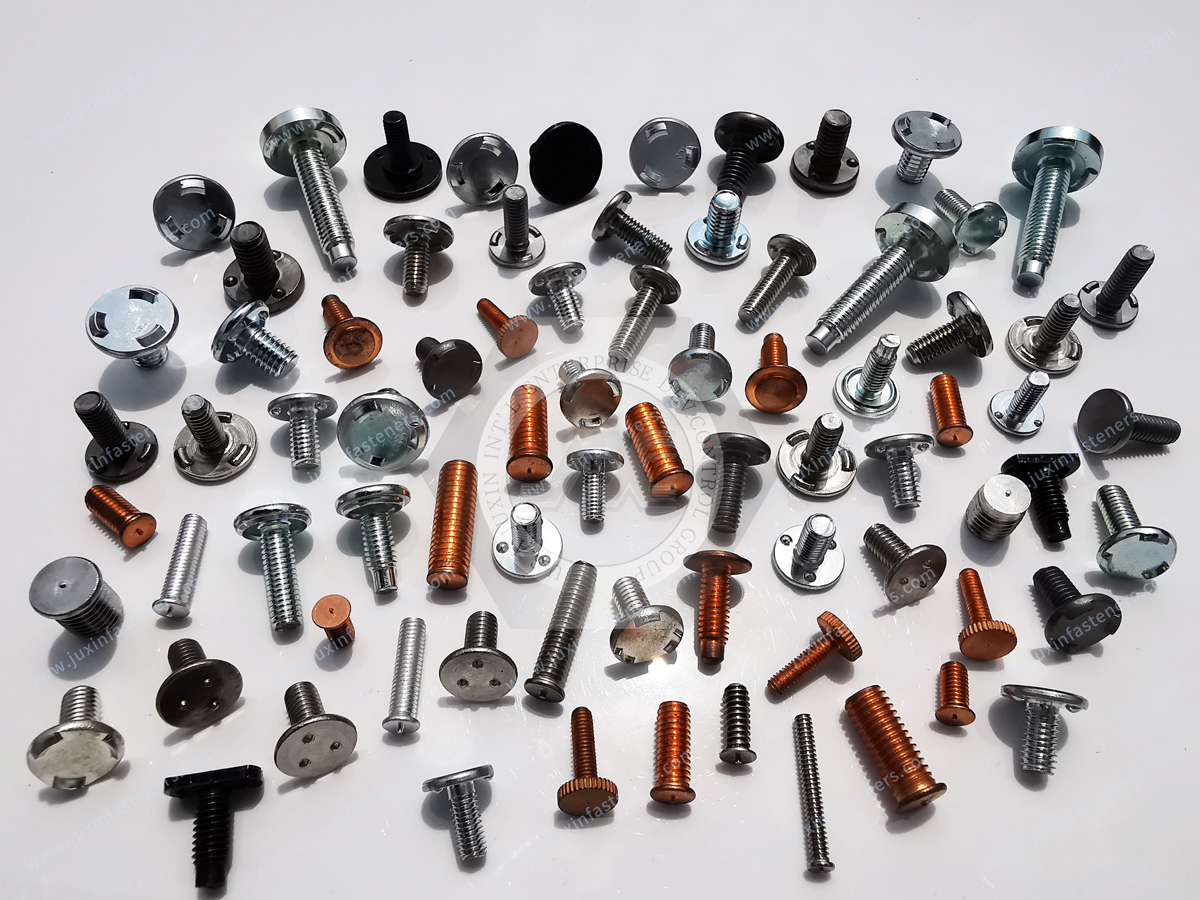
Core Engineering Features of Transit-Grade Grounding Systems
Standard commercial fasteners cannot provide the reliable electrical conductivity required for transit safety systems. Our engineered grounding studs are manufactured with specific metallurgical and surface treatments to meet harsh railway operating parameters:
Low-Resistance Conduction: Fabricated from high-purity copper alloys, premium stainless steel, or specialized carbon steels, our studs are optimized to minimize contact resistance. This ensures instantaneous current dissipation during high-surge events or short circuits, preventing localized overheating and thermal damage to surrounding carbody panels.
Corrosion-Resistant Plating: Operating environments in rail transit expose components to extreme moisture, industrial pollutants, and salt spray. Our grounding fasteners feature advanced surface platings—such as heavy-duty tin plating, zinc-nickel coatings, or copper-cladding—providing superior protection against atmospheric corrosion and preventing galvanic reactions when mated with aluminum carbodies.
Stable, Long-Term Contact Integrity: Rail vehicles are subjected to continuous high-frequency vibrations and thermal cycling. Our grounding studs utilize specialized anti-loosening knurled shoulders, flanged bases, or welding configurations that permanently lock into the substrate, preventing micro-movements that lead to torque loss and increased electrical resistance over time.
Critical Applications Across Rolling Stock and Infrastructure
The deployment of heavy-duty grounding studs for rail transit solutions is essential across multiple high-voltage and low-voltage subsystems:
1. Electrical Cabinets and Control Enclosures
Onboard traction inverters, auxiliary power converters, and HVAC control cabinets generate significant electromagnetic noise. High-conductivity grounding studs provide the direct chassis ground necessary to shield sensitive microprocessors and signaling systems from EMI, ensuring uninterrupted vehicle communication.
2. High-Voltage Power Distribution Systems
From roof-mounted pantographs to under-car battery boxes and transformer modules, secure electrical bonding is vital. Our heavy-duty grounding studs manage the continuous return currents back to the running rails, isolating high-voltage faults and protecting low-voltage control circuits.
3. Comprehensive Rail Vehicle Grounding Networks
The entire metallic structure of a passenger coach must form a continuous, integrated equipotential zone. Specialized weld studs or heavy-duty threaded grounding studs are strategically integrated into the carbody frame, bogies, and doors to prevent dangerous voltage differentials from developing between separate mechanical components.
Global Compliance and Technical Validation
As an established Tier-1 industrial hardware supplier, we maintain strict quality controls in our manufacturing processes to comply with international railway electrical safety standards, including EN 50153 (Testing of rolling stock electrical bonding) and IEC 61138. We provide full technical validation support, including:
Micro-ohm contact resistance profiling
Short-circuit current withstand testing
Salt spray corrosion resistance documentation (up to 1,000 hours)
Optimizing your rolling stock's electrical fastening architecture reduces signal interference, prevents component downtime, and ensures absolute passenger safety.
To download full product catalogs, request 3D CAD files, or schedule a technical consultation for your project's electrical bonding requirements, contact our engineering applications team today.
 MORE NEWS
Sep. 27, 2026
Sep. 27, 2026
Sep. 27, 2026
Contact Us
Tel.:
+86 020 8621 0320
+86 020 3121 6067
E-mail:
Technical Support:
Navigation
SEND INQUIREY