Call Us
+86 136 6007 9809
Call Us
+86 136 6007 9809

Electric vehicle battery packs, battery management systems, high-voltage power electronics, charging equipment,
and associated cable-routing systems create fastening requirements that differ significantly from conventional mechanical assemblies.
Product Specification
Electric vehicle battery packs, battery management systems, high-voltage power electronics, charging equipment,
and associated cable-routing systems create fastening requirements that differ significantly from conventional mechanical assemblies.
In these systems, a fastener or small plastic component may perform more than a mechanical retention function.
It may also provide electrical isolation, controlled spacing, cable protection, galvanic separation, PCB support, vibration management, or protection against unintended conductive contact.
This makes material and geometry selection critical.
Plastic fasteners should not be treated as universal substitutes for structural steel or aluminum hardware. Instead, engineering polymers are most valuable where the assembly specifically requires a combination of:
electrical insulation;
low electrical conductivity;
corrosion resistance;
reduced mass;
non-marring contact;
controlled cable retention;
PCB spacing;
galvanic isolation;
chemical resistance;
assembly efficiency.
Juxin Fasteners supplies standard and drawing-specific plastic fasteners and electrical insulation hardware for EV battery,
automotive electronics, charging equipment, power electronics, and related industrial electrification applications.
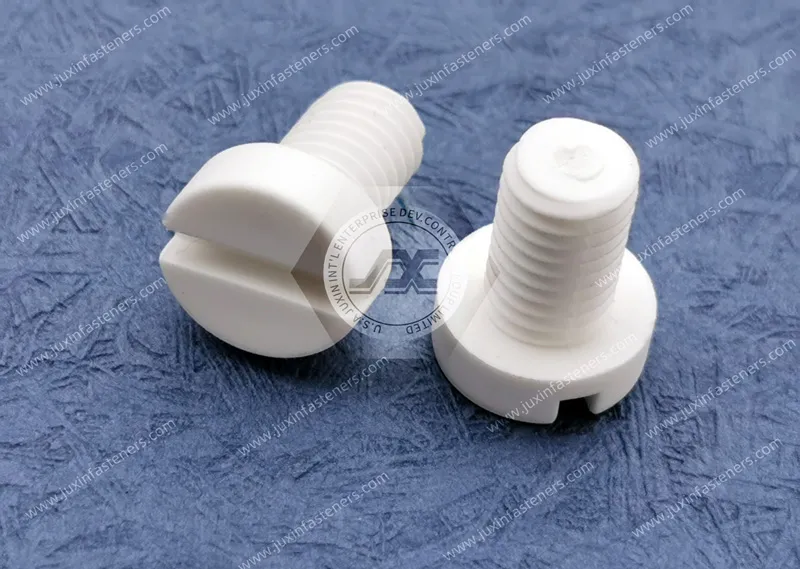
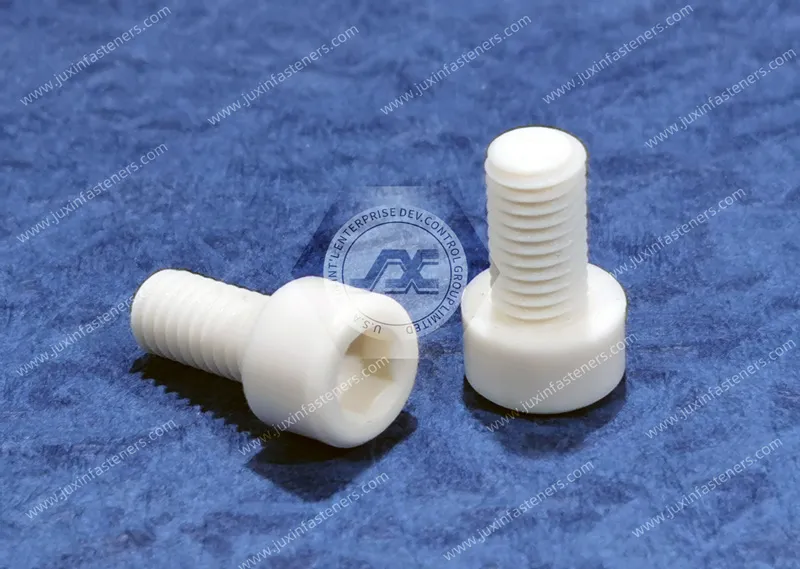
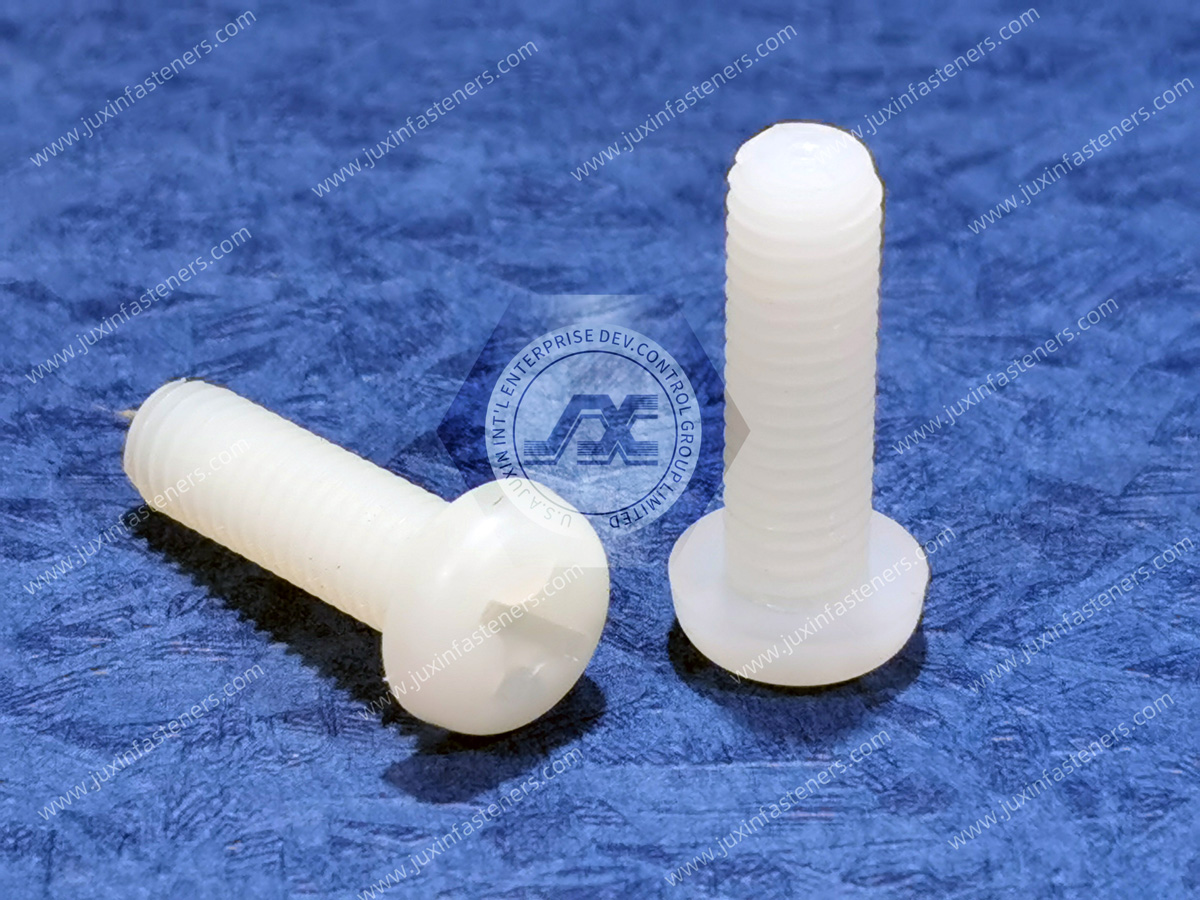
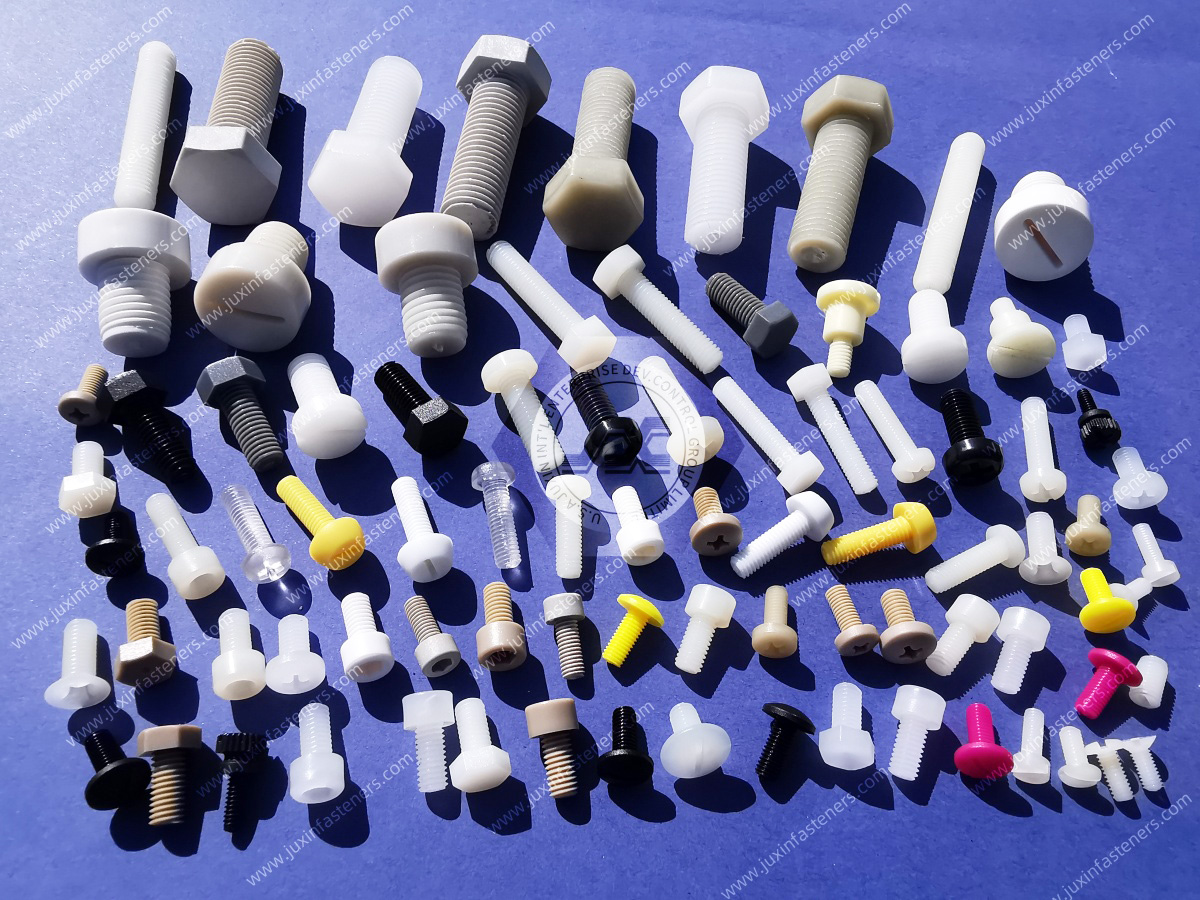
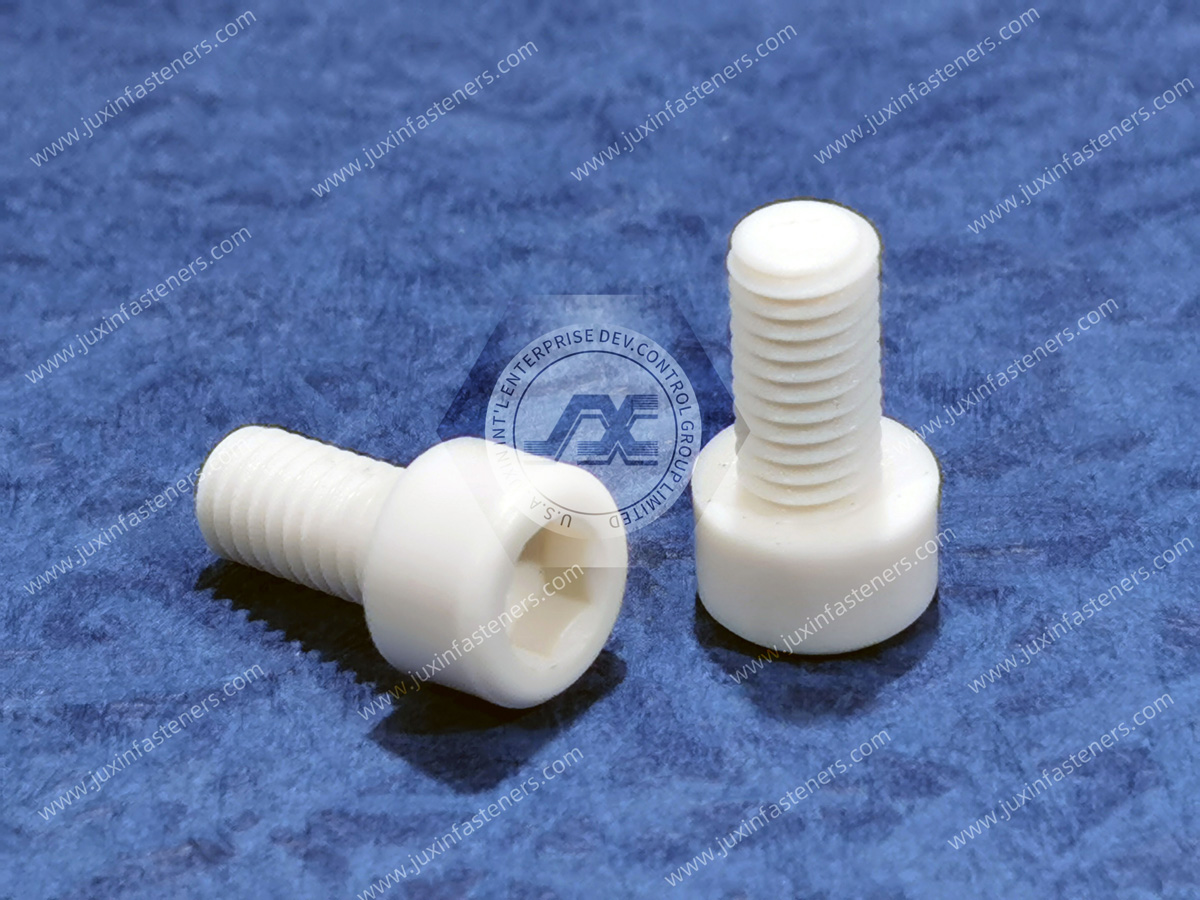
Product families include nylon machine screws, plastic nuts, nylon washers, insulating shoulder washers, plastic spacers and standoffs,
PCB supports, cable clips, heavy-duty P-clips, cable tie mounts, snap bushings, strain relief grommets, panel fasteners, and custom molded plastic components.
For engineering teams, the correct selection path is:
Application Zone → Electrical Function → Mechanical Load → Temperature → Environment → Material → Geometry → Validation
A modern battery pack contains multiple mechanical and electrical zones with very different fastening requirements.
Potential plastic hardware applications include:
battery management system PCB mounting;
voltage-sensing electronics;
low-load busbar isolation interfaces;
electrical barriers and insulating covers;
high-voltage harness routing;
low-voltage signal-wire routing;
cable-entry protection;
sensor mounting;
enclosure internal hardware;
thermal-management auxiliary routing;
charging-equipment electronics;
power-distribution enclosure hardware.
The first engineering decision should therefore not be:
“Which plastic screw should we use?”
It should be:
“What function must this component perform inside the electrical and mechanical architecture?”
That distinction prevents polymer hardware from being incorrectly specified for joints where metallic structural fasteners remain necessary.
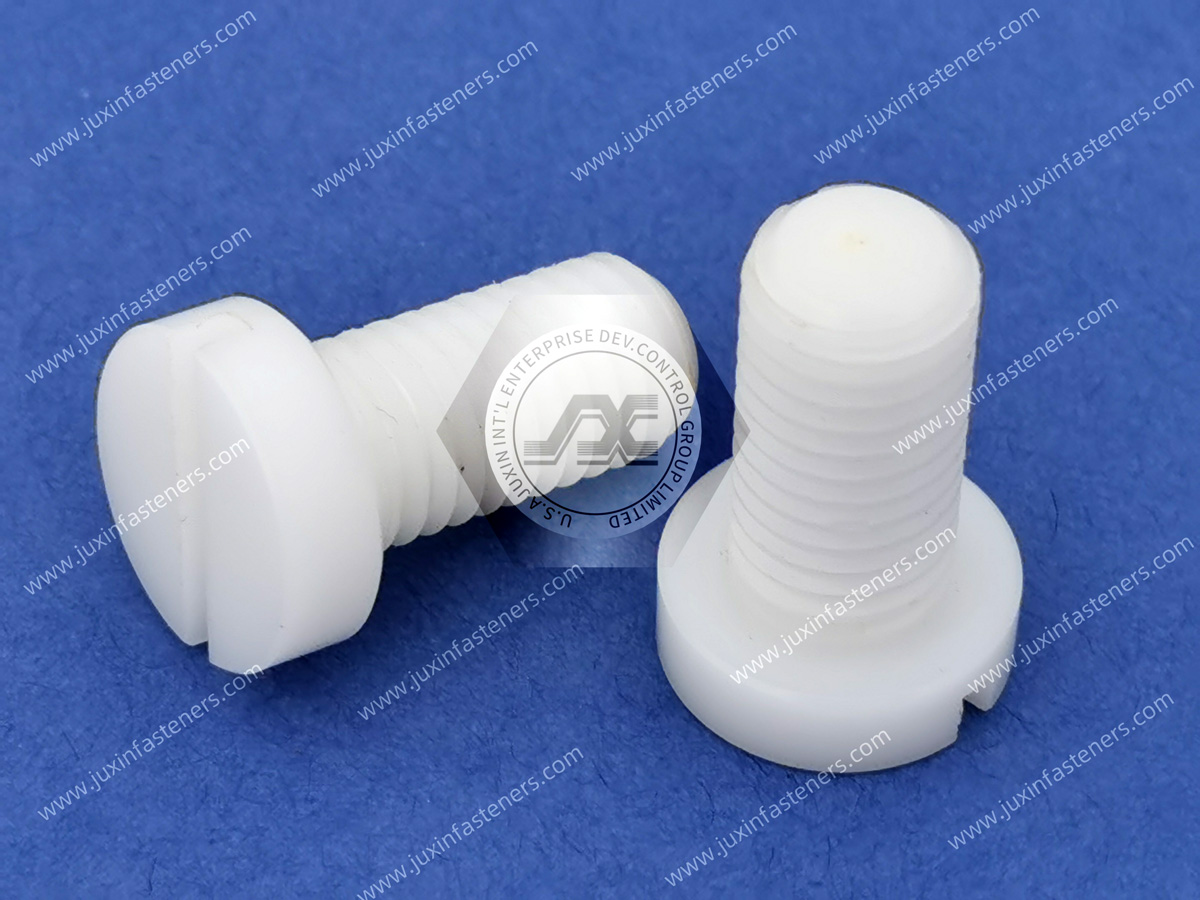
One of the strongest reasons for using engineering polymer hardware in EV battery systems is electrical isolation.
Potential applications include:
busbar-adjacent components;
voltage-sensing boards;
battery management electronics;
insulating barriers;
power electronics;
terminal protection systems.
Plastic screws, spacers, bushings and washers can help prevent unintended conductive paths between energized components and surrounding metal structures.
However:
Non-Conductive Material ≠ Automatically Safe High-Voltage Design
Electrical safety depends on the complete geometry and material system.
Engineers must consider:
working voltage;
transient conditions;
clearance;
creepage;
pollution environment;
material dielectric properties;
surface tracking resistance;
humidity;
contamination;
temperature;
component geometry.
The plastic fastener is one element of that insulation system—not the complete insulation design.
This is an important distinction in EV and power-electronics hardware.
Clearance is the shortest distance through air between conductive parts.
Creepage is the shortest distance along the surface of an insulating material between conductive parts.
A plastic washer or spacer may improve physical separation, but whether it provides sufficient electrical protection depends on the actual assembly geometry and applicable electrical requirements.
For example, an insulating shoulder washer can isolate a metal screw from the wall of a conductive mounting hole.
That can provide both axial and radial separation at the fastening interface.
But it does not automatically establish that the complete system meets required creepage or clearance distances.
Engineers should therefore review the complete conductive path rather than qualifying the washer independently.
A conventional flat plastic washer only isolates the bearing surface beneath the fastener head.
The metallic screw shank can still contact the sidewall of a conductive mounting hole.
An insulating shoulder washer adds a cylindrical insulating barrel around the screw shank.
This creates:
Axial Isolation + Radial Isolation
Potential applications include:
power electronics assemblies;
BMS mounting;
conductive chassis interfaces;
control boards;
electrical enclosure hardware.
Important dimensions include:
screw diameter;
washer ID;
shoulder OD;
mounting-hole diameter;
flange diameter;
shoulder length;
panel thickness.
For second-source qualification, all of these dimensions should be checked rather than matching only the nominal screw size.
Battery management systems contain control electronics, monitoring circuits, voltage sensing, communication interfaces and other low-voltage electronic assemblies.
Potential mounting hardware includes:
Nylon PCB Standoffs;
Snap-Fit Circuit Board Supports;
nylon machine screws;
plastic spacers;
insulating washers.
These components can provide:
controlled PCB elevation;
electrical isolation;
underside component clearance;
reduced risk of short circuits;
lightweight retention;
tool-free assembly where appropriate.
Critical dimensions include:
PCB mounting-hole diameter;
board thickness;
chassis mounting-hole diameter;
standoff height;
locking geometry;
available component clearance.
The height of a PCB standoff affects more than mechanical positioning.
It can influence:
electrical clearance;
component-to-chassis separation;
airflow;
connector alignment;
wire routing;
board deflection;
service access.
Therefore, when replacing an existing battery PCB standoff:
Same Height Alone ≠ Equivalent Component
The engineer should verify the complete mounting interface.
EV battery systems contain multiple types of wiring:
high-voltage power cables;
voltage-sensing wires;
temperature sensor wiring;
communication harnesses;
auxiliary low-voltage circuits.
Cable management components may include:
Heavy-Duty Nylon Cable Clamps & P-Clips;
adjustable cable clamps;
nylon cable clips;
cable tie mounts;
snap bushings;
strain relief components.
The purpose of these parts is not merely cable organization.
They help control:
cable movement;
vibration;
bend geometry;
abrasion;
contact with sharp edges;
routing distance from other components.
A cable clamp that works in a stationary cabinet may not be suitable for a road vehicle.
Vehicle operation introduces:
multi-axis vibration;
road shock;
acceleration;
braking;
chassis movement;
temperature cycling.
An oversized clamp can allow the cable to move and rub.
An undersized clamp can over-compress the cable jacket.
A useful selection relationship is:
Cable OD + Clamp ID + Dynamic Load + Mounting Orientation = Retention Performance
This should be evaluated with the actual cable rather than relying only on nominal catalog dimensions.
Where cables or wiring pass through sheet-metal brackets, covers or enclosures, unprotected cut edges can damage cable insulation.
Nylon Snap Bushings and Strain Relief Grommets can provide:
edge protection;
electrical separation;
controlled cable positioning;
reduced abrasion;
strain management.
Important interface dimensions include:
panel-hole diameter;
panel thickness;
internal bore diameter;
cable outside diameter;
retaining geometry.
This is especially important when qualifying a second source because a visually similar bushing may be designed for a different panel thickness.
Battery packs generate and transfer heat through:
cells;
busbars;
cooling plates;
coolant channels;
power electronics;
charging systems.
Plastic hardware can provide useful thermal isolation in selected low-load interfaces because engineering polymers generally conduct substantially less heat than metals.
However, this does not mean polymer fasteners should replace structural bolts used to maintain critical cooling-plate pressure or thermal-interface compression.
Critical joints may require controlled clamp load that a polymer screw cannot maintain because of:
lower modulus;
lower strength;
creep;
stress relaxation.
Plastic components are often more appropriate for:
sensor wiring;
insulating covers;
PCB mounting;
auxiliary cable routing;
electrical barriers;
low-load brackets;
non-structural retention.
Thermoplastics are viscoelastic.
Under sustained mechanical load, they can gradually deform over time.
This is called creep.
If a plastic screw or spacer is continuously compressed, clamp load can decrease even when the fastener has not rotated.
Creep generally becomes more significant with:
higher temperature;
higher stress;
longer exposure time.
Therefore:
Initial Torque ≠ Long-Term Clamp Load
This is one of the most important differences between metallic and polymer threaded fasteners.
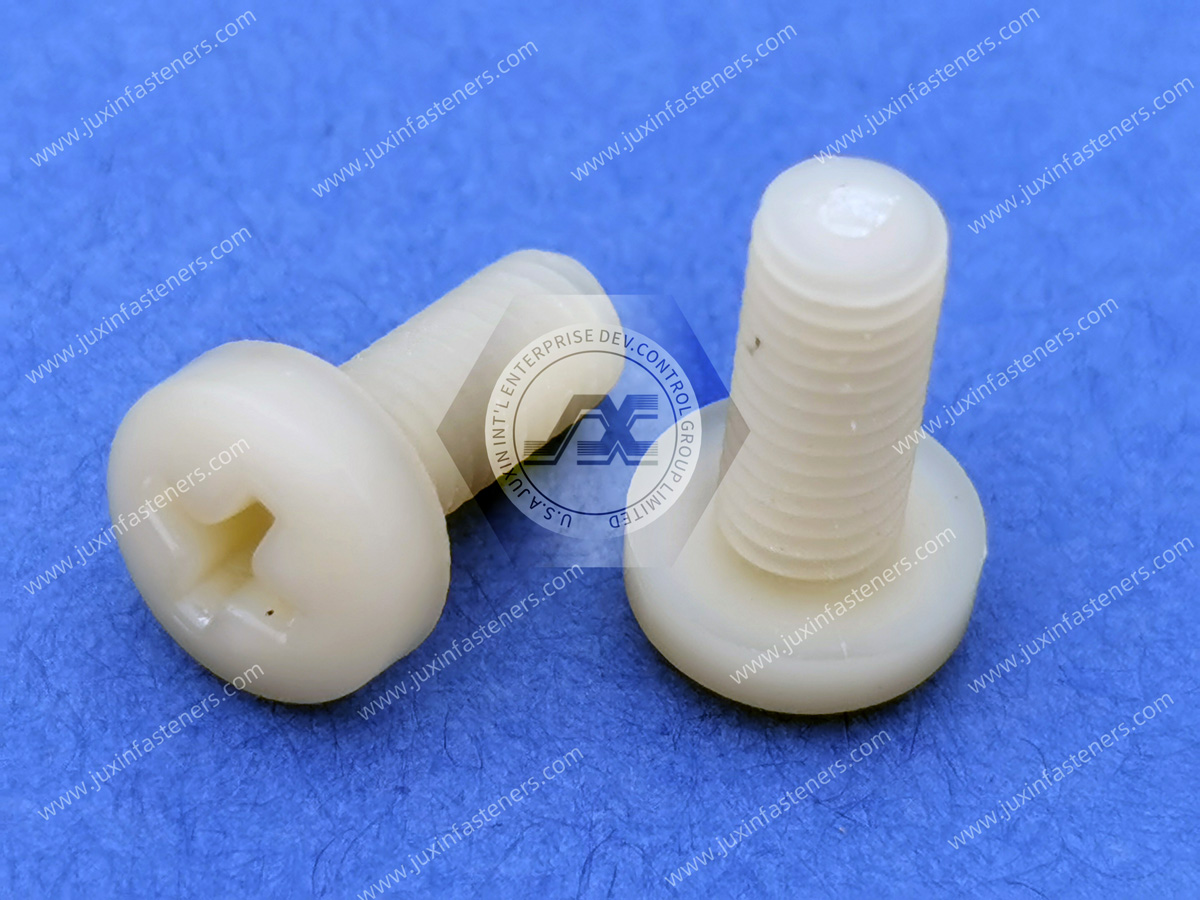
There is no universal tightening torque for an M4, M5 or M6 nylon screw.
Allowable installation torque depends on:
polymer grade;
thread geometry;
screw design;
mating material;
thread engagement;
temperature;
moisture condition;
joint geometry.
For production assemblies, torque should therefore be validated using the actual component combination.
Over-torquing can cause:
thread stripping;
head failure;
drive damage;
permanent deformation.
Battery systems combine materials with different coefficients of thermal expansion, including:
aluminum;
copper;
steel;
engineering polymers;
PCB laminates.
During charging, discharging and environmental temperature changes, these materials expand and contract differently.
This can influence:
clamp load;
snap-fit retention;
hole alignment;
spacer compression;
cable movement.
For tight-tolerance interfaces, dimensional evaluation should cover the specified operating-temperature range rather than room temperature alone.
Polyamide 66 is widely used for industrial plastic hardware because it provides a useful combination of:
mechanical strength;
toughness;
fatigue resistance;
wear resistance;
electrical insulation;
moldability.
Potential EV applications include:
cable clips;
P-clips;
PCB supports;
spacers;
screws;
washers;
panel fasteners.
However, PA66 is hygroscopic.
Moisture absorption can influence:
dimensions;
stiffness;
toughness;
electrical properties.
Therefore, moisture conditioning should be considered when evaluating tight-tolerance or electrically sensitive applications.
Battery electronics and charging equipment may require plastic components manufactured from flame-retardant materials.
UL 94 classifications such as V-0 or V-2 refer to specific tested material grades under defined test conditions and thicknesses.
Therefore:
PA66 ≠ Automatically UL 94 V-0
A valid material specification should identify the actual resin grade and required flammability performance.
Procurement teams should request supporting documentation when flammability is a project requirement.
For electrical insulation applications, mechanical strength and dielectric breakdown strength are not the only relevant material properties.
Surface tracking behavior can also matter.
Comparative Tracking Index (CTI) is one parameter used to characterize the resistance of an insulating material to electrical tracking under specified test conditions.
This can become relevant when:
conductive contamination is possible;
humidity is present;
creepage distances are limited;
the component is used near energized conductors.
A material selected only because it is “plastic” may therefore be insufficient for a demanding electrical application.
PEEK can be considered for selected applications requiring a combination of:
elevated-temperature capability;
mechanical performance;
chemical resistance;
dimensional stability;
electrical insulation.
Potential uses may include specialized:
screws;
spacers;
washers;
insulating components.
PEEK should not automatically be specified simply because it is a high-performance polymer.
The engineering team should first determine whether the actual temperature, chemical and mechanical requirements justify its use.
PVDF can be relevant where chemical resistance and electrical insulation are important.
Potential applications may occur in:
charging equipment;
industrial electrification;
battery-related process equipment;
corrosive environments.
Material suitability must still be reviewed against the exact chemical exposure, temperature and mechanical loading.
EV charging equipment combines:
power electronics;
control electronics;
high-current cabling;
contactors;
communication systems;
thermal-management systems;
outdoor enclosures.
Plastic hardware may be used for:
PCB mounting;
cable routing;
insulating interfaces;
cable-entry protection;
low-load panel retention;
internal wire organization.
Outdoor charging equipment may add requirements for:
UV exposure;
humidity;
temperature cycling;
environmental contamination;
flame-retardant materials.
A polymer suitable inside an EV battery pack is not automatically suitable for an exterior charging enclosure.
Outdoor service may introduce:
UV radiation;
rain;
condensation;
freeze-thaw cycles;
elevated solar temperature;
pollutants.
Therefore:
Indoor Material Qualification ≠ Outdoor Material Qualification
Exterior plastic components should be evaluated against the actual environmental specification.
Many component-selection principles used in EV batteries also apply to battery energy storage systems.
Shared hardware requirements can include:
PCB isolation;
busbar-adjacent insulation;
cable routing;
power electronics mounting;
enclosure cable protection;
flame-retardant materials.
However, vehicle and stationary systems have different vibration, installation, service and regulatory environments.
A component validated for stationary equipment should not automatically be assumed suitable for automotive service.
Possible causes:
excessive torque;
insufficient thread engagement;
unsuitable polymer;
incorrect mating thread.
Engineering lesson: Validate torque with the actual joint.
Possible causes:
oversized clamp;
cable OD variation;
inadequate closing geometry;
dynamic loading.
Engineering lesson: Qualify the clamp with the production cable.
Possible causes:
thermal expansion mismatch;
insufficient engagement;
excessive creep;
incorrect panel thickness.
Possible causes:
moisture absorption;
tight dimensional tolerance;
inappropriate dry-state qualification.
Possible causes:
flat washer used where radial isolation is required;
incorrect shoulder length;
oversized mounting hole;
assembly misalignment.
Possible causes:
creep;
elevated temperature;
excessive initial preload;
inappropriate use in a structural joint.
These failure modes show why plastic hardware should be selected according to function rather than simply substituted for an existing metal component.
| Application Zone | Primary Requirement | Potential Plastic Hardware |
|---|---|---|
| BMS PCB | Isolation / Spacing | PCB Standoffs / Snap Supports |
| Voltage-Sensing Electronics | Electrical Isolation | Nylon Screws / Spacers |
| Conductive Mounting Interface | Axial + Radial Isolation | Shoulder Washers |
| HV Cable Routing | Retention / Abrasion Control | P-Clips / Cable Clamps |
| Signal Harness | Routing / Vibration | Nylon Cable Clips |
| Sheet-Metal Cable Entry | Edge Protection | Snap Bushings / Grommets |
| Electrical Barrier | Positioning / Isolation | Plastic Screws / Custom Parts |
| Charging Equipment PCB | Isolation / Serviceability | PCB Supports / Standoffs |
| Charging Cabinet Wiring | Cable Organization | Tie Mounts / Clips |
| Proprietary Battery Interface | Custom Geometry | Custom Molded Plastic Fasteners |
This matrix is an initial selection tool rather than a substitute for application-specific validation.
EV supply chains frequently require alternative suppliers for:
risk reduction;
cost control;
regional sourcing;
capacity expansion;
obsolete components;
platform standardization.
For plastic components, a second source should not be approved based only on appearance.
The qualification should evaluate:
Geometry + Material Grade + Mechanical Function + Electrical Function + Environment + Production Consistency
Two plastic fasteners may have the same:
dimensions;
color;
thread;
general appearance;
but different:
resin grades;
fillers;
flame-retardant packages;
moisture behavior;
thermal properties;
electrical properties.
Therefore:
Dimensional Match ≠ Material Match ≠ Functional Match
This is especially important in battery and charging applications.
Define whether the component is used for:
BMS mounting;
electrical isolation;
cable routing;
enclosure protection;
charging equipment;
another battery-system function.
Provide where available:
OEM part number;
existing supplier number;
2D drawing;
3D CAD model;
physical sample.
Specify:
thread size;
hole diameter;
panel thickness;
PCB thickness;
standoff height;
cable OD;
bundle diameter;
required retention.
Where applicable, specify:
working voltage;
insulation requirement;
creepage requirement;
clearance requirement;
CTI requirement;
dielectric requirements.
Provide:
minimum temperature;
maximum local temperature;
humidity;
chemical exposure;
outdoor exposure;
vibration;
expected service life.
Examples may include:
PA66;
flame-retardant PA66;
POM;
PVDF;
PEEK;
customer-approved resin.
Specify required:
material documentation;
flammability information;
RoHS;
REACH;
lot traceability;
customer-specific compliance documentation.
Evaluate:
dimensions;
assembly fit;
insertion force;
retention;
installation torque;
cable compatibility;
PCB alignment.
The OEM or Tier-1 may then conduct required:
electrical testing;
vibration testing;
thermal cycling;
environmental testing;
flammability evaluation;
durability testing.
After technical approval, define:
prototype quantity;
production quantity;
annual demand;
packaging;
documentation;
delivery schedule.
For faster engineering review, include the following information.
Application
battery pack;
BMS;
power electronics;
charging equipment;
cable routing;
enclosure.
Component Type
screw;
nut;
washer;
shoulder washer;
spacer;
standoff;
PCB support;
cable clip;
P-clip;
bushing;
grommet;
custom molded part.
Dimensions
thread size;
length;
hole diameter;
panel thickness;
PCB thickness;
standoff height;
cable OD;
bundle OD.
Electrical Requirements
operating voltage;
insulation requirement;
creepage/clearance requirements;
CTI requirement where applicable.
Mechanical Requirements
installation torque;
retention force;
pull-out requirement;
vibration environment.
Environmental Requirements
operating temperature;
humidity;
chemicals;
outdoor exposure;
expected service life.
Material
PA66;
POM;
PVDF;
PEEK;
flame-retardant grade;
customer-specified resin.
Compliance
RoHS;
REACH;
flammability documentation;
material documentation;
traceability;
customer-specific requirements.
Commercial Information
sample quantity;
prototype quantity;
production quantity;
estimated annual usage;
target delivery schedule.
Related Juxin Fasteners product and engineering pages include:
Nylon Machine Screws for electrically isolated fastening;
Insulating Shoulder Washers for axial and radial fastener isolation;
Plastic Spacers and Standoffs for controlled component spacing;
Snap-Fit Circuit Board Supports for BMS and control-board mounting;
Heavy-Duty Nylon Cable Clamps & P-Clips for power-cable retention;
Nylon Cable Clips for signal and sensor wiring;
Nylon Snap Bushings & Strain Relief Grommets for sheet-metal cable-entry protection;
Cable Tie Mounts for harness organization;
Custom Molded Plastic Fasteners for proprietary battery and charging interfaces.
The intended internal conversion path is:
EV Application → Engineering Problem → Product Family → Material / Geometry Review → Drawing or Sample → Qualification → RFQ
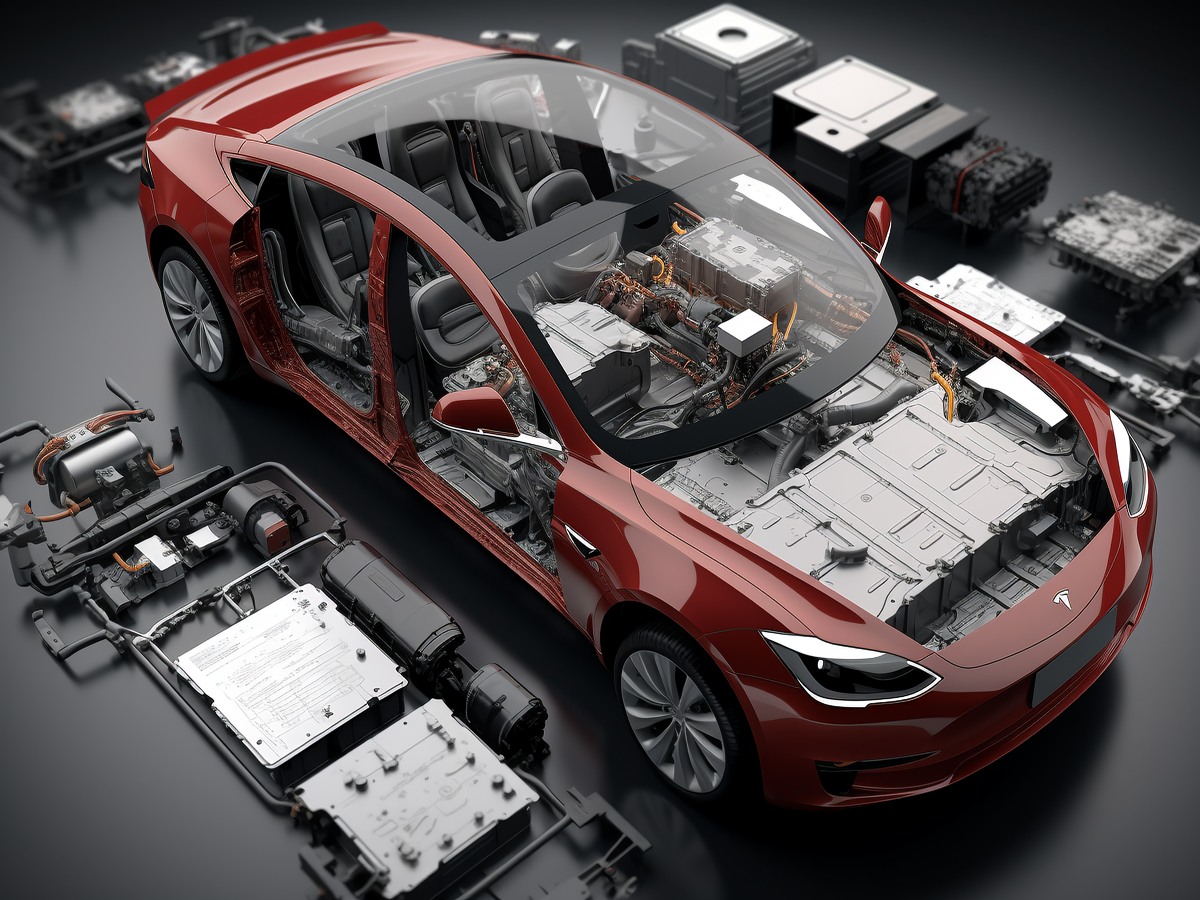
Battery packs and charging systems can contain large numbers of small plastic components.
Procurement and supplier-development teams can organize them into functional sourcing families.
shoulder washers;
insulating washers;
spacers;
standoffs;
plastic screws.
snap supports;
standoffs;
nylon screws.
P-clips;
adjustable clamps;
cable clips;
tie mounts.
snap bushings;
strain relief grommets.
proprietary clips;
special spacers;
insulating retainers;
drawing-specific molded components.
This approach can support:
supplier consolidation;
BOM rationalization;
common-part strategies;
second-source development;
platform standardization.
Not every EV battery or charging application can be solved with a standard catalog component.
Drawing-specific plastic components may be required for:
proprietary battery-pack layouts;
restricted installation spaces;
unusual cable routes;
special PCB elevations;
custom electrical barriers;
legacy part replacement.
Juxin Fasteners can support drawing-based sourcing for selected:
plastic screws;
nuts;
washers;
spacers;
standoffs;
PCB supports;
cable clips;
P-clips;
bushings;
panel fasteners;
custom molded plastic components.
Project support can include:
drawing review;
CAD review;
sample comparison;
dimensional cross-referencing;
material discussion;
DFM review;
prototype evaluation;
second-source development.
Material certifications, flammability ratings, electrical properties,
automotive validation requirements and customer-specific documentation should be confirmed for each project rather than assumed from the generic polymer family.
Juxin Fasteners supports EV manufacturers, battery-system suppliers, automotive Tier-1 and Tier-2 suppliers,
charging-equipment manufacturers, power-electronics companies, procurement teams and supplier-development engineers requiring standard or drawing-specific plastic hardware.
Our recommended sourcing workflow is:
Existing Part / Drawing / Sample → Application Zone → Electrical Function → Mechanical Load → Temperature & Environment
→ Material → Interface Geometry → Sample Validation → Customer Qualification → Production RFQ
This process supports:
new EV battery development;
BMS hardware sourcing;
high-voltage insulation-interface development;
cable-routing optimization;
charging-equipment hardware;
obsolete-part replacement;
second-source qualification;
supplier consolidation;
custom plastic component development.
Send us your existing part number, 2D drawing, 3D CAD model, physical sample, application description, electrical requirements,
mounting dimensions, cable dimensions, operating temperature, material specification, compliance requirements, sample quantity,
production quantity and estimated annual usage for engineering review and RFQ evaluation.
Email: info@juxinfasteners.com
Website: www.juxinfasteners.com
Product Packaging
Packaging Standard
At Juxin Fasteners, we apply standardized export packaging to ensure product protection, traceability, and compliance with international logistics requirements.
1. Standard Export Packaging
Unless otherwise specified, all products will be packed according to our factory standard export packaging, which includes:
Moisture-resistant inner protection
Poly bag or small box packing as required
Reinforced export cartons
Clear labeling with part number, specification, batch number, and quantity
Palletizing for sea or air shipment when necessary
Our standard packaging is designed to ensure safe transportation, efficient warehousing, and long-distance international shipping.
2. Customized Packaging Options
We also provide customized packaging solutions according to customer requirements, including but not limited to:
Private labeling
Customized barcodes
Specific carton dimensions
Retail packaging
Special pallet configuration
Customer-specific marking and identification
So that you know, customized packaging may involve additional costs and extended lead time depending on the complexity of the requirements.
3. Compliance & Quality Assurance
All packaging processes are controlled under our ISO 9001 quality management system to ensure consistency, traceability, and product integrity throughout the supply chain.
Product Pictures
Contact Us
Tel.:
+86 020 8621 0320
+86 020 3121 6067
E-mail:
Technical Support:
Navigation
SEND INQUIREY