Call Us
+86 136 6007 9809
Call Us
+86 136 6007 9809

Industrial OEMs designing electronic enclosures, electrical cabinets, automotive systems, control equipment, machinery, instrumentation, robotics,
and other engineered assemblies often face a basic but important fastening decision: should the application use conventional metal fasteners or engineered plastic and nylon fasteners?
Product Specification
Industrial OEMs designing electronic enclosures, electrical cabinets, automotive systems, control equipment, machinery, instrumentation, robotics,
and other engineered assemblies often face a basic but important fastening decision: should the application use conventional metal fasteners or engineered plastic and nylon fasteners?
Metal remains the logical choice for many high-load and structural fastening applications.
Steel, stainless steel, and other metallic fasteners offer high mechanical strength, predictable dimensional behavior, and extensive standardization across industrial applications.
However, metal is not automatically the best material for every fastening point.
In electronic and electrical assemblies, for example, the fastening material itself may influence electrical isolation, corrosion compatibility, assembly weight,
and interaction with surrounding components. In applications containing dissimilar metals,
plastics can also provide an alternative where an electrically non-conductive interface is desirable. In chemical-processing, laboratory, medical,
HVAC, communications, and other equipment, material compatibility may become more important than maximum tensile strength.
This is why the correct question is not simply “Are plastic screws stronger than metal screws?”
The better engineering question is:
Does the fastening point actually require the mechanical performance of metal, or does the application benefit more from the functional properties of an engineered polymer?
JUXIN FASTENERS provides industrial fastening and custom component solutions for OEM applications, including plastic and nylon fasteners,
threaded inserts, spacers, washers, clips, and other fastening-related components. Material selection and part design should be evaluated against the actual application requirements rather than based only on nominal material names.
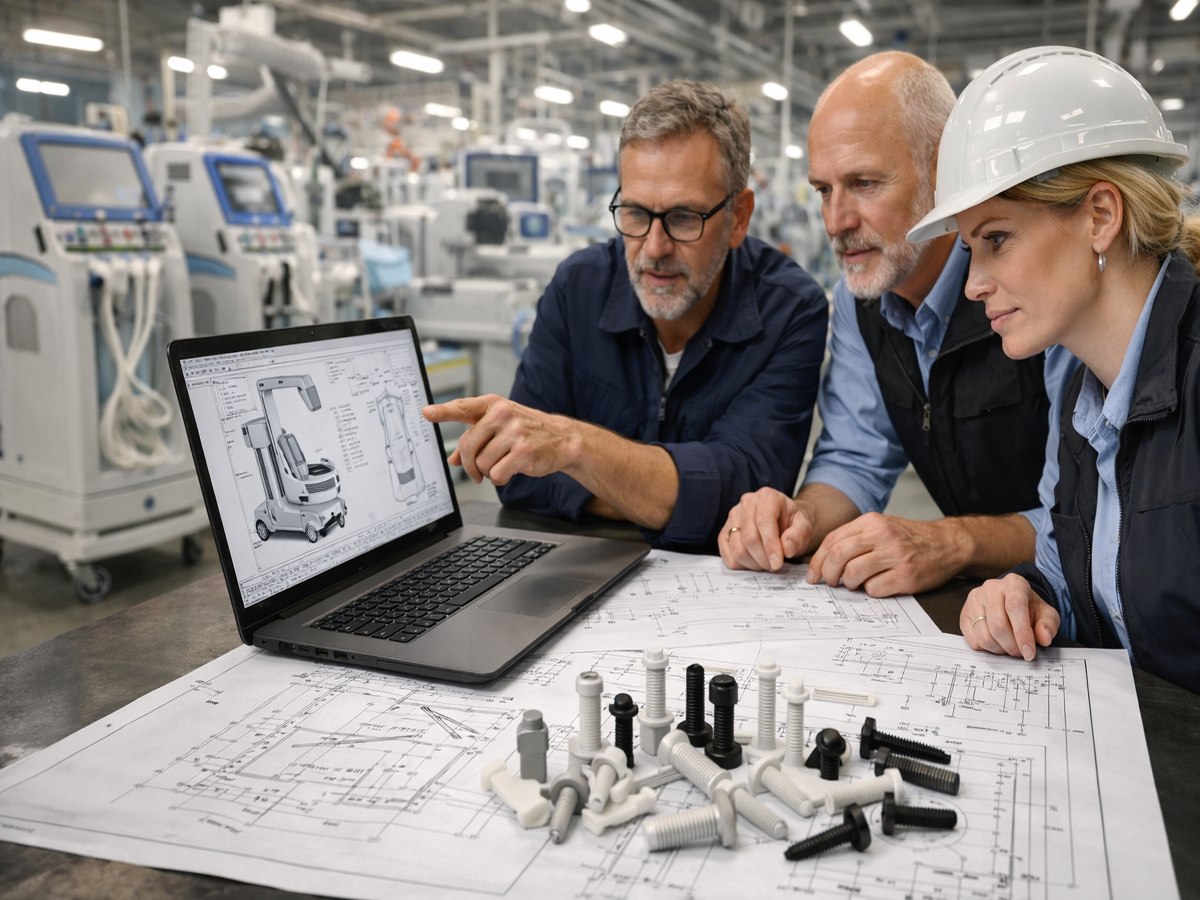
Engineers should consider engineered plastic screws, nylon bolts, plastic nuts, spacers, and related polymer hardware when the fastening point has requirements that metal may not address efficiently.
Typical decision factors include:
Electrical insulation: Plastic fasteners are electrically non-conductive and can be useful where the fastener should not provide a conductive path between components.
This is relevant to electronic assemblies, electrical cabinets, control equipment, instrumentation, communications equipment, and PCB-related assemblies.
Reduced galvanic interaction: When dissimilar conductive materials are assembled together, a polymer fastener can provide an electrically insulating interface and may reduce galvanic-coupling concerns associated with a metallic fastening path. The complete joint design and surrounding materials still require evaluation.
Chemical compatibility: Certain engineering polymers can be selected for environments where conventional metals may require additional corrosion protection or may not provide sufficient chemical compatibility. Material selection depends on the actual chemicals, concentration, temperature, exposure time, and cleaning process.
Weight reduction: Polymer fasteners are substantially lighter than conventional metal fasteners of comparable geometry. This can be useful when many fastening points are used or when assembly weight is an important design consideration.
Non-magnetic or low-conductivity requirements: Some applications benefit from fastening components that do not introduce a conventional metallic conductive or magnetic component into the assembly. The exact material and application should be reviewed individually.
Protection of surrounding surfaces: Polymer hardware can provide a softer contact interface than metal in applications where scratching, surface damage, or direct metal-to-metal contact is undesirable.
These advantages do not mean that plastic fasteners should replace metal throughout an assembly.
A more reliable engineering approach is to evaluate each fastening location according to its actual function.
The most important difference between plastic and metal fasteners is not simply material strength. It is the overall behavior of the joint under load and environmental conditions.
A metal fastener generally provides a larger mechanical performance margin for tensile loading, shear loading, thread engagement, and preload retention.
Engineering polymers, by comparison, are more sensitive to temperature, sustained stress, moisture, geometry, and time-dependent deformation.
Therefore, polymer fasteners are often more appropriate for light-to-moderate mechanical fastening, component retention, spacing, positioning,
enclosure assembly, and other applications where the joint does not depend on the high structural capacity of metal.
For every application, the following questions should be considered:
What load must the fastener carry?
Is the load static, cyclic, or impact-related?
How much installation preload is required?
How long must the joint maintain its function?
What temperature range will the fastener experience?
Will moisture or chemicals affect the selected polymer?
Is electrical insulation required?
Are the mating threads metal or plastic?
Is repeated assembly and disassembly expected?
Does the joint depend on long-term clamp retention?
These questions provide a much more useful selection framework than simply comparing “nylon” with “stainless steel.”
Steel and stainless steel fasteners generally provide significantly higher mechanical strength than common unfilled engineering polymers.
This makes metallic fasteners the normal choice when the fastening joint is part of a load-bearing structural connection or when high preload is essential to joint performance.
Plastic screws and nylon bolts can be appropriate where the mechanical load is lower or where other material properties are more important than maximum strength.
However, engineers should avoid treating a polymer fastener's nominal tensile strength as its allowable working load.
Actual application performance depends on:
Fastener geometry
Thread size
Thread engagement
Head design
Polymer grade
Temperature
Moisture exposure
Installation torque
Sustained loading
Loading direction
Joint geometry
Mating material
Required service life
For that reason, a plastic screw should not automatically be substituted for a metal screw based only on matching diameter and thread.
Creep is one of the most important differences when comparing plastic screws vs. metal fasteners.
Engineering polymers can deform gradually when subjected to sustained stress. At elevated temperatures, this behavior can become more significant.
Stress relaxation is also relevant when a polymer fastener is used to maintain clamping force over an extended period.
This means an application that requires a highly stable long-term preload may favor metal fastening or may require a different joint architecture.
For polymer fastening, engineers should consider whether the fastener is:
Holding a lightweight enclosure
Securing a cover
Positioning a component
Acting as a spacer
Providing electrical isolation
Maintaining a structural clamp
Subjected to continuous mechanical stress
The same nylon screw can therefore be suitable for one assembly and unsuitable for another.
Polymers generally exhibit greater dimensional changes with temperature than metals.
This difference can become important when a plastic fastener is installed into a metallic assembly or when a polymer component is used together with metal housings.
Engineers should consider the thermal expansion behavior of the complete joint rather than looking only at the fastener.
Potential design questions include:
Will the joint experience large temperature swings?
Are the fastener and mating component made from different materials?
Is dimensional stability important?
Does thermal cycling change the required clamping condition?
Could differential expansion affect thread engagement or alignment?
For electronic housings, instrumentation, electrical cabinets, and industrial equipment, these questions may be more important than the initial material cost of the fastener.
Material selection becomes particularly important when nylon is considered.
Polyamide materials such as PA6 and PA66 can absorb moisture from the surrounding environment. Moisture exposure can influence dimensions and mechanical behavior.
Therefore, a nylon fastener intended for a dry indoor application should not automatically be treated as equivalent to the same fastener operating continuously in a humid environment.
For applications involving:
High humidity
Outdoor exposure
Condensation
Water contact
Temperature cycling
the selected polymer and complete assembly should be evaluated for dimensional stability, mechanical performance, and environmental compatibility.
This is one reason why “nylon” should be treated as a material family rather than a complete engineering specification.
A common OEM comparison is stainless steel vs. nylon screws.
Stainless steel is often selected when the application requires greater mechanical strength, dimensional stability, or resistance to many common corrosive environments.
Nylon is often considered when the application requires:
Electrical insulation
Lower assembly weight
Non-metallic fastening
Reduced direct metal contact
Corrosion-free polymer hardware
A softer contact surface
The correct choice depends on the fastening function.
For example, an electrical enclosure may use stainless steel fasteners in structural locations while using nylon washers, spacers, clips, or insulating components in other locations.
A mixed-material fastening architecture can therefore be more appropriate than forcing the entire assembly to use either plastic or metal.
The term “plastic fastener” covers multiple engineering material families with substantially different performance characteristics.
Nylon is widely used for industrial plastic fasteners because it combines useful mechanical performance with electrical insulation, low density, and corrosion resistance.
Typical applications include:
Electrical equipment
Electronic enclosures
Control panels
Communications equipment
Machinery
HVAC equipment
Automotive components
Instrumentation
General industrial assemblies
However, moisture absorption, creep, temperature, and chemical compatibility should be evaluated before selecting nylon for a critical application.
POM, also known as acetal, is valued for dimensional stability, low friction, and useful mechanical characteristics in many precision applications.
It can be considered for applications where dimensional behavior and friction characteristics are important.
The exact suitability depends on the environment, operating temperature, geometry, and required mechanical performance.
PP is a lightweight polymer with useful chemical resistance characteristics.
It may be considered for applications where low density and chemical compatibility are important and where the mechanical requirements remain within the capability of the selected design.
PC is known for its impact resistance and transparency options and may be considered for certain equipment and enclosure-related components.
The actual suitability of PC for a fastening component depends on geometry, load, temperature, and environmental exposure.
PVDF is a high-performance fluoropolymer often considered where chemical resistance is an important design requirement.
It can be relevant to specialized chemical, laboratory, industrial, and process-equipment environments.
PEEK is a high-performance engineering polymer used where demanding mechanical, temperature, chemical, or dimensional requirements justify its higher material cost.
PEEK should not be selected simply because it is a “strong plastic.” The engineering requirement should justify the material choice.
| Material Family | Typical Characteristics | Potential Advantages | Key Engineering Considerations |
|---|---|---|---|
| Carbon & Alloy Steel | High mechanical strength and rigidity | Suitable for high-load fastening | Corrosion protection, electrical conductivity, weight |
| Stainless Steel | High strength with good corrosion resistance | Useful for demanding mechanical and environmental applications | Cost, galling considerations, chloride exposure |
| Nylon / Polyamide | Lightweight, electrically insulating polymer | Electrical isolation, corrosion-free polymer hardware, low density | Moisture absorption, creep, temperature, chemical compatibility |
| POM / Acetal | Engineering polymer with useful dimensional and friction characteristics | Precision-oriented applications | Temperature, chemical environment, long-term loading |
| PP | Lightweight polymer with useful chemical resistance | Low density and selected chemical environments | Lower mechanical capability than many engineering polymers |
| PC | Tough engineering thermoplastic | Impact-related and enclosure applications | Temperature, chemical exposure, stress behavior |
| PVDF | High-performance fluoropolymer | Chemical-resistance-oriented applications | Material cost and application-specific performance |
| PEEK | High-performance engineering polymer | Demanding temperature, chemical, and mechanical applications | Premium material cost and application justification |
The table should be used as an initial material-screening tool rather than as a substitute for application-specific engineering validation.
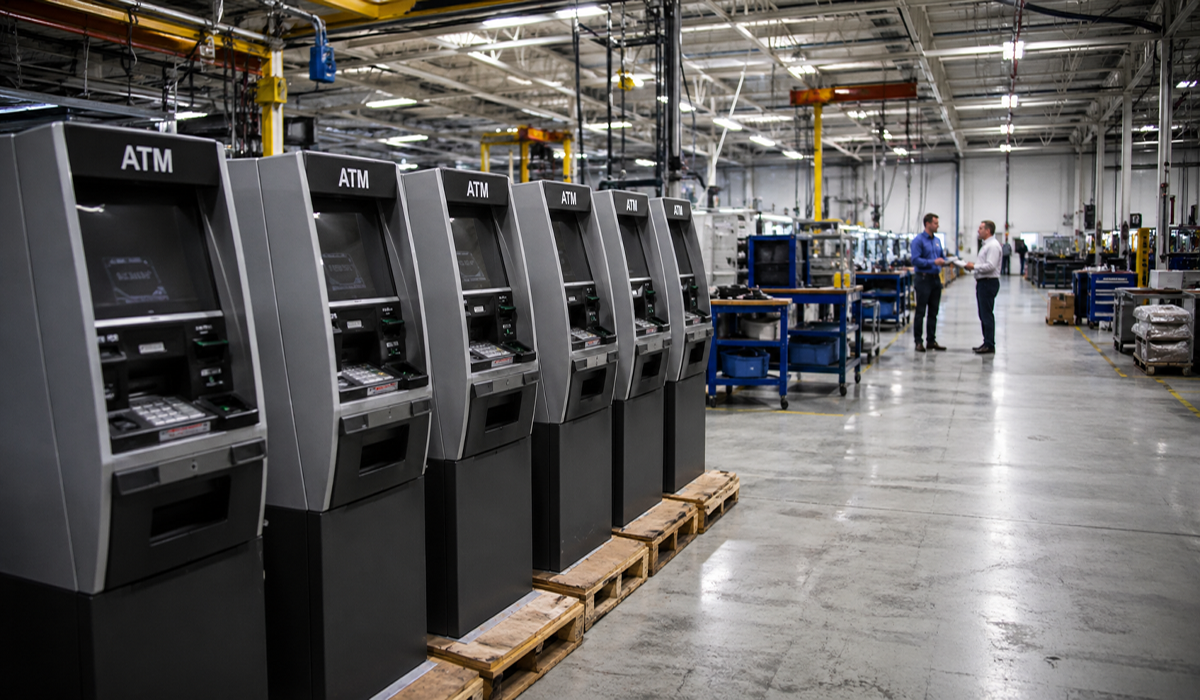
Electrical cabinets often contain metal panels, conductive components, terminals, sensors, controllers, and wiring.
In selected locations, plastic screws, nylon nuts, washers, spacers, and standoffs can provide electrical isolation or help prevent unwanted conductive contact.
The exact fastening configuration should be evaluated according to the electrical design.
Plastic hardware is frequently considered in electronic equipment where electrical isolation, low weight, and controlled spacing are important.
Nylon spacers and standoffs can be used to establish component spacing, while plastic screws and nuts may be appropriate for selected enclosure or internal mounting points.
Where a stronger threaded connection is needed in a plastic housing, threaded inserts for plastic can provide an important bridge between polymer components and stronger reusable threads.
For the JUXIN FASTENERS threaded-insert solution, see Threaded Inserts for Plastic: Industrial Design and Application Guide.
Automotive and EV assemblies increasingly use polymers, composites, electrical systems, sensors, housings, and lightweight components.
Plastic fasteners can be considered for selected non-structural or electrically sensitive fastening points where the required mechanical and environmental performance is compatible with the selected polymer.
However, applications involving battery structures, high mechanical loads, safety-critical joints, or demanding thermal conditions require application-specific engineering review.
Base stations, communication equipment, antenna-related assemblies, electronic cabinets,
and other communications hardware may contain fastening points where electrical isolation, corrosion resistance, low weight, or non-metallic construction is useful.
Plastic screws, washers, spacers, clips, and cable-management components can therefore form part of a broader polymer hardware solution.
HVAC systems can contain sheet metal, electrical controls, insulation, polymer housings, and condensate-related environments.
Plastic fasteners may be considered where electrical insulation, corrosion compatibility, lightweight assembly, or protection of surrounding surfaces is important.
Measurement equipment, control instruments, sensors, laboratory equipment, and industrial machinery can contain many small fastening and spacing points.
In these applications, a polymer fastener may be selected not because maximum strength is required, but because the assembly benefits from insulation, lower weight, corrosion resistance, or material compatibility.
A technically responsible material-selection guide must also explain when not to use plastic.
Metal fasteners are generally more appropriate when the joint requires:
High mechanical load capacity
High and stable preload
Significant resistance to sustained tensile loading
High-temperature mechanical performance
Structural load transfer
Heavy vibration combined with demanding preload requirements
High resistance to impact or mechanical abuse
Critical dimensional stability
For these applications, replacing a metal fastener with a plastic screw simply because the thread and head dimensions match can create an engineering risk.
The correct approach is to evaluate the joint, not just the fastener.
In some assemblies, the optimal solution may even be a combination of materials.
For example:
Metal structural fastener + polymer insulating washer
may be more appropriate than:
All-plastic structural fastener
when the assembly requires high mechanical strength but also needs electrical isolation at a specific interface.
One of the most useful connections between polymer hardware and metal fastening is the threaded insert.
When a screw is installed directly into a plastic housing, the available thread strength depends on the polymer, geometry, thread engagement, and installation conditions.
For applications requiring repeated assembly, improved thread durability, or a stronger threaded interface, engineers may consider threaded inserts for plastic.
Common insert installation approaches can include:
Heat-staking inserts
Ultrasonic inserts
Press-in inserts
Molded-in inserts
The appropriate insert type depends on the plastic component, production process, geometry, required pull-out or torque performance, and assembly method.
This creates a useful design architecture:
Plastic Housing → Threaded Insert → Machine Screw
rather than attempting to make the plastic housing itself perform as a high-strength metallic threaded connection.
For OEM product development, this is particularly relevant to electronic enclosures, industrial equipment, control systems, automotive components,
instrumentation, and other plastic housings requiring serviceable threaded connections.
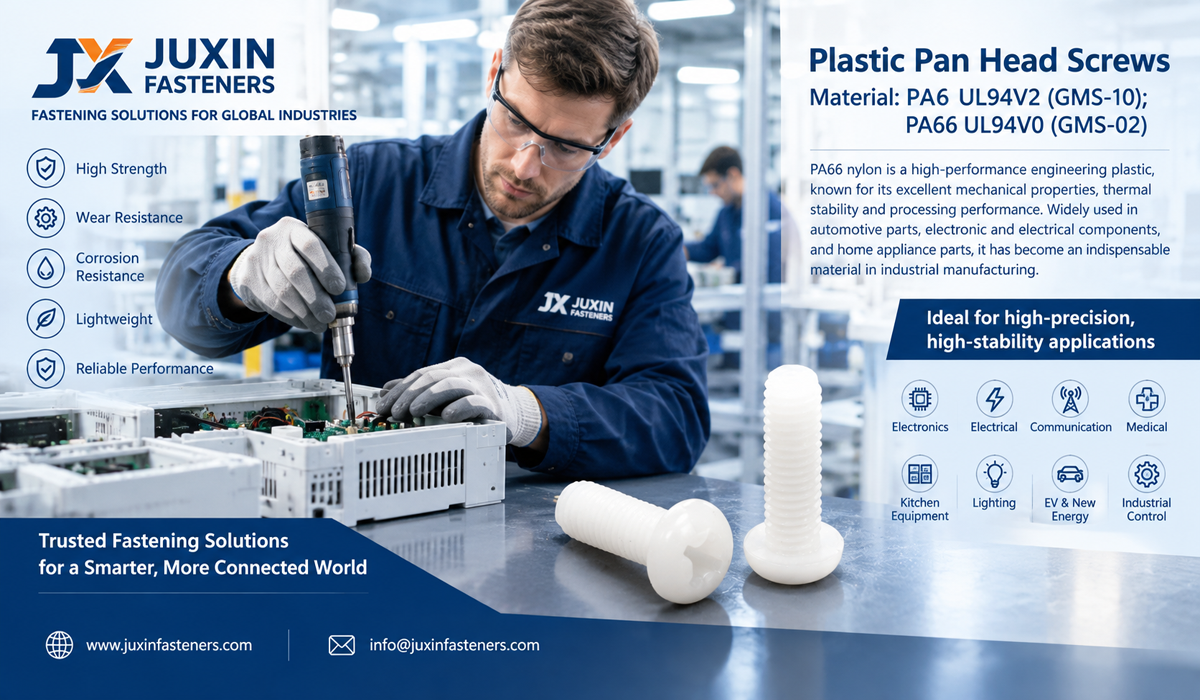
Another important sourcing consideration is that polymer fastening rarely involves only one component.
A design may require:
Plastic machine screws
Nylon bolts
Plastic hex nuts
Nylon washers
Insulating washers
Plastic spacers
Standoffs
Threaded inserts
Cable clips
Custom plastic components
From an engineering perspective, these parts form a fastening system.
From a procurement perspective, they can create multiple SKUs across the BOM.
This creates an opportunity for OEM sourcing teams to evaluate whether several related plastic hardware requirements can be managed through one qualified supplier capable of supporting multiple component categories.
For supply chain teams, this can simplify:
Supplier communication
Drawing management
Sampling
Quality documentation
Packaging coordination
Production scheduling
Multi-SKU purchasing
Engineering change communication
The commercial benefit should not be assumed automatically; it depends on the customer's BOM structure, volumes, quality requirements, and supplier-management strategy.
Fasteners are individually small, but large assemblies may contain hundreds or thousands of fastening components.
When the application permits polymer hardware, replacing selected metallic fasteners with plastic alternatives can reduce component mass.
This can be relevant to:
Portable electronic equipment
Robotics
Automotive systems
EV components
Aerospace interior equipment
Communications equipment
Lightweight industrial assemblies
Battery-related auxiliary components
The engineering objective should not be “replace every metal fastener with plastic.”
Instead, engineers can identify fastening points where mechanical requirements are relatively low and where polymer properties provide additional functional value.
This selective material substitution approach is often more realistic for OEM design work.
A practical engineering comparison can be structured around eight questions.
Is it carrying load, retaining a cover, spacing components, positioning a PCB, securing wiring, providing insulation, or simply joining lightweight panels?
Determine tensile, shear, torque, preload, vibration, impact, and other relevant loads rather than assuming that the replacement must match the metal fastener's nominal specification.
Temperature can significantly influence polymer mechanical behavior and long-term deformation.
For nylon and other moisture-sensitive polymers, humidity and water exposure should be considered during material selection.
Cleaning agents, oils, fuels, solvents, acids, alkalis, sterilizing agents, and other chemicals may affect different polymer families differently.
If the fastener should not create a conductive path, a polymer solution may provide a functional advantage.
Repeated installation and removal can place different demands on plastic threads compared with metal threads.
A threaded insert may therefore be appropriate for a reusable plastic housing.
High-volume OEM production may justify a different component strategy from low-volume maintenance or prototype applications.
These eight questions give engineering and sourcing teams a more reliable starting point for material selection.
Once the engineering team has identified plastic as a technically viable material direction, procurement should provide sufficient information for the supplier to evaluate the component accurately.
A useful RFQ package should include:
Provide a current 2D engineering drawing showing:
Thread specification
Nominal dimensions
Tolerances
Head geometry
Drive type
Critical dimensions
Material requirement
Color requirement
Surface or appearance requirements where applicable
A 3D CAD file can help clarify geometry, interference conditions, mating components, and assembly relationships.
Specify the required polymer family where known, such as:
PA6
PA66
POM
PP
PC
PVDF
PEEK
If the material has not yet been finalized, provide the performance requirements and intended application so that the supplier can participate in the material-selection review.
The supplier should understand whether the fastener is installed into:
Metal
Plastic
Sheet metal
Composite
Threaded insert
Molded component
The mating material can influence thread engagement, installation torque, and long-term joint performance.
Include relevant information about:
Temperature
Humidity
Chemical exposure
Outdoor or indoor use
Cleaning process
UV exposure where relevant
Vibration
Expected service duration
Provide:
Prototype quantity
Initial production quantity
Annual estimated demand
Release frequency
Expected growth
Packaging requirements
This helps suppliers evaluate production and sourcing requirements appropriately.
Where applicable, specify:
Dimensional inspection requirements
Material documentation
Lot traceability
Sampling requirements
First article requirements
Packaging standards
Customer-specific quality procedures
The more clearly the application is defined, the easier it becomes for both engineering and procurement teams to determine whether a plastic fastener is an appropriate solution.
Not every plastic fastening requirement needs a completely custom component.
If the application can use an established screw, bolt, nut, washer, spacer, or standoff geometry, a standard configuration may simplify development.
Custom components become more relevant when the assembly requires:
Non-standard geometry
Special dimensions
Specific material selection
Custom head design
Integrated features
Special mounting geometry
Plastic fastening combined with another component
Application-specific packaging
Multiple related components
For OEMs, the best sourcing strategy is therefore not necessarily “customize everything.”
It is to determine which components can remain standardized and which components genuinely require customization.
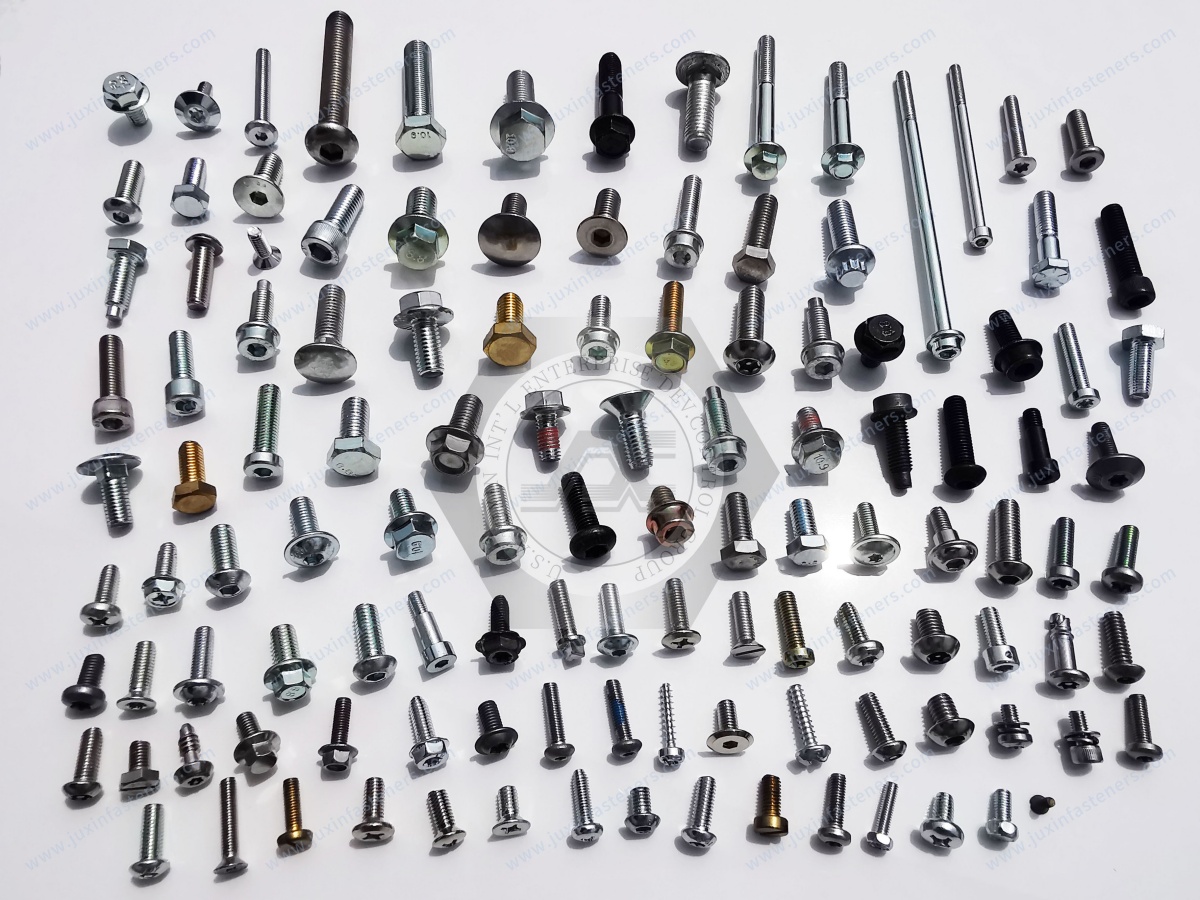
One common procurement problem occurs when an RFQ specifies only:
“Replace this stainless steel screw with nylon.”
That instruction may not provide enough engineering information.
A supplier needs to understand why the substitution is being requested.
Is the objective:
Electrical insulation?
Weight reduction?
Corrosion compatibility?
Lower surface damage?
Chemical compatibility?
Cost optimization?
Non-metallic construction?
The reason matters because different polymers may provide different performance characteristics.
For example, choosing PA66, POM, PVDF, or PEEK should be based on the actual application rather than simply selecting whichever material has the lowest cost.
This is where engineering and procurement should work together.
No. Plastic screws can replace metal fasteners in selected applications where the mechanical and environmental requirements are compatible with the selected polymer.
High-load structural joints and applications requiring high, stable preload will often continue to require metallic fasteners.
Yes, nylon fasteners can be suitable for many industrial applications, particularly where electrical insulation, lightweight construction, corrosion resistance, or non-metallic fastening is useful.
Application-specific evaluation is still required for temperature, moisture, chemicals, loading, and long-term performance.
No. Stainless steel generally provides substantially higher mechanical strength and greater resistance to high mechanical loads than common unfilled nylon fasteners.
Nylon is selected for other functional advantages rather than maximum mechanical strength.
A polymer fastener does not itself participate in the electrochemical corrosion mechanism of metallic fasteners.
It can also electrically separate dissimilar conductive components in an appropriate joint design.
However, galvanic-corrosion behavior depends on the complete assembly, including mating materials, moisture, electrical contact, and geometry.
Yes. Polyamide materials such as PA6 and PA66 can absorb moisture from the surrounding environment.
This can affect dimensions and mechanical properties, so humidity and service conditions should be considered during engineering selection.
Some high-performance polymers can be considered for elevated-temperature applications, but suitability depends on the material grade, geometry,
mechanical load, exposure duration, and required service performance. A polymer should not be selected for high-temperature use based only on its material family name.
Yes. Plastic screws can be used in plastic housings when the required thread performance and assembly conditions are appropriate.
Where stronger or repeatedly reusable threads are required, threaded inserts for plastic may provide a more suitable design approach.
Not automatically. A direct dimensional replacement does not establish functional equivalence.
Engineers should compare load, torque, preload, temperature, moisture, chemical exposure, thread engagement, service life, and electrical requirements before approving the substitution.
The primary functional advantage is electrical non-conductivity.
Plastic screws, nuts, washers, spacers, and standoffs can be useful where the fastening component should provide electrical isolation rather than a conductive metallic path.
JUXIN FASTENERS provides industrial fastening and custom component solutions covering plastic and nylon fastening-related products and components.
For a specific OEM program, the required drawings, materials, dimensions, volumes, and application conditions should be reviewed to determine the appropriate manufacturing and supply solution.
The decision between plastic screws and metal fasteners should not be treated as a simple material substitution exercise.
Metal fasteners remain essential for many high-load, structural, high-preload, and demanding mechanical applications.
Plastic and nylon fasteners become increasingly relevant when the engineering requirement includes electrical insulation, reduced weight, corrosion-free polymer construction, material compatibility, surface protection, or other characteristics that metal may not provide as efficiently.
The most reliable selection process is therefore:
Application Requirement → Joint Function → Mechanical Load → Environmental Conditions → Material Selection → Fastener Design → Prototype Evaluation → Production Sourcing
For OEM design and procurement teams, this approach can prevent unnecessary material substitutions while identifying fastening points where polymer hardware can create genuine engineering value.
If your engineering team is evaluating plastic screws vs. metal fasteners, converting selected metal hardware to nylon, or developing a new plastic fastening system,
JUXIN FASTENERS can review the technical requirements and determine an appropriate product and sourcing approach.
For an engineering review, provide:
2D engineering drawings
3D CAD files where available
Current metal fastener specification if this is a replacement project
Preferred plastic or nylon material
Mating component material
Thread and dimensional requirements
Operating temperature
Environmental and chemical exposure
Required quantity and annual forecast
Packaging and quality requirements
Related plastic hardware BOMs where multiple components are involved
Send your technical package to info@juxinfasteners.com for an OEM-focused review of your plastic fastener requirements.
JUXIN FASTENERS supports industrial OEMs looking for plastic screws, nylon bolts, plastic nuts, washers, spacers,
threaded inserts, and related fastening components based on application-specific engineering and sourcing requirements.
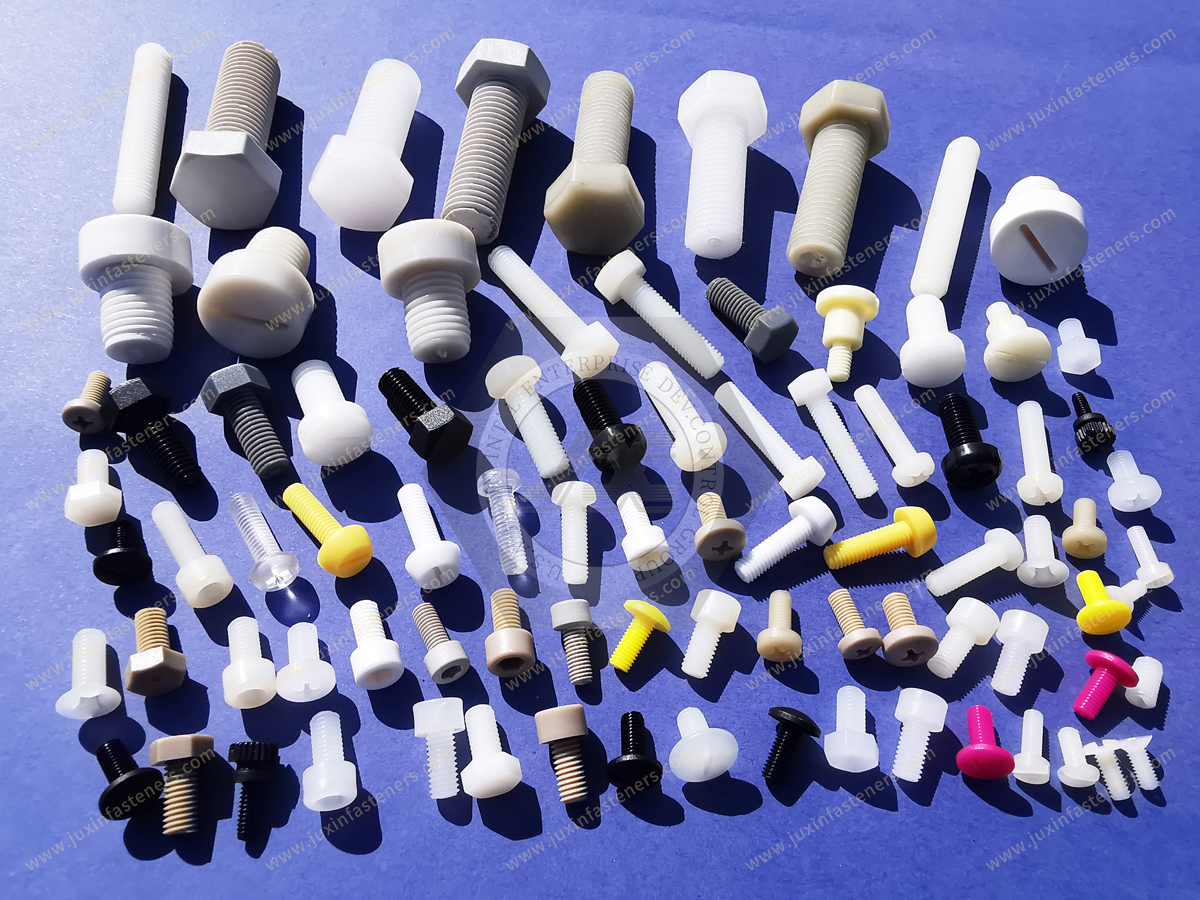
Product Packaging
Packaging Standard
At Juxin Fasteners, we apply standardized export packaging to ensure product protection, traceability, and compliance with international logistics requirements.
1. Standard Export Packaging
Unless otherwise specified, all products will be packed according to our factory standard export packaging, which includes:
Moisture-resistant inner protection
Poly bag or small box packing as required
Reinforced export cartons
Clear labeling with part number, specification, batch number, and quantity
Palletizing for sea or air shipment when necessary
Our standard packaging is designed to ensure safe transportation, efficient warehousing, and long-distance international shipping.
2. Customized Packaging Options
We also provide customized packaging solutions according to customer requirements, including but not limited to:
Private labeling
Customized barcodes
Specific carton dimensions
Retail packaging
Special pallet configuration
Customer-specific marking and identification
So that you know, customized packaging may involve additional costs and extended lead time depending on the complexity of the requirements.
3. Compliance & Quality Assurance
All packaging processes are controlled under our ISO 9001 quality management system to ensure consistency, traceability, and product integrity throughout the supply chain.
Product Pictures
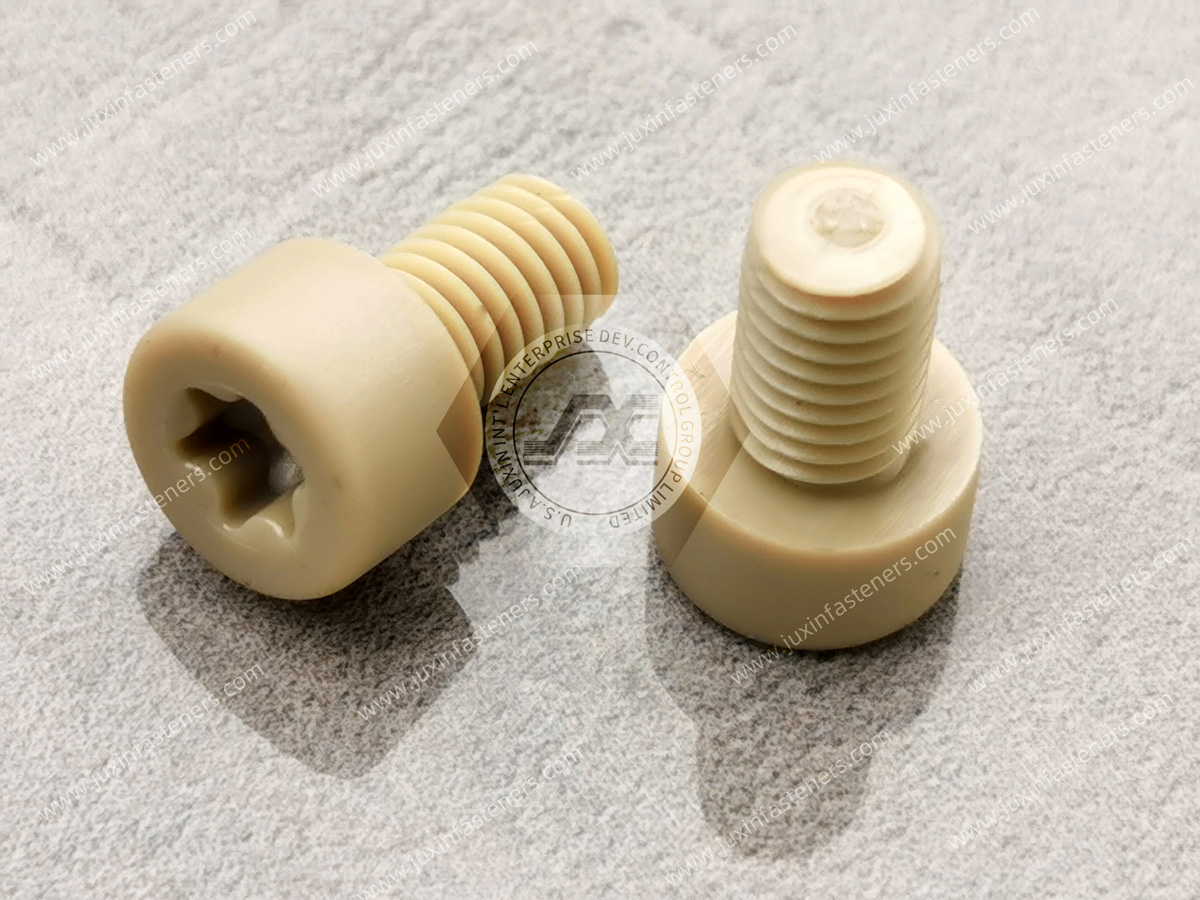
Hot Products

Nylon Rivets & PCB Hardware for Medical Device Manufacturing
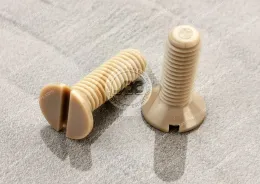
Plastic Hardware for Electrical Cabinets & Enclosures: Engineering Selection & OEM Sourcing
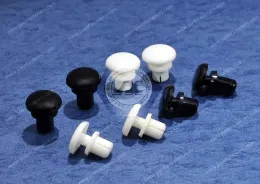
Plastic Hardware for Medical Equipment & Devices: Engineering Selection & OEM Sourcing
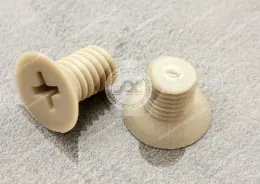
Plastic Hardware for Semiconductor Equipment & Cleanrooms: Engineering Selection & OEM Sourcing
Contact Us
Tel.:
+86 020 8621 0320
+86 020 3121 6067
E-mail:
Technical Support:
Navigation
SEND INQUIREY