
Call Us
+86 136 6007 9809
Call Us
+86 136 6007 9809

Jun. 20, 2024
Automotive fasteners are small components, but they play a critical role in vehicle safety, structural integrity, and long-term reliability. Thousands of bolts, screws, nuts, studs, and threaded components are used throughout modern vehicles to connect and secure essential systems.
From chassis assemblies and suspension systems to EV battery packs and powertrain components, fasteners must maintain reliable performance under:
High dynamic loads
Continuous vibration
Temperature variations
Corrosive environments
Repeated assembly conditions
However, improper material selection, manufacturing defects, surface treatment problems, or incorrect installation can result in automotive fastener failures.
Common failure modes include:
Delayed fracture
Fatigue fracture
Loosening
Thread failure
Corrosion failure
Substandard fastener failure
Improper fastening
Understanding these failure mechanisms helps automotive manufacturers select the correct high-strength automotive fasteners and implement effective quality control systems.
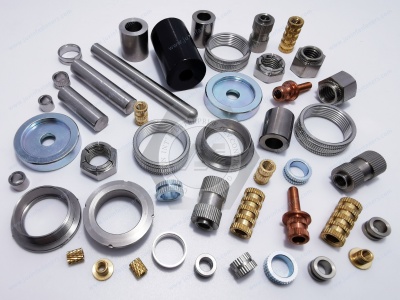
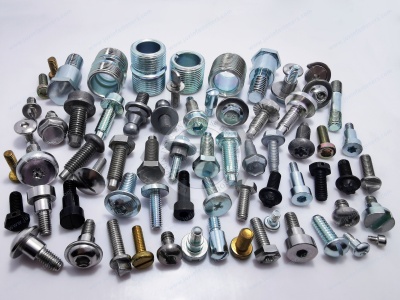
Juxin Fasteners provides professional OEM fastening solutions, including automotive bolts, alloy steel screws, socket head screws, flange bolts, weld nuts, threaded inserts, and customized fasteners for automotive and industrial applications.
Delayed fracture is one of the most serious failure modes for high-strength automotive fasteners.
It refers to sudden brittle fracture occurring after a period of service under static or relatively low dynamic loads.
Unlike immediate overload failure, delayed fracture may happen:
Months after installation
Years after vehicle operation
Without obvious warning signs
This makes delayed fracture particularly dangerous in safety-critical automotive applications.
Commonly affected components include:
High-strength bolts
Stud bolts
Suspension fasteners
Chassis structural fasteners
Delayed fracture is mainly caused by the interaction between:
Material strength
Environmental conditions
Manufacturing processes
Residual stress
There are two main sources of hydrogen-related failure.
Automotive fasteners operate in environments exposed to:
Rainwater
Road salt
Humidity
Chemical contamination
Corrosion reactions may generate hydrogen, which enters the steel structure and reduces ductility.
This can lead to:
Hydrogen embrittlement
Crack initiation
Sudden fracture
Hydrogen can also enter fasteners during manufacturing processes such as:
Acid pickling
Electroplating
Surface cleaning
If proper hydrogen relief treatment is not performed, trapped hydrogen may cause delayed cracking after assembly.
High-strength steel fasteners are especially sensitive because higher hardness increases hydrogen embrittlement risk.
Professional fastener manufacturers reduce delayed fracture risks through:
Selecting suitable materials:
SCM435
35CrMo
42CrMo
10B21 alloy steel
helps balance:
Strength
Toughness
Hydrogen resistance
Optimized:
Quenching
Tempering
Carburizing
processes improve:
Microstructure stability
Toughness
Fatigue resistance
Traditional electroplating processes may introduce hydrogen.
Alternative solutions include:
Zinc-nickel coating
Zinc-aluminum flake coating (Geomet/Dacromet alternative)
Hydrogen-controlled plating processes
These technologies reduce the risk of hydrogen embrittlement in high-strength automotive fasteners.
Fatigue fracture is one of the most common automotive fastener failures.
Studies show that fatigue failure accounts for a significant percentage of fastener fracture cases.
Unlike overload failure, fatigue fracture occurs gradually under repeated loading.
Common applications affected include:
Suspension bolts
Engine mounting bolts
Chassis fasteners
Steering system fasteners
EV structural fasteners
Fatigue cracks usually begin at stress concentration areas.
Common locations include:
Threaded sections have natural notch effects.
Repeated loading creates:
Local stress concentration
Micro crack initiation
Crack propagation
The connection area between the bolt head and shaft experiences high stress concentration.
Poor design or manufacturing defects may accelerate fatigue damage.
Fatigue cracks may originate from:
Forging defects
Surface scratches
Welding defects
Non-metallic inclusions
Corrosion pits
Even when the applied load is below the material fatigue limit, existing defects may grow into catastrophic cracks.
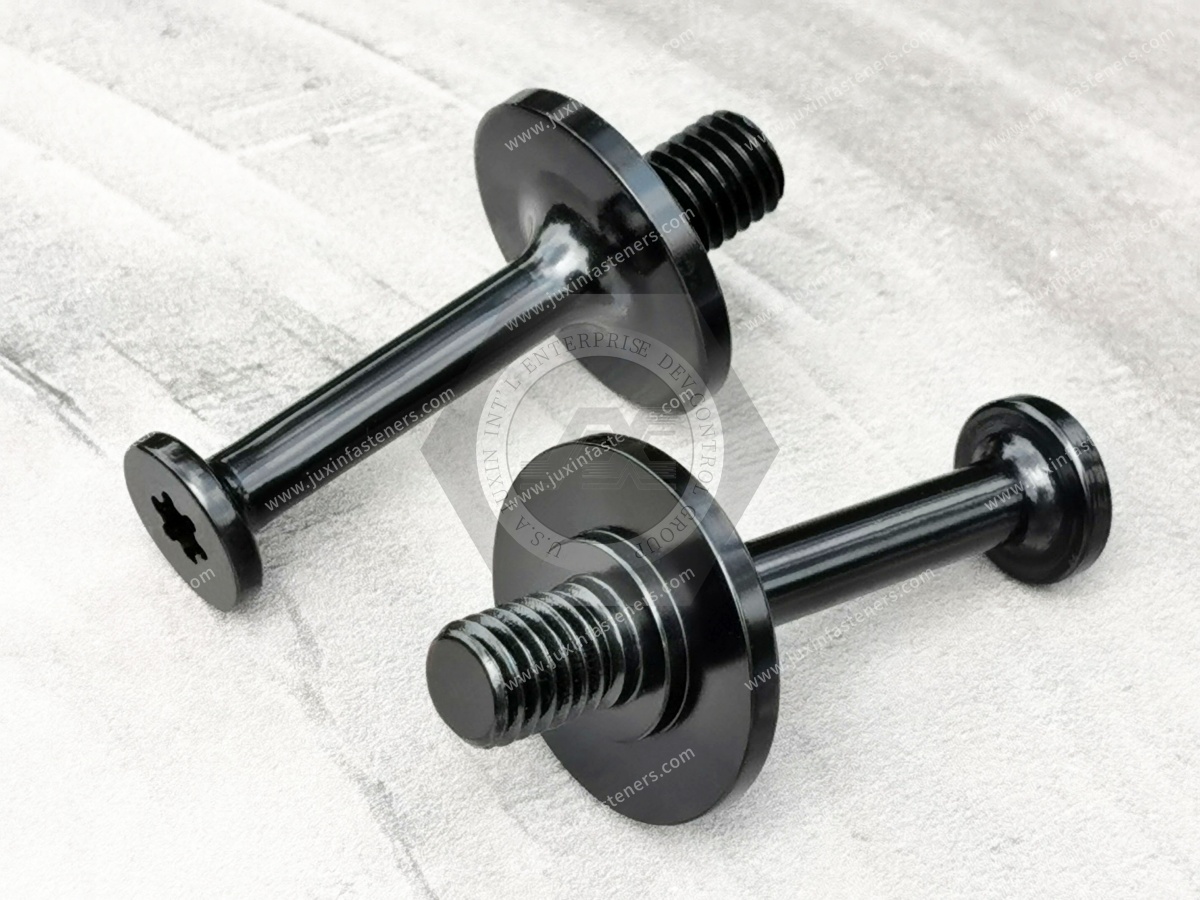
Juxin Fasteners improves fatigue performance through:
Processes include:
Quenching and tempering
Carburizing
Stress relieving
Benefits:
Higher fatigue strength
Improved toughness
Better microstructure stability
Shot peening introduces compressive residual stress into the fastener surface.
Advantages:
Delays crack initiation
Improves fatigue life
Enhances stress corrosion resistance
It is widely used for:
High-strength bolts
Automotive screws
Structural fasteners
Substandard fasteners create significant safety risks.
Low-quality fasteners may have:
Incorrect material grades
Insufficient strength
Poor heat treatment
Dimensional errors
Unqualified coatings
These problems can cause failure even when surrounding components meet design requirements.
Potential consequences include:
Vehicle breakdown
Structural damage
Safety hazards
Increased maintenance costs
Reliable automotive fastener suppliers must control every manufacturing stage.
Inspection includes:
Chemical composition analysis
Material certification
Tensile testing
Hardness testing
Impact testing
Thread accuracy
Surface defects
Geometric tolerance
Salt spray testing
Coating thickness measurement
Adhesion testing
Even high-quality automotive fasteners can fail if installed incorrectly.
Unstandardized fastening practices may include:
Incorrect tightening torque
Improper assembly tools
Reused damaged fasteners
Incorrect replacement parts
These problems may result in:
Insufficient clamping force
Bolt loosening
Thread damage
Fatigue failure
Automotive manufacturers use controlled assembly processes to ensure:
Correct torque values
Stable preload force
Consistent clamping performance
Solutions include:
Torque-controlled assembly
Friction-controlled coatings
Thread-locking technologies
A reliable automotive fastening system requires integration of:
Examples:
Alloy steel for high-strength applications
Stainless steel for corrosion environments
Titanium for lightweight applications
Options:
Zinc-nickel plating
Zinc-aluminum flake coating
Geomet coating
Black oxide
PTFE coating
Including:
Cold heading
Thread rolling
CNC machining
Heat treatment
Automated inspection
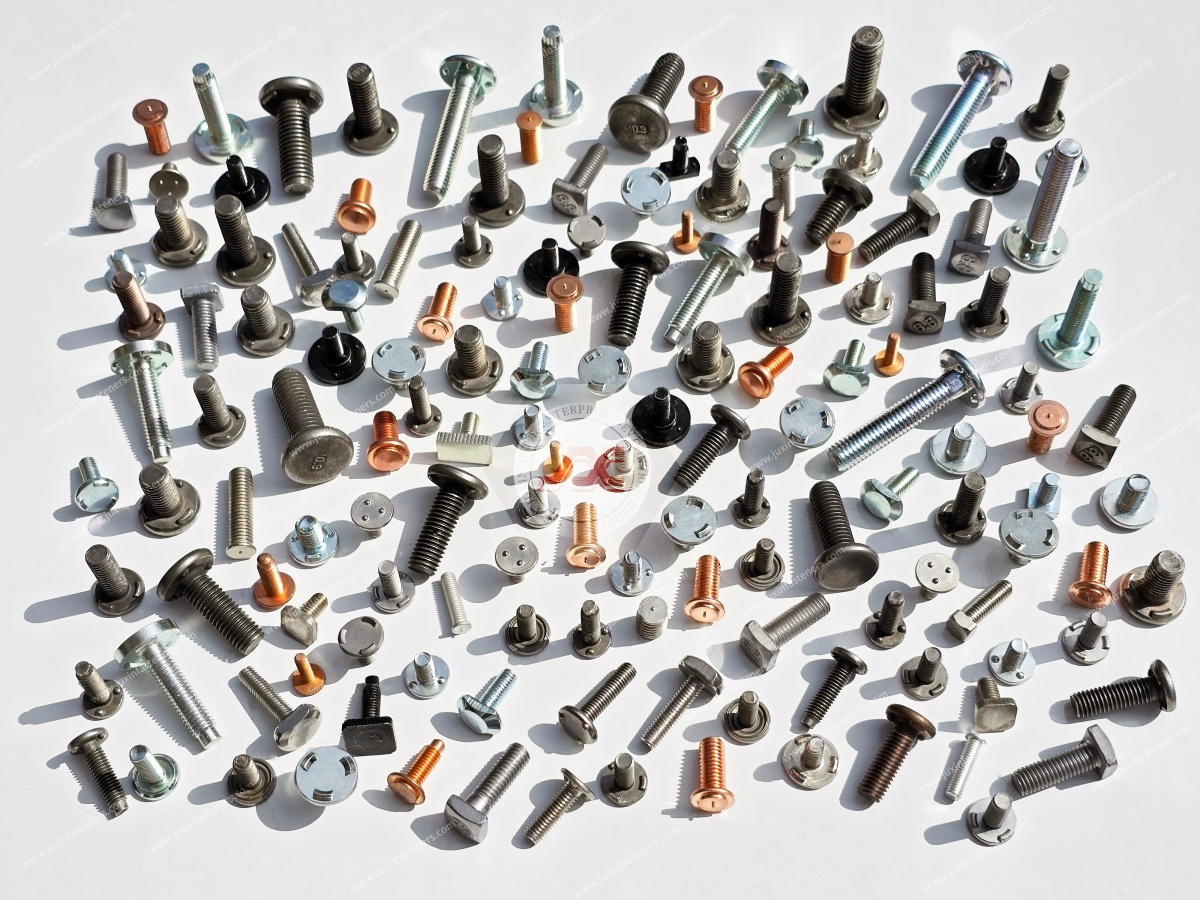
Applications:
Suspension bolts
Steering components
Structural connections
Requirements:
High fatigue resistance
High tensile strength
Corrosion protection
EV fasteners require:
Long service life
Corrosion resistance
Lightweight design compatibility
Applications:
Battery trays
Battery modules
Motor assemblies
Solutions:
Zinc-nickel coated bolts
Stainless steel fasteners
High-strength alloy screws
High-performance fasteners are also used in:
Railway systems
Heavy machinery
Automation equipment
where reliability and fatigue resistance are critical.
Juxin Fasteners provides complete OEM fastening solutions for automotive and industrial customers.
Manufacturing capabilities:
Cold heading
Thread rolling
CNC machining
Heat treatment
Surface coating
Customized production
Product range:
Automotive bolts
Alloy steel socket head screws
High-strength screws
Flange bolts
Shoulder screws
Weld nuts
Thread inserts
Quality assurance:
ISO-based quality management
Material inspection
Mechanical testing
Salt spray testing
Dimensional inspection
✔ Professional automotive fastener supplier
✔ OEM and custom fastener manufacturing
✔ High-strength bolt engineering capability
✔ Advanced heat treatment technology
✔ Corrosion-resistant coating solutions
✔ Support for automotive and EV industries
Juxin Fasteners helps global manufacturers prevent fastener failures through reliable materials, advanced processing technology, and strict quality control.
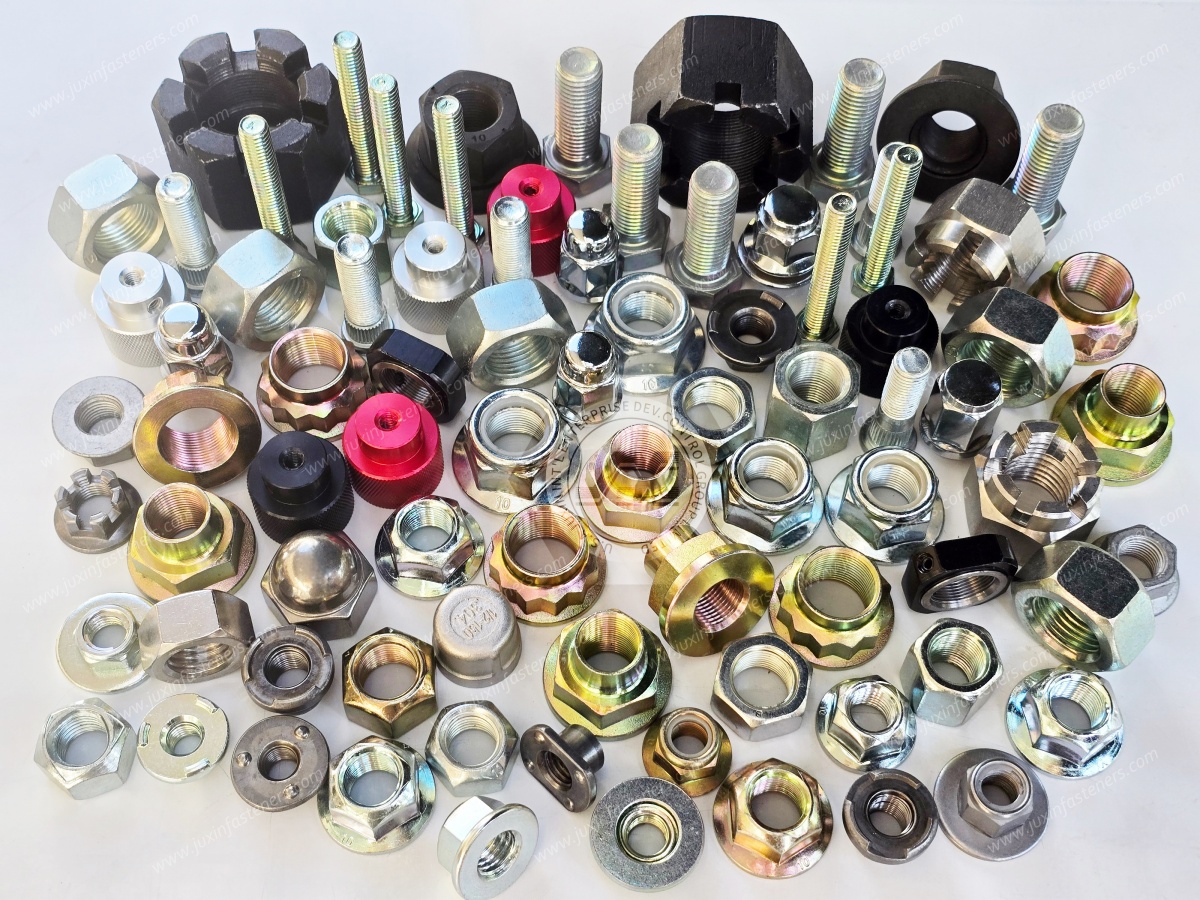
Looking for reliable automotive fasteners, high-strength bolts, alloy steel screws, or customized OEM fastening solutions?
Email: info@juxinfasteners.com
Website:
https://www.juxinfasteners.com
 MORE NEWS
Sep. 27, 2026
Sep. 27, 2026
Sep. 27, 2026
Contact Us
Tel.:
+86 020 8621 0320
+86 020 3121 6067
E-mail:
Technical Support:
Navigation
SEND INQUIREY