
Call Us
+86 136 6007 9809
Call Us
+86 136 6007 9809

Jun. 20, 2024
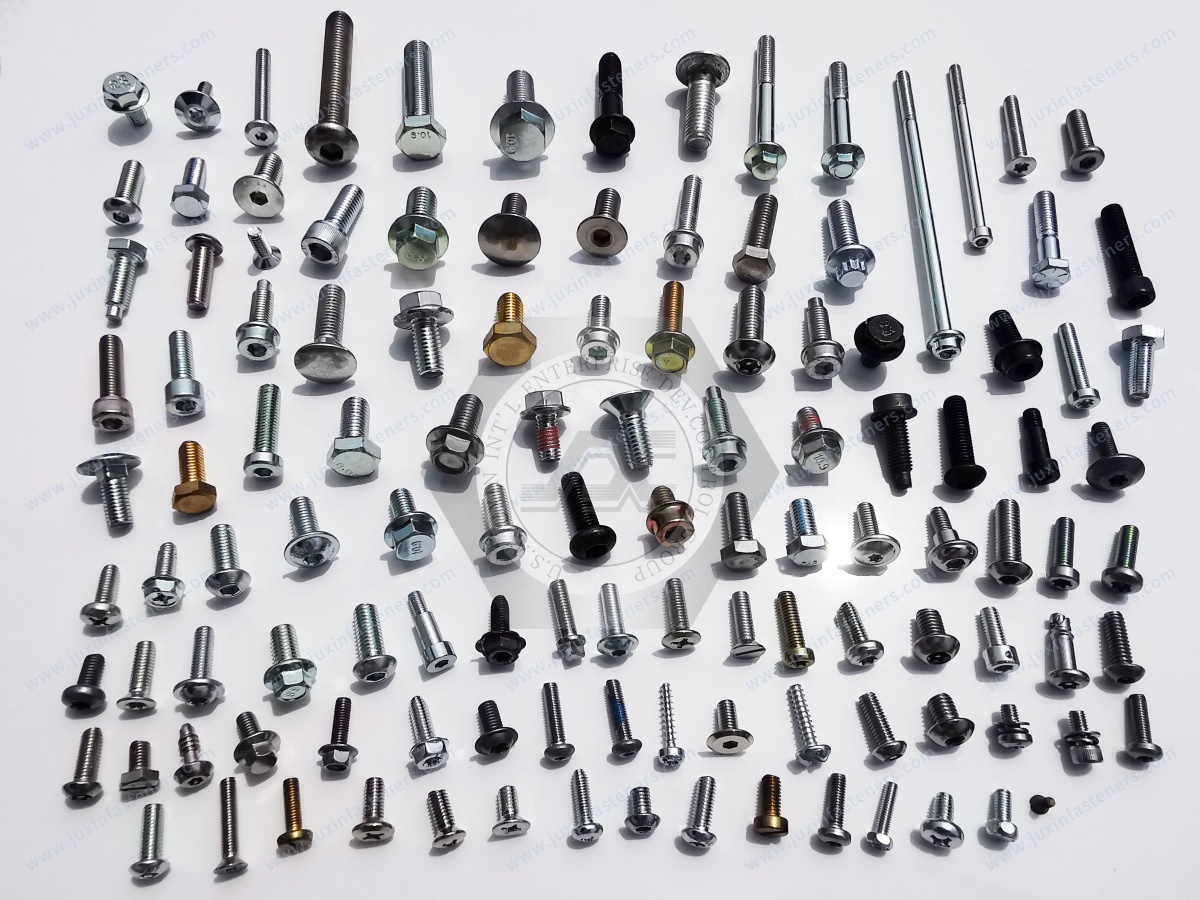
Modern vehicles contain thousands of fastening components, including:
Automotive bolts
Screws
Nuts
Studs
Threaded inserts
Weld nuts
Rivet nuts
Structural fasteners
These components are used throughout:
Vehicle chassis systems
Suspension assemblies
Powertrain systems
Battery packs
Body structures
Interior and electrical systems
Due to their safety-critical role, automotive fastener material selection, manufacturing quality, and performance control are essential factors for vehicle reliability.
Juxin Fasteners provides professional OEM automotive fastener solutions, supplying high-strength bolts, alloy steel screws, stainless steel fasteners, and customized fastening components for global automotive manufacturers and industrial customers.
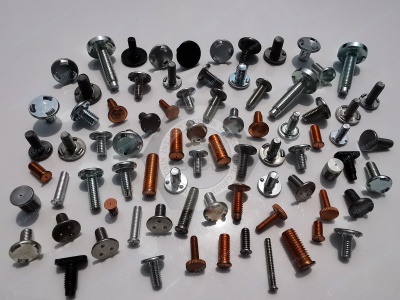
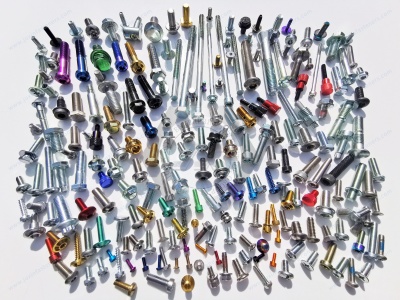
Fasteners are often described as the “rice of industry” because they are widely used across almost every manufacturing sector, including:
Automotive
Electric vehicles
Railway transportation
Machinery
Construction equipment
Aerospace
Industrial automation
However, automotive fasteners have unique requirements compared with ordinary industrial fasteners.
Automotive applications require fasteners to withstand:
Continuous vibration
Dynamic loading
High temperature environments
Corrosion exposure
Impact forces
Long-term fatigue cycles
Selecting the correct material determines:
Tensile strength
Yield strength
Fatigue resistance
Corrosion resistance
Weight performance
Service life
Alloy steel is one of the most widely used materials for high-strength automotive fasteners.
Common materials include:
10B21
35CrMo
40Cr
42CrMo
SCM435
Advantages:
High tensile strength
Excellent fatigue resistance
Superior mechanical properties after heat treatment
Suitable for safety-critical applications
Applications:
Chassis bolts
Suspension fasteners
Engine components
Transmission systems
Structural connections
Alloy steel screws provide excellent mechanical performance compared with standard stainless steel screws.
Typical products include:
Features:
High strength-to-weight ratio
Compact head design
Excellent load-bearing capability
Applications:
Automotive assemblies
Mechanical equipment
Structural components
Available surface treatments:
Black oxide coating
Zinc plating
Zinc-nickel coating
Benefits:
Improved corrosion resistance
Better assembly reliability
Long service life
Stainless steel fasteners are selected when corrosion resistance is a primary requirement.
Common stainless steel grades include:
SUS304
SUS316
Advantages:
Excellent corrosion resistance
Good chemical resistance
Long-term durability
Suitable for harsh environments
Applications:
EV battery systems
Electrical components
Automotive interiors
Exterior assemblies
18-8 stainless steel screws provide:
Good chemical resistance
Reliable corrosion protection
Stable mechanical performance
Available options include:
Advantages:
Improved oxidation resistance
Enhanced corrosion protection
Applications:
Automotive electrical systems
Precision assemblies
PTFE coating provides:
Reduced friction
Anti-seizing performance
Smooth installation
Suitable for:
Repeated assembly applications
Corrosive environments
High-temperature areas
Features:
Matte black appearance
Improved surface protection
Suitable for appearance-sensitive applications
With the development of electric vehicles and lightweight vehicle design, titanium fasteners are becoming increasingly important.
Titanium fasteners provide:
High strength-to-weight ratio
Approximately 40% lighter than steel alternatives
Excellent corrosion resistance
Chemical resistance
Applications:
Performance vehicles
Lightweight structures
Battery systems
Motorsport applications
Titanium fasteners are ideal where weight reduction and high reliability are required.
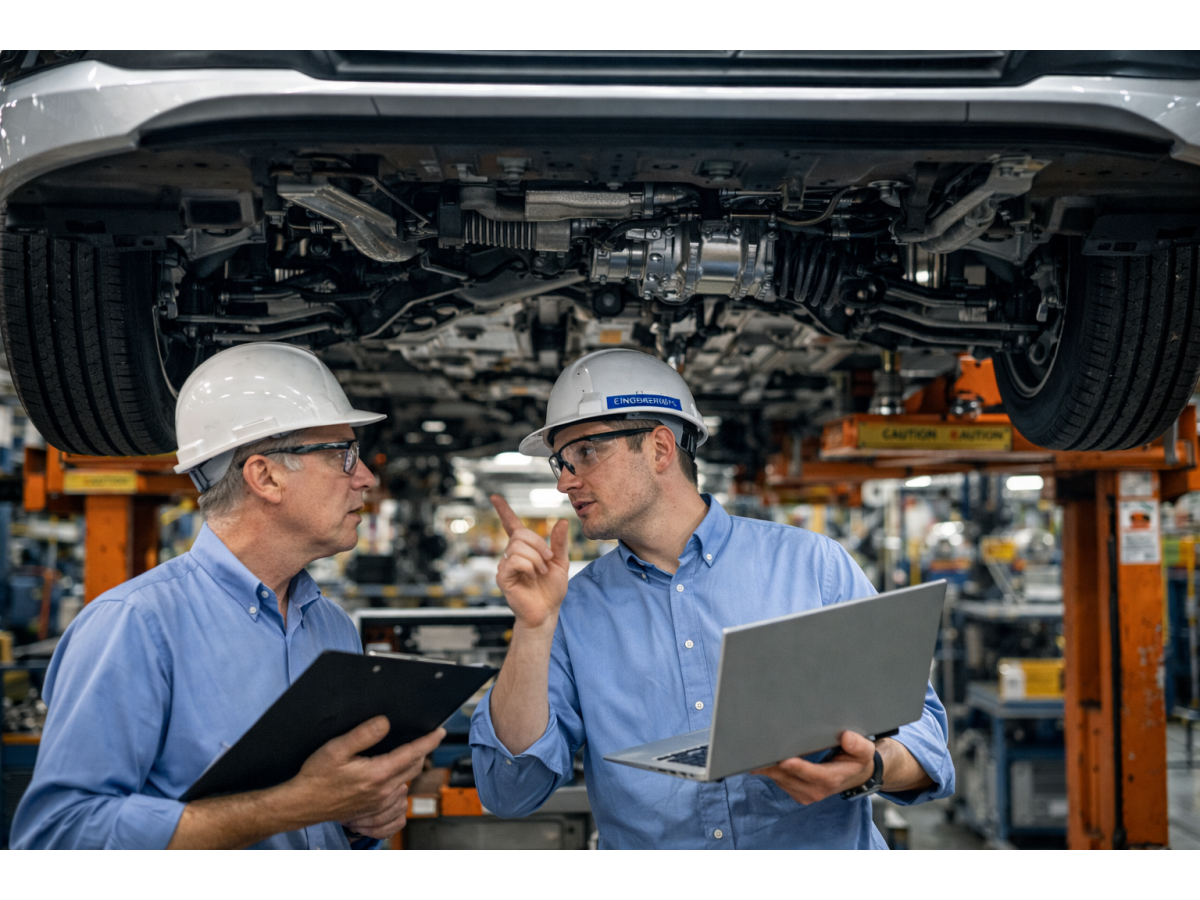
Because fastener failure can directly affect vehicle safety, automotive manufacturers classify fasteners according to their functional importance.
Safety-critical fasteners are components where failure may cause serious vehicle accidents.
Examples:
Suspension bolts
Steering system fasteners
Brake system fasteners
Chassis structural bolts
Requirements:
High strength
Strict quality control
Advanced heat treatment
Reliable corrosion protection
Critical fasteners may cause major vehicle system failures if they fail.
Examples:
Powertrain fasteners
Battery structural fasteners
Motor mounting bolts
Requirements:
Stable mechanical performance
Fatigue resistance
Accurate dimensional control
General fasteners are used in non-critical vehicle assemblies.
Examples:
Interior components
Covers
Auxiliary systems
Although failure may not immediately affect vehicle safety, quality control is still essential to prevent long-term reliability issues.
Poor material selection or manufacturing control may lead to:
Caused by:
Repeated dynamic loads
Insufficient strength
Poor heat treatment
Common applications:
Suspension bolts
Chassis fasteners
Engine components
Caused by:
Improper surface treatment
Environmental exposure
Chemical corrosion
Solutions:
Zinc-nickel coating
Geomet coating
Stainless steel materials
PTFE coating
Caused by:
Incorrect material selection
Poor thread processing
Excessive assembly torque
Solutions:
Precision thread rolling
Controlled manufacturing
Proper lubrication systems
Often associated with:
Hydrogen embrittlement
Improper plating process
High-strength steel applications
Solutions:
Hydrogen-free coating processes
Proper heat treatment
Quality inspection
The rapid growth of electric vehicles creates new requirements for fastening technology.
EV applications require:
Lightweight materials
Excellent corrosion resistance
Long service life
Electrical compatibility
Juxin provides EV fastening solutions for:
Applications:
Battery trays
Battery modules
Aluminum structures
Products:
Zinc-nickel plated bolts
Stainless steel fasteners
Threaded inserts
Requirements:
High strength
Vibration resistance
Thermal stability
Solutions:
High-strength alloy steel fasteners
Customized OEM screws
Juxin Fasteners supports automotive customers with complete fastening solutions from prototype development to mass production.
Manufacturing capabilities include:
Cold heading
Thread rolling
CNC machining
Heat treatment
Surface coating
Precision inspection
Material options:
Carbon steel
Alloy steel
Stainless steel
Titanium
Customized materials
Surface treatments:
Zinc plating
Zinc-nickel plating
Geomet / zinc-aluminum coating
Black oxide
PTFE coating
Passivation
Quality control:
Tensile testing
Hardness testing
Salt spray testing
Thread inspection
Dimensional inspection
Metallographic analysis
✔ OEM automotive fastener manufacturing experience
✔ Customized material selection support
✔ High-strength alloy steel fastener production
✔ EV and lightweight vehicle fastening solutions
✔ Advanced corrosion protection technology
✔ Strict quality control for safety-critical components
Juxin Fasteners helps automotive manufacturers achieve safer, stronger, and more reliable fastening systems.
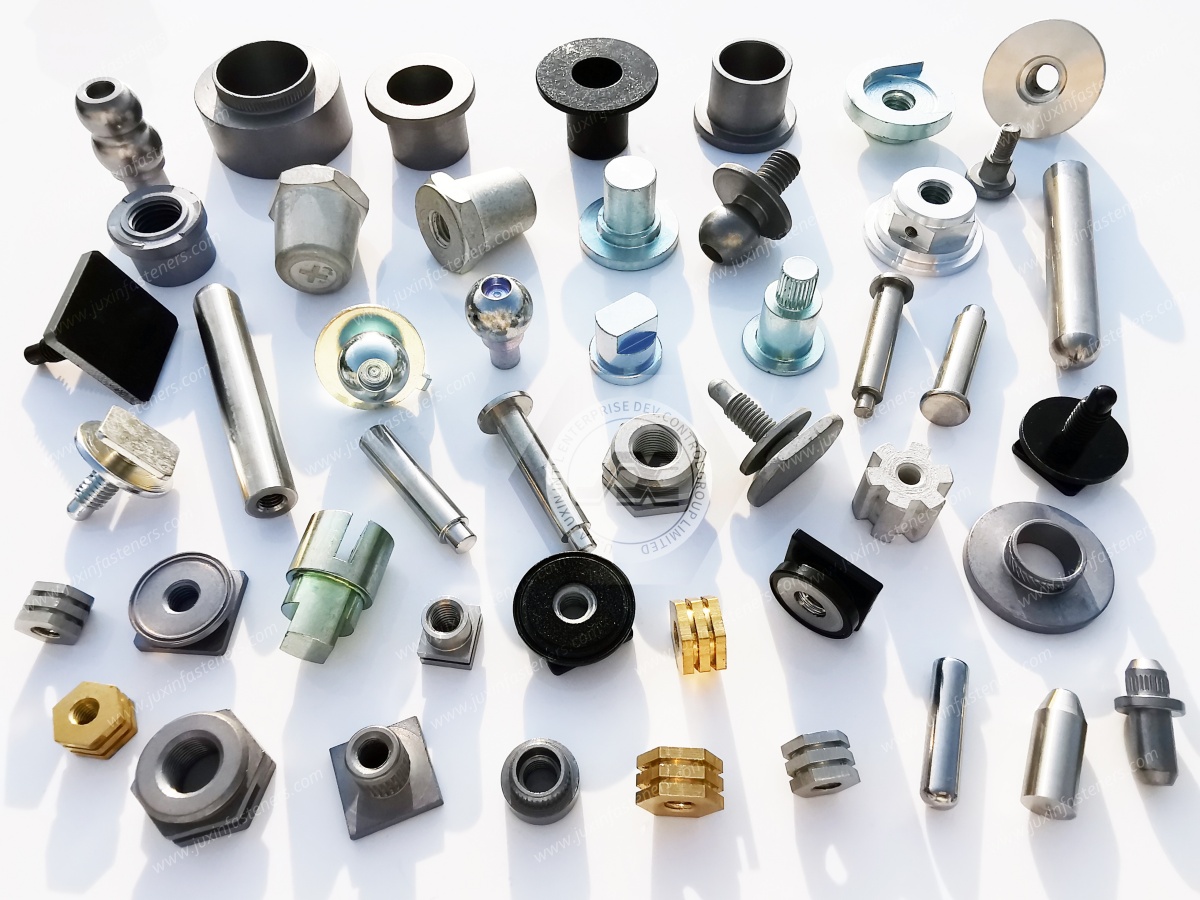
Looking for reliable automotive fasteners, high-strength bolts, alloy steel screws, or customized OEM fastening solutions?
Contact our engineering team:
Email: info@juxinfasteners.com
Website:
https://www.juxinfasteners.com
 MORE NEWS
Sep. 27, 2026
Sep. 27, 2026
Sep. 27, 2026
Contact Us
Tel.:
+86 020 8621 0320
+86 020 3121 6067
E-mail:
Technical Support:
Navigation
SEND INQUIREY