
Call Us
+86 136 6007 9809
Call Us
+86 136 6007 9809

Jun. 20, 2024
High-strength automotive fasteners are critical safety components that directly influence vehicle reliability, structural performance, and service life. With the development of modern vehicles, electric vehicles (EV), lightweight chassis structures, and high-performance power systems, automotive manufacturers require fasteners with higher strength, improved fatigue resistance, and superior reliability.
Although automotive fasteners are small components, they are responsible for maintaining the integrity of major vehicle assemblies, including:
Chassis systems
Suspension systems
Powertrain components
Battery pack structures
Body frames
Engine assemblies
During operation, these fasteners experience complex loading conditions:
Axial preload tensile forces
Alternating tensile loads
Transverse shear loads
Bending stress
Impact loads
Corrosion environments
Therefore, strict automotive fastener quality assurance systems are essential to prevent failures such as fatigue fracture, delayed fracture, loosening, and corrosion damage.
Juxin Fasteners provides professional OEM automotive high-strength fastener solutions, including Class 10.9 bolts, alloy steel screws, flange bolts, socket head screws, weld nuts, threaded inserts, and customized fastening components.
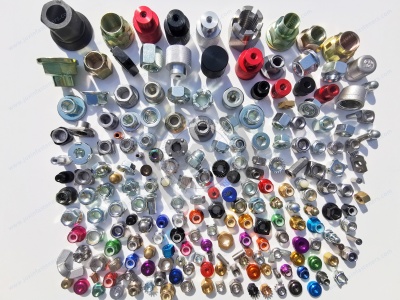
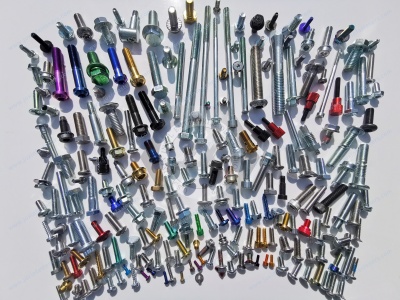
Modern automotive manufacturing increasingly uses high-strength fasteners to achieve:
Lightweight vehicle design
Higher structural strength
Reduced component size
Improved fuel efficiency
Longer service life
However, increasing fastener strength also introduces higher technical challenges.
High-strength fasteners must balance:
Tensile strength
Toughness
Fatigue resistance
Delayed fracture resistance
Cold heading performance
Corrosion resistance
A fastener with excessive hardness but insufficient toughness may become vulnerable to brittle fracture.
Therefore, quality assurance must cover the entire manufacturing process:
Raw material selection
Cold forming process
Thread manufacturing
Heat treatment
Surface protection
Final inspection
Steel remains the primary material for high-strength automotive fasteners due to its excellent mechanical properties.
Common materials include:
Medium carbon steel
Alloy structural steel
Boron steel
Low carbon high-strength steel
Typical grades:
ML35
SWRCH35K
40Cr
35CrMo
40MnB
42CrMo
Class 10.9 fasteners are increasingly used in automotive applications due to their excellent strength-to-weight performance.
Typical applications include:
Automotive suspension systems
Engine mounting systems
Motors
Pumps
Structural connections
Advantages:
High tensile strength
Improved fatigue resistance
Reliable preload performance
Common surface treatments:
Zinc plating
Zinc-nickel coating
Zinc flake coating
Black corrosion-resistant coating
The development of high-performance automotive fasteners depends heavily on steel cleanliness and microstructure control.
Important factors include:
Lower S and P content improves:
Cold heading performance
Plastic deformation ability
Toughness
Delayed fracture resistance
Reducing harmful inclusions helps prevent:
Crack initiation
Grain boundary embrittlement
Fatigue failure
Low-carbon boron steel has become an important material option for automotive fastener manufacturing.
Advantages:
Excellent cold forming performance
Improved hardenability
Reduced manufacturing cost
Good mechanical properties
By adding small amounts of:
Boron (B)
Chromium (Cr)
Manganese (Mn)
the steel achieves improved strength without excessive alloy cost.
Applications:
8.8 grade bolts
Selected 10.9 grade fasteners
Automotive structural fasteners
Most automotive bolts are produced using cold heading technology.
Advantages:
High production efficiency
Excellent material utilization
Improved fiber structure
Better mechanical strength
Cold heading steel requires:
Stable chemical composition
Excellent ductility
Controlled inclusion levels
Thread quality directly affects fatigue performance.
Advantages of thread rolling:
Higher thread strength
Better surface finish
Reduced crack risk
Improved fatigue resistance
Critical inspection points:
Thread profile
Pitch accuracy
Surface defects
Root radius
Heat treatment determines the internal structure and final performance of high-strength automotive fasteners.
Typical processes:
Quenching
Tempering
Carburizing
Stress relieving
Benefits:
Increased hardness
Improved tensile strength
Enhanced toughness
Better fatigue performance
For automotive fasteners, hardness alone cannot fully represent performance.
The material hardenability affects:
Cross-section strength distribution
Guarantee stress
Fatigue resistance
A fastener may have acceptable surface hardness but insufficient core strength if hardenability is inadequate.
Therefore, professional manufacturers evaluate:
Hardness distribution
Mechanical strength
Microstructure condition
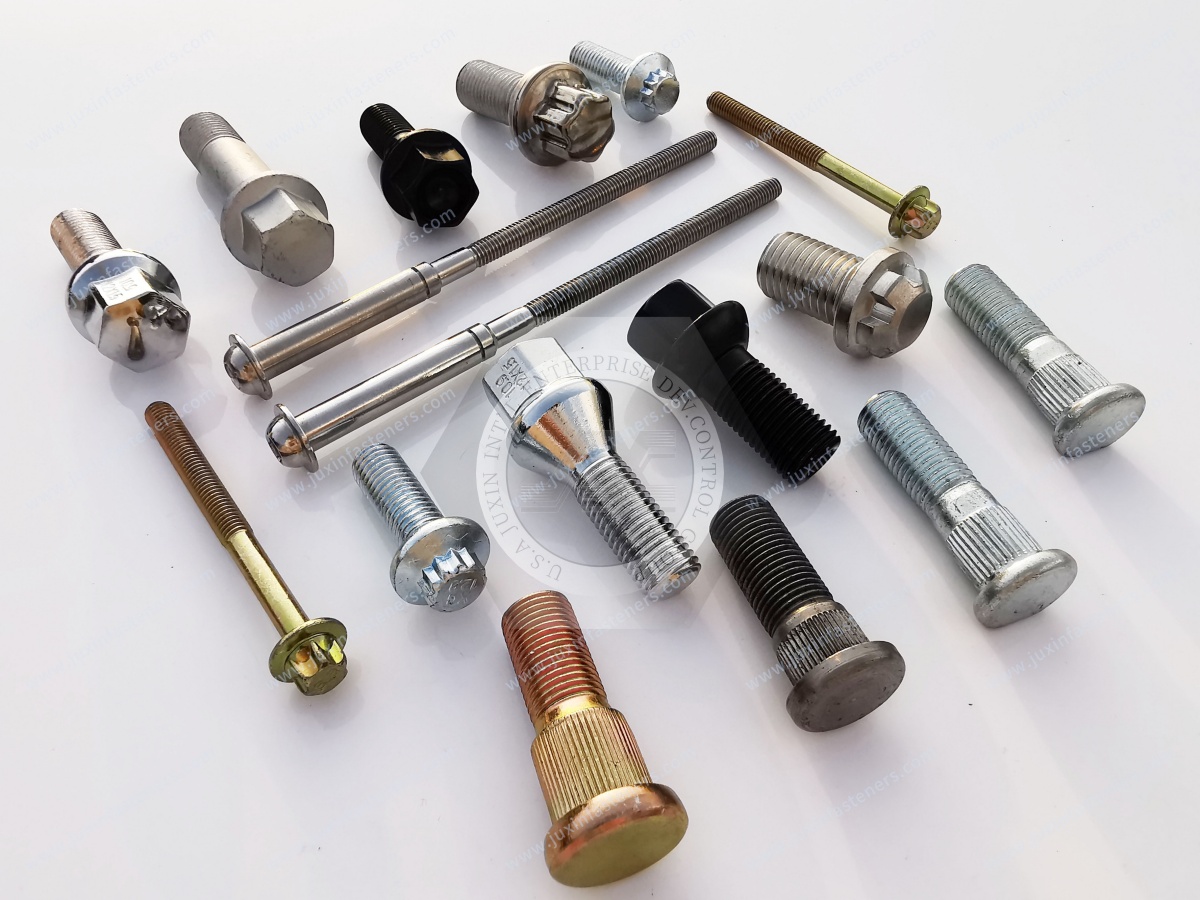
Retempering testing is an important quality verification method for high-strength bolts.
Applicable grades:
8.8
10.9
12.9
Testing conditions typically include:
Heating below the original tempering temperature
Holding time control
Hardness comparison before and after testing
The test helps identify:
Insufficient quenching
Improper tempering temperature
Unstable mechanical properties
A reliable fastener must maintain stable hardness and performance after retempering evaluation.
High-strength fasteners are highly sensitive to hydrogen embrittlement.
Risk sources include:
Electroplating
Acid cleaning
Pickling processes
Hydrogen embrittlement may cause:
Delayed fracture
Sudden bolt failure
Reduced service life
For Grade 10.9 and higher fasteners, hydrogen relief treatment is essential after plating.
Typical process:
Controlled heating treatment
Hydrogen diffusion process
Stress relief
Additional testing methods include:
Sustained load testing
Delayed fracture testing
These processes improve reliability for safety-critical automotive applications.
Juxin Fasteners applies comprehensive inspection throughout production.
Includes:
Chemical composition analysis
Steel grade verification
Material certification
Includes:
Tensile strength testing
Yield strength testing
Hardness testing
Impact testing
Used to verify:
Grain structure
Martensitic structure
Carbide distribution
Inclusion control
Includes:
Coating thickness
Adhesion testing
Salt spray testing
Hydrogen embrittlement testing
Products:
High-strength hex bolts
Flange bolts
Socket head screws
Applications:
Suspension systems
Steering systems
Brake assemblies
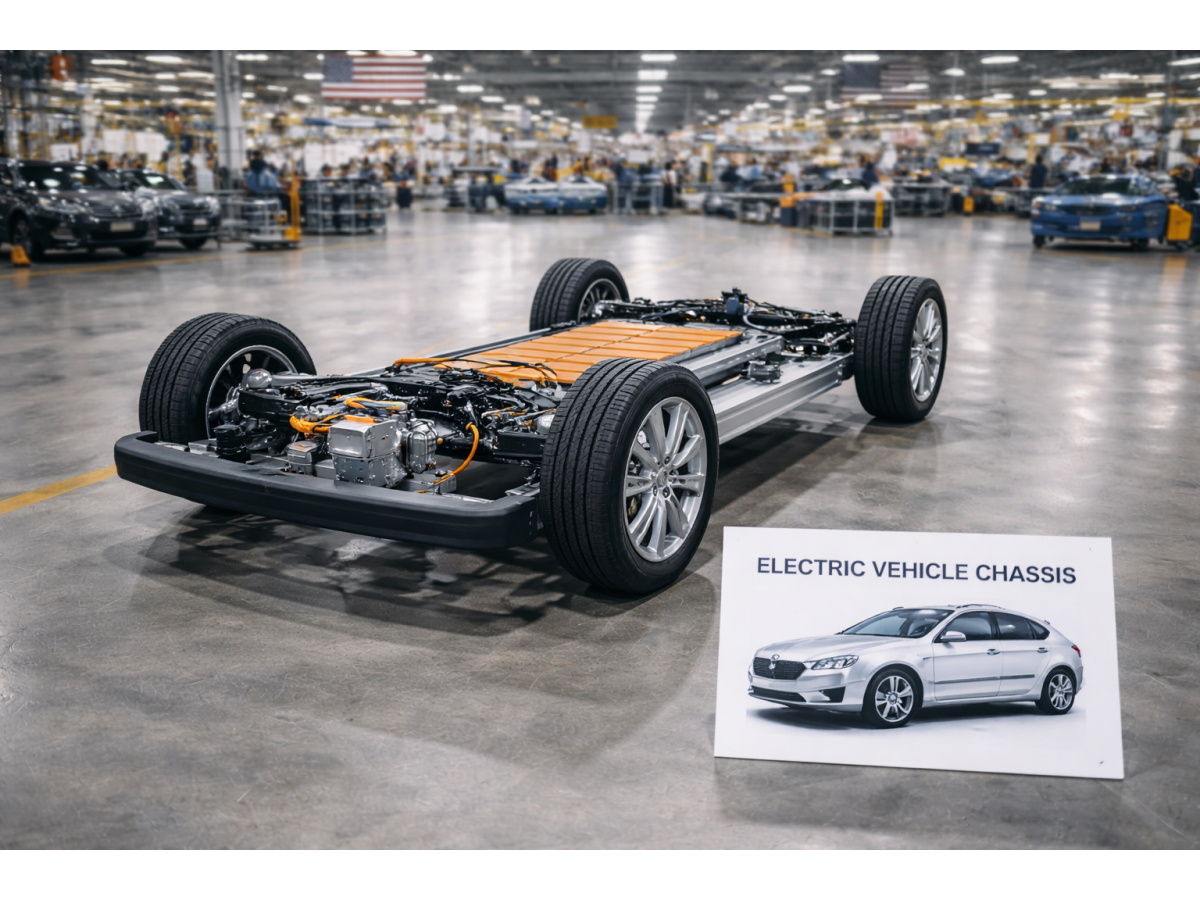
Electric vehicles require:
Lightweight solutions
Corrosion resistance
Long-term reliability
Applications:
Battery trays
Battery modules
Aluminum structures
Solutions:
Zinc-nickel coated fasteners
Stainless steel screws
High-strength alloy bolts
High-strength fasteners are also used in:
Construction machinery
Railway equipment
Industrial automation
where reliability under heavy loads is essential.
Juxin Fasteners provides complete OEM fastener manufacturing solutions.
Manufacturing capabilities:
✔ Cold heading
✔ Thread rolling
✔ CNC machining
✔ Heat treatment
✔ Surface coating
✔ Precision inspection
Product range:
Automotive high-strength bolts
Class 10.9 fasteners
Alloy steel screws
Socket head screws
Flange screws
Weld nuts
Thread inserts
Quality systems:
Material control
Process monitoring
Mechanical testing
Surface inspection
Batch traceability
✔ Professional automotive fastener manufacturer
✔ High-strength bolt production expertise
✔ Advanced material engineering capability
✔ Strict heat treatment control
✔ Hydrogen embrittlement prevention technology
✔ OEM customization support
Juxin Fasteners helps automotive manufacturers achieve safer, lighter, and more reliable fastening systems through advanced materials, precision manufacturing, and comprehensive quality assurance.
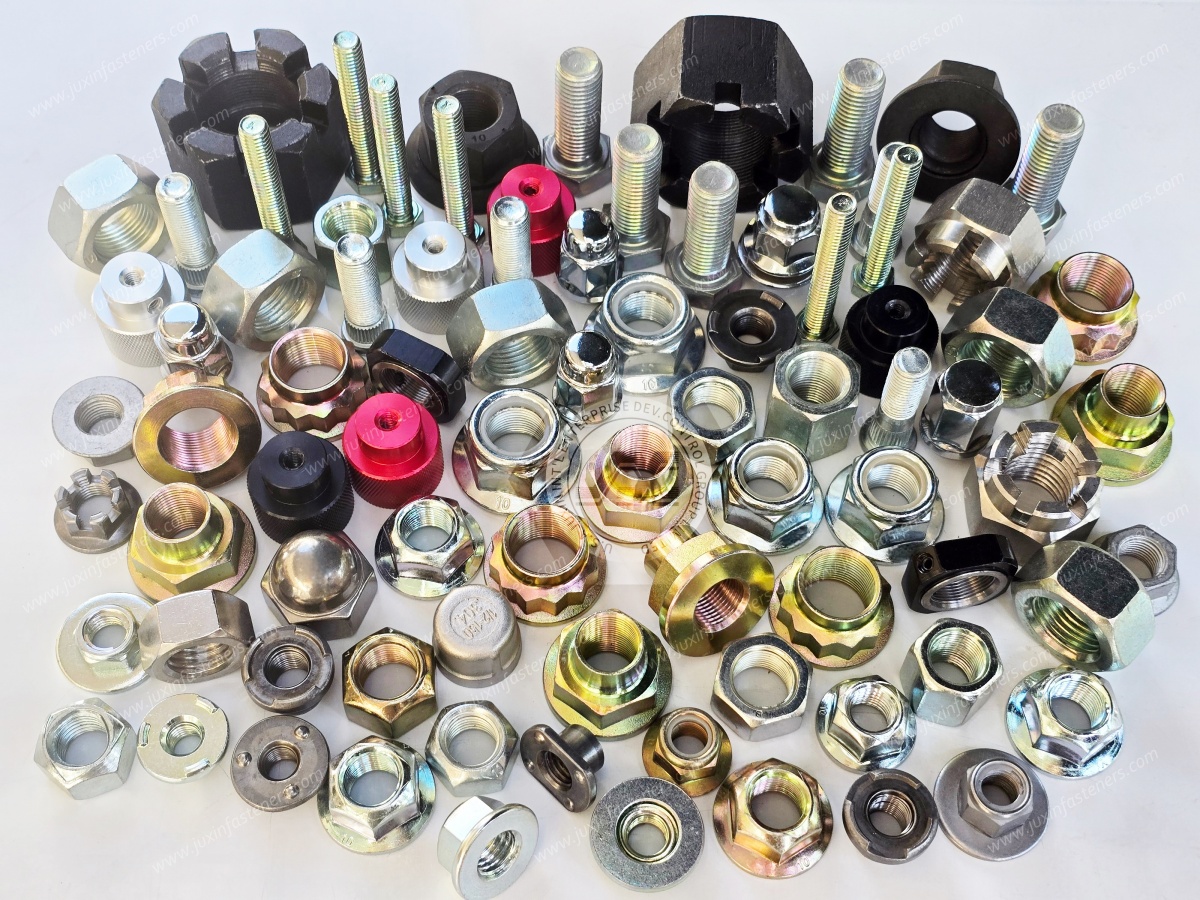
Looking for reliable automotive high-strength fasteners, Class 10.9 bolts, alloy steel screws, or customized OEM fastening solutions?
Contact our engineering team:
Email: info@juxinfasteners.com
Website:
https://www.juxinfasteners.com
 MORE NEWS
Sep. 27, 2026
Sep. 27, 2026
Sep. 27, 2026
Contact Us
Tel.:
+86 020 8621 0320
+86 020 3121 6067
E-mail:
Technical Support:
Navigation
SEND INQUIREY