
Call Us
+86 136 6007 9809
Call Us
+86 136 6007 9809

Apr. 08, 2026
High-Strength Automotive Screws and Threaded Inserts: Reliable Fastening Solutions for Engine, Chassis, and Mechanical Assemblies
In modern automotive manufacturing, achieving reliable fastening under vibration-heavy conditions is critical. High-strength automotive screws and threaded inserts are engineered to provide maximum load-bearing capacity, precision clamping, and long-term durability across engine, chassis, and mechanical assemblies.
These fastening solutions ensure stability in dynamic environments, reduce maintenance issues, and support the lightweight design trends of contemporary vehicles.
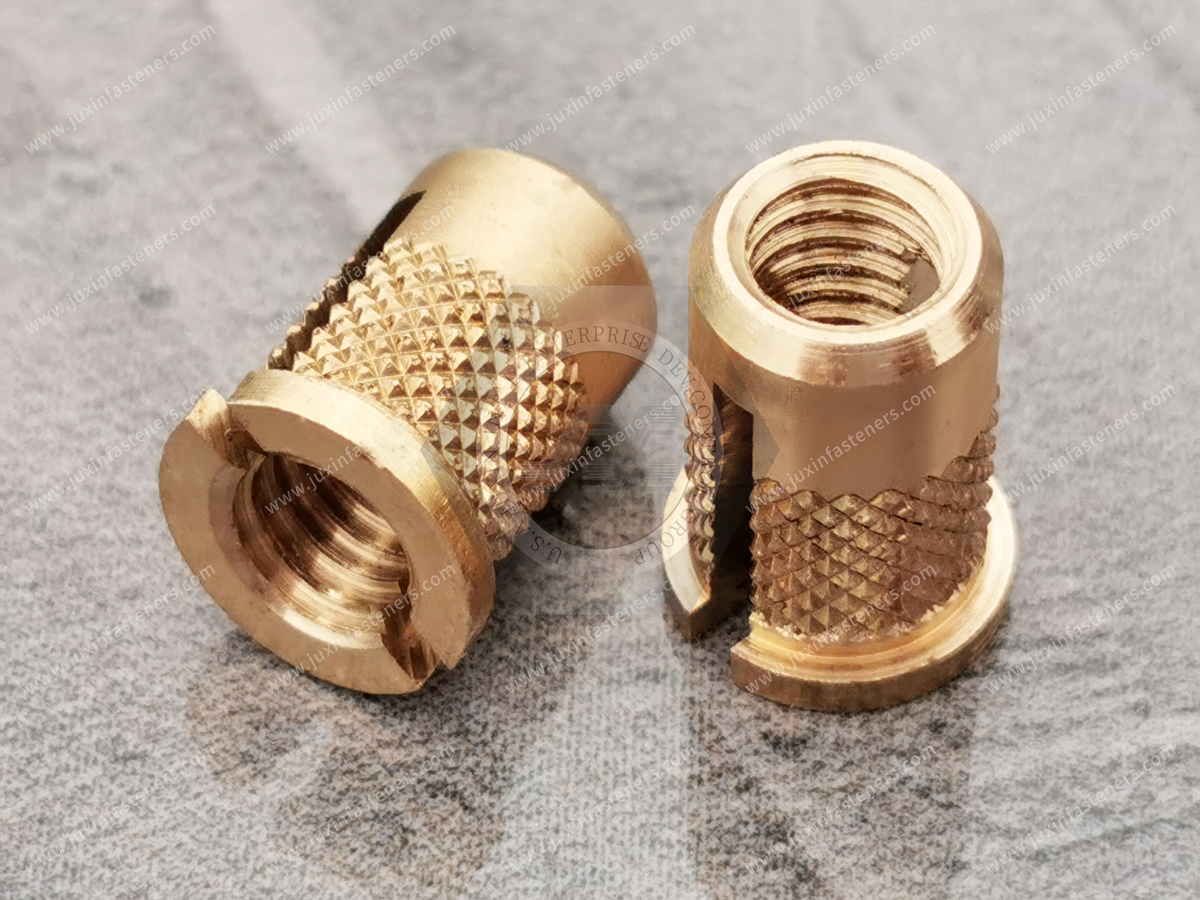
Core Applications of High-Strength Screws and Threaded Inserts
1. Engine and Transmission Assemblies
High-strength screws provide precise clamping forces, ensuring secure joints in engine blocks, transmission housings, and gearbox components. Threaded inserts enable repeated assembly and disassembly without thread wear, critical for maintenance and service operations.
2. Suspension and Chassis Reinforcements
Suspension brackets, subframes, and chassis reinforcements require fasteners capable of withstanding high-vibration loads. The combination of screws and insert nuts delivers reliable performance, preventing loosening and maintaining structural integrity.
3. Automotive Electronics and Sensor Housings
Brass-threaded insert nuts are widely used to enhance thread strength in soft materials such as plastics and aluminum alloys. Applications include ECU housings, sensor brackets, and interior electronic components, preventing stripping during repeated assembly cycles.
4. Lightweight Structural Connections for New Energy Vehicles
Wire thread inserts (coil inserts) are ideal for aluminum and magnesium alloy subframes, motor housings, and battery pack modules. They improve wear and impact resistance while reducing component weight, supporting EV and hybrid vehicle design standards.
5. Automated Assembly Line Integration
Modern automotive production emphasizes automation. Cold-pressed, hot-melt, ultrasonic, and in-mold injection threaded inserts are compatible with three-axis CNC nut insertion machines, ensuring high-speed, precise, and repeatable assembly. These solutions align with intelligent manufacturing trends and high-volume production efficiency.
Types of Threaded Inserts and Their Process Characteristics
Type | Applicable Materials | Process Characteristics | Advantages | Typical Applications |
Cold-pressed Inserts | Medium to low hardness thermoplastics | Pressed into pre-drilled holes | High implantation efficiency, cost-effective | Interior trims, wiring harness brackets |
Hot-melt/Ultrasonic Inserts | Thermoplastics | Embedded after softening via heat or vibration | Superior torque and tensile performance | Electronic boxes, sensor mounts |
In-mold Injection Inserts | All plastics | Placed in mold before injection | Optimal mechanical properties, supports thin walls | Lightweight structural components |
Self-tapping Inserts | Thermosetting plastics, composites | Direct tapping into mold | No pre-drilling required, easy installation | Battery pack casings, motor end caps |
Wire Thread Inserts (Coil Inserts) | Aluminum, magnesium alloys | Installed in tapped holes to form standard threads | Anti-slip, vibration-resistant, repairable | Engine mounts, gearbox housings |
Materials: Brass, carbon steel, stainless steel, and aluminum are commonly used, chosen based on corrosion resistance, electrical conductivity, and mechanical performance requirements.
Engineering Insights and Technical Advantages
Improved Connection Reliability: Inserts create high-strength threads in low-strength substrates, preventing stripping and loosening.
Supports Lightweight Vehicle Design: Replacing full metal nuts with threaded inserts reduces vehicle weight, essential for electric and hybrid vehicle efficiency.
Maintainability and Repairability: Wire thread inserts allow damaged threads to be repaired, extending the life of components and reducing part replacement costs.
High-Vibration Resistance: The combination of high-strength screws and properly installed inserts ensures joint stability under dynamic loads.
Compatibility with Automated Production: Designed for CNC nut insertion and robotic assembly, supporting modern intelligent manufacturing workflows.

Industry Standards and Compliance
Automotive threaded inserts and screws conform to recognized standards to ensure performance consistency:
Type B Through-Hole Plastic Nuts: Suitable for NST4.5–NST5.5 self-tapping screws.
Type D Through-Hole Plastic Nuts: Supports NST4.5–NST7 self-tapping screws, specifying installation torque, pull-out force, and environmental testing.
Wire Thread Insert Technical Conditions: Standardized materials, dimensions, locking performance, and vibration resistance.
Conclusion
In high-demand automotive applications, high-strength screws and threaded inserts provide reliable, long-lasting fastening solutions. From engine assemblies and suspension systems to lightweight EV components and automated assembly lines, these products enhance connection integrity, support durability, and enable modern vehicle design innovations.
For engineers and procurement specialists seeking precision fastening for vibration-prone environments, our high-strength automotive screws and threaded inserts deliver the performance, quality, and reliability that modern automotive manufacturing demands.
 MORE NEWS
Jun. 02, 2026
Contact Us
Tel.:
+86 020 8621 0320
+86 020 3121 6067
E-mail:
Technical Support:
Navigation
SEND INQUIREY