
Call Us
+86 136 6007 9809
Call Us
+86 136 6007 9809

Jun. 08, 2026
Steel–Aluminum Body Joining in Automotive Manufacturing: A Corrosion Control Engineering Solution for Lightweight Vehicle Structures
In modern automotive engineering, steel–aluminum mixed body structures have become a standard architecture for electric vehicles and next-generation lightweight platforms. High-strength steel provides crash performance and structural rigidity, while aluminum alloys reduce vehicle mass and improve energy efficiency.
However, this “ideal combination” introduces a persistent engineering challenge:
When steel and aluminum are directly joined, aluminum is almost always the first material to fail due to galvanic corrosion.
This article provides a comprehensive engineering solution for controlling corrosion between steel and aluminum in automotive fastening systems, based on electrochemical principles, real-world testing, and OEM manufacturing conditions. It is designed for procurement engineers, body-in-white designers, and fastening system specialists working with ISO/DIN-based automotive structures.
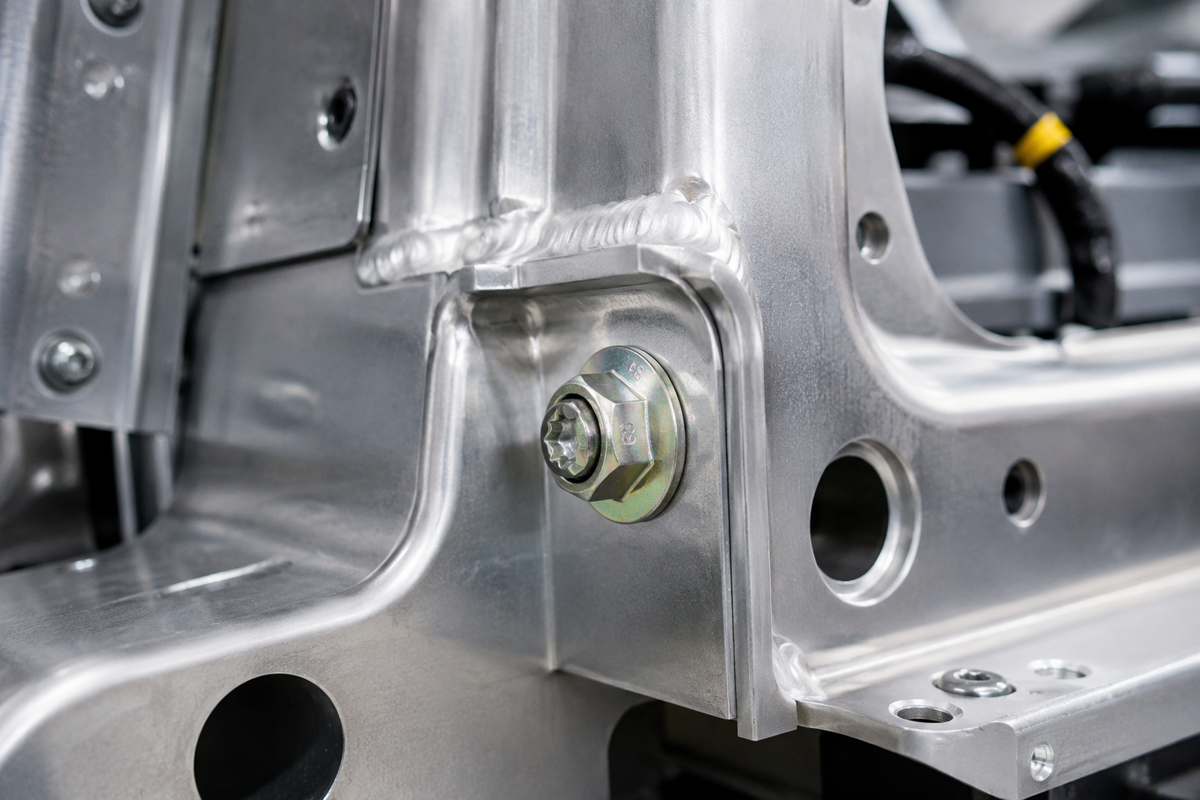
1. Why Steel–Aluminum Joints Corrode: The Galvanic Cell Effect
When steel and aluminum are in contact in the presence of an electrolyte (rainwater, humidity, or de-icing salt solutions), an electrochemical reaction forms a galvanic corrosion cell.
Key electrochemical principle:
Aluminum potential: -1.66 V (Al³⁺/Al)
Iron potential: -0.44 V (Fe²⁺/Fe)
Because aluminum has a much lower (more active) electrochemical potential, it becomes the anode, while steel becomes the cathode.
Result:
Aluminum = sacrificial material (corrodes)
Steel = protected material
The role of chloride ions (Cl⁻)
Chloride ions are found in rainwater and road salt:
Penetrate oxide layers on aluminum
Increase electrolyte conductivity
Accelerate electrochemical reaction speed
Destroy protective aluminum oxide films
Even though aluminum naturally forms a passive Al₂O₃ layer, this protection collapses in steel–aluminum contact environments exposed to chloride ions.
Electrochemical clarification (engineering note)
Anode: oxidation occurs (electron loss)
Cathode: reduction occurs (electron gain)
In galvanic couples:
Aluminum = anode (negative electrode in discharge behavior)
Steel = cathode (positive electrode in discharge behavior)
This distinction is critical in corrosion engineering and cannot be ignored in automotive joint design.
2. Real-World Validation: 9 Material Combinations Under Salt Spray Testing
A full-scale corrosion simulation was conducted on steel–aluminum hybrid joint structures that reflect real automotive body-in-white configurations.
Test configuration
Steel sheets:
Electrocoated high-strength steel (HC340/590DP, ~20 μm e-coat)
Bare high-strength steel (HC340/590DP)
Zn–Al–Mg coated steel (DX56D+ZM)
Aluminum base material:
6082 aluminum alloy (commonly used in automotive structures)
Fastening systems tested:
Zinc-plated steel bolts + washers
Stainless steel blind rivets (AISI 304)
Zinc–nickel / Dacromet-coated structural rivets
Test conditions:
480 hours continuous salt spray exposure
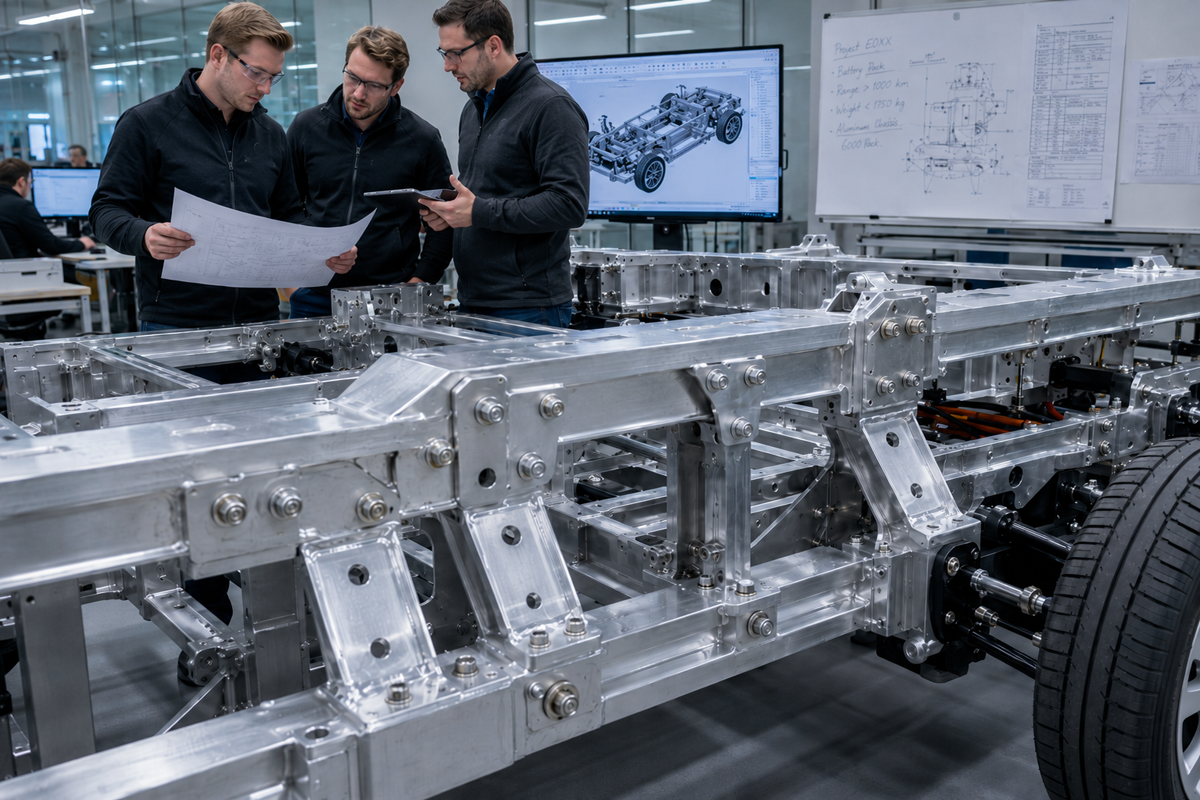
3. Test Results: Corrosion Behavior in Steel–Aluminum Assemblies
3.1 Steel corrosion performance ranking
Electrocoated steel (best performance)
No red rust
Stable coating integrity
Fully isolates electrolyte contact
Zn–Al–Mg coated steel
Minor white rust only
Excellent sacrificial protection behavior
Bare steel (worst performance)
Severe red rust after ~144 hours
Structural degradation after 480 hours
3.2 Aluminum alloy: the weakest link in the system
Across all test configurations, aluminum showed the highest corrosion severity.
Key observation:
Corrosion at the steel–aluminum interface is significantly worse than on exposed surfaces.
Why is interface corrosion more severe:
Micro-gaps trap electrolyte solution
Chloride ions remain concentrated in confined zones
Galvanic current is continuously sustained
The aluminum oxide layer is repeatedly broken down
Typical failure zones:
Bolt contact interfaces
Lap joint edges
Sealed overlap regions
Crevice zones between dissimilar metals
These areas act as localized corrosion hotspots, accelerating material degradation.
3.3 Fastener corrosion performance ranking
Stainless steel blind rivets (AISI 304) – best performance
Minimal white rust
Localized only at the aluminum contact interface
Zn–Ni / Dacromet-coated rivets
Good overall protection
Performance variability due to coating damage during installation
Zinc-plated steel bolts – weakest performance
Extensive white rust on exposed surfaces
Moderate red rust on substrate over time
4. Engineering Conclusion: Aluminum is the Critical Failure Point
A key finding from this study challenges a common industry assumption:
Corrosion protection efforts should prioritize aluminum rather than steel or fasteners.
Why is aluminum the dominant failure material?
Steel is typically coated (electrophoretic paint or Zn–Al–Mg coating)
Fasteners have multiple corrosion protection options (Zn plating, Zn–Ni, stainless steel)
Aluminum body panels often have limited or no dedicated corrosion protection in joint zones
As a result, aluminum becomes the primary site of corrosion initiation in mixed-metal assemblies.
5. Engineering Design Principles for Steel–Aluminum Corrosion Control
5.1 Prioritize aluminum surface protection
Uncoated aluminum in steel–aluminum joints will inevitably corrode.
Recommended solutions:
Conversion coating (chromate-free pretreatments)
Anodizing for structural aluminum parts
Organic coating systems in joint zones
5.2 Eliminate crevice geometry
Crevice corrosion is one of the most aggressive failure modes.
Design strategies:
Improve joint sealing
Avoid micro-gap retention zones
Use structural adhesives or sealing compounds
Optimize flange contact pressure distribution
5.3 Match fastener material to steel coating system
Correct pairing significantly improves durability:
E-coated steel → compatible with multiple fastener systems
Zn–Al–Mg steel → performs best with Zn–Ni or Dacromet fasteners
Bare steel → requires high-grade corrosion protection fasteners or must be avoided in critical joints
5.4 Control galvanic coupling severity
To reduce the electrochemical driving force:
Use insulating washers or coatings
Apply barrier layers between dissimilar metals
Reduce exposed conductive interface area
5.5 Seal the joint system
Moisture ingress is the root cause of corrosion.
Effective sealing methods:
Structural adhesive bonding
Edge sealing compounds
Overlap sealing in BIW joints
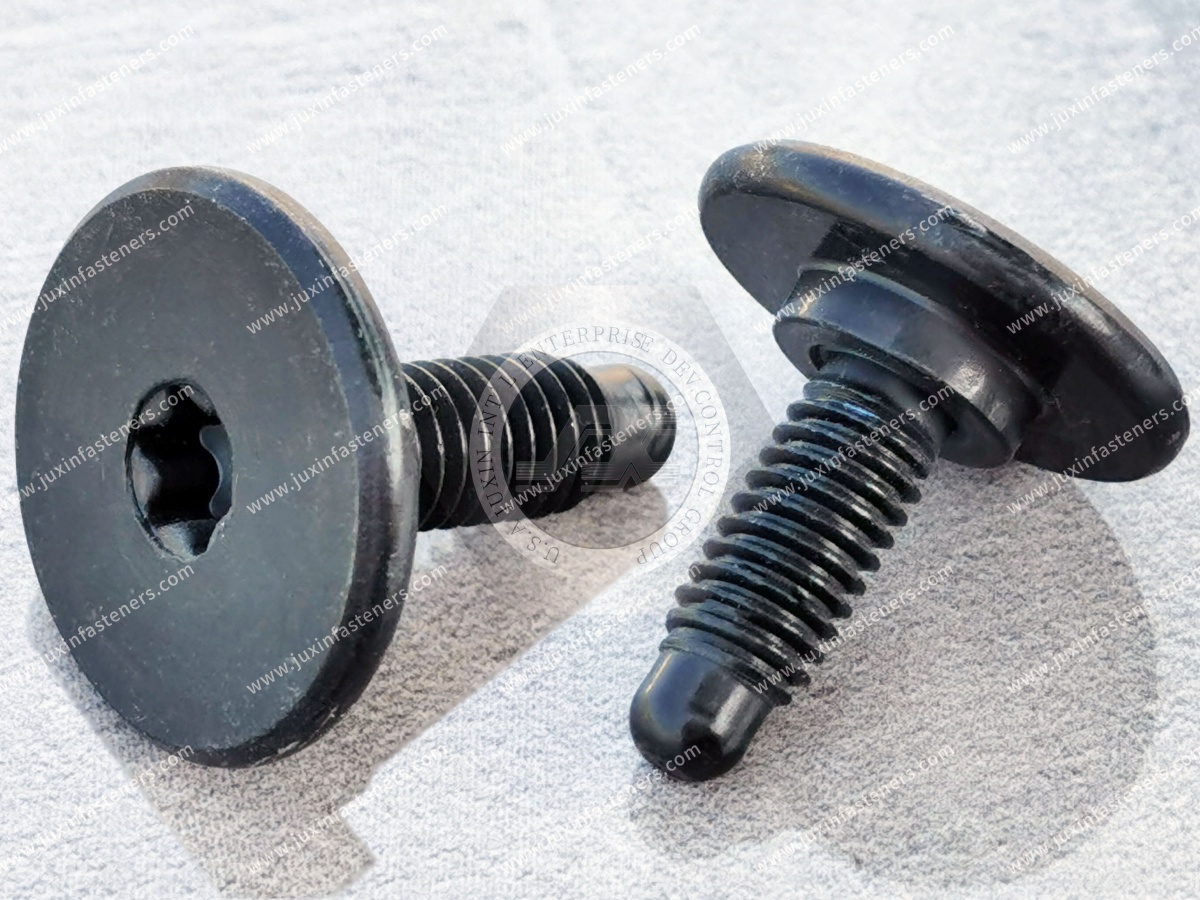
6. Strategic Insight: Lightweight Vehicles Depend on Corrosion Engineering
Steel–aluminum hybrid bodies are now a global standard in:
Electric vehicles
Lightweight platforms
Structural battery enclosures
Crash-optimized BIW architectures
However, corrosion is not a material limitation—it is a system design challenge.
The key takeaway:
Successful steel–aluminum joining is not about choosing stronger materials but about controlling the electrochemical environment.
Conclusion
Steel–aluminum body structures will continue to dominate automotive lightweight design. However, galvanic corrosion remains an unavoidable physical phenomenon driven by electrochemical potential differences.
The solution is not material replacement, but:
Aluminum surface engineering
Crevice control design
Fastener system optimization
Electrochemical isolation strategies
In modern automotive engineering, corrosion resistance is no longer a material property—it is a system-level design discipline.
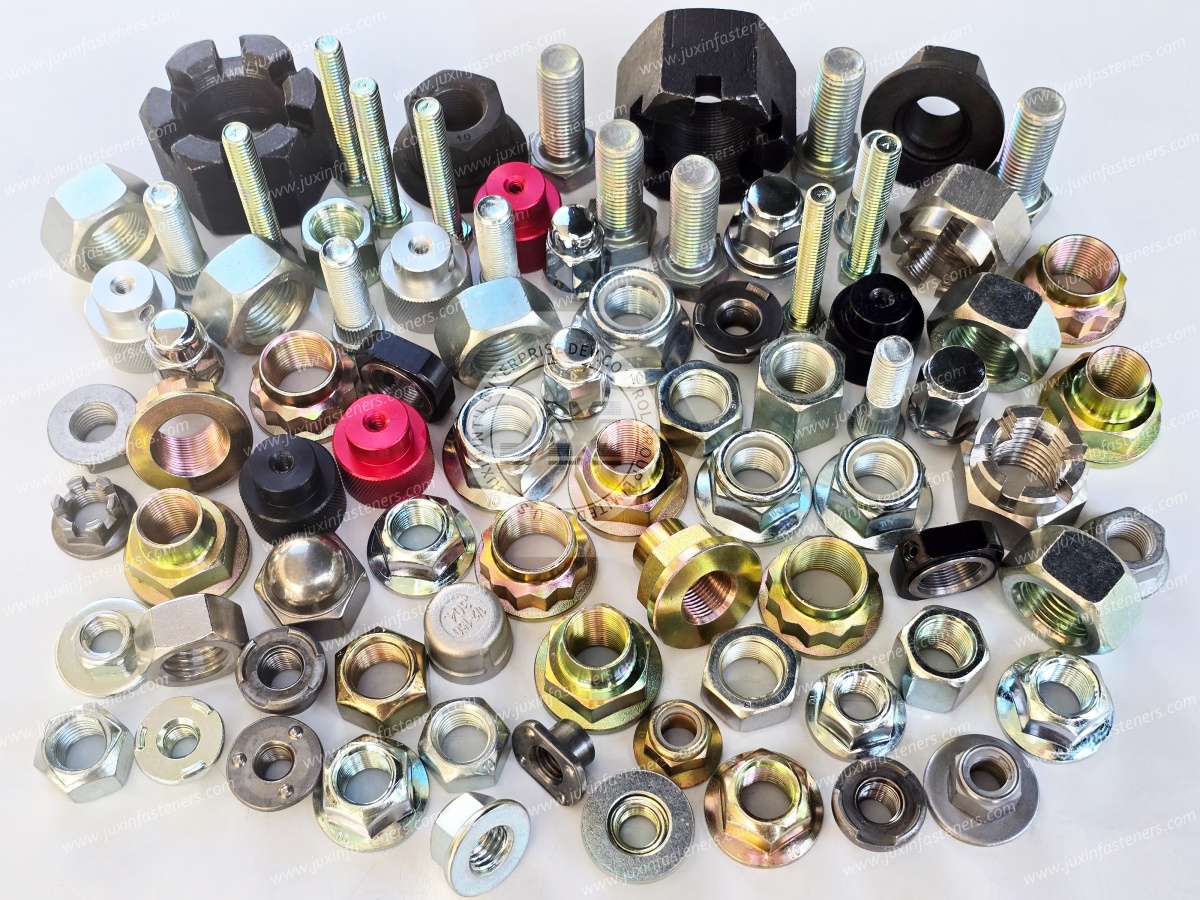
 MORE NEWS
Sep. 27, 2026
Sep. 27, 2026
Sep. 27, 2026
Contact Us
Tel.:
+86 020 8621 0320
+86 020 3121 6067
E-mail:
Technical Support:
Navigation
SEND INQUIREY