
Call Us
+86 136 6007 9809
Call Us
+86 136 6007 9809

Apr. 08, 2026
Overview of Automotive High-Strength Fastening Systems
In modern vehicle engineering, high-strength automotive bolts and nuts are critical components that ensure the structural integrity of key assemblies, such as engines, chassis, and suspension systems. These high-strength fasteners are designed to withstand extreme tensile loads, shear forces, and dynamic vibration, making them essential for long-term vehicle safety and durability.
At JUXIN FASTENERS, we provide engineered fastening solutions that meet the demanding requirements of OEM manufacturers, Tier 1 suppliers, and automotive engineers. Our high-strength automotive bolts and nuts are optimized for torque control, preload accuracy, and anti-loosening performance, ensuring reliable connections in complex operating environments.
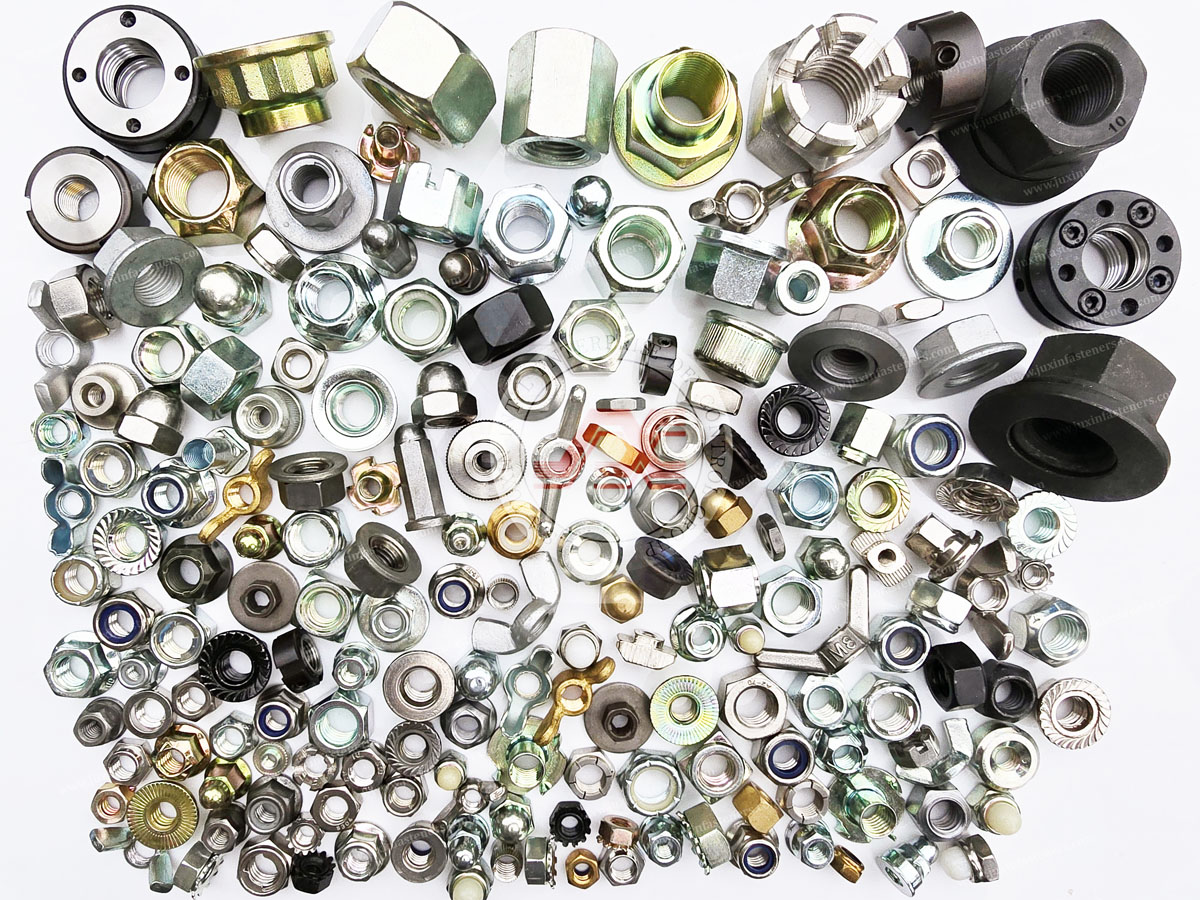
Key Applications of High-Strength Bolts & Nuts in Automotive Systems
Our automotive fastening solutions are widely used in critical load-bearing and safety-related applications, including:
1. Engine Block Assembly
High-strength bolts are used to secure engine components where precise preload and thermal stability are essential. Proper fastening ensures sealing performance and prevents loosening under high temperatures and cyclic loads.
2. Chassis and Suspension Mounting
In chassis systems, high-strength nuts and bolts must endure continuous vibration and impact loads. Reliable fastening is crucial to maintaining vehicle stability, ride comfort, and safety.
3. Transmission and Drivetrain Components
Fasteners used in drivetrain assemblies must resist torque fluctuations and rotational forces, ensuring consistent power transmission without joint failure.
Engineering Insight: Torque Control & Preload Optimization
Achieving the correct bolt preload is fundamental to ensuring joint integrity. However, direct measurement of axial preload is complex in mass production. Therefore, torque-controlled tightening remains the most practical and widely used method.
Approximately 90% of tightening torque is consumed by friction (thread and bearing surface)
Only 10% contributes to effective clamping force
This highlights the importance of controlling the coefficient of friction, which is influenced by:
Surface coatings (e.g., zinc plating, passivation)
Lubrication conditions
Surface roughness of mating components
Maintaining a stable and consistent friction coefficient ensures that the preload remains within the designed range, improving fastening reliability.
Advanced Anti-Loosening Technologies for Automotive Fasteners
Traditional anti-loosening methods often fail under high-frequency vibration and complex load conditions. Modern automotive applications require structural anti-loosening solutions that deliver long-term performance.
1. Optimized Bolt Head & Flange Design
Hex flange bolts provide a larger bearing surface and improved friction stability
Integrated flange design reduces the need for additional washers
Enhanced resistance to loosening under dynamic loads
2. Structural Anti-Loosening Fastener Design
Bolts with serrated or toothed bearing surfaces embed into mating materials, preventing rotation
Use of long bolts with sleeves or thick washers increases joint elasticity and stability
3. High-Performance Anti-Loosening Nuts
Advanced designs such as wedge-locking nuts (30° wedge technology) effectively prevent loosening in suspension systems
Suitable for high-vibration automotive environments
4. Innovative Patented Fastening Solutions
Integrated anti-loosening + buffering mechanisms
Features such as spring-loaded structures absorb vibration energy and reduce stress concentration
Improve fatigue resistance and extend service life
5. Auxiliary Locking Methods
To further enhance fastening security, additional methods can be applied:
Locking plates and cotter pins
Double nut systems
Safety wire locking
Thread-locking adhesives (microencapsulated)
These solutions increase friction and prevent relative rotation between fastener components.

Systematic Anti-Loosening Strategy & Maintenance
Ensuring long-term performance of automotive high-strength bolts and nuts requires a system-level engineering approach:
1. Preventing Elastic Relaxation
Elastic relaxation is a primary cause of bolt loosening. To mitigate this:
Perform compensatory re-tightening after initial operation
Regularly inspect critical joints (e.g., suspension U-bolts)
2. Surface Treatment Optimization
Surface finishing plays a key role in both friction control and corrosion resistance:
Select appropriate coatings based on application requirements
Minimize friction coefficient variation to maintain preload consistency
3. Combined Anti-Loosening Measures
A hybrid approach improves reliability:
Use conical or serrated washers with spring washers
Combine structural and chemical locking methods
Design redundancy for safety-critical joints
Why Choose JUXIN Automotive Fastening Solutions?
21+ years of manufacturing expertise in industrial fasteners
Full range of high-strength automotive bolts and nuts
Custom-engineered solutions for engine, chassis, and suspension systems
Strict quality control for torque consistency and preload accuracy
Compliance with international automotive standards
Conclusion
The application of automotive high-strength bolts and nuts is not just about selecting a fastener—it is a comprehensive engineering solution. From torque control and preload calculation to advanced anti-loosening design and maintenance strategies, every step plays a crucial role in ensuring vehicle safety, durability, and performance.
By integrating innovative fastener design, precise assembly processes, and systematic anti-loosening technologies, JUXIN FASTENERS delivers reliable and high-performance fastening solutions for modern automotive manufacturing.
 MORE NEWS
Jun. 02, 2026
Contact Us
Tel.:
+86 020 8621 0320
+86 020 3121 6067
E-mail:
Technical Support:
Navigation
SEND INQUIREY