
Call Us
+86 136 6007 9809
Call Us
+86 136 6007 9809

Jun. 02, 2026
High-Speed Rail Structural Fasteners Engineering Guide
Advanced Fastening Solutions for High-Speed Rail Safety and Reliability
As high-speed rail networks continue to expand worldwide, engineering requirements for structural fastening systems have become increasingly demanding. Modern high-speed trains routinely operate at speeds exceeding 250 km/h, exposing critical assemblies to continuous vibration, aerodynamic forces, thermal cycling, and long-term fatigue loading.
Structural fasteners are essential components that ensure the safety, stability, and operational reliability of high-speed rail vehicles. From bogie assemblies and traction systems to car body structures and safety-critical joints, properly engineered railway fasteners directly impact vehicle performance, maintenance costs, and service life.
At JUXIN FASTENERS, we provide high-performance structural fastening solutions specifically designed for rail transit and high-speed railway applications, helping manufacturers and engineering teams achieve superior reliability under extreme operating conditions.
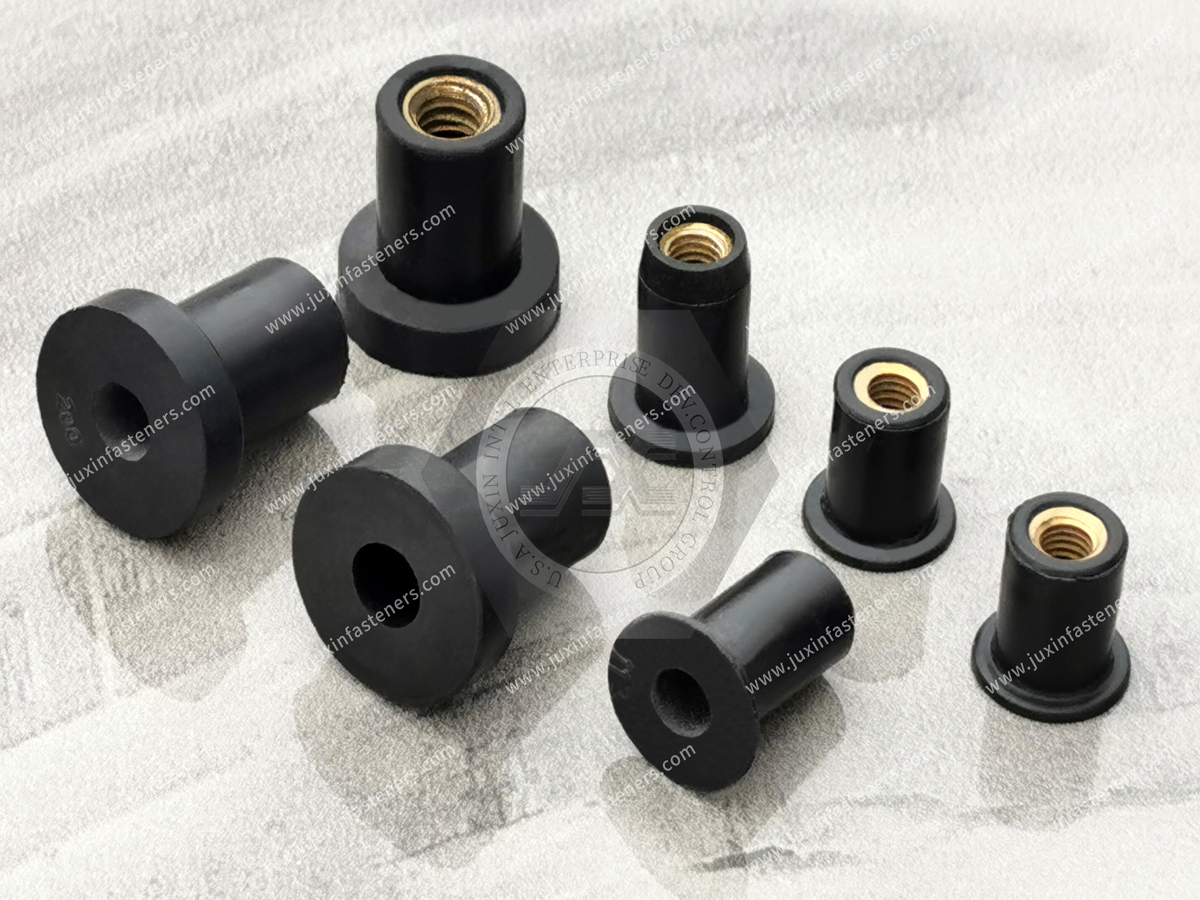
Why Structural Fasteners Are Critical in High-Speed Rail Systems
Unlike conventional transportation equipment, high-speed trains operate in an environment where dynamic forces continuously act on structural connections.
Railway structural fasteners must withstand:
High-frequency vibration
Continuous cyclic loading
Aerodynamic pressure fluctuations
Thermal expansion and contraction
Shock loads from track irregularities
Long-term fatigue stress
Failure of a single critical fastening point can compromise safety, vehicle performance, and operational reliability. Therefore, high-speed rail fastener engineering requires significantly higher standards than traditional industrial fastening applications.
Key Applications of Structural Fasteners in High-Speed Rail
Bogie Assemblies
The bogie is one of the most heavily loaded systems in a high-speed train.
Structural bolts and locking fasteners are widely used for:
Bogie frame connections
Wheelset assemblies
Axle box mounting
Suspension attachment points
Brake support structures
These components must maintain preload integrity under millions of vibration cycles throughout their service life.
Car Body Structures
Modern rail vehicle bodies utilize lightweight construction technologies while maintaining exceptional structural strength.
Railway structural fasteners are used in:
Sidewall assemblies
Roof structures
Underframe systems
End car structures
Equipment mounting interfaces
Advanced fastening systems help manufacturers achieve weight reduction without compromising safety or durability.
Traction Systems
High-speed rail traction systems generate substantial vibration and mechanical loading during operation.
Fastening solutions are required for:
Traction motor mounting
Gearbox assemblies
Power electronics enclosures
Converter systems
Auxiliary power units
High-strength structural bolts and anti-loosening fasteners are commonly selected for these demanding applications.
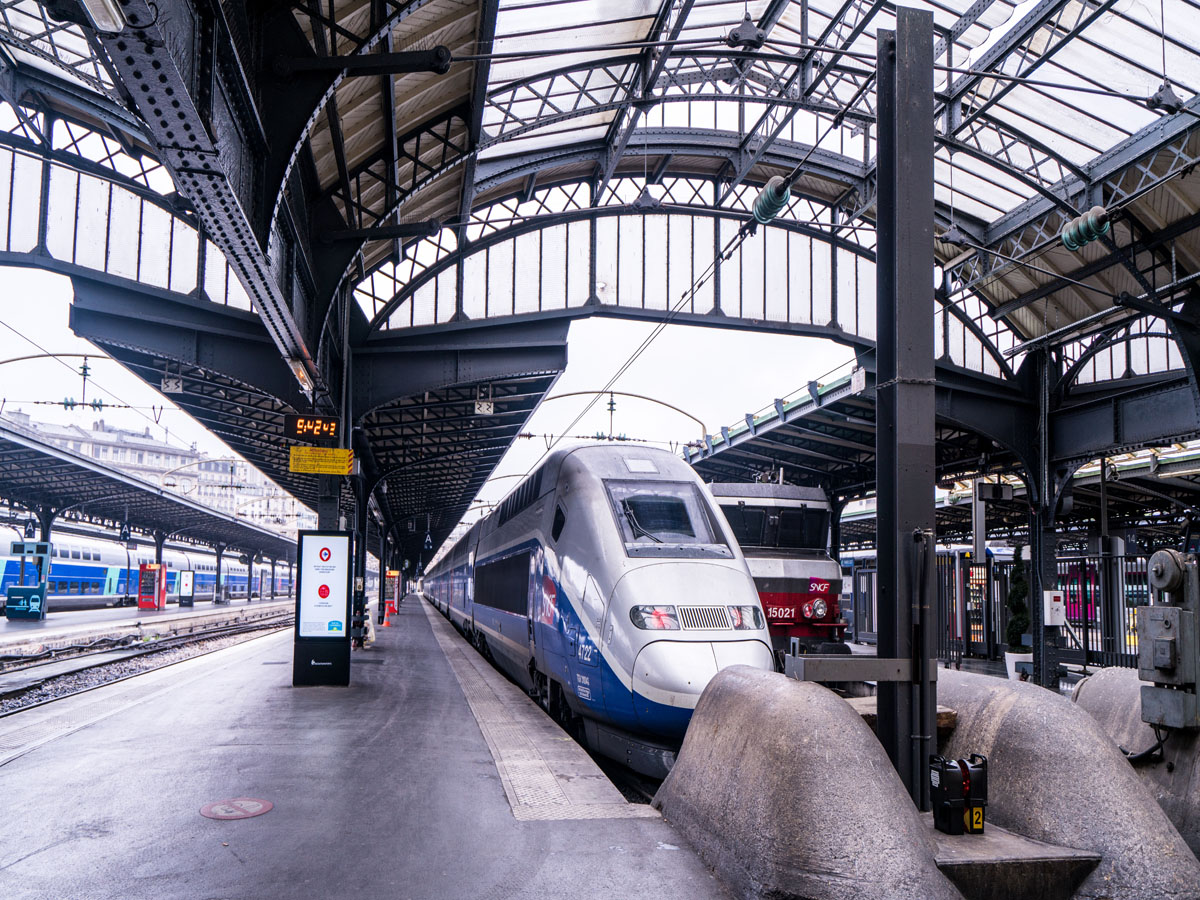
Suspension Components
Passenger comfort and operational stability depend heavily on suspension performance.
Critical fastening points include:
Primary suspension systems
Secondary suspension systems
Dampers
Air spring assemblies
Stabilizer components
These joints require secure preload retention despite constant dynamic loading.
Brake Systems
Railway braking systems are among the most safety-critical applications in train engineering.
Structural fasteners secure:
Brake calipers
Brake discs
Actuation systems
Mounting brackets
Safety protection assemblies
Reliable fastening performance is essential for maintaining braking effectiveness throughout the train's operational lifecycle.
Safety-Critical Structural Joints
Numerous connections throughout the rail vehicle are classified as safety-critical.
Examples include:
Crash energy management structures
Coupler mounting systems
Emergency equipment supports
Structural reinforcement points
Passenger safety systems
These applications demand strict quality control, traceability, and engineering validation.
Engineering Challenges in High-Speed Rail Fastening
Continuous High-Frequency Vibration
At operating speeds above 250 km/h, rail vehicles experience constant vibration that can gradually reduce fastener preload.
Without proper anti-loosening technology, vibration-induced loosening may lead to:
Reduced clamping force
Component movement
Fatigue damage
Increased maintenance requirements
Aerodynamic Loads
High-speed trains generate significant aerodynamic pressure changes, especially around:
Roof assemblies
Pantograph systems
Equipment enclosures
Exterior body panels
Structural fasteners must maintain joint integrity under fluctuating pressure conditions.
Thermal Expansion and Contraction
Rail vehicles operate across a wide range of environmental temperatures.
Repeated thermal cycling creates:
Joint movement
Differential expansion
Stress concentration
Potential preload loss
Fastener systems must accommodate these effects while maintaining long-term reliability.
Cyclic Fatigue Loading
Millions of loading cycles occur throughout the service life of a train.
Fatigue-resistant fastener design is essential to prevent:
Crack initiation
Structural degradation
Unexpected failures
Increased maintenance costs
Shock Impact Forces
Track transitions, switches, crossings, and irregularities introduce shock loads into vehicle structures.
Railway fastening systems must absorb these dynamic forces without compromising the security of the connections.
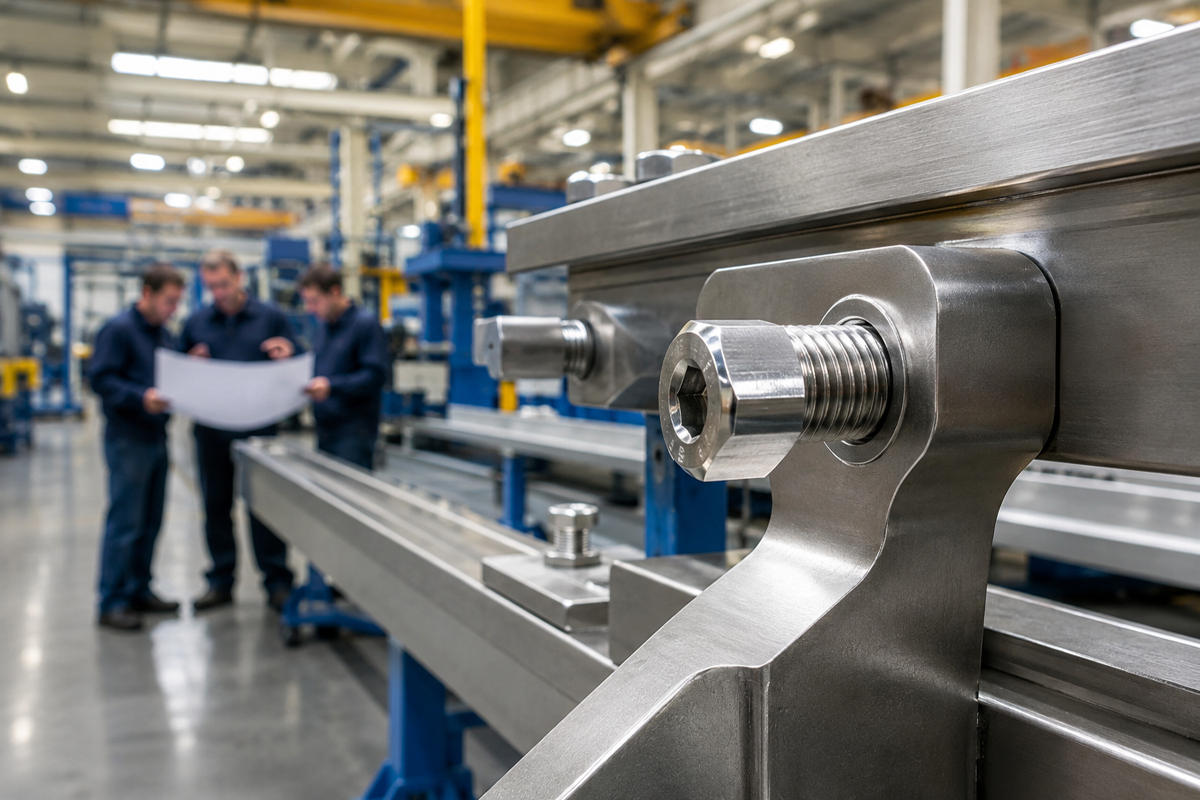
Recommended Fastener Systems for High-Speed Rail Applications
Structural Bolts
High-strength structural bolts serve as the primary load-bearing fasteners in railway assemblies.
Advantages include:
High tensile strength
Excellent fatigue resistance
Reliable preload performance
Long service life
Applications include bogies, traction systems, and car body structures.
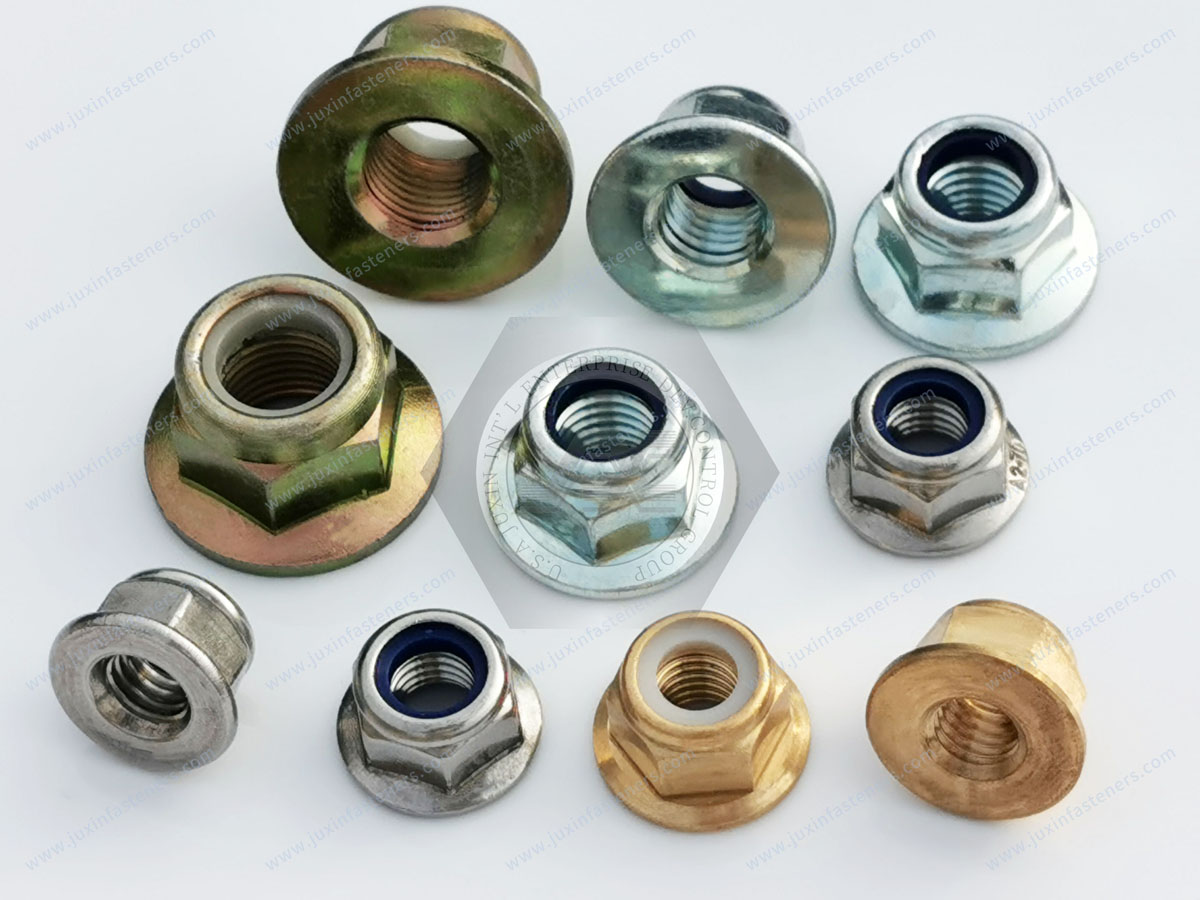
Locking Nuts
Locking nuts provide additional protection against vibration-induced loosening.
Benefits include:
Enhanced joint security
Reduced maintenance frequency
Improved operational reliability
Long-term preload retention
Widely used in safety-critical railway assemblies.
Anti-Loosening Fastener Systems
Modern anti-loosening technologies are increasingly required in high-speed rail applications.
Common solutions include:
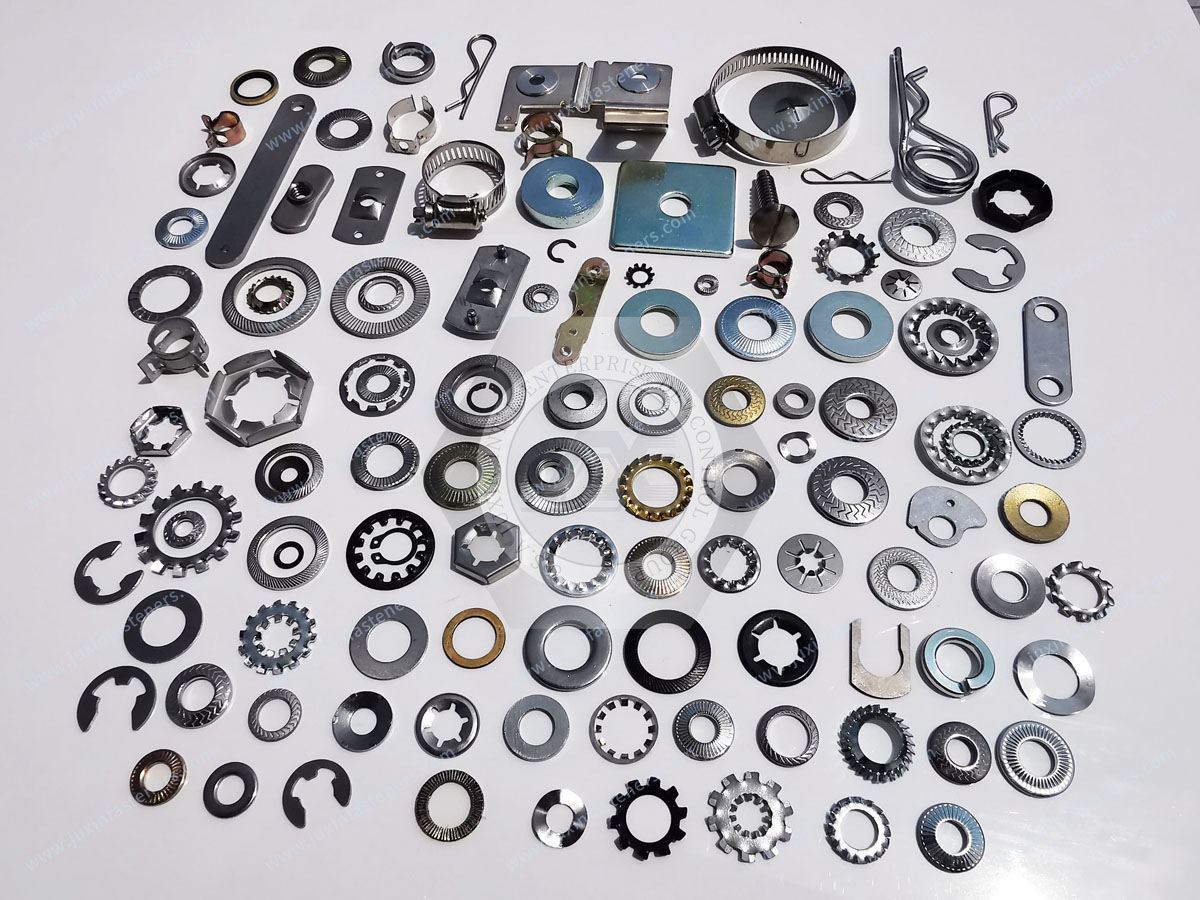
Prevailing torque nuts
Mechanical locking systems
Wedge-lock washers
Double-nut assemblies
Thread-locking technologies
These systems significantly improve vibration resistance and joint stability.
Thread Reinforcement Systems
As rail vehicle manufacturers increasingly adopt lightweight materials such as aluminum alloys, thread reinforcement technologies become essential.
Applications include:
Aluminum structural members
Composite assemblies
Thin-wall structures
Lightweight equipment housings
Thread inserts and reinforcement systems improve load distribution and extend service life.
Material Selection for Railway Structural Fasteners
Grade 8.8 Alloy Steel Fasteners
Suitable for general structural railway applications requiring reliable strength and cost efficiency.
Grade 10.9 Alloy Steel Fasteners
Provide higher load-bearing capability for demanding railway assemblies subjected to dynamic loading.
Grade 12.9 Alloy Steel Fasteners
Designed for highly stressed applications requiring maximum strength and fatigue resistance.
304 Stainless Steel Fasteners
Commonly used in:
Interior rail systems
Passenger compartment assemblies
Equipment enclosures
Offering excellent corrosion resistance and appearance.
316L Stainless Steel Fasteners
Recommended for:
Coastal environments
Tunnel systems
Outdoor railway infrastructure
Harsh operating conditions
Providing superior corrosion protection and long-term durability.
Future Trends in High-Speed Rail Fastening Engineering
Smart Torque Monitoring Systems
Digital fastening technologies allow engineers to verify installation quality and monitor preload conditions throughout service life.
Digital Assembly Traceability
Advanced manufacturing systems increasingly require full fastener traceability from production through installation and maintenance.
Predictive Maintenance Integration
Data-driven maintenance programs help identify potential fastening issues before failures occur.
Lightweight Structural Optimization
As rail vehicle manufacturers pursue further weight reduction, advanced fastening technologies will play a key role in structural efficiency.
Lifecycle-Based Fastener Management
Future railway engineering practices will increasingly focus on total lifecycle performance rather than initial component cost alone.
Why Choose JUXIN FASTENERS for High-Speed Rail Applications
With more than 23 years of manufacturing expertise, JUXIN FASTENERS supplies railway fasteners engineered for demanding structural and safety-critical applications.
Our product range includes:
High-strength structural bolts
Locking nuts
Anti-loosening fasteners
Stainless steel fasteners
Thread reinforcement systems
Custom railway fastening solutions
Rail transit structural connection systems
We support railway OEMs, rolling stock manufacturers, maintenance organizations, and engineering contractors with reliable fastening technologies designed to meet the challenges of modern high-speed rail systems.
Related Rail Transit Fastening Solutions
Explore additional railway fastening resources:
Rail Transit Fastener Solutions
Anti-Loosening Fasteners for Railway Systems
Stainless Steel Screws in Rail Transit
Rivet Nuts for Rail Applications
Weld Stud Solutions for Railway Equipment
Blind Rivet Systems for Rail Vehicle Structures
Electrical Grounding Fasteners for Rail Systems
Contact JUXIN FASTENERS
Looking for reliable structural fasteners for high-speed rail projects?
Our engineering team can assist with fastener selection, vibration-resistant fastening systems, material recommendations, and customized railway fastening solutions tailored to your specific application requirements.
Contact JUXIN FASTENERS today to discuss your high-speed rail fastening project.
 MORE NEWS
Sep. 27, 2026
Sep. 27, 2026
Sep. 27, 2026
Contact Us
Tel.:
+86 020 8621 0320
+86 020 3121 6067
E-mail:
Technical Support:
Navigation
SEND INQUIREY