
Call Us
+86 136 6007 9809
Call Us
+86 136 6007 9809

Mar. 29, 2026
Blind Rivet Nut Selection Guide for Sheet Metal Applications
Introduction
Blind rivet nuts are widely used in modern manufacturing to create strong internal threads in thin materials where conventional tapping or welding is not practical. They provide a reliable fastening solution for sheet metal assemblies, aluminum structures, plastic housings, and hollow sections.
Industries such as automotive manufacturing, electrical equipment production, and electric vehicle battery systems rely heavily on blind rivet nuts to achieve secure mechanical connections while maintaining efficient assembly processes.
For design engineers and manufacturers, selecting the correct blind rivet nut is essential for ensuring structural strength, durability, and long-term reliability. Several factors must be considered during the selection process, including material thickness, grip range, material type, and application requirements.
This guide explains how to choose the right blind rivet nut for your application.
Understanding Blind Rivet Nuts
A blind rivet nut is a threaded insert installed from one side of the workpiece. During installation, a specialized rivet nut tool pulls the threaded section of the insert, causing the unthreaded portion to collapse and form a bulge on the backside of the material.
This deformation securely clamps the rivet nut to the base material and forms a durable internal thread that accepts machine screws or bolts.
Key advantages include:
Installation from one side of the workpiece
Strong threads in thin sheet materials
No need for welding or tapping
Suitable for automated assembly lines
Compatible with aluminum, steel, stainless steel, and plastics
Because of these benefits, blind rivet nuts have become a standard fastening solution in many industrial applications.
Measuring Parent Material Thickness
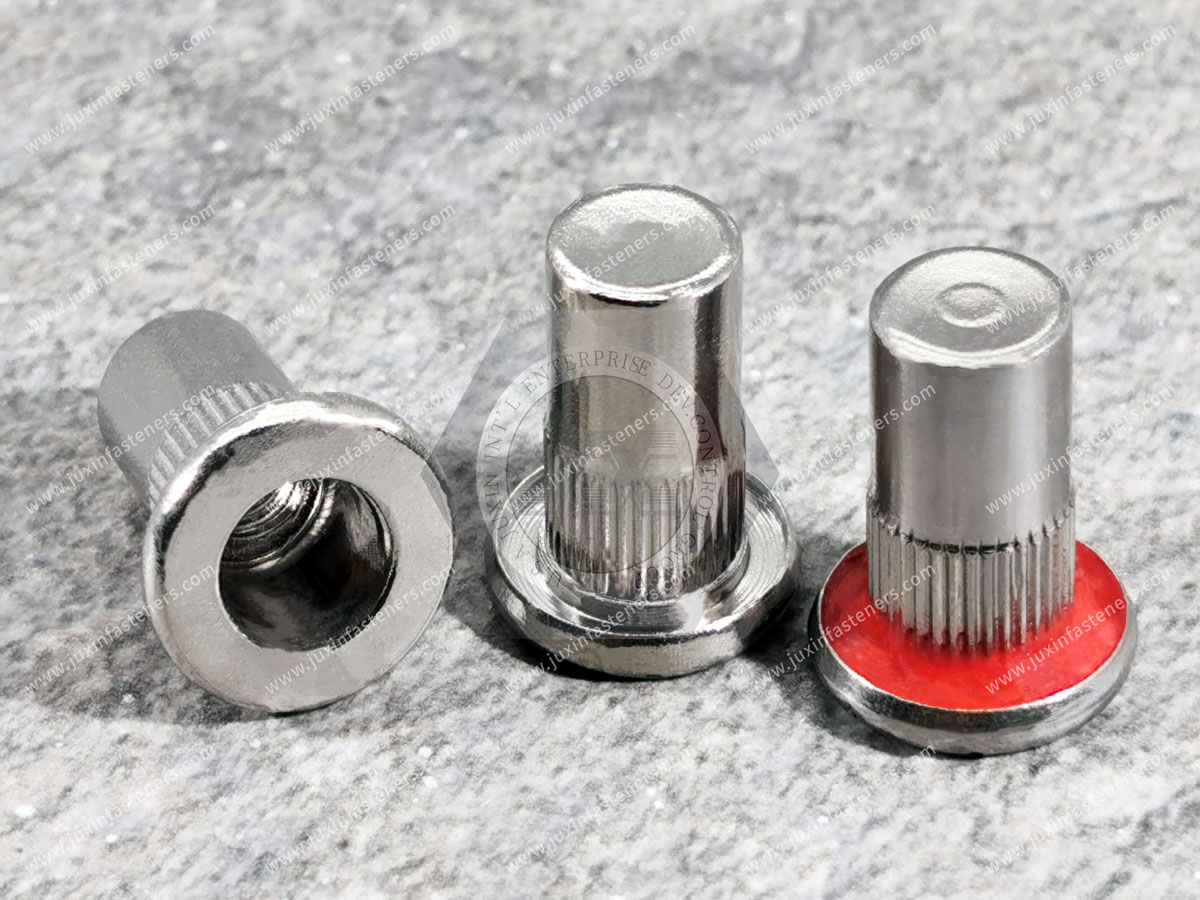
The first step in selecting a blind rivet nut is determining the thickness of the base material, often referred to as the parent material.
Each blind rivet nut is designed to operate within a specific grip range, which indicates the minimum and maximum material thickness the insert can properly clamp.
If the parent material thickness falls outside this range, the rivet nut may not form correctly during installation. This could lead to issues such as insufficient clamping force, spinning inserts, or reduced pull-out strength.
For example:
Rivet Nut Size | Grip Range |
M4 | 0.5 – 2.5 mm |
M6 | 1.0 – 4.0 mm |
M8 | 1.5 – 5.0 mm |
Always verify that the workpiece thickness falls within the recommended grip range before selecting the insert.
Choosing the Correct Grip Length
In some cases, engineers may have two rivet nut options that both fall within the allowable tolerance range.
When this happens, the shorter rivet nut is usually the preferred option, especially when the workpiece structure is complex or space is limited.
Shorter inserts offer several advantages:
Easier installation
Reduced deformation stress
Lower risk of material distortion
Improved compatibility with automated assembly equipment
However, if the base material is particularly soft or thin, a longer grip range may help distribute the load over a larger surface area.
Selecting the Right Rivet Nut Material
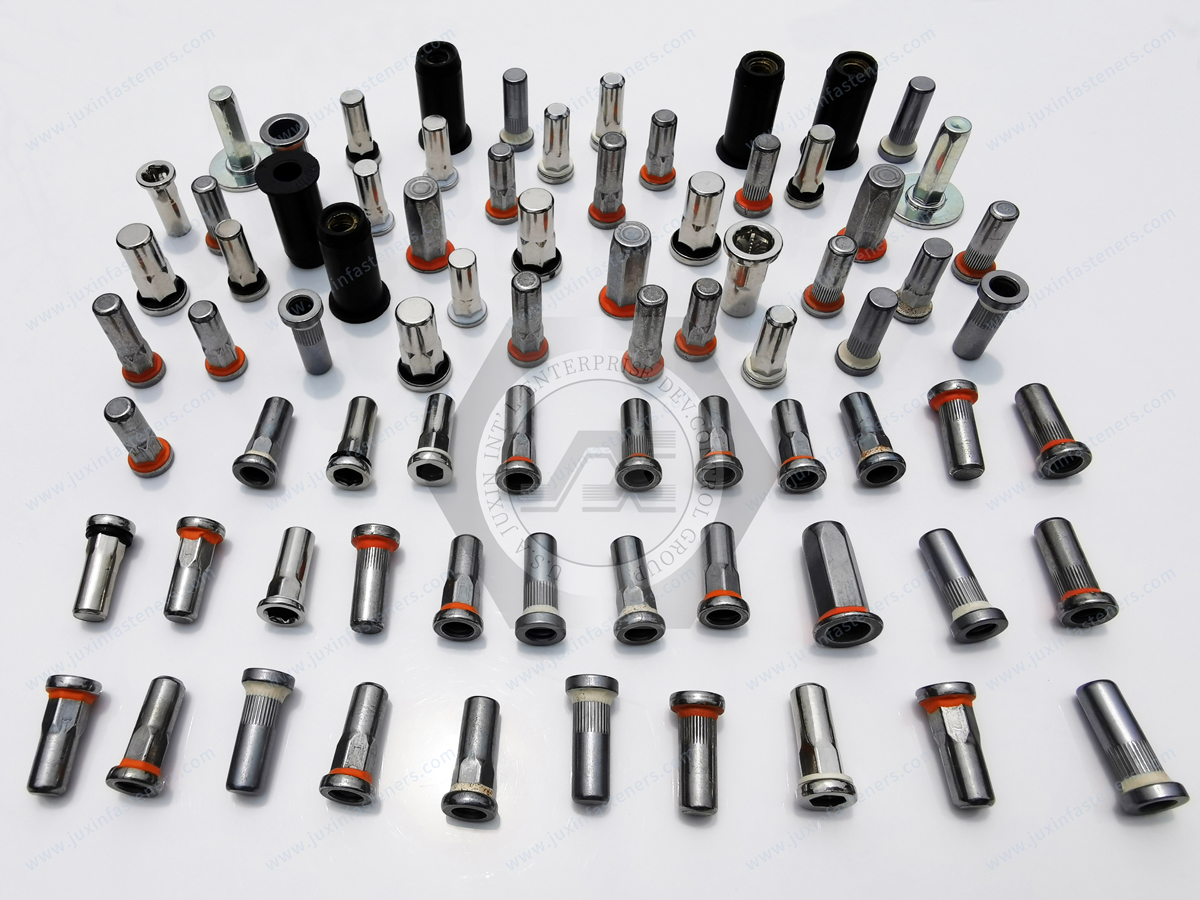
Blind rivet nuts are typically manufactured in three primary materials:
Carbon Steel
Aluminum
Stainless Steel
The correct material choice depends on the mechanical strength required and the environmental conditions of the application.
Steel Rivet Nuts
Steel rivet nuts provide the highest mechanical strength and are widely used in automotive and industrial equipment.
Advantages:
High load capacity
Excellent thread strength
Cost-effective solution for structural assemblies
They are commonly used in sheet metal fabrication, machinery manufacturing, and automotive body structures.
Aluminum Rivet Nuts
Aluminum rivet nuts are lightweight and corrosion-resistant.
Advantages include:
Lower installation force
Reduced weight
Good corrosion resistance
They are often used in lightweight structures, electronic housings, and aerospace components.
Stainless Steel Rivet Nuts
Stainless steel rivet nuts offer superior corrosion resistance and durability.
These inserts are suitable for:
Marine environments
Food processing equipment
Medical devices
Outdoor electrical enclosures
Stainless steel rivet nuts are commonly used when long-term corrosion resistance is required.
Slotted Body Rivet Nuts for High Pull-Out Strength
For applications involving plastic components, thin sheet metal, or hollow profiles, slotted body blind rivet nuts provide significant advantages.
These inserts are designed with a slotted shank that expands into multiple segments during installation.
When installed, the shank splits into four sections that form petal-shaped legs behind the material.
This design creates a much larger contact area on the blind side of the workpiece.
Benefits include:
Extremely high pull-out resistance
Larger clamping surface area
Reduced stress on weak materials
Improved stability in soft substrates
Because of these characteristics, slotted rivet nuts are widely used in plastic components and lightweight structures.
Sealed Rivet Nuts for Leak-Proof Assemblies
In applications where sealing is critical, such as automotive battery packs or electronic enclosures, sealed rivet nuts provide additional protection.
These inserts incorporate integrated sealing features that prevent liquids, dust, or gases from entering the assembly.
Sealed rivet nuts are particularly valuable in applications requiring environmental protection ratings such as IP67.
They ensure:
Fluid tightness
Dust protection
Long-term reliability in harsh environments
These sealing solutions are widely used in electric vehicle battery enclosures.
Blind Rivet Nuts in Electric Vehicle Battery Systems
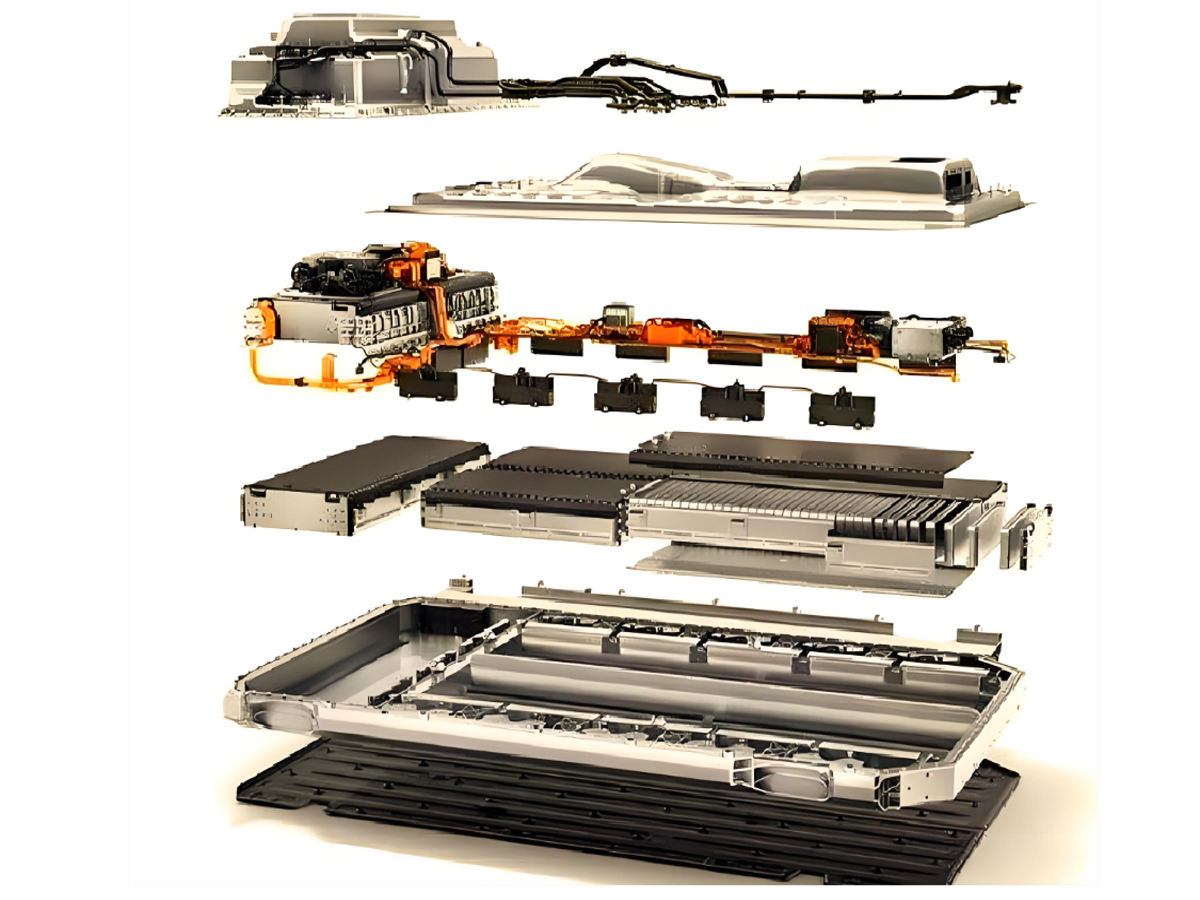
Electric vehicle battery packs require extremely reliable fastening solutions. The battery housing must maintain structural integrity while also preventing moisture intrusion.
Blind rivet nuts play an important role in these assemblies.
They are used to attach:
Battery module frames
Cooling system components
Protective covers
Structural brackets
In EV battery systems, leak testing is often performed to ensure safety and durability.
Fastening points must meet strict sealing requirements to comply with protection standards such as IP67, which ensures protection against dust and temporary immersion in water.
Sealed rivet nut technologies help manufacturers achieve these standards while maintaining efficient assembly processes.
Installation Considerations
Proper installation is essential for achieving optimal performance.
Important installation factors include:
Correct hole diameter
Proper installation tool selection
Controlled installation force
Correct grip range selection
Modern production lines often use automated rivet nut installation equipment to ensure consistent results.
Regular quality checks, including torque testing and pull-out testing, help verify installation integrity.
Conclusion
Blind rivet nuts provide an efficient and reliable method for creating strong internal threads in thin materials. By carefully selecting the correct grip range, material type, and insert design, engineers can achieve durable fastening solutions for a wide range of industrial applications.
From sheet metal fabrication to electric vehicle battery systems, blind rivet nuts continue to play a vital role in modern manufacturing.
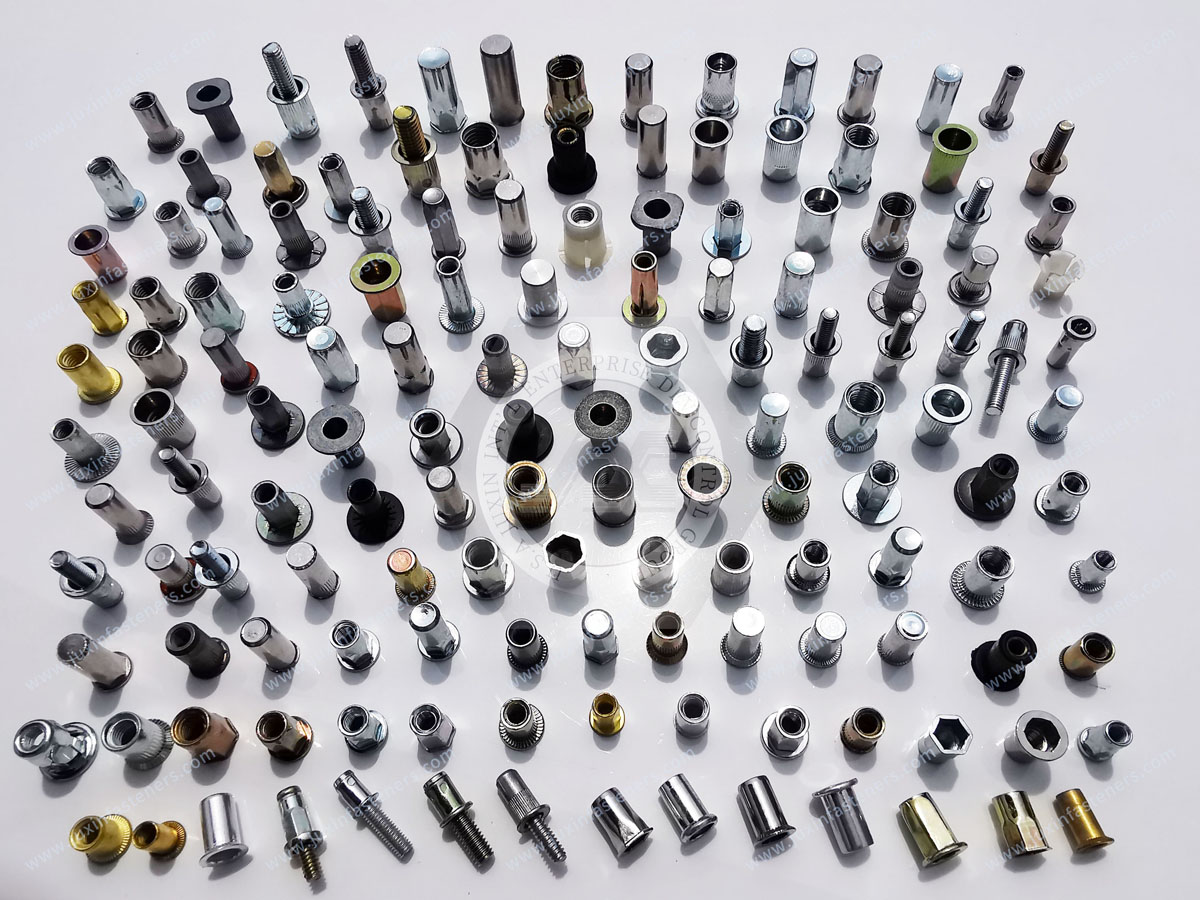
Juxin Fasteners offers a comprehensive range of blind rivet nuts, including standard, slotted body, and sealed designs, to meet the demands of advanced industrial applications.
 MORE NEWS
Contact Us
Tel.:
+86 020 8621 0320
+86 020 3121 6067
E-mail:
Technical Support:
Navigation
SEND INQUIREY