
Call Us
+86 136 6007 9809
Call Us
+86 136 6007 9809

Mar. 29, 2026
The automotive industry is rapidly moving toward lightweight design, electrification, and intelligent vehicle systems.
Modern vehicles increasingly use plastic components to reduce weight, improve energy efficiency, simplify manufacturing, and optimize overall vehicle performance.
Plastic materials are now widely used in:
Interior components
Electronic housings
Sensor systems
Battery management systems
EV charging components
Lightweight structural assemblies
However, one major engineering challenge remains:
How can manufacturers create strong, durable, and reusable threaded connections in plastic components?
The answer is automotive thread inserts.
Thread insert nuts provide reinforced metal threads inside plastic parts, allowing engineers to achieve reliable fastening performance even under vibration, temperature changes, and repeated assembly requirements.
As an experienced OEM thread insert manufacturer, Juxin Fasteners provides customized thread inserts for automotive plastic components, EV applications, and industrial assemblies.
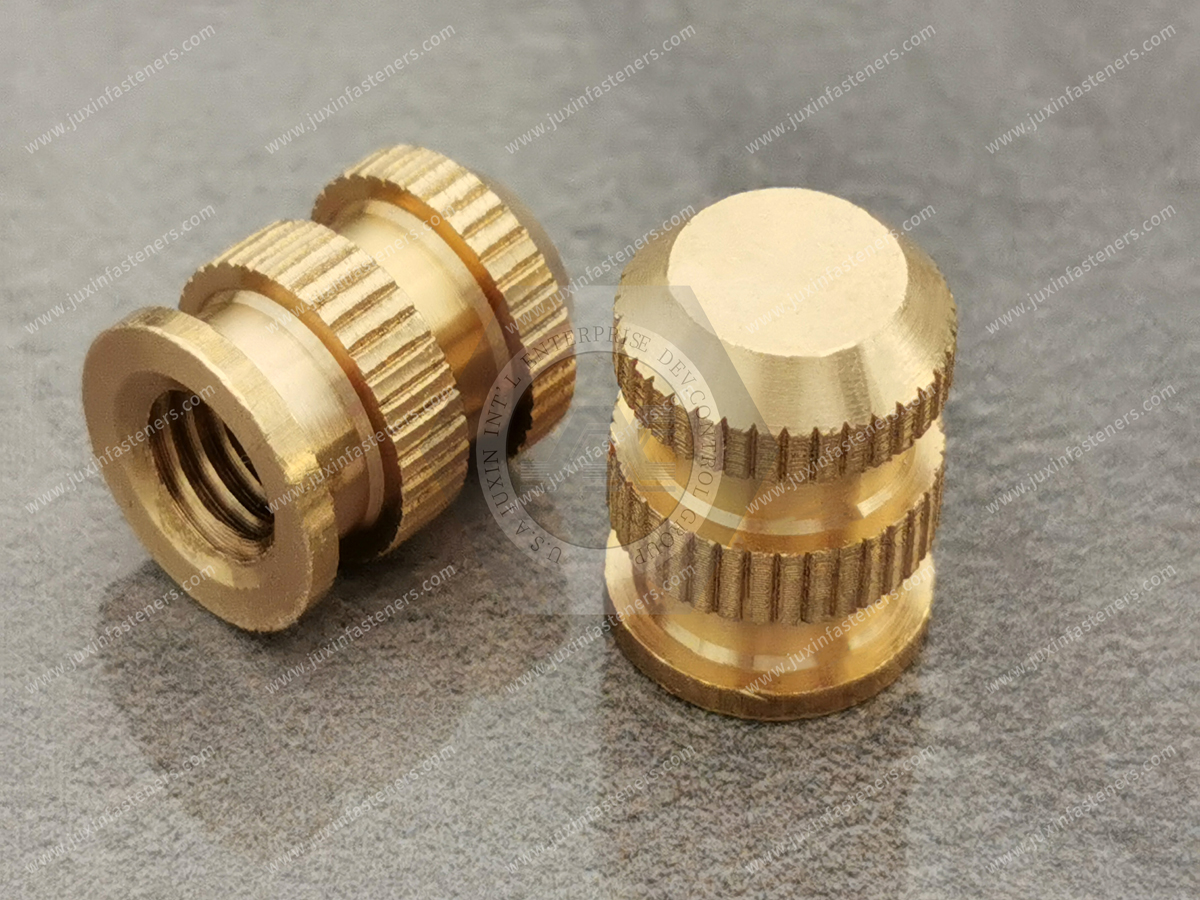
Compared with metals, plastic materials have advantages such as:
Lower weight
Corrosion resistance
Design flexibility
Lower manufacturing cost
However, plastics also have limitations:
Lower thread strength
Higher wear risk
Stress relaxation under continuous load
Reduced performance after repeated assembly
Directly tapping threads into plastic may result in:
Thread stripping
Loose connections
Reduced clamping force
Component failure
Automotive thread inserts solve these challenges by creating a durable internal metal thread structure.
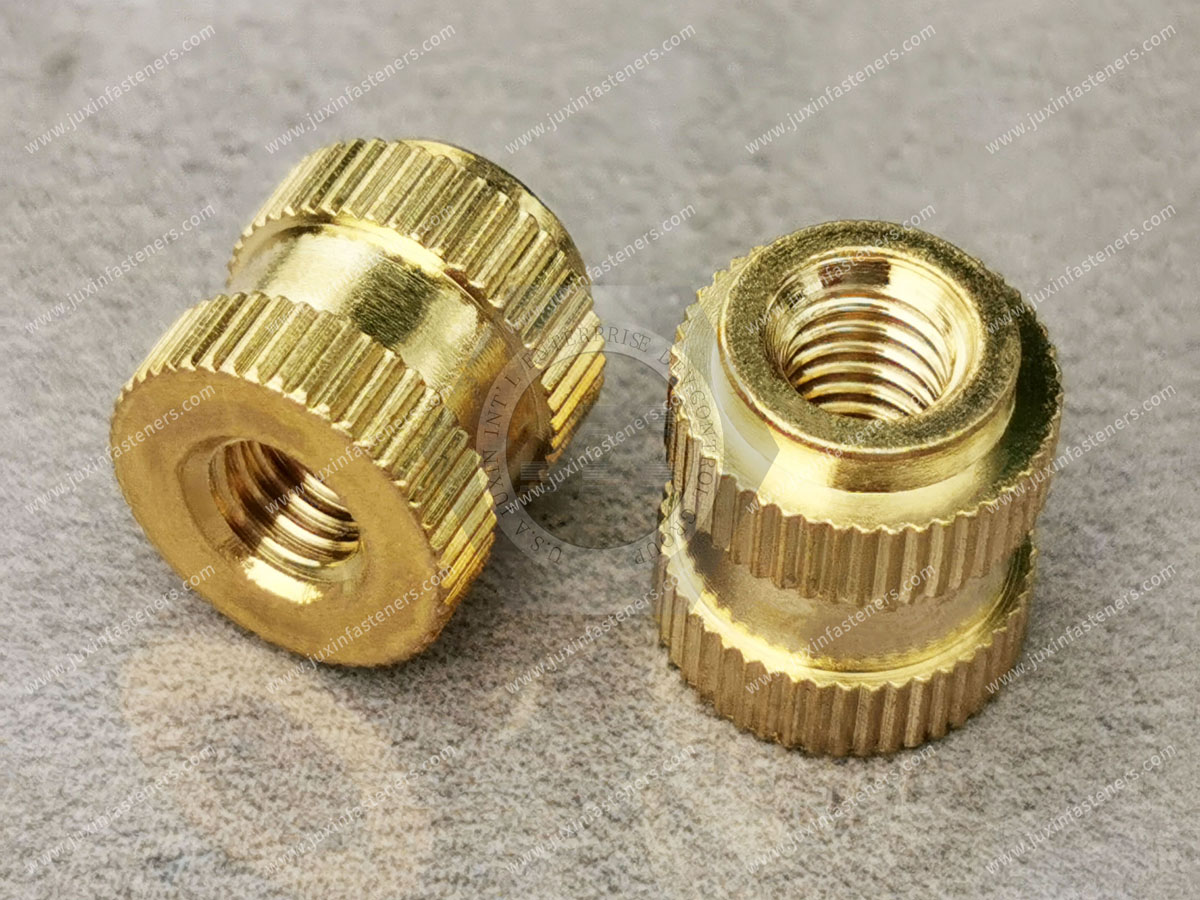
Thread inserts distribute the fastening load over a stronger reinforced structure.
Benefits:
Higher pull-out resistance
Improved torque performance
Better vibration resistance
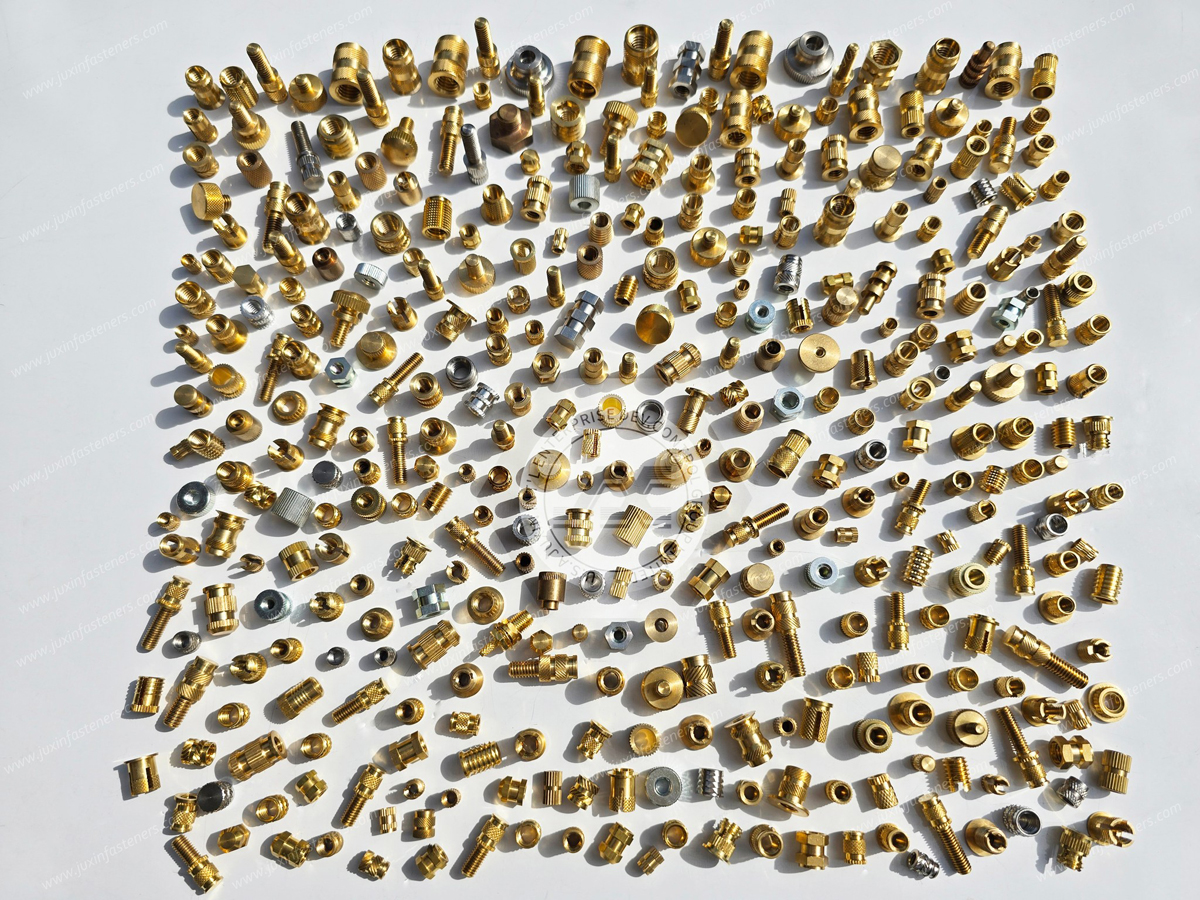
Automotive components often require:
Maintenance access
Component replacement
Multiple assembly cycles
Thread inserts allow repeated screw installation without damaging the plastic base material.
Precision-engineered inserts ensure stable:
Clamp force
Screw engagement
Assembly quality
This is especially important for automotive OEM and Tier 1 suppliers.
Thread inserts are widely used in both traditional vehicles and electric vehicles.
Applications:
Dashboard assemblies
Instrument panels
Interior trim panels
Console components
Advantages:
Secure fastening of decorative and structural components
Reduced plastic damage
Improved assembly reliability
Modern vehicles contain numerous sensors requiring precise positioning.
Applications:
Camera housings
Radar sensor brackets
Electronic sensor covers
Thread inserts provide:
Stable mounting points
Vibration resistance
Accurate component alignment
Automotive electronics require reliable fastening solutions.
Applications:
ECU housings
Control modules
Electronic enclosures
Thread inserts help protect critical electronic systems by providing:
Strong screw connections
Long-term durability
Reliable maintenance capability
Electric vehicles require advanced electronic systems for battery monitoring and control.
Thread insert applications include:
BMS housings
Electrical control modules
Battery-related plastic components
Benefits:
Reliable fastening
Lightweight design compatibility
Resistance to vibration
Electric vehicle charging systems often use plastic housings and insulation materials.
Thread inserts provide:
Durable mounting points
Temperature resistance
Long service life
Automotive applications require higher reliability compared with general industrial products.
Vehicles operate under continuous vibration caused by:
Road conditions
Engine operation
Electric motors
High-quality thread inserts must maintain secure engagement without loosening.
Important design features:
External knurling
Anti-rotation structures
Optimized retention design
Automotive assemblies often require controlled tightening torque.
Thread inserts must provide:
Stable torque values
Strong resistance against rotation
Reliable screw engagement
Automotive environments experience wide temperature ranges.
Applications may include:
Engine compartments
Battery systems
Electronic modules
Suitable insert materials and designs must maintain performance under thermal cycling.
Automotive fastening systems require:
Corrosion resistance
Material stability
Consistent mechanical performance
High-performance automotive thread inserts typically include optimized structural features.
Knurling increases contact between the insert and plastic material.
Benefits:
Improved torque resistance
Reduced rotation risk
Better retention
Special external geometries improve:
Pull-out resistance
Mechanical locking
Plastic engagement
Automotive applications require consistent quality.
Precision control ensures:
Stable installation
Repeatable performance
Reliable OEM assembly
Common automotive insert materials include:
Advantages:
Excellent corrosion resistance
High durability
Suitable for demanding environments
Applications:
EV systems
Electronics
Outdoor automotive components
Advantages:
Excellent machinability
Good thermal performance
Reliable thread engagement
Applications:
Plastic housings
Electronic components
Selecting the correct insert depends on several engineering factors.
Consider:
ABS
PC
PA Nylon
POM
Glass-filled plastics
Different materials require different insert designs.
Common methods include:
Suitable for:
Thermoplastic components
Automotive interior parts
Electronic housings
Advantages:
High torque resistance
Reliable plastic bonding
Suitable for:
High-volume production
Moderate load applications
Advantages:
Fast installation
Lower assembly cost
Suitable for:
Injection molded production
Maximum strength applications
Advantages:
Highest pull-out resistance
Excellent durability
Engineers should evaluate:
Temperature
Humidity
Chemical exposure
Vibration levels
In automotive manufacturing, even a small fastening failure can lead to:
Component loosening
Increased warranty costs
Assembly problems
Safety concerns
Therefore, automotive OEMs and Tier 1 suppliers require:
Stable quality
Consistent dimensions
Reliable performance
Professional engineering support
With more than 20 years of industrial fastening experience, Juxin Fasteners provides high-performance thread insert solutions for automotive plastic components and EV applications.
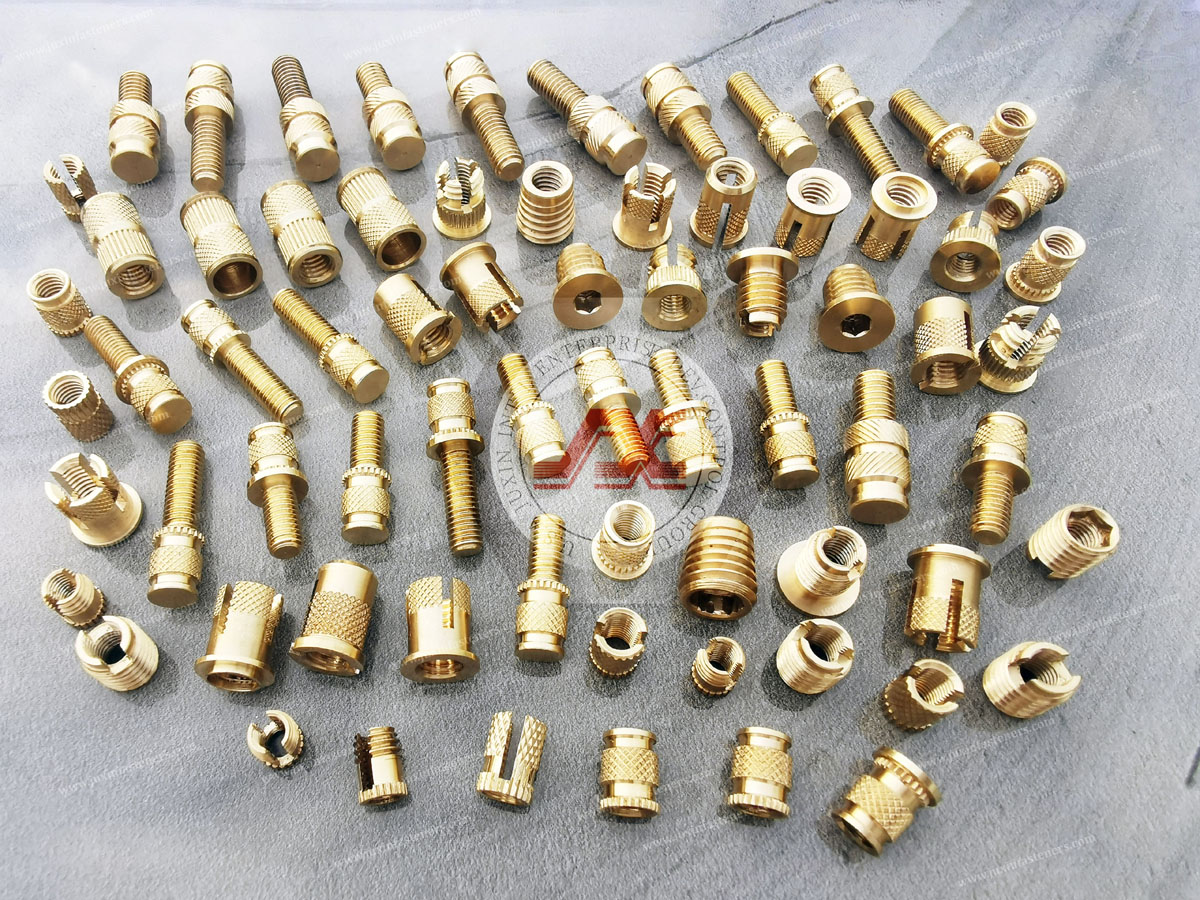
Our product range includes:
Heat set thread inserts
Press-in thread inserts
Molded-in inserts
Self-tapping inserts
Thread insert nuts
Custom automotive fasteners
Our capabilities include:
Precision manufacturing
Cold forming
CNC machining
Thread processing
Surface treatment
OEM customization
Quality inspection
We support global industries including:
Automotive / EV / Battery Pack / Rail Transit / Aerospace / Electrical Cabinets / HVAC / Medical Equipment / Construction / Machinery / Robotics / Sheet Metal Fabrication
Our engineering team provides:
Insert selection support
Plastic component design recommendations
Installation method optimization
Torque and pull-out performance analysis
Thread inserts are small components that play a critical role in modern automotive engineering.
As vehicles continue moving toward:
Lightweight structures
Electric power systems
Advanced electronics
Modular designs
the demand for reliable threaded connections in plastic components continues to increase.
Selecting the right automotive thread insert solution helps manufacturers achieve:
Stronger assemblies
Longer product life
Improved reliability
Reduced maintenance costs
Looking for reliable thread inserts for automotive plastic components or EV applications?
Contact our engineering team for customized fastening solutions:
Email: info@juxinfasteners.com
Juxin Fasteners — Your Reliable OEM Partner for Automotive and Industrial Fastening Solutions Worldwide
 MORE NEWS
Sep. 27, 2026
Sep. 27, 2026
Sep. 27, 2026
Contact Us
Tel.:
+86 020 8621 0320
+86 020 3121 6067
E-mail:
Technical Support:
Navigation
SEND INQUIREY