
Call Us
+86 136 6007 9809
Call Us
+86 136 6007 9809

Aug. 22, 2026
Electric vehicle battery systems combine structural, electrical, thermal and mechanical components within a highly integrated assembly.
As EV platforms continue to develop, battery manufacturers, automotive OEMs and Tier suppliers require custom mechanical components with controlled dimensions,
reliable mounting interfaces, suitable materials and repeatable production processes.
CNC machining for EV battery systems provides a flexible manufacturing route for producing drawing-based mechanical components directly from
2D engineering drawings and 3D CAD models. It can be particularly useful during prototype development, engineering validation, low- to medium-volume production and applications involving complex or functionally controlled geometry.
However, the engineering question is not simply whether a component can be CNC machined.
A more useful set of questions is:
Which features actually require precision machining?
Which dimensions affect mounting, location, sealing or thermal interfaces?
Which tolerances are functionally necessary?
Which material is appropriate for the operating environment?
Is CNC machining the correct process for prototype, batch production or long-term production volume?
Which inspection requirements should be defined before sourcing?
JUXIN FASTENERS supports OEM and engineering teams with CNC machined parts for EV battery applications, including aluminum brackets, mounting components, locating components, sensor-related parts, thermal management components, electrical mounting parts and other drawing-based mechanical interfaces.
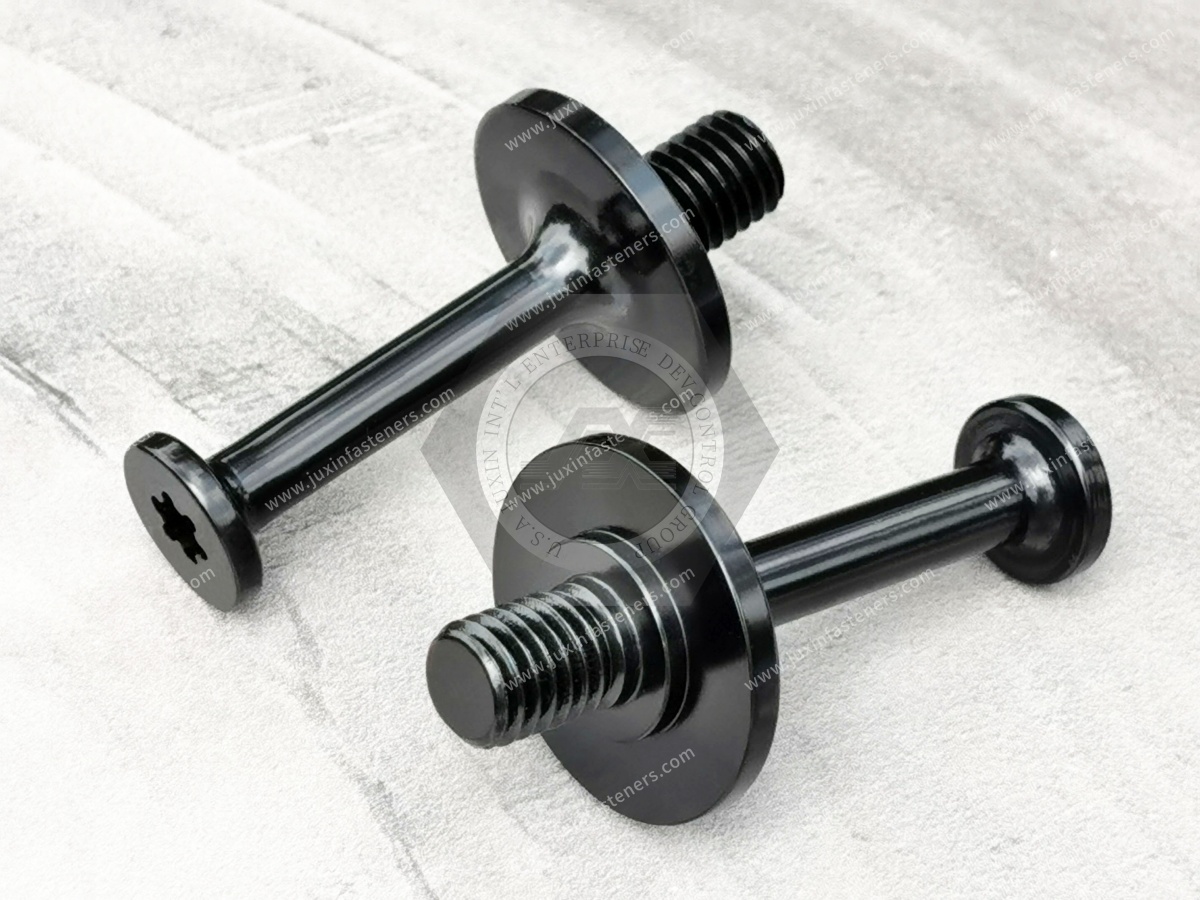
EV battery packs contain numerous mechanical interfaces that may require customized geometry.
Depending on battery architecture and engineering requirements, CNC machining can support:
Battery enclosure components
Aluminum brackets
Mounting blocks
Battery mounting components
Locating components
Sensor brackets
Sensor housings
Thermal management components
Cooling-system interfaces
Electrical mounting parts
Busbar-related mechanical interfaces
Service and maintenance components
Custom threaded components
Custom mechanical interfaces
Each component should be evaluated according to its actual function, material, geometry, tolerance requirements, production quantity and operating environment.
A component used only as a simple support bracket should not automatically receive the same dimensional requirements as a locating component, sealing-related interface or precision sensor mount.
That distinction is important both for engineering performance and manufacturing cost.
The battery enclosure provides structural and mechanical interfaces between the battery pack, internal components and vehicle structure.
CNC machining may be used for suitable components associated with:
Battery enclosure mounting
Structural brackets
Mounting blocks
Adapter components
Locating features
Sensor mounting
Cooling-system interfaces
Electrical component mounting
Service access components
Depending on the design, these components may contain:
Threaded holes
Locating holes
Precision bores
Controlled mounting surfaces
Counterbores
Pockets
Slots
Datum surfaces
Sealing-related interfaces
Custom profiles
The engineering requirement should be defined according to the function of each feature.
For example, a general clearance hole and a locating bore may exist on the same component but perform very different functions.
Applying the same tolerance philosophy to both features can unnecessarily increase machining and inspection requirements.
One of the most important decisions in EV battery CNC machining is identifying which features are truly functionally critical.
Depending on the component, critical features may include:
Locating holes
Locating pins or mating features
Mounting datums
Threaded interfaces
Precision bores
Sealing-related surfaces
Sensor mounting positions
Cooling-system interfaces
Electrical mounting interfaces
Structural mounting surfaces
Mating faces
Controlled spacer heights
These features may affect assembly position, sealing, sensor location, mechanical fit, cooling-system alignment or interface with surrounding components.
Other dimensions may only define non-critical external geometry.
A drawing that distinguishes these functions gives the manufacturer a clearer basis for process planning and inspection.
A common sourcing problem with custom CNC parts is assuming that tighter tolerance automatically means a better component.
In practice, tighter tolerances can require additional machining operations, slower cutting strategies, more controlled setups, additional inspection and potentially higher manufacturing cost.
For EV battery components, tolerance should follow function.
Engineers should ask:
What happens if this dimension moves within a wider manufacturing range?
If the answer is that assembly, location, sealing, thermal performance or mechanical function is unaffected, an extremely tight tolerance may provide little practical value.
A more effective approach is to separate dimensions into categories such as:
Functionally critical dimensions — directly affect fit, location, sealing, thermal interface, sensor position or structural assembly.
Mating dimensions — control the relationship between the CNC component and surrounding parts.
General manufacturing dimensions — define geometry but may not require the same level of dimensional control.
This approach can help engineering and procurement teams avoid paying for precision where the assembly does not require it.
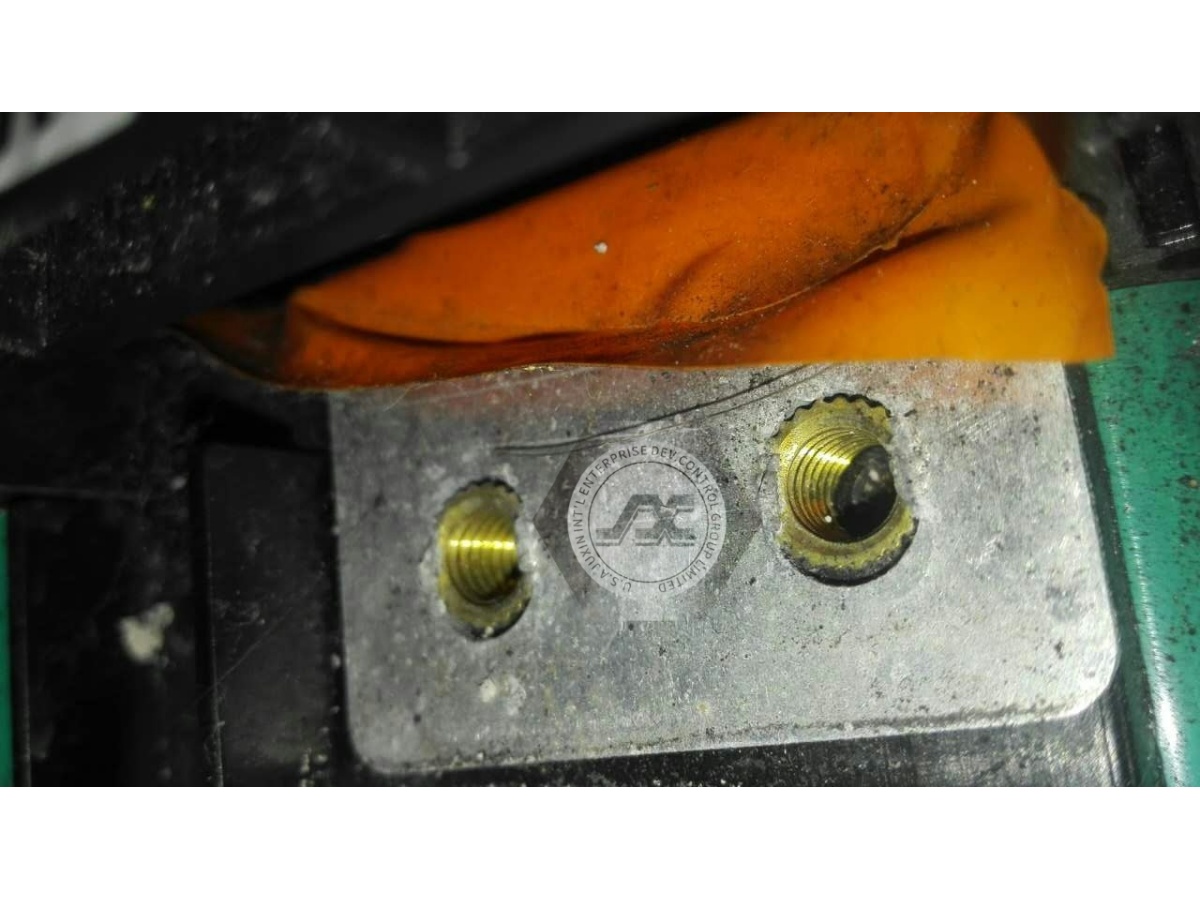
EV battery components often interact with several surrounding parts.
A mounting block, for example, may interface with the enclosure, a sensor bracket and another mechanical component.
The drawing should make clear which surfaces or features establish the functional relationship between these interfaces.
Depending on the design, engineers may define:
Primary mounting surfaces
Secondary locating features
Hole patterns
Controlled distances between interfaces
Perpendicular or parallel relationships
Mating bores
Thread locations
Sensor reference positions
The objective is not to add unnecessary geometric controls.
The objective is to communicate which relationships matter to the assembly.
This helps manufacturing teams establish machining setups and inspection methods around the actual functional requirements.
Weight is an important consideration in electric vehicle engineering, making aluminum a common material family for many mechanical battery components.
Aluminum CNC machining can be considered where the design requires a combination of low weight, machinability and application-specific mechanical or thermal properties.
Potential applications include:
Lightweight brackets
Mounting blocks
Structural interfaces
Sensor brackets
Cooling-system components
Thermal management components
Electrical mounting components
Battery enclosure components
However, “aluminum” should not be treated as a complete material specification.
The appropriate alloy should be selected according to the component's:
Mechanical loading
Thermal requirements
Corrosion environment
Manufacturing requirements
Surface treatment
Mating materials
Customer specification
JUXIN FASTENERS evaluates CNC projects according to the specified material rather than assuming that one aluminum grade is suitable for every EV battery application.
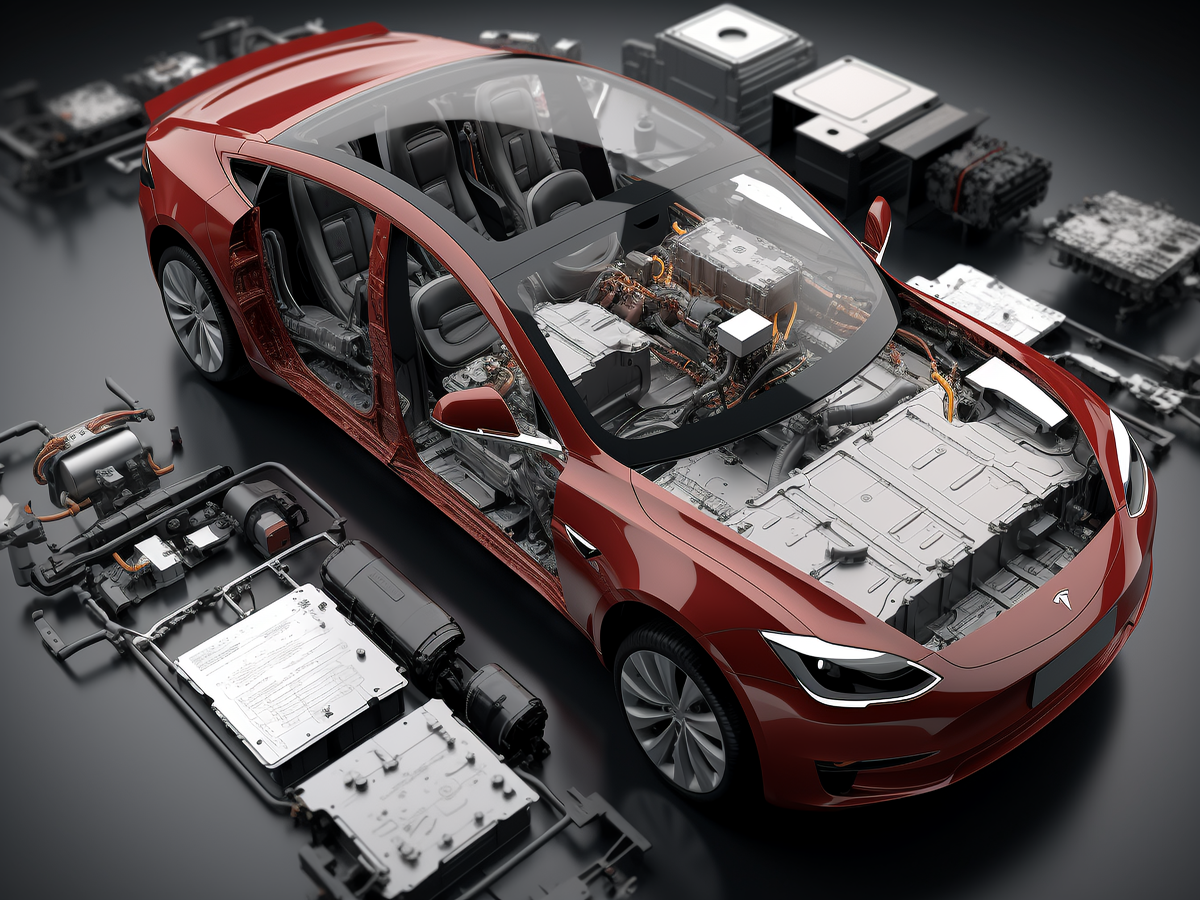
Stainless steel may be considered where corrosion resistance, mechanical durability or environmental resistance is important.
Potential applications can include:
Mounting components
Brackets
Fastening interfaces
Sensor-related components
Service components
Structural mechanical interfaces
Custom threaded components
The appropriate stainless steel grade depends on the operating environment, mechanical requirements, temperature conditions, corrosion exposure, manufacturability and customer specification.
Material selection should therefore be confirmed at drawing or RFQ stage rather than selected only from a general material category.
Carbon and alloy steels may be considered where higher mechanical strength or particular structural requirements are relevant.
Depending on the component, engineering teams may also need to define:
Material grade
Heat-treatment requirement
Hardness requirement
Surface treatment
Corrosion protection
Critical dimensional requirements after processing
The selected manufacturing route should consider both machining requirements and any subsequent treatment that may affect final dimensions or surface condition.
Battery systems require numerous mounting interfaces connecting the battery assembly with the vehicle structure and associated systems.
EV battery mounting components may include:
Mounting brackets
Mounting blocks
Adapter components
Structural interfaces
Sensor brackets
Fastener interfaces
Locating components
Custom spacers
Threaded components
Critical dimensions can include:
Hole diameter
Hole position
Thread dimensions
Distance between mounting holes
Mounting surface location
Datum relationships
Overall component geometry
The important distinction is whether a feature provides clearance, clamping, positioning or another mechanical function.
A clearance hole used only for bolt installation may not require the same dimensional control as a locating feature responsible for assembly position.
Thermal management is an important part of EV battery system engineering.
Depending on the battery architecture, CNC machining may support mechanical components associated with:
Cooling systems
Cooling interfaces
Thermal management assemblies
Mounting brackets
Sensor mounting
Mechanical adapters
Aluminum thermal components
The component design may need to consider:
Thermal environment
Mechanical loading
Mating interfaces
Sealing-related surfaces
Surface requirements
Material compatibility
Assembly sequence
Where a machined component forms part of a cooling-system interface, dimensional control should focus on the features that affect mating, location or sealing.
This does not necessarily mean that every surface on the component requires the same level of precision.
Some EV battery or thermal-management components may contain surfaces associated with seals, gaskets or other controlled interfaces.
These features should not be treated like ordinary external surfaces.
Depending on the customer's design, relevant drawing requirements may include:
Flatness
Surface condition
Position relative to locating features
Groove geometry
Mating dimensions
Surface treatment compatibility
The exact requirements depend on the sealing architecture and should be defined by the customer's engineering specification.
JUXIN FASTENERS does not apply a universal sealing tolerance or surface-finish value to every EV battery component because different assemblies can have substantially different functional requirements.
Battery management and monitoring systems rely on sensors and electrical components located throughout the battery assembly.
CNC machining can support suitable mechanical components for:
Temperature sensor mounting
Sensor brackets
Sensor housings
Positioning components
Protective mechanical components
Electrical mounting interfaces
For sensor-related components, repeatable mounting position may be more important than unnecessarily tight control of the entire component.
Engineering teams should identify the features that establish the sensor's functional position.
These may include:
Mounting holes
Locating features
Datum surfaces
Spacer height
Sensor-to-interface distance
Orientation features
This allows machining and inspection resources to focus on the dimensions that actually influence sensor installation and repeatability.
EV battery systems combine mechanical and electrical assemblies.
Custom CNC machined components may support:
Electrical component mounting
Connector interfaces
Cable-management components
Busbar-related mechanical interfaces
Mounting brackets
Electrical equipment supports
Insulation-related mechanical components
The mechanical design should account for applicable electrical clearances, insulation requirements, environmental conditions and assembly specifications.
For components located around electrical interfaces, material and geometry should be reviewed as part of the complete system rather than selected from mechanical requirements alone.
Where electrical insulation is required, the OEM drawing and applicable system requirements should define the necessary material and interface conditions.
Tolerance requirements should be defined according to the function of each feature.
Potentially critical features can include:
Mounting holes
Locating holes
Threaded interfaces
Precision bores
Sealing surfaces
Sensor mounting positions
Cooling-system interfaces
Electrical mounting interfaces
Structural mounting surfaces
At JUXIN FASTENERS, CNC machining tolerances are evaluated according to the customer's engineering drawings and functional requirements
rather than applying a universal tolerance claim to every EV battery component.
This distinction between functionally critical dimensions and general dimensions can help avoid unnecessary manufacturing complexity and cost.
A CNC component does not operate in isolation.
Consider an assembly chain such as:
Battery Enclosure → Mounting Block → Sensor Bracket → Sensor → Fastener
Each component and interface contributes dimensional variation.
Even if every individual component is within specification, accumulated variation can affect final position or assembly clearance.
For this reason, engineers should consider tolerance stack-up across the complete interface when defining critical CNC dimensions.
This can be especially relevant for:
Sensor positioning
Multi-hole mounting patterns
Cooling-system connections
Locating components
Structural mounting interfaces
Assemblies containing multiple spacers or brackets
The objective is to control the dimensions that influence the final assembly rather than tightening every individual dimension independently.
Some battery-related components contain multiple controlled features that must maintain defined relationships.
Depending on the design, CNC machining can produce:
Precision bores
Threaded holes
Small holes
Mounting surfaces
Complex profiles
Multiple mounting features
Angled features
Pockets
Custom interfaces
For more complex geometry, multi-axis CNC machining may be considered when additional tool access can simplify setups or improve the machining strategy.
However, the manufacturing method should be selected according to the actual geometry and tolerance requirements rather than assuming that a more complex machining process is automatically necessary.
CNC machining is highly flexible, but it is not automatically the best long-term process for every component.
It can be particularly useful when:
The component is still in engineering development
Geometry is likely to change
Prototype quantities are required
Production volume does not justify dedicated tooling
Complex machined features are required
Tight relationships between features must be controlled
A component is drawing-specific
Multiple operations can be integrated into one machined part
For higher-volume production, engineering and procurement teams should periodically review whether the component geometry remains appropriate for CNC machining.
Depending on the part, alternative processes may include:
Cold forming
Stamping
Casting
Die casting
Extrusion
Forging
Other near-net-shape manufacturing processes
The correct comparison depends on geometry, material, annual volume, tooling investment, tolerance requirements and secondary machining needs.
A component developed by CNC during the prototype stage does not necessarily have to remain a fully CNC-machined component throughout the complete vehicle program.
EV battery platforms undergo engineering development, validation and design changes before production release.
CNC prototypes can help engineering teams evaluate:
Component fit
Battery enclosure interfaces
Mounting positions
Sensor locations
Cooling-system interfaces
Mechanical clearances
Assembly sequence
Design changes
A typical development route may be:
3D CAD Model → CNC Prototype → Dimensional Inspection → Assembly Testing → Design Optimization → Process Validation → Production
Prototype machining gives engineers the opportunity to identify design or manufacturing issues before committing to larger quantities or dedicated tooling.
Prototype validation should not only answer whether the component fits.
It can also reveal which drawing requirements actually matter.
After prototype assembly, engineering teams may be able to identify:
Dimensions that require tighter control
Dimensions that can be relaxed
Unnecessary machining features
Tool-access problems
Assembly interference
Hole-position changes
Opportunities to simplify geometry
Features that may be better produced by another manufacturing method
This feedback can be incorporated into the production drawing before recurring orders begin.
That is particularly valuable for EV battery components where prototype geometry may evolve rapidly during platform development.
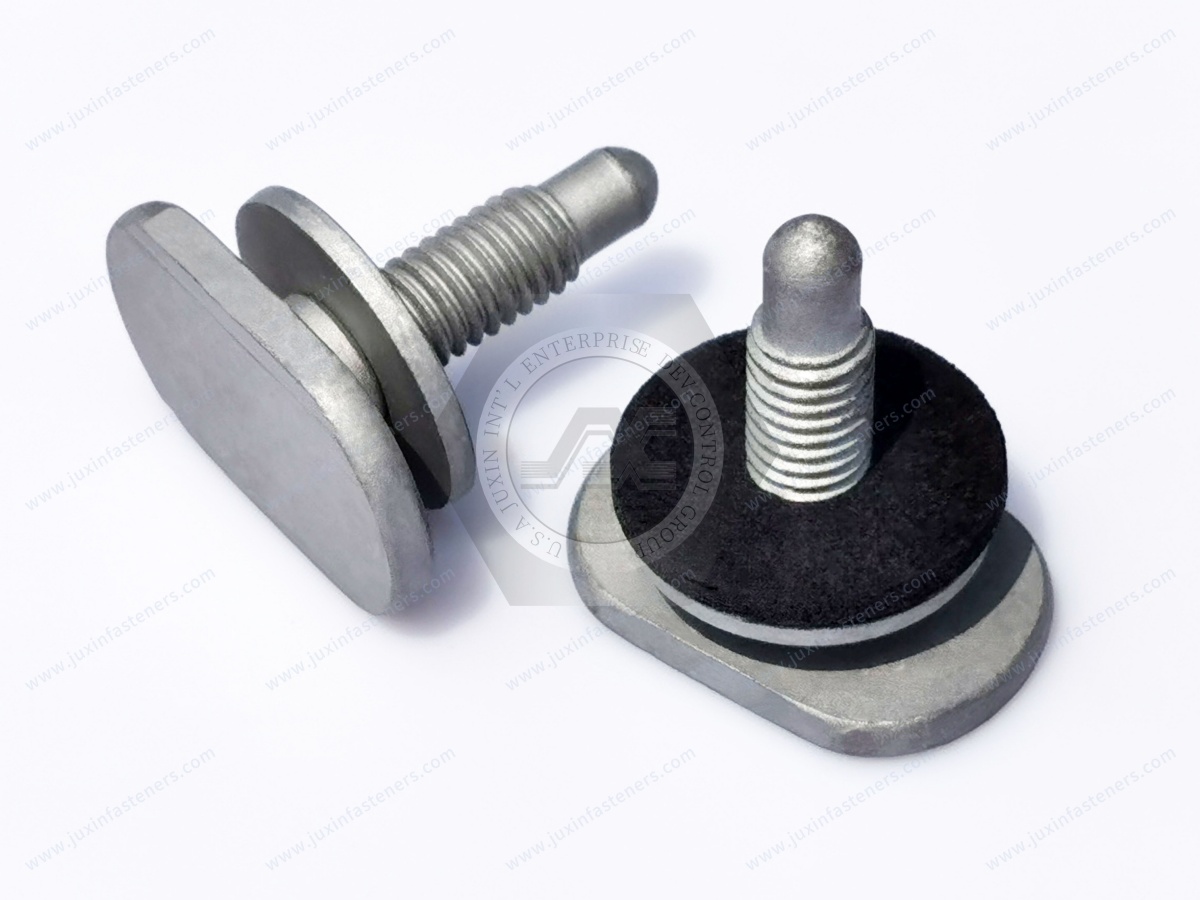
A practical transition from development to recurring supply may follow:
Engineering Drawing → DFM Review → Prototype CNC Machining → Dimensional Inspection → Assembly Validation → Drawing Revision → Process Validation → Batch Production → Repeat Supply
Maintaining continuity between these stages can reduce the need to transfer drawings, material information, inspection requirements and process knowledge between multiple suppliers.
However, production readiness should still be reviewed independently.
A process suitable for five prototype components may not be the most efficient route for thousands of recurring components.
Annual demand, machining time, material utilization, inspection requirements and target cost should be evaluated before finalizing the production process.
After component design and manufacturing requirements have been validated, CNC machining may continue to support recurring production where it remains technically and commercially appropriate.
Batch CNC production can support:
Repeatable machining programs
Controlled process parameters
Consistent production routing
Critical-dimension inspection
Batch inspection
Repeat OEM orders
Production records according to project requirements
For recurring production, process optimization may focus on setup control, tool strategy, machining sequence, inspection planning and manufacturing consistency.
The appropriate level of control depends on the drawing and customer requirements.
Quality control should reflect the functional importance of the component and its features.
Depending on customer requirements, inspection may include:
First-piece inspection
Critical dimensional inspection
Hole diameter inspection
Hole-position inspection
Thread inspection
Material verification
Surface-finish inspection
Visual inspection
Functional fit verification
Batch consistency checks
Inspection equipment and measurement methods should be selected according to the tolerance and geometry being verified.
Not every dimension necessarily requires the same inspection frequency.
A useful inspection strategy focuses additional control on characteristics that influence fit, location, sealing, structural interface or other defined functions.
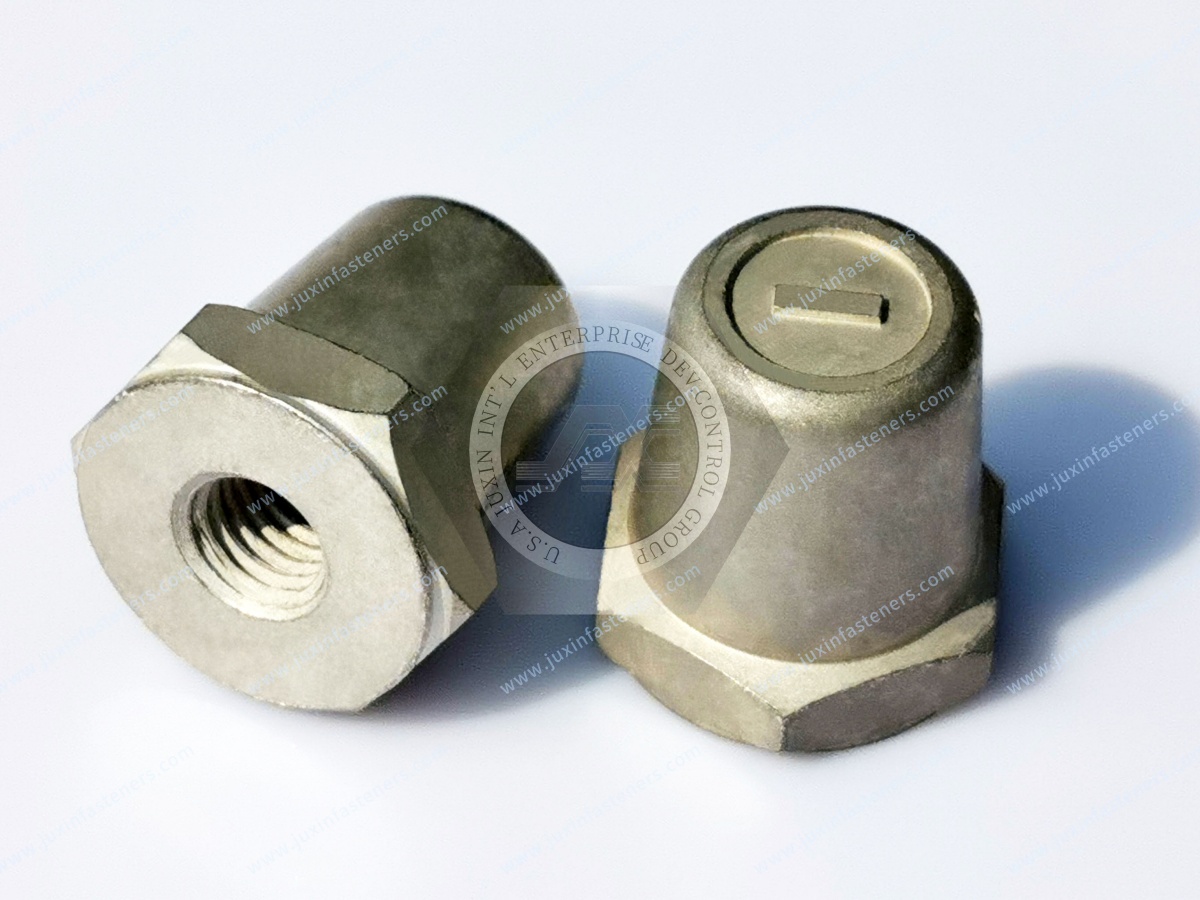
Surface treatment may be required for corrosion protection, wear resistance, electrical considerations or other application-specific surface requirements.
Depending on material and customer specification, potential processes may include:
Anodizing for suitable aluminum components
Plating for applicable metal components
Protective coatings
Passivation for suitable stainless steel components
Other customer-specified treatments
The selected treatment should be compatible with:
Base material
Operating environment
Mating components
Dimensional requirements
Functional surfaces
Electrical requirements where applicable
Engineers should also consider whether coating or treatment occurs before or after final dimensional inspection and whether treatment buildup can influence critical interfaces.
A useful DFM review should evaluate more than whether the geometry can physically be machined.
Questions may include:
Which dimensions are functionally critical?
Which surfaces establish the datum structure?
Are any tolerances unnecessarily restrictive?
Can the component be machined with practical tool access?
Are deep pockets or difficult internal features necessary?
Can standard hole or thread geometry be used?
Can multiple setups be reduced?
Does the surface treatment affect critical dimensions?
Can the component be inspected using practical measurement methods?
Is CNC machining still appropriate at the expected annual volume?
This review can help engineering and procurement teams balance function, manufacturability and cost before production quantities increase.
CNC component cost is influenced by more than raw material and machine time.
Potential cost drivers include:
Material type
Stock size
Material utilization
Number of machining setups
Machining time
Tool access
Deep pockets
Small or deep holes
Tight tolerances
Complex geometric relationships
Surface-finish requirements
Secondary treatment
Inspection requirements
Production quantity
For procurement teams, the lowest-cost opportunity is not always negotiating the machining price after the drawing is complete.
In some projects, greater savings may come from reviewing whether every feature, tolerance and surface requirement is functionally necessary.
This is why early communication between design engineering, manufacturing and sourcing can be valuable.
EV battery manufacturers, automotive OEMs and Tier suppliers may require different production quantities and component types throughout a program.
CNC machining can support:
Engineering prototypes
Functional prototypes
Design validation components
Low-volume production
Batch production
Custom mechanical components
Replacement components
Repeat OEM orders
Production requirements should be evaluated according to annual demand, part geometry, material, tolerance requirements, machining time, inspection requirements and target cost.
Where the expected production volume changes significantly, the manufacturing process should be reviewed rather than assuming that the original prototype process remains the optimum production solution.
A technically complete RFQ helps reduce unnecessary clarification and gives the supplier a better basis for manufacturing review and quotation.
Where available, provide:
2D engineering drawing
3D CAD model
Part number and revision
Material specification
Critical dimensions
Tolerances
Datum requirements
Thread specifications
Surface-finish requirements
Surface treatment or coating
Functional description
Mating component information where relevant
Prototype quantity
Expected batch quantity
Estimated annual volume
Inspection requirements
Documentation requirements
Packaging requirements
If particular dimensions affect sealing, sensor position, cooling-system alignment or structural mounting, identifying those features as functionally important can improve communication during manufacturing review.
Before sending an RFQ, purchasing and engineering teams can review several questions together.
Is the drawing revision final enough for quotation?
Prototype designs that are still changing should be identified accordingly.
Are critical features clearly identified?
This helps prevent suppliers from treating every dimension as equally important.
Is the material fully specified?
A generic description such as “aluminum” may not provide enough information for accurate manufacturing evaluation.
Is the surface treatment defined?
Surface treatment can affect cost, lead time and critical dimensions.
Are prototype and production quantities separated?
The most suitable machining strategy may change with volume.
Are inspection requirements proportional to the component function?
Unnecessary inspection requirements can add cost without improving the actual assembly.
Is CNC machining expected to remain the production process?
If annual volume is expected to increase significantly, the component may benefit from a later process review.
EV battery CNC machining is not simply a matter of producing a metal component to a 3D model.
The manufacturing strategy should reflect the function of the part within the complete battery system.
Mounting components need reliable mechanical interfaces.
Locating features need controlled relationships with mating parts.
Sensor components may require repeatable positioning.
Thermal management components may contain important cooling or sealing-related interfaces.
Electrical mounting components must be evaluated together with applicable electrical and insulation requirements.
Prototype parts should support engineering validation, while production parts require a manufacturing and inspection strategy appropriate for recurring supply.
JUXIN FASTENERS supports OEMs, battery manufacturers, Tier suppliers and engineering teams with drawing-based CNC machined components for
EV battery systems, automotive applications and other engineering-driven equipment.
For a new EV battery CNC machining project, send your engineering drawing or 3D CAD model together with the material specification,
critical dimensions, tolerances, surface treatment, prototype or production quantity and inspection requirements.
Our team can review the component according to its actual engineering and manufacturing requirements and prepare a quotation for suitable custom CNC machined parts.
Email: info@juxinfasteners.com
Website: www.juxinfasteners.com
 MORE NEWS

Oct. 13, 2026
Contact Us
Tel.:
+86 020 8621 0320
+86 020 3121 6067
E-mail:
Technical Support:
Navigation
SEND INQUIREY