
Call Us
+86 136 6007 9809
Call Us
+86 136 6007 9809

Aug. 22, 2026
Modern vehicles contain thousands of mechanical, structural, electrical, and fastening components.
As vehicle designs become more integrated and lightweight, automotive manufacturers and suppliers increasingly
require custom CNC machined parts that meet specific dimensional, material, and assembly requirements.
Automotive CNC machining provides a flexible manufacturing method for components requiring controlled dimensions, repeatability, complex geometries, and application-specific materials.
Juxin Fasteners supports OEM customers with drawing-based automotive CNC machined components for conventional vehicles,
electric vehicles, automotive equipment, and related industrial applications.
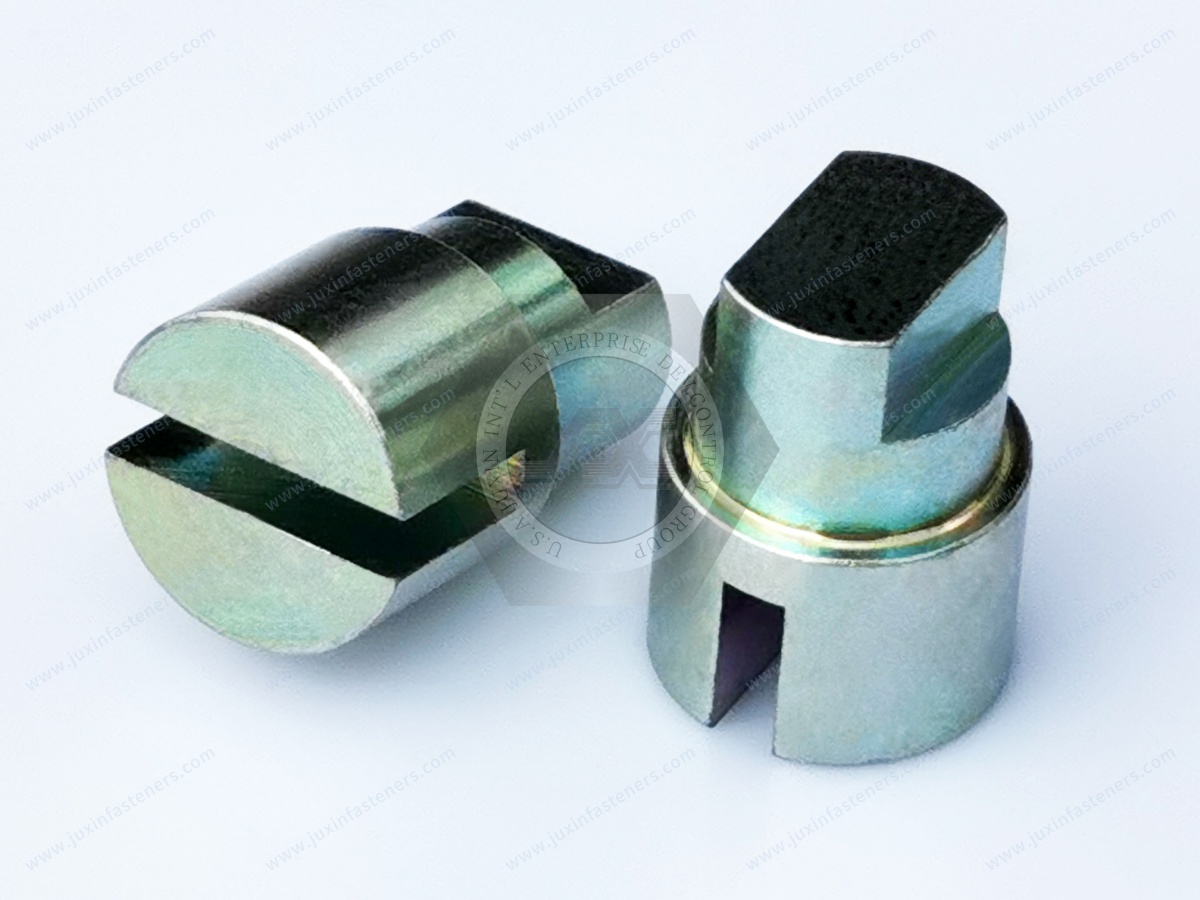
CNC machining is well suited to automotive components where the geometry, material, quantity, and dimensional requirements make machining an appropriate production method.
Depending on the design, automotive CNC machining can support:
Automotive brackets
Shafts
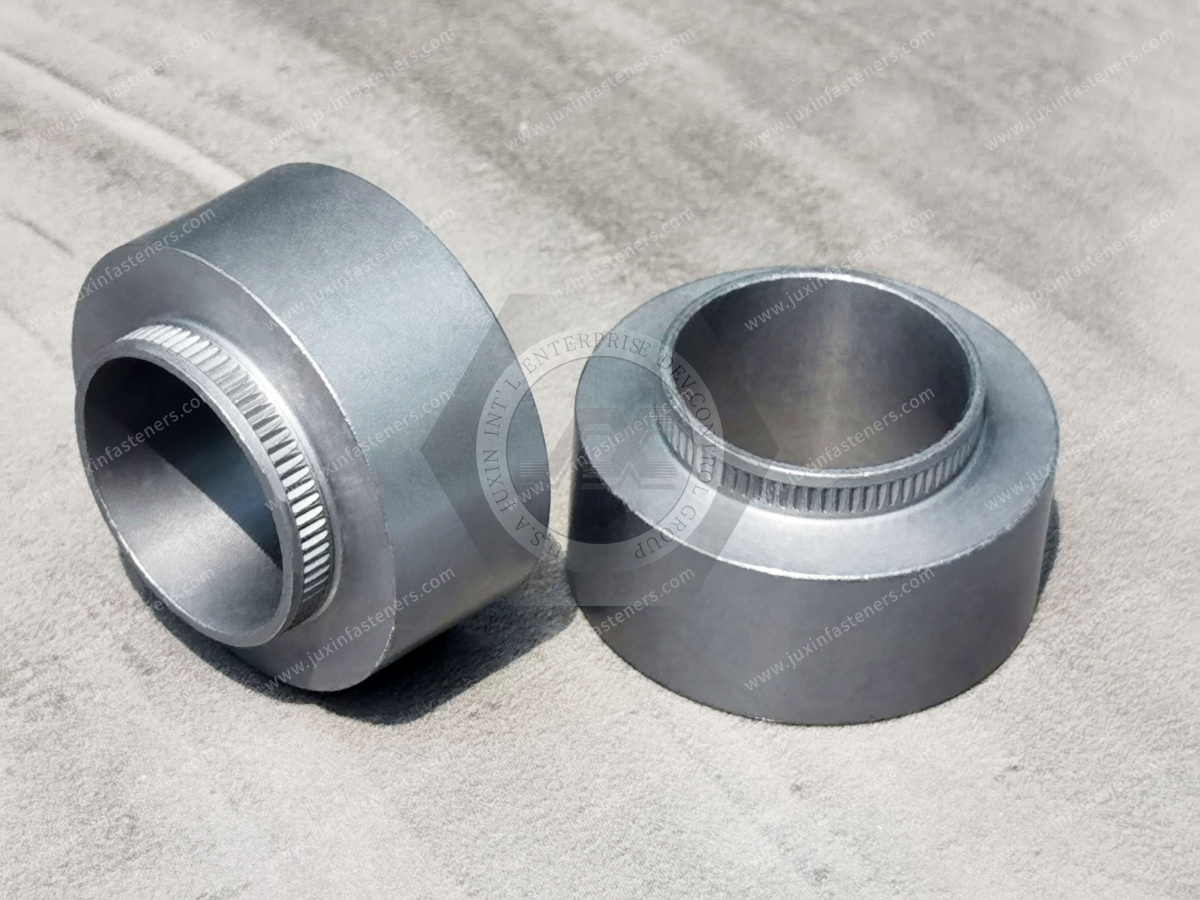
Bushings
Housings
Sensor components
Mounting components
Mechanical adapters
Electrical mounting components
Aluminum components
Custom fastening components
Precision mechanical parts
Each component is evaluated according to its engineering drawing, material, tolerances, geometry, production quantity, and functional requirements.
Automotive OEMs and Tier suppliers frequently require components designed specifically for their vehicle platforms or assemblies.
Custom automotive CNC machining can manufacture parts according to customer-specific:
2D engineering drawings
3D CAD models
STEP files
Material specifications
Dimensional tolerances
Thread specifications
Surface finish requirements
Plating or coating requirements
Inspection requirements
Packaging specifications
This drawing-based approach allows the machining process to be aligned with the customer's actual engineering requirements rather than relying on generic component specifications.
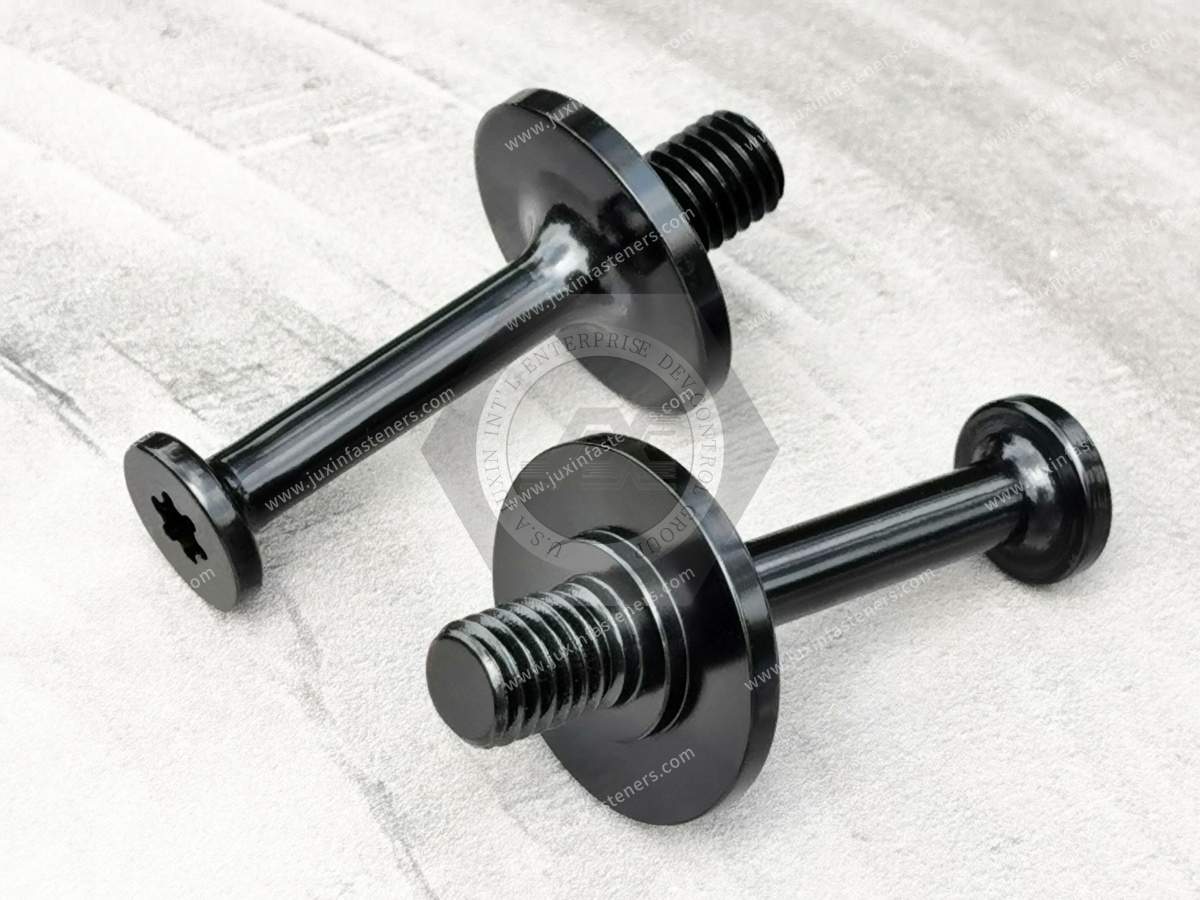
Brackets and mounting components are widely used throughout automotive assemblies.
CNC machining can produce customized brackets for:
Sensors
Electrical systems
Engine-related assemblies
Cooling systems
Vehicle structures
Interior equipment
Battery systems
Electronic control systems
For mounting components, the location and relationship of holes, slots, locating surfaces, and mounting interfaces can be critical to assembly.
Precision CNC machining can provide repeatable feature positioning according to the approved engineering drawing.
Shafts and bushings are common mechanical components used in automotive systems.
Depending on the application, CNC turning and other machining processes can be used to produce:
Precision shafts
Drive-related components
Bushings
Spacers
Pins
Sleeves
Rotational components
Critical dimensions may include diameter, length, concentricity, thread specifications, and surface requirements.
The appropriate tolerance should be established according to the functional requirements of the component.
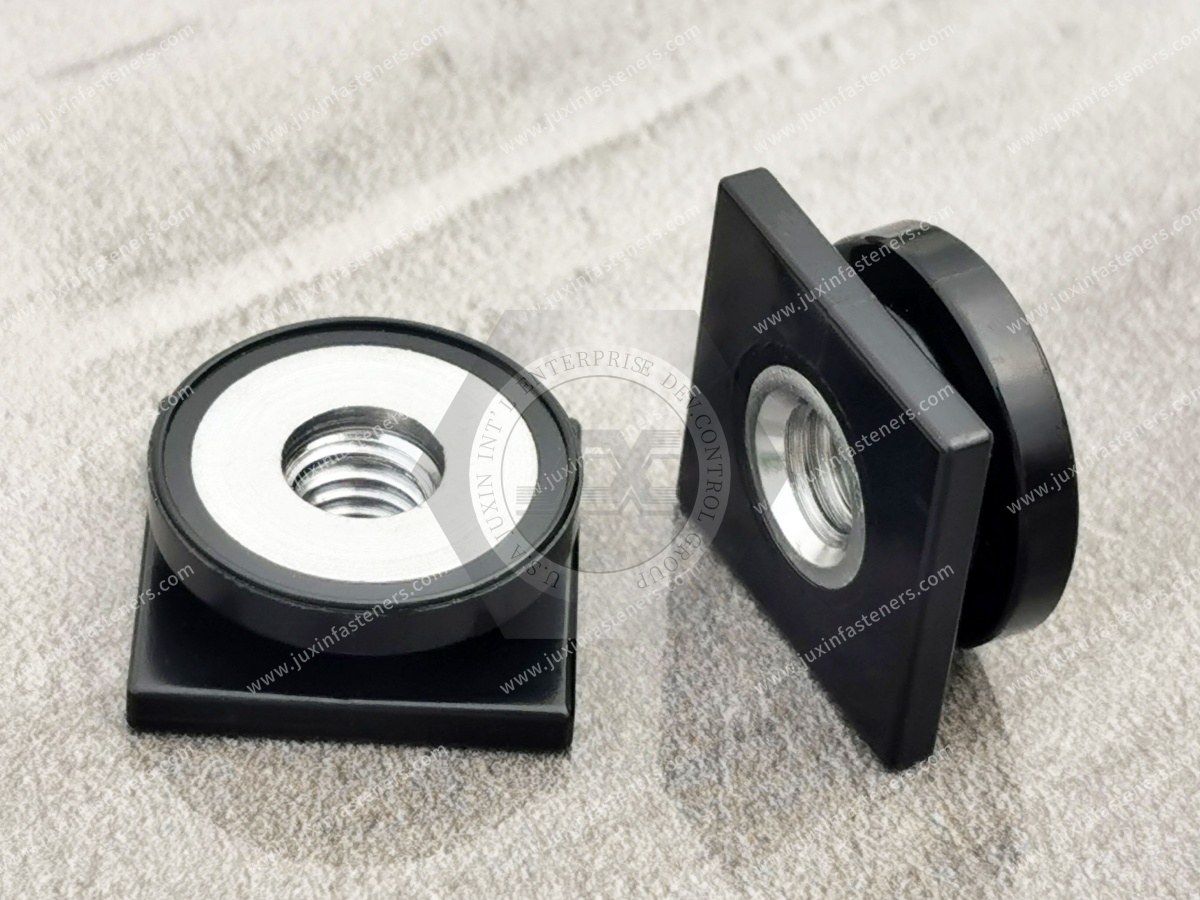
Automotive equipment may require customized housings and mechanical interfaces for sensors, electrical systems, control units, and other assemblies.
CNC machining for automotive housings can support components with:
Precision mounting surfaces
Threaded holes
Internal bores
Multiple mounting features
Complex profiles
Connector interfaces
Sealing interfaces
For complex components, multi-axis CNC machining may provide improved access to multiple surfaces and reduce the need for repeated setups where appropriate.
Modern vehicles use numerous sensors for monitoring and control.
CNC machining can support mechanical components associated with:
Sensor mounting
Sensor housings
Positioning brackets
Protective components
Mechanical interfaces
Electrical mounting systems
For sensor-related components, accurate mounting positions and consistent interfaces can be important for system integration.
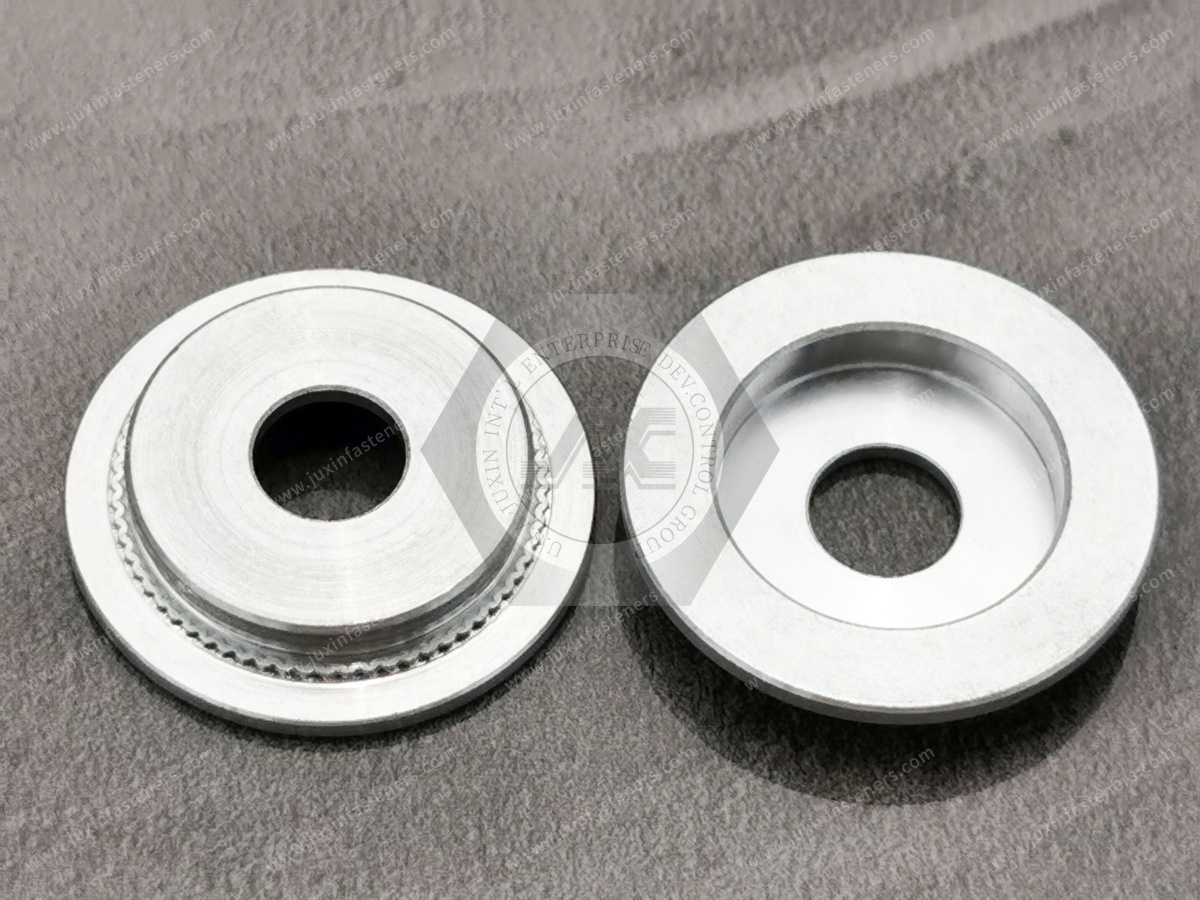
Reducing vehicle weight is an important consideration in automotive engineering, particularly for electric vehicles.
Aluminum CNC machining can be used for suitable automotive components where low weight, machinability, and application-specific mechanical properties are required.
Potential applications include:
Lightweight brackets
Housings
Mounting components
Structural interfaces
Battery-related components
Thermal management components
Electrical system components
Material selection should always be based on the engineering requirements of the component and its operating environment.
The development of electric vehicles has created new requirements for mechanical components used around batteries, electric motors, electrical systems, and thermal management assemblies.
EV CNC machining can support suitable components for:
EV battery systems
Battery enclosure assemblies
Motor-related components
Sensor brackets
Thermal management systems
Electrical mounting components
Lightweight aluminum components
Charging equipment
Structural interfaces
For EV applications, CNC machined components may need to integrate mechanical, electrical, and thermal interfaces within the same assembly.
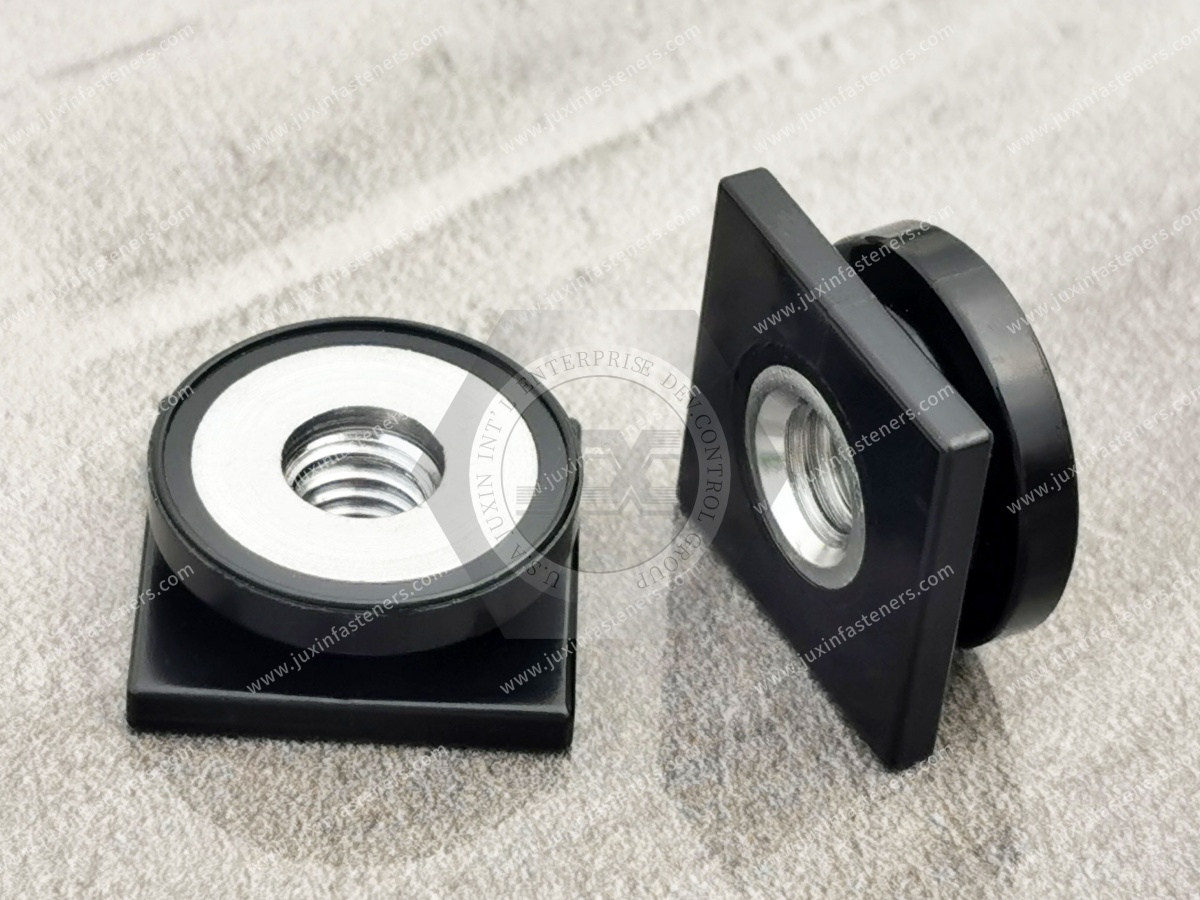
EV battery packs contain numerous mechanical components that must work together accurately.
Depending on the design, CNC machining may be used for:
Battery mounting components
Brackets
Structural interfaces
Cooling-system components
Sensor mounting components
Electrical mounting parts
Aluminum mechanical components
For battery-related applications, material selection, dimensional requirements, surface treatment, corrosion resistance,
and inspection requirements should be clearly defined before production.
Electric motors contain precision mechanical interfaces where component alignment can be important.
CNC machining can support suitable:
Motor housings
Mounting components
Shafts
Bushings
Adapters
Sensor mounting components
Mechanical interfaces
For rotating components, engineering requirements may include dimensional accuracy, concentricity, surface finish, and controlled relationships between mating features.
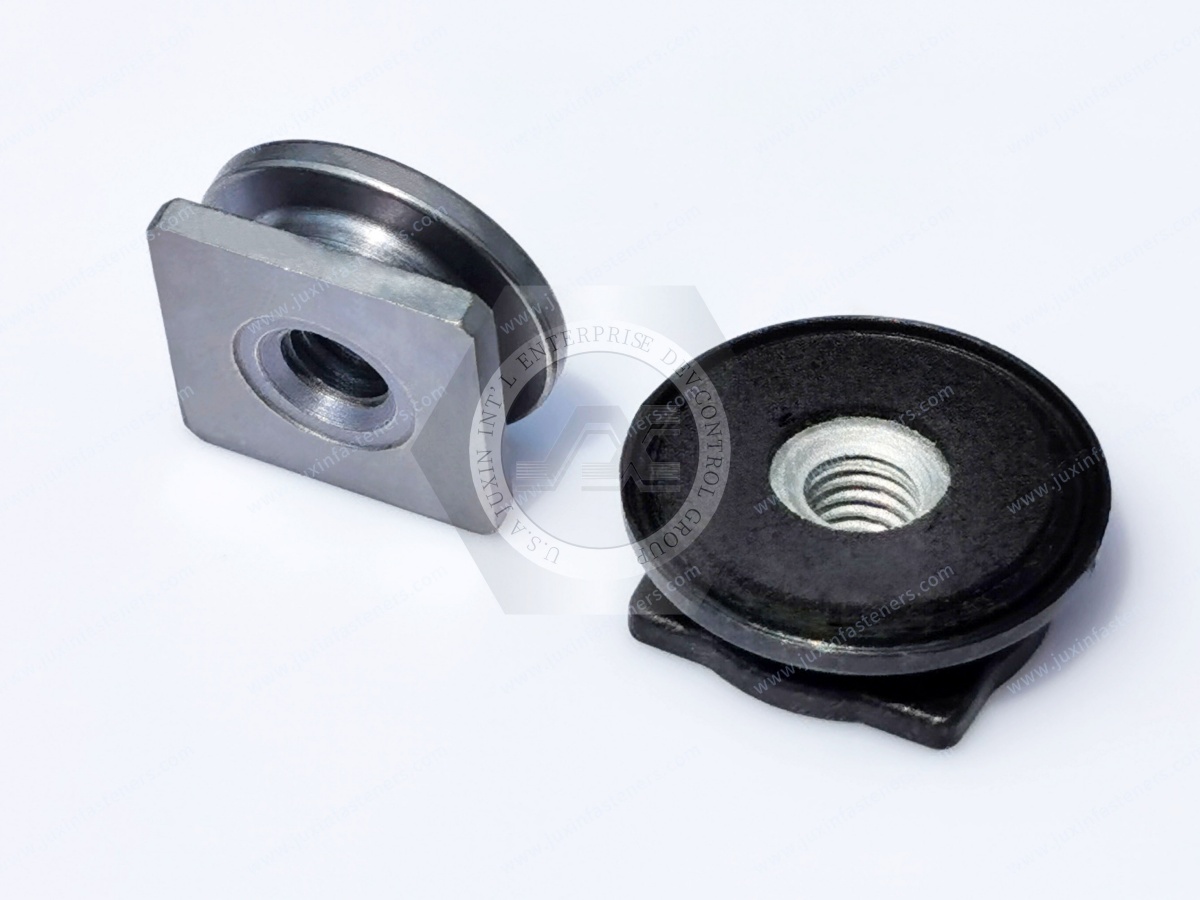
Thermal management is an important part of EV system development.
Suitable CNC machined components may include:
Thermal management housings
Mounting brackets
Cooling-system interfaces
Aluminum components
Mechanical adapters
Sensor mounting components
The exact manufacturing process depends on the component geometry, material, dimensional requirements, and production quantity.
For automotive OEM production, CNC machining should be considered together with Design for Manufacturing (DFM).
During engineering review, potential considerations include:
Part geometry
Material selection
Machining accessibility
Hole and thread design
Tolerance allocation
Surface finish
Tool access
Workholding
Production quantity
Inspection requirements
Not every dimension needs the tightest possible tolerance.
Where the design permits, functional tolerances can help maintain performance while avoiding unnecessary manufacturing cost.
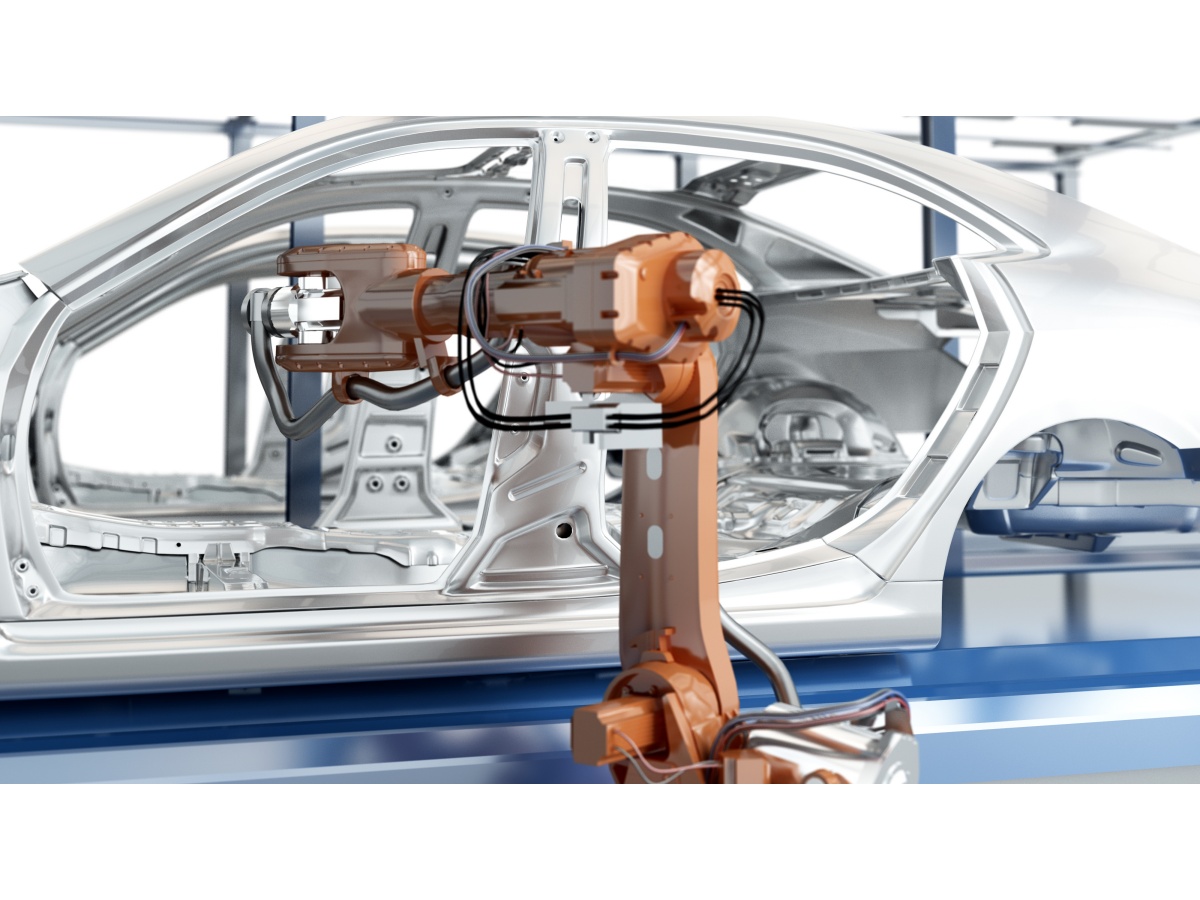
Automotive components often need to be produced repeatedly across a defined production quantity.
Once the CNC process has been validated, programmed machining operations can be repeated to manufacture consistent components.
Quality control may include:
First-piece inspection
Critical dimension inspection
Hole diameter inspection
Thread inspection
Material verification
Surface finish inspection
Visual inspection
Functional fit verification
Batch consistency checks
The inspection method should be selected according to the component's tolerance and functional requirements.
Before a new automotive component enters production, engineering teams may need physical prototypes to verify the design.
Automotive CNC prototyping can help engineers evaluate:
Assembly fit
Mounting interfaces
Component dimensions
Interference
Mechanical function
Sensor positioning
Clearance
Design changes
Once the prototype has been validated, the component can potentially transition into batch or repeat OEM production.
A typical automotive CNC manufacturing process can progress through:
CAD Model → Prototype CNC Machining → Dimensional Inspection → Assembly Validation → DFM Optimization → Process Validation → Batch CNC Production → Repeat OEM Supply
Using one manufacturing partner across these stages can reduce the need to transfer technical information between multiple suppliers.
It can also help maintain continuity in:
Drawings
Material specifications
CNC programs
Inspection requirements
Packaging specifications
Production processes
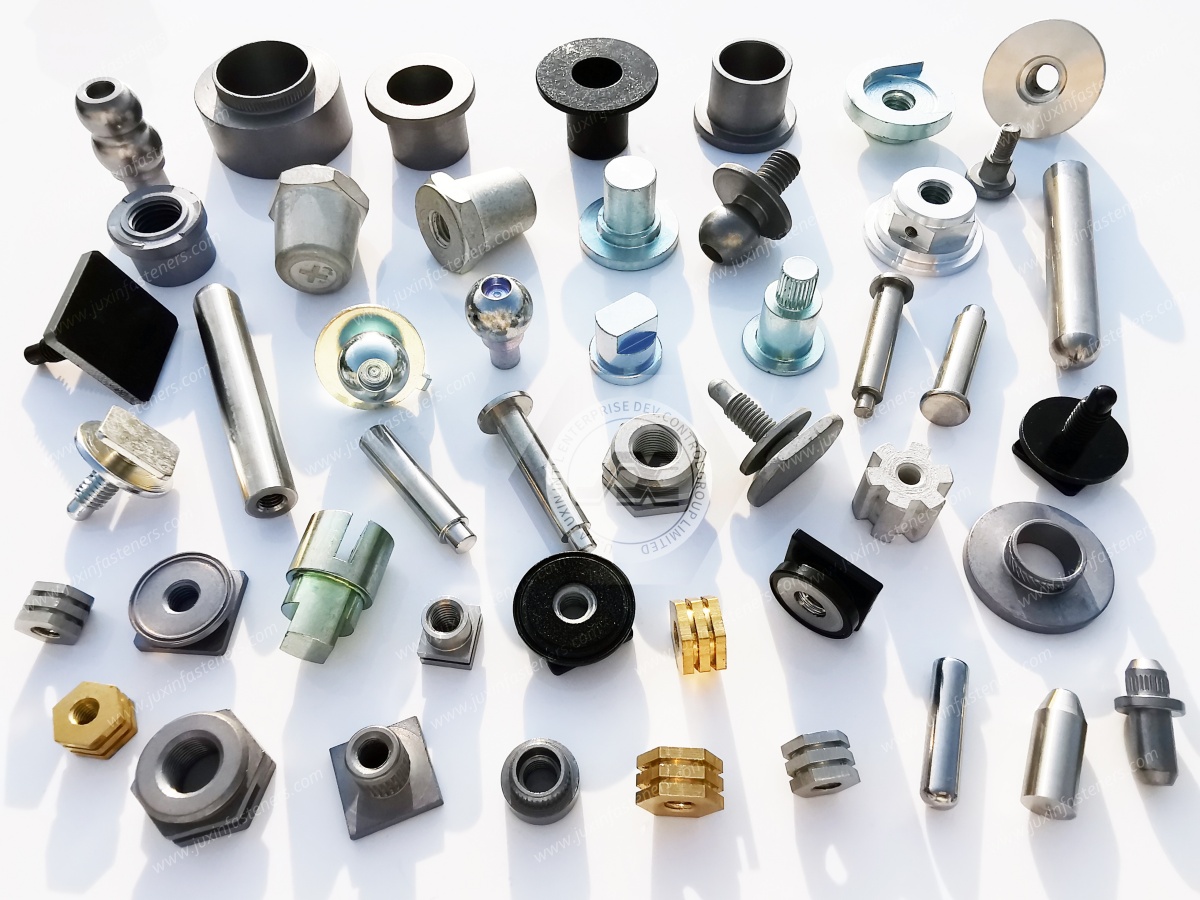
Automotive OEMs and Tier suppliers may require different production quantities and component types.
CNC machining can be considered for:
Prototype components
Engineering samples
Low-volume production
Batch production
Replacement components
Custom mechanical components
Repeat OEM orders
The appropriate production method depends on annual demand, part geometry, material, tolerance requirements, machining time, and target cost.
Our CNC machining capabilities can support automotive-related applications including:
Passenger Vehicles
Commercial Vehicles
Electric Vehicles
Hybrid Vehicles
Automotive Electronics
EV Battery Systems
Electric Motor Systems
Thermal Management
Automotive Sensors
Vehicle Structures
Automotive Equipment
Industrial Vehicle Systems
Juxin Fasteners has more than 20 years of experience supporting OEM customers with industrial fasteners and engineered components.
Our manufacturing capabilities support customers requiring drawing-based components for automotive and other engineering-driven industries.
Our services include:
Automotive CNC machining
Custom CNC machined parts
Precision CNC machining
CNC prototype machining
Batch CNC production
Multi-axis CNC machining
Aluminum CNC machining
Industrial fasteners
Custom fastening components
Dimensional inspection
OEM manufacturing support
We evaluate each project according to its actual engineering requirements, helping purchasing and engineering teams select a practical manufacturing approach for their application.
If you are sourcing automotive CNC machined parts for an OEM or Tier supplier project, send us your engineering drawing, 3D CAD model, material specification, production quantity, and quality requirements.
Our engineering and manufacturing team can review your requirements and provide a quotation for automotive CNC machining,
EV components, prototype parts, batch production, or repeat OEM supply.
Email: info@juxinfasteners.com
Juxin Fasteners — Automotive CNC Machined Parts and OEM Manufacturing Support for Conventional and Electric Vehicle Applications.
 MORE NEWS

Oct. 13, 2026
Contact Us
Tel.:
+86 020 8621 0320
+86 020 3121 6067
E-mail:
Technical Support:
Navigation
SEND INQUIREY