
Call Us
+86 136 6007 9809
Call Us
+86 136 6007 9809

Aug. 16, 2026
CNC Machined Medical Components for Precision Medical Devices
Precision CNC Machining, Custom Medical Equipment Hardware and Drawing-Based OEM Manufacturing Solutions
Medical equipment and precision instruments depend on components that combine dimensional accuracy, material suitability,
controlled surface quality and reliable assembly performance.
From diagnostic analyzers and laboratory instruments to medical equipment housings, mechanical support systems and instrument assemblies,
precision metal components perform essential structural, positioning, fastening and mechanical functions.
CNC machined medical components may include custom spacers, threaded standoffs, bushings, sleeves, shafts, mounting brackets, precision screws and other drawing-specific metal parts.
For medical device OEMs, equipment designers and procurement teams, selecting a machining supplier involves more than obtaining a part with the correct external dimensions.
Engineers must consider the relationship between component geometry, functional tolerances, material characteristics, surface condition, cleanliness, inspection methods and production repeatability.
Manufacturing engineers and production managers must also evaluate machining feasibility, assembly efficiency, inspection requirements, production consistency and the cost of nonconforming parts.
Juxin Fasteners supplies precision CNC machined components, industrial fastening hardware and customized metal parts according to customer drawings and technical specifications.
This guide explains how engineering design, machining processes, material selection,
quality planning and supplier qualification influence the successful procurement of precision components for medical equipment and instruments.
Application Scope and Regulatory Considerations
The medical industry includes many different product categories, with different regulatory and technical requirements.
Components used in an external diagnostic equipment housing may have very different requirements from components intended for patient contact, sterile use or implantation.
This article primarily addresses drawing-based precision mechanical components and fastening hardware for medical equipment, diagnostic instruments, laboratory systems and associated assemblies.
Suitability for a regulated medical device application must be established through the customer's intended-use assessment, specifications, supplier qualification and applicable validation processes.
No general claim of implant suitability, sterility, biocompatibility, regulatory approval or medical-device certification should be inferred from CNC machining capability alone.
What Are CNC Machined Medical Components?
CNC machined medical components are precision parts produced using computer-controlled material removal processes for applications involving medical equipment or devices.
Depending on the component design, machining operations may include:
CNC turning
CNC milling
CNC drilling
CNC boring
Thread cutting
Reaming
Grooving
Chamfering
Deburring
Application-specific finishing
The selected process depends on the component's geometry, material, dimensional requirements, surface finish and expected production volume.
Common engineering and procurement search terms include:
CNC machined medical components
Precision medical device components
Custom medical equipment machined parts
Medical OEM precision components
CNC turned medical equipment parts
CNC milled medical instrument components
Precision medical equipment hardware
Medical instrument mounting components
Custom medical equipment fasteners
Drawing-based precision CNC parts
These descriptions represent related manufacturing requirements but do not establish that every machined component is qualified for every medical application.
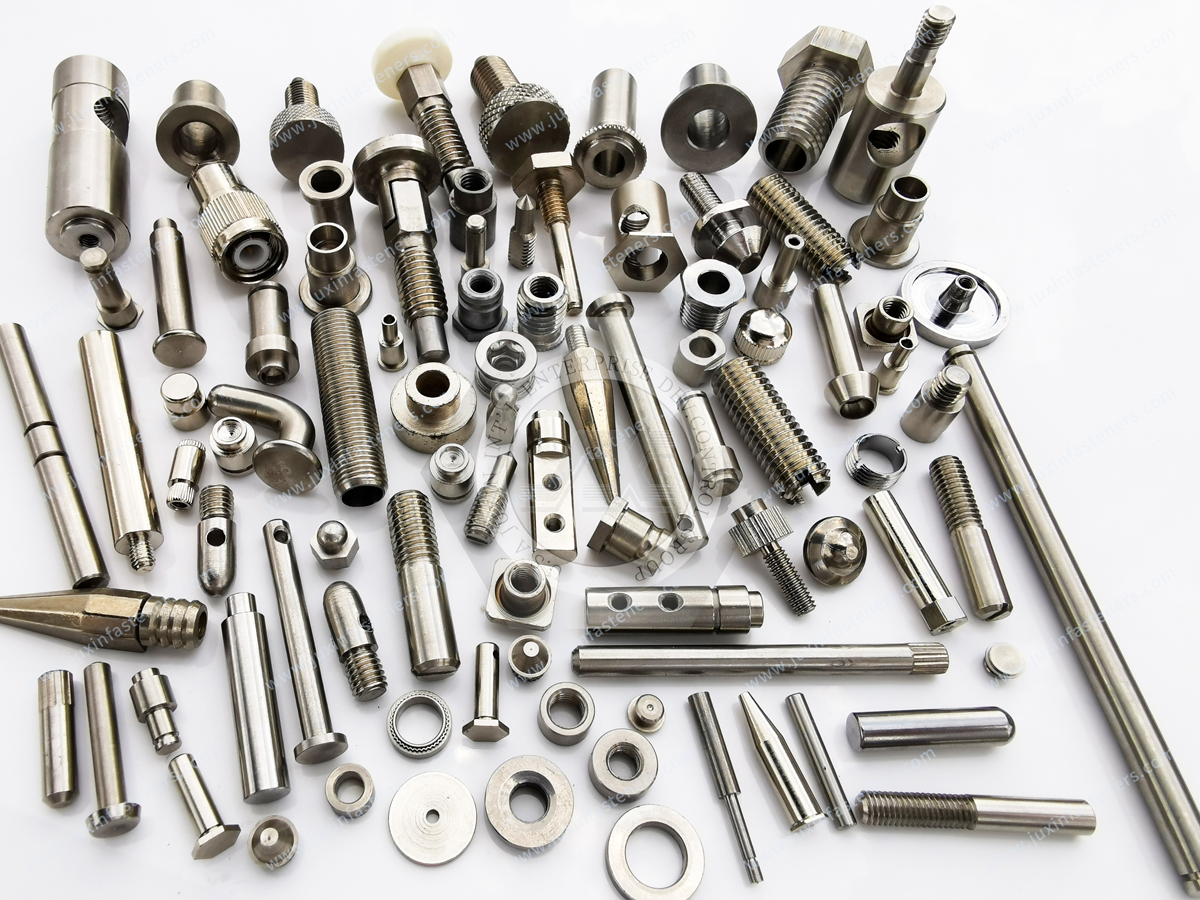
Precision Components for Medical Equipment and Instruments
Medical equipment manufacturers may require several categories of machined parts.
Precision Spacers and Standoffs
Spacers and standoffs establish defined distances between mechanical components, panels, circuit boards or instrument assemblies.
Potential applications include:
Diagnostic equipment assemblies
Laboratory instrument frames
Control electronics mounting
Medical equipment enclosures
Optical and sensing equipment supports
Internal mechanical structures
Important parameters may include:
Overall length
Outside diameter
Inside diameter
Thread designation
End-face parallelism
Perpendicularity
Surface finish
Material specification
Threaded Mounting Components
Custom threaded parts may be used to connect instrument housings, brackets, panels and equipment assemblies.
Design considerations include:
Internal or external thread
Thread engagement length
Thread class
Material strength
Assembly access
Repeated maintenance
Corrosion requirements
Precision Bushings and Sleeves
Bushings and sleeves may provide location, guidance, spacing or support within suitable mechanical assemblies.
Relevant requirements can include:
Bore diameter
Outside diameter
Concentricity or coaxial relationships
Cylindricity
Surface texture
Fit with mating components
Material compatibility
Custom Shafts and Pins
Precision shafts and pins may be used in mechanical positioning, motion transmission or assembly interfaces.
Their functional requirements depend on the actual design.
Medical Equipment Brackets and Mounting Hardware
Machined brackets and support components may be used for:
Instrument positioning
Mechanical module installation
Equipment enclosure assembly
Diagnostic system support structures
Laboratory instrument mechanisms
Information Gain: Component Function Should Determine the Machining Specification
A spacer used only to separate two covers may not require the same tolerances as a precision bushing locating a rotating shaft.
Applying unnecessarily tight tolerances to every feature can increase manufacturing and inspection cost without improving equipment performance.
The drawing should identify which characteristics are functionally critical.
Medical Equipment Application Matrix
| Component category | Potential application | Main engineering priority |
|---|---|---|
| Precision spacer | Instrument assembly spacing | Length and end-face geometry |
| Threaded standoff | Electronics and module mounting | Thread quality and positioning |
| Bushing | Mechanical guidance or location | Bore geometry and fit |
| Sleeve | Shaft or assembly interface | Concentricity and surface condition |
| Mounting bracket | Equipment module installation | Hole position and stiffness |
| Custom shaft | Mechanical instrument assembly | Diameter and geometric tolerances |
| Precision screw | Equipment fastening | Thread engagement and material |
| Custom metal housing | Instrument enclosure | Machined interfaces and assembly fit |
These are potential application categories. Actual suitability must be verified against the customer's drawing and intended use.
CNC Turning for Precision Medical Equipment Components
CNC turning is particularly useful for parts with rotational geometry.
Potential components include:
Cylindrical spacers
Bushings
Sleeves
Shafts
Threaded studs
Round standoffs
Custom pins
Precision cylindrical inserts
A turned component may require multiple controlled features.
Outside Diameter
May determine fit within a housing or mating component.
Inside Diameter
May control clearance, guidance or location.
Overall Length
May influence the assembly stack-up.
End-Face Geometry
May influence how the component seats against mating surfaces.
Threads
May provide fastening or adjustment functions.
Surface Finish
May affect fit, movement, cleanliness or corrosion behavior.
Information Gain: A Turned Part Can Be Dimensionally Correct but Functionally Unsuitable
For example, a sleeve may meet its nominal bore and outside diameter dimensions but still cause assembly problems if the two features are not adequately aligned.
Functional geometry must be defined using appropriate dimensional and geometrical tolerances.
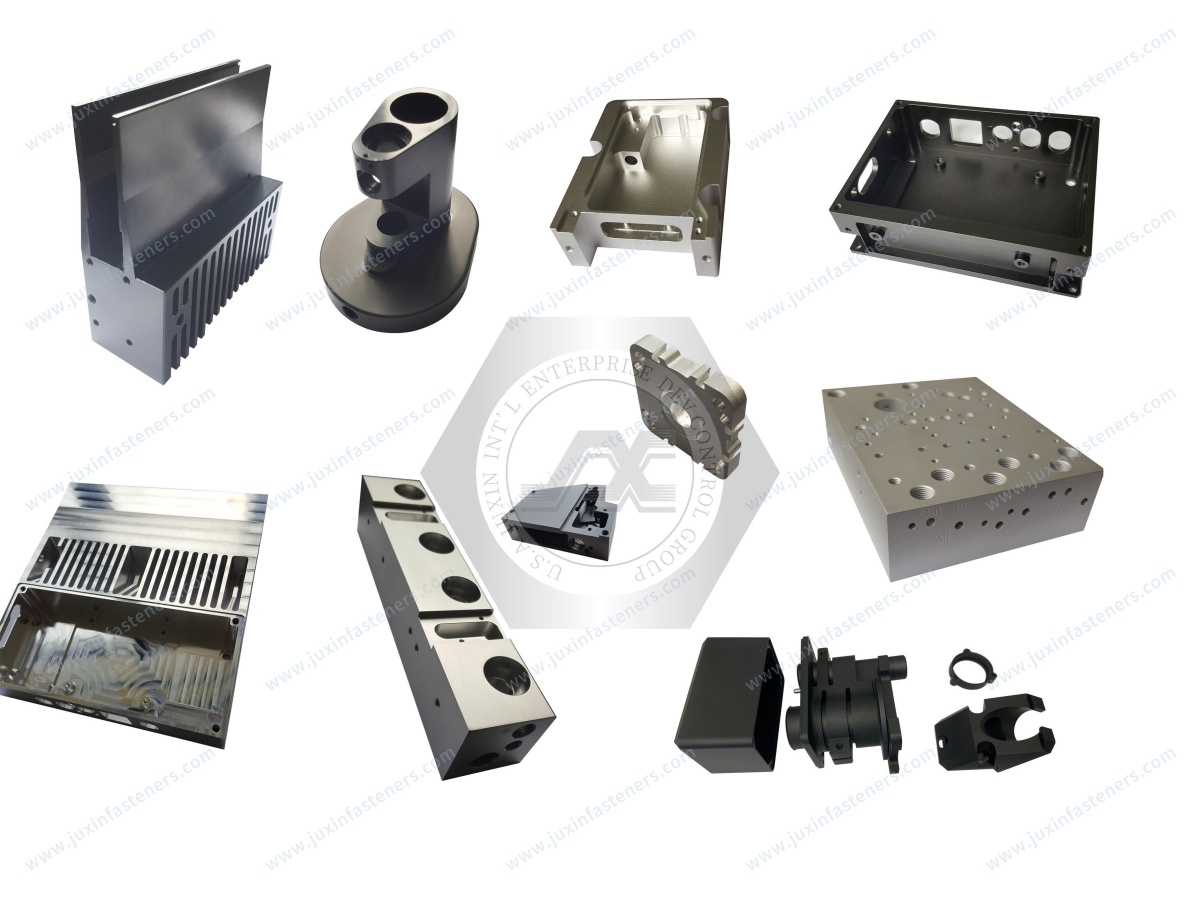
CNC Milling for Medical Equipment Components
CNC milling can produce noncylindrical parts and machined features.
Potential applications include:
Precision mounting brackets
Instrument support blocks
Equipment housing components
Mechanical interfaces
Custom fixtures
Precision mounting plates
Components with pockets and intersecting holes
Design considerations include:
Tool access
Internal corner geometry
Wall thickness
Pocket depth
Hole position
Datum selection
Clamping strategy
Surface requirements
Information Gain: Tool Access Can Determine Whether a Medical Component Is Economical to Manufacture
Deep narrow pockets, inaccessible internal corners and unnecessarily complex surfaces may require additional setups or specialized tooling.
A design-for-manufacturability review can identify opportunities to simplify production while preserving functional requirements.
CNC Drilling, Boring and Reaming
Precision holes are common in medical equipment components.
Different processes may be used depending on the required hole geometry and tolerance.
Drilling
Produces holes with characteristics dependent on the process and tooling.
Boring
May be used to refine an existing hole and its geometric relationship to other features.
Reaming
May be appropriate for selected controlled-diameter holes.
Threading
May produce internal or external threaded features.
The process should be selected according to the actual engineering requirements rather than assuming one machining operation provides every level of precision.
Precision and Repeatability in Medical Component Manufacturing
Medical equipment components may require repeatable dimensions across prototype and production quantities.
However, CNC machining does not automatically guarantee a particular tolerance.
Achievable tolerances depend on:
Material
Part geometry
Machine and process capability
Tooling
Workholding
Temperature
Inspection method
Production quantity
Finishing operations
Dimensional Tolerance
Controls permitted variation in a specified dimension.
Geometrical Tolerance
Controls features such as position, orientation, form or runout where applicable.
Surface Texture
Defines selected surface characteristics.
Inspection
Confirms whether the manufactured component satisfies the approved drawing.
Information Gain: Repeatability Must Be Demonstrated for the Relevant Characteristics
A process may repeatedly achieve an outside diameter while showing greater variation in a thin wall, long unsupported feature or secondary machining operation.
The inspection plan should prioritize characteristics that influence function, assembly or safety.
GD&T for CNC Machined Medical Components
Geometric Dimensioning and Tolerancing (GD&T) can communicate functional relationships between features.
Depending on the design, relevant controls may include:
Position
Flatness
Perpendicularity
Parallelism
Profile
Circular runout
Total runout
Cylindricity
Datum Selection
Datums should reflect how the component is located or assembled.
Functional Hole Position
Hole location may influence fit with mating components.
Perpendicularity
May affect the seating of threaded standoffs and mounting components.
Runout
May matter for rotating or precision cylindrical parts.
Information Gain: Datum Strategy Connects Design Intent With Inspection
A drawing that uses a nonfunctional reference surface may create unnecessary manufacturing complexity.
Where possible, the datum system should represent the way the part is located and used in the assembly.
Applicable drawing frameworks may include ASME Y14.5 or ISO GPS standards such as ISO 1101, depending on the customer's specification.
The two systems should not be mixed indiscriminately.
Tolerance Stack-Up in Medical Equipment Assemblies
A medical equipment assembly may contain several machined and purchased components.
Each contributes to the final dimensional relationship.
Consider an assembly containing:
Mounting plate
Precision spacer
Instrument housing
Washer
Threaded fastener
The final position depends on the relevant dimensions and geometric relationships of the complete assembly.
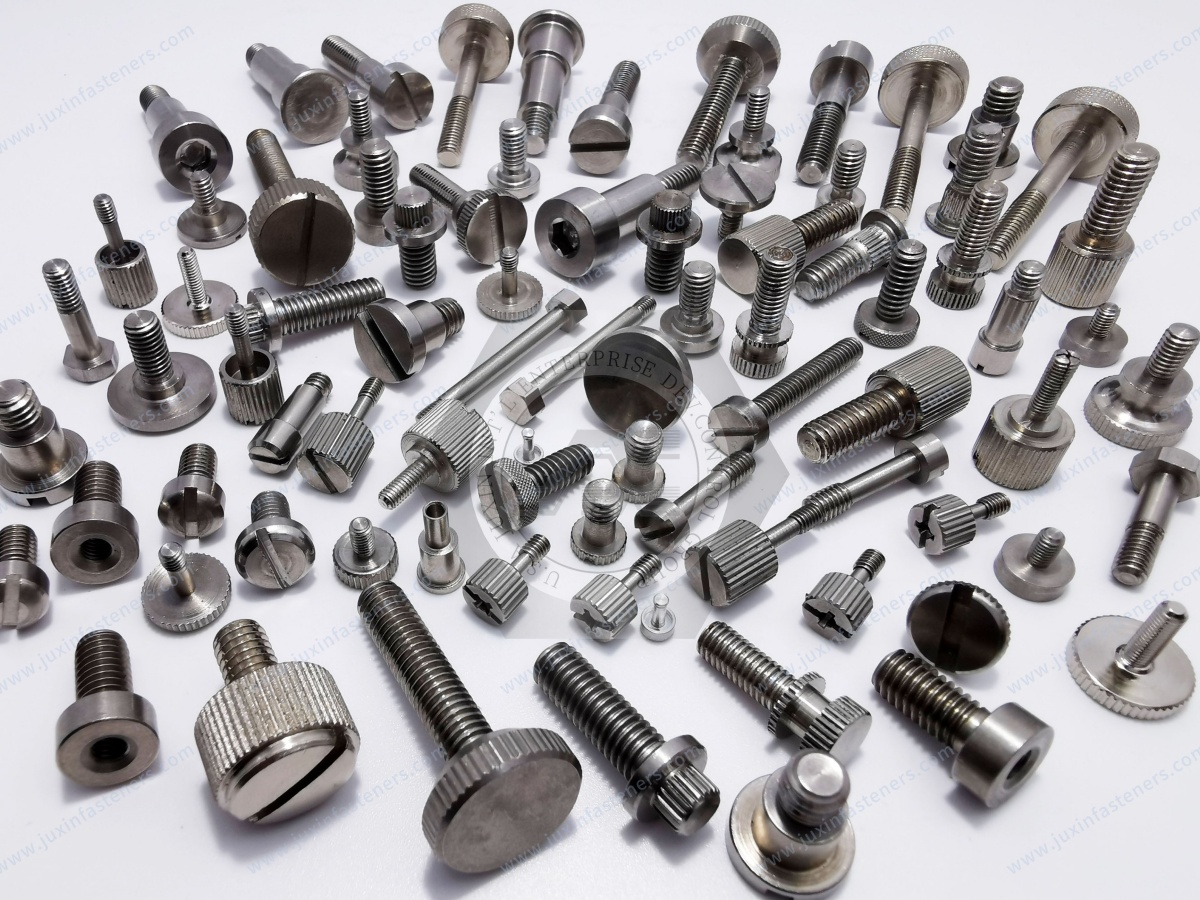
Information Gain: Tightening One Component's Tolerance May Not Solve an Assembly Problem
If the overall assembly error is driven by multiple interfaces, reducing the tolerance of one spacer may have limited benefit.
Engineers should evaluate the stack-up and identify the features that most strongly influence the functional requirement.
Material Selection for Precision Medical Equipment Components
Material selection should be based on the intended use, mechanical performance, environment, finishing process and customer specification.
Potential materials for suitable equipment components include:
Stainless steel
Carbon or alloy steel
Aluminum alloys
Brass
Other specified machinable materials
Availability and suitability of any specific material or grade must be confirmed for the actual part.
Stainless Steel
May be selected for corrosion resistance, mechanical properties and equipment compatibility.
Different stainless steel grades have different machining and corrosion characteristics.
Aluminum Alloys
May be useful where low weight and machinability are important.
Surface treatment may be required depending on the environment.
Brass
May be considered for certain precision threaded or electrical/mechanical components.
Its suitability depends on the application and applicable material restrictions.
Carbon and Alloy Steel
May be selected for specified mechanical properties, with suitable corrosion protection where required.
Material Selection Matrix
| Design priority | Engineering consideration |
|---|---|
| Corrosion resistance | Material and exposure compatibility |
| Low weight | Density and required stiffness |
| Precision fit | Dimensional stability and machining |
| Thread durability | Material strength and engagement |
| Surface cleanliness | Finish and residue control |
| Electrical function | Conductivity or insulation requirements |
| Repeated assembly | Wear and thread performance |
| Regulatory suitability | Intended use and customer qualification |
Important Medical Material Boundary
A material designation alone does not establish medical-device suitability.
Material selection may require additional evaluation of composition, surface condition, processing, intended contact and regulatory requirements.
Stainless Steel CNC Components for Medical Equipment
Stainless steel is frequently considered for precision equipment components.
Potential parts include:
Stainless steel spacers
Precision sleeves
Threaded standoffs
Mounting hardware
Custom bushings
Precision screws
Instrument support components
Machining Considerations
Certain stainless steel grades may require appropriate cutting tools, machining parameters and workholding strategies.
Surface Condition
Machining can leave tool marks, burrs and residues that must be evaluated against the drawing.
Corrosion Resistance
Performance depends on the alloy, surface condition and service environment.
Post-Processing
Some applications may specify cleaning, passivation or other controlled processes.
Information Gain: Stainless Steel Does Not Automatically Mean Clean, Passivated or Biocompatible
These are separate requirements.
A stainless steel part can be dimensionally acceptable while failing an application-specific cleanliness or surface condition requirement.
Surface Finish and Burr Control
Surface quality is particularly important for precision assemblies.
Relevant concerns may include:
Machining marks
Burrs
Sharp edges
Surface roughness
Particles
Residual cutting fluids
Surface damage
Coating condition
Burr Control
Burrs may interfere with assembly or create unwanted particles.
Edge Requirements
Drawings should distinguish functional sharp edges, specified chamfers and general edge-breaking requirements.
Surface Roughness
The specified surface parameter and measurement method should match the intended function.
Cleaning
The required cleanliness level should be defined by the customer.
Information Gain: A Generic “Deburr All Edges” Note May Be Insufficient
For components with small intersecting holes, internal threads or precision bores, the location and acceptance criteria for burrs may need to be defined more precisely.
Otherwise, different inspection teams may interpret the requirement differently.
Cleanliness Requirements for Medical Equipment Parts
Cleanliness can influence assembly, performance and downstream processing.
Potential contaminants include:
Machining chips
Fine particles
Cutting fluid residues
Cleaning residues
Handling contamination
Packaging debris
The required cleanliness depends on the intended application.
General Equipment Hardware
May require removal of machining debris and process residues.
Sensitive Instrument Assemblies
May require more specific particle or residue limits.
Patient-Contact or Sterile Applications
May require additional controlled processing, validation and regulatory assessment.
Information Gain: Cleanliness Should Be Specified as a Measurable Requirement
A request for a “medical-grade clean” part is not sufficiently precise by itself.
Where cleanliness is critical, the customer should identify the relevant acceptance criteria, inspection method, packaging and handling requirements.
Juxin Fasteners should not be assumed to provide validated medical cleaning or sterile processing without project-specific confirmation.
Threaded Components for Medical Device Assemblies
Threaded fastening interfaces are common in equipment housings and instrument assemblies.
Potential components include:
Precision screws
Threaded spacers
Male-female standoffs
Internally threaded sleeves
Custom threaded studs
Mounting nuts
Drawing-specific threaded parts
Thread Size
Must match the mating component.
Thread Class
Determines the specified fit requirements.
Engagement Length
Influences connection behavior.
Material Pairing
Affects wear, corrosion and potential thread damage.
Assembly Torque
Must be based on the actual joint design and specifications.
Repeated Assembly
May influence material and thread selection.
Metric and Inch Threads
Medical equipment may use metric, UNC or UNF threads, and certain legacy equipment may use other systems.
Metric, UNC, UNF, BSW and BSF threads are not directly interchangeable.
Inch-to-metric conversions are reference values only.
Information Gain: Thread Fit Is an Assembly Requirement, Not Just a Machining Dimension
An internally threaded standoff may pass a dimensional check but still cause assembly problems if the thread specification, mating fastener or engagement conditions are incorrect.
Design for Manufacturability (DFM) for Medical CNC Parts
DFM review helps identify potential manufacturing problems before production.
Relevant considerations include:
Material availability
Machining access
Wall thickness
Deep holes
Thread depth
Internal corner geometry
Feature relationships
Surface finish
Inspection access
Finishing requirements
Thin Walls
May be sensitive to clamping forces and machining distortion.
Deep Small-Diameter Holes
May increase tooling and inspection complexity.
Tight Geometric Tolerances
May require additional setups or controlled processes.
Complex Internal Features
May limit machining access.
Unnecessary Surface Finish Requirements
May increase processing time.
Information Gain: DFM Should Protect Function While Reducing Avoidable Cost
An effective DFM review does not simply loosen tolerances.
It identifies which requirements are essential, which features create manufacturing difficulty and whether an alternative geometry could achieve the same function.
Any proposed design change must be approved by the customer before production.
Prototype, Pilot and Repeat Production
Medical equipment OEM programs may progress through several stages.
Prototype Components
Used to evaluate geometry, fit and design feasibility.
Engineering Samples
May support dimensional and assembly evaluation.
Pilot Production
May help assess manufacturing repeatability and inspection methods.
Repeat Production
Requires controlled specifications and consistent acceptance criteria.
Information Gain: Prototype Acceptance Does Not Automatically Establish Production Readiness
A prototype may be machined using additional manual adjustments or inspection.
Repeat production requires the manufacturing process and acceptance requirements to be suitable for the expected quantity and quality objectives.
Manufacturing Engineering and Production Efficiency
Production managers and manufacturing engineers must coordinate quality with repeatable output.
Important considerations include:
Process sequence
Workholding
Tooling consistency
Setup repeatability
Inspection frequency
Deburring
Cleaning
Part handling
Packaging
Nonconforming part control
Information Gain: Manufacturing Cost Is Influenced by Inspection Strategy
A component with numerous tightly controlled features may require significant inspection effort.
The drawing and quality plan should identify critical characteristics so that inspection resources are allocated appropriately.
This does not justify reducing required inspection or acceptance standards.
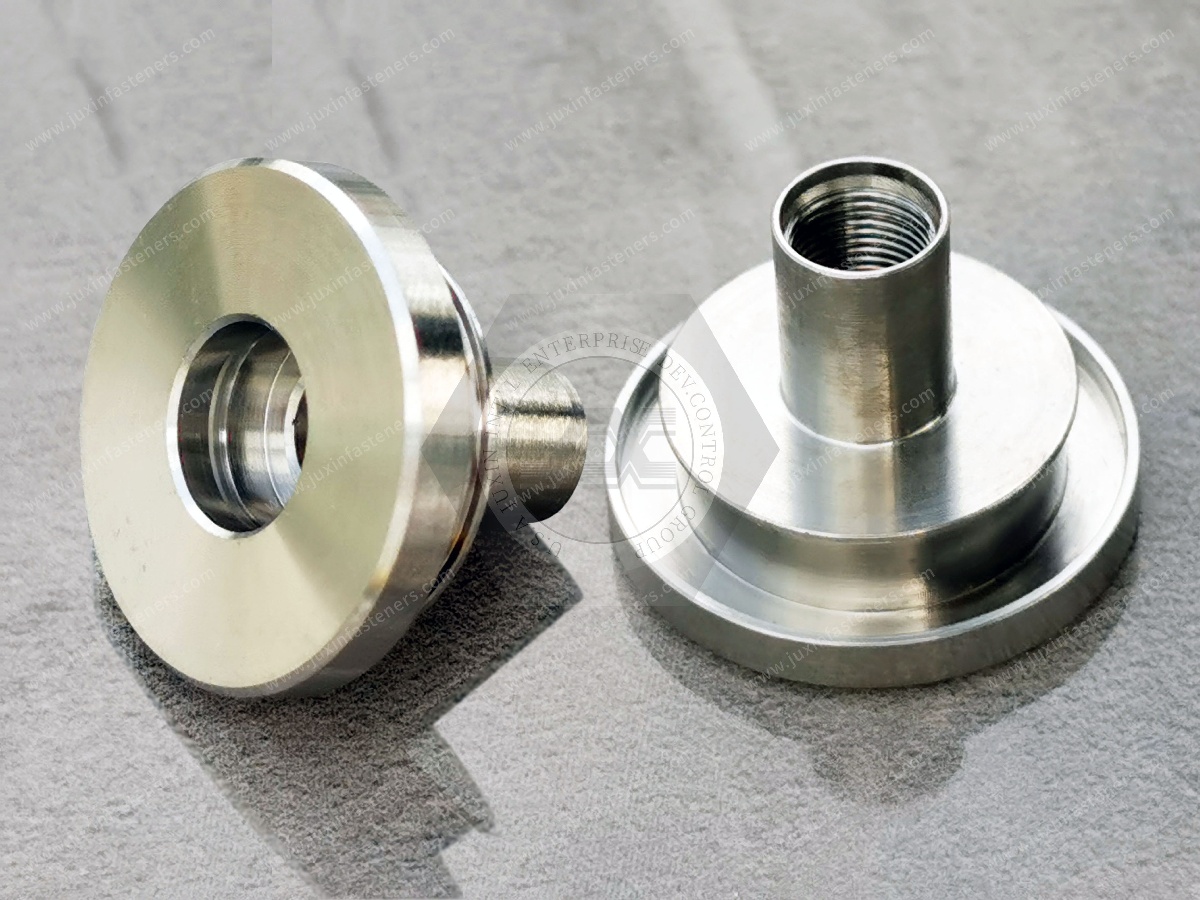
Precision Component Quality-Control Matrix
| Quality characteristic | Typical concern | Possible verification approach |
|---|---|---|
| Overall dimensions | Assembly fit | Suitable dimensional measurement |
| Hole position | Alignment | Drawing-based coordinate inspection |
| Bore diameter | Mating fit | Appropriate bore measurement |
| Thread quality | Fastening compatibility | Specified thread inspection |
| Geometric tolerance | Functional alignment | Suitable GD&T inspection |
| Surface texture | Functional surface condition | Specified surface measurement |
| Burr condition | Assembly and particle risk | Defined visual or dimensional criteria |
| Material | Specification conformity | Required material documentation |
| Finish | Corrosion or surface function | Approved finish inspection |
| Cleanliness | Residue and particles | Customer-defined acceptance method |
| Identification | Traceability | Required part and lot records |
The actual inspection plan should be agreed according to the component's risk, design and customer requirements.
First Article Inspection and Dimensional Reports
Medical equipment OEMs may require documented dimensional verification.
Potential requirements include:
Approved drawing revision
Part identification
Material specification
Inspection characteristics
Measurement results
Nonconformance records
Approval status
First Article Inspection
May provide evidence that an initial production configuration meets specified requirements.
Routine Inspection
May monitor continued conformity during production.
Change Control
Helps prevent unapproved modifications.
Information Gain: A First Article Report Must Match the Approved Drawing Revision
A dimensional report associated with an obsolete drawing may not demonstrate conformity to the current design.
Drawing revision control should be part of the procurement and quality process.
Supplier Qualification for Medical Equipment Components
Medical OEM procurement teams may evaluate suppliers according to technical capability, quality requirements and supply continuity.
Potential evaluation areas include:
Product category
Drawing interpretation
Material sourcing
Machining feasibility
Inspection capability
Quality documentation
Traceability
Change notification
Nonconformance handling
Packaging
Lead time
Repeat-order support
Information Gain: Supplier Qualification Should Be Proportionate to Component Risk
A non-patient-contact instrument spacer and a component essential to a device's safety may require different levels of supplier control.
The medical device manufacturer should define the applicable qualification and quality requirements based on the intended use and risk assessment.
Medical Device Quality Management and Regulatory Requirements
ISO 13485:2016
ISO 13485 specifies quality management system requirements for medical devices and related regulatory purposes.
It is a quality management framework, not a universal product approval.
United States FDA QMSR
The FDA Quality Management System Regulation became effective on February 2, 2026.
It incorporates ISO 13485:2016 by reference into the applicable US medical device quality management regulatory framework.
The obligations of a particular company depend on its role, activities and applicable regulatory requirements.
ISO 14971
ISO 14971 provides a risk management framework for medical devices.
The medical device manufacturer determines the relevant risks and necessary controls for the intended use.
ISO 10993 Series
Biological evaluation standards may be relevant where the intended use involves applicable body contact.
They should not be applied automatically to every external medical equipment bracket, spacer or enclosure component.
European Union Medical Device Regulation
EU Regulation 2017/745 may apply to medical devices and certain associated products placed on the EU market.
Applicable obligations depend on the product's intended purpose and regulatory classification.
Important Regulatory Boundary
A CNC machining supplier should not claim that a part is FDA approved, CE marked,
ISO 13485 certified, implantable or biocompatible without appropriate verified evidence.
Juxin Fasteners does not claim these qualifications in this article.
Relevant Engineering Standards for Precision Components
Depending on the actual drawing and component type, standards may include:
ASME Y14.5 for geometric dimensioning and tolerancing
ISO 1101 for geometrical tolerancing
ISO 2768 where applicable and expressly specified for general tolerances
ISO 21920 series for surface texture specifications
ISO 965 for applicable metric thread tolerances
ASME B1.1 for Unified inch screw threads
ISO 3506 for applicable stainless steel fastener mechanical properties
ASTM A967/A967M for specified stainless steel chemical passivation treatments
The correct edition, acceptance criteria and applicability should be established by the customer specification.
A standard describing geometry, material or finishing does not independently qualify a component for medical use.
Change Control for Medical OEM Components
Changes to a machined component may affect fit, function or regulatory documentation.
Potential changes include:
Material grade
Material source
Component dimensions
Manufacturing process
Surface finish
Cleaning method
Coating
Packaging
Inspection method
Information Gain: A Small Manufacturing Change Can Affect a Critical Assembly
Changing a deburring method, for example, may influence edge geometry or particle generation.
Changing a coating may affect fit or corrosion behavior.
Required customer notification and approval should be agreed before such changes are implemented.
Procurement and Supply Chain Considerations
For medical equipment procurement teams, sourcing decisions should address technical and commercial requirements separately.
Technical Requirements
Drawing and revision
Material specification
Dimensions and tolerances
Thread requirements
Surface finish
Cleanliness
Inspection
Packaging
Commercial Requirements
Prototype quantity
Initial order quantity
Annual demand
MOQ expectations
Lead time
Delivery schedule
Repeat-order planning
Supplier Risk Requirements
Specification control
Documentation availability
Material traceability
Change management
Nonconformance handling
Supply continuity
Information Gain: Lowest Unit Price Is Not Always Lowest Assembly Cost
A low-cost component may create additional costs if it requires excessive fitting, rework, cleaning, inspection or replacement.
The purchasing decision should consider the total cost of obtaining a conforming, assembly-ready component.
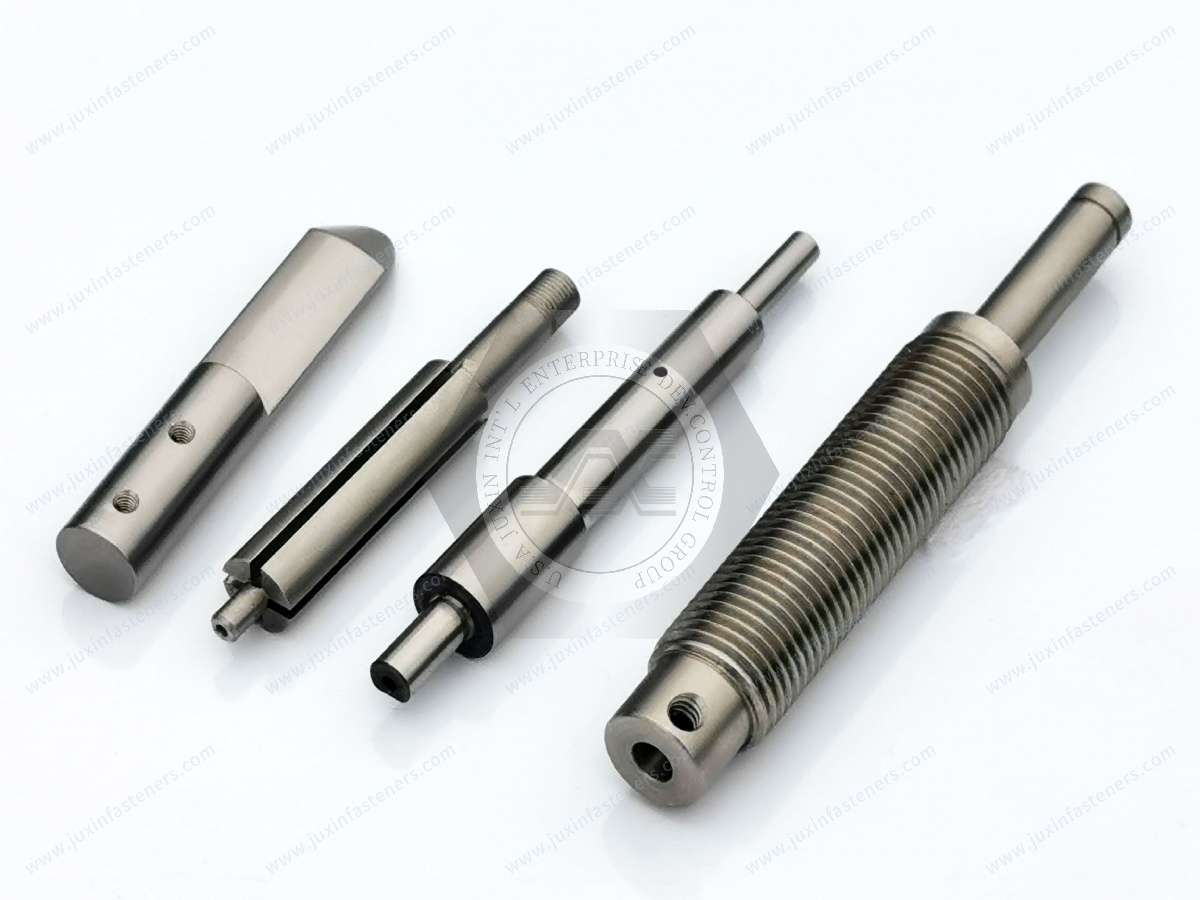
OEM Procurement Decision Matrix
| Procurement question | Why it matters |
|---|---|
| Is the drawing complete? | Prevents quotation ambiguity |
| Are critical tolerances identified? | Supports process planning |
| Is the material specified? | Controls functional properties |
| Is the surface finish defined? | Avoids acceptance disputes |
| Are burr limits defined? | Protects assembly and cleanliness |
| Are inspection records required? | Supports quality verification |
| Is traceability required? | Supports supplier control |
| Is change notification required? | Protects approved configurations |
| Are packaging requirements defined? | Reduces handling damage |
| Is annual demand available? | Supports supply planning |
Why Juxin Fasteners for Precision Medical Equipment Components?
Juxin Fasteners has more than 20 years of experience supplying industrial fastening products and drawing-based components to international customers.
Our relevant product categories include:
CNC machined spacers
Precision standoffs
Custom threaded components
Precision screws and bolts
Nuts and washers
Custom shafts and sleeves
Machined bushings
Mounting hardware
Drawing-specific metal components
We welcome inquiries from:
Medical equipment OEMs
Diagnostic equipment manufacturers
Laboratory instrument manufacturers
Medical technology engineering teams
Mechanical design engineers
Manufacturing engineers
Production managers
Procurement and supplier development teams
Our team can review customer drawings, material requirements, tolerances, surface finishes, quantities, inspection expectations and delivery requirements for technical and commercial feasibility.
Specific machining capability, material availability, quality documentation, manufacturing process, MOQ and lead time must be confirmed for each inquiry.
For regulated medical applications, the customer must establish the applicable intended-use requirements, supplier qualifications and product acceptance criteria.
Frequently Asked Questions About CNC Machined Medical Components
What types of medical equipment components can be CNC machined?
Potential parts include precision spacers, standoffs, bushings, sleeves, shafts, mounting brackets, threaded components and custom instrument hardware.
Is CNC machining suitable for precision medical devices?
CNC machining may be suitable for many precision mechanical components.
Suitability depends on the intended use, geometry, material, tolerance and quality requirements.
Can stainless steel be used for medical equipment parts?
Yes, for suitable applications. The exact alloy and required surface condition must be specified and evaluated.
Does stainless steel automatically meet medical biocompatibility requirements?
No. Biological suitability depends on the intended contact, material, processing and applicable evaluation requirements.
What tolerances can be achieved?
Achievable tolerances depend on the specific material, geometry, process and inspection method.
They should be confirmed from the drawing rather than assumed.
What is GD&T in medical component manufacturing?
GD&T is a system for defining geometric requirements such as position, orientation, form and runout.
Why is burr control important?
Burrs may interfere with assembly, damage mating surfaces or create unwanted particles.
Can CNC machined components be supplied for diagnostic equipment?
Drawing-specific components may be reviewed for diagnostic equipment applications, subject to the customer's technical and quality requirements.
Is ISO 13485 certification mandatory for every CNC-machined metal part?
Not necessarily. Applicable regulatory obligations and supplier qualification requirements depend on the intended product, activities and customer quality system.
Does Juxin Fasteners claim ISO 13485 certification?
No such certification is claimed in this article. Any requested quality system evidence must be confirmed separately.
Can Juxin Fasteners review custom medical equipment drawings?
Yes. We welcome drawing-based inquiries for precision mechanical components and fastening hardware, subject to technical and commercial feasibility review.
Medical CNC Machining RFQ Checklist
To support accurate technical review and quotation, please provide the following information where available.
Engineering Documentation
2D drawing
3D CAD model
Drawing revision
Part number
Component description
Intended equipment application
Material Requirements
Material grade
Applicable material specification
Material documentation requirements
Corrosion or chemical exposure conditions
Dimensional Requirements
Overall dimensions
Critical tolerances
GD&T requirements
Datum references
Hole and bore specifications
Thread designation and class
Required fits
Surface and Cleanliness Requirements
Surface roughness
Burr and edge requirements
Coating or passivation specification
Cleaning requirements
Particle or residue limits, if applicable
Packaging and handling requirements
Quality Requirements
Inspection characteristics
First article inspection requirements
Material traceability
Dimensional reports
Special process documentation
Change notification requirements
Customer acceptance criteria
Commercial Requirements
Prototype quantity
Pilot production quantity
Initial order quantity
Estimated annual demand
MOQ expectations
Delivery schedule
Shipping destination
Request Custom CNC Machined Medical Equipment Components
Juxin Fasteners welcomes RFQs from medical equipment manufacturers, diagnostic instrument OEMs, laboratory equipment suppliers,
precision instrument developers and international industrial procurement teams.
Whether your project requires precision spacers, threaded standoffs, bushings, sleeves, mounting brackets,
custom screws or drawing-specific CNC machined metal parts, successful sourcing begins with a complete technical specification.
Send us your engineering drawings, CAD files, material requirements, tolerances, surface finish specifications, inspection requirements and purchasing quantities.
Our team will review the inquiry for manufacturing and supply feasibility.
Company: Juxin Fasteners
Website: https://www.juxinfasteners.com/
Email: info@juxinfasteners.com
Precision Medical Equipment Components Require More Than Accurate Machining—They Require Functional Design,
Controlled Specifications, Appropriate Inspection and Reliable OEM Supply.
 MORE NEWS


Oct. 13, 2026
Contact Us
Tel.:
+86 020 8621 0320
+86 020 3121 6067
E-mail:
Technical Support:
Navigation
SEND INQUIREY