
Call Us
+86 136 6007 9809
Call Us
+86 136 6007 9809

Aug. 16, 2026
CNC Machined Rail Transit Components for Precision Manufacturing
Precision CNC Machining, Custom Railway Equipment Hardware and Drawing-Based OEM Fastening Solutions
Rail transit equipment requires precision mechanical components that maintain dimensional compatibility,
reliable assembly and appropriate performance throughout their intended service life.
Rail vehicles, metro systems, light rail equipment and railway maintenance systems contain a wide range of mechanical and electrical assemblies.
Many of these assemblies require customized metal components manufactured to controlled engineering drawings.
CNC machined rail transit components may include precision bushings, sleeves, spacers, threaded standoffs, shafts, pins,
mounting brackets, fastening components and other drawing-specific mechanical hardware.
For rolling stock OEMs, railway equipment manufacturers, system integrators and procurement teams, successful component sourcing involves more than machining a part to its nominal dimensions.
Engineers must consider component function, dimensional tolerances, material properties, operating environment, mechanical loading, vibration, surface condition and assembly requirements.
Manufacturing engineers and production managers must also consider machining feasibility, process consistency, inspection requirements, part identification and repeat-order stability.
Juxin Fasteners supplies industrial fasteners, precision CNC machined components and drawing-based customized metal parts for suitable industrial and railway equipment applications.
This guide explains engineering selection, manufacturing processes, quality planning and OEM procurement considerations for precision rail transit components.
Application Scope and Railway Qualification Boundaries
Railway components have different safety classifications and engineering requirements.
A machined spacer used in an electrical equipment enclosure is not equivalent to a safety-critical axle component or a primary bogie structural part.
This guide primarily addresses drawing-based precision mechanical hardware, equipment mounting components, threaded parts and auxiliary railway equipment components.
Components used in safety-critical braking systems, wheelsets, primary suspension,
bogie structures or other essential vehicle functions may require specialized engineering, testing, manufacturing qualifications and customer approvals.
CNC machining capability alone does not establish qualification for these applications.
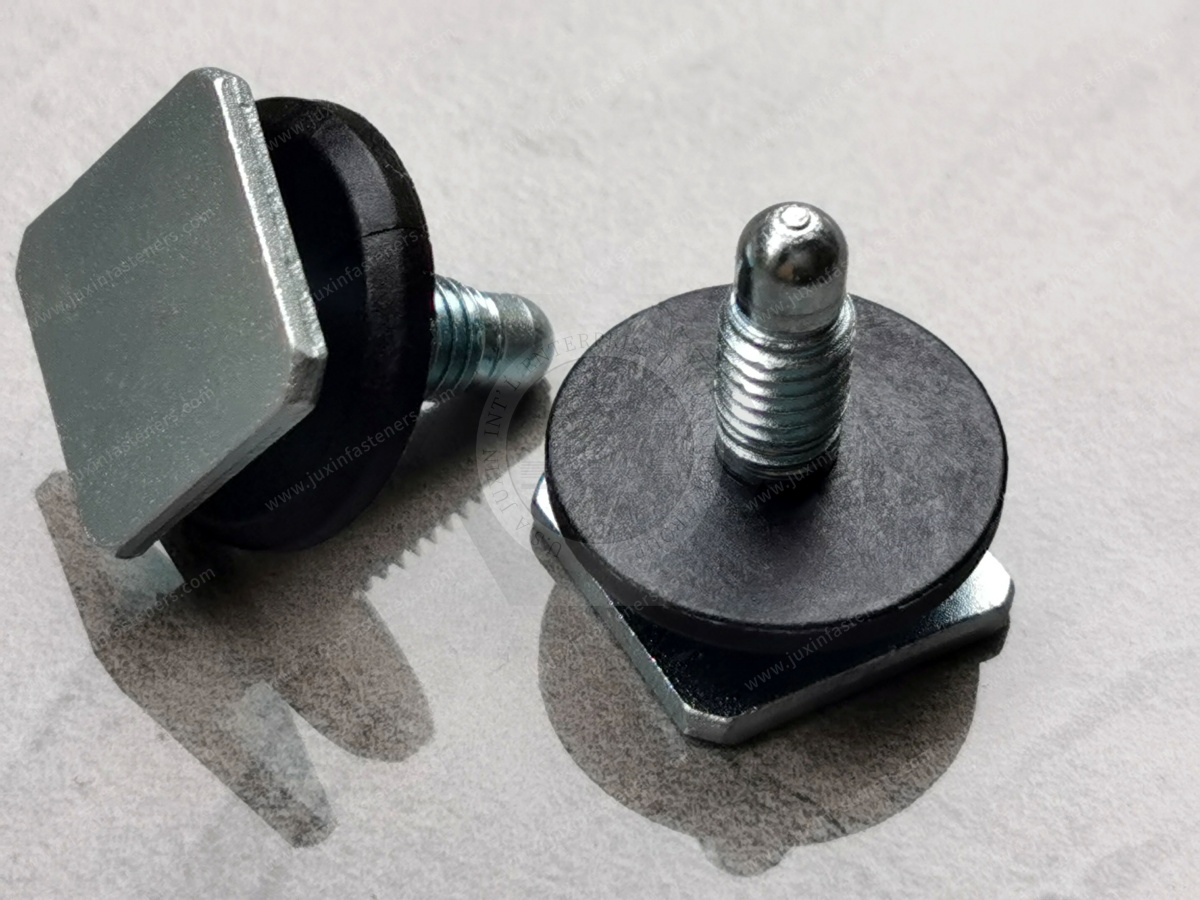
What Are CNC Machined Rail Transit Components?
CNC machined rail transit components are precision parts manufactured through computer-controlled material removal processes for use in railway vehicles, supporting equipment or related industrial systems.
Depending on the component geometry and specification, manufacturing processes may include:
CNC turning
CNC milling
CNC drilling
CNC boring
Reaming
Thread cutting
Grooving
Chamfering
Deburring
Customer-specified surface finishing
Typical component categories include:
Precision bushings
Machined sleeves
Custom spacers
Threaded standoffs
Shafts and pins
Mounting brackets
Equipment support blocks
Precision threaded components
Custom screws and studs
Drawing-specific metal parts
The required manufacturing and quality controls depend on the component's function and railway application.
Common International Engineering and Procurement Terms
Railway OEM engineers and industrial buyers may search for:
CNC machined rail transit components
Precision railway components
Custom rolling stock machined parts
Railway equipment CNC parts
CNC turned railway components
Railway equipment mounting hardware
Custom railway bushings
Precision rail equipment sleeves
Railway spacers and standoffs
Custom railway equipment fasteners
Rail vehicle mechanical components
Drawing-based railway OEM parts
These search terms describe related manufacturing requirements but do not establish that all products are technically interchangeable or approved for railway use.
CNC Machined Rail Components and Applications
Potential application areas include:
Rolling stock auxiliary equipment
Rail vehicle electrical cabinets
HVAC equipment assemblies
Passenger interior equipment
Equipment mounting structures
Maintenance machinery
Rail vehicle inspection equipment
Auxiliary mechanical mechanisms
Railway workshop equipment
Selected non-safety-critical equipment supports
Rail Transit Component Application Matrix
| Component | Potential application | Main engineering requirement |
|---|---|---|
| Precision spacer | Equipment assembly positioning | Length and end-face geometry |
| Threaded standoff | Electrical cabinet mounting | Thread quality and spacing |
| Bushing | Mechanical location or guidance | Bore fit and geometric accuracy |
| Sleeve | Equipment shaft interface | Diameter and alignment |
| Custom pin | Mechanical positioning | Fit and retention |
| Mounting bracket | Auxiliary equipment installation | Hole position and stiffness |
| Threaded stud | Equipment fastening | Thread engagement |
| Custom support block | Equipment interface | Datum geometry and fit |
| Precision shaft | Suitable auxiliary mechanism | Diameter, runout and surface condition |
Engineering Information Gain: The Installation Location Determines the Specification
A precision spacer installed inside a protected control cabinet may face different environmental conditions from a mounting component installed beneath a railway vehicle.
The drawing and purchasing specification should identify the actual operating location, expected loads and environmental requirements.
A generic description such as “railway-grade CNC part” is not a substitute for a complete technical specification.
CNC Machining for Rail Vehicle Equipment
Rail vehicles contain numerous mechanical and electrical subsystems.
Potential applications for suitable precision machined components include:
Electrical equipment mounting
Instrument supports
Control cabinet assemblies
HVAC equipment hardware
Interior equipment brackets
Auxiliary equipment enclosures
Monitoring equipment supports
Maintenance-access assemblies
Mechanical Interfaces
The component must fit its mating parts.
Operating Environment
Temperature, humidity, vibration and contamination may influence material selection.
Maintenance
Components may need to be inspected or replaced during service.
Installation Access
Fastener geometry should permit the intended assembly process.
Information Gain: Assembly Accessibility Is a Design Requirement
A component can satisfy its dimensional drawing but still create installation problems if a tool cannot access the threaded connection.
Engineers should coordinate component geometry, fastener head configuration, tool clearance and maintenance requirements before releasing the drawing.
CNC Components for Bogie-Related Equipment
Railway bogies contain mechanical systems subjected to demanding operating conditions.
Potential auxiliary components may include:
Equipment mounting hardware
Noncritical brackets
Precision spacers
Sleeves
Bushings
Custom pins
Threaded support components
However, bogie applications require careful classification.
Critical Boundary
Primary bogie frames, wheelsets, axles, suspension components and safety-related interfaces may require specialized engineering and manufacturing qualifications.
A supplier should not claim capability or approval for these parts without supporting evidence.
Information Gain: Location Near a Bogie Does Not Automatically Define a Part's Risk Category
A bracket supporting an auxiliary sensor may have different requirements from a component transmitting primary suspension loads.
The engineering team must define the function, consequences of failure and required qualification for each part.
CNC Components for Railway Braking Equipment
Railway braking systems contain safety-critical mechanical and control assemblies.
Machining may be involved in producing numerous component types, but their qualification requirements can be substantial.
Potential drawing-based inquiries may involve:
Auxiliary mounting components
Equipment support hardware
Noncritical spacers
Instrument mounting parts
Custom threaded components
Important Safety Boundary
Brake discs, critical brake pins, pressure-related components and other safety-critical braking parts must not be treated as ordinary CNC machining products.
Material, manufacturing, inspection, validation and approval requirements must be established by the responsible railway equipment manufacturer.
Information Gain: A Dimensionally Conforming Part Is Not Automatically a Qualified Brake Component
Safety-related component approval may depend on material condition, fatigue performance, manufacturing processes, testing, traceability and the approved design configuration.
A dimensional inspection report alone may be insufficient.
Precision CNC Components for Railway Electrical Equipment
Railway vehicles use electrical equipment for traction control, auxiliary power, communication, monitoring and passenger systems.
Potential mechanical components include:
Threaded standoffs
Precision spacers
Mounting blocks
Enclosure hardware
Custom screws
Support brackets
Equipment positioning components
Electrical Clearance
Conductive hardware must not compromise required electrical spacing.
Mechanical Stability
Components must support the equipment under the defined operating conditions.
Thermal Expansion
Temperature changes may affect assemblies containing different materials.
Vibration
Equipment-mounted components may be exposed to vehicle shock and vibration.
Information Gain: Mechanical Precision Does Not Establish Electrical Suitability
A stainless steel spacer may provide accurate mechanical positioning but may be inappropriate where electrical insulation is required.
The equipment designer must specify the required electrical function and material compatibility.
CNC Machined Parts for Railway HVAC Systems
Heating, ventilation and air-conditioning equipment is widely used in passenger rail vehicles.
Potential components include:
Equipment mounting spacers
Custom brackets
Threaded standoffs
Sleeves
Bushings
Support blocks
Mechanical fastening components
Vibration
HVAC equipment may generate operational vibration.
Corrosion
Condensation and environmental exposure may influence material selection.
Maintenance
Components may require repeated access during equipment servicing.
Assembly Consistency
Standardized components can support repeatable installation.
Information Gain: HVAC Mounting Hardware Must Be Evaluated With the Complete Equipment Assembly
The fastener, mounting bracket, isolation element and supporting structure work together.
Changing one component may alter alignment, stiffness or vibration behavior.
CNC Components for Rail Vehicle Interiors
Railway passenger interiors contain mechanical assemblies and equipment installations.
Potential components include:
Mounting spacers
Threaded inserts
Standoffs
Custom screws
Brackets
Equipment mounting blocks
Precision support hardware
Passenger Safety
The complete assembly must meet applicable requirements.
Repeated Maintenance
Some components may be removed and reinstalled during servicing.
Corrosion and Cleaning
Cleaning agents and moisture may influence material selection.
Part Identification
Consistent identification helps maintenance and replacement.
Information Gain: Interior Components Still Require Application-Specific Risk Assessment
A small mounting component can become important if its failure affects a safety-related assembly.
Component size or low unit price does not determine the required qualification level.
CNC Turning for Precision Railway Components
CNC turning is suitable for many rotationally symmetrical components.
Potential parts include:
Shafts
Pins
Bushings
Sleeves
Cylindrical spacers
Threaded studs
Round standoffs
Custom adapters
Outside Diameter
May determine mating fit.
Inside Diameter
May control clearance or positioning.
Overall Length
May influence assembly spacing.
End-Face Geometry
May affect seating and alignment.
Threads
Must match the mating fastener.
Surface Finish
May influence wear, fit or corrosion behavior.
Information Gain: Dimensional Accuracy and Geometric Accuracy Are Different
A sleeve may satisfy its individual diameter tolerances but still fail assembly if the bore and outside surface are not sufficiently aligned.
Functional relationships should be controlled through suitable geometrical tolerances.
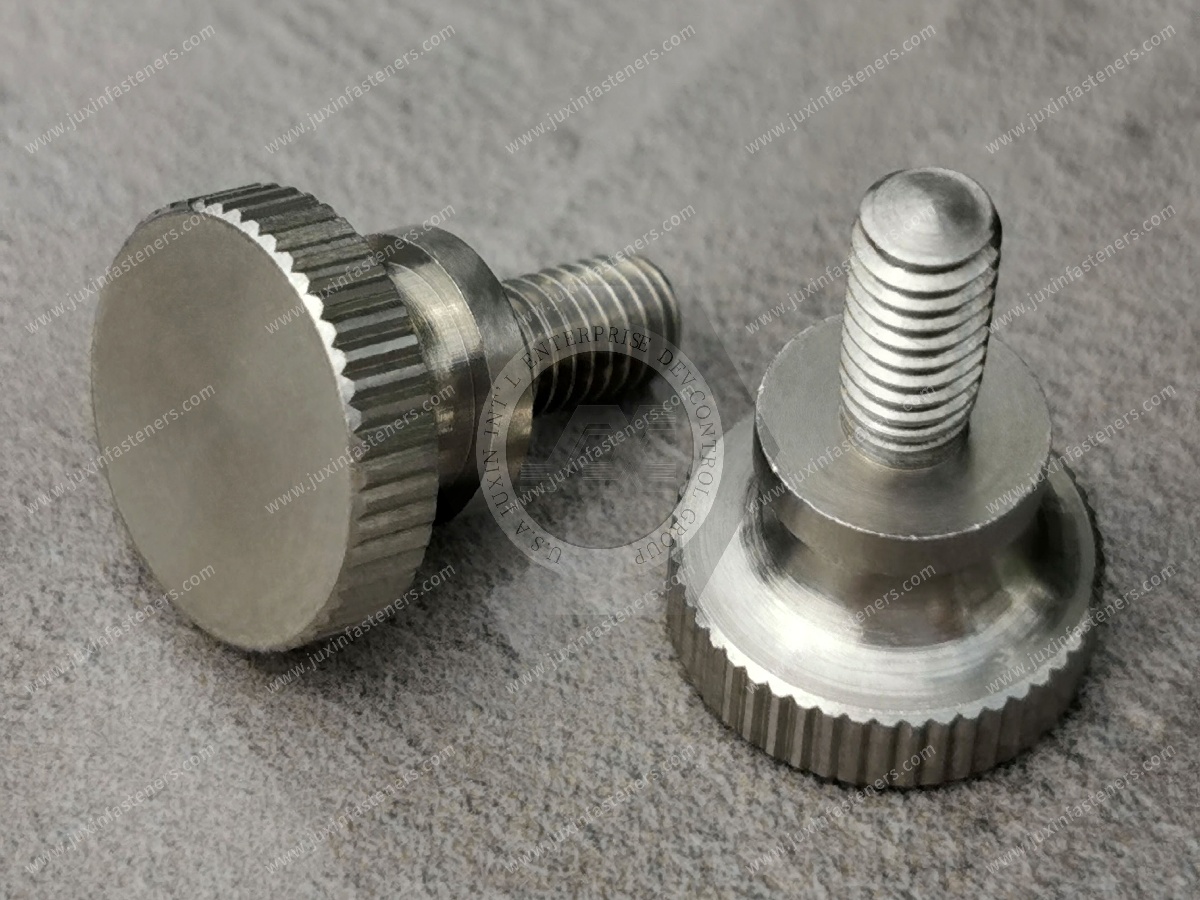
CNC Milling for Railway Equipment Components
CNC milling may be used for:
Mounting brackets
Support blocks
Equipment plates
Custom housings
Machined profiles
Components with multiple hole patterns
Important considerations include:
Tool access
Workholding
Wall thickness
Pocket geometry
Hole position
Datum selection
Surface finish
Inspection access
Information Gain: Fabrication Geometry Influences Repeatability
Thin walls, deep pockets and inaccessible features may increase the difficulty of maintaining dimensions across production batches.
Design-for-manufacturability review can identify potential improvements without changing the required function.
Any design change must be approved by the customer.
CNC Drilling, Boring and Reaming
Railway equipment assemblies may require accurately positioned holes and controlled internal diameters.
Drilling
Creates holes according to the selected tooling and process.
Boring
May improve the geometry of an existing hole.
Reaming
May be suitable for certain controlled-diameter holes.
Threading
Creates specified internal or external threaded interfaces.
The manufacturing process must be selected according to the actual tolerance and functional requirements.
Precision Tolerances and GD&T for Rail Components
Railway equipment components may require control of:
Diameter
Length
Hole position
Flatness
Perpendicularity
Parallelism
Profile
Runout
Surface texture
Functional Datums
Datums should reflect how the component is positioned or assembled.
Hole Position
May determine alignment with mating components.
Perpendicularity
May influence seating and fastening.
Runout
May matter for suitable rotating equipment components.
Information Gain: The Datum System Connects Engineering Design With Production Inspection
A drawing should identify the functional relationships that matter to the assembly.
Using unsuitable datum references can increase manufacturing and inspection complexity.
Relevant frameworks may include ASME Y14.5 or ISO 1101, depending on the customer's drawing system.
These frameworks should not be mixed without deliberate engineering control.
Tolerance Stack-Up in Railway Equipment Assemblies
A rail equipment assembly may include several machined components, brackets and fasteners.
The final assembly position depends on the combined dimensional variation.
For example, an electrical equipment mounting assembly may contain:
Support bracket
Precision spacer
Mounting plate
Washer
Threaded fastener
Information Gain: Tightening One Component's Tolerance May Not Solve an Assembly Problem
If the final alignment is influenced by multiple components, the engineer should evaluate the complete tolerance stack-up.
Critical dimensions should be identified based on their actual effect on equipment function.
Material Selection for CNC Machined Rail Components
Potential materials for suitable railway equipment hardware include:
Stainless steel
Carbon steel
Alloy steel
Aluminum alloys
Brass
Other drawing-specified materials
The actual material must be selected according to the component's function and environment.
Stainless Steel
May be considered for suitable corrosion-resistant components.
Carbon and Alloy Steel
May be selected where specified mechanical properties are required.
Aluminum Alloys
May be useful for suitable lightweight equipment components.
Brass
May be appropriate for selected threaded or electrical/mechanical applications.
Material Selection Matrix
| Engineering requirement | Selection consideration |
|---|---|
| Mechanical strength | Material properties and condition |
| Weight | Density and required stiffness |
| Corrosion resistance | Exposure environment |
| Precision fit | Machinability and dimensional stability |
| Repeated assembly | Thread durability |
| Electrical function | Conductivity or isolation |
| Temperature variation | Thermal expansion |
| Maintenance | Wear and replacement requirements |
Information Gain: Material Substitution Is Not Just a Price Decision
Two materials may have similar machinability but different strength, corrosion resistance, thermal expansion and electrical properties.
Material substitution should be reviewed against the approved design requirements.
Vibration and Shock Considerations
Railway equipment may experience vibration and shock during operation.
Potential effects include:
Repeated mechanical loading
Fastener loosening risk
Component movement
Fatigue damage
Fretting at interfaces
Changes in equipment alignment
IEC 61373:2026
IEC 61373:2026 addresses shock and vibration testing for relevant equipment installed on railway rolling stock.
Its scope does not automatically cover every mechanical component or the vehicle's main structure.
Information Gain: Vibration Qualification Belongs to the Defined Equipment and Test Configuration
A component's material strength or machining precision does not establish that the complete installed equipment will pass shock and vibration testing.
Mounting configuration, assembly stiffness, fastener preload and the equipment design may influence the result.
Critical Boundary
Juxin Fasteners does not claim that its machined components are independently certified to IEC 61373 without verified test documentation.
Fatigue and Repeated Loading
Railway equipment may experience cyclic forces during service.
Where fatigue is relevant, engineering evaluation may consider:
Load amplitude
Number of cycles
Stress concentration
Material properties
Surface condition
Connection geometry
Operating environment
Information Gain: A High-Strength Material Does Not Automatically Provide Adequate Fatigue Performance
Sharp transitions, machining marks, thread roots and other geometric features can influence fatigue behavior.
The responsible engineer must define the appropriate requirements for the actual application.
Corrosion Protection for Railway Components
Railway components may operate in different environments.
Protected Interior Equipment
May experience relatively controlled exposure.
Underfloor Equipment
May be exposed to moisture, contaminants and temperature variation.
Outdoor Railway Infrastructure
May experience rain, humidity and atmospheric pollutants.
Coastal Railway Systems
May face additional chloride exposure.
Potential material and finishing approaches include:
Stainless steel
Zinc-based coatings
Suitable protective coating systems
Other specified treatments
Information Gain: Surface Treatment Can Change Precision Dimensions
Coating thickness may affect thread fit, mating surfaces and dimensional clearance.
The drawing should clarify whether critical dimensions apply before or after surface treatment.
Surface Finish and Burr Control
Precision railway components may require control of:
Burrs
Sharp edges
Machining marks
Surface roughness
Coating defects
Residual chips
Handling damage
Burr Control
Burrs may interfere with assembly or damage mating parts.
Surface Roughness
Should be specified where functionally necessary.
Edge Requirements
May include chamfers, radii or defined edge-breaking conditions.
Information Gain: Burr Acceptance Criteria Should Match the Component Function
A general instruction to remove burrs may be insufficient for precision bores, intersecting holes or small threaded features.
The customer should identify critical edges and acceptance requirements where necessary.
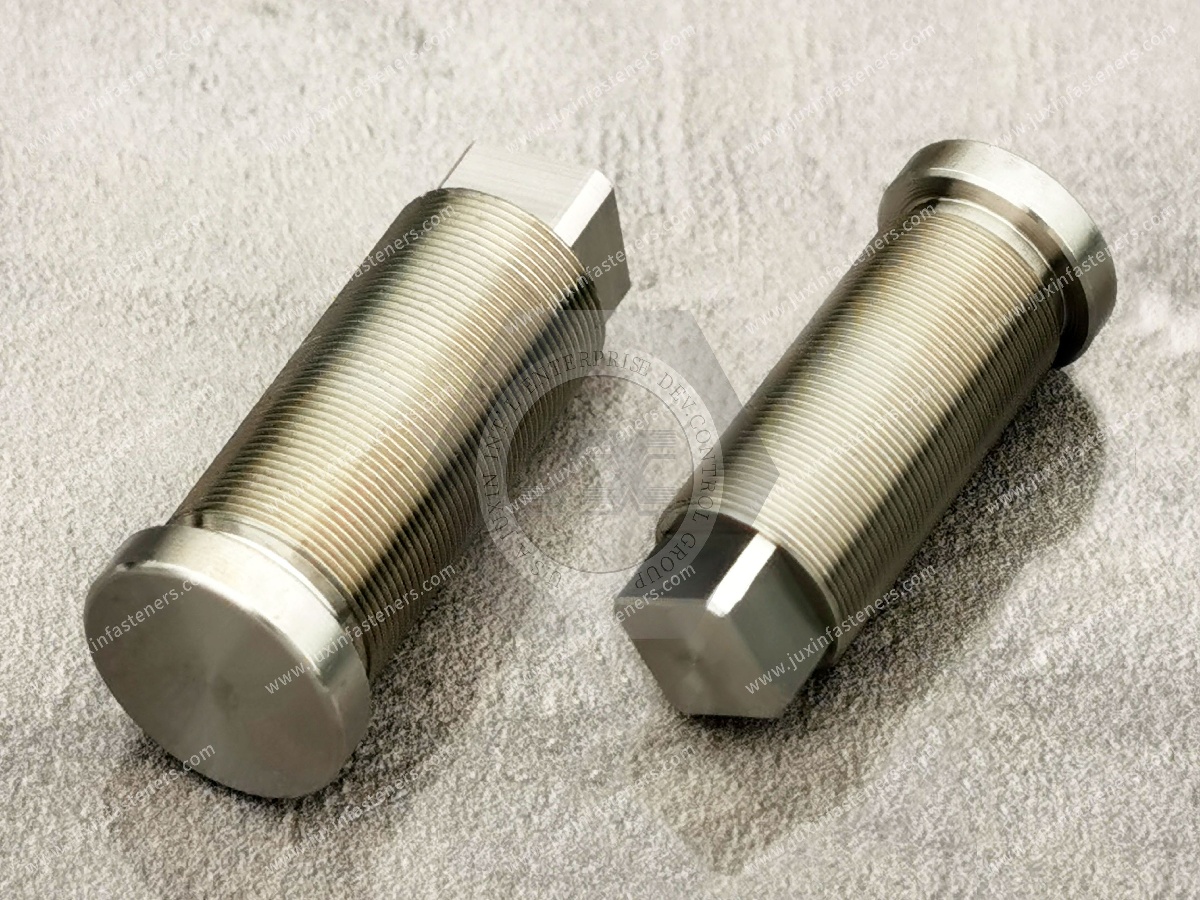
Threaded Components for Railway Equipment
Railway equipment may use different thread systems.
Potential systems include:
Metric threads
UNC threads
UNF threads
Legacy BSW or BSF threads where specified
These thread systems are not directly interchangeable.
Dimensional conversions are reference values only.
Important specifications include:
Nominal thread size
Pitch or threads per inch
Thread class
Engagement length
Material
Surface finish
Mating fastener
Information Gain: Threaded Hardware Must Be Evaluated as a Joint
A threaded standoff may satisfy its individual dimensions but still create assembly problems if the mating fastener, engagement or tightening procedure is unsuitable.
The complete joint design determines the required specification.
International Railway and Engineering Standards
ISO 22163:2023 — Railway Quality Management Systems
ISO 22163:2023 provides railway-specific quality management system requirements based on ISO 9001:2015 and additional railway industry requirements.
It addresses quality management across the railway supply chain.
IRIS Certification
IRIS Certification is a railway supplier assessment and certification scheme with requirements beyond simply referencing ISO 22163.
A supplier must not claim IRIS certification without valid supporting evidence.
IEC 61373:2026 — Rolling Stock Equipment Shock and Vibration Tests
Provides shock and vibration testing requirements for equipment within its defined scope.
It is not a universal qualification standard for all railway mechanical components.
EN 15085 Series — Welding of Railway Vehicles and Components
May be relevant where welded railway components fall within its scope.
It is not automatically applicable to a standalone CNC machined spacer or threaded component.
ASME Y14.5
Provides a framework for geometric dimensioning and tolerancing.
ISO 1101
Addresses geometrical tolerancing within the ISO GPS system.
ISO 21920 Series
Addresses surface texture specifications.
ISO 965
Provides requirements for applicable metric thread tolerances.
ASME B1.1
Addresses Unified inch screw threads.
ISO 898-1
Addresses mechanical properties of applicable carbon and alloy steel fasteners.
ISO 3506
Addresses mechanical properties of applicable corrosion-resistant stainless steel fasteners.
Important Qualification Boundary
These standards serve different purposes.
A dimensional standard does not establish railway safety approval.
A material standard does not establish fatigue qualification.
A railway quality management standard does not automatically qualify every manufactured component.
The required standards and editions must be defined according to the actual product, application and customer specification.
Design for Manufacturability for Railway Components
DFM review helps identify potential manufacturing problems before production.
Relevant considerations include:
Material availability
Part geometry
Machining access
Thin walls
Deep holes
Thread depth
Surface finish
Critical tolerances
Inspection access
Packaging requirements
Information Gain: DFM Should Preserve Function While Improving Production Practicality
A complex feature may be necessary for the component's function.
However, some geometry may be simplified without reducing performance.
Any proposed design modification must be reviewed and approved by the customer.
Prototype, Pilot Production and Repeat Orders
Railway OEM programs may involve:
Prototype components
Engineering samples
Pilot production
Repeat production
Maintenance spare parts
Long-term replacement programs
Prototype Stage
May confirm geometry and assembly fit.
Pilot Stage
May support manufacturing and inspection evaluation.
Repeat Production
Requires consistent specifications and agreed acceptance criteria.
Maintenance Supply
May require continued control of drawing revisions and replacement compatibility.
Information Gain: Prototype Approval Does Not Automatically Establish Repeat-Production Readiness
Repeat manufacturing may require additional process controls, inspection plans, documentation and change management.
These requirements should be agreed before production.
Inspection and Quality-Control Planning
Potential inspection requirements include:
Drawing revision verification
Material identification
Dimensional measurement
Thread inspection
Surface condition verification
Coating inspection
Part identification
Required traceability records
Railway Component Inspection Matrix
| Characteristic | Potential quality concern |
|---|---|
| Outside diameter | Mating fit |
| Bore diameter | Clearance and alignment |
| Hole position | Assembly compatibility |
| Flatness | Mounting interface |
| Perpendicularity | Seating and positioning |
| Runout | Suitable rotating interfaces |
| Thread | Mating fastener compatibility |
| Surface finish | Functional interface |
| Burr condition | Assembly reliability |
| Material | Specification conformity |
| Coating | Corrosion and dimensional fit |
| Part identification | Traceability and maintenance |
The actual inspection plan should reflect the approved drawing, component risk and customer requirements.
First Article Inspection and Drawing Revision Control
Railway equipment procurement may require documented initial component verification.
Potential documentation includes:
Approved drawing revision
Part number
Material specification
Inspection characteristics
Dimensional results
Acceptance status
Nonconformance records
Information Gain: Inspection Reports Must Match the Current Approved Drawing
A dimensional report associated with an obsolete revision may not demonstrate conformity to the latest component design.
Revision control should be integrated into supplier qualification and repeat-order procedures.
Manufacturing Engineers and Production Managers
Production teams need consistent components that support efficient assembly.
Important considerations include:
Machining repeatability
Setup control
Inspection efficiency
Part identification
Packaging
Assembly fit
Rework prevention
Production scheduling
Repeat-order consistency
Information Gain: Similar-Looking Parts Create a Practical Assembly Risk
Railway equipment may contain multiple spacers, sleeves or threaded components with only small dimensional differences.
Incorrect part selection can cause assembly problems.
Clear labeling, packaging and revision control can reduce the risk of mixing components.
Railway Spare Parts and Maintenance Procurement
Railway vehicles and equipment may remain in service for extended periods.
Maintenance programs can create demand for replacement components.
Potential requirements include:
Original part number
Approved drawing
Drawing revision
Material specification
Dimensional compatibility
Surface finish
Inspection documentation
Required approval for substitution
Information Gain: Reverse Engineering Is Not Automatically an Approved Replacement Route
A replacement part manufactured from measurements of an existing component may not reproduce the original material, heat treatment, tolerances or performance requirements.
Where approved drawings are unavailable, replacement development requires appropriate engineering authorization and validation.
OEM Procurement and Supplier Qualification
Railway OEMs and Tier suppliers may evaluate machining suppliers based on:
Technical Capability
Can the specified component be manufactured?
Drawing Control
Can the approved revision be maintained?
Material Conformity
Can the required material specification be met?
Inspection
Can the required characteristics be verified?
Traceability
Can the specified identification and documentation requirements be supported?
Change Control
How will material, process or specification changes be managed?
Commercial Requirements
What are the MOQ, order quantity, lead time and delivery expectations?
Supply Continuity
Can repeat orders maintain the approved specification?
Railway OEM Procurement Matrix
| Procurement requirement | Purpose |
|---|---|
| Approved 2D drawing | Controls dimensions |
| 3D CAD model | Supports geometry review |
| Material specification | Controls properties |
| Critical tolerances | Protects assembly function |
| GD&T | Defines geometric relationships |
| Surface finish | Controls functional interfaces |
| Inspection requirements | Supports acceptance |
| Traceability | Supports quality records |
| Change notification | Protects approved configuration |
| Packaging | Prevents damage and part mixing |
| MOQ and lead time | Supports supply planning |
| Supplier qualification | Addresses application-specific risk |
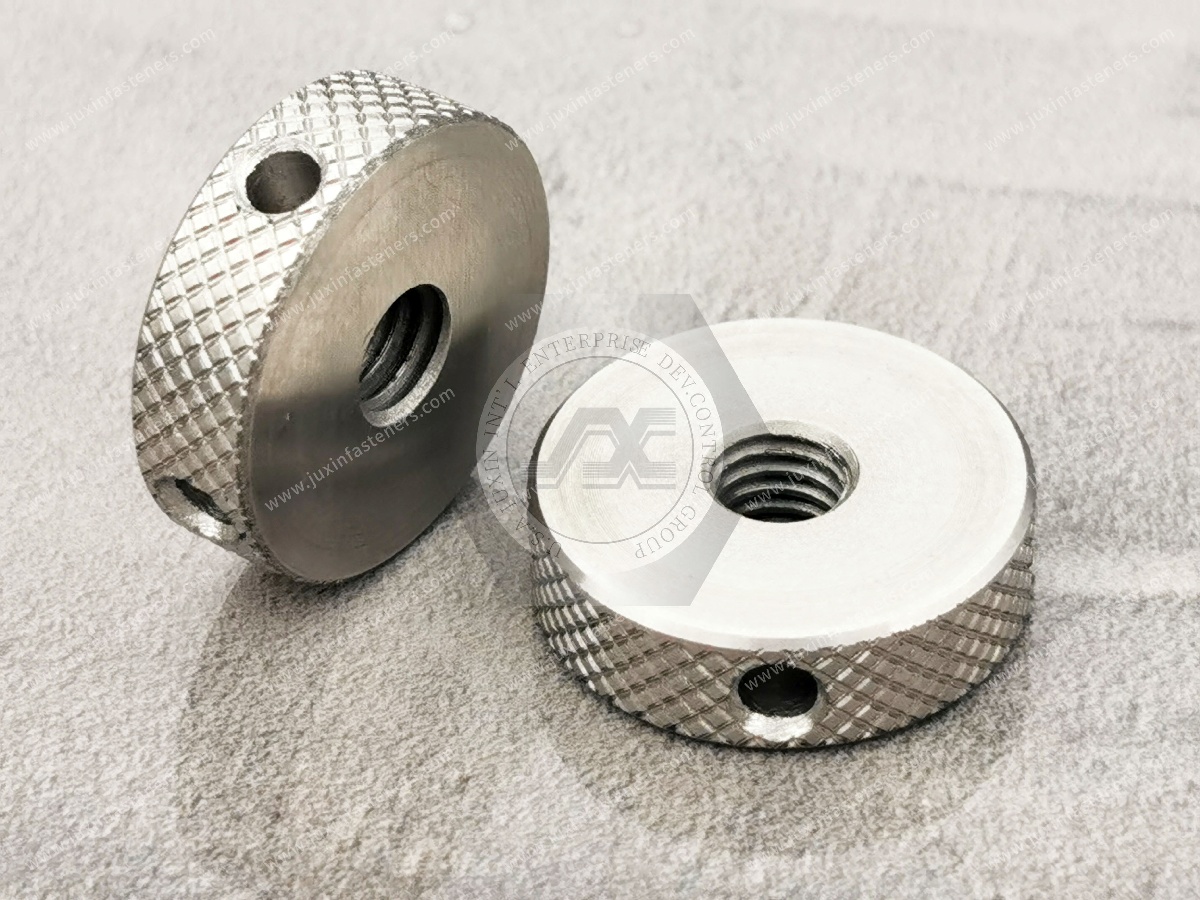
Information Gain: Lowest Unit Price Is Not the Same as Lowest Supply Cost
An inexpensive component may create additional costs through inspection, assembly problems, rework or maintenance.
Purchasing decisions should consider the cost of obtaining a conforming, correctly identified and consistently supplied component.
Controlled Component Substitution
Railway OEMs may consider alternative materials, manufacturing methods or suppliers.
Potential changes include:
Material grade
Heat treatment
Coating
Geometry
Thread specification
Surface finish
Manufacturing process
Inspection method
Information Gain: Dimensional Similarity Does Not Establish Railway Component Equivalence
Two components may have identical nominal dimensions but different material properties, fatigue behavior, corrosion resistance or manufacturing history.
Engineering approval is required where specified before substitution.
Why Juxin Fasteners for CNC Machined Rail Transit Components?
Juxin Fasteners has more than 20 years of experience in international industrial fastener supply.
Our relevant product categories include:
Precision CNC machined spacers
Threaded standoffs
Custom bushings
Machined sleeves
Precision shafts and pins
Mounting hardware
Custom screws and studs
Nuts and washers
Drawing-based metal components
We welcome inquiries from:
Rolling stock equipment manufacturers
Railway electrical equipment suppliers
Rail HVAC equipment manufacturers
Railway interior equipment manufacturers
Industrial maintenance equipment suppliers
Railway mechanical engineering teams
Manufacturing engineers
Production managers
Supplier development and procurement teams
Our team can review drawings, material specifications, tolerances, surface finishes, inspection requirements, quantities and delivery expectations for technical and commercial feasibility.
Specific manufacturing capability, quality documentation, material availability, MOQ, lead time and railway qualification requirements must be confirmed for each inquiry.
Juxin Fasteners does not claim ISO 22163 or IRIS certification, railway safety-critical component approval or IEC 61373 test qualification in this article.
Frequently Asked Questions About CNC Machined Rail Transit Components
What CNC machined components are used in rail transit equipment?
Potential components include bushings, sleeves, spacers, threaded standoffs,
mounting brackets, shafts, pins and customized mechanical hardware.
Can CNC machining be used for rolling stock equipment?
Yes. CNC machining can produce suitable precision components according to approved drawings and application requirements.
Can Juxin Fasteners supply bogie components?
Drawing-based inquiries for suitable auxiliary mechanical components may be reviewed.
Safety-critical bogie parts require specialized qualification and must not be assumed to be within general supply capability.
Are CNC machined parts suitable for railway braking systems?
Suitability depends on the component's function and applicable engineering requirements.
Safety-critical braking components require specialized approval.
What is ISO 22163?
ISO 22163 is a railway-specific quality management system standard.
Is ISO 22163 the same as IRIS certification?
No. IRIS Certification includes a defined assessment and certification scheme.
What is IEC 61373?
IEC 61373 addresses shock and vibration testing for specified railway rolling stock equipment.
Does CNC machining accuracy establish railway qualification?
No. Application qualification may require additional material, manufacturing, testing and quality controls.
What tolerances can be achieved?
Achievable tolerances depend on the material, geometry, machining process and inspection requirements.
They must be confirmed against the drawing.
Can stainless steel be used for railway equipment components?
Yes, where the selected grade and component design are suitable for the application.
Can metric threads replace UNC or UNF threads?
No. Different thread systems are not directly interchangeable.
Can Juxin Fasteners review railway OEM drawings?
Yes. Drawing-based inquiries for precision mechanical components and industrial fastening hardware can be reviewed for technical and commercial feasibility.
Rail Transit CNC Machining RFQ Checklist
To support accurate technical review and quotation, provide the following information where available.
Engineering Documentation
2D drawing
3D CAD model
Drawing revision
Part number
Component description
Railway equipment application
Functional requirements
Material Requirements
Material grade
Applicable material standard
Material condition
Heat treatment requirements
Corrosion environment
Required material documentation
Dimensional Requirements
Overall dimensions
Critical tolerances
GD&T
Datum references
Hole and bore requirements
Thread designation
Surface roughness
Required fits
Application Requirements
Installation location
Mechanical loading
Vibration and shock conditions
Operating temperature
Corrosion exposure
Maintenance requirements
Safety classification
Applicable qualification requirements
Quality Requirements
Inspection characteristics
First article inspection requirements
Material traceability
Required test reports
Surface treatment documentation
Packaging requirements
Change notification requirements
Customer acceptance criteria
Commercial Requirements
Prototype quantity
Initial order quantity
Annual demand forecast
MOQ expectations
Required lead time
Delivery destination
Request Custom CNC Machined Rail Transit Components
Juxin Fasteners welcomes RFQs from rolling stock equipment OEMs, railway equipment manufacturers, mechanical engineering teams,
electrical equipment suppliers, maintenance equipment manufacturers and international procurement professionals.
Whether your project requires precision bushings, machined sleeves, threaded standoffs, custom spacers, mounting brackets, shafts,
pins or drawing-specific fastening components, successful sourcing begins with a complete engineering specification.
Send us your technical drawings, CAD models, material requirements, dimensional tolerances, surface finish specifications, inspection requirements and purchasing quantities.
Our team will review your inquiry for manufacturing and supply feasibility.
For safety-critical railway applications, include the required product qualification, customer approval and supporting engineering documentation.
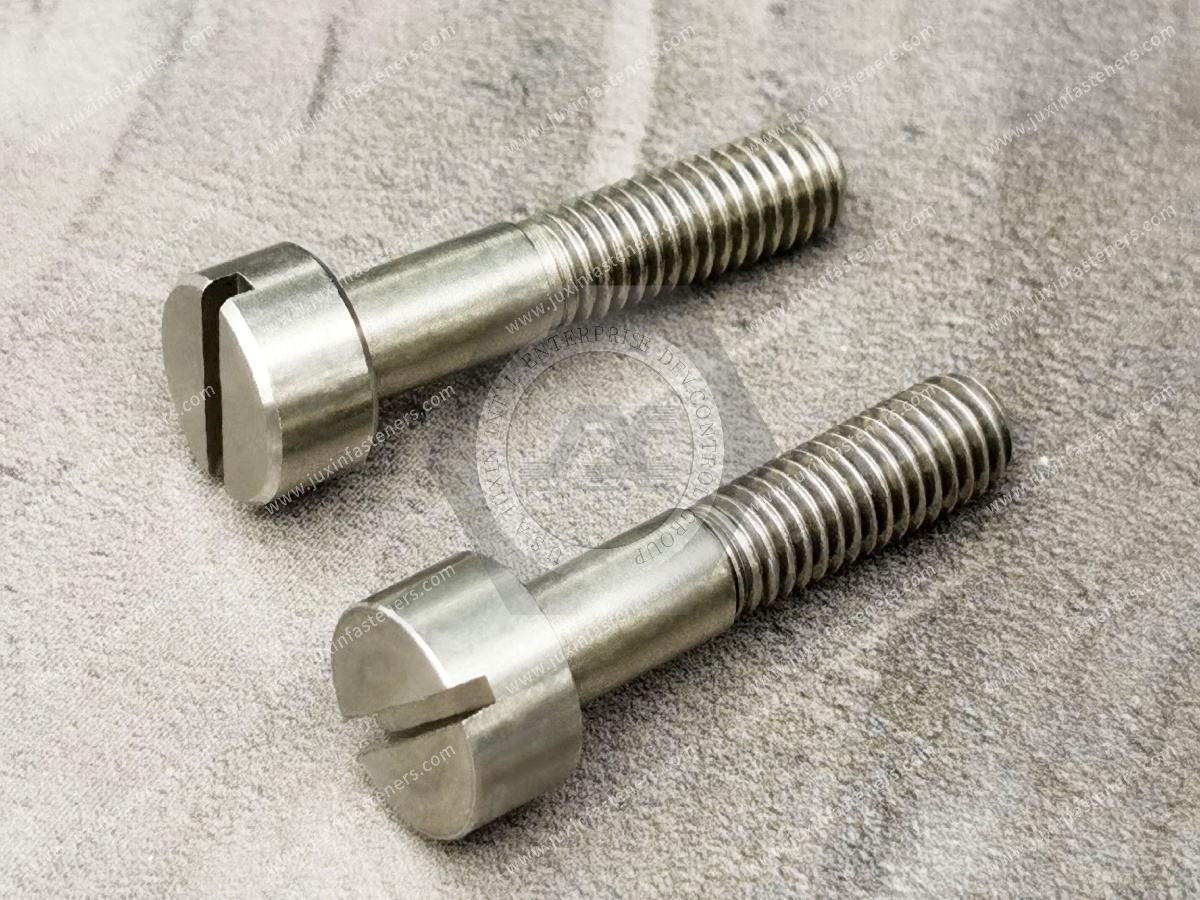
Company: Juxin Fasteners
Website: https://www.juxinfasteners.com/
Email: info@juxinfasteners.com
Reliable Rail Transit Equipment Components Require Functional Design, Controlled Precision Machining, Appropriate Quality Requirements and Consistent OEM Supply.
 MORE NEWS


Oct. 13, 2026
Contact Us
Tel.:
+86 020 8621 0320
+86 020 3121 6067
E-mail:
Technical Support:
Navigation
SEND INQUIREY