
Call Us
+86 136 6007 9809
Call Us
+86 136 6007 9809

Feb. 07, 2024
Electric vehicle battery packs combine structural, thermal, electrical and electronic systems within a compact assembly that must remain mechanically stable throughout vehicle operation.
This creates fastening requirements that differ across the battery pack.
A structural battery-to-vehicle connection does not perform the same function as a threaded attachment point in a thin enclosure panel.
A removable battery cover has different service requirements from a permanent welded attachment.
An aluminum housing may require reinforced internal threads, while BMS electronics may require compact mounting, spacing or electrical isolation.
For this reason, selecting EV battery pack fasteners should begin with the function of the joint rather than simply selecting a bolt, nut or insert by thread size.
JUXIN FASTENERS supplies standard and custom fastening components for EV battery packs, battery enclosures, modules,
thermal management systems and electrical assemblies, supporting automotive OEMs, battery manufacturers, Tier suppliers and engineering-driven sourcing projects.
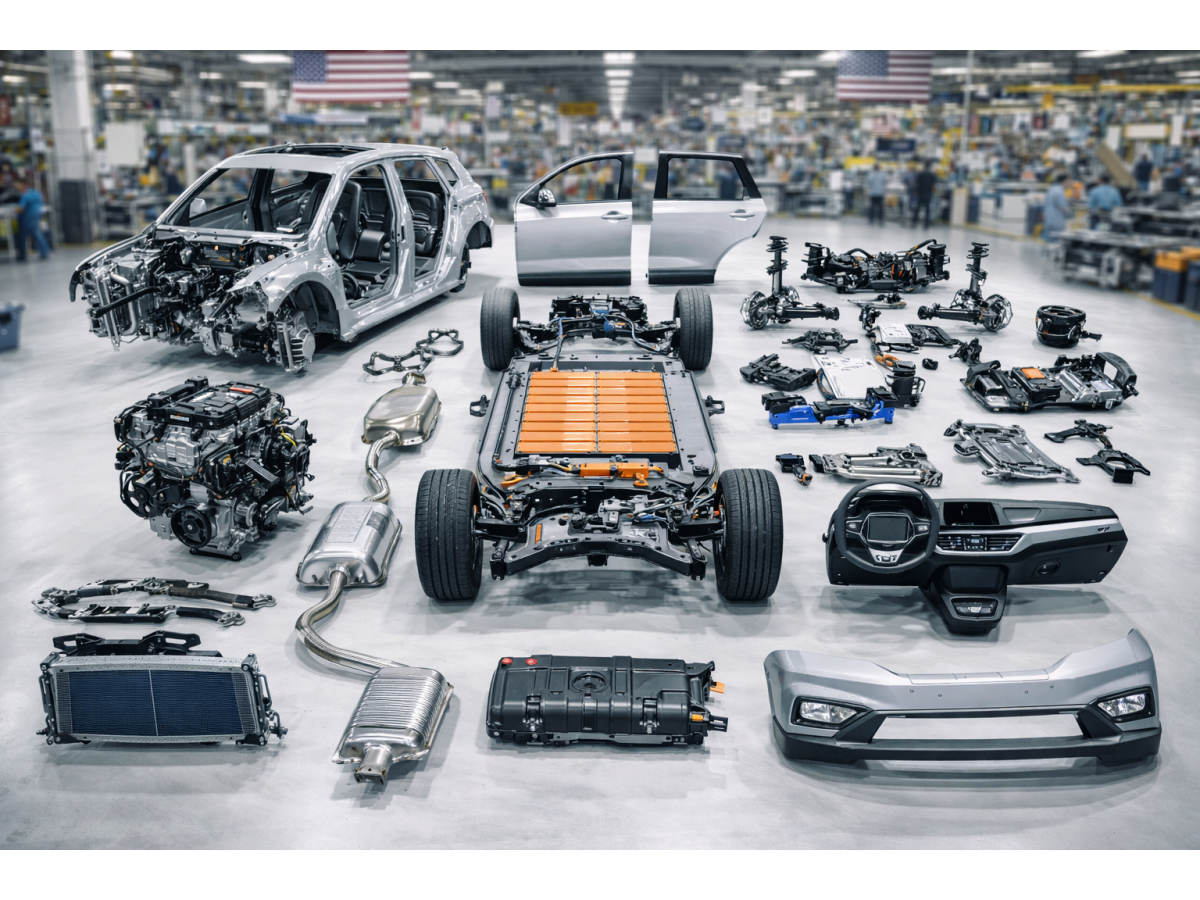
Fasteners may be used throughout the battery system, including:
Battery trays and enclosures
Battery covers
Structural mounting interfaces
Battery modules
Aluminum housings
Cross-members and reinforcement structures
Cooling and thermal management assemblies
Battery management systems
Sensor mounting
Electrical and electronic assemblies
Busbar-related mechanical assemblies
Cable-management components
Protective covers
Service and maintenance interfaces
These locations can involve different substrates, loads, access conditions and service requirements.
The correct fastening technology therefore depends on what the joint must accomplish.
Before selecting a battery fastener, engineers should define the primary function of the connection.
The joint may need to provide:
Structural clamping
A permanent captive thread
One-sided installation
Reinforcement of an aluminum thread
Vibration-resistant retention
Precise spacing
Electrical isolation
Attachment of electronics
Repeated service access
Joining of thin sheet material
Joining of dissimilar materials
This distinction is important because weld nuts, blind rivet nuts, self-clinching fasteners, threaded inserts and conventional nuts and bolts can all create threaded connections,
but they solve different manufacturing and assembly problems.
Battery enclosures may combine fabricated sheet metal, aluminum structures, extrusions, covers, reinforcement members and mounting interfaces.
Potential fastening technologies include:
Projection weld nuts
Weld studs
Blind rivet nuts
Self-clinching nuts
Self-clinching studs
Flange bolts
High-strength bolts
Locking nuts
Blind rivets
Threaded inserts
Custom fastening components
Selection should consider:
Substrate material
Sheet or wall thickness
Joint loading
Installation access
Manufacturing sequence
Required thread strength
Service requirements
Corrosion environment
Surface treatment
Mating fastener
Production process
No single fastening technology is appropriate for every battery enclosure connection.
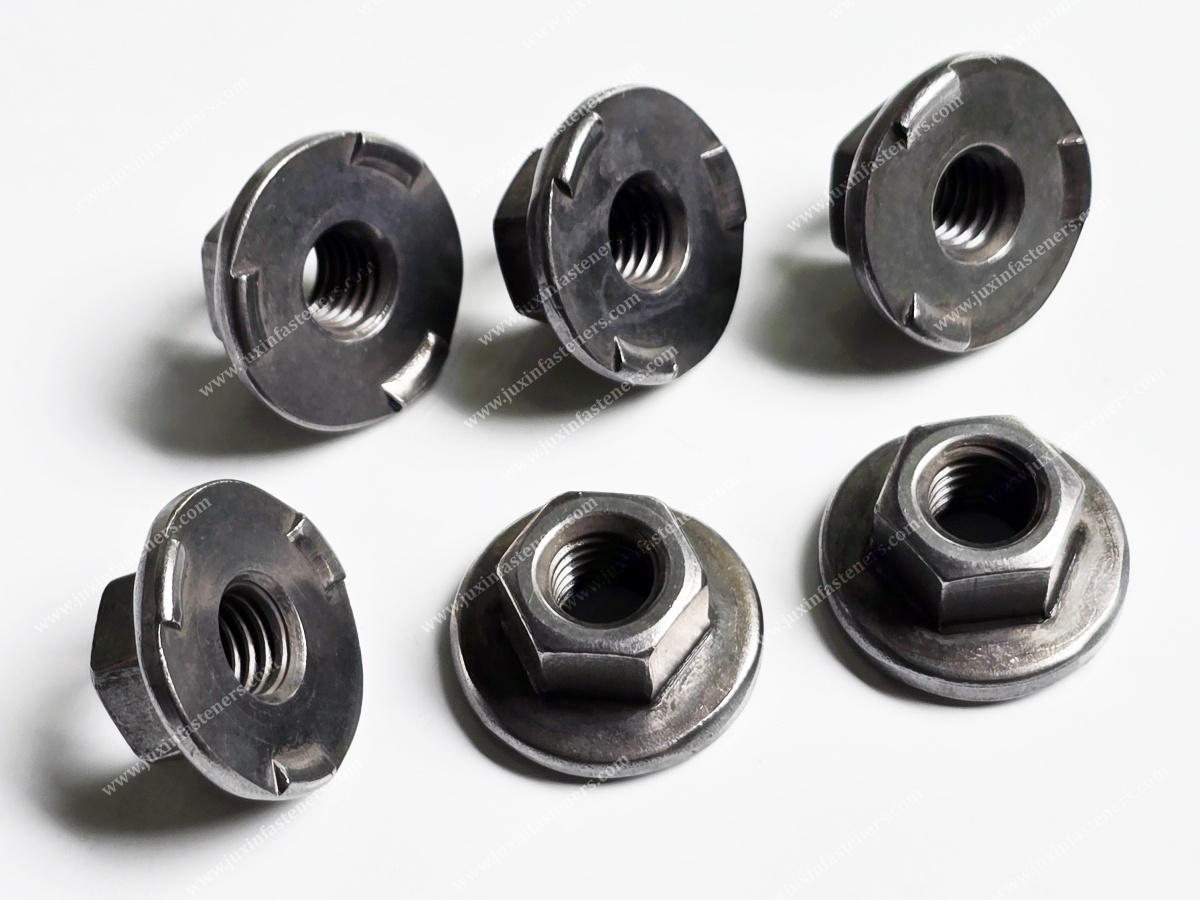
Projection weld nuts can provide permanent threaded attachment points in suitable fabricated metal structures.
Depending on the battery enclosure design, weld nuts may be used where the manufacturing process supports resistance projection welding and where a captive thread is required before final assembly.
Potential applications include:
Battery enclosure structures
Battery trays
Structural brackets
Reinforcement members
Mounting interfaces
Sheet-metal subassemblies
Weld nut selection should not be based only on thread size.
Engineering considerations can include:
Base sheet material
Sheet thickness
Nut geometry
Projection geometry
Weld accessibility
Electrode access
Welding parameters
Coating condition
Required torque resistance
Final joint requirements
A weld nut that looks dimensionally correct can still create production problems if the nut, sheet material and welding process are not evaluated as a complete system.
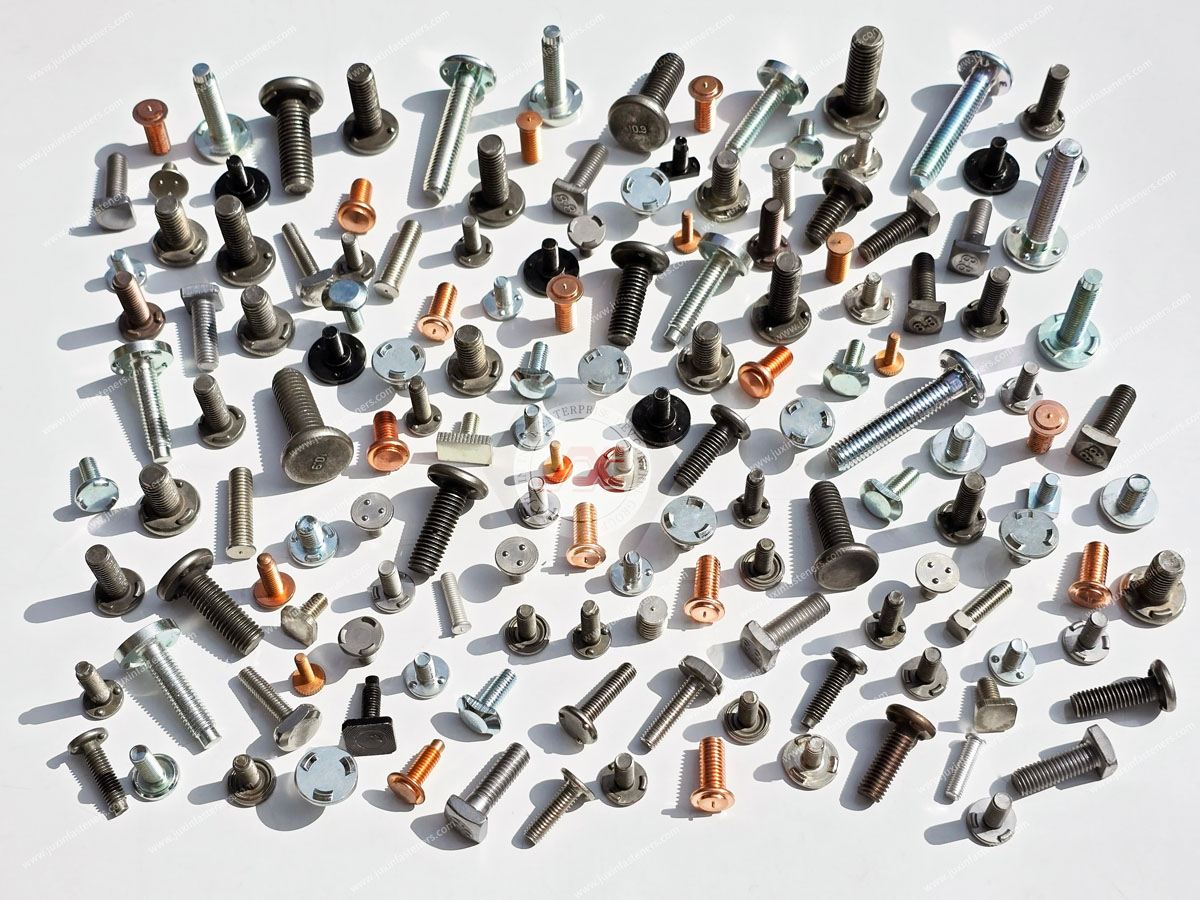
Weld studs can provide fixed threaded attachment points without requiring a loose fastener on the opposite side of the assembly.
Depending on the structure and welding process, potential applications may include:
Internal mounting points
Electrical equipment supports
Brackets
Cable-management components
Protective covers
Other fabricated battery enclosure assemblies
The appropriate stud type and welding process depend on the substrate, geometry, loading and manufacturing requirements.
Projection welding, capacitor-discharge stud welding and arc stud welding are different processes and should not be treated as interchangeable simply because each can create a welded stud connection.
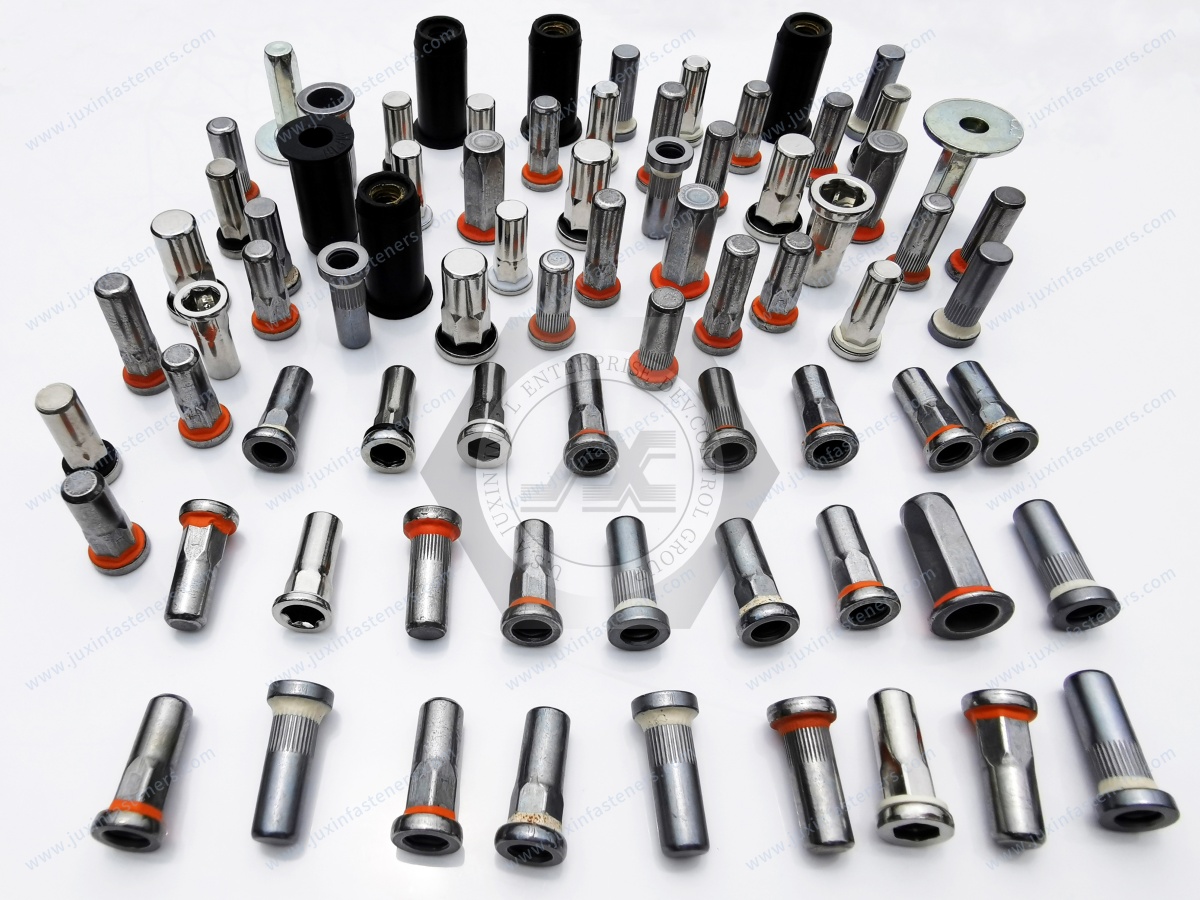
Blind rivet nuts can create an internal thread when installation access is available from only one side of the component.
This can be useful in:
Closed sections
Battery enclosure profiles
Thin sheet structures
Service panels
Aluminum structures
Locations where backside nut access is difficult
Available configurations can include round, knurled, half-hexagonal or full-hexagonal bodies, together with different head and body styles.
The correct rivet nut depends on:
Parent material
Grip range
Hole geometry
Sheet thickness
Installation access
Required resistance to rotation
Required axial performance
Mating screw
Installation equipment
A blind rivet nut should therefore be selected as part of the complete joint rather than simply by matching its internal thread to the bolt.
Self-clinching fasteners can provide permanent threaded or mounting features in suitable sheet material.
Potential components include:
Self-clinching nuts
Self-clinching studs
Self-clinching standoffs
Floating self-clinching fasteners
They can be useful in battery-related sheet-metal assemblies where press installation can be integrated into the fabrication process.
However, self-clinching performance depends strongly on the relationship between the fastener and parent sheet.
Important considerations include:
Sheet material
Sheet hardness
Minimum sheet thickness
Hole preparation
Edge distance
Installation force
Installation orientation
Required push-out or torque resistance
A self-clinching fastener should not automatically be substituted for a rivet nut or weld nut without reviewing these conditions.
Aluminum is widely used in electric vehicle structures because reducing mass can contribute to vehicle efficiency and packaging objectives.
However, a directly tapped aluminum thread may not always provide the desired thread durability for every application, particularly where repeated assembly, higher loads or service requirements are involved.
Depending on the design, reinforced threaded interfaces may use:
Wire thread inserts
Self-tapping threaded inserts
Press-in inserts
Application-specific threaded inserts
Potential applications include:
Aluminum battery housings
Battery enclosure components
Mounting blocks
Structural aluminum components
Thermal management assemblies
Serviceable mechanical interfaces
The correct insert depends on the aluminum alloy, parent material thickness, hole design, loading, installation process, mating fastener and required service life.
Wire thread inserts can provide reinforced internal threads in suitable parent materials.
Potential benefits can include:
Improved thread durability
Increased resistance to wear during repeated assembly
Repair or reinforcement of threaded interfaces
Distribution of thread loading through the insert system
Applications may include aluminum battery structures, housings and serviceable mechanical components.
Installation generally requires appropriate hole preparation, tapping and insert installation tooling.
The complete installation specification should follow the selected insert system and engineering requirements rather than relying on a generic installation process.
Self-tapping threaded inserts can form or cut their mating thread during installation into a prepared hole, depending on the insert design and parent material.
They may be considered for suitable aluminum or other material applications where a reinforced threaded interface is required.
Selection should consider:
Parent material
Pilot-hole geometry
Wall thickness
Installation torque
Pull-out requirement
Mating fastener
Repeated assembly requirements
Available installation space
The appropriate insert should be validated against the actual component rather than selected solely from nominal thread size.
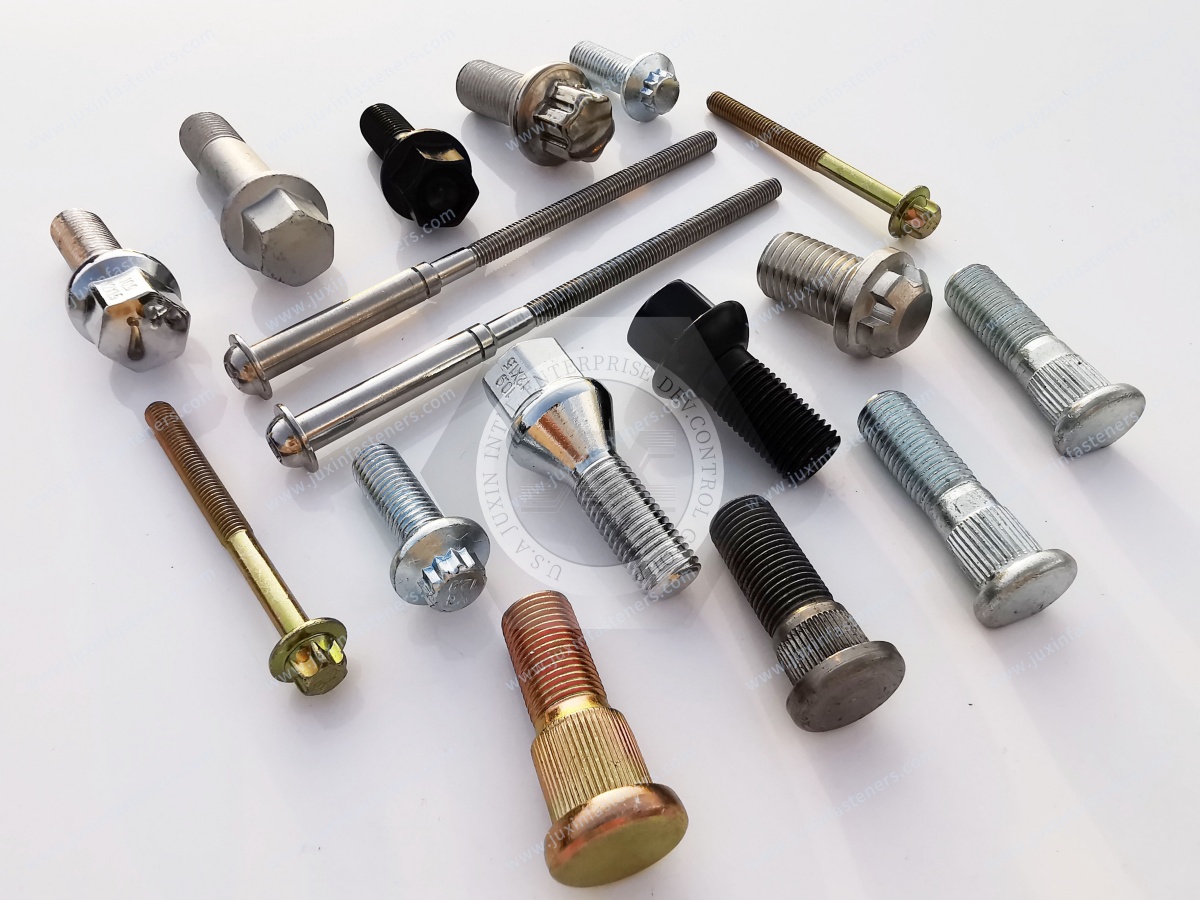
Structural battery mounting and other highly loaded automotive joints may require higher-strength bolts.
Depending on the engineering specification, components can include:
Hex bolts
Flange bolts
Long bolts
High-strength automotive bolts
Custom bolts
Drawing-based structural fasteners
Potential applications include:
Battery pack mounting
Battery-to-vehicle structural interfaces
Cross-members
Reinforcement structures
Structural brackets
Other load-bearing assemblies
Strength class is only one part of joint design.
Engineers should also consider:
Required clamp load
Joint stiffness
Mating material
Thread engagement
Tightening method
Friction condition
Surface coating
Repeated loading
Service requirements
A higher bolt strength class does not automatically improve a joint if the mating material, thread engagement or tightening strategy becomes the limiting factor.
EV battery systems experience road-induced vibration, repeated mechanical loading and thermal changes.
Depending on the joint, engineers may evaluate:
Nylon-insert lock nuts
All-metal lock nuts
Prevailing-torque nuts
Locking washers
Application-specific locking features
The correct solution depends on temperature, preload, joint stiffness, mating materials and service requirements.
A locking feature should complement proper joint design rather than compensate for insufficient preload or an unsuitable joint interface.
Battery covers and service interfaces introduce a different requirement: the connection may need to be removed during manufacturing, inspection, repair or maintenance.
Potential solutions may include:
Machine screws
Flange bolts
Captive screws
Rivet nuts
Threaded inserts
Locking fasteners
Custom service fasteners
Engineers should consider:
Frequency of removal
Thread durability
Tool access
Risk of loose hardware
Required clamp load
Sealing architecture
Mating material
Assembly time
If the joint includes a gasket or sealing system, fastener selection should be evaluated together with the complete sealing design.
Battery thermal management assemblies may include cooling components, brackets, manifolds, mounting plates, sensors and mechanical adapters.
Fastening requirements may involve:
Mechanical retention
Controlled clamping
Mounting of cooling components
Sensor attachment
Service access
Connections around sealing interfaces
Fastener selection should consider the thermal environment, mating materials, thermal expansion, corrosion exposure and any dimensional or sealing requirements defined by the system design.
For assemblies containing aluminum cooling components, thread reinforcement or specialized attachment methods may be considered where required by the joint.
Battery management systems contain electronic modules, sensors, communication components and supporting mechanical hardware.
Potential fastening components include:
Small machine screws
Standoffs
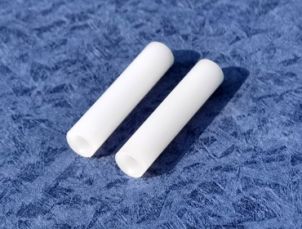
Spacers
Self-clinching standoffs
Plastic screws
Nylon nuts
Nylon washers
Plastic spacers
PCB supports
Cable-management fasteners
Custom insulating components
These applications may prioritize different requirements from structural battery joints.
Engineering considerations can include:
Electrical isolation
Component spacing
Low weight
Installation space
Service access
Sensor position
Cable routing
Temperature
Material compatibility
Plastic and nylon fasteners can be useful where electrical insulation or non-metallic mounting is required, provided the material properties are suitable for the actual operating conditions.
Modern battery packs can combine aluminum, steel, stainless steel, polymers, coated components and electrical materials within the same assembly.
Joining dissimilar materials requires more than simply selecting a strong fastener.
Engineers may need to consider:
Galvanic compatibility
Coating compatibility
Differential thermal expansion
Joint stiffness
Contact surfaces
Electrical isolation
Moisture exposure
Service environment
The correct solution depends on the specific material combination and system requirements.
Surface treatment and fastener material should therefore be reviewed as part of the joint design.
Vehicle mass reduction remains an important engineering objective, but lightweight fastening should be approached at the joint-system level.
Potential strategies may include:
Using aluminum or other lightweight parent structures
Selecting fastening technologies suitable for thin materials
Reducing unnecessary hardware
Creating captive attachment points
Integrating functions into custom components
Optimizing fastener size based on actual loading
Reducing assembly complexity
Changing a steel fastener to a lighter material without evaluating strength, stiffness, corrosion and mating-material compatibility can create new engineering problems.
The objective should be an efficient joint, not simply the lowest possible fastener mass.
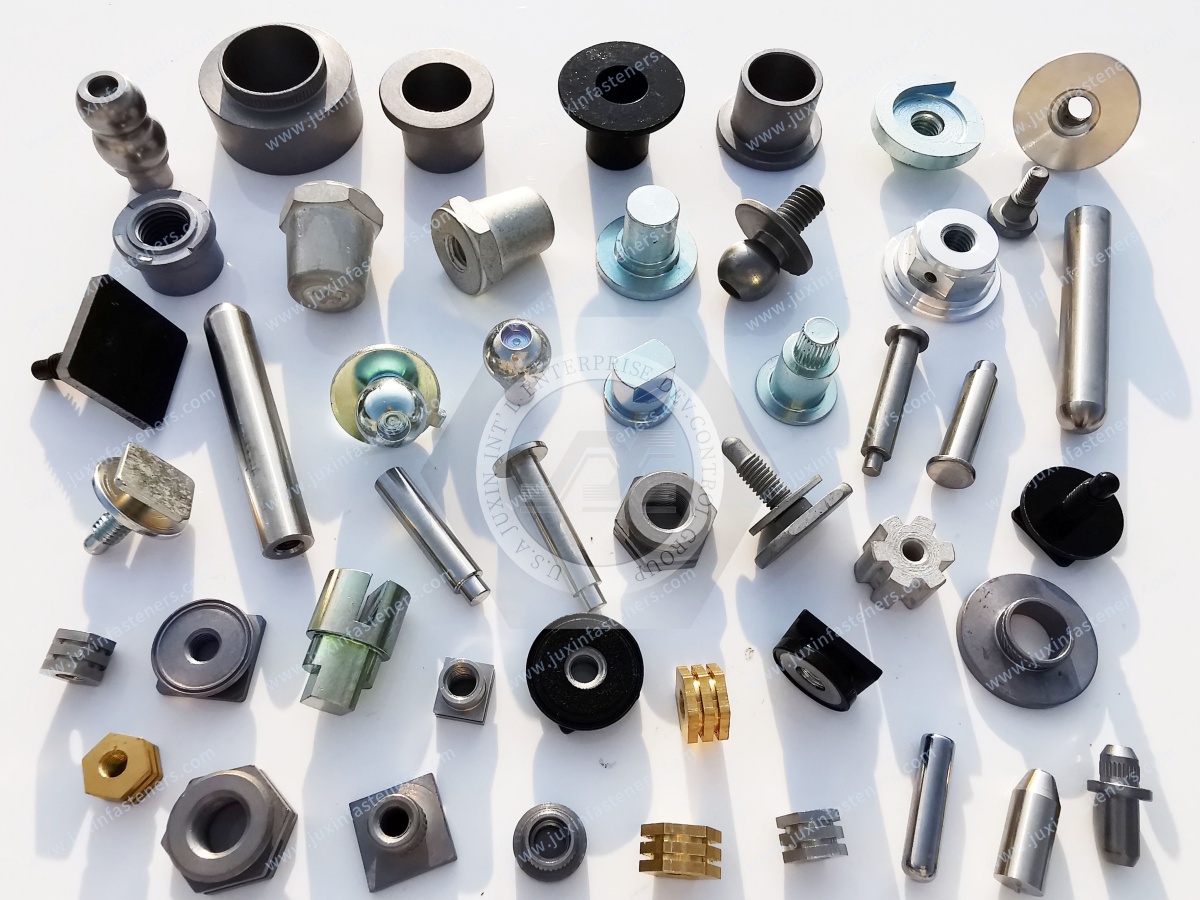
Surface treatment can influence corrosion protection, friction behavior, appearance and compatibility with surrounding components.
Depending on fastener material and customer requirements, potential treatments may include:
Zinc plating
Zinc-nickel plating
Black oxide
Nickel plating
Zinc-flake coating systems
PTFE-based coatings
Passivation for suitable stainless steel components
Other customer-specified treatments
The selected coating should be evaluated according to:
Base material
Corrosion environment
Required friction behavior
Tightening strategy
Mating material
Temperature
Electrical requirements
Customer specification
JUXIN FASTENERS does not apply a universal corrosion-performance claim to every coating system because actual performance depends on coating specification,
process, thickness, test method and application conditions.
Mechanical riveting can be useful for suitable thin-sheet and mixed-material assemblies.
Potential components include:
Blind rivets
Structural blind rivets
Closed-end blind rivets
Blind rivet nuts
Applications may include:
Battery covers
Sheet-metal structures
Aluminum assemblies
Electronic housings
Brackets
Serviceable threaded attachment points
Blind rivets and blind rivet nuts solve different engineering problems.
A blind rivet creates a permanent mechanical joint.
A blind rivet nut creates a reusable internal thread.
Selecting between them depends on whether the joint must subsequently accept a removable screw or bolt.
Several fastening technologies can create threaded attachment points, but the correct choice depends on the substrate and manufacturing process.
| Fastening Method | Typical Engineering Role | Important Selection Factors |
|---|---|---|
| Weld nut | Permanent threaded point in weldable fabricated structure | Sheet material, thickness, welding process, projection geometry, torque resistance |
| Weld stud | Permanent welded threaded attachment | Welding method, substrate, stud geometry, load, access |
| Blind rivet nut | Reusable thread with one-sided installation | Grip range, hole geometry, anti-rotation requirement, installation access |
| Self-clinching nut | Captive thread in suitable sheet metal | Sheet material, hardness, thickness, hole size, installation force |
| Threaded insert | Reinforced thread in aluminum or other suitable parent material | Parent material, hole design, thread engagement, installation method |
| Conventional nut and bolt | General structural clamping | Two-sided access, preload, strength, serviceability |
| Captive fastener | Repeated-access assembly | Panel design, service frequency, retention requirement |
This table should be used as an initial engineering filter rather than a universal specification.
Final selection depends on the actual joint.
| Battery Pack Area | Typical Requirement | Potential Fastening Solutions |
|---|---|---|
| Battery tray / enclosure | Captive structural threads | Weld nuts, weld studs, self-clinching fasteners, rivet nuts |
| Aluminum housing | Reinforced reusable threads | Wire thread inserts, self-tapping inserts, application-specific inserts |
| Battery-to-vehicle mounting | Structural clamping | High-strength bolts, flange bolts, locking nuts |
| Battery cover | Removable/serviceable attachment | Bolts, machine screws, rivet nuts, inserts, captive fasteners |
| Module mounting | Mechanical retention | Bolts, screws, nuts, inserts, custom fasteners |
| Thermal management | Mounting and controlled clamping | Screws, bolts, inserts, brackets, custom components |
| BMS / electronics | Compact mounting and spacing | Small screws, standoffs, spacers, plastic and nylon fasteners |
| Sensors | Positioning and retention | Precision screws, standoffs, spacers, custom mounting components |
| Sheet-metal brackets | Permanent threaded attachment | Self-clinching fasteners, weld nuts, rivet nuts |
| Service panels | Repeated access | Captive screws, rivet nuts, threaded inserts |
A technically suitable fastener can still be unsuitable for production if its installation process conflicts with the battery assembly sequence.
Before releasing the design, engineers should ask:
Is access available from one side or both sides?
Is welding permitted at this stage of production?
Can press installation be integrated into sheet-metal fabrication?
Is the parent material thick enough for the selected fastener?
Is automated installation required?
Will the fastener be installed before coating or after coating?
Could installation damage a finished surface?
Does the component require repeated removal?
Can the joint be inspected after installation?
Is the installation tooling compatible with the production environment?
Fastener selection and manufacturing-process selection should therefore be developed together.
Automotive and battery customers may define quality requirements according to the component, drawing, program and supplier requirements.
Depending on the project, evaluation may involve:
Material verification
Dimensional inspection
Thread inspection
Hardness testing
Mechanical-property verification
Torque-related testing
Pull-out testing
Push-out testing
Fastener installation validation
Coating inspection
Corrosion testing
Functional assembly testing
Batch traceability requirements
Not every test applies to every fastener.
The inspection and validation plan should follow the product specification and customer requirements rather than applying one generic automotive test package to all components.
Standard fasteners should be used where they meet the engineering requirement.
Custom manufacturing becomes more relevant when the application requires:
Non-standard dimensions
Special head geometry
Special shoulder geometry
Integrated locating features
Unusual thread-to-body relationships
Specific installation features
Drawing-controlled geometry
Application-specific material
Customer-specified surface treatment
Integration with a proprietary battery structure
Custom fasteners should solve a real assembly or engineering requirement rather than add complexity without functional benefit.
A technically complete RFQ helps the supplier evaluate the correct fastener and manufacturing route.
Where available, provide:
2D engineering drawing
3D model
Part number and revision
Fastener type
Thread specification
Mating component information
Parent material
Sheet or wall thickness
Hole dimensions
Required grip range where applicable
Material specification
Strength requirement
Heat-treatment requirement where applicable
Surface treatment
Joint function
Installation method
Installation access
Critical dimensions
Mechanical or validation requirements
Prototype quantity
Production quantity
Estimated annual demand
Inspection requirements
Documentation requirements
Packaging requirements
For a new application, explaining what the fastener must accomplish can be as important as supplying the nominal thread size.
Battery-pack sourcing often includes several categories of fastening products within the same program.
These may include:
Standard automotive fasteners for established clamping applications.
Application-specific fastening systems such as weld nuts, rivet nuts, self-clinching fasteners and threaded inserts.
Drawing-based custom fasteners where geometry or material is controlled by the OEM design.
Non-metallic mounting components for electrical, electronic or insulation-related applications.
Separating these categories can make RFQs clearer and help purchasing teams identify which components require engineering review and which can be sourced against established specifications.
It can also help avoid forcing every battery fastener into a custom manufacturing process when a standard or established fastening technology already solves the requirement.
Before releasing a battery fastening specification, engineering and sourcing teams can review:
What is the primary function of the joint?
What materials are being joined?
Is the parent material sheet, extrusion, casting or machined material?
What is the available material thickness?
Is one-sided installation required?
Does the connection need to be removable?
Will it be serviced repeatedly?
Is the fastener structural or primarily for mounting?
Is vibration relevant?
Is thermal cycling relevant?
Is electrical isolation required?
Are dissimilar materials being joined?
Is corrosion protection specified?
Is the tightening method defined?
Is the fastener installed before or after coating?
Are validation requirements clearly defined?
Is a standard fastener sufficient?
Does the application genuinely require a custom component?
Answering these questions before supplier quotation can reduce unnecessary redesign and sourcing delays.
EV battery packs contain many different types of mechanical connections, and no single fastening technology is appropriate for every location.
Battery enclosures may require weld nuts, weld studs, self-clinching fasteners or blind rivet nuts.
Aluminum housings may require reinforced threaded inserts.
Structural battery mounting may require high-strength bolts and appropriate locking systems.
Thermal management assemblies require fastening solutions compatible with their mechanical and environmental interfaces.
BMS, sensors and electrical assemblies may require small screws, standoffs, spacers or plastic and nylon fasteners.
Serviceable components may require reusable threads or captive fastening systems.
JUXIN FASTENERS supports automotive OEMs, battery manufacturers, Tier suppliers and engineering teams with standard and custom EV battery pack fasteners for structural,
sheet-metal, aluminum, thermal, electrical and service applications.
For a new EV battery fastening project, send your drawing or specification together with the mating material, sheet or wall thickness, thread requirement, joint function,
material, surface treatment, quantity and applicable inspection requirements.
Our team can review the fastening requirement according to the actual assembly and provide a quotation for suitable standard or custom components.
Email: info@juxinfasteners.com
Website: www.juxinfasteners.com
 MORE NEWS
Sep. 27, 2026
Sep. 27, 2026
Sep. 27, 2026
Contact Us
Tel.:
+86 020 8621 0320
+86 020 3121 6067
E-mail:
Technical Support:
Navigation
SEND INQUIREY