
Call Us
+86 136 6007 9809
Call Us
+86 136 6007 9809

Jun. 11, 2024
Explosion-Proof Electrical Cabinet Fasteners: OEM Design and Maintenance Guide
Electrical cabinets and control enclosures installed in hazardous areas require fastening systems that are compatible with the equipment's approved protection concept.
These enclosures may contain electrical terminals, switching components, instrumentation,
control systems or other equipment used in industrial environments where explosive gas or dust atmospheres can occur.
Fasteners are important because they retain covers, secure internal mounting structures and maintain the mechanical integrity of enclosure assemblies.
However, not every fastener used in a hazardous area performs the same safety function.
A cover screw on an Ex d flameproof enclosure may be part of a construction designed to withstand an internal explosion.
A screw on an Ex e increased-safety enclosure may serve a different function related to mechanical integrity and the equipment's approved construction.
Fasteners on Ex t dust-protected equipment must be evaluated in relation to the enclosure's dust-protection requirements.
For OEM engineers, the correct approach is to select fastening components according to the actual protection concept and approved equipment design.
For manufacturing engineers and production managers, the priority is consistent assembly, correct tightening and reliable inspection.
For procurement and supplier-development teams, the priority is sourcing components that match the approved specification without introducing uncontrolled substitutions.
JUXIN FASTENERS supplies standard industrial screws, bolts, nuts and drawing-based fastening components for OEM evaluation.
This guide explains the engineering and purchasing considerations for fasteners used in explosion-protected electrical cabinets, junction boxes and industrial control enclosures.
What Are Explosion-Protected Electrical Cabinets?
Explosion-protected electrical cabinets are equipment enclosures designed and assessed for specified hazardous-area applications.
Depending on the equipment and protection concept, they may be used in:
Oil and gas facilities
Chemical processing plants
Industrial manufacturing facilities
Mining operations
Process instrumentation systems
Selected dust-hazard environments
Important Terminology Distinction
The expression "explosion-proof cabinet" is often used broadly in commercial searches.
However, the actual equipment may use different protection concepts.
Examples include:
Ex d: Flameproof enclosure
Ex e: Increased safety
Ex t: Protection by enclosure for explosive dust atmospheres
These concepts are not interchangeable.
The equipment marking and approved documentation determine the applicable requirements.
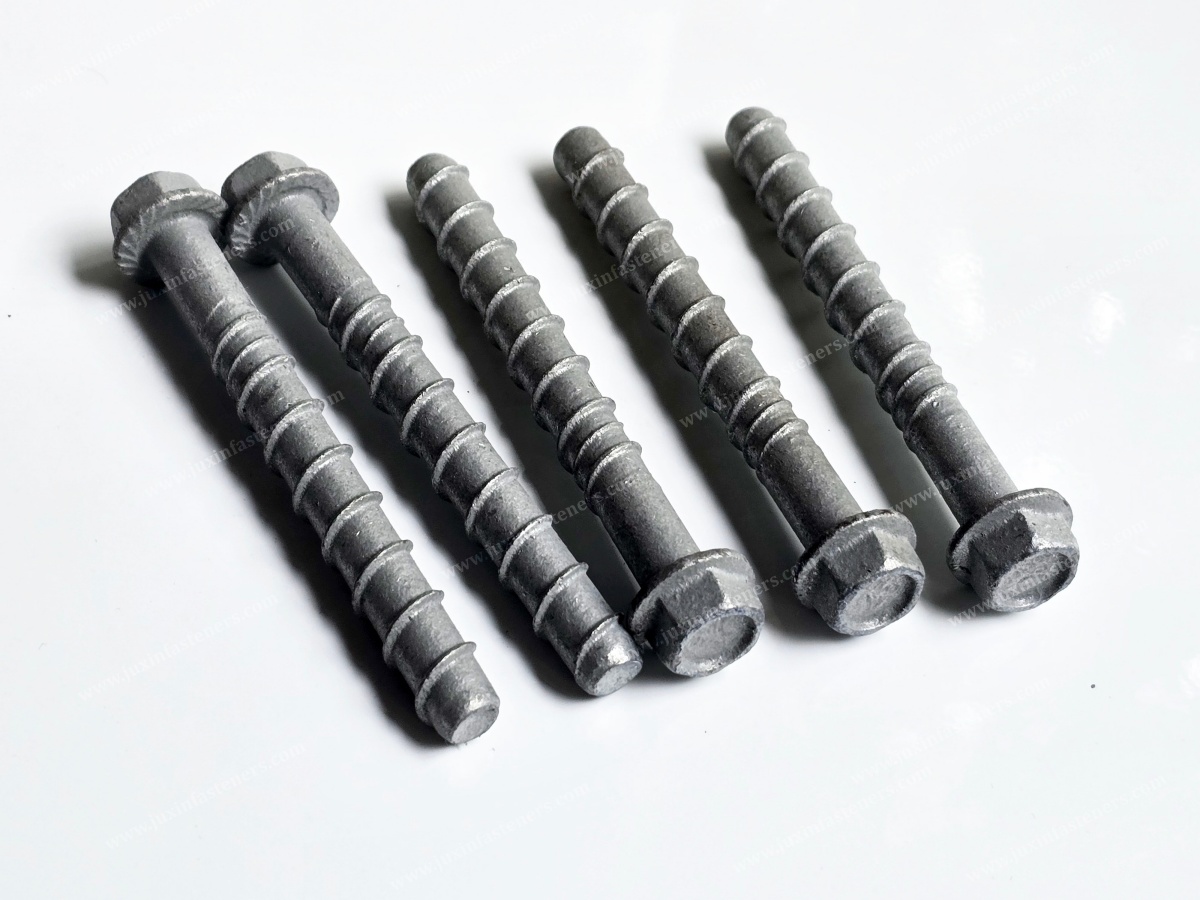
Why Fasteners Matter in Hazardous-Area Electrical Equipment
Fasteners may perform several functions:
Retaining enclosure covers
Securing mounting brackets
Maintaining mechanical attachment
Supporting controlled assembly
Resisting specified service loads
Allowing maintenance access
Some fasteners may also be associated with protection-critical enclosure features.
Important Engineering Principle
The safety significance of a fastener depends on its location and function in the approved equipment design.
Not every cabinet screw is a flameproof-joint fastener.
Ex d Flameproof Enclosure Fasteners
Ex d equipment is designed so that an internal explosion can be contained and flame transmission to the surrounding explosive atmosphere is prevented through the approved enclosure construction.
The relevant technical framework includes IEC 60079-0 and IEC 60079-1.
Fasteners associated with flameproof enclosure covers can be critical to the approved mechanical design.
Engineering Considerations
Bolt or screw geometry
Material and mechanical properties
Thread engagement
Enclosure material
Cover joint construction
Required fastening arrangement
Approved tightening instructions
Important Distinction
The fasteners alone do not create the flameproof protection.
The complete enclosure construction, including its flameproof joints and fastening arrangement, must satisfy the applicable equipment requirements.
Ex e Increased-Safety Electrical Cabinets
Ex e equipment uses a different protection approach from Ex d.
The applicable framework includes IEC 60079-0 and IEC 60079-7.
Fasteners may be used to retain enclosure covers, secure terminals or attach internal components.
Engineering Considerations
Mechanical security
Approved enclosure construction
Electrical clearances where relevant
Material compatibility
Environmental exposure
Maintenance requirements
Important Limitation
Ex d cover-bolt rules should not automatically be applied to every Ex e fastening location.
The actual equipment design and applicable requirements govern selection.
Ex t Dust-Protected Enclosures
Ex t equipment is associated with protection against explosive dust atmospheres.
IEC 60079-31 is relevant to this protection concept.
Fasteners may influence enclosure integrity and the retention of covers or sealing arrangements.
Engineering Considerations
Cover attachment
Enclosure protection requirements
Gasket compression where applicable
Mechanical durability
Maintenance procedures
Important Distinction
Dust protection and flameproof gas protection are different concepts.
An Ex t enclosure should not automatically be described as an Ex d flameproof enclosure.
Ex d, Ex e and Ex t: Fastener Selection Comparison
| Protection concept | Primary engineering concern | Fastener selection approach |
|---|---|---|
| Ex d | Approved flameproof enclosure construction | Follow approved fastener and joint requirements |
| Ex e | Increased-safety equipment construction | Follow approved mechanical and electrical design |
| Ex t | Dust-protection enclosure integrity | Follow approved cover, sealing and enclosure requirements |
Engineering Recommendation
Identify the equipment protection concept before selecting or replacing enclosure fasteners.
Socket Head Cap Screws for Electrical Enclosures
Hexagon socket head cap screws are used in many industrial equipment assemblies.
ISO 4762 is a relevant dimensional standard for metric hexagon socket head cap screws.
Potential applications include:
Enclosure cover attachment
Equipment brackets
Internal mounting structures
Compact fastening locations
Selection Considerations
Thread size
Screw length
Head geometry
Mechanical property class
Material
Installation access
Approved tightening requirements
Important Limitation
A standard ISO 4762 screw is not automatically suitable for every explosion-protected enclosure.
The equipment design must permit its use.
Hexagon Head Bolts and Screws
Hexagon head fasteners may be specified for selected enclosure and mounting applications.
Relevant metric product standards include ISO 4014 and ISO 4017, depending on the required thread configuration.
Engineering Considerations
Head access
Thread length
Joint thickness
Mechanical properties
Corrosion protection
Assembly tooling
Important Procurement Recommendation
Confirm whether the approved design requires a partially threaded bolt or a fully threaded screw.
Socket Set Screws and Special Fasteners
Socket set screws may be used in certain industrial mechanical arrangements.
However, a socket set screw should not automatically be treated as an acceptable replacement for an enclosure cover bolt.
Engineering Recommendation
The fastener type, location and installation requirements must match the approved equipment construction.
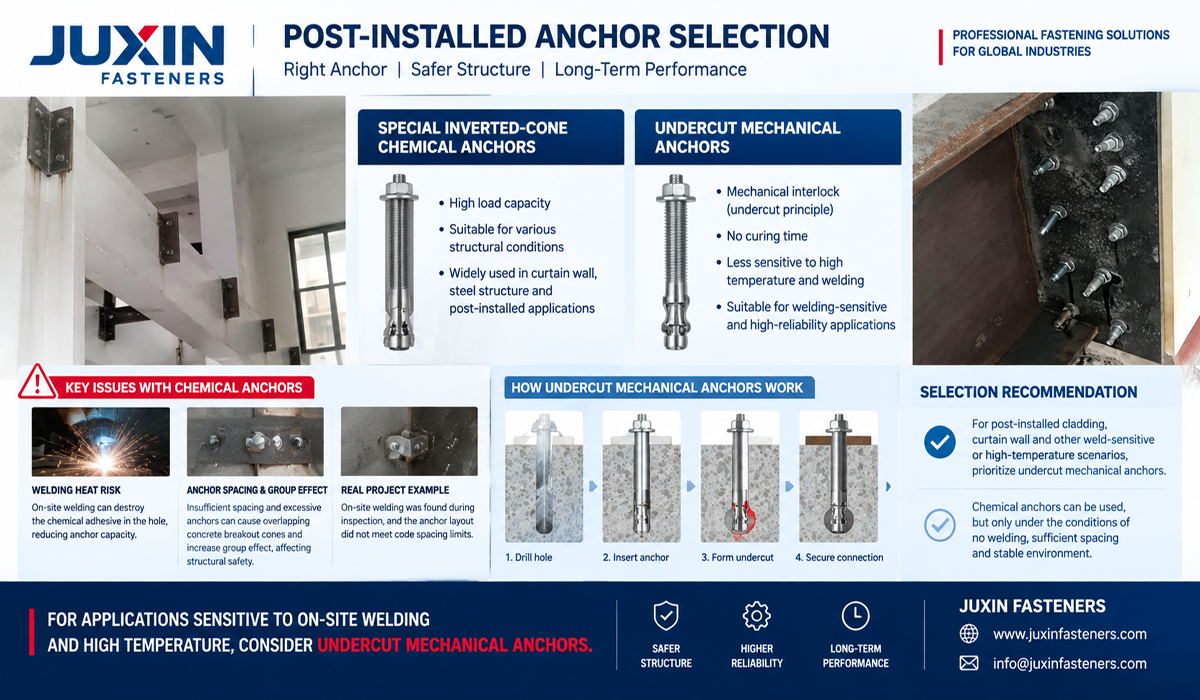
Tool-Operated Fastening and Maintenance Access
Explosion-protected equipment may require specific arrangements for opening or securing enclosures.
The requirements depend on the protection concept and equipment construction.
Engineering Considerations
Required tools
Access restrictions
Approved fastener type
Maintenance instructions
Risk of incorrect reassembly
Important Distinction
A conventional screwdriver, hex key or wrench is a tool.
A tool-operated fastener is not necessarily a proprietary security fastener.
Maintenance Recommendation
Personnel should follow the equipment manufacturer's instructions before opening or reassembling hazardous-area equipment.
Fastener Material Selection
The enclosure material and service environment influence fastener selection.
Common industrial fastener materials include:
Carbon steel
Alloy steel
Stainless steel
The appropriate material must be defined by the approved design.
Carbon Steel and Alloy Steel Fasteners
These materials may be selected where the required mechanical properties and corrosion protection can be achieved.
Potential surface treatments include:
Zinc plating
Zinc-nickel coating
Zinc-flake coating systems
Important Limitation
A coating should not be substituted without checking dimensional effects, corrosion requirements and the approved specification.
Stainless Steel Fasteners
Stainless steel may be selected where corrosion resistance is important.
Common grades include:
A2 stainless steel
A4 stainless steel
The relevant material and mechanical property framework may include ISO 3506 for applicable stainless steel fasteners.
Engineering Considerations
Corrosion environment
Mechanical properties
Thread galling
Enclosure material
Approved fastener specification
Important Distinction
A2 and A4 designations are not simply interchangeable with every commercial reference to 304 and 316.
The complete fastener grade and mechanical property requirements must be considered.
Stainless Steel and Aluminum Enclosures
Stainless steel screws may be used in suitable aluminum enclosure designs.
However, material combinations can introduce concerns involving:
Galvanic corrosion
Thread wear
Galling
Local material deformation
Thread stripping
Engineering Recommendation
Evaluate the complete threaded connection rather than selecting a screw solely for corrosion resistance.
Thread Engagement in Enclosure Walls
Thread engagement is important where screws are installed directly into tapped enclosure walls.
Relevant factors include:
Screw diameter
Thread pitch
Screw material
Enclosure material
Thread tolerance
Available engagement depth
Applied loading
Important Engineering Principle
There is no universal rule that every enclosure screw must engage exactly one nominal diameter of thread.
Required engagement depends on the applicable standard, material combination and approved equipment design.
Blind Tapped Holes
Blind holes require attention to:
Available usable thread depth
Screw length
Incomplete threads
Hole bottom clearance
Coating thickness
Assembly tolerances
Bottoming Risk
A screw may contact the bottom of a blind hole before producing the intended clamping condition.
Engineering Recommendation
Check the screw length and usable thread depth under the actual tolerance conditions.
Thread Tolerances
ISO metric thread specifications may reference applicable ISO thread standards.
Common tolerance designations include 6g for certain external threads and 6H for certain internal threads.
Important Limitation
These are not universal mandatory tolerance classes for every explosion-protected electrical cabinet.
The approved drawing governs the requirement.
Metric and Inch Thread Compatibility
Some international equipment designs may use metric or Unified inch threads.
UNC and UNF threads are covered by ASME B1.1.
Metric and Unified inch threads must not be treated as directly interchangeable.
Engineering Recommendation
Record the exact thread designation in the equipment bill of materials and RFQ.
Flameproof Joints and Cover Fasteners
In Ex d equipment, the approved flameproof joint geometry is essential.
Different joint constructions may include:
Flanged joints
Spigot joints
Cylindrical joint arrangements
Fasteners may provide the mechanical retention needed to maintain the approved enclosure construction.
Important Technical Distinction
A flameproof joint is not simply an ordinary gasketed waterproof joint.
Flameproof performance depends on the applicable joint geometry and equipment design.
Engineering Recommendation
Do not alter joint geometry, cover fasteners or mating surfaces without appropriate equipment-level review.
Gaskets and Sealing Components
Some explosion-protected enclosures use gaskets or sealing components.
Their function depends on the equipment protection concept.
Important Limitation
A gasket does not automatically replace the flameproof function of an Ex d joint.
Likewise, a gasketed Ex t enclosure should not automatically be treated as flameproof.
Washers and Anti-Loosening Features
Washers and locking features may be used where specified.
Potential components include:
Flat washers
Spring washers
Approved locking arrangements
Important Engineering Distinction
A conventional split spring washer does not automatically guarantee vibration resistance.
Engineering Recommendation
Use only fastening arrangements compatible with the approved equipment design.
Vibration and Mechanical Reliability
Electrical cabinets installed on machinery or industrial structures may experience vibration.
Potential concerns include:
Loss of bolt preload
Thread loosening
Fatigue
Cover movement
Damage during repeated maintenance
Engineering Considerations
Joint stiffness
Fastener preload
Service loading
Approved locking method
Inspection intervals
Important Limitation
Fastener strength and resistance to self-loosening are different performance characteristics.
Corrosion in Hazardous-Area Equipment
Corrosion may affect:
Fastener removal
Thread condition
Mechanical strength
Maintenance reliability
Enclosure integrity
Outdoor Installations
Consider humidity, rain exposure and temperature variation.
Coastal Installations
Consider chloride exposure and galvanic corrosion.
Chemical Facilities
Consider the actual chemicals and exposure conditions.
Important Engineering Recommendation
316 stainless steel is not universally resistant to every chemical or marine environment.
Material selection must match the actual service conditions.

Fastener Replacement During Maintenance
Replacement fasteners can affect equipment compliance and mechanical performance.
Potential differences include:
Material grade
Strength class
Thread tolerance
Screw length
Head geometry
Coating
Washer arrangement
Important Maintenance Principle
A replacement screw should not be accepted solely because it fits the threaded hole.
The replacement must match the equipment manufacturer's approved requirements.
Replacement Fastener Checklist
| Item | Verification |
|---|---|
| Thread designation | Match approved specification |
| Screw length | Confirm engagement and clearance |
| Head geometry | Match approved construction |
| Material | Match required grade |
| Mechanical properties | Match specified class |
| Coating | Confirm compatibility |
| Washer arrangement | Follow approved design |
| Tightening procedure | Follow manufacturer instructions |
Important Distinction
A commercially equivalent screw is not necessarily an approved replacement for explosion-protected equipment.
Production-Line Assembly Requirements
Manufacturing engineers and production managers should evaluate fastening operations as part of the complete equipment assembly process.
Important factors include:
Fastener identification
Part feeding
Correct screw length
Installation tooling
Tightening sequence
Torque control
Inspection records
Wrong-Fastener Prevention
Mixing visually similar screws can create assembly risks.
For example, two screws may share the same nominal thread but differ in:
Length
Material
Strength class
Head dimensions
Coating
Production Recommendation
Use clear part identification and controlled bills of materials.
Tightening Torque
The required tightening torque depends on the actual fastener and joint design.
Factors include:
Fastener size
Mechanical properties
Joint materials
Friction
Coating
Lubrication
Required preload
Important Engineering Principle
Do not assign a universal tightening torque solely from the nominal screw diameter.
For protection-critical equipment, use the approved assembly instructions.
Quality Inspection for OEM Enclosure Fasteners
An appropriate fastener quality plan may address:
Incoming Inspection
Material identification
Dimensional conformity
Thread verification
Surface condition
Assembly Inspection
Correct fastener location
Correct installation procedure
Tool condition
Tightening requirements
Final Equipment Review
Cover assembly
Fastener completeness
Relevant inspection records
Approved configuration
Important Responsibility Distinction
The fastener supplier is responsible for meeting the agreed component specification.
The equipment manufacturer remains responsible for evaluating the complete explosion-protected equipment and its applicable conformity requirements.
Oil and Gas Applications
Explosion-protected electrical cabinets may be used in:
Process control systems
Instrumentation equipment
Offshore installations
Gas-handling facilities
Fastener Considerations
Approved equipment construction
Corrosion exposure
Maintenance accessibility
Mechanical reliability
Chemical Processing Applications
Potential equipment includes:
Control enclosures
Instrumentation junction boxes
Monitoring systems
Process automation equipment
Fastener Considerations
Chemical exposure
Material compatibility
Maintenance procedures
Approved enclosure design
Mining Applications
Mining equipment may require specialized explosion-protection arrangements.
Important Distinction
Mining equipment requirements may differ from those for surface industrial hazardous areas.
The applicable equipment category, protection concept and standards must be identified.
Industrial Automation Applications
Potential equipment includes:
Control cabinets
Instrumentation housings
Junction boxes
Automated process equipment
Fastener selection depends on the equipment protection concept and approved design.
Energy Storage and Battery Equipment
Battery energy storage equipment may require enclosure protection, thermal management and electrical safety measures.
However, a battery cabinet is not automatically an Ex d, Ex e or Ex t hazardous-area enclosure.
Engineering Recommendation
Determine the actual hazard classification and equipment requirements before applying explosion-protection terminology.
Custom OEM Electrical Cabinet Fasteners
Standard screws may not meet every approved equipment design.
Drawing-based requirements may involve:
Special screw lengths
Modified head geometry
Selected material grades
Defined thread tolerances
Application-specific coatings
Customer-specific inspection requirements
Important Engineering Recommendation
Custom fasteners used in explosion-protected equipment must be evaluated against the approved equipment construction.
OEM Supplier Qualification
Procurement and supplier-development teams should review:
Approved drawing
Applicable product standard
Material specification
Mechanical property requirements
Thread designation
Surface treatment
Inspection requirements
Change control
Commercial Requirements
MOQ
Annual purchasing volume
Sample requirements
Packaging
Lead time
Delivery schedule
Second-Source Qualification
A second-source fastener may differ in manufacturing details even when the nominal dimensions appear identical.
Potential differences include:
Material properties
Thread tolerances
Coating thickness
Head geometry
Surface condition
Important Procurement Principle
Supplier substitution must follow the equipment manufacturer's approval and change-control process.
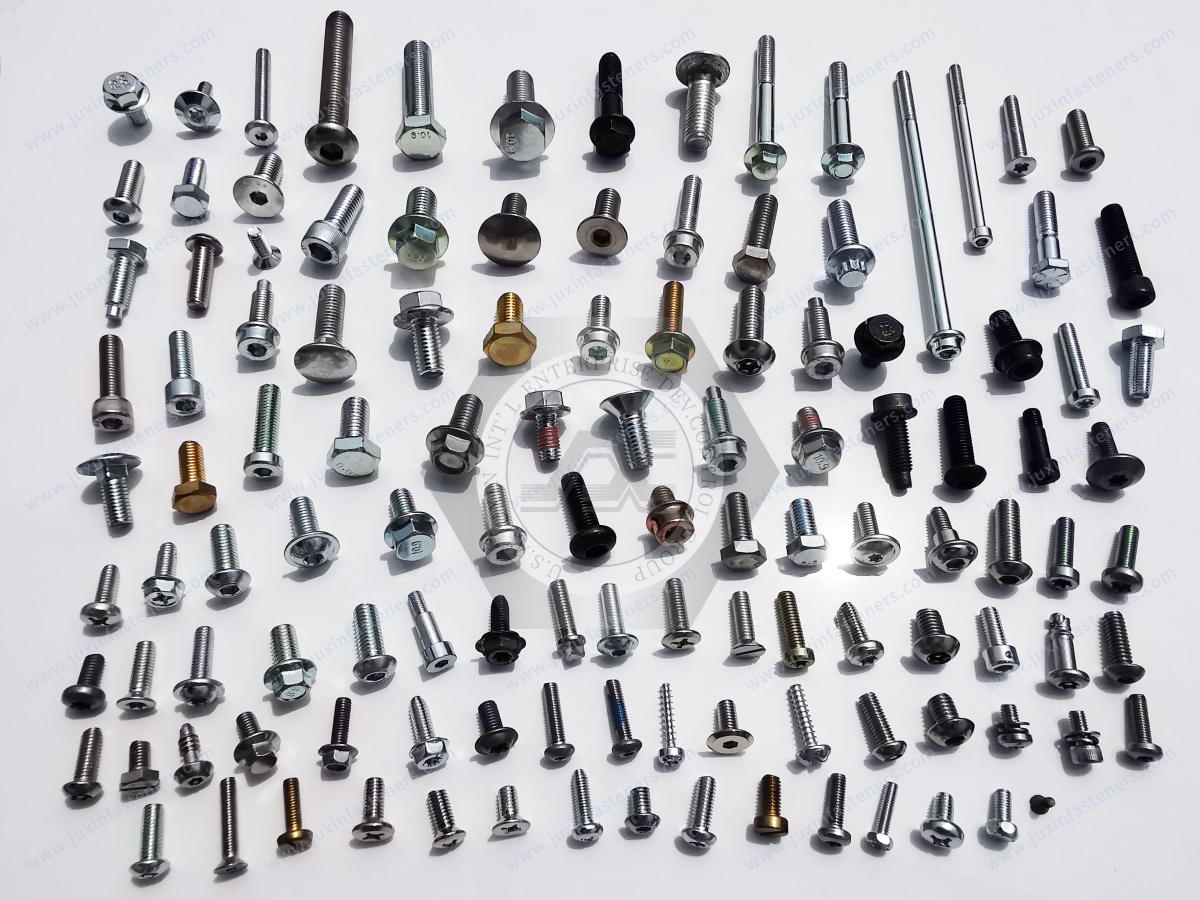
Frequently Asked Questions
Are explosion-proof cabinet screws individually ATEX or IECEx certified?
Ordinary industrial screws should not be described as individually ATEX- or IECEx-certified merely because they are used in explosion-protected equipment.
The applicable conformity requirements relate to the equipment and its approved construction.
Can stainless steel screws replace carbon steel enclosure bolts?
Not automatically. Mechanical properties, thread engagement, corrosion behavior and the approved design must be considered.
Are Ex d and Ex e fastener requirements the same?
No. These protection concepts have different technical requirements.
Can a longer screw be used during maintenance?
Only if permitted by the approved equipment specification. A longer screw may create bottoming or other assembly problems.
Does a spring washer guarantee vibration resistance?
No. Locking performance depends on the complete joint and approved design.
Are all hazardous-area electrical cabinets flameproof?
No. Different equipment may use Ex d, Ex e, Ex t or other applicable protection concepts.
Can a standard ISO screw be used in explosion-protected equipment?
Potentially, if it meets the approved equipment requirements. A standard product designation alone does not establish suitability.
What is the difference between a flameproof joint and a gasketed joint?
A flameproof joint is part of an approved explosion-containment and flame-transmission control design. A gasketed joint may serve sealing or environmental protection functions.
What information is needed for an enclosure fastener RFQ?
The approved drawing, thread designation, dimensions, material, mechanical properties, coating, inspection requirements and purchasing volume.
Can a second-source supplier provide replacement enclosure screws?
Potentially, but approval depends on the equipment manufacturer's specification and change-control requirements.
JUXIN FASTENERS: Industrial Screws and Bolts for Electrical Equipment OEMs
JUXIN FASTENERS supplies standard and drawing-based industrial fastening components for international equipment manufacturers.
Relevant product families include:
Hexagon socket head cap screws
Hexagon head bolts and screws
Stainless steel screws and bolts
Carbon steel and alloy steel fasteners
Selected socket set screws
Custom threaded fastening components
For hazardous-area electrical equipment projects, the required fastener specification must be defined by the equipment manufacturer.
JUXIN FASTENERS can review customer drawings and commercial requirements to discuss suitable component supply options.
Product availability, manufacturing feasibility and inspection requirements should be confirmed for each project.
Request an Electrical Cabinet Fastener Drawing Review and OEM RFQ
Are you sourcing socket head screws, hexagon bolts, stainless steel enclosure fasteners or custom threaded components for hazardous-area electrical equipment?
JUXIN FASTENERS welcomes inquiries from:
Electrical equipment OEMs
Mechanical and structural engineers
Manufacturing engineers
Production managers
Procurement and supplier-development teams
For efficient technical and commercial review, provide:
Approved fastener drawing + equipment protection concept + thread specification + material and mechanical property requirements + coating + inspection criteria + annual purchasing volume
For replacement components, include the original approved part specification and any applicable change-control requirements.
These details support a more accurate technical review and quotation.
Company: JUXIN FASTENERS
Website: https://www.juxinfasteners.com/
Email: info@juxinfasteners.com
Send your electrical cabinet fastener drawings and OEM RFQ requirements to JUXIN FASTENERS for technical evaluation and quotation.
Contact Us
Tel.:
+86 020 8621 0320
+86 020 3121 6067
E-mail:
Technical Support:
Navigation
SEND INQUIREY



