
Call Us
+86 136 6007 9809
Call Us
+86 136 6007 9809

May. 21, 2024
Fasteners are essential mechanical components used to connect, secure, and assemble two or more parts into a reliable structure. From automotive production lines and EV battery systems to aerospace equipment, industrial machinery, robotics, and construction projects, correct fastener selection and installation directly affect product safety, performance, and service life.
As a professional OEM fasteners manufacturer, JUXIN FASTENERS provides customized fastening solutions including:
Bolts
Screws
Nuts
Washers
Studs
Weld Fasteners
Self-Clinching Fasteners
Rivet Nuts
Thread Inserts
Custom Precision Fasteners
Our fastening solutions support global industries requiring reliable connection performance, accurate assembly, and long-term durability.
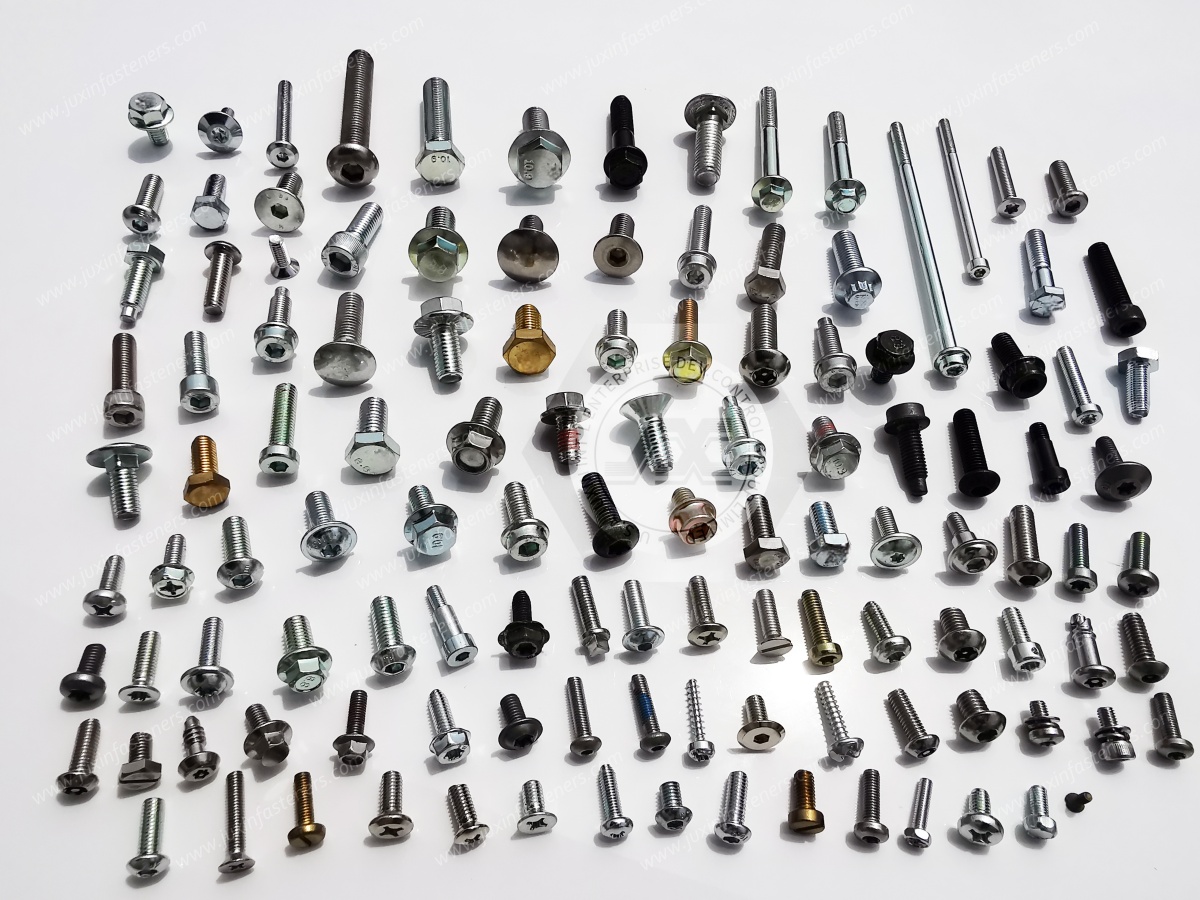
A fastener is not only a simple mechanical component. It is a critical connection element that transfers load, maintains structural stability, and prevents component movement.
Incorrect fastener installation may cause:
Loosening during operation
Insufficient clamping force
Thread damage
Component deformation
Fatigue failure
Reduced equipment lifetime
Professional fastener installation solutions help manufacturers achieve:
✔ Stable mechanical connections
✔ Accurate torque control
✔ Improved assembly efficiency
✔ Reduced maintenance costs
✔ Enhanced product reliability
Before installation, confirm that all required tools and components are ready.
Common installation tools include:
Screwdrivers
Torque wrenches
Spanners
Hex keys
Hammers
Installation machines
Required fastening components may include:
Bolts
Nuts
Screws
Washers
Seals
Locking elements
Engineers should always verify fastener specifications according to technical drawings and assembly requirements.
Different applications require different fastening solutions.
Factors affecting fastener selection include:
Common materials:
Suitable for:
Machinery
Automotive structures
General industrial applications
Advantages:
High strength
Cost efficiency
Good mechanical performance
Suitable for:
Medical equipment
HVAC systems
Food processing equipment
Outdoor applications
Advantages:
Excellent corrosion resistance
Long service life
Stable performance
Suitable for:
Automotive safety components
Heavy machinery
Rail transit systems
Advantages:
High tensile strength
Excellent fatigue resistance
Fastener strength determines load capacity and connection reliability.
Common grades include:
Grade 8.8 Bolts
Class 10.9 High Strength Bolts
Class 12.9 Alloy Steel Screws
High strength fasteners are widely used in:
Automotive chassis systems
EV battery pack structures
Rail transportation
Aerospace equipment
Industrial machinery
During installation:
Align all connecting components properly.
Insert bolts, screws, or studs into the designed position.
Install nuts and washers correctly.
Apply the specified tightening torque.
Verify the final connection condition.
Correct tightening ensures the fastener can withstand required loads and working conditions.
Fastener removal must also follow correct procedures to avoid damage.
Identify the fastener type and size.
Select suitable removal tools.
Apply controlled force.
Avoid damaging threads or connected components.
Clean and inspect removed fasteners.
For damaged or worn fasteners, replacement with the same specification or an improved fastening solution is recommended.
Regular maintenance improves fastening reliability.
Inspection should include:
Check:
Bolt movement
Nut rotation
Reduced clamping force
Solutions:
Lock nuts
Thread locking solutions
Serrated flange fasteners
Check:
Rust
Surface coating damage
Color changes
Solutions:
Zinc plating
Zinc nickel coating
Stainless steel fasteners
Anti-corrosion treatments
Check:
Thread deformation
Cracks
Wear
Incorrect engagement
Damaged threads should be repaired or replaced immediately.
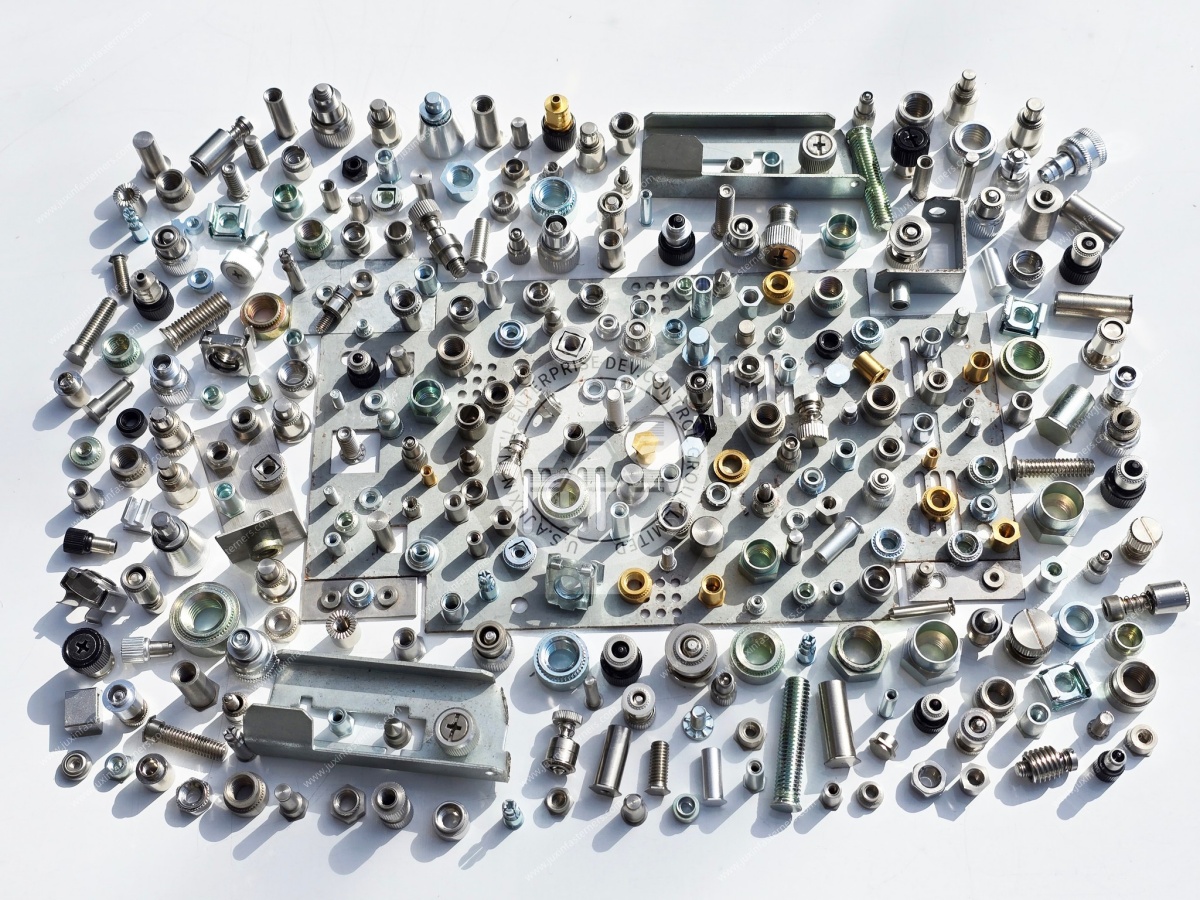
Bolts consist of a threaded shaft and head and normally work together with nuts.
Applications:
Automotive assembly
Construction structures
Industrial equipment
Common products:
Hex Bolts
Flange Bolts
Socket Head Cap Screws
Heavy Hex Bolts
Studs have external threads on both ends.
Applications:
Engine systems
Heavy equipment
High-temperature applications
Advantages:
Strong connection
Suitable for repeated assembly
Screws are widely used fastening components.
Types include:
Machine Screws
Self-Tapping Screws
Thread Locking Screws
Special Screws
Applications:
Electrical cabinets
Electronics
Robotics equipment
Common nut types:
Hex Nuts
Flange Nuts
Nylon Insert Lock Nuts
Weld Nuts
Self-Locking Nuts
Applications:
Automotive
Sheet metal fabrication
Machinery
Washers improve fastening performance by:
Increasing contact area
Reducing surface pressure
Preventing loosening
Types:
Flat Washers
Spring Washers
Lock Washers
Used where traditional bolts cannot be installed.
Applications:
Sheet metal assemblies
Electrical cabinets
Automotive body structures
Products:
Blind Rivet Nuts
Threaded Inserts
Self Clinching Fasteners
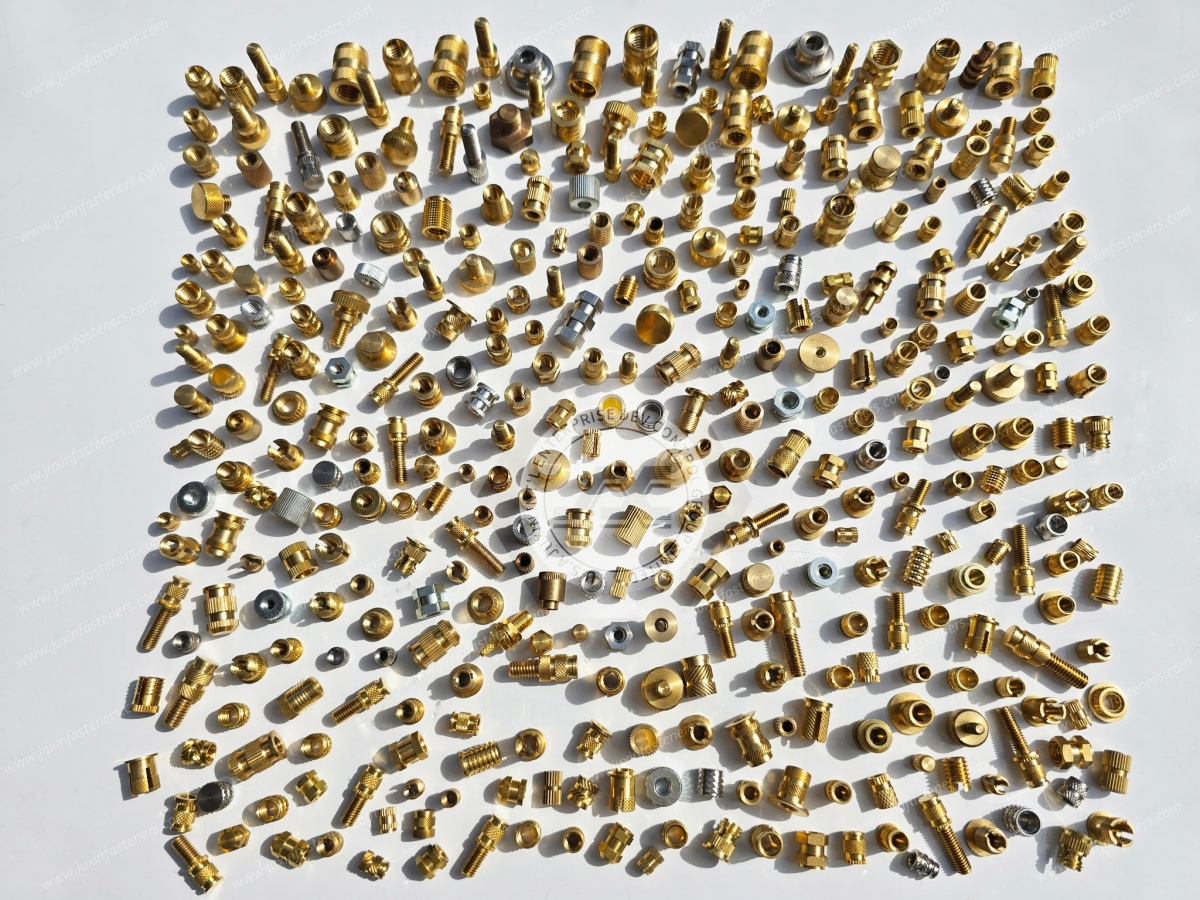
Correct thread identification is essential for safe assembly.
Threads are mainly used for:
Mechanical fastening
Force transmission
Sealing applications
A reliable threaded connection requires:
Correct thread type
Accurate pitch
Proper diameter
Suitable tolerance
Metric threads are widely used worldwide.
Common sizes:
M3
M4
M5
M6
M8
M10
M12
M16
M20
Applications:
Automotive
Machinery
Industrial equipment
Common in:
North America
Automotive applications
Industrial machinery
Examples:
1/4-20 UNC
5/16-18 UNC
3/8-16 UNC
Used where higher thread engagement is required.
Applications:
Automotive components
Aerospace equipment
Precision machinery
Examples:
1/4-28 UNF
5/16-24 UNF
Used in:
Engineering equipment
Industrial machinery
Traditional British standard applications
Thread markings usually include:
Thread type
Nominal diameter
Pitch
Tolerance grade
Example:
3/8-16 UNC-2A
Meaning:
3/8 inch thread diameter
16 threads per inch
UNC coarse thread
Class 2A external thread tolerance
Correct thread identification prevents:
Assembly problems
Thread damage
Product failure
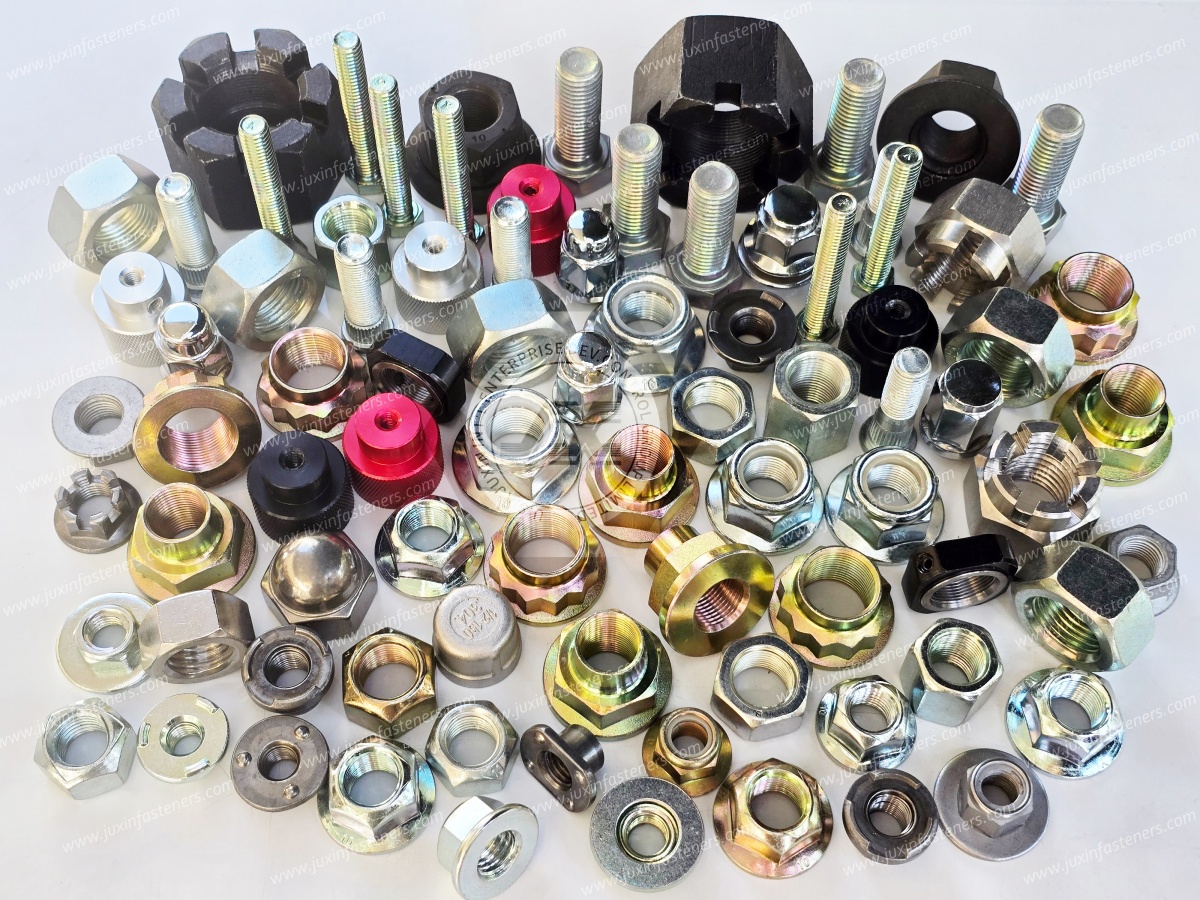
Fasteners are used in:
Engine systems
Chassis
Suspension
Body structures
Solutions:
High strength bolts
Lock nuts
Weld nuts
Custom automotive fasteners
EV manufacturers require:
High strength
Corrosion resistance
Vibration resistance
Applications:
Battery trays
Battery modules
Electrical connections
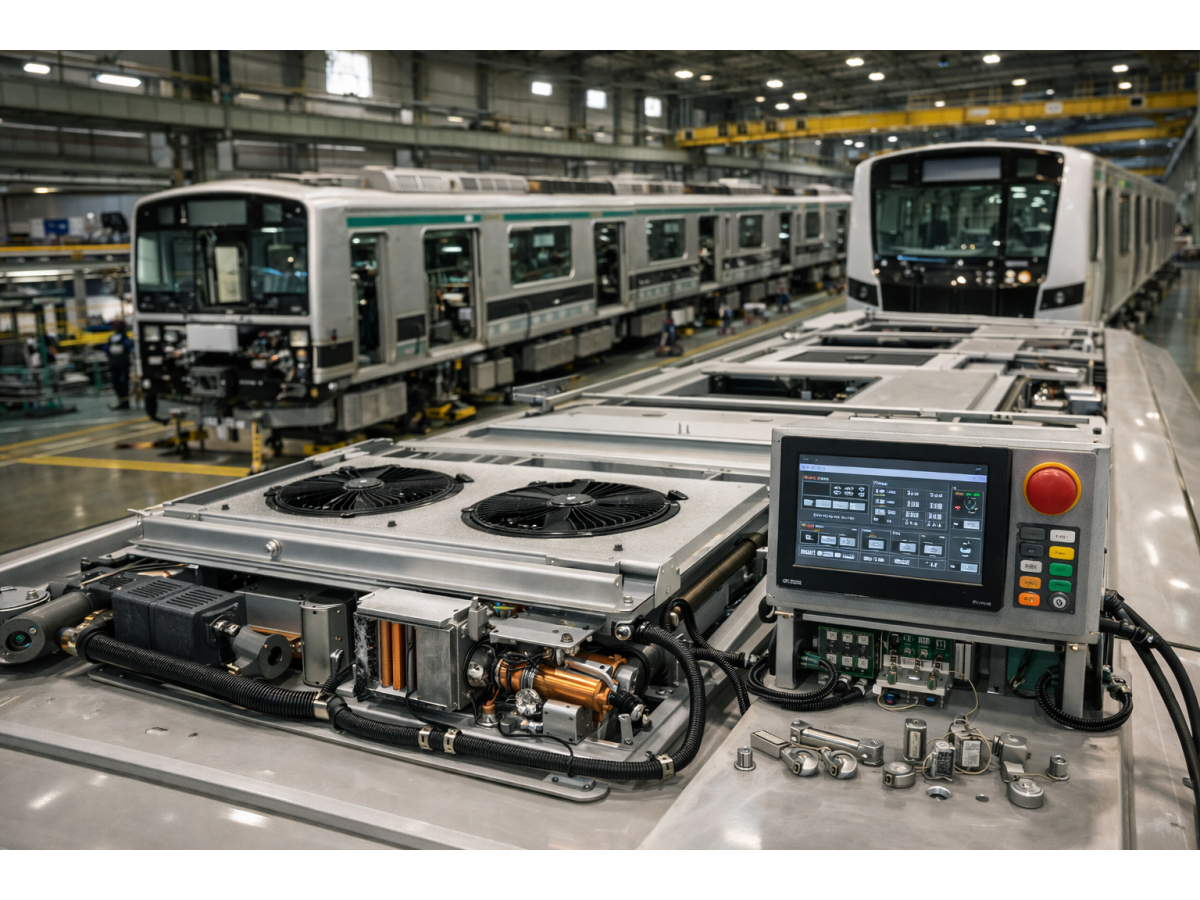
Applications:
Railway structures
Train equipment
Interior systems
Requirements:
Fatigue resistance
Long service life
Safety reliability
Fasteners support:
Aircraft structures
Precision equipment
Requirements:
Lightweight materials
High strength
Corrosion resistance
Applications:
Control cabinets
Electrical enclosures
Automation equipment
Products:
Rivet nuts
Self-clinching fasteners
Thread inserts
Applications:
Air conditioning systems
Ventilation equipment
Requirements:
Weather resistance
Stable connections
Fastening solutions for:
Medical machines
Laboratory equipment
Requirements:
Precision
Clean surface finish
Applications:
Steel structures
Heavy equipment
Products:
High strength bolts
Structural nuts
Applications:
Robot systems
Production equipment
Requirements:
High accuracy
Vibration resistance
Solutions:
Weld fasteners
Self-clinching nuts
Blind rivet nuts
Applications:
Metal cabinets
Equipment housings
JUXIN FASTENERS provides professional fastening solutions for global OEM customers.
Our capabilities include:
✔ Custom fasteners according to drawings
✔ Automotive and EV fastening experience
✔ Engineering support
✔ Material traceability
✔ Surface treatment solutions
✔ Precision manufacturing
✔ Global export service
We help customers select, install, maintain, and optimize fastening systems for demanding industrial applications.
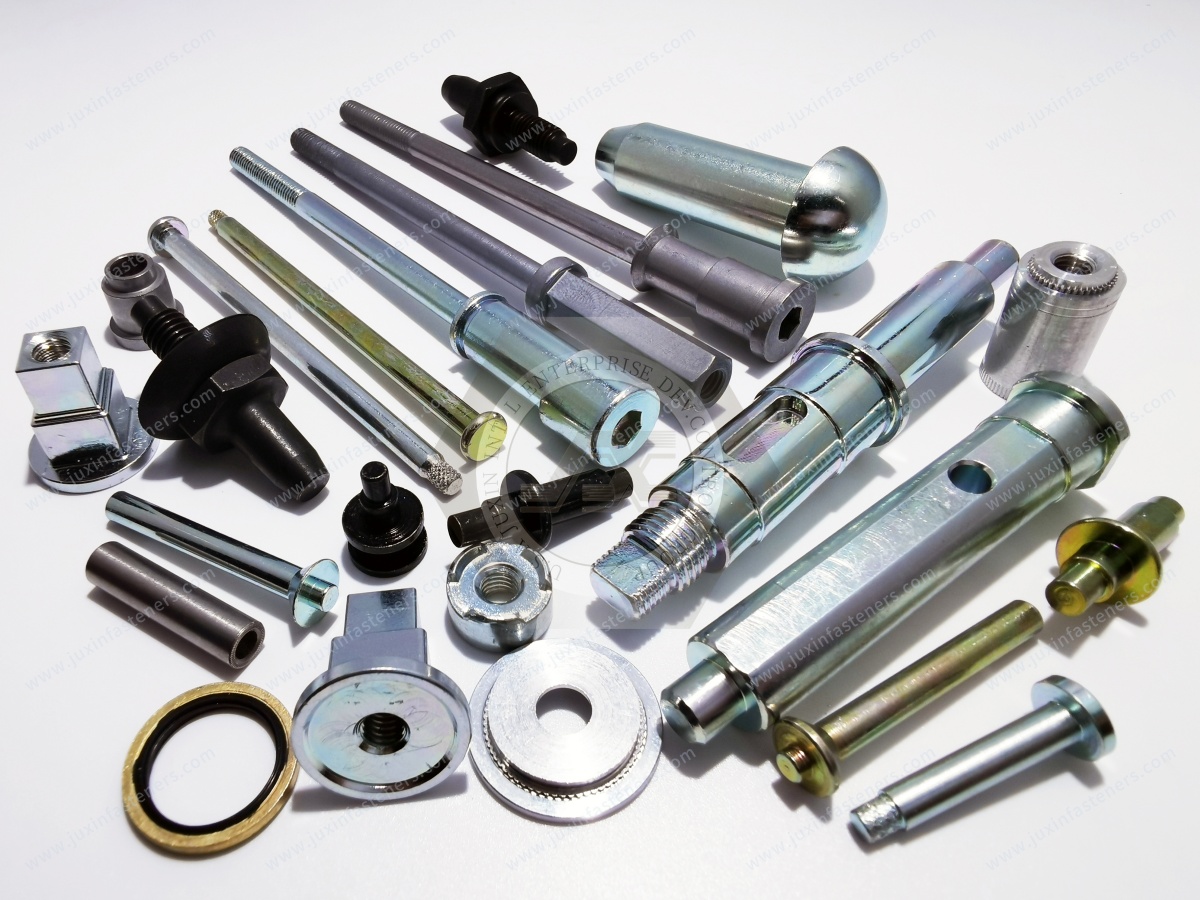
For professional industrial fasteners, automotive fasteners, high strength screws, nuts, bolts, and customized fastening solutions, please contact our engineering team.
Email: info@juxinfasteners.com
Website: www.juxinfasteners.com
JUXIN FASTENERS
Precision Fastening Solutions Since 2003
 MORE NEWS
Sep. 27, 2026
Sep. 27, 2026
Sep. 27, 2026
Contact Us
Tel.:
+86 020 8621 0320
+86 020 3121 6067
E-mail:
Technical Support:
Navigation
SEND INQUIREY