
Call Us
+86 136 6007 9809
Call Us
+86 136 6007 9809

May. 28, 2024
Welding nuts are one of the most widely used permanent fastening solutions in modern manufacturing industries. Unlike traditional nuts that require access from both sides of a workpiece, weld nuts are permanently attached to sheet metal components through welding processes, providing a strong internal threaded connection for later assembly.
Today, welding nuts are widely applied in:
Automotive manufacturing
Electric vehicle (EV) structures
Battery Pack systems
Rail Transit equipment
Aerospace components
Electrical cabinets
HVAC equipment
Medical equipment
Construction machinery
Robotics
Sheet metal fabrication
For OEM manufacturers, selecting the correct weld nut type, welding process and quality control method is essential to ensure long-term fastening reliability.
Juxin Fasteners provides professional OEM welding nut solutions, including:
DIN 929 Hex Weld Nuts
DIN 928 Square Weld Nuts
Projection Weld Nuts
Automotive Weld Nuts
Custom Weld Fasteners
OEM Welding Nut Components
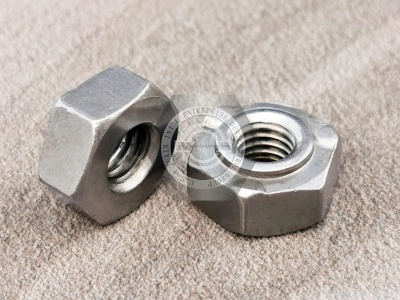
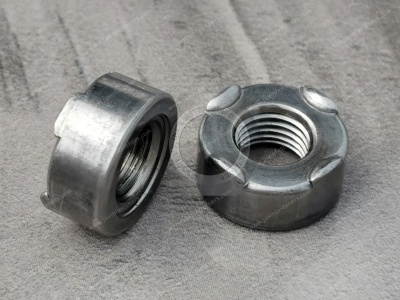
A welding nut is a special type of fastener designed with welding projections or welding areas that allow it to be permanently joined to a metal workpiece.
After welding, the nut provides a strong threaded connection point for bolts or screws.
Compared with conventional nuts, welding nuts offer:
✔ Permanent positioning
✔ Faster assembly process
✔ Reduced installation time
✔ Improved production efficiency
✔ Reliable threaded fastening
✔ Suitable for automated production lines
This makes welding nuts an ideal solution for high-volume manufacturing applications.
Choosing the correct welding nut is the first step to achieving a reliable welded connection.
Different applications require different weld nut designs.
Hex weld nuts are widely used in:
Automotive body structures
Chassis components
Machinery frames
Sheet metal assemblies
Advantages:
High welding strength
Accurate thread positioning
Excellent load resistance
Suitable for automated welding production
Square weld nuts provide a larger welding surface compared with hex weld nuts.
Common applications:
Heavy-duty equipment
Construction machinery
Electrical cabinets
Industrial structures
Advantages:
Strong positioning stability
Better resistance against rotation
Suitable for thicker sheet metal
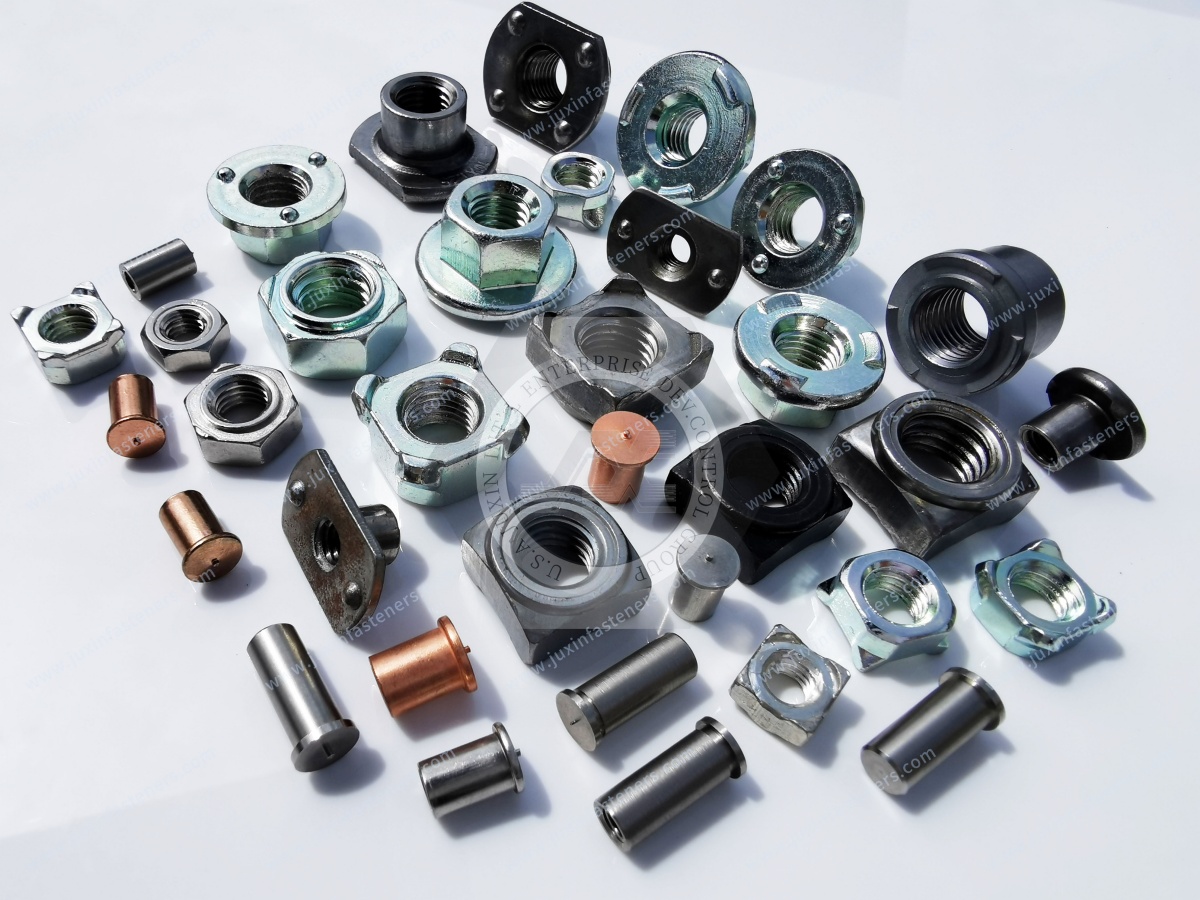
For special OEM projects, customized weld nuts can be manufactured according to:
Customer drawings
Material requirements
Thread specifications
Welding conditions
Surface treatment requirements
Juxin Fasteners supports customized production for global industrial customers.
Proper surface preparation directly affects welding quality.
Before welding, ensure the workpiece and welding nut surface are clean.
Remove:
Oil contamination
Rust
Oxide layers
Dust
Manufacturing residues
Recommended cleaning methods:
Industrial degreasing
Mechanical cleaning
Surface treatment processes
A clean welding surface improves electrical conductivity and creates stronger weld joints.
Correct positioning is critical during welding.
Before welding:
Place the welding nut at the designed location.
Confirm alignment with the assembly drawing.
Use fixtures or positioning tools if required.
Prevent movement during welding.
Incorrect positioning may cause:
Thread misalignment
Assembly difficulties
Reduced welding strength
For automotive and EV battery pack production, precise positioning is especially important because thousands of fastening points may exist in one assembly.
Different welding applications require different welding technologies.
Common welding methods include:
The most common process for weld nuts.
Advantages:
High production efficiency
Consistent welding quality
Suitable for automated manufacturing
Widely used in:
Automotive production lines
EV battery enclosure manufacturing
Sheet metal fabrication
Suitable for:
Heavy structures
Large components
Construction equipment
Used for:
Precision components
Aerospace applications
Advanced manufacturing
Advantages:
High accuracy
Low deformation
Excellent appearance
Correct welding parameters are essential for weld nut strength.
Main parameters include:
Controls heat generation.
Incorrect current may cause:
Low current:
Weak weld connection
Insufficient melting
High current:
Excessive spatter
Nut deformation
Controls heating duration.
Too short:
Incomplete welding
Too long:
Excessive melting
Material damage
Controls contact stability.
Proper pressure ensures:
Stable current flow
Uniform welding
Strong connection
During welding:
Place the electrode correctly on the welding area.
Maintain stable welding pressure.
Control welding speed.
Avoid excessive heat input.
Follow approved welding parameters.
For high-volume OEM manufacturing, welding parameters should be standardized and recorded to ensure consistent quality.
After welding, inspection is required to verify connection strength.
Common inspection methods include:
Check:
Welding appearance
Spatter condition
Nut position
Welding defects
Measures whether the welded nut can withstand rotational force.
Evaluates welding strength between nut and sheet metal.
Including:
Ultrasonic testing
Radiographic inspection
Used for critical applications such as aerospace and rail transit.
Operators should always use:
Welding helmets
Protective gloves
Safety glasses
Protective clothing
Avoid exposure to:
Welding sparks
Metal fumes
High temperature surfaces
Excessive heat may cause:
Sheet metal deformation
Thread damage
Reduced material performance
Proper welding parameters help maintain product reliability.
For thin sheet metal applications:
Use proper fixtures
Control welding sequence
Reduce unnecessary heat input
This is especially important for:
Electrical cabinets
HVAC panels
Automotive body parts
The welding area should avoid:
Moisture
Dust
Oil contamination
Strong airflow
A controlled environment improves weld consistency.
After welding, additional treatments may include:
Grinding
Cleaning welding residues
Anti-corrosion treatment
Surface coating
Common surface treatments:
Zinc plating
Zinc nickel plating
Black oxide
Nickel plating
These improve corrosion resistance in harsh environments.
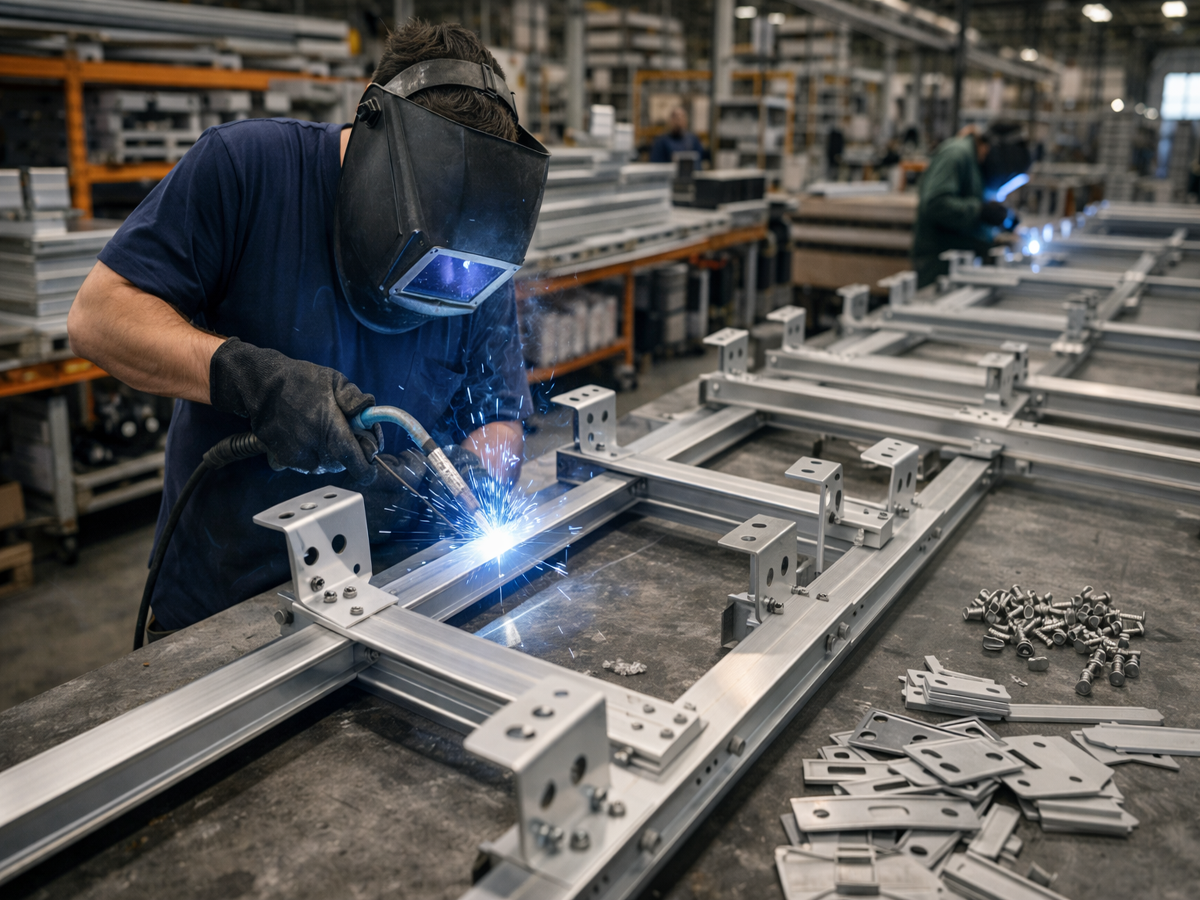
Weld nuts are widely used for:
Vehicle body panels
Seat structures
Chassis components
Interior brackets
EV battery pack housings
Benefits:
Faster assembly
Strong permanent fastening
Reduced production costs
EV battery manufacturing requires reliable fastening solutions for:
Battery trays
Cooling system brackets
Electrical mounting parts
Weld nuts provide:
Stable threaded connections
High vibration resistance
Long-term reliability
Applications include:
Interior panels
Equipment mounting brackets
Electrical systems
HVAC assemblies
Weld nuts provide durable fastening under vibration conditions.
Aerospace components require:
Lightweight design
High precision
Strong fastening performance
Customized weld fasteners support:
Aircraft structures
Equipment mounting
Precision assemblies
Weld nuts are commonly used in:
Control cabinets
Server enclosures
Industrial equipment panels
Advantages:
Easy assembly
Reduced welding time
Improved production efficiency
Robotic equipment requires:
High accuracy
Reliable fastening
Repeatable assembly
Weld nuts are ideal for:
Robot frames
Automation equipment
Machine housings
Juxin Fasteners is a professional OEM weld nut manufacturer providing customized fastening solutions for global industries.
Our capabilities include:
✔ DIN standard weld nuts production
✔ Custom weld fasteners according to drawings
✔ Automotive OEM fastening solutions
✔ Sheet metal fastening expertise
✔ Strict quality inspection system
✔ Global export experience
We support customers from prototype development to mass production.
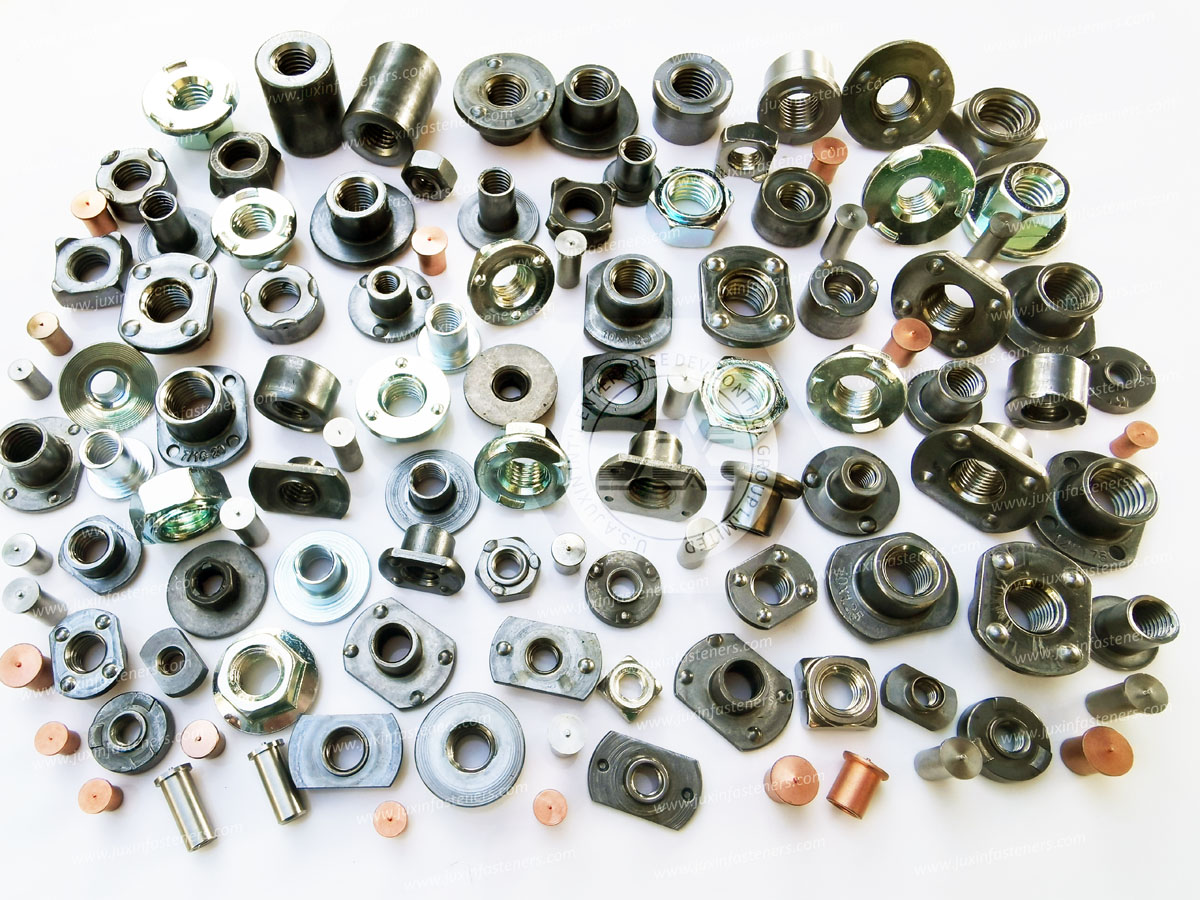
Correctly using welding nuts requires proper product selection, surface preparation, welding parameter control and quality inspection. A reliable welding process ensures strong, durable and efficient fastening performance.
Juxin Fasteners provides high-quality:
DIN 929 Hex Weld Nuts
DIN 928 Square Weld Nuts
Automotive Weld Nuts
Custom Welding Nut Solutions
for:
Automotive / EV / Battery Pack / Rail Transit / Aerospace / Electrical Cabinets / HVAC / Medical Equipment / Construction / Machinery / Robotics / Sheet Metal Fabrication industries.
For OEM welding nut solutions and technical support, please contact our engineering team.
Email: info@juxinfasteners.com
Website: www.juxinfasteners.com
 MORE NEWS
Sep. 27, 2026
Sep. 27, 2026
Sep. 27, 2026
Contact Us
Tel.:
+86 020 8621 0320
+86 020 3121 6067
E-mail:
Technical Support:
Navigation
SEND INQUIREY