
Call Us
+86 136 6007 9809
Call Us
+86 136 6007 9809

May. 05, 2024
Nuts are one of the most important mechanical fastening components used together with bolts, screws, and threaded rods to create secure and reliable connections.
From industrial machinery and automotive systems to electrical equipment and construction applications, nuts provide essential functions including:
Mechanical connection
Load distribution
Structural stability
Vibration resistance
Component safety
Although nuts appear simple, manufacturing high-quality industrial nuts requires advanced production technology, precise machining processes, strict material control, and professional quality inspection.
At Juxin Fasteners, we specialize in manufacturing industrial nuts, custom OEM nuts, and precision fastening solutions for global machinery manufacturers, automotive suppliers, and industrial customers.
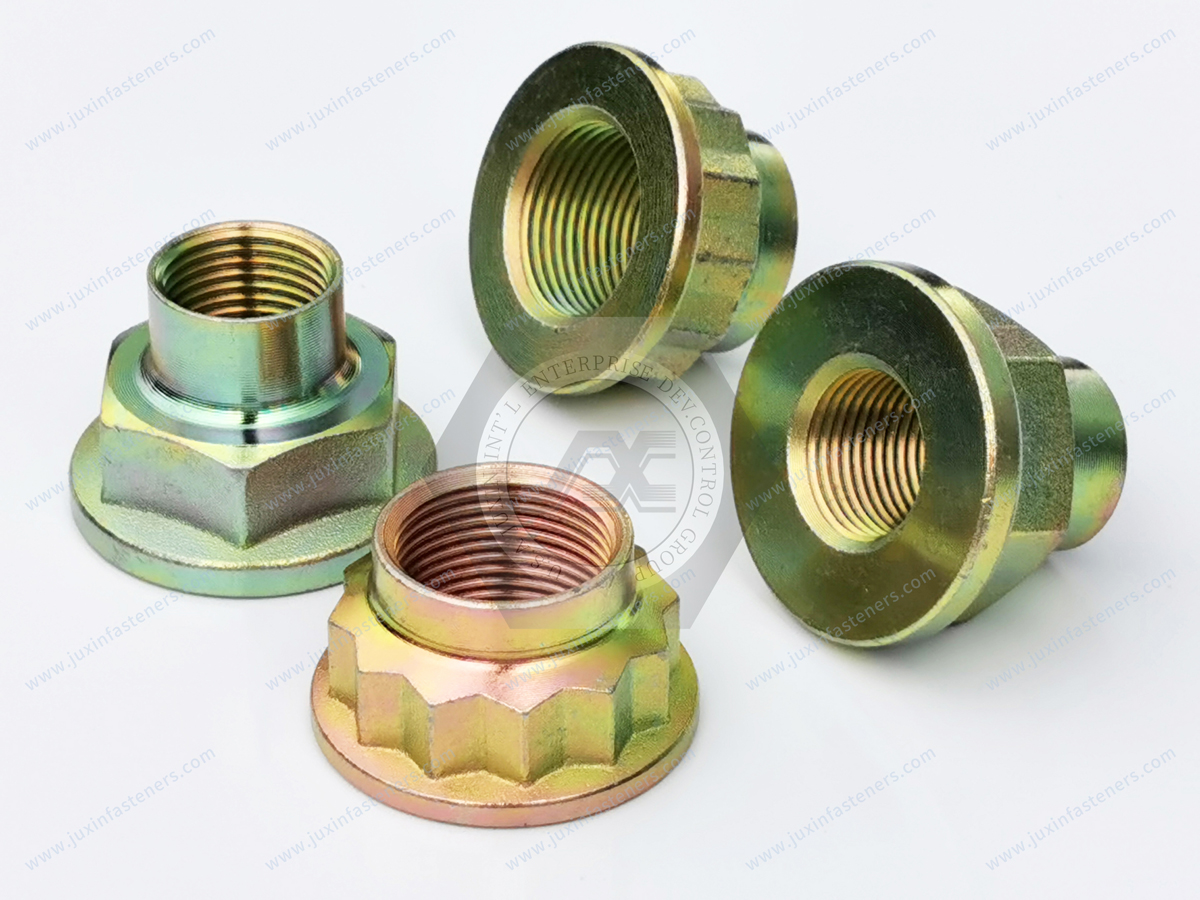
The first step in nut manufacturing is selecting the correct raw material according to application requirements.
Different environments require different material properties.
Carbon steel is the most widely used material for industrial nuts.
Advantages:
High mechanical strength
Good machinability
Excellent cost efficiency
Suitable for general fastening applications
Applications:
Industrial machinery
Automotive components
Construction equipment
General mechanical assemblies
Common surface treatments:
Zinc plating
Zinc-Nickel plating
Black oxide
Phosphate coating
Stainless steel nuts are selected when corrosion resistance is a priority.
Common materials:
Stainless Steel 304
Stainless Steel 316
Advantages:
Excellent corrosion resistance
High oxidation resistance
Long service life
Suitable for harsh environments
Applications:
Marine equipment
Food processing machinery
Chemical equipment
Medical equipment
Outdoor structures
For lightweight applications, aluminum and special alloy materials may be selected.
Advantages:
Lightweight design
Good corrosion resistance
Reduced assembly weight
Applications:
Automotive lightweight structures
Aerospace equipment
Special industrial systems
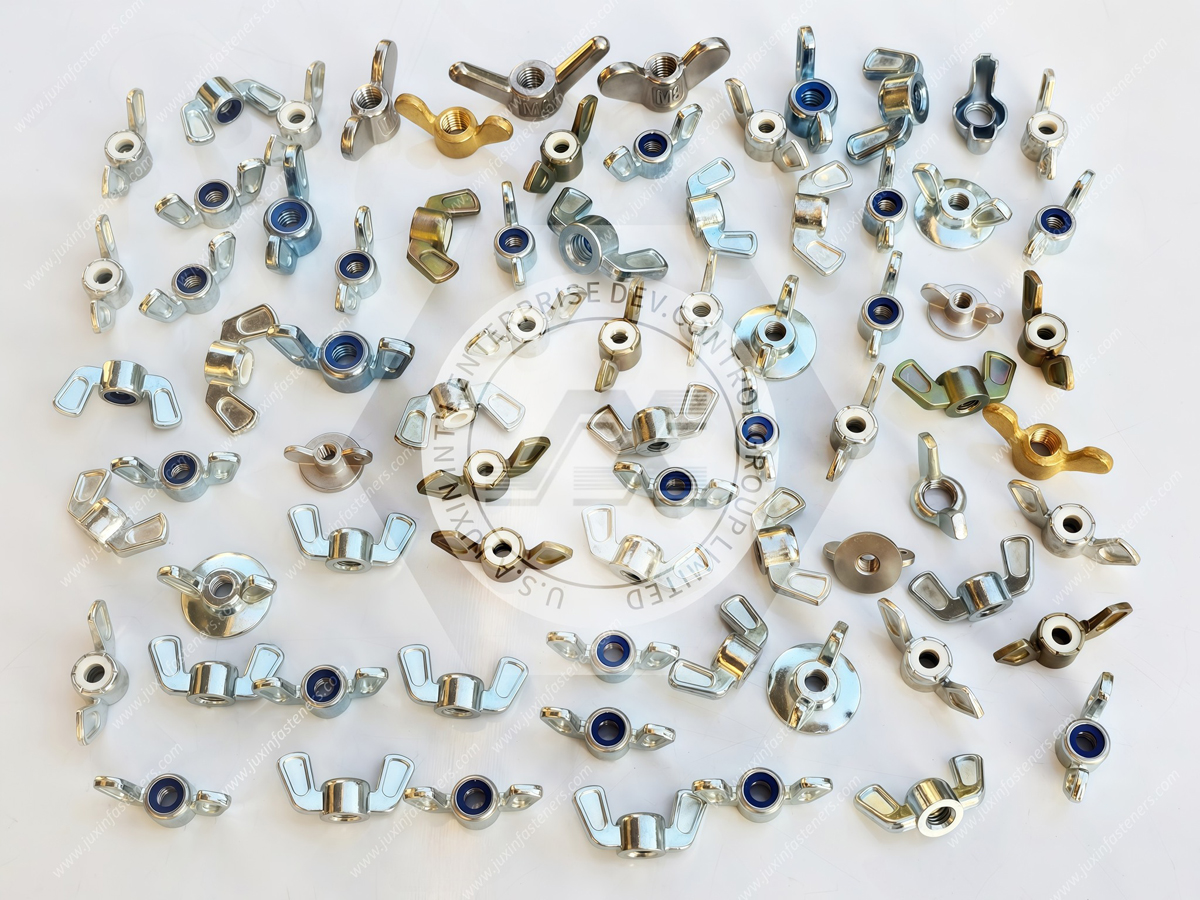
Professional nut production usually includes:
Material preparation
Cold heading forming
Heat treatment
Machining and threading
Surface treatment
Quality inspection
Each process directly affects the final performance of the nut.
The manufacturing process begins with high-quality steel wire or metal bars.
The raw material is prepared according to:
Nut size
Material grade
Strength requirements
Production volume
The material is cut into suitable lengths before forming.
Proper material preparation ensures:
Stable production
Accurate dimensions
Consistent mechanical performance
Cold heading is one of the most important manufacturing processes for industrial nuts.
During cold heading:
Metal wire is placed into a cold heading machine.
Multiple forming operations shape the material.
The basic nut geometry is created.
Advantages of cold heading:
✔ High production efficiency
✔ Excellent material utilization
✔ Improved mechanical strength
✔ Consistent dimensional accuracy
Cold heading is widely used for mass production of:
Hex nuts
Flange nuts
Lock nuts
Automotive nuts
After forming, nuts require precision machining processes.
Common machining operations include:
Thread tapping
Drilling
Turning
Milling
Deburring
Thread accuracy is critical because it determines:
Bolt engagement quality
Clamping force
Connection reliability
Professional nut manufacturers control:
Thread tolerance
Surface finish
Dimensional accuracy
according to international standards such as:
ISO standards
DIN standards
ASTM standards
Heat treatment improves the mechanical performance of nuts.
The main purposes include:
Increasing hardness
Improving strength
Enhancing wear resistance
Improving fatigue performance
Common heat treatment methods:
Rapid cooling improves hardness and strength.
Reduces brittleness and improves toughness.
Proper temperature and time control are essential to prevent:
Cracking
Deformation
Reduced performance
Heat treatment is especially important for:
High-strength nuts
Automotive nuts
Heavy machinery fasteners
Surface treatment improves corrosion resistance and extends service life.
Common surface treatments include:
Zinc plating provides economical corrosion protection.
Advantages:
Cost-effective
Good rust resistance
Suitable for general industrial applications
Applications:
Machinery
Automotive components
Equipment assembly
Zinc-Nickel coating provides higher corrosion resistance compared with standard zinc plating.
Advantages:
Excellent corrosion protection
Better durability
Suitable for demanding environments
Applications:
Automotive industry
New energy vehicles
Industrial equipment
Black oxide treatment provides:
Attractive appearance
Reduced glare
Moderate corrosion protection
Applications:
Machinery
Precision equipment
Quality control is essential for industrial nut manufacturing.
A professional manufacturer must verify:
Including:
Nut size
Thread accuracy
Surface tolerance
Including:
Tensile strength testing
Hardness testing
Torque testing
Including:
Coating thickness
Salt spray testing
Corrosion resistance evaluation
Strict quality control ensures:
Stable performance
Reliable connections
Consistent production quality
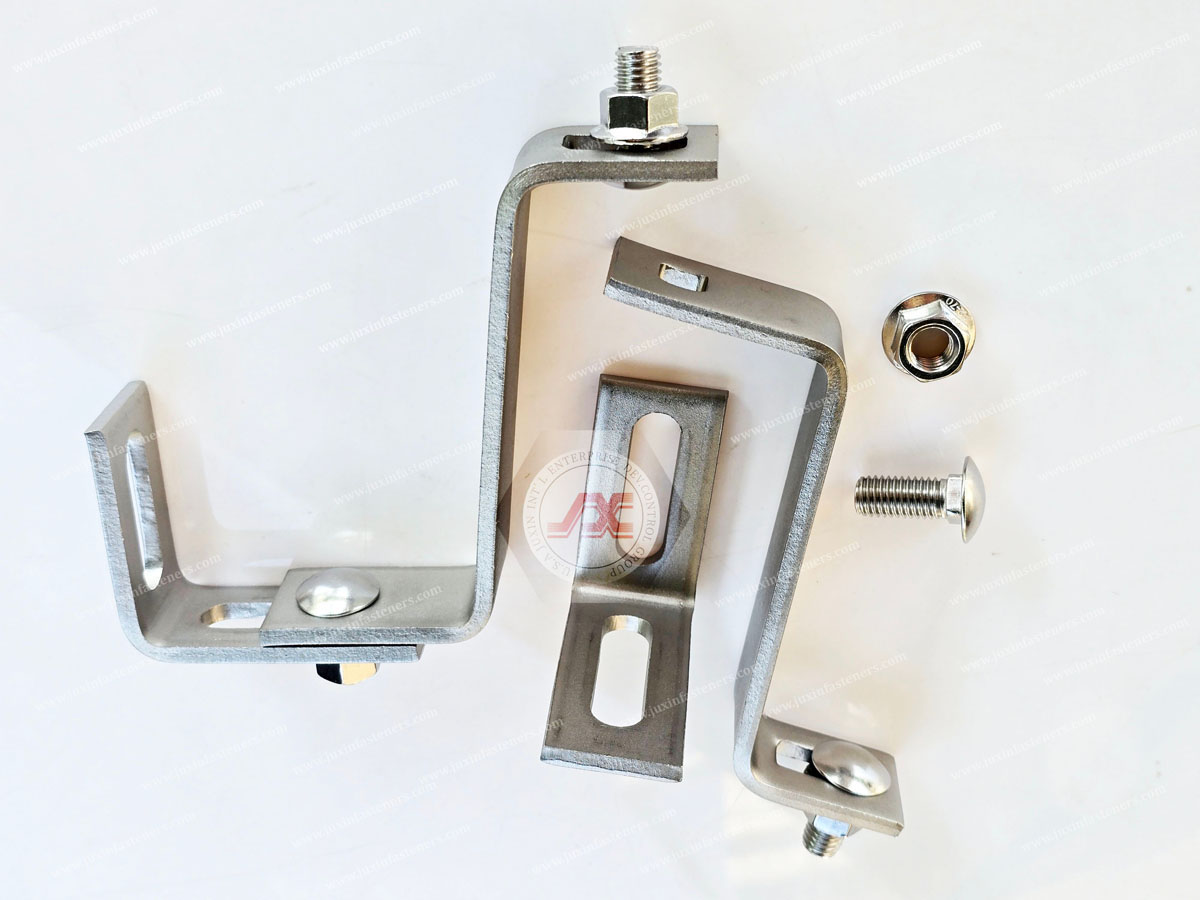
Juxin Fasteners provides various nut solutions for OEM applications.
The most widely used industrial nut type.
Applications:
Machinery assembly
Equipment manufacturing
Structural fastening
Integrated flange design improves load distribution.
Advantages:
Prevents surface damage
Reduces loosening risk
Improves assembly efficiency
Applications:
Automotive
Industrial equipment
Sheet metal assemblies
Designed for heavy-load applications.
Applications:
Construction machinery
Heavy equipment
Structural systems
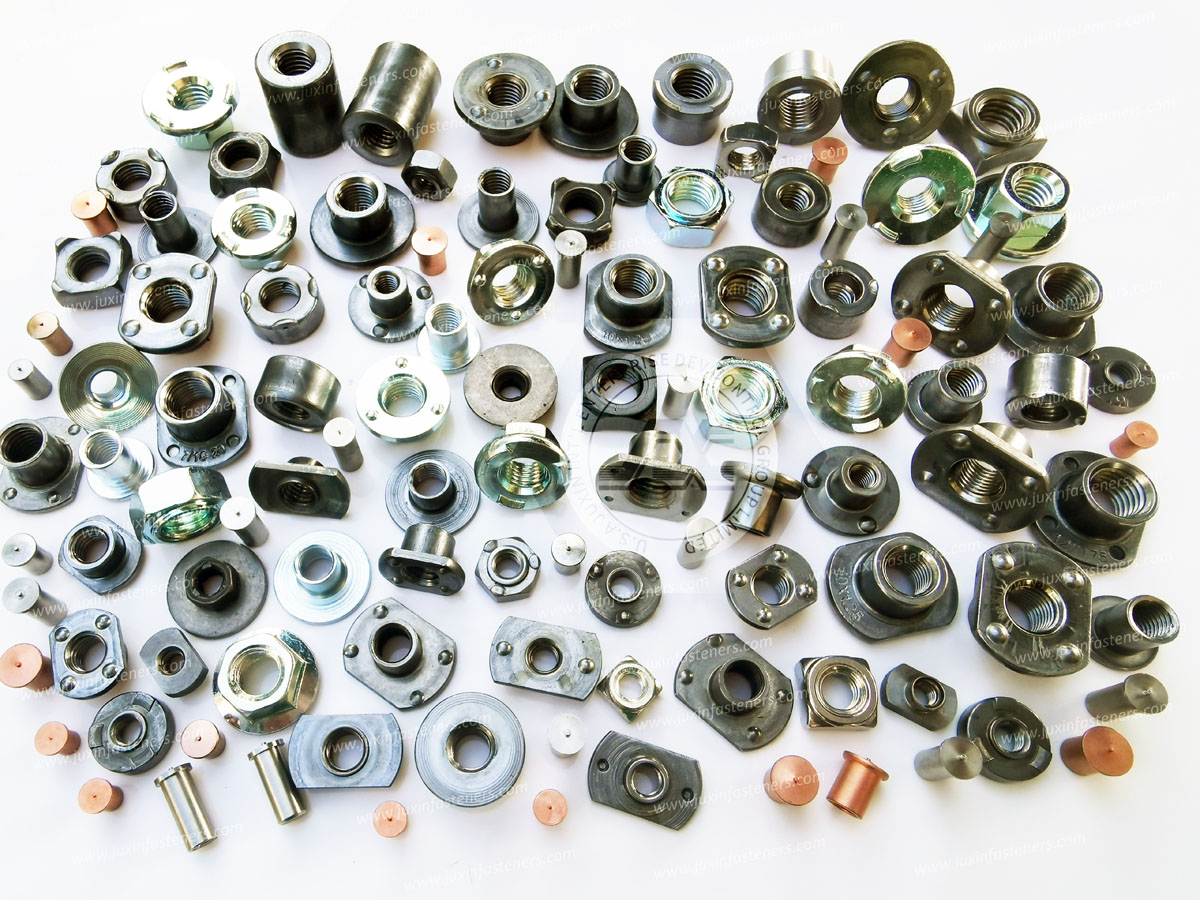
Weld nuts are permanently attached to sheet metal components.
Advantages:
Strong connection
Efficient assembly
Suitable for automated production
Applications:
Automotive body structures
Cabinets
Machinery frames
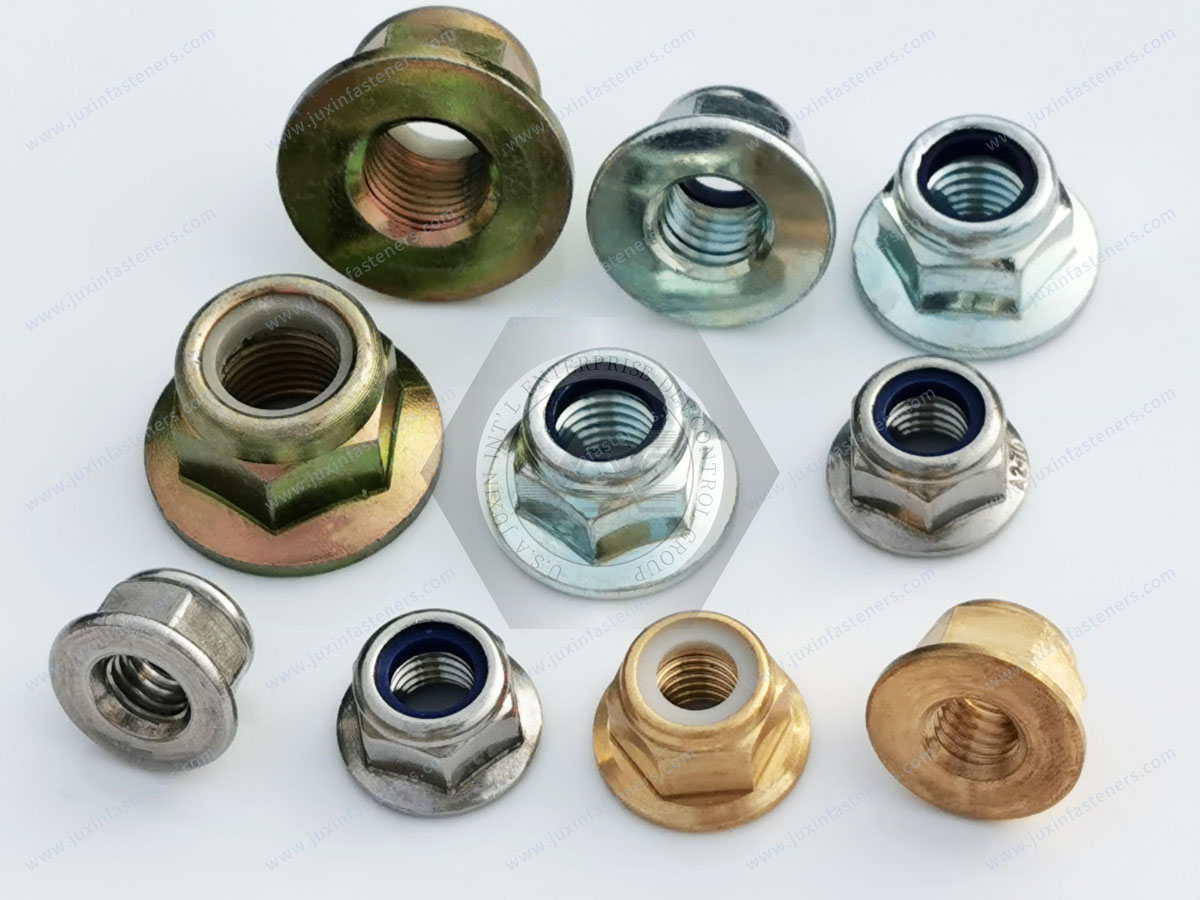
Provide excellent vibration resistance.
Applications:
Automotive systems
Mechanical equipment
Industrial assemblies
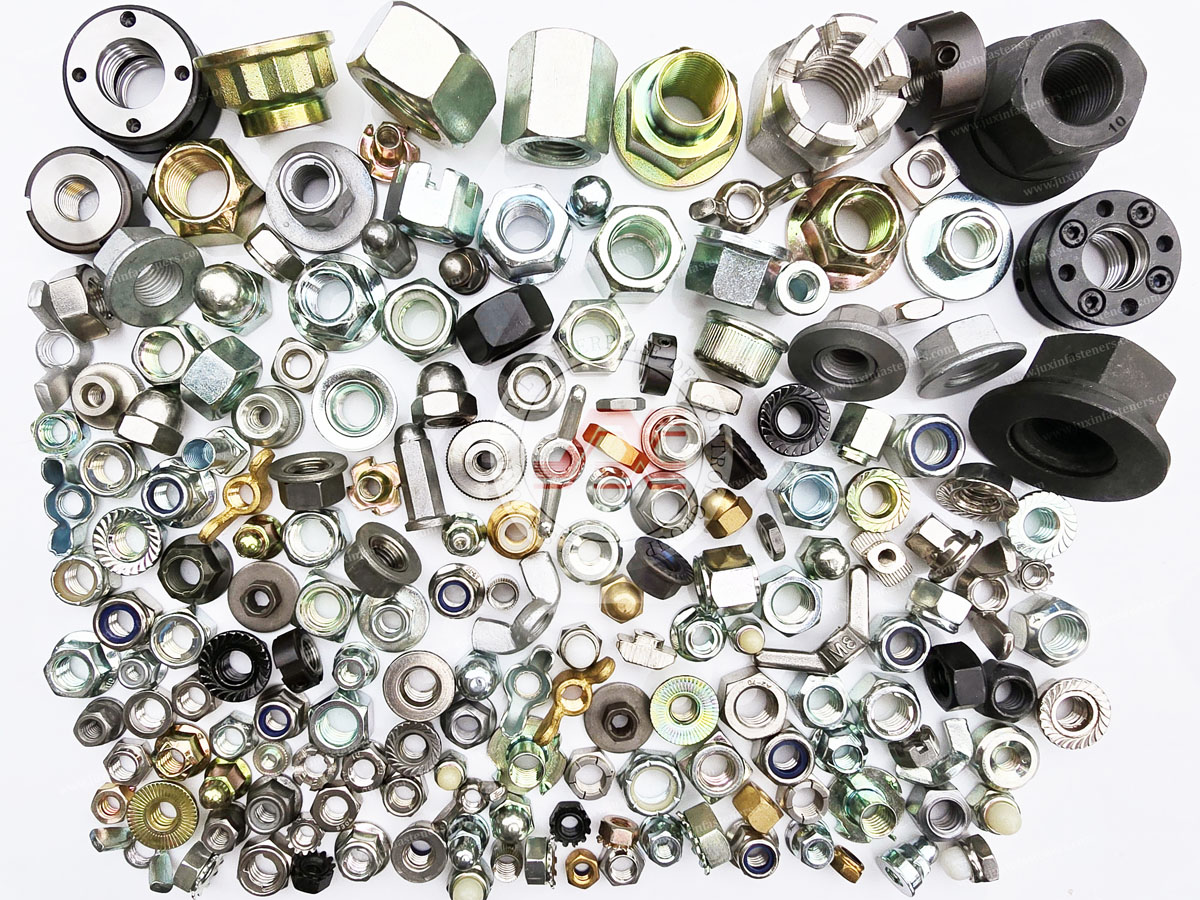
Juxin Fasteners also manufactures:
Square nuts
Cap nuts
Castle nuts
Slotted nuts
Wheel nuts
Coupling nuts
Special customized nuts
Juxin Fasteners provides professional OEM nut manufacturing solutions for global industries.
Our capabilities include:
✔ Custom nut production according to drawings
✔ Carbon steel and stainless steel materials
✔ Cold heading manufacturing
✔ CNC machining capability
✔ Heat treatment control
✔ Advanced surface treatments
✔ Strict quality inspection
We support customers in:
Industrial machinery
Automotive manufacturing
New energy equipment
Electrical equipment
Construction machinery
OEM manufacturing
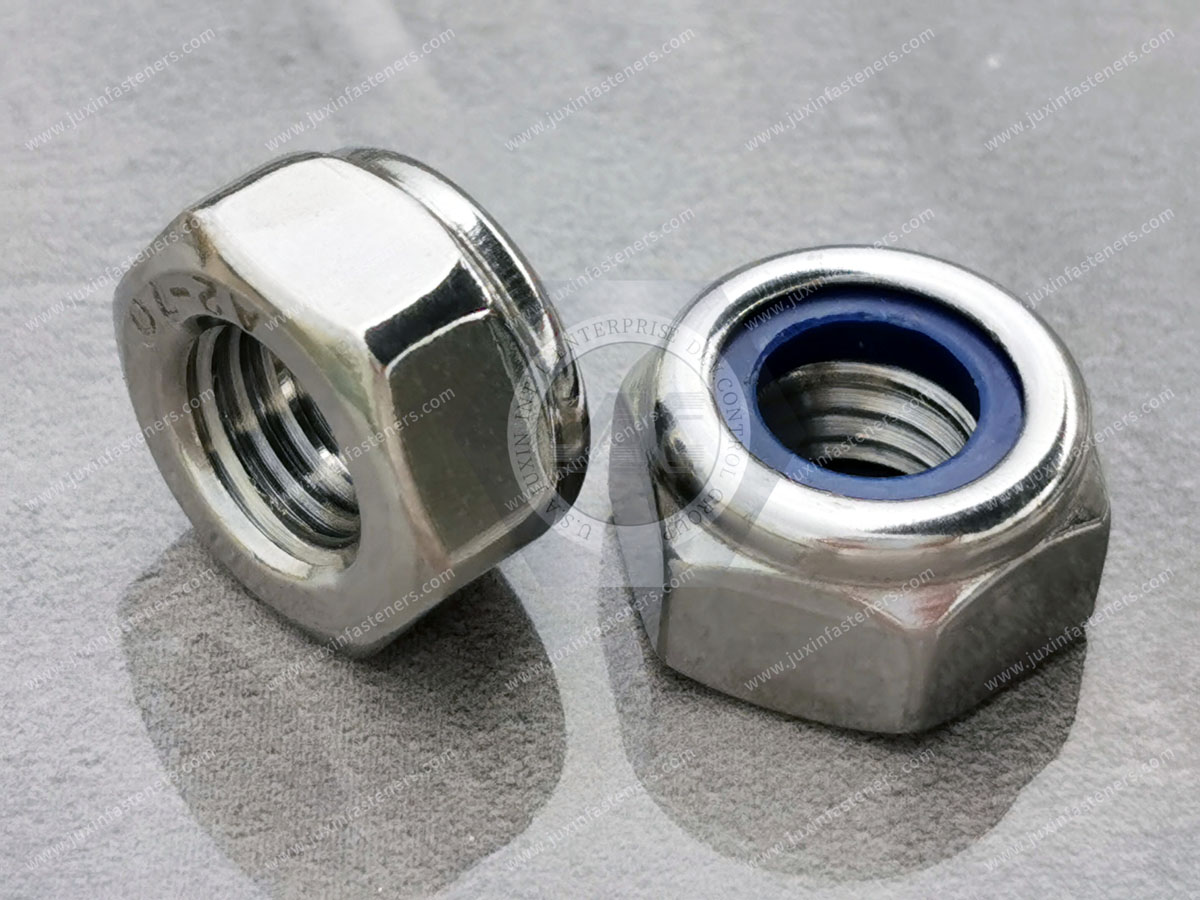
The manufacturing quality of nuts directly affects the safety, durability, and performance of mechanical systems.
Choosing the right material, manufacturing process, and surface treatment is essential for reliable fastening performance.
Whether you need stainless steel nuts, flange nuts, high-strength hex nuts, weld nuts, nylon lock nuts, or customized OEM industrial nuts, Juxin Fasteners provides complete fastening solutions.
Contact our engineering team for your project requirements.
Email: info@juxinfasteners.com
Website: www.juxinfasteners.com
 MORE NEWS
Sep. 27, 2026
Sep. 27, 2026
Sep. 27, 2026
Contact Us
Tel.:
+86 020 8621 0320
+86 020 3121 6067
E-mail:
Technical Support:
Navigation
SEND INQUIREY