
Call Us
+86 136 6007 9809
Call Us
+86 136 6007 9809

May. 05, 2024
Stainless steel nuts are one of the most widely used corrosion-resistant fastening components in industrial manufacturing.
Used together with bolts, screws, and threaded rods, stainless steel nuts provide reliable mechanical connections while maintaining excellent performance in harsh environments.
Compared with standard carbon steel nuts, stainless steel nuts offer superior:
Corrosion resistance
Oxidation resistance
Temperature resistance
Surface appearance
Long-term durability
Because of these advantages, stainless steel nuts are widely used in:
Marine engineering
Chemical equipment
Food processing machinery
Automotive manufacturing
Medical equipment
Electrical systems
Construction applications
At Juxin Fasteners, we manufacture and supply OEM stainless steel nuts and industrial stainless steel fastening solutions for global customers.
A stainless steel nut is a threaded fastener manufactured from stainless steel materials and designed to work with bolts or screws.
Its main function is to:
Secure mechanical components
Provide stable clamping force
Maintain structural integrity
Prevent component separation
The excellent corrosion resistance of stainless steel makes these nuts suitable for applications where ordinary steel fasteners may fail due to rust or environmental exposure.
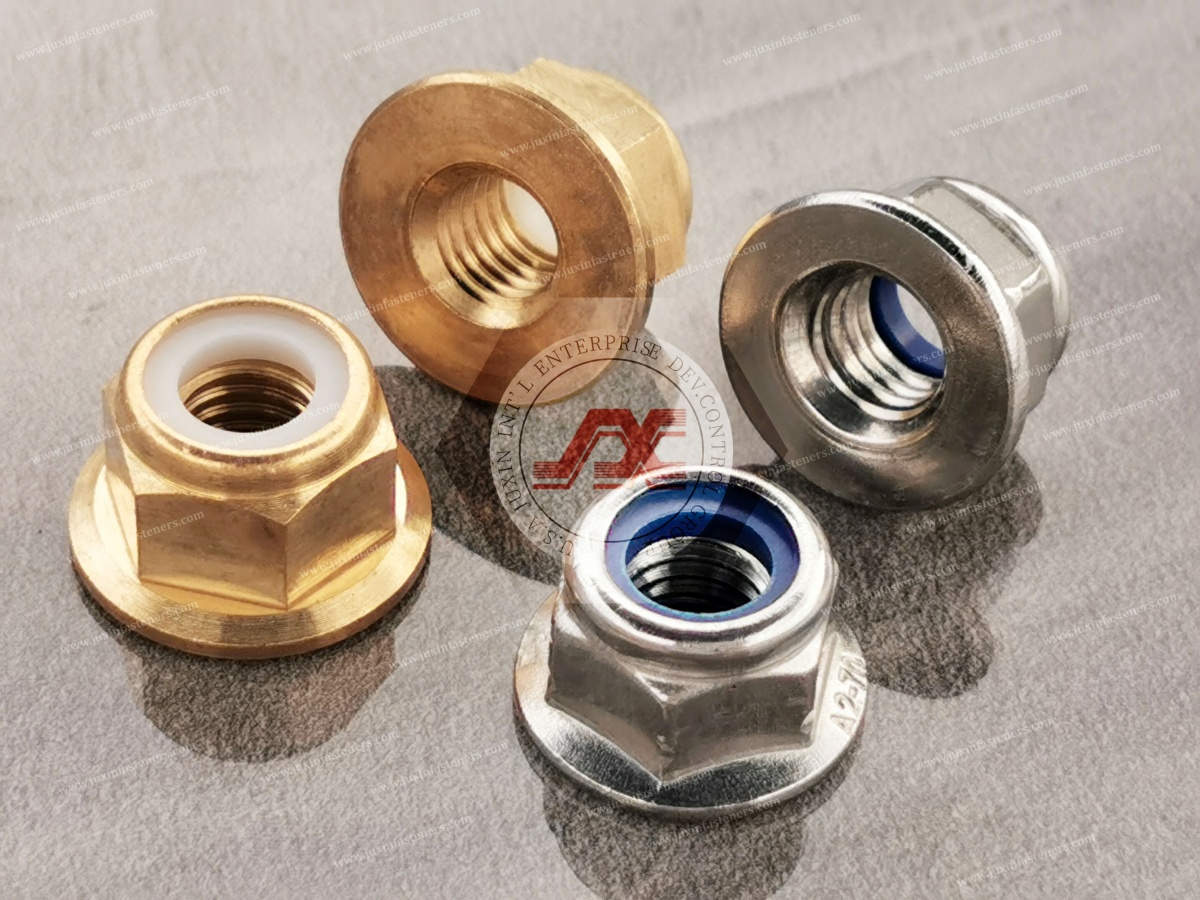
The biggest advantage of stainless steel nuts is their resistance to corrosion.
They can maintain performance in:
Moist environments
Chemical environments
Coastal areas
Outdoor applications
Typical applications:
Marine equipment
Chemical processing systems
Food machinery
Outdoor structures
Stainless steel materials maintain stable mechanical properties under elevated temperatures.
This makes stainless steel nuts suitable for:
Industrial equipment
Heat processing systems
Engine-related applications
Compared with standard steel fasteners, stainless steel nuts provide:
Better durability
Reduced maintenance requirements
Longer service intervals
This helps reduce total operating costs for industrial equipment.
The smooth surface of stainless steel provides excellent appearance.
Applications include:
Architectural decoration
Medical equipment
Food processing equipment
Consumer products
Different stainless steel grades provide different performance characteristics.
304 stainless steel is the most commonly used stainless steel material.
Advantages:
Excellent corrosion resistance
Good toughness
Good weldability
Cost-effective performance
Applications:
Industrial machinery
Food processing equipment
Electrical equipment
General OEM assemblies
304 stainless steel nuts are suitable for most industrial environments.
316 stainless steel provides higher corrosion resistance than 304 stainless steel.
Advantages:
Superior resistance to chloride corrosion
Excellent chemical resistance
Suitable for marine environments
Applications:
Marine engineering
Offshore equipment
Chemical processing systems
Coastal structures
316 stainless steel nuts are preferred where environmental conditions are more demanding.
201 stainless steel provides:
Higher hardness
Good strength
Cost advantages
Applications:
General industrial applications
Decorative products
Less corrosive environments
Professional stainless steel nuts are manufactured according to international standards to ensure compatibility and reliability.
Common standards include:
ISO
DIN
ANSI / ASME
JIS
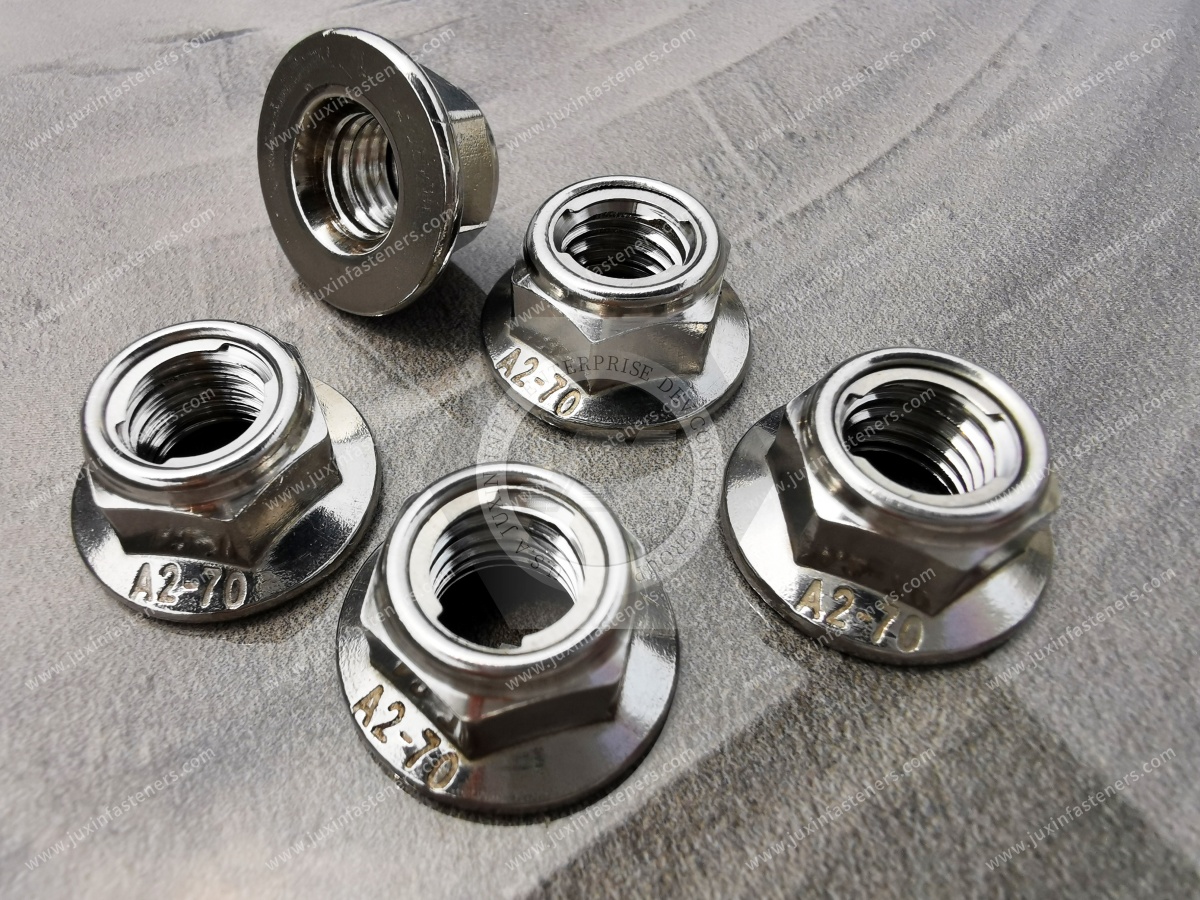
Applications:
General mechanical fastening
Industrial equipment
OEM assemblies
Common sizes:
M1.6 – M64
Standards:
DIN439
DIN EN 24035
ASME standards
Applications:
Limited installation space
Lightweight structures
Common sizes:
M3 – M48
Designed for higher load applications.
Applications:
Heavy machinery
Industrial structures
High-performance assemblies
Juxin Fasteners provides various stainless steel nut solutions.
Hex nuts are the most common stainless steel fastening components.
Advantages:
Universal application
Easy installation
Reliable connection
Applications:
Machinery
Automotive components
Industrial equipment
Flange nuts include an integrated washer surface.
Advantages:
Better load distribution
Reduced surface damage
Improved fastening stability
Applications:
Automotive manufacturing
Sheet metal assemblies
Industrial equipment
Lock nuts are designed to prevent loosening caused by vibration.
Types include:
Nylon insert lock nuts
All-metal lock nuts
Applications:
Machinery
Automotive systems
Vibration environments
Common standards:
DIN985
DIN980
ISO standards
Weld nuts are designed for permanent attachment to metal sheets.
Advantages:
Strong connection
Efficient assembly
Suitable for automated production
Applications:
Automotive body structures
Cabinets
Sheet metal fabrication
Common standard:
DIN929
Square nuts provide a larger contact area.
Advantages:
Better resistance to rotation
Stable positioning
Applications:
Machinery
Structural assemblies
Cap nuts provide a covered thread design.
Advantages:
Improved appearance
Protection against exposed threads
Increased safety
Applications:
Decorative structures
Equipment covers
These nuts are designed for applications requiring additional locking systems.
Advantages:
Mechanical locking capability
High reliability
Applications:
Automotive
Machinery
Safety-critical assemblies
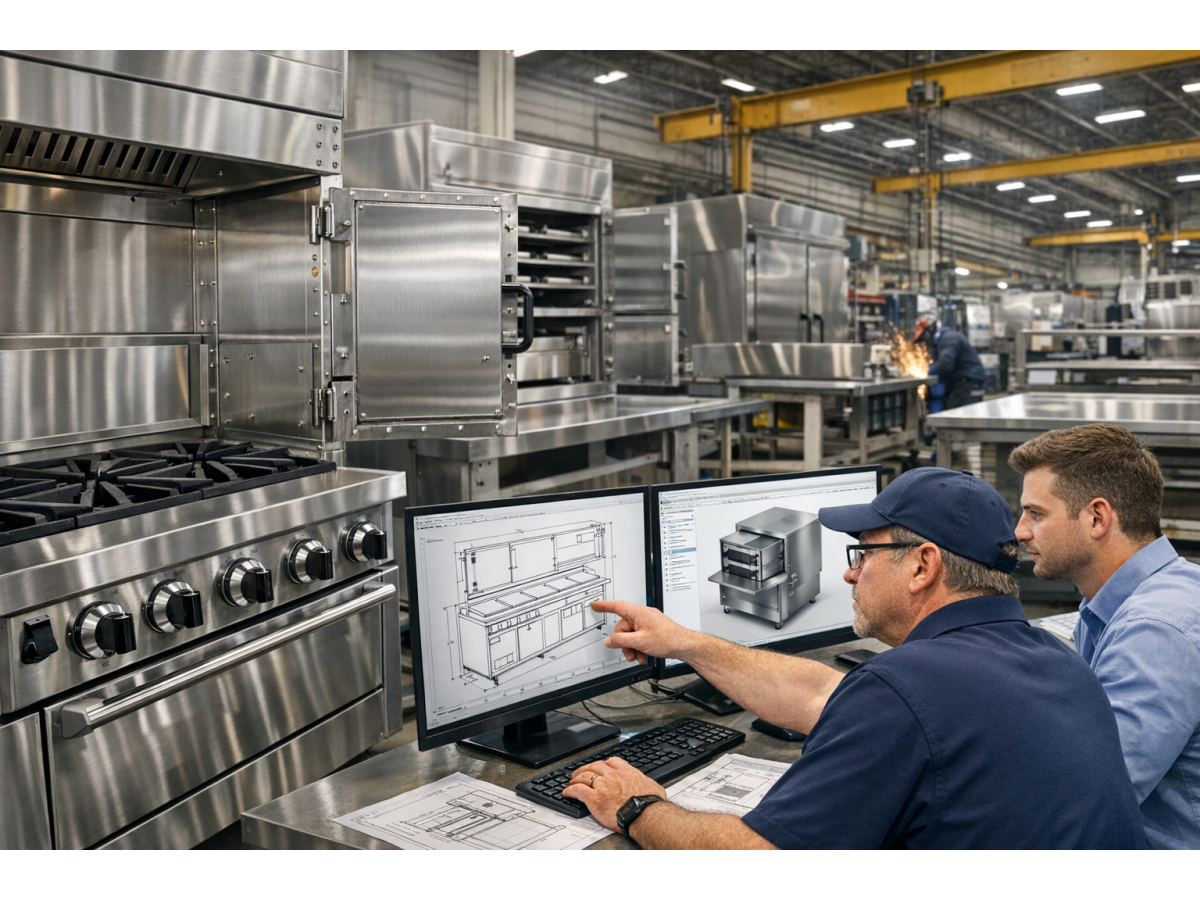
Stainless steel nuts are used to connect:
Machine components
Structural frames
Mechanical assemblies
Benefits:
Stable performance
Corrosion resistance
Long service life
Automotive applications require reliable fastening solutions.
Stainless steel nuts are used in:
Vehicle components
Exhaust systems
Electrical assemblies
Interior structures
Marine environments require excellent corrosion protection.
316 stainless steel nuts are widely used in:
Ships
Offshore equipment
Coastal structures
Food industries require:
Clean surfaces
Corrosion resistance
Easy maintenance
Stainless steel fasteners are commonly used in:
Food machinery
Packaging equipment
Processing systems
Stainless steel nuts provide:
Reliable mechanical connection
Corrosion resistance
Long-term stability
Applications:
Electrical cabinets
Control systems
Industrial electronics
Professional stainless steel nut manufacturing requires strict quality management.
Inspection includes:
Checking:
Thread accuracy
Nut dimensions
Tolerance requirements
Including:
Tensile testing
Hardness testing
Torque testing
Including:
Stainless steel grade confirmation
Chemical composition analysis
These processes ensure consistent quality for OEM applications.
Juxin Fasteners provides professional OEM stainless steel nut manufacturing solutions.
Our capabilities include:
✔ Stainless steel 304 and 316 nuts
✔ Custom stainless steel nuts according to drawings
✔ Hex nuts, flange nuts, lock nuts, weld nuts
✔ Multiple international standards available
✔ Precision manufacturing
✔ Quality inspection support
We supply stainless steel fastening solutions for:
Industrial machinery
Automotive manufacturing
New energy equipment
Marine systems
Electrical equipment
OEM projects
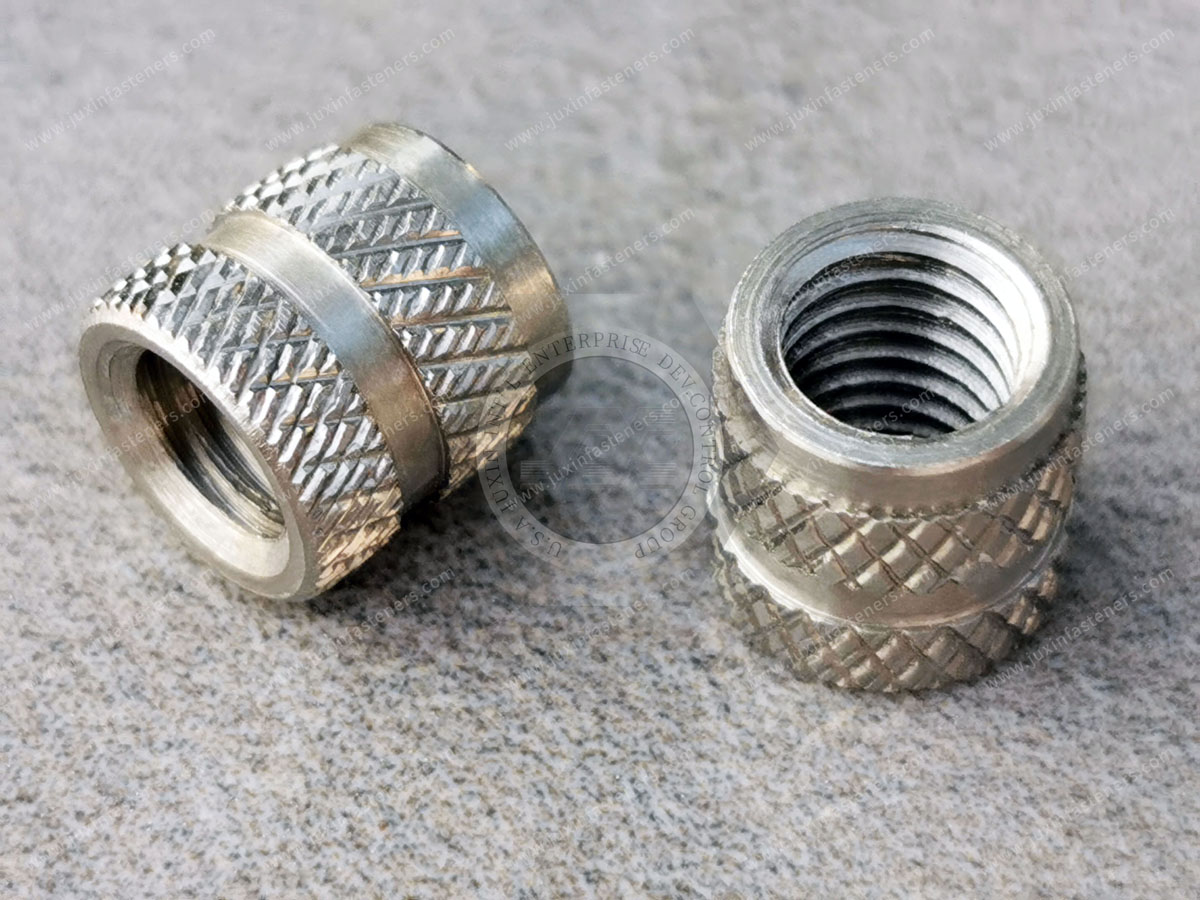
Choosing the correct stainless steel nut material and design is essential for improving equipment reliability and service life.
Whether you require 304 stainless steel nuts, 316 stainless steel nuts, stainless steel flange nuts, stainless steel lock nuts, stainless steel weld nuts, or customized OEM stainless steel fasteners, Juxin Fasteners provides reliable manufacturing support.
Contact our engineering team for your project requirements.
Email: info@juxinfasteners.com
Website: www.juxinfasteners.com
 MORE NEWS
Sep. 27, 2026
Sep. 27, 2026
Sep. 27, 2026
Contact Us
Tel.:
+86 020 8621 0320
+86 020 3121 6067
E-mail:
Technical Support:
Navigation
SEND INQUIREY