
Call Us
+86 136 6007 9809
Call Us
+86 136 6007 9809

Aug. 22, 2026
When an OEM component must meet demanding dimensional requirements, manufacturing accuracy and process repeatability become critical.
Precision CNC machining uses computer-controlled equipment to coordinate cutting operations and machine movements according to programmed manufacturing data.
This enables manufacturers to produce complex components with controlled dimensions, repeatable features, and consistent interfaces.
For engineering-driven applications, however, precision should not be defined by a single universal tolerance claim.
Actual achievable accuracy depends on the component design, material, machine capability, tooling, machining process, part size, tolerance requirements, and inspection method.
At Juxin Fasteners, we evaluate precision CNC machining requirements according to the customer's engineering drawings, specifications, and application requirements.
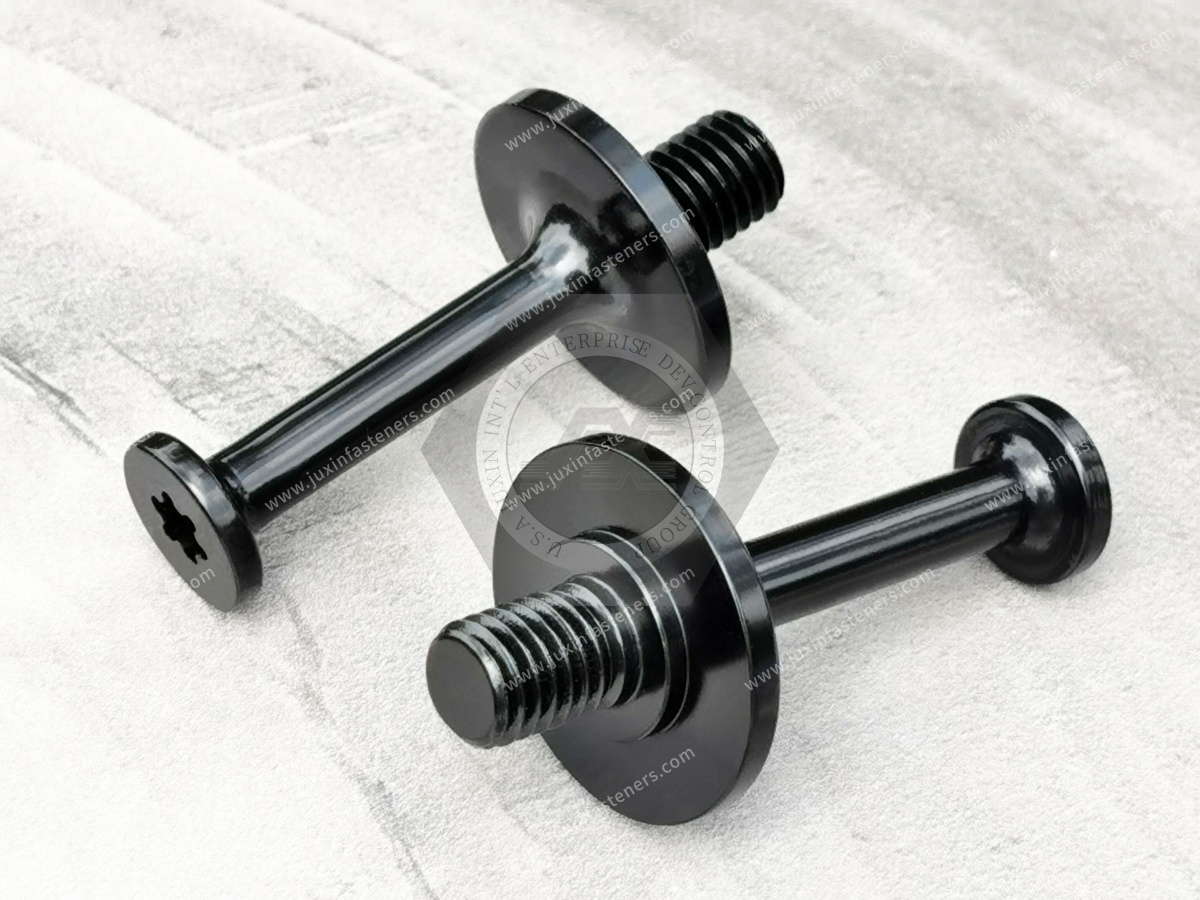
Precision CNC machining is a controlled manufacturing process used to produce components requiring specific dimensional and geometric requirements.
The CNC machine follows programmed tool paths to remove material from a workpiece. Depending on the component, different machining operations may be combined to produce the required features.
Typical operations can include:
CNC milling
CNC turning
Drilling
Boring
Threading
Reaming
Grooving
Contouring
Multi-axis machining
Finishing operations
The appropriate process depends on the geometry, material, quantity, tolerances, surface requirements, and functional requirements of the component.
One of the most important considerations when sourcing precision CNC machining services is understanding that achievable tolerance is application-dependent.
Machining tolerance can be affected by:
CNC machine capability
Material characteristics
Part geometry
Component size
Tooling condition
Cutting parameters
Workholding
Thermal conditions
Machining sequence
Surface treatment
Inspection equipment
Measurement method
For this reason, Juxin does not apply a blanket tolerance claim to every CNC machined component.
Instead, our engineering team reviews the actual drawing and identifies the critical dimensions and manufacturing requirements for each project.
This approach provides a more practical basis for determining whether a specified tolerance is suitable for the component and its intended application.
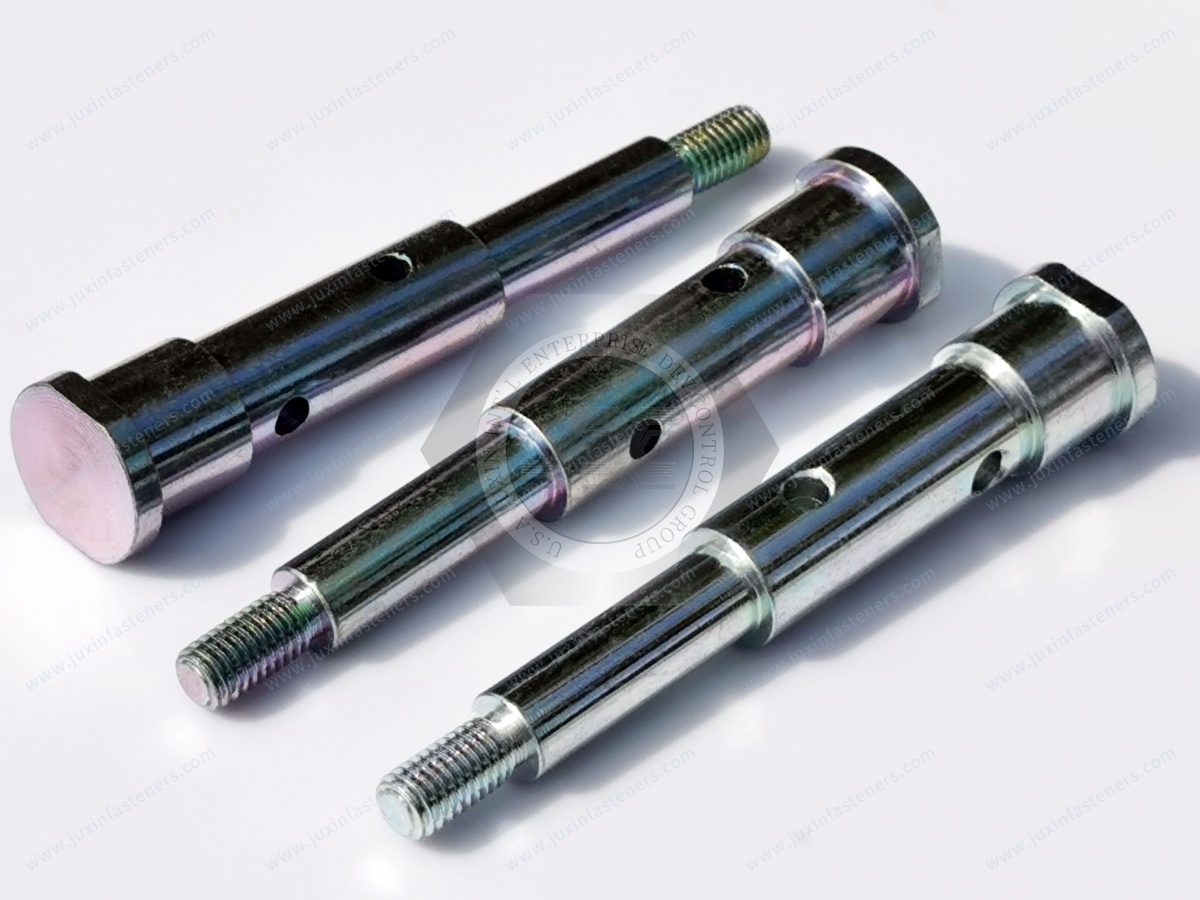
Precision CNC machining can produce components containing multiple critical features within the same part.
Depending on the design, these may include:
Small-diameter holes
Precision bores
Close-fitting interfaces
Threaded holes
External threads
Internal threads
Grooves
Curved profiles
Complex contours
Multiple mounting features
Stepped diameters
Counterbores
Countersinks
Locating features
For components used in mechanical assemblies, controlling the relationship between these features can be just as important as controlling an individual dimension.
Modern CNC machining can manufacture geometries that would be difficult or impractical to produce using conventional manual machining methods.
Custom CNC machining can support components with:
Complex profiles
Multiple faces
Intersecting holes
Angled features
Precision mounting surfaces
Curved surfaces
Internal and external threads
Multi-level geometries
Tight-fitting mechanical interfaces
The manufacturing process must be selected according to the actual component geometry.
For example, a complex milled component may require multiple setups or multi-axis machining to access different surfaces while maintaining the required dimensional relationships.
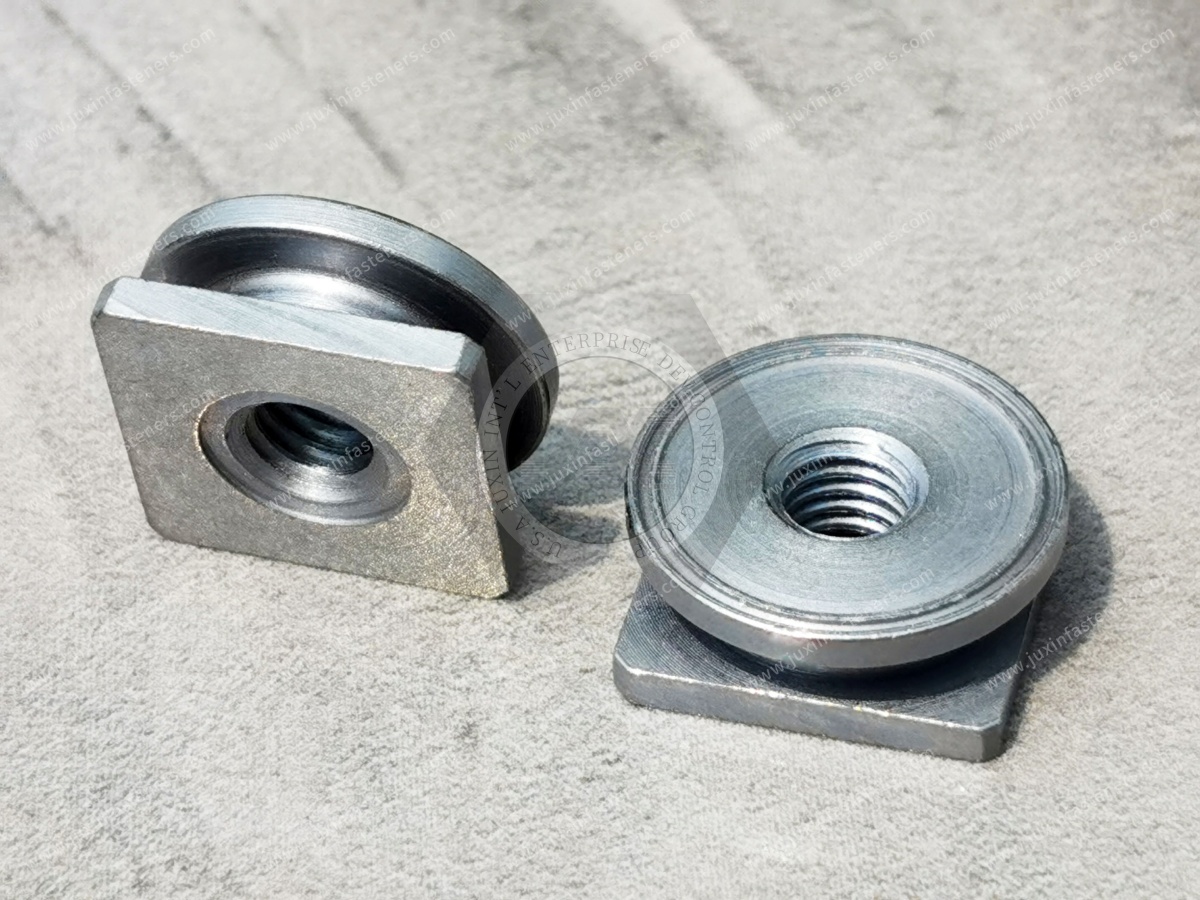
Precision is not only about producing one accurate part.
For OEM production, repeatability is equally important.
Once a CNC machining process has been validated, the programmed machining sequence can be repeated across a production batch.
A controlled process can help maintain consistency in:
Critical dimensions
Hole locations
Thread dimensions
Component geometry
Mounting interfaces
Surface characteristics
Assembly fit
This is particularly important when multiple machined components must fit together consistently during final assembly.
For precision components, inspection should be integrated into the manufacturing process.
Depending on customer requirements, quality control may include:
First-piece inspection
Critical dimension inspection
Hole diameter inspection
Thread inspection
Material verification
Surface finish inspection
Visual inspection
Functional fit verification
Batch consistency checks
The inspection method should be appropriate for the tolerance and feature being measured.
For example, different requirements may call for calipers, micrometers, gauges, thread gauges, bore gauges, or other precision measurement equipment.
OEM CNC machining normally begins with a clearly defined engineering specification.
Customers can provide:
2D engineering drawings
3D CAD models
STEP files
Material specifications
Surface treatment requirements
Dimensional tolerances
Thread standards
Inspection requirements
Packaging requirements
Our engineering team can review the drawing before production to understand critical dimensions, functional interfaces, material requirements, and potential manufacturing considerations.
This drawing-based approach helps align the manufacturing process with the customer's actual engineering requirements.
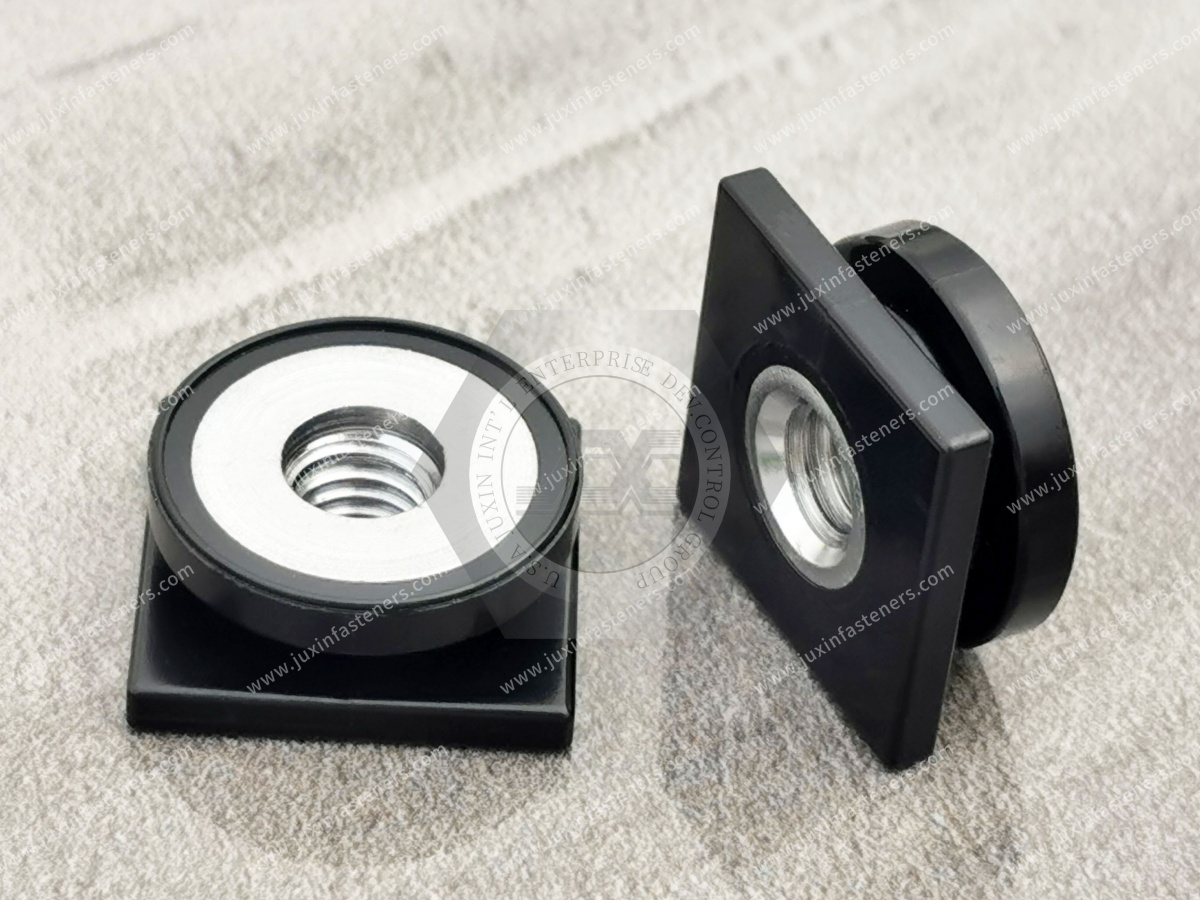
Aerospace-related equipment can require complex components with controlled dimensions and specific material requirements.
CNC machining for aerospace applications can support:
Precision brackets
Mounting components
Mechanical interfaces
Housings
Structural components
Custom adapters
Precision mechanical parts
For aerospace-related projects, the applicable material, dimensional, inspection, documentation, and quality requirements should be clearly specified by the customer.
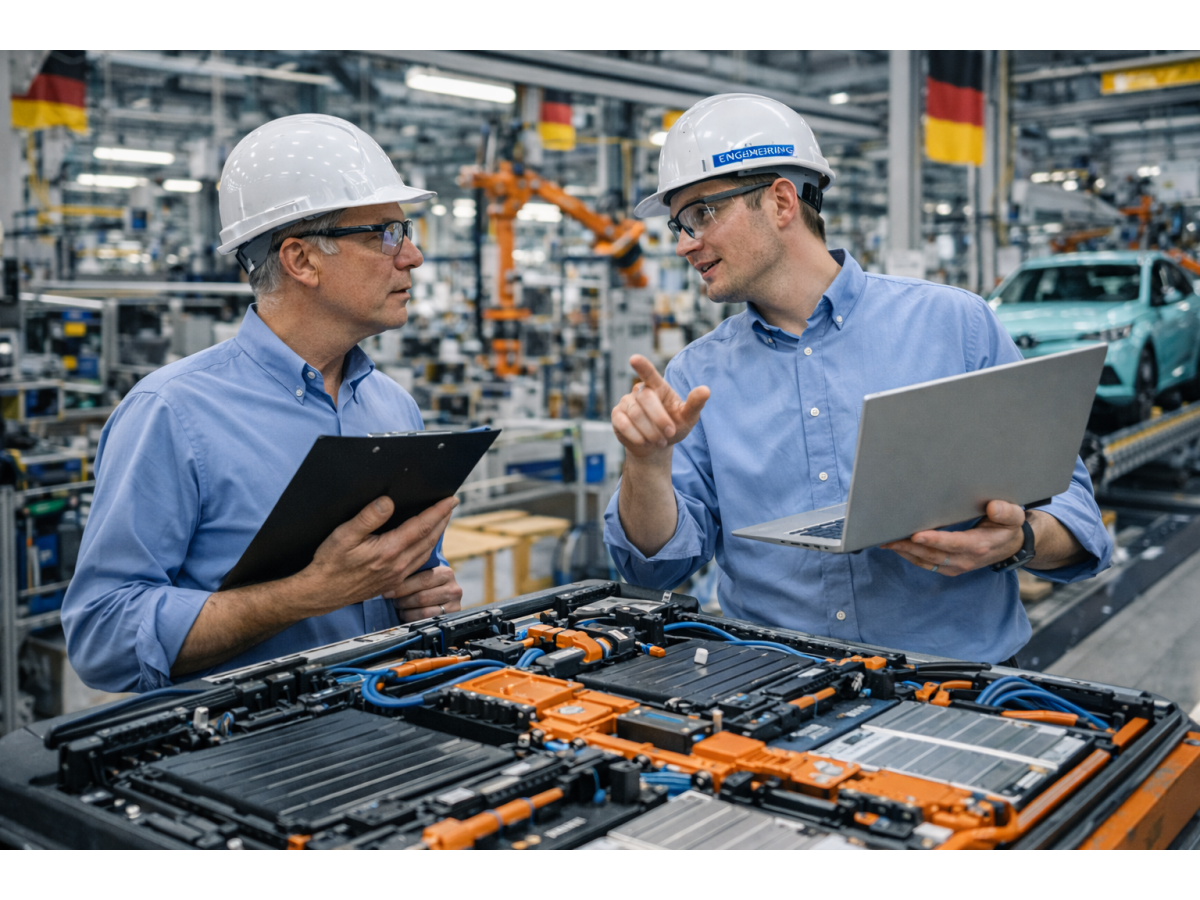
Automotive systems contain numerous components that require accurate interfaces and repeatable assembly.
Automotive CNC machining can support:
Mounting brackets
Sensor components
Shafts
Hubs
Mechanical adapters
Housings
Custom fastening components
Structural interfaces
For automotive OEM and Tier suppliers, repeatability is particularly important when machined components are installed across multiple vehicles or assemblies.
Electric vehicle development introduces additional requirements for mechanical and electrical integration.
Precision CNC machining can support components associated with:
EV battery systems
Battery enclosure assemblies
Electrical systems
Charging equipment
Motor-related components
Sensor mounting
Thermal management systems
Structural interfaces
For EV components, dimensional accuracy can be important for maintaining consistent interfaces between mechanical, electrical, and thermal components.
Medical equipment manufacturers may require precision machined components for mechanical assemblies and instruments.
Potential applications include:
Equipment housings
Precision brackets
Mechanical interfaces
Instrument components
Mounting components
Custom adapters
Precision mechanical assemblies
The material, dimensional, surface, cleanliness, and inspection requirements should be established according to the intended application and applicable regulatory requirements.
Robotic systems depend on accurately positioned mechanical components and interfaces.
Precision CNC machining for robotics can support:
Robot mounting components
End-effector components
Precision brackets
Shafts
Hubs
Mechanical adapters
Sensor mounting components
Automation equipment parts
Consistent dimensional relationships are important when multiple components must work together within a moving mechanical system.
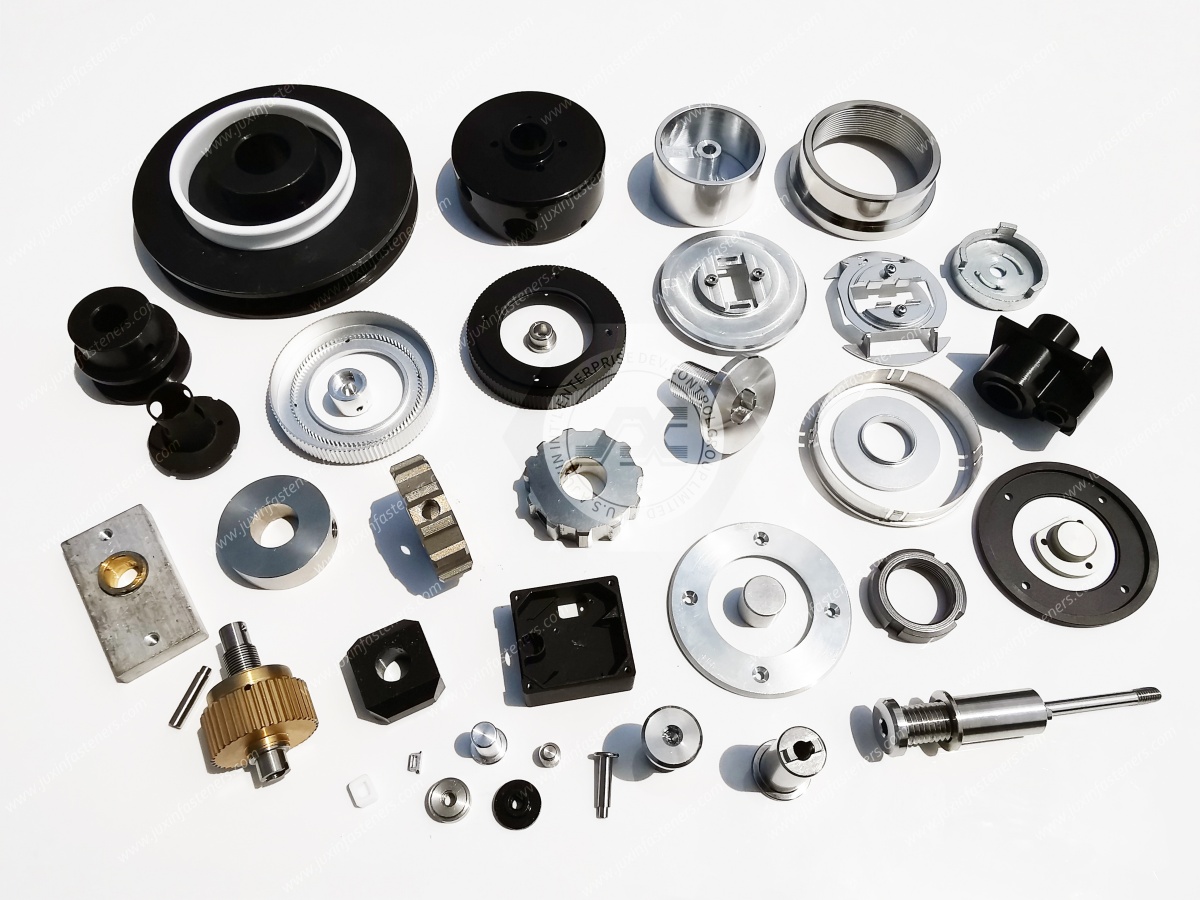
Electronic and electrical equipment often requires custom mechanical components to accommodate circuit boards, connectors, housings, and mounting systems.
Applications may include:
Electronic equipment housings
Mounting brackets
Connector interfaces
PCB-related mechanical components
Electrical cabinet components
Heat-management components
Custom mechanical adapters
CNC machining provides flexibility for producing prototypes, low-volume components, and repeat production parts according to OEM drawings.
Industrial automation and precision machinery manufacturers frequently require application-specific components.
These can include:
Machine components
Precision shafts
Bushings
Mounting plates
Housings
Brackets
Mechanical adapters
Custom fixtures
Machine interfaces
For industrial equipment, the objective is not simply to achieve the smallest possible tolerance.
The goal is to manufacture the required dimensions consistently and economically according to the component's actual functional requirements.
Precision CNC machining can support the complete product development process.
A typical project may progress through:
CAD Design → Prototype CNC Machining → Dimensional Inspection → Assembly Testing → DFM Review → Process Validation → Batch Production
Prototype components allow engineers to verify physical dimensions and interfaces before committing to larger production quantities.
Once the design and manufacturing process have been validated, the same supplier can potentially continue into batch CNC machining and OEM production, reducing the need to transfer technical information between suppliers.
A good CNC manufacturing process begins with understanding how the component will actually be produced.
During engineering review, potential DFM considerations may include:
Tool accessibility
Hole depth
Internal corner geometry
Machining setup
Material selection
Tolerance allocation
Surface finish requirements
Thread design
Production quantity
Inspection requirements
Not every dimension needs the same tolerance.
Where the design permits, using functional rather than unnecessarily restrictive tolerances can help control machining costs while maintaining product performance.
Juxin Fasteners has more than 20 years of experience in industrial fastener and engineered component manufacturing.
We support OEM and engineering customers with drawing-based manufacturing and customized components for demanding industrial applications.
Our capabilities include:
Precision CNC machining
Custom CNC machined parts
CNC prototype machining
Batch CNC machining
Industrial fasteners
Custom fastening components
Engineering drawing review
Dimensional inspection
OEM production support
Our approach is based on the actual engineering requirements of each component rather than applying generic accuracy claims.
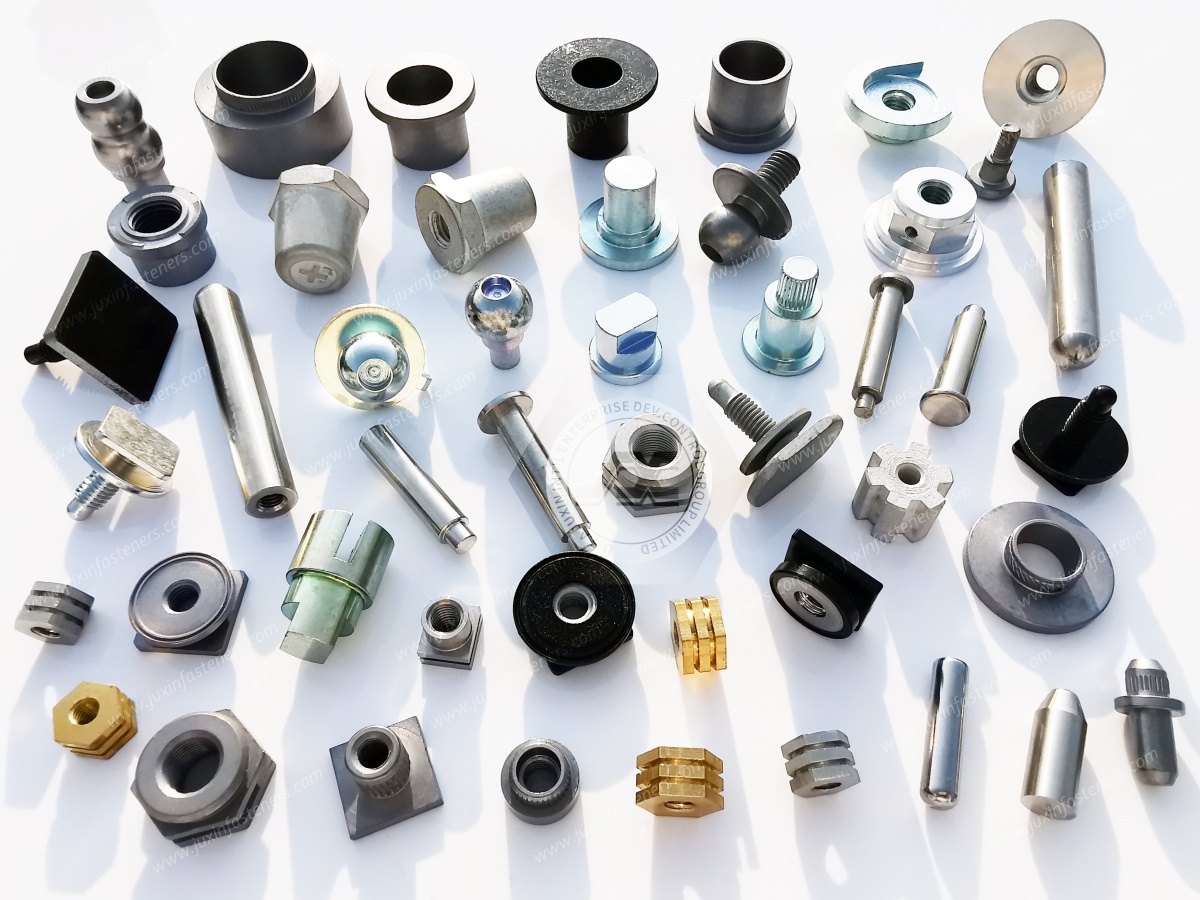
If you need high-accuracy CNC machined components for an OEM product, send us your engineering drawing or 3D CAD model together with the required material,
quantity, tolerance requirements, surface treatment, and inspection specifications.
Our team can review your requirements and provide a manufacturing quotation for precision CNC machining, prototype parts, batch production, or repeat OEM supply.
Email: info@juxinfasteners.com
Juxin Fasteners — Precision CNC Machining for OEM Components and Engineering Applications.
 MORE NEWS
Oct. 13, 2026
Contact Us
Tel.:
+86 020 8621 0320
+86 020 3121 6067
E-mail:
Technical Support:
Navigation
SEND INQUIREY