
Call Us
+86 136 6007 9809
Call Us
+86 136 6007 9809

Aug. 22, 2026
Some components cannot be manufactured efficiently using a conventional three-axis CNC setup.
When a component contains multiple faces, angled surfaces, deep features, complex contours, or demanding positional relationships,
multi-axis CNC machining can provide greater tool access and more flexible machining strategies.
By allowing the cutting tool and/or workpiece to move through multiple axes, multi-axis machining can reduce the need for repeated repositioning and multiple setups.
For OEM manufacturers, this can help simplify the machining process for complex components while improving production efficiency and dimensional consistency.
At Juxin Fasteners, we evaluate multi-axis CNC machining requirements based on the actual component geometry, material, tolerances, production quantity, and engineering specifications.
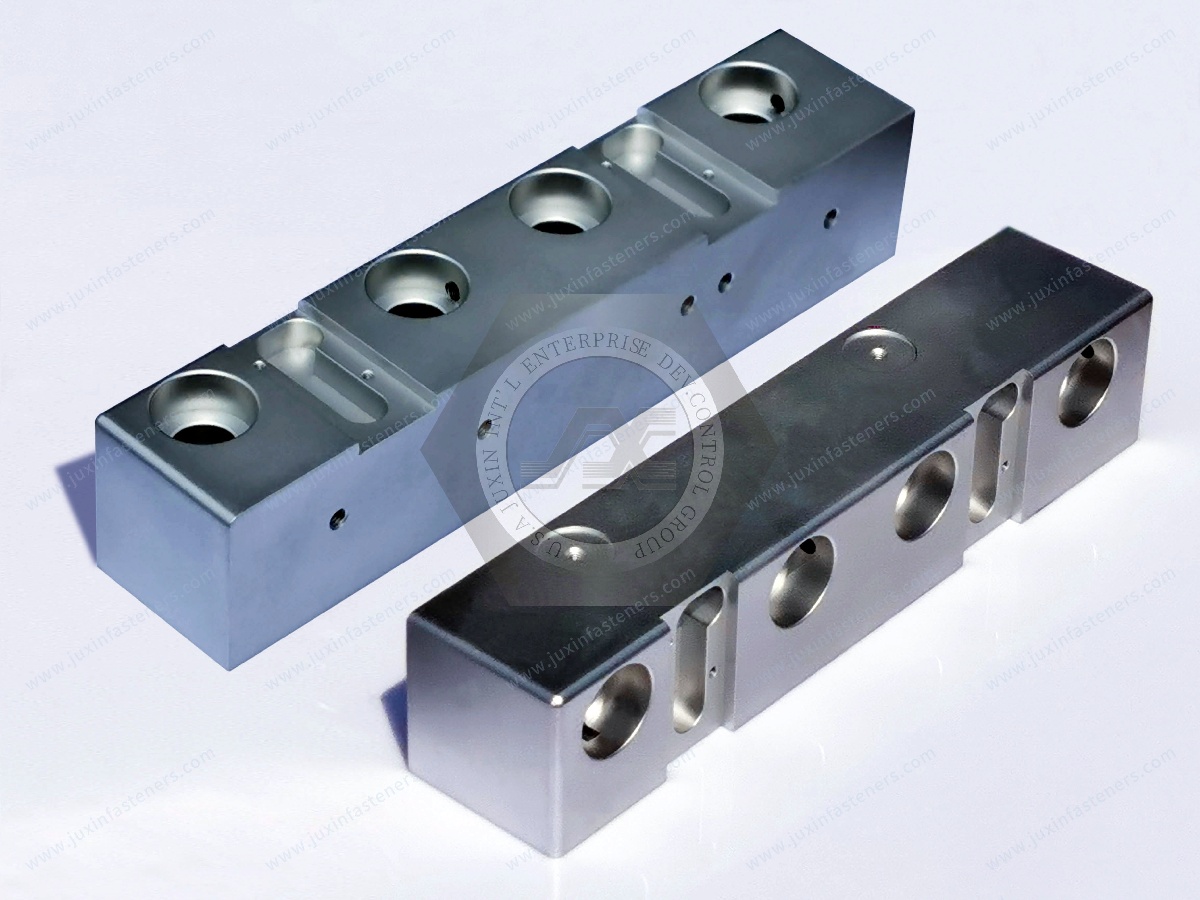
Multi-axis CNC machining refers to machining processes in which additional rotary or linear axes are used to position the cutting tool and/or workpiece.
Compared with a basic three-axis configuration, additional axes can provide access to surfaces and features that may be difficult to reach from a single orientation.
Depending on the equipment and component requirements, multi-axis machining may include:
4-axis CNC machining
5-axis CNC machining
Multi-axis milling
Simultaneous multi-axis machining
Indexed multi-axis machining
Complex contour machining
The appropriate configuration depends on the component geometry and the required manufacturing process.
A major advantage of multi-axis machining is improved access to complex features.
For suitable components, multi-axis CNC machining can:
Reduce part repositioning
Reduce the number of machining setups
Improve access to multiple surfaces
Support complex geometries
Improve machining efficiency
Reduce setup-related variation
Maintain better positional relationships between features
Simplify certain complex machining operations
Reducing the number of setups can be particularly useful when several features must maintain a controlled relationship to one another.
A three-axis CNC machine can be highly effective for many components, particularly those with relatively simple geometries.
However, some designs require machining access from multiple directions.
| Machining Requirement | 3-Axis CNC | Multi-Axis CNC |
|---|---|---|
| Simple planar features | Suitable | Suitable |
| Multiple faces | May require additional setups | More efficient for suitable designs |
| Angled surfaces | Possible with appropriate setup | Improved tool access |
| Complex contours | Suitable for many designs | Greater flexibility |
| Deep or difficult-to-access features | May require repositioning | Improved access for suitable geometries |
| Multiple positional relationships | Multiple setups may be required | Can reduce setup requirements |
The objective is not to use the maximum number of axes for every component.
The appropriate machining strategy should be selected according to the actual part geometry and production requirements.
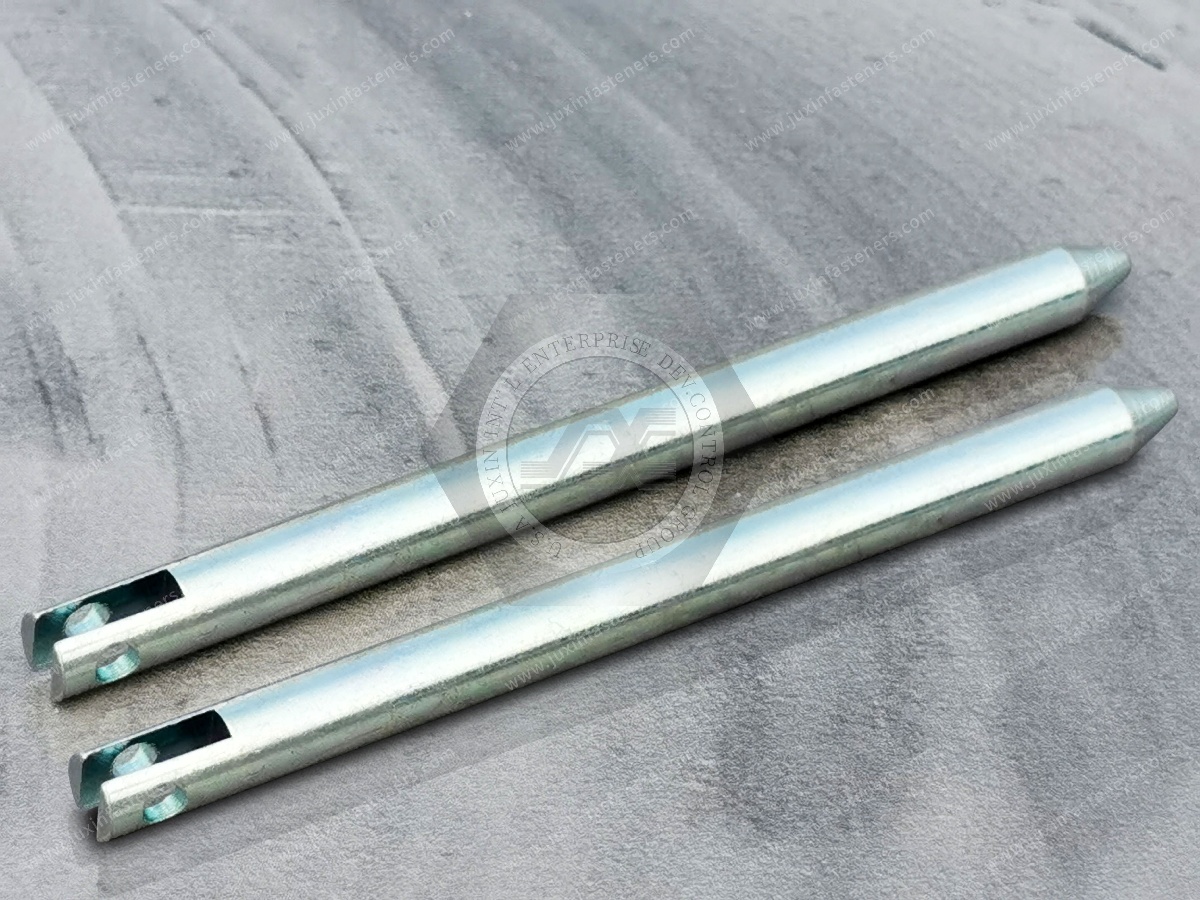
Multi-axis machining is particularly useful when a component contains several features that must be accessed from different orientations.
Typical geometry considerations include:
Angled surfaces
Multiple machined faces
Deep pockets
Complex contours
Compound curves
Intersecting features
Angled holes
Multiple mounting interfaces
Difficult-to-access surfaces
Tight positional relationships
For these applications, multi-axis machining can provide more flexible tool positioning than a conventional single-orientation setup.
4-axis CNC machining adds an additional rotational axis to the conventional three-axis movement.
This can be useful for components requiring machining around a cylindrical or rotational feature, or for accessing multiple sides of a workpiece without manually repositioning it for every operation.
Potential applications include:
Cylindrical components
Machined brackets
Rotational features
Housings
Components with repeated side features
Mechanical interfaces
Whether 4-axis machining is advantageous depends on the part geometry, feature locations, tolerances, and production quantity.
5-axis CNC machining provides additional flexibility for positioning the cutting tool and/or workpiece relative to the component.
It can be particularly valuable for complex components containing:
Multiple angled surfaces
Compound contours
Complex pockets
Deep features
Multiple intersecting surfaces
Complex mechanical interfaces
For suitable designs, 5-axis machining can reduce the number of setups required and provide improved access to difficult-to-machine areas.
However, the decision to use 5-axis machining should be based on engineering and production requirements rather than simply the number of axes available.
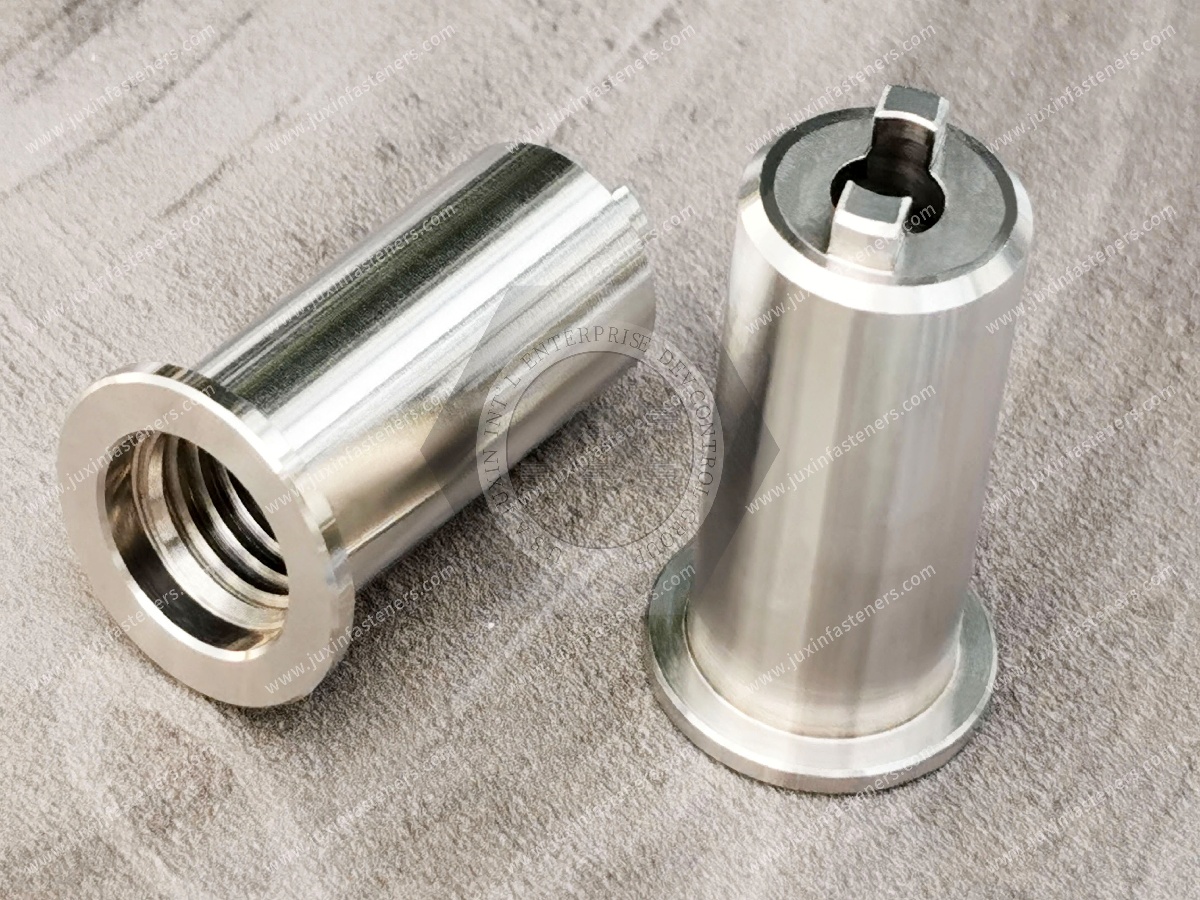
One of the practical benefits of multi-axis machining is the potential to reduce repositioning.
With conventional machining, a complex component may need to be removed from the machine and repositioned several times to access different surfaces.
Every additional setup can introduce:
Additional setup time
Additional labor
Additional alignment requirements
Potential positioning variation
Additional inspection requirements
For suitable components, multi-axis machining can access more features from fewer setups.
This can help maintain the relationship between critical features while improving overall production efficiency.
Industrial brackets and housings often contain multiple mounting surfaces, angled features, holes, pockets, and complex profiles.
Multi-axis CNC machining for brackets and housings can support:
Automotive mounting brackets
Robotics brackets
Equipment housings
Sensor mounts
Machine interfaces
Structural brackets
Custom adapters
The machining strategy can be developed around the component's critical functional interfaces and drawing requirements.
Aerospace-related equipment may contain complex mechanical components with multiple surfaces and challenging geometries.
Potential applications include:
Precision brackets
Structural interfaces
Housings
Mechanical adapters
Complex mounting components
Precision machined components
For aerospace-related projects, material specifications, dimensional requirements, inspection procedures, documentation,
and applicable quality requirements should be established before production.
Automotive and EV components can combine multiple mechanical and mounting features within a relatively compact component.
Automotive and EV CNC machining can support:
Mounting brackets
Sensor components
Battery-related components
Motor-related mechanical components
Structural interfaces
Housings
Custom adapters
Precision mechanical parts
For EV applications, complex components may need to integrate mechanical, electrical, and thermal interfaces, making accurate feature positioning particularly important.
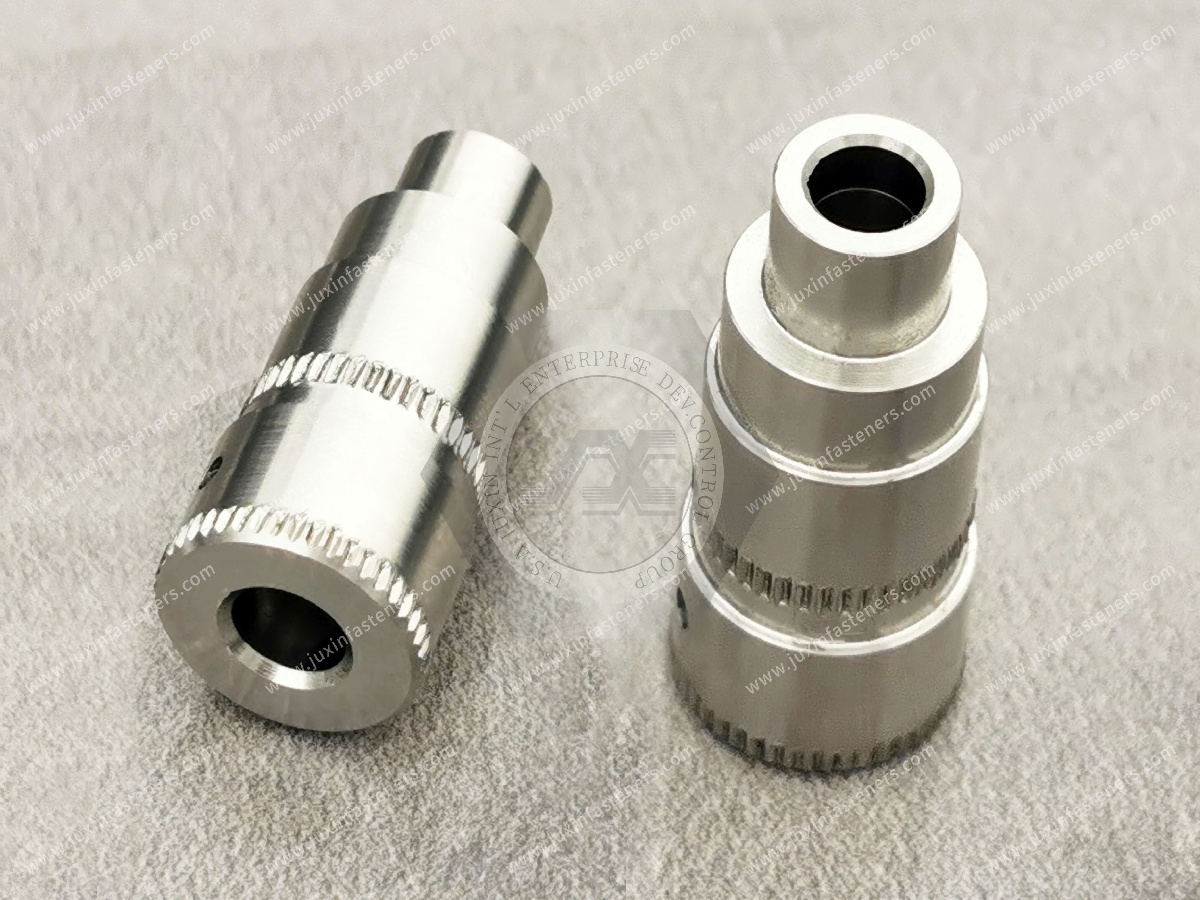
Robotics and automation systems frequently require customized components with multiple mounting and moving interfaces.
Applications can include:
Robot brackets
End-effector components
Joint-related components
Sensor mounts
Mechanical adapters
Precision housings
Automation equipment components
For robotic assemblies, the relationship between mounting holes, locating surfaces, shafts, and other interfaces can directly affect system alignment and movement.
Medical equipment manufacturers may require complex mechanical components for instruments, equipment assemblies, and specialized mechanisms.
Potential applications include:
Precision equipment housings
Instrument components
Mounting brackets
Mechanical interfaces
Custom adapters
Precision machined components
Material selection, dimensional requirements, surface finish, inspection, and application-specific requirements should be established according to the intended use.
Precision machinery often combines multiple machined surfaces and interfaces within a single component.
Multi-axis machining can support:
Machine housings
Precision brackets
Mechanical adapters
Tooling components
Fixtures
Shafts and hubs
Custom machine components
For machinery manufacturers, reducing the number of setups can be beneficial when several features must maintain accurate positional relationships.
Tooling and fixtures can contain complex surfaces, angled features, locating points, and multiple mounting interfaces.
Applications include:
Production fixtures
Assembly fixtures
Machining fixtures
Custom tooling
Inspection fixtures
Forming-related components
Manufacturing aids
CNC machining allows tooling components to be produced directly from engineering drawings or 3D CAD models.
The effectiveness of multi-axis CNC machining depends heavily on the component design.
Before production, engineers should consider:
Overall part geometry
Material
Critical dimensions
GD&T requirements
Surface finish
Feature accessibility
Tool clearance
Workholding
Machining sequence
Required number of setups
Production quantity
Inspection requirements
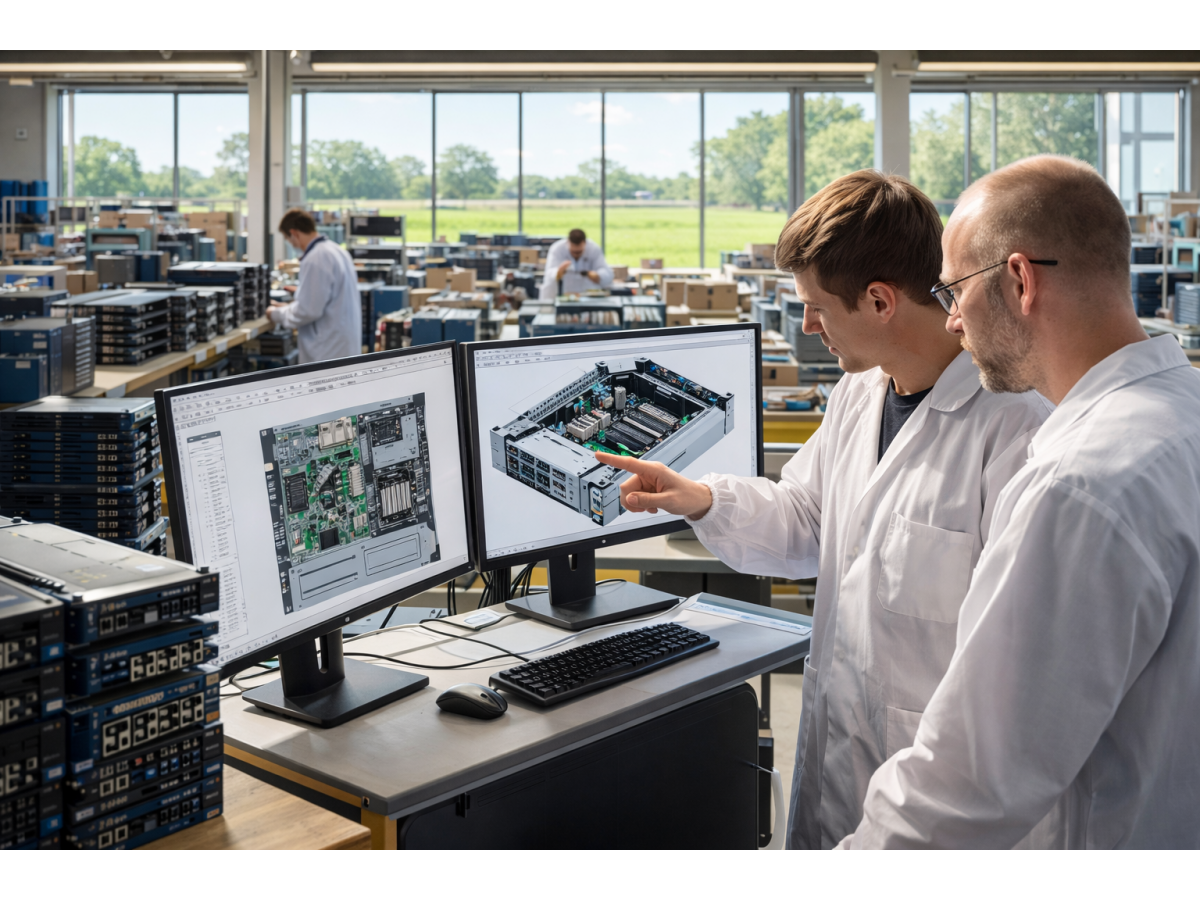
A 3D CAD model can be particularly useful for reviewing complex geometries and identifying potential machining challenges.
OEM customers can provide a 3D CAD model together with the engineering drawing and technical specifications.
The manufacturing review can consider:
CAD Geometry → Feature Accessibility → Tooling Strategy → Machining Setup → Critical Tolerances → Inspection Requirements → Production Method
This helps ensure that the selected machining process is aligned with the actual component requirements.
Multi-axis CNC machining can support both prototype development and production manufacturing.
A typical project may progress through:
3D CAD Model → CNC Prototype → Dimensional Inspection → Assembly Validation → DFM Review → Process Validation → Batch Production
Once the design has been validated, the manufacturing process can potentially continue into repeat OEM production.
Using the same manufacturing partner throughout these stages can help maintain continuity of drawings, material specifications, inspection requirements, and process information.
Complex components require appropriate inspection methods to verify both individual dimensions and relationships between features.
Depending on the project, inspection may include:
Dimensional inspection
Critical feature measurement
Hole and bore inspection
Thread inspection
Positional verification
Surface finish inspection
Material verification
Visual inspection
First-piece inspection
Batch consistency inspection
Inspection requirements should be defined according to the engineering drawing and the functional importance of each feature.
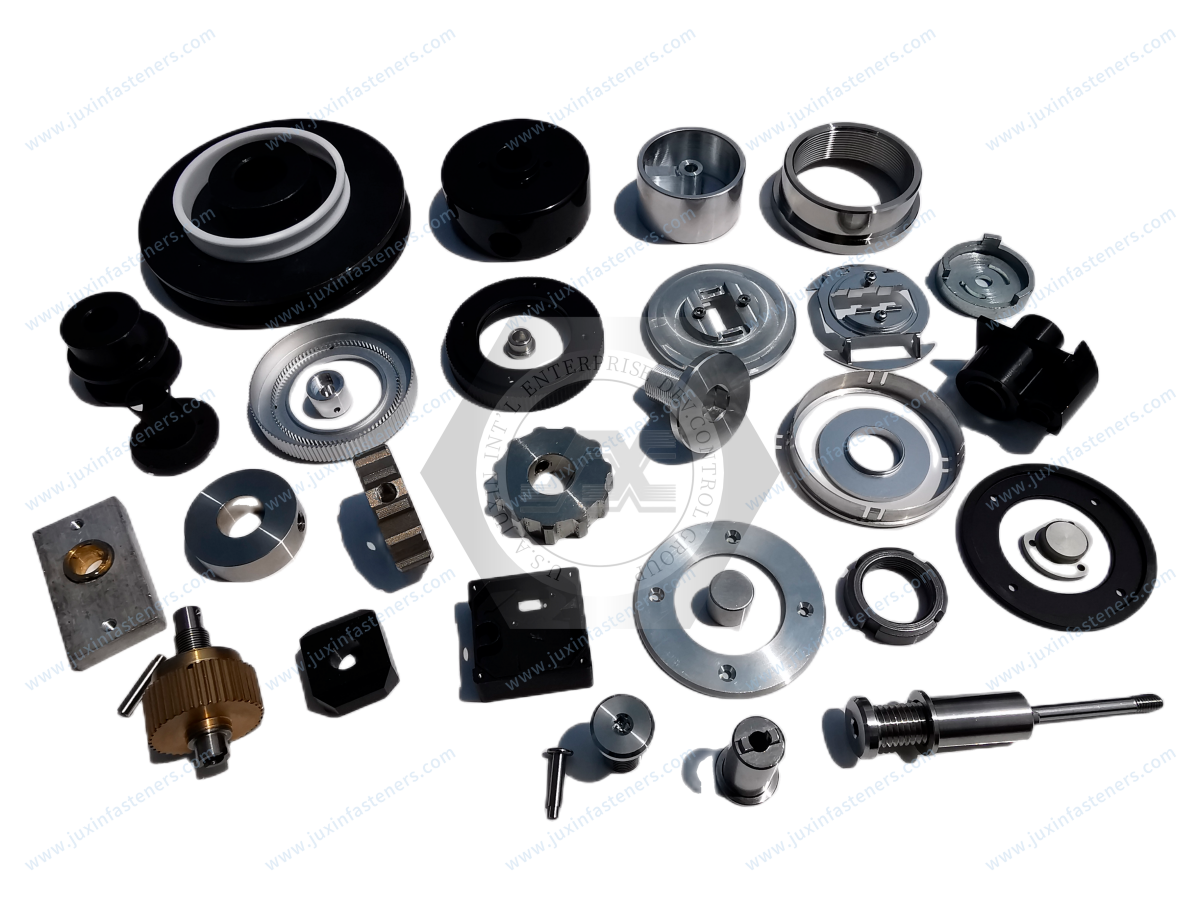
Juxin Fasteners has more than 20 years of experience supporting OEM customers with industrial fasteners and engineered components.
We work with engineering and purchasing teams that require drawing-based manufacturing, customized components, and repeatable production processes.
Our manufacturing support includes:
Multi-axis CNC machining
Custom CNC machined parts
Precision CNC machining
CNC prototype machining
Batch CNC production
Industrial fasteners
Custom fastening components
Engineering drawing review
Dimensional inspection
OEM manufacturing support
We select the machining approach according to the actual component geometry and engineering requirements rather than assuming that every complex part requires the same machining configuration.
If you are sourcing complex CNC machined components for an OEM project, send us your 3D CAD model or engineering drawing.
Please include the material, quantity, dimensional tolerances, surface finish, special requirements, and inspection specifications where available.
Our engineering team can review your component and recommend an appropriate manufacturing approach for multi-axis CNC machining, prototype production, batch manufacturing, or repeat OEM supply.
Email: info@juxinfasteners.com
Juxin Fasteners — Multi-Axis CNC Machining for Complex OEM Components and Precision Manufacturing.
 MORE NEWS
Oct. 13, 2026
Contact Us
Tel.:
+86 020 8621 0320
+86 020 3121 6067
E-mail:
Technical Support:
Navigation
SEND INQUIREY