
Call Us
+86 136 6007 9809
Call Us
+86 136 6007 9809

Aug. 14, 2026
Sleeve Anchors for Block and Brick
Reliable Mechanical Anchoring for Block, Brick, Concrete and Masonry Applications
Securing machinery, railings, framing, equipment supports, and structural fixtures to masonry requires an anchoring system that matches the substrate's strength and characteristics.
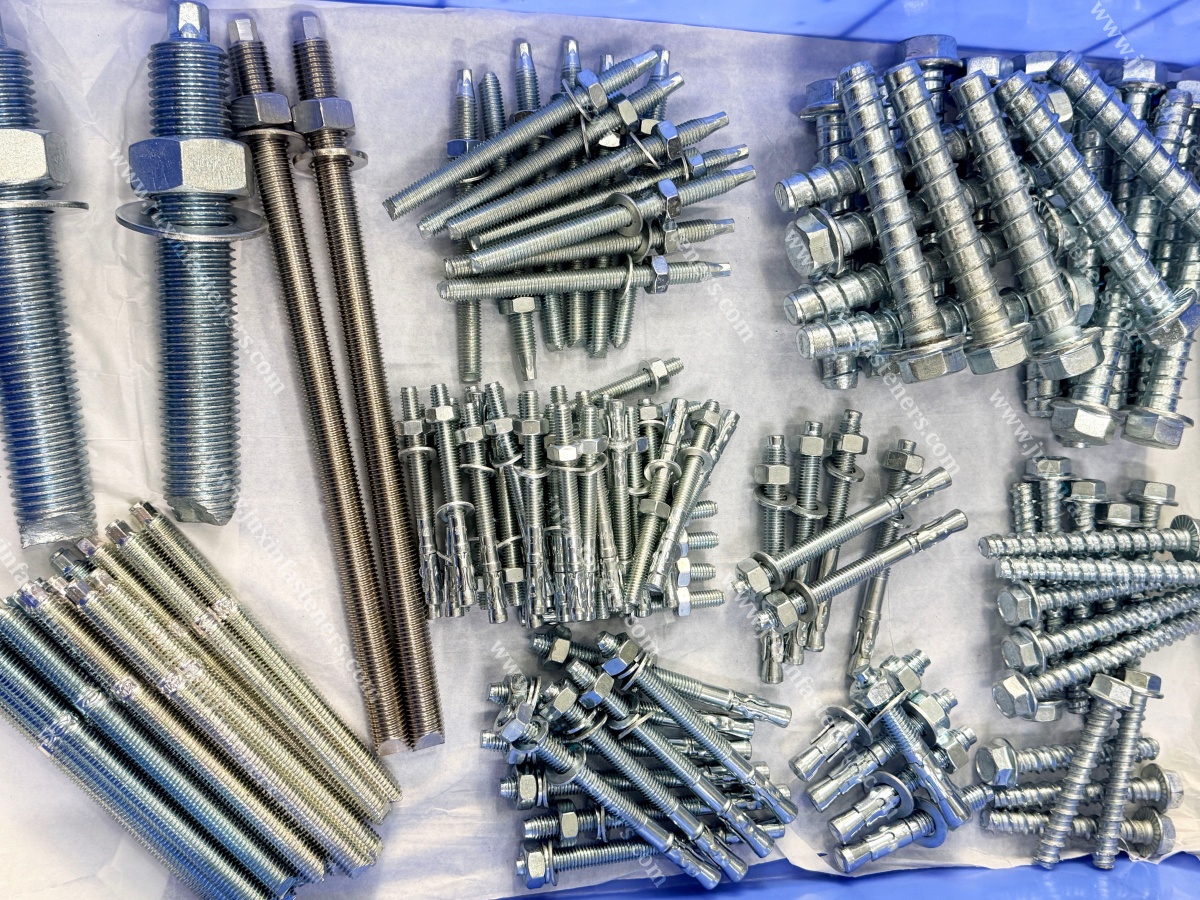
JUXIN FASTENERS sleeve anchors for block and brick provide a practical mechanical fastening solution when the expansion force must be distributed along the anchor's embedded length.
Unlike point-expansion anchoring systems that concentrate expansion forces at one location, a sleeve anchor expands along the length of the drilled hole.
This distributed expansion can make sleeve anchors suitable for selected applications in solid brick, solid masonry, and concrete,
particularly where localized expansion pressure could create problems near edges or corners.
For engineers, contractors, OEMs, distributors, and industrial purchasing teams, correct substrate selection and load evaluation are essential
when specifying masonry anchors and sleeve anchors for concrete.
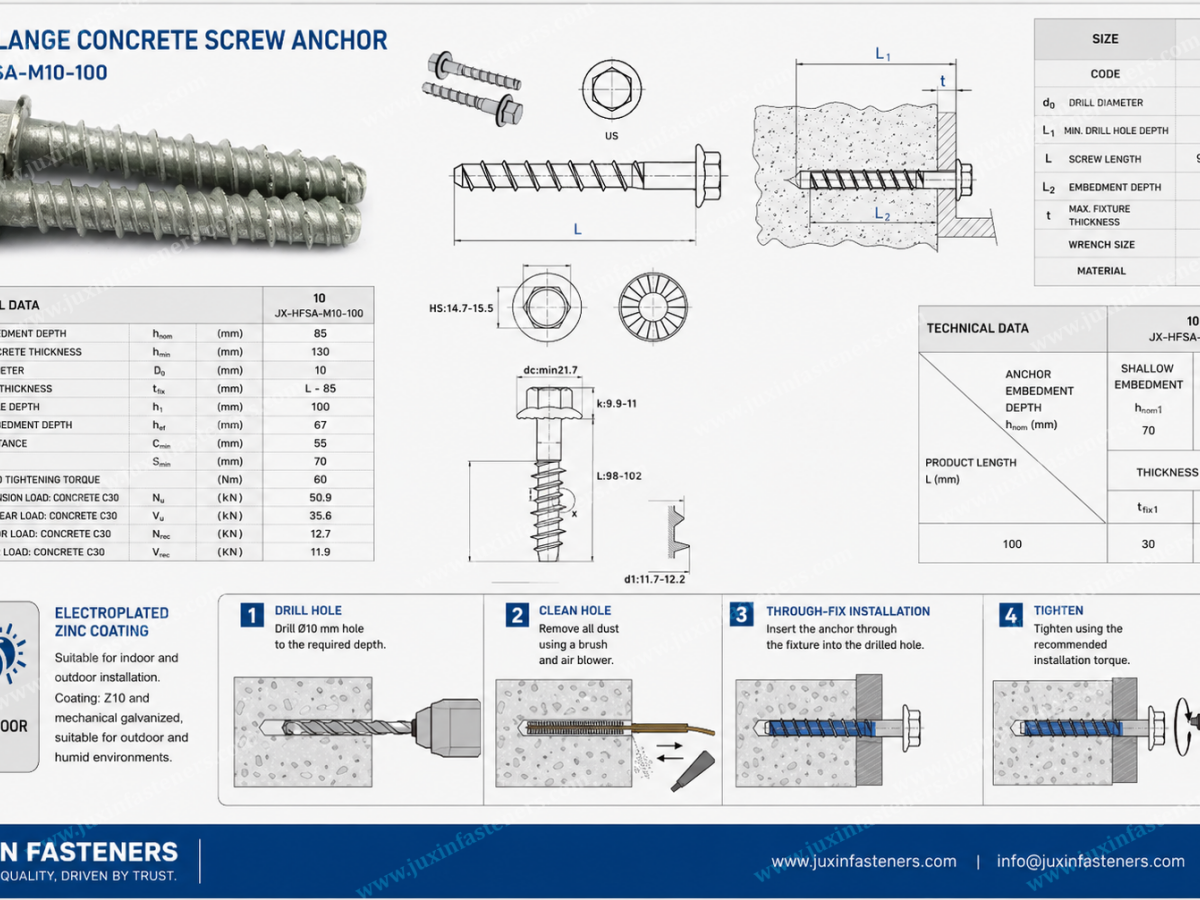
How Sleeve Anchors Work
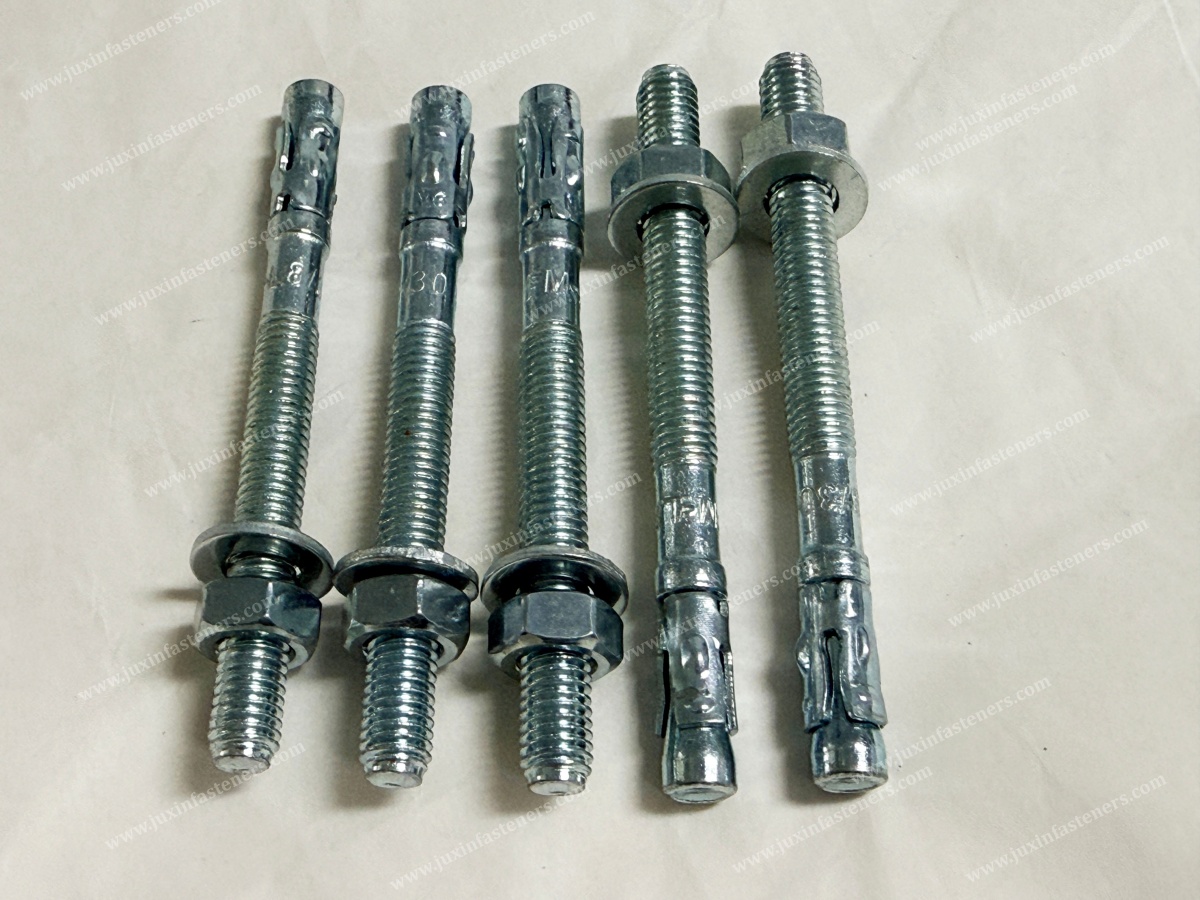
A sleeve anchor consists of an anchor body, expansion sleeve, nut or head, and associated components depending on the design.
During installation, insert the anchor through the fixture and into a correctly drilled hole. Tightening the nut or head draws the expansion mechanism into the sleeve,
causing the sleeve to expand against the surrounding substrate.
The resulting mechanical grip distributes expansion forces over a larger portion of the embedded anchor.
This makes sleeve expansion anchors useful for selected applications where controlled expansion is preferred over more concentrated expansion mechanisms.
Typical applications include:
Machinery mounting
Railings and handrails
Steel framing
Equipment supports
Wall-mounted fixtures
Structural brackets
Mechanical equipment
Electrical support systems
Commercial construction
Industrial installations
Sleeve Anchors for Brick and Masonry
Brick and block substrates can vary significantly in strength, density, construction, and internal structure.
For this reason, the term sleeve anchors for block and brick should not be interpreted as meaning that every sleeve anchor is suitable for every type of masonry.
Solid brick and solid masonry can provide a substantially different anchoring environment from hollow brick, hollow block, lightweight concrete block, or aerated concrete.
Before specifying a sleeve anchor, engineers should verify:
Masonry type
Solid or hollow construction
Masonry compressive strength
Wall or floor condition
Anchor diameter
Embedment depth
Edge distance
Anchor spacing
Applied tension and shear loads
Environmental conditions
Required safety factor
For hollow or low-strength masonry, a different anchoring system specifically engineered for that substrate may be required.
Sleeve Anchors for Concrete Near Edges and Corners
Sleeve anchors for concrete can also be considered as an alternative to certain expansion anchor designs where installation occurs near concrete edges, corners,
or other locations requiring careful control of expansion forces.
Because the expansion sleeve develops its grip over a larger portion of the embedded anchor, the loading behavior can differ from a wedge anchor.
However, sleeve anchors should not automatically be considered equivalent to high-capacity wedge anchors. Their allowable load depends on the anchor design,
concrete strength, embedment, spacing, edge distance, and project requirements.
For critical applications, engineers should use the manufacturer's published load data and applicable design standards rather than selecting an anchor based solely on diameter.
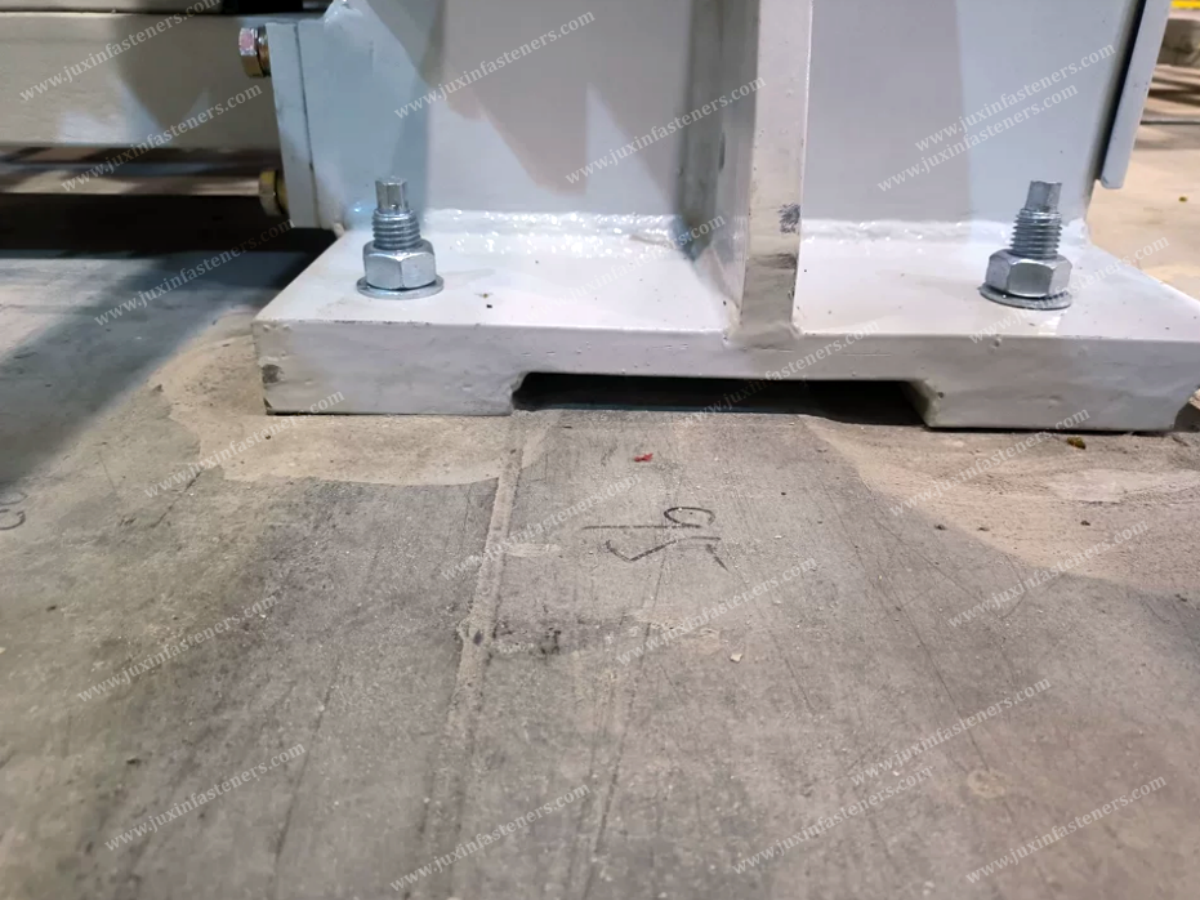
Machinery and Equipment Mounting
Industrial machinery often requires secure connections to concrete floors, foundations, or masonry structures.
Machinery anchors can be used for selected equipment mounting applications where the substrate and applied loads are appropriate.
Potential applications include:
Industrial Machinery
Secure selected machine bases, equipment frames, and support components to concrete floors.
Manufacturing Equipment
Provide mechanical fastening points for production equipment and support structures.
Railings and Handrails
Anchor railing posts, brackets, and support systems to suitable concrete or solid masonry substrates.
Steel Framing
Connect selected steel framing components, brackets, and support structures to concrete or masonry.
Mechanical Equipment
Secure selected equipment supports and mechanical installations where the substrate provides adequate anchoring strength.
Commercial Construction
Provide mechanical anchoring for selected fixtures, framing systems, and building-service components.
Sleeve Anchors vs. Wedge Anchors
Choosing between a sleeve anchor and a wedge anchor should be based on the substrate, load requirement, edge condition, and installation environment.
Sleeve anchors are commonly selected for general-purpose mechanical anchoring and masonry applications where distributed expansion is advantageous.
Wedge anchors are generally selected when higher mechanical anchoring performance is required in suitable concrete substrates.
A simplified engineering selection approach is:
Masonry / General Anchoring → Sleeve Anchor
High-Load Concrete Application → Appropriate Heavy-Duty Concrete Anchor
Critical Structural Application → Engineered Anchoring System Based on Project Requirements
The correct anchor should always be selected using application-specific technical data.
High-Strength Mechanical Anchors for Critical Applications
Some industrial and structural projects require a significantly higher level of engineering control than general-purpose masonry fastening.
Applications involving high static loads, life-safety requirements, critical equipment, or major structural loads may require high-strength mechanical anchors
with larger diameters, deeper embedment, controlled installation torque, and project-specific load calculations.
For example, certain heavy structural applications may specify anchors in sizes such as M16 or larger and require substantial embedment depth.
However, there is no universal minimum M16 or 120 mm requirement for every concrete or masonry anchor application.
These values must come from the applicable design standard, equipment manufacturer's drawings, project specifications, and engineering calculations.
This distinction is particularly important for elevator-related applications.
Elevator Guide Rail and Critical Equipment Anchoring
Elevator guide rail brackets and other life-safety-related installations require a substantially higher level of engineering verification than ordinary building fixtures.
For such applications, engineers may need to evaluate:
Concrete or structural substrate strength
Anchor diameter
Effective embedment
Edge distance
Anchor spacing
Tension loads
Shear loads
Combined loading
Installation torque
Dynamic operating conditions
Applicable elevator and building codes
Manufacturer requirements
Site-specific inspection and testing requirements
Where project specifications require deep embedment or large-diameter anchors, those requirements should be followed exactly.
Ordinary sleeve anchors should not be substituted for a specified elevator anchoring system without engineering approval.
Vibration and Dynamic Loading Considerations
Mechanical expansion anchors rely on the interaction between the anchor and the surrounding substrate.
Continuous vibration, impact, or cyclic loading can significantly affect the suitability of an anchoring system.
This is particularly important for:
Elevator equipment
Heavy machinery
Compressors
Rotating equipment
Vibrating equipment
Industrial production systems
Structural supports exposed to cyclic loads
A general-purpose masonry sleeve anchor should not automatically be classified as a high-performance vibration-resistant anchor.
Where continuous dynamic loading is present, engineers should evaluate whether a mechanical expansion anchor, adhesive anchor,
cast-in anchor, or another engineered fastening system is most appropriate.
Where required, appropriate anti-loosening measures and installation torque controls should be incorporated into the design.
Substrate Requirements
The substrate is one of the most important factors affecting anchor performance.
Suitable Substrates
Depending on the specific product design and published technical data, sleeve anchors may be suitable for:
Solid concrete
Solid brick
Solid masonry
Selected concrete block
Substrates Requiring Special Evaluation
Additional engineering evaluation may be required for:
Hollow brick
Hollow concrete block
Lightweight masonry
Aerated concrete
Weak or deteriorated concrete
Plaster or render layers
An anchor should never be considered adequately supported merely because it has been installed into a wall surface.
The load must be transferred into a substrate with sufficient structural strength.
Installation of Sleeve Anchors
Correct installation is essential for achieving reliable performance.
1. Select the Correct Anchor
Determine the required anchor diameter, length, embedment, material, and head configuration based on the application.
2. Drill the Hole
Drill a hole to the specified diameter and depth using the manufacturer's installation requirements.
3. Clean the Hole
Remove drilling dust and loose debris before installing the anchor.
4. Position the Fixture
Place the machinery, bracket, railing, or structural component over the drilled hole.
5. Insert the Anchor
Drive or insert the sleeve anchor through the fixture and into the prepared hole until the head or washer is properly seated.
6. Tighten the Anchor
Tighten the nut or head to activate the expansion sleeve according to the specified installation procedure and torque requirements.
7. Verify the Installation
Check the anchor position, fixture alignment, installation torque, embedment, and overall connection before applying the service load.
Engineering Note: Drilling accuracy is critical. Incorrect hole diameter, excessive drilling deviation, insufficient embedment, damaged substrate,
or improper installation torque can reduce anchoring performance.
Deep Embedment and High-Load Applications
Deep embedment can increase anchoring capacity in suitable concrete when the anchor design and substrate allow it.
However, deeper installation does not automatically make an anchor suitable for every high-load application.
For high-strength concrete anchors, engineers should evaluate the complete connection, including:
Steel strength
Concrete breakout
Pull-out resistance
Concrete splitting
Edge distance
Anchor spacing
Embedment depth
Shear capacity
Tension capacity
Combined tension and shear
Dynamic loading
Installation quality
A specific embedment requirement should always come from the relevant engineering calculation or product approval rather than being applied universally.
One-Time Installation Characteristics
Many expansion anchors are designed as permanent anchoring components.
After installation and expansion, the anchor may not be suitable for removal and reuse.
The supported equipment or fixture can often be removed by unfastening the nut, while the anchor remains embedded in the substrate.
This makes sleeve anchors suitable for applications where the fixture may require future maintenance but the anchoring point itself is intended to remain permanently installed.
Corrosion and Material Selection
Environmental exposure is another important factor in selecting a concrete and masonry anchor.
Common material and finish options may include:
Zinc-Plated Steel
A practical and economical choice for many indoor industrial and construction applications with occasional moisture exposure.
Typical applications include:
Manufacturing facilities
Warehouses
Indoor machinery
Commercial construction
General framing
Equipment supports
Stainless Steel
For outdoor, humid, coastal, or corrosive environments, stainless steel may provide enhanced corrosion resistance compared with zinc-plated carbon steel.
The correct stainless steel grade should be selected based on the actual environmental exposure and project requirements.
Industrial Applications
Construction & Structural Framing
Anchor selected steel framing, brackets, railings, and support structures to suitable concrete and masonry substrates.
Manufacturing
Secure selected machinery, equipment supports, and production fixtures.
HVAC & Mechanical
Support selected mechanical equipment and building-service components where the substrate and load requirements are appropriate.
Electrical
Anchor selected conduit supports, electrical fixtures, and equipment-support brackets.
Infrastructure
Provide mechanical anchoring for selected infrastructure components installed into concrete or solid masonry.
Commercial Buildings
Support railings, framing, fixtures, equipment, and building-service installations.
Industrial Maintenance
Provide replacement and retrofit anchoring solutions where existing concrete or masonry structures require new fastening points.
Why Choose JUXIN FASTENERS?
JUXIN FASTENERS supplies industrial fastening solutions for OEMs, distributors, contractors, engineers, and industrial purchasing teams.
Our product portfolio supports applications across:
Construction
Manufacturing
HVAC
Electrical
Mechanical systems
Industrial equipment
Structural framing
Infrastructure
Equipment maintenance
General industrial fastening
For customers sourcing sleeve anchors, concrete anchors, masonry anchors, heavy-duty mechanical anchors, and industrial fastening solutions,
we focus on consistent manufacturing quality, application requirements, and reliable B2B supply.
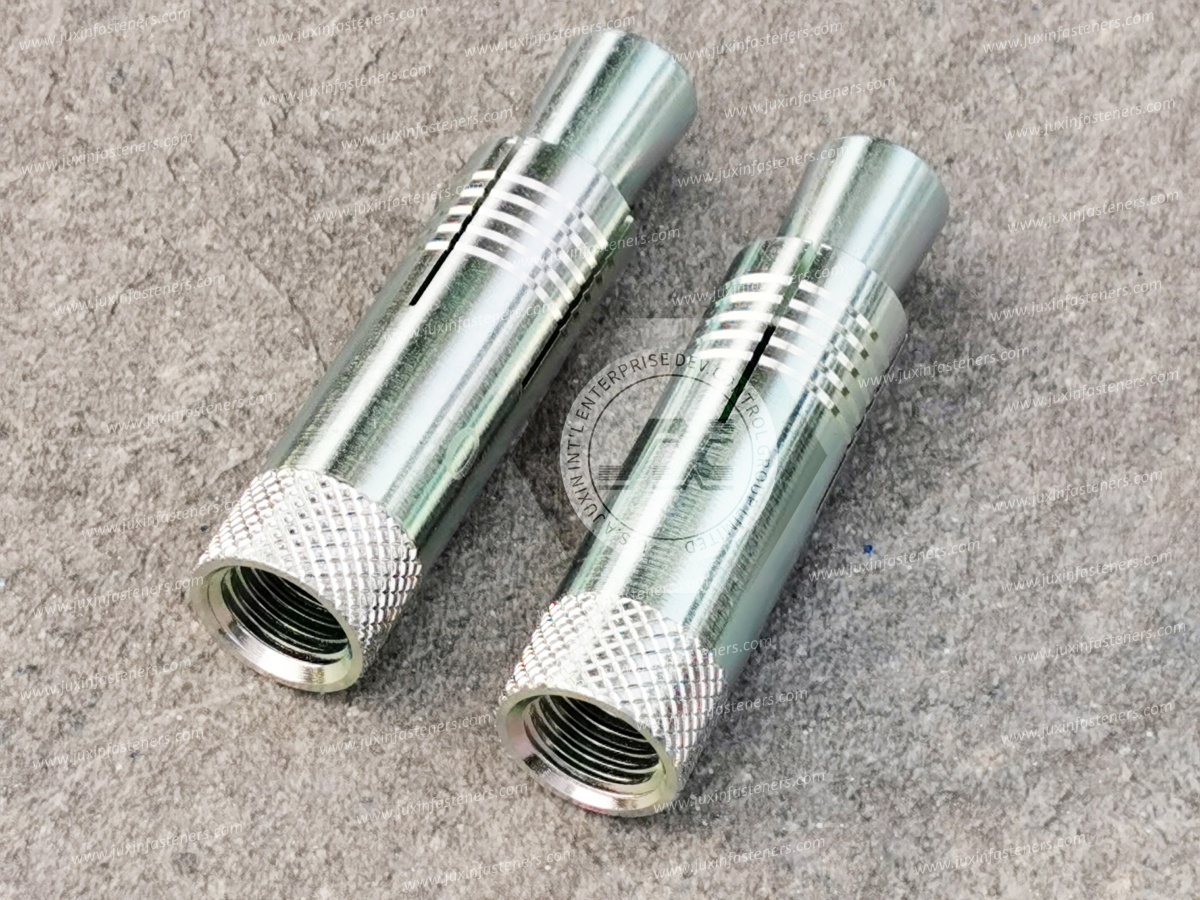
Engineering and Procurement Checklist
Before purchasing a sleeve anchor or mechanical concrete anchor, engineering and procurement teams should confirm:
Substrate type
Solid or hollow masonry construction
Concrete or masonry strength
Anchor diameter
Anchor length
Effective embedment
Required tensile capacity
Required shear capacity
Edge distance
Anchor spacing
Static or dynamic loading
Vibration conditions
Corrosion environment
Installation torque
Applicable project standards
Required inspection or pull-out testing
For critical structural and life-safety applications, the anchor should be selected and approved by the responsible engineer according to the applicable codes,
standards, product approvals, and project specifications.
Frequently Asked Questions
What are sleeve anchors used for?
Sleeve anchors are mechanical expansion anchors used for selected applications in concrete, solid brick, solid masonry, and other approved substrates.
Typical applications include machinery, railings, framing, brackets, and equipment supports.
Are sleeve anchors suitable for brick?
They can be suitable for certain solid brick and masonry applications when the anchor is specifically rated for the substrate.
Hollow brick and lightweight masonry require additional evaluation and may require a different anchoring system.
Are sleeve anchors suitable for concrete?
Yes, sleeve anchors are widely used in concrete for general-purpose mechanical anchoring.
However, higher-load applications may require a heavy-duty wedge anchor or another engineered anchoring system.
Are sleeve anchors stronger than wedge anchors?
Not generally. Wedge anchors are commonly selected for higher-load concrete applications, while sleeve anchors offer advantages
for general-purpose anchoring and certain masonry or edge-condition applications. Actual capacity depends on the product, substrate, embedment, and installation conditions.
Can sleeve anchors be used for elevator guide rails?
Elevator guide rail anchoring is a critical application and should follow the elevator manufacturer's drawings, applicable codes,
engineering calculations, and specified anchor requirements. A general-purpose sleeve anchor should not be substituted without approval from the responsible engineer.
Are sleeve anchors vibration resistant?
Sleeve anchors can be used in appropriate static-load applications, but continuous high-frequency vibration or significant impact loading requires specific engineering evaluation.
A general-purpose sleeve anchor should not automatically be specified as a vibration-resistant anchor.
Can sleeve anchors be removed?
The connected fixture can generally be removed by loosening the nut or head.
The anchor itself is normally intended as a permanent installation and should not be treated as a reusable fastening component.
Reliable Anchoring Starts with the Substrate
Choosing the correct anchor begins with understanding the material being anchored into.
For block and brick applications, sleeve anchors can provide a practical mechanical fastening solution where the substrate is suitable and the
required loads are within the anchor's published performance range.
For high-load concrete, structural steel, heavy machinery, elevator systems, and life-safety applications, the anchoring system
should be selected through engineering calculations and applicable project requirements rather than by anchor type alone.
JUXIN FASTENERS supports industrial customers with sleeve anchors for masonry and concrete, mechanical concrete anchors,
heavy-duty fastening solutions, and application-focused industrial fasteners.
Email: info@juxinfasteners.com
Website: www.juxinfasteners.com
 MORE NEWS

Oct. 13, 2026
Contact Us
Tel.:
+86 020 8621 0320
+86 020 3121 6067
E-mail:
Technical Support:
Navigation
SEND INQUIREY