
Call Us
+86 136 6007 9809
Call Us
+86 136 6007 9809

Nov. 05, 2023
In modern heavy infrastructure, automotive engineering, and high-load machinery manufacturing, structural joint integrity under dynamic loads is non-negotiable. Traditional fastening solutions often fail when subjected to severe cyclic vibration, extreme shear forces, and immense tensile stresses. To prevent brittle fractures and ensure long-term operational safety, heavy-duty applications demand specialized, precision-engineered high-strength bolts and matching structural steel nuts.
This comprehensive guide analyzes the mechanical principles, material metallurgy, international strength grades, and cross-industry applications of high-preload fastening systems.
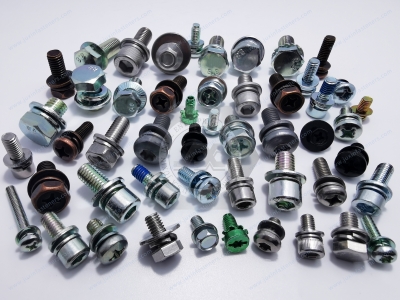
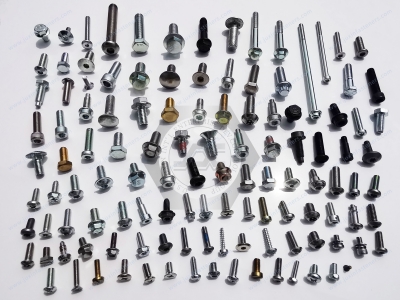
Unlike ordinary fasteners that rely primarily on the shear strength of the bolt shank itself to resist movement, a high-strength bolt and high-strength nut assembly operates on an entirely different engineering principle: Controlled Friction and Clamp Load.
Using calibrated installation tools (such as high-torque impact wrenches or torque multi-pliers), a massive, controlled axial pre-tension is introduced through the nut and washer profile. This extreme pre-stress pulls the joined structural elements together, generating an enormous clamping force across the mating contact surfaces.
As long as the external shearing or axial forces acting on the joint do not exceed this internal frictional resistance, the connected structural members cannot slip or undergo joint relaxation. This friction-grip mechanism ensures superior fatigue resistance and prevents loosening under heavy cyclic or dynamic loading conditions.
Achieving a high-preload connection requires raw materials with superior mechanical properties. While ordinary commercial bolts are manufactured from low-carbon steels (such as Q235/A3 structural steel) and carry lower strength classifications (grades 4.4, 4.8, or 5.6), industrial high-strength bolts utilize specialized medium-carbon or alloy steels that undergo strict heat treatment and tempering.
Premium high-tensile hardware is typically forged from high-grade carbon and alloy steels, including:
Medium Carbon Steel (e.g., Grade 45 Steel): Provides excellent general-purpose tensile parameters for standard machinery.
Boron-Alloyed Steels (e.g., 40 Boron, 20 Manganese Titanium Boron): Offers enhanced hardenability and depth of hardness during thermal treating, minimizing the risk of brittle fracture.
Chrome-Moly Alloys (e.g., 35CrMoA): The gold standard for high-temperature, ultra-high-pressure vessel sealing and severe structural environments.
Structural steel nuts and heavy hex bolts are classified primarily into two high-performance strength levels:
Grade 8.8: Features a nominal tensile strength of 800 MPa. An 8.8-grade high-strength structural steel nut can comfortably withstand heavy structural proof loads up to 120KN.
Grade 10.9: The predominant grade specified for heavy infrastructure and aerospace engineering, featuring a minimum tensile strength of 1000 MPa for ultra-high-pressure containers and high-load joints.
One of the most critical applications for high-preload fastening is in rail transit infrastructure. High-strength joint bolts and nuts for rails are specialized components engineered to secure rail track splices, switches, and frog assemblies across railway, metro subway, and rapid light rail systems.
Because rail joints are subjected to continuous impact forces and high-frequency vibrations from heavy freight and high-speed passenger trains, standard fasteners are prone to rapid joint degradation. High-tensile rail fasteners ensure track alignment stability, prevent track displacement or lateral deformation, and directly safeguard the operational safety of the entire transport network.
Due to their robust anti-loosening capabilities, exceptional load-bearing capacities, and high operational reliability, heavy-duty industrial fasteners are deployed across multiple critical supply chains:
High-Speed Railroads: Secures critical infrastructure points, track joints, and switching systems against intense high-speed vibration profiles.
Automotive Manufacturing: Widely used in power train assemblies, chassis mounts, wheel hubs, and heavy internal commercial cabins, such as localized automotive seat fastening solutions.
Bridge Construction: Deployed in large-scale suspension, cable-stayed, and steel-girder bridges to maintain structural firmness and bridge span stability across decades of environmental exposure.
Heavy Machinery Manufacturing: Provides heavy-duty fastening for extensive metallurgical equipment, large CNC machine beds, and massive wind power generation turbine towers.
Structural Steel Buildings: Essential for connecting beam-to-column joints in high-rise skyscrapers, industrial warehouses, and large-scale power grid electrical transmission towers.
To capitalize on the mechanical benefits of high-preload fasteners, engineering teams must maintain strict field installation and preventative maintenance workflows:
Precision Positioning: Initial alignment must always be established using temporary fitting bolts and alignment drift pins to ensure absolute hole concentricity across the joint before inserting the permanent fastener.
Controlled Tightening: High-tensile fasteners must be brought to their final specified tension using calibrated torque tools. This prevents thread stripping from over-tightening or joint relaxation from under-tightening.
Preventative Maintenance: Regular field inspection cycles are mandatory in high-vibration applications. Standard maintenance schedules should include technical cleaning, anti-galling lubrication, and residual torque testing to check for potential rust or structural creep.
For over two decades, Juxin Fasteners has delivered world-class industrial manufacturing and global OEM distribution for high-precision structural hardware. Our comprehensive product portfolio includes heavy-duty thread insert nuts, high-strength rail fasteners, premium automotive fastener screws, and a massive array of specialized industrial plastic fasteners.
Our experienced engineering team provides end-to-end technical support for structural design, material grade optimization, and custom component tailoring to solve your toughest structural challenges.
Accelerate your development cycle and source certified hardware. Use our interactive Product Finder tool on our corporate website, download our comprehensive Product Catalog, or submit your exact engineering blueprints to secure custom parts built exactly to your metrics.
Corporate Website:
Direct Engineering Inquiry: info@juxinfasteners.com
 MORE NEWS
Sep. 27, 2026
Sep. 27, 2026
Sep. 27, 2026
Contact Us
Tel.:
+86 020 8621 0320
+86 020 3121 6067
E-mail:
Technical Support:
Navigation
SEND INQUIREY